

Table of contents
In today’s fast-paced world, everyone’s looking for ways to make their money work harder. If you’ve ever thought about tapping into the Forex market, you’re not alone! The Forex market, where currencies are bought and sold, is massive – and it’s now just a click away for Indians who want to take a shot at trading. But with this opportunity comes a lot of confusion. The question, "How to trade Forex market in India?" is something many are asking, especially when the process can feel overwhelming.
Forex trading might sound like a complicated game, but think of it like exchanging currency at a foreign airport – just on a much bigger scale. You’re predicting whether one currency will go up or down compared to another. But, as with anything new, there’s a lot to learn. From picking the right broker to knowing the rules of the game, there’s a bit of groundwork to do.
As financial expert Rakesh Jhunjhunwala once said, "The market is a place where you learn, not a place where you earn instantly." It’s true – a good understanding of the basics is essential. This guide will walk you through every step, simplifying Forex trading, and helping you get started without any confusion or fear. So, let’s dive in!
Forex trading involves buying and selling currencies in a global market that operates around the clock. Let’s explore the core basics, how currency pairs work, and the vast size of the Forex market.
Forex, short for foreign exchange, is the marketplace where traders buy and sell currencies. It’s the world’s largest financial market, and it operates 24 hours a day, five days a week. In Forex trading, you trade one currency for another, like exchanging US dollars for Japanese yen, hoping to profit from changes in their exchange rate. Key concepts in Forex trading include:
Brokers: These are the platforms that connect you to the market, allowing you to trade currencies.
Leverage: It lets you control larger positions with less capital, increasing potential profits (and risks).
Margin: This is the money you need to deposit to open a trading position with leverage.
Pip: A pip (percentage in point) represents the smallest price movement in the currency market.
Spread: The difference between the buying and selling price of a currency pair.
Lot: A standard unit of trading size in the Forex market.
Forex traders use both fundamental analysis (looking at economic factors) and technical analysis (studying charts) to predict market trends and make informed decisions.
In Forex, currencies are quoted in pairs. The base currency is the first currency in the pair, and the quote currency is the second one. For example, in the pair USD/INR, USD is the base currency, and INR is the quote currency. Here’s how it works:
Major Pairs: These are the most traded pairs, including USD, EUR, GBP, and JPY. Example: EUR/USD.
Minor Pairs: These pairs do not include USD but are still popular for trading. Example: EUR/GBP.
Exotic Pairs: These involve one major currency and one from a developing or emerging market, like USD/TRY (Turkish Lira).
Cross Pairs: Pairs that do not involve USD, like EUR/GBP or EUR/JPY.
In a currency pair, the bid price is what you’ll receive if you sell the base currency, and the ask price is what you’ll pay to buy it. The difference between the bid and ask price is the spread, and it varies depending on the currency pair and market conditions. Traders aim to buy at a lower ask price and sell at a higher bid price to make a profit.

The Forex market is the largest financial market in the world, with a daily trading volume of over $6 trillion. It operates in a decentralized, over-the-counter (OTC) format, meaning trades are made directly between parties rather than on an exchange. This market includes a variety of participants:
Banks and Financial Institutions: The biggest players, driving the majority of trades.
Hedge Funds and Investment Firms: These institutions make huge trades for profit.
Retail Traders: Individual traders like you and me, who trade through brokers using platforms like MetaTrader.
The market’s size and liquidity mean you can trade almost any currency pair at any time. The 24-hour nature of the market allows you to trade at your convenience, depending on your time zone.

Forex trading has gained massive popularity in recent years, but one important question often arises: Is Forex trading legal in India? The short answer is yes, but with some important nuances that every trader should understand to ensure they stay compliant with Indian laws. Let’s explore the legal landscape of Forex trading in India and highlight the regulations set by authorities such as the Reserve Bank of India (RBI) and Securities and Exchange Board of India (SEBI).
India allows its citizens to participate in Forex trading, but there are clear guidelines to follow. The Reserve Bank of India (RBI) regulates the foreign exchange market under the Foreign Exchange Management Act (FEMA), which was established to facilitate external trade and payments. According to FEMA, Indian residents are permitted to trade only on authorized exchanges and are restricted to trading currency pairs involving the Indian Rupee (INR).
While RBI oversees the legality of Forex trading, SEBI (Securities and Exchange Board of India) plays a key role in ensuring the fair practices of Forex brokers. Forex brokers who operate in India must be SEBI-registered to legally offer services to Indian traders. SEBI ensures that these brokers adhere to strict regulations, protecting traders from fraud or malpractice.
When it comes to offshore trading, the situation becomes murkier. Indian traders looking to engage in Forex trading on platforms that are not SEBI-authorized must tread carefully. Offshore Forex trading—which involves trading on foreign platforms without INR pairs—can be illegal if done outside the regulated frameworks. This is where compliance with FEMA becomes crucial, as trading with foreign brokers that are not registered in India could violate Indian foreign exchange laws.
To stay on the right side of the law, here are a few guidelines Indian traders should keep in mind:
Trade only with SEBI-registered brokers who are authorized to provide Forex trading services.
Stick to INR-based currency pairs while trading on domestic exchanges.
Avoid engaging in offshore trading unless you are fully aware of the legal risks involved and comply with FEMA regulations.
India has a regulated environment for Forex trading, and understanding these regulations will ensure that your trading remains legal and safe. Always remember: adhering to Indian regulations will safeguard your investments and prevent any legal complications.
Choosing the right Forex broker is crucial for a successful trading experience. A reliable broker ensures secure, transparent trading with all the necessary tools and features to make informed decisions.
When selecting a Forex broker, the first thing to look for is regulation. A regulated broker is supervised by financial authorities, ensuring that they adhere to strict rules, which helps prevent fraud and market manipulation. Regulatory bodies such as the Securities and Exchange Board of India (SEBI) or the Financial Conduct Authority (FCA) in the UK enforce transparency, investor protection, and fair practices. These regulations give traders peace of mind, knowing that their funds are secure and their trades are handled legally.
Examples of Well-Regulated Brokers:
| Broker Name | Regulatory Body | Region of Operation |
|---|---|---|
| ICICI Direct | SEBI, NSE | India |
| HDFC Securities | SEBI, NSE | India |
| Exness | FCA, CySEC | Global |
| OANDA | NFA, CFTC | USA |
The Forex trading platform is the heart of your trading experience. You need a platform that’s fast, reliable, and easy to use. Look for brokers offering platforms like MetaTrader 4 (MT4) or MetaTrader 5 (MT5), which are popular for their advanced charting tools and smooth execution speeds. A good broker should also offer a mobile app with access to real-time data, easy account management, and the ability to trade on the go.
Some brokers also provide additional tools like automated trading features, economic calendars, and research tools. These can help you analyze market trends and make informed decisions.
Low transaction costs are essential to maximize profitability. Forex brokers charge spreads (the difference between the buy and sell price), and sometimes commissions, to execute trades. These costs can eat into your profits, so always check the spread offered by the broker before signing up. Some brokers might offer "zero spread" accounts, but you could face higher commissions or slippage.
Here’s a breakdown of typical costs for popular brokers:
| Broker Name | Spread (EUR/USD) | Commission (per lot) | Minimum Deposit |
|---|---|---|---|
| ICICI Direct | 1.5 pips | ₹500 per lot | ₹5,000 |
| Exness | 0.1 pips | $5 per lot | $10 |
| OANDA | 1.0 pips | No commission | $1 |
| HDFC Securities | 1.2 pips | ₹250 per lot | ₹10,000 |
When choosing a broker, make sure to balance the trading costs with the tools and features offered.
A reliable broker should have excellent customer support. Quick responses and accessible channels like live chat, email, and phone support are essential when you encounter issues or need assistance with your account. Some brokers even offer 24/7 support, which can be crucial during market hours.
Check if the broker has a comprehensive FAQ section, account management support, and easy resolution of any trading issues. ICICI Direct, for example, is known for its excellent customer service with 24/7 availability in India, while Exness offers multi-language support, ideal for global traders.
Effective Forex trading is not just about knowing the market; it’s about using the right tools. In this cluster, we will break down the must-have tools that make Forex trading smoother and smarter.
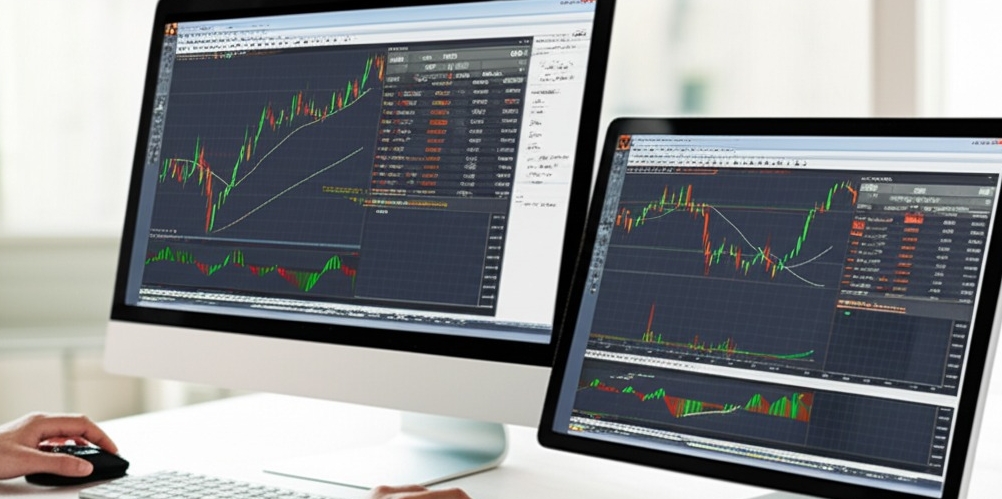
MetaTrader 4 (MT4) and MetaTrader 5 (MT5) are the most popular trading platforms used by Forex traders worldwide.
MT4 is known for its simplicity, reliability, and flexibility, primarily used for Forex trading. It supports automated trading with Expert Advisors (EAs) and provides various tools for technical analysis.
MT5, on the other hand, is a more advanced version. It offers additional timeframes, more advanced charts, and integrated support for trading other assets like stocks and futures. The platform also has more powerful order types and improved backtesting capabilities.
| Feature | MetaTrader 4 (MT4) | MetaTrader 5 (MT5) |
|---|---|---|
| Supported Assets | Forex only | Forex, stocks, futures |
| Timeframes | 9 | 21 |
| Order Types | 4 | 6 |
| Automated Trading | Yes (Expert Advisors) | Yes (Expert Advisors) |
| Indicators & Tools | 30+ | 50+ |

To succeed in Forex trading, understanding market trends and economic data is key. Two main tools come into play:
Technical analysis focuses on analyzing price charts, trends, patterns, and indicators (like moving averages, Bollinger Bands, and RSI) to predict future price movements based on past market behavior.
Fundamental analysis involves evaluating the economic conditions that affect currencies, such as interest rates, GDP reports, inflation, and geopolitical events. News events often play a huge role here, especially during major announcements like central bank meetings.
Both approaches offer their strengths:
Technical analysis is faster and more visual, relying on past data.
Fundamental analysis requires more time and research but helps traders understand the reasons behind market movements.
A balanced approach that combines both methods often yields better results.
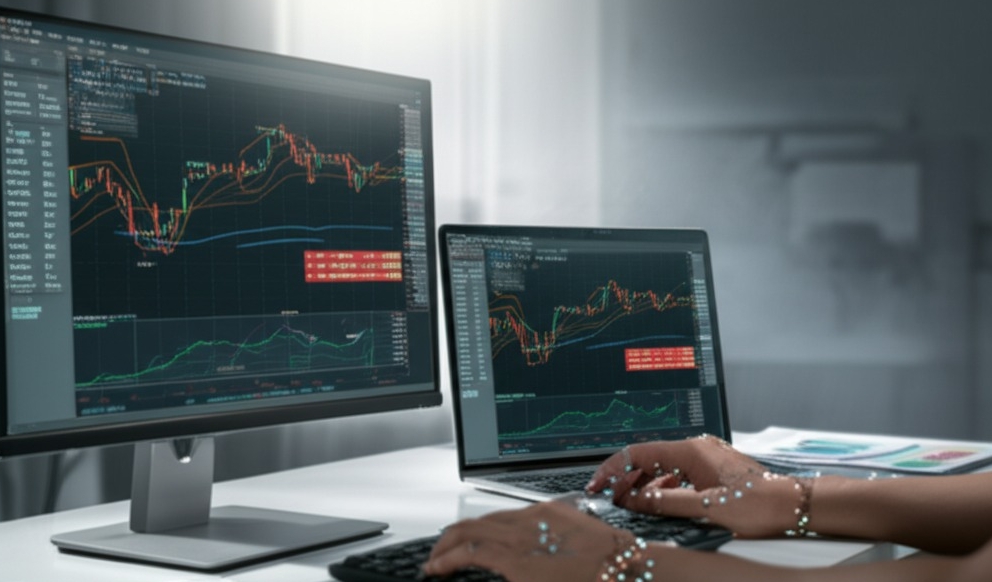
Trading robots (or Expert Advisors - EAs) are automated systems designed to make trades based on pre-set rules and algorithms. These robots use market data, indicators, and trading strategies to enter and exit trades without human intervention. Some advantages include:
Speed: EAs can process and execute trades faster than any human could.
Emotion-free Trading: Since they follow the strategy without deviation, EAs help prevent emotional decisions that can lead to loss.
Backtesting: Many trading robots allow backtesting, meaning you can test your trading strategies against past data to see how effective they might be in the future.
Popular trading robots include those programmed with MQL4 (for MT4) or MQL5 (for MT5), which offer highly customizable options for automated trading. However, despite their advantages, it's crucial to monitor the robots regularly to ensure they're operating as expected and to prevent over-optimization.
The tools available to Forex traders—whether it's a trading platform like MT4 or MT5, technical and fundamental analysis tools, or automated trading robots—are all designed to help improve trading decisions and increase profitability. Understanding and mastering these tools is essential for any trader looking to thrive in the fast-paced world of Forex. By combining these resources effectively, you can enhance your trading performance and minimize risks.
A demo account is your best friend when starting out in Forex trading. It lets you practice with virtual funds, so you can get the hang of trading without risking real money.
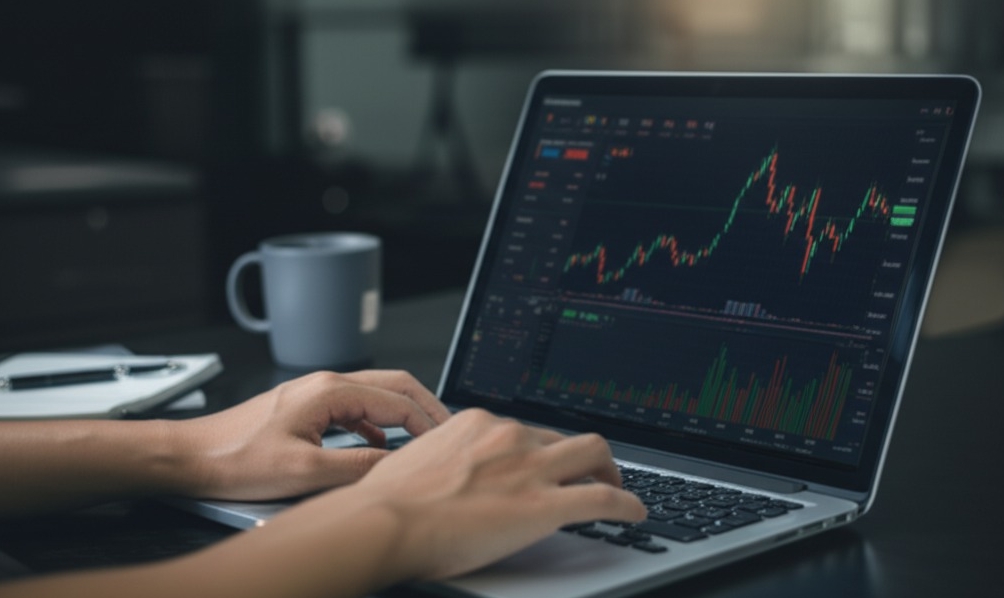
A demo account is like a sandbox where you can try your hand at trading without the pressure of losing your hard-earned cash. Here’s why it’s such a game-changer:
Risk-Free Environment: You’re trading with virtual funds, so there’s no risk. It’s a perfect way to start learning.
Strategy Testing: Test your strategies and see how they perform in the market. It's like training before the big game.
Skill Development: Practice market simulation to build your trading skills and become more confident.
Broker Comparison: You can try different brokers’ features to see which platform suits you best.
Execution Practice: Get a feel for executing trades—it’s crucial when you go live.
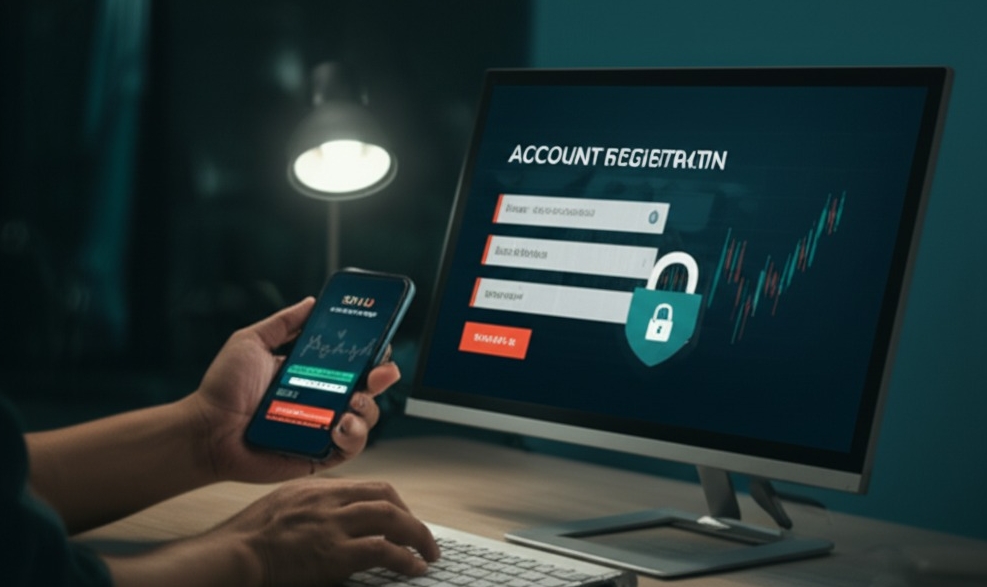
Setting up a demo account is easy and straightforward. Here’s a step-by-step guide to get started:
Account Registration – Choose a broker, and complete the registration process. This is where you’ll decide who you want to trade with.
Platform Download – After registering, download the trading platform provided by your broker (like MT4 or MT5).
Personal Details – Fill out your details, including your name and email address, so your account can be activated.
Login Credentials – Choose a strong username and password to protect your account.
Account Activation – Once everything is set up, activate your account and you’ll be ready to begin trading.
Virtual Balance – You’ll get a virtual balance to trade with. No real money involved!
Once the simulation setup is done, you can start exploring the platform, placing trades, and learning how to read market movements. It's your playground to test out everything from basic orders to more complex strategies.
| Step | Action | Result |
|---|---|---|
| Account Registration | Choose a broker and register | Complete registration on the broker's website |
| Platform Download | Download the trading software | Get the trading platform on your device |
| Personal Details | Fill in required personal info | Account setup with login credentials |
| Account Activation | Activate your demo account | You’re ready to begin trading with virtual funds |
| Virtual Balance | Receive practice funds | Start practicing trading strategies without risk |
By setting up a demo account, you can explore trading features, get comfortable with the platform, and practice execution—all without the fear of losing real money. This is the best way to get started on your Forex journey!
In the world of Forex trading, there’s no one-size-fits-all strategy. The key is to choose a trading approach that matches your personality, goals, and risk tolerance. Let’s dive into some of the most popular strategies that traders use to maximize their profits and manage their risks.
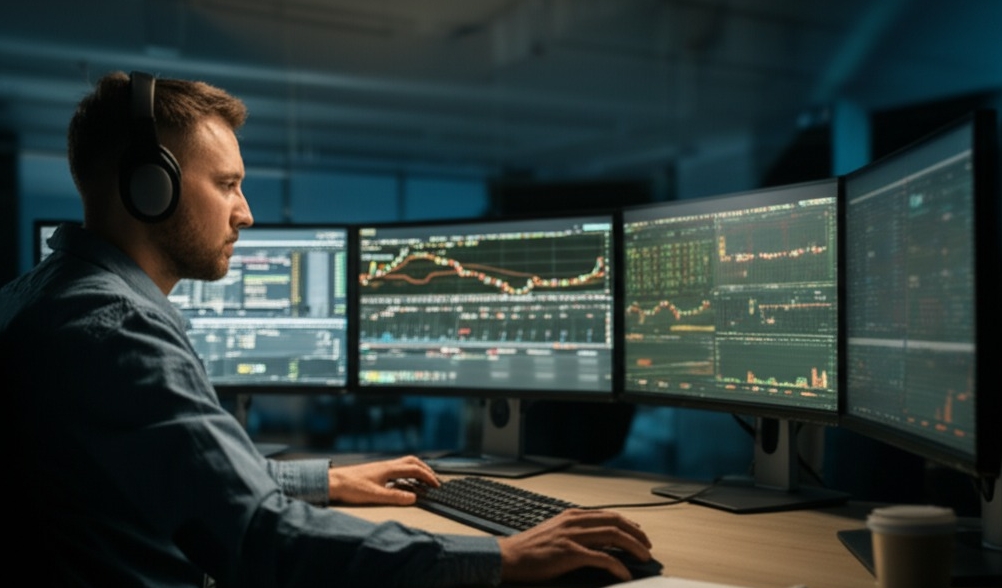
Scalping is a strategy aimed at making small profits from frequent trades. This involves capitalizing on tiny price movements that happen over very short periods. Traders using this method typically execute multiple trades in a single day, looking to make quick gains from small changes in price. Scalping requires a high level of focus and rapid decision-making, as the time to act is very short.
It’s important to note that scalpers rely heavily on liquidity, meaning they need to execute trades quickly without the market moving against them too much. The key to successful scalping is a low bid-ask spread, which allows you to enter and exit trades with minimal slippage. Scalping suits traders who are comfortable with high-frequency trading and have the ability to react swiftly to market movements.
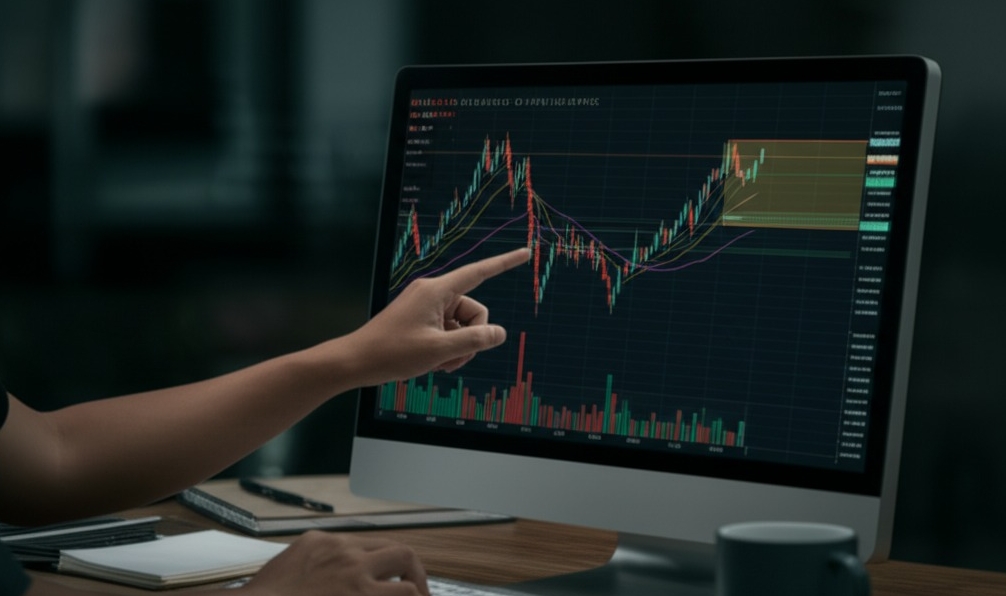
Swing trading focuses on taking advantage of price swings in the market. Unlike scalping, which focuses on short-term price moves, swing traders aim to capture medium-term moves, usually lasting a few days to a few weeks. Traders use technical analysis, such as chart patterns, support and resistance levels, and momentum indicators, to identify when to enter and exit trades.
In swing trading, traders look for the "swings" in the market—when a currency pair has moved too far in one direction and is likely to reverse. This strategy requires patience and a solid understanding of market patterns, but it allows traders to benefit from larger price movements than those seen in scalping. Candlestick patterns are commonly used to predict potential price reversals, making this a good option for those who want a more relaxed approach compared to day trading.

Position trading is a long-term strategy based on fundamental analysis. Unlike scalping or swing trading, position trading focuses on holding positions for weeks, months, or even years, riding the larger trends in the market. Traders who use position trading often rely on economic indicators, such as GDP growth, interest rates, inflation, and political events, to assess which currencies will appreciate or depreciate over time.
This strategy requires a strong understanding of the global economic landscape and a lot of patience. It’s ideal for traders who don’t mind holding positions for extended periods and are looking for significant price movements in the long run. Position trading is also beneficial for those who are less concerned about short-term market fluctuations and prefer a more passive approach to trading.
The risk/reward ratio (R/R ratio) is a fundamental concept in Forex trading that helps traders assess the potential profitability of a trade. It measures how much you stand to gain compared to how much you could lose. For example, a 1:3 risk/reward ratio means that for every $1 you risk, you expect to make $3 in profit.
Understanding and calculating the R/R ratio is essential for risk management. It helps traders make informed decisions about the size of their trades and whether a particular trade is worth taking. A positive R/R ratio allows you to manage losses while maintaining a healthy potential for gains. When setting stop-loss and take-profit levels, traders use the R/R ratio to determine whether the reward justifies the risk, which is crucial for capital preservation and long-term profitability.
Before jumping into live trading, it’s important to test your strategy to see how it performs under different market conditions. Backtesting involves applying your trading strategy to historical data to evaluate how it would have performed in the past. By doing this, you can get a good sense of the strategy’s strengths and weaknesses without risking real money.
Backtesting helps you refine your strategy and make necessary adjustments. It also helps you evaluate performance metrics, such as win rates, average profit per trade, and maximum drawdowns. Many traders use simulation software or trading platforms with backtesting features to fine-tune their strategies. Walk-forward testing is another technique where you test a strategy on historical data, then apply it to a live market with a forward-looking approach. By backtesting and strategy testing, you can gain confidence in your trading plan and improve your chances of success.
Each trading strategy has its strengths, depending on your trading style and goals. Scalping offers fast profits for those comfortable with high-frequency trades, while swing trading provides a more balanced approach to medium-term gains. Position trading is ideal for those who want to catch long-term market trends. Risk management through the risk/reward ratio and backtesting is essential for preserving capital and improving your strategies. The key is to choose a method that suits your personality and risk appetite, and always test your strategies before going live. Happy trading!
When you're ready to expand your Forex trading beyond the Indian Rupee (INR), you enter the world of cross currency trading. But how does one navigate this space?
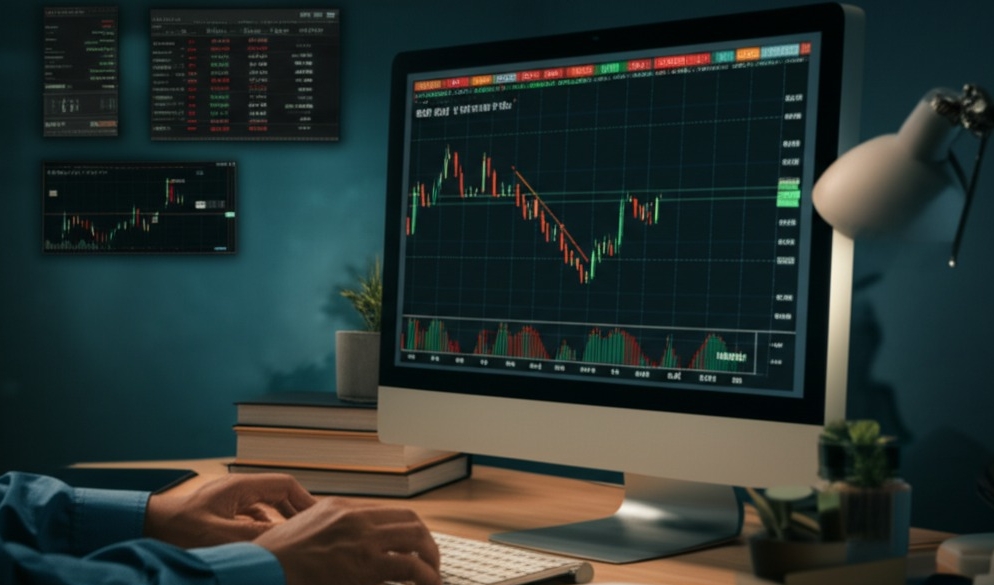
In Forex, currency pairs don’t always need to include the Indian Rupee. Cross currency pairs, or "crosses," are those that don't involve INR, like EUR/USD or GBP/JPY. These are traded based on the exchange rate between the two currencies involved.
Base currency: The first currency in the pair (e.g., EUR in EUR/USD).
Quote currency: The second currency (e.g., USD in EUR/USD).
Liquidity: Major pairs tend to have high liquidity, making them easy to trade.
Volatility: Minor and exotic pairs can be more volatile and risky.
In simple terms, if you trade EUR/USD, you’re buying Euros and selling US Dollars. The price of this pair fluctuates based on the relationship between the Euro and the Dollar.
Trading non-INR pairs requires compliance with global Forex regulations. While you can trade these pairs through any major Forex broker, the rules can differ depending on the country and broker.
Regulatory bodies like SEBI and RBI ensure compliance in India.
Licensing is mandatory for brokers offering cross-currency trading.
Investor protection ensures safe transactions and safeguards from fraud.
It’s crucial to stay within the legal framework to avoid issues like non-compliance or financial penalties. Make sure you’re familiar with reporting requirements and capital requirements of the broker, and always trade within the jurisdiction that governs your account.
By understanding cross currency pairs and adhering to trading regulations, you can confidently explore and trade non-INR pairs.
Managing risk is essential to long-term success in Forex trading. Let’s explore how to protect your capital while navigating the volatile market.
Risk management is like your safety net while trading in the unpredictable world of Forex. Key tools include:
Risk Assessment: Analyzing potential losses before they happen.
Position Sizing: Determining how much of your portfolio you risk on each trade.
Stop-Loss and Take-Profit: Setting boundaries to limit losses and lock in profits.
Diversification: Spread your risk across different assets to avoid putting all your eggs in one basket.
Hedging: Protecting against price fluctuations by taking opposite positions.
Remember, a good risk management strategy prevents big losses that could wipe out your gains.
Setting stop-loss and take-profit orders is like having guardrails for your trading.
Stop-Loss: Tells your broker to automatically sell when your position hits a loss limit.
Take-Profit: Automatically sells when your target profit is reached.
These entry and exit prices protect you from market swings while you sleep. A trailing stop even adjusts as the market moves, locking in profits without needing constant monitoring.
Don’t put all your money in one basket! Diversifying your trades spreads risk and smooths out the ups and downs.
Asset Allocation: Balancing your investments in different types of assets (currencies, stocks, commodities).
Sector Diversification: Avoid exposure to one industry.
Geographical Diversification: Trade in different markets to protect from regional risks.
Regular rebalancing of your portfolio ensures that your risk is kept in check, aligning with your long-term strategy.
Now that you know the basics of Forex trading in India, you’re ready to take the plunge. It’s not a “get-rich-quick” game, but with the right knowledge and practice, you can make it work for you.
As the legendary trader Warren Buffett once said, “The stock market is designed to transfer money from the active to the patient.” Keep learning, stay patient, and your hard work will pay off.
Start small, trade smart, and soon you’ll be confidently navigating the Forex market.
The minimum amount to start trading in Forex in India depends largely on the broker you choose and the type of account you open. Some brokers allow you to start with as little as ₹1,000, but it’s recommended to have a bit more to manage risks effectively. Here’s a general guideline:
However, it's important to remember that Forex trading is high-risk. So, while starting with a lower amount is possible, you should be prepared to invest more to manage risks and have a better chance of success in the market.
₹1,000 to ₹5,000 for a micro or demo account
₹10,000 to ₹25,000 for a standard account, providing more flexibility
₹50,000 to ₹1,00,000 for more serious traders who wish to engage with larger positions
Forex brokers make money in India primarily through spreads, commissions, and swaps. Here's a breakdown:
These methods of making money are standard worldwide and are how brokers stay profitable, while also providing a platform for traders to execute their trades.
Spreads: The difference between the buying and selling price of a currency pair.
Commissions: Some brokers charge a flat fee for each trade.
Swap/Overnight Fees: Charged when you hold a position overnight, based on the interest rate differential between the two currencies you're trading.
Yes, absolutely! Most Forex brokers offer mobile apps or mobile-friendly platforms, allowing traders to trade on the go. These mobile apps provide real-time market data, charting tools, and order execution features. Here’s what you can typically do on your phone:
Mobile trading provides flexibility and is a great option for traders who want to manage their positions even while commuting or traveling.
Monitor real-time Forex prices
Place market orders or limit orders
Analyze charts with technical tools
Set alerts for price movements
The most popular currency pairs in India are typically based on the Indian Rupee (INR), but global currency pairs also offer lucrative opportunities. Some of the most commonly traded pairs include:
Traders in India often begin with INR pairs, as they are familiar and can be easier to analyze, but many move on to other global pairs as they gain experience.
USD/INR: U.S. Dollar to Indian Rupee
EUR/INR: Euro to Indian Rupee
GBP/INR: British Pound to Indian Rupee
USD/JPY: U.S. Dollar to Japanese Yen (Global favorite)
For beginners, it’s essential to start with strategies that are easy to understand and implement. Here are some beginner-friendly strategies:
The key for beginners is to choose a strategy that suits their risk tolerance and trading style. Start simple, and gradually move to more advanced strategies as you learn more.
Scalping: This strategy involves making small profits by quickly buying and selling currency pairs within a very short timeframe.
Swing Trading: This involves holding positions for a few days or weeks to capture medium-term trends.
Trend Following: This strategy focuses on identifying and trading in the direction of the market’s prevailing trend.