

Table of contents
The forex market in India is huge and ever-growing, with currencies being exchanged all around the world. But behind this bustling market, the question remains: Who is the forex market regulator in India? Well, just like how traffic lights keep the roads in check, regulations help keep the forex market safe and fair for all. The Reserve Bank of India (RBI) plays the role of the main traffic cop, while other organizations like SEBI and FEDAI also pitch in to make sure everything runs smoothly.
Forex trading is exciting, but it can also be risky, especially with scams and illegal platforms floating around. That's why these regulators put up rules and frameworks to protect both beginners and experts. Think of it like a safety net that prevents you from falling into financial traps. As RBI Governor Shaktikanta Das says, "A well-regulated forex market ensures the stability of the economy."
In this article, we’ll dive into who’s behind these regulations and what they do to make sure the forex market stays transparent and trustworthy. After all, when you know the rules, you can play the game better!
Forex, or foreign exchange, is the global marketplace where currencies are bought and sold. Let's break down what makes this market tick and why it matters.

Forex, also called currency trading, is where you exchange one currency for another. This could involve the US Dollar for the Indian Rupee (INR), for example. The exchange rate determines how much of one currency you get in return for another. You can trade currencies in spot markets, where transactions are immediate, or in forward/future markets, where agreements are made for a later date. The FX market operates 24 hours a day, driven by market forces. Think of it as the world's largest and most liquid market.

The forex market runs through trading platforms, usually provided by brokers. Liquidity is high, meaning you can buy or sell currencies easily. It works with tools like bid/ask prices, spreads, and order types that help traders make decisions. The interbank market and central banks play a huge role, while individual traders can use leverage to amplify profits (or losses). Hedging is another technique used to manage risks in this volatile market. It's all about timing and having the right strategy!
Forex trading in India is crucial for the economy. With capital controls in place and regulations from the RBI and SEBI, it ensures stability. Indian traders benefit from trading in currency pairs like INR/USD, and the liberalized remittance scheme allows individuals to send money abroad. Currency volatility affects imports and exports, which impacts everything from the price of goods to remittance flows. The forex market also helps hedge against inflation and can act as an investment tool.
| Aspect | Importance | Impact on India |
|---|---|---|
| Currency Volatility | Affects the value of the Indian Rupee (INR) | Affects import/export prices and remittance flows |
| Capital Controls | Regulated by RBI and SEBI to ensure stability in forex markets | Ensures protection for Indian investors and stabilizes INR value |
| Liberalized Remittance Scheme | Allows residents to send money abroad | Facilitates international transactions and investments |
Forex regulation in India involves multiple key players ensuring smooth and secure trading. In this chapter, we’ll dive into the main regulatory bodies and their vital roles.

The forex market in India is regulated by several important bodies that ensure its transparency, stability, and compliance with the law. These include:
RBI: The central bank of India, overseeing foreign exchange management.
SEBI: Regulates forex brokers and protects investors from fraud.
IRDAI: Deals with the regulation of insurance companies, indirectly impacting forex trading.
PFRDA: Oversees pension funds, ensuring financial stability in the market.
Ministry of Finance: Creates financial policies that support forex trading.
Each of these entities plays a crucial role in maintaining a stable financial environment.
| Regulatory Body | Primary Role | Key Responsibilities |
|---|---|---|
| RBI | Central Bank of India | Currency management, inflation control, forex regulations |
| SEBI | Securities and Exchange Board of India | Protects investors, regulates forex brokers, ensures compliance |
| IRDAI | Insurance Regulatory and Development Authority of India | Regulates insurance sector, indirectly impacts forex trading |
| PFRDA | Pension Fund Regulatory and Development Authority of India | Manages pension funds and ensures financial stability in forex markets |
| Ministry of Finance | Government Body | Drafts policies, oversees financial regulations like FEMA |
The Reserve Bank of India (RBI) holds the reins when it comes to controlling foreign exchange in India. It manages currency, controls inflation, and ensures the country’s financial stability. As the central bank, it directly influences interest rates, money supply, and exchange rates, affecting both local and global markets.
RBI’s role goes beyond mere regulation—it sets monetary policy, controls liquidity, and ensures stable payment systems, allowing forex trading to thrive securely. The RBI’s intervention ensures that the forex market remains balanced and stable, crucial for global trade.
SEBI (Securities and Exchange Board of India) plays a significant role in overseeing online forex platforms. It ensures brokers and exchanges operate under a strict regulatory framework, focusing on compliance, investor protection, and adherence to guidelines like FEMA and PMLA.
SEBI’s job is to make sure that the forex market remains transparent, keeping illegal and unlicensed platforms in check to avoid fraudulent activities. Forex traders can rest easy knowing that SEBI takes the responsibility of ensuring that all forex dealings align with the legal framework.

Indian government legislation sets the foundation for forex regulation. The Ministry of Finance oversees major Acts like FEMA, which lays down rules for foreign exchange transactions. The SEBI Act and Banking Regulation Act provide legal frameworks for managing forex markets and protecting investors.
These laws ensure that forex trading is not only compliant but also consistent with national financial policies, securing the interests of traders and the economy.
By weaving together these various regulatory bodies and frameworks, India creates a well-structured environment for forex trading, with each player ensuring compliance, oversight, and protection. This collaborative approach helps maintain a secure, stable, and transparent forex market for all involved.
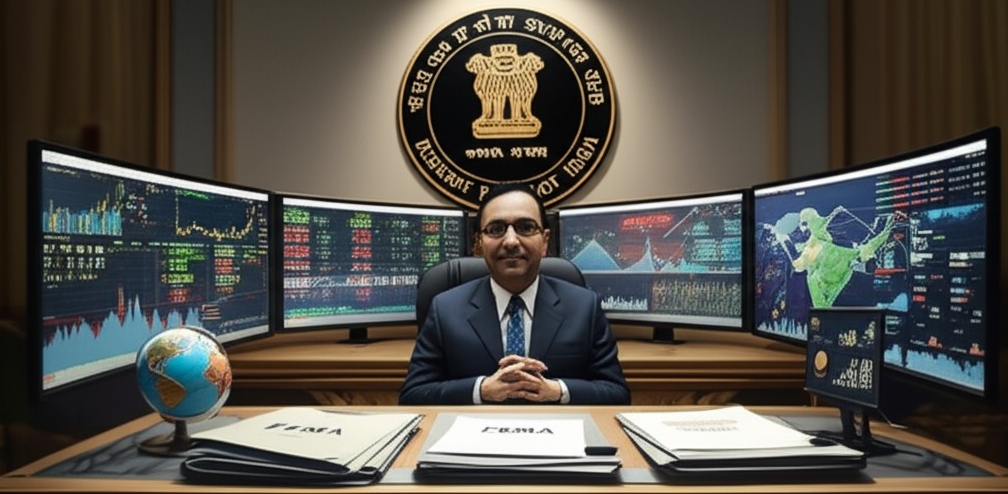
“Forex is not just numbers on a screen. It is policy, power, and precision,” said Rajiv Mehra, a retired currency analyst who worked closely with the Reserve Bank of India (RBI) for over two decades. His words echo across every rupee that crosses India’s borders.
The Reserve Bank of India (RBI) is the nerve center of forex regulation in India. Under the Foreign Exchange Management Act (FEMA), it controls how foreign currency flows in and out of the country. Through instruments like monetary policy, capital controls, and market intervention, the RBI keeps the forex market balanced and stable. Its job? Protect the rupee from wild swings and ensure long-term financial stability.
RBI actively authorizes and supervises Authorized Persons (APs) such as banks and money changers. These entities are licensed to handle forex transactions. Real-time market surveillance and exchange rate management further allow RBI to respond quickly to global shocks. Every time the rupee wobbles, traders know the RBI is watching—ready to step in when the stakes are high.
No certificate on the wall can replace the trust the Indian market places in the RBI. It is not just the regulator—it is the backbone of every legal forex transaction in the country.
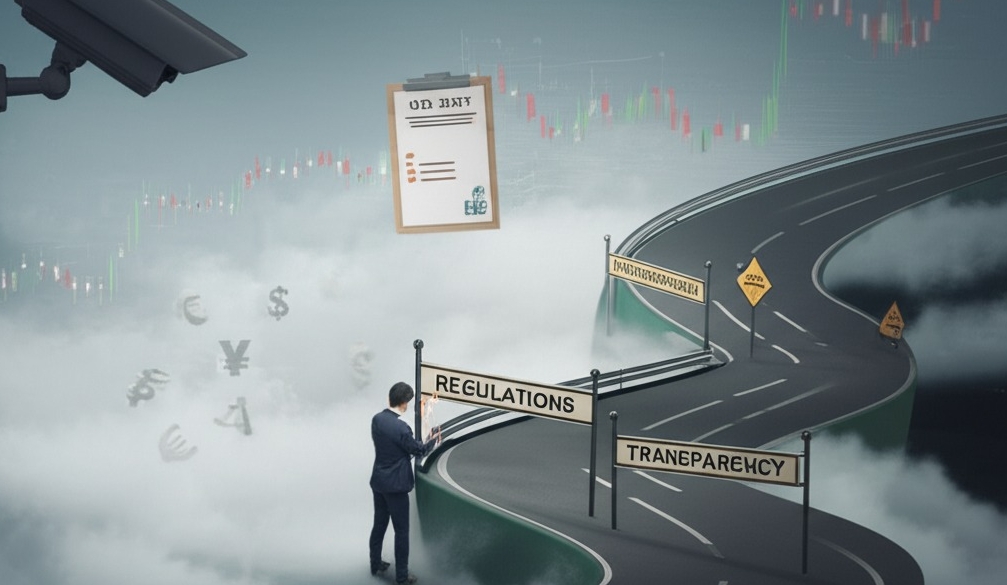
SEBI may not be the boss of all forex trades, but when it comes to investor-facing platforms, it's the watchdog India counts on.
SEBI’s mandate in the Forex market focuses on regulating platforms that offer Forex derivatives via recognized stock exchanges.
It ensures trades comply with FEMA and other RBI rules.
Only INR-based pairs are allowed on regulated exchanges.
SEBI’s authority kicks in when the public is involved in Forex trading through intermediaries.
SEBI creates a regulatory safety net—think of it as guardrails on a mountain road.
Disclosure norms: All brokers must disclose fees, risk factors, and counterparties.
Surveillance systems: Real-time monitoring helps sniff out shady trades.
Compliance enforcement: Non-compliant entities face penalties or suspension.
“Transparency builds trust, and trust builds markets,” said a SEBI spokesperson in a 2023 market circular.
Thanks to SEBI, traders know they aren't flying blind in the Forex sky.
Forex brokers who want to play by SEBI’s book must go through licensing and registration procedures.
Brokers must maintain segregated accounts to protect client funds.
Regular audits and compliance checks are the norm.
SEBI monitors intermediaries for unethical practices or hidden charges.
Traders, don’t get sweet-talked by unlicensed platforms. SEBI-registered brokers are your real deal.
SEBI is like that stern elder who’s got your back. It rolls out investor-first rules such as:
Mandatory risk disclosure and education for retail traders
Grievance redressal systems like SCORES
Ensuring fair pricing and transparency in contracts
Its investor protection framework is built to ensure retail traders don’t end up being the ones holding the bag.
FEMA, or the Foreign Exchange Management Act, is the legal framework that governs foreign exchange transactions in India. It ensures that forex activities are compliant and regulated, with the goal of promoting stability and liberalization.

FEMA was introduced in 1999 to replace FERA (Foreign Exchange Regulation Act). The purpose of FEMA is to manage foreign exchange transactions and promote the orderly development and maintenance of the forex market in India. The Reserve Bank of India (RBI) plays a crucial role in its implementation.
Ensures smooth management of foreign exchange in India.
Regulates cross-border forex transactions, limiting risks of fraud.
Promotes compliance with RBI guidelines, ensuring stability.
FEMA ensures that only authorized individuals and institutions can deal in forex, thus minimizing risks and preventing illegal activities.
FEMA’s impact on forex transactions is vast. It regulates both current and capital account transactions for residents and non-residents.
For residents, FEMA ensures that forex transactions are made for permissible purposes, such as travel, education, and business. For non-residents, it sets guidelines on investment in India.
Current Account Transactions: These include payments for goods and services. FEMA allows transactions within limits, ensuring there’s no misuse.
Capital Account Transactions: These transactions, related to investments, are strictly regulated, with detailed compliance and reporting requirements.
FEMA also enables the liberalization of forex dealings while ensuring compliance with RBI’s reporting requirements, making India a stable environment for forex exchange.

Indian residents are allowed to trade forex, but there are rules to follow. Let’s look at the guidelines that you must know before diving in!
Indian residents can trade forex, but the activity is strictly regulated. Forex trading in India is governed under the RBI guidelines and the Liberalised Remittance Scheme (LRS). Indian residents are permitted to trade in certain currency pairs but restricted from some activities, like speculative trading in foreign currencies.
Permitted Transactions: Transactions under the LRS allow residents to invest in forex trading through authorized channels.
Prohibited Activities: Residents cannot engage in margin trading or trade derivatives like forex futures and options unless they meet specific conditions.
Compliance: Following these guidelines ensures that trading stays legal and within RBI and FEMA regulations.
To legally trade forex, Indians must use platforms that are authorized by regulatory bodies like SEBI and RBI. These platforms ensure transparency and protection for users.
SEBI Registered Forex Brokers: Ensure your broker is registered with SEBI to confirm their credibility and compliance.
RBI Authorized Trading Platforms: These platforms have proper authorization and operate within the legal framework.
Choosing a Broker: Always go for brokers who are licensed and offer transparency regarding fees and risks.

Despite the opportunity, there are restrictions in place for Indian residents when it comes to forex trading.
Trading Limitations: Indian residents are restricted from trading some currency pairs, especially if they involve speculative activities.
Overseas Trading: RBI regulations prohibit residents from participating in forex trading on platforms based outside India.
FEMA Compliance: Residents need to ensure they follow FEMA guidelines to avoid penalties for unauthorized forex activities.
Open an Account: Choose a SEBI registered broker to open your trading account.
Choose a Platform: Select a platform that is compliant with Indian regulations, offering a demo account to practice first.
Start Trading: Make an initial deposit and begin with small trades while learning and managing risks.
Capital Gains Tax: If you sell your forex for a profit, it’s considered a capital gain and is taxable under the Income Tax Act.
Business Income: If forex trading is your main income source, it may be taxed as business income.
Tax Filing: Make sure to file your tax returns properly by reporting profits and losses from forex trading.
Forex trading’s booming in India—but picking the right platform is key. Let’s unpack how to spot legit brokers and dodge the shady ones.

Think of a legal forex platform like booking a train ticket on IRCTC—it’s official, backed by the system, and comes with clear rules. Here’s how to spot the real deal:
License & Regulation: Confirm if the broker is licensed by SEBI or authorized via RBI's Liberalized Remittance Scheme (LRS). If it isn't, stop right there.
Authorized Brokers: Look for names like Zerodha, HDFC Securities, and ICICI Direct, which route currency trades through recognized exchanges like NSE or BSE.
Regulatory Check: Run a search on SEBI's intermediary directory or RBI’s website to verify registration status.
Transparency & Disclosures: Legal platforms clearly display risk warnings, investor education, and offer proper KYC and withdrawal procedures.
Tip: No SEBI registration = No peace of mind. Avoid it.
“A regulated broker won’t promise overnight riches. If it does—it’s fishing, not finance,” says Shalini Mehta, Ex-SEBI market advisor.

Illegal platforms are like "Buy one, lose two" traps. Here's what traders typically face:
Fake Profits, Real Losses – Your balance shows growth, but try withdrawing and it's radio silence.
Scams Disguised as Signals – Unlicensed platforms manipulate charts and charge for fake trade ideas.
No Legal Recourse – Since they’re not under SEBI or RBI, there's no way to report or recover losses.
Blacklisted Brands – Many are openly listed as “unauthorized” on SEBI’s investor alert list.
Stay alert: Just because a platform has a fancy app or Instagram ads doesn’t make it legit.
Here’s a list of platforms flagged by SEBI and RBI for unauthorized forex activities. These operate outside Indian regulatory frameworks, often violating FEMA guidelines.
| Platform Name | Regulatory Warning | Status |
|---|---|---|
| OctaFX | SEBI, RBI | Blacklisted |
| XM Global | SEBI (No authorization) | Illegal |
| FBS | RBI (Unregulated overseas) | Prohibited |
| HotForex | Not SEBI-registered | Unauthorized |
These brokers often target Indian traders through social media, offering high leverage and "guaranteed" returns. Don’t fall for it—SEBI has issued public warnings against them.
Trade only with SEBI-registered brokers via NSE/BSE currency segments, like:
Zerodha (via NSE)
HDFC Securities
ICICI Direct
Motilal Oswal
When in doubt, ask yourself: “Would SEBI back this?” If not, don’t back it with your money.
While RBI and SEBI handle the legal ropes, there’s another key player — FEDAI — quietly setting the rules for how banks and forex dealers behave in the market.

FEDAI (Foreign Exchange Dealers' Association of India) is a self-regulatory organization formed in 1958. It acts as the bridge between India’s banks and the broader foreign exchange market.
It's not a government body but a critical industry-led association.
Mainly includes authorized dealers like commercial banks involved in forex transactions.
It creates uniform practices in dealing with foreign exchange and provides operational clarity.
As they say in banking circles: "If RBI lays the law, FEDAI teaches you how to follow it without falling into potholes."
When it comes to forex dealing, FEDAI doesn’t mess around. It sets ground rules to ensure all dealers toe the line and play fair.
Mandatory Code of Conduct – Every forex dealer must follow FEDAI's code, covering pricing transparency, ethical dealing, and dispute resolution.
Regulatory Guidelines – FEDAI outlines procedures for exchange rate quoting, transaction documentation, and client communication.
Training & Certification – FEDAI conducts regular training programs to upgrade dealer skills and enforce compliance awareness.
Support for RBI Compliance – FEDAI's framework complements RBI’s policies, acting like a real-world manual for bank forex desks.
Here’s a quick look at FEDAI’s compliance layers:
| Standard Area | Purpose | Applies To |
|---|---|---|
| Code of Conduct | Ethical trading guidelines | All forex dealers |
| Rate Quoting Rules | Uniform rate presentation | Banks & Authorized Dealers |
| Documentation Norms | Accuracy in forex records | Forex desk operations |
In short, if forex trading were cricket, FEDAI would be the umpire ensuring fair play — no shortcuts, no foul balls!
Forex trading in India isn’t some wild west game—it runs on rules, checks, and watchful eyes. The RBI, SEBI, and FEMA aren’t just names in a rulebook; they’re the reason honest traders sleep peacefully at night. Think of them as traffic cops on a busy Delhi road—keeping chaos in check.
"Strong regulation builds strong markets," as SEBI has often reminded in circulars.
So, before jumping into trades, make sure your platform’s legit and the rules are on your side. Because in this game, being street-smart isn’t optional—it’s survival.
Yes, forex trading is legal in India — but with a few strings attached. You’re only allowed to trade currency pairs that are approved by the RBI and SEBI. These usually include major INR-based pairs like USD/INR, EUR/INR, GBP/INR, and JPY/INR. Anything outside this scope, especially trading on international platforms offering exotic pairs, can land you in trouble.
Forex brokers in India are regulated by the Securities and Exchange Board of India (SEBI). If a broker isn’t SEBI-registered, it’s best to steer clear — no matter how tempting the returns sound. SEBI ensures that brokers stick to the rules and don’t play dirty with your money.
Sets rules under the Foreign Exchange Management Act (FEMA)
Controls currency inflow and outflow
Regulates currency conversions in banks and institutions
Ensures market stability by monitoring currency reserves
Technically, no — they’re not approved by Indian regulators like SEBI or RBI. Using such platforms from India violates FEMA regulations. You may not get penalized immediately, but if caught, there could be legal and financial consequences. It’s a risky ride.
FEMA, short for Foreign Exchange Management Act, is the backbone of India’s forex regulation. It replaced the older FERA law and makes it easier to manage external trade and payments, but with strict controls. It ensures that:
Only authorized persons can deal in foreign exchange
Transactions must be for permissible purposes (like travel, education, trade)
Limits are placed on how much forex an Indian resident can remit abroad
Good question — here’s a simple checklist:
If a broker offers crypto or exotic pairs with crazy leverage — red flag!
Check if the broker is SEBI registered
It should allow only INR-based forex pairs
Look for RBI authorization if it deals with currency exchange
Platforms must operate under Indian regulatory jurisdiction
NRIs (Non-Resident Indians) can trade forex, but under very specific rules. They’re generally not allowed to participate in speculative forex trading while residing outside India. However, they can use their NRE/NRO accounts for permitted forex transactions like remittances, education, or property purchases abroad — not active currency speculation.