

Table of contents
Thinking about jumping into forex but don’t know where to start? You're not alone. Many traders in India are curious about global currency markets, but the setup feels complicated. That’s why this guide on how to trade forex in Zerodha? is built for folks who want a straight road—no jargon, no fluff. If you’ve used Kite for stocks, you’re already halfway there. It’s like learning to ride a bike—you just need someone to hold the seat for a bit.
Zerodha offers access to currency derivatives through NSE and BSE, and it's fully regulated by SEBI. As Nithin Kamath, Zerodha’s co-founder, says, "Simple tools, when used right, can outperform complex strategies." And that’s the game here—keeping things simple, sharp, and safe.
In this article, we’ll walk you through picking currency pairs, unlocking the forex segment, placing trades on Kite, and managing risk without losing sleep. Let’s get started.
Learn the basics of how forex trading works on Zerodha and who’s eligible to participate in India’s regulated currency markets.
Forex is all about buying one currency and selling another at the same time. Unlike stocks, you’re trading currency pairs—like USD/INR or EUR/INR. The goal? Profit from fluctuations in exchange rates.
You’re exposed to factors like leverage, volatility, and margin requirements. Many newbies confuse this with gambling, but with proper risk management, it’s more like controlled speculation. If you’ve got a handle on hedging and how the spot market works, you’re already ahead of the game.

Currency trading in India isn’t open to just anyone—there are rules set by the RBI and FEMA. Here's a breakdown:
Resident Indians: Individuals can trade through SEBI-registered brokers like Zerodha.
Companies & Corporates: Can hedge exposure via forward contracts.
Banks & Institutions: Use forex for broader market positions or international exposure.
NRIs: Currently not allowed to trade in currency derivatives on Indian exchanges.
Always check your eligibility and documentation before getting started.
Here’s a quick look at how forex trading compares with stock trading:
| Factor | Forex Trading | Stock Trading |
|---|---|---|
| Market size | $6.6 trillion daily | ~$100 billion daily |
| Trading hours | 24x5 (Mon–Fri) | 9:15 AM–3:30 PM (IST) |
| Volatility | High (especially INR pairs) | Moderate |
| Leverage offered | Up to 20x (regulated) | Generally lower |
| Instruments traded | Currency pairs | Equity shares |
As Raghuram Rajan once said, "Currency markets reflect the soul of an economy." And in forex, you’ll feel every heartbeat.
Choosing the right currency pair is half the battle in forex. Let’s break down what’s available on NSE/BSE and what makes some pairs more tradable than others.
When trading currency futures in India, the NSE and BSE offer four key stock pairs:
| Currency Pair | Market | Lot Size |
|---|---|---|
| USD/INR | NSE, BSE | $1,000 |
| EUR/INR | NSE, BSE | €1,000 |
| GBP/INR | NSE, BSE | £1,000 |
| JPY/INR | NSE, BSE | ¥100,000 |
These contracts are available under equity derivatives, settled in INR, and often mirror trends in global markets. Their popularity is driven by tight spreads and high trading volumes, similar to indices like Sensex and Nifty in the equity world.
You know how some roads are smooth highways and others are bumpy village lanes? That’s exactly how exotic and liquid currency pairs behave.
Liquid pairs (like USD/INR, EUR/INR): High volume, low spread, and easier entries/exits.
Exotic pairs (like TRY/INR or ZAR/INR): Flashy, but watch out—low liquidity and wide bid-ask spreads make them riskier for casual traders.
The major pairs are backed by strong economies (G10 currencies), while exotics often come with higher volatility but unpredictable pricing. As a beginner, best to stick with the big boys.
Activating currency trading on Zerodha is like opening a door—simple, but you've got to know which key fits. Here's how to unlock the right segment.
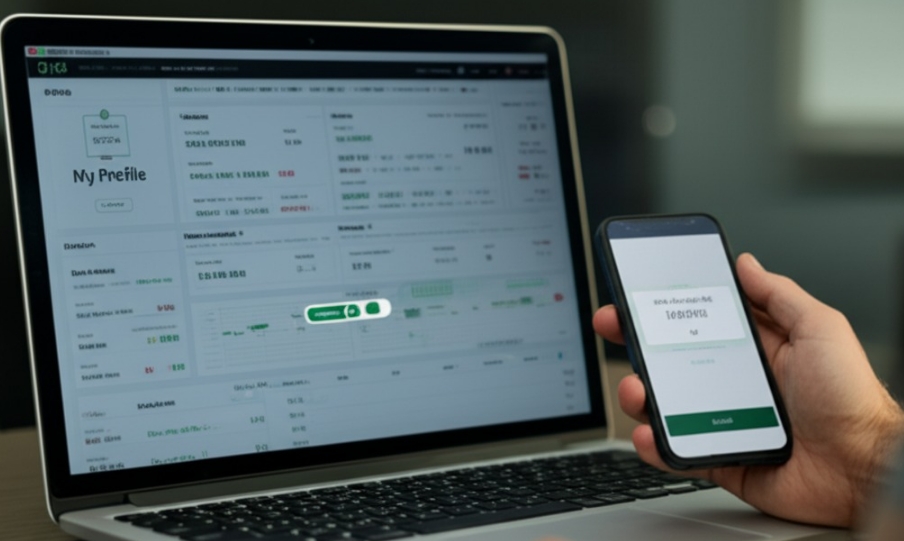
To enable the currency segment in Kite, head to the dashboard via your profile settings.
Click on “My Profile”
Scroll to “Segments” and hit enable beside Currency
Confirm changes via OTP linked to your account
This allows you to access all currency trading features directly on the platform. Quick, neat, no rocket science.
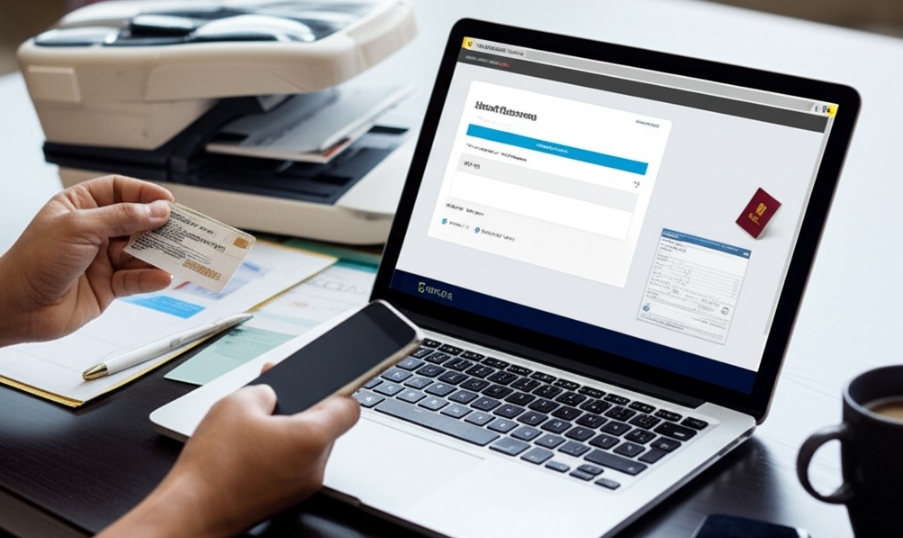
Let’s talk paperwork—but chill, it’s a one-time thing.
You'll need to upload scanned KYC documents like PAN, Aadhaar (or passport), and a recent utility bill or bank statement for address proof.
Once uploaded via the Zerodha portal, your profile goes under basic verification. Just like ordering food—add items, confirm, wait a bit.
Getting currency trading live isn't instant—it has its timeline.
Typically, the segment activation takes 24–48 hours post-document submission. If there’s a delay, it may be due to cross-checks with other segments like equity or commodity.
"Good things take time," as the Zerodha helpdesk often says, especially during peak onboarding seasons.
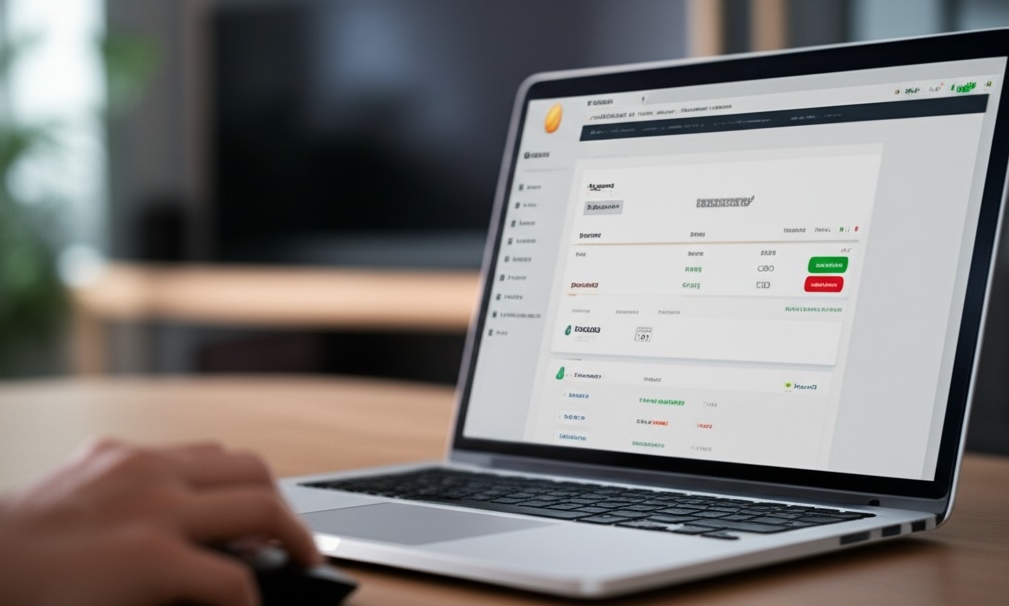
Log in to Console (console.zerodha.com)
Go to “Account” > “Segments”
Under each exchange, view current status (Pending, Activated, Rejected)
For real-time progress, revisit after 24 hours
Once activated, the status flips to green and trading opens up in the currency segment of your platform dashboard.
“I was all set to start forex trading on Zerodha when the prompt popped up—Please submit your RBI declaration form. I paused. What was this about?”
This small but crucial step exists because RBI (Reserve Bank of India) tightly governs how resident individuals in India interact with foreign exchange markets. Under the Foreign Exchange Management Act (FEMA), every person placing trades involving overseas currency exposure must comply with disclosure and reporting requirements. This ensures that retail participation stays within the limits defined under the Liberalised Remittance Scheme (LRS).
Veteran compliance consultant Anil Mathew explains:
“The RBI declaration is not red tape. It protects investors and ensures their trades do not violate India’s outbound remittance limits.”
Safeguards against unlawful or excessive overseas investments
Ensures proper tracking under forex regulations
Maintains transparency and control under FEMA laws
Protects brokers from regulatory penalties
Zerodha’s help desk states clearly: “RBI compliance is mandatory before enabling the currency segment.”
This declaration is not just a box to tick—it reflects a trader’s legal acknowledgment that trades remain within the prescribed limits of Indian law.
Failing to provide it can delay access or lead to deactivation. Compliance, here, is the cost of playing safe and smart.
Zerodha’s Kite app makes forex trading smoother than a hot knife through butter. Let’s break down how to handle orders, watch positions, and track price moves like a pro.
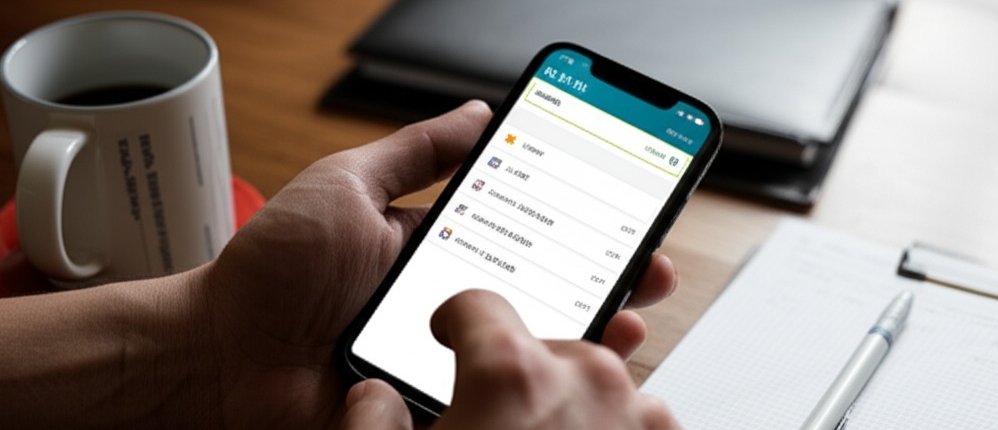
Want to find a forex contract? It’s just like searching for a stock:
Open the Kite app
Type in the currency pair (e.g. USDINR, EURINR)
Look for the FUT or OPT tag beside it
Tap + to add it to your marketwatch
Think of it like looking up a friend’s contact—you just need the name, and Kite does the rest.
Before you hit Buy, here’s how you make sure you’re not shooting in the dark:
Pick your desired currency pair
Tap Buy or Sell
Choose between Market, Limit, or Stop Loss order
Enter lot size and review the exchange rate
Hit Place Order
Pro tip: Use limit orders if you're chasing a price. Want to play it safe? Add a stop-loss and take-profit before confirming.
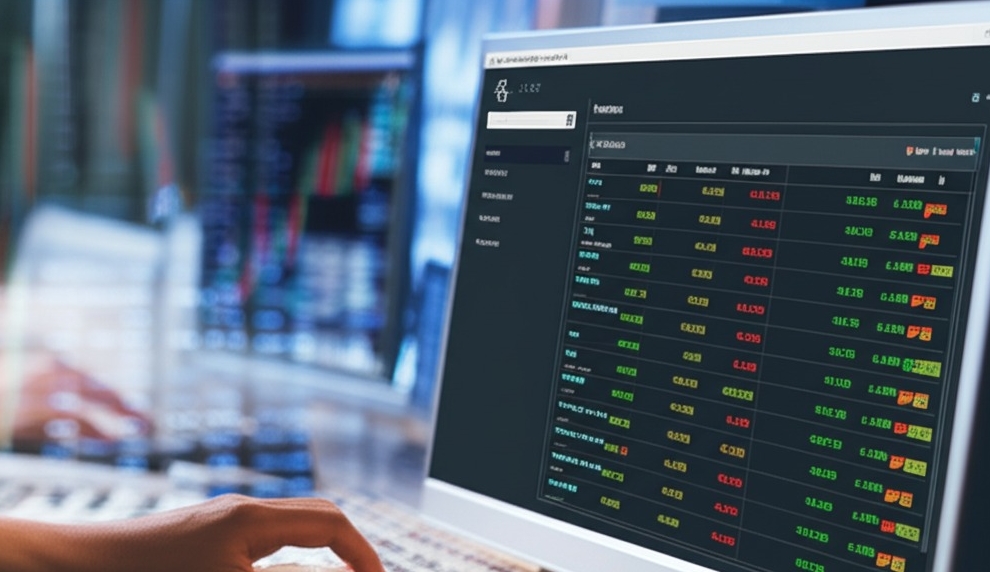
Your forex trades don’t disappear after execution—they sit in the Positions tab, waiting for you to monitor them like a hawk.
Track real-time P&L
See open positions and exposure
Check each contract’s performance
“Trading without tracking is like cooking with your eyes closed.” Always know where you stand.
Don’t have time to watch charts all day? Let Kite do it for you.
Go to the Watchlist
Tap on the currency pair
Hit “Set Alert”
Choose a threshold or exchange rate value
Done! Kite will notify you the moment it moves
As Nithin Kamath puts it: “Discipline isn’t just about stop-loss—it’s also about knowing when to act.”
Smart traders check the fine print before diving in.
| Contract | Lot Size | Tick Size | Expiry |
|---|---|---|---|
| USDINR FUT | $1000 | ₹0.0025 | Monthly |
| EURINR FUT | €1000 | ₹0.0025 | Monthly |
| GBPINR FUT | £1000 | ₹0.0025 | Monthly |
These contract specs give you the lowdown on lot size, expiry, and tick size. Always review them to avoid last-minute surprises.
Before placing your forex trades on Zerodha, it's crucial to get a grip on how currency derivatives work and what lot sizes mean in real rupee terms.

Forex futures contracts are standardized agreements to buy or sell a currency pair at a set price on a future date, traded on regulated exchanges like NSE and BSE.
These contracts are mostly used for hedging and speculation. Margin plays a key role here—traders only need to deposit a percentage of the contract value to enter a position.
Example in action:
If you're trading a USD-INR futures contract on NSE, you're essentially betting on where the USD/INR exchange rate will be on the contract's expiration date. Unlike spot forex, this is all settled through the exchange—no counterparty hassles.
“Futures remove a lot of counterparty risk and help retail traders access currencies with transparency,” says Ankit Jain, currency strategist at FinEdge.
Lot size is basically your unit of trading. In Zerodha’s forex section, it’s mostly standardized to keep it simple for retail investors.
| Currency Pair | Lot Size | Contract Value (Approx) |
|---|---|---|
| USD-INR | 1,000 | ₹83,000 |
| EUR-INR | 1,000 | ₹89,000 |
| GBP-INR | 1,000 | ₹105,000 |
Mini lot vs. standard lot: Zerodha primarily offers standard lots of 1,000 units. No mini or micro lots here—keeps things uniform.
Pip value matters: For USD-INR, 1 pip = ₹0.25 per lot.
Margin requirement: Roughly 2–4% of contract value, depending on volatility and SEBI norms.
So yeah, pick your lot wisely—it’s not just about the pair, but how big your position gets with it.
"Weekly currency options explained? Simple," said Rajeev Malhotra, a SEBI-registered derivatives analyst, smiling across a Zoom call. "They are short-term contracts that let traders hedge or speculate on a currency pair—usually USD/INR—before Friday hits." Zerodha, India’s largest retail broker, enables access to these contracts through NSE with a lot size of $1,000.
So, why do so many active traders lean toward weekly currency options? It comes down to flexibility and cost. You pay a smaller premium, react quickly to macro triggers like RBI policy or U.S. NFP data, and do not lock up funds for long. The flip side? Fast expiry, sensitive premiums, and zero room for emotional trades.

Choose your currency pair based on liquidity (e.g., USD/INR)
Read the option chain and analyze premiums
Use technical indicators like RSI or MACD to time entries
Define a clear risk limit (experts advise 2% of capital)
Place orders on Kite using MIS or NRML
Track P&L in real time and set alerts for exits
Nithin Kamath, Zerodha CEO, once said, "Trading is less about prediction, more about protection." Weekly options make sense if approached with strict discipline. Factors like implied volatility, RBI announcements, and expiry-day premiums must guide every move. One sharp spike, and an undisciplined trade turns costly.
Smart trading isn't about chasing gains—it’s about protecting your capital. Here’s how Zerodha traders can stay sharp with real-world risk management tools and habits.
Using a stop-loss order is like having a safety net. You set a price level to auto-exit when things go south—perfect for handling market volatility.
A trailing stop adjusts with price gains, locking profits.
Use limit orders to control how you exit, not just when.
Always align your stop-loss with your trading plan, not your emotions.
Leverage is a double-edged sword. It boosts your position size, but if volatility spikes, it can wipe out your trading capital faster than you can blink.
Keep risk exposure low—ideally under 2% of your account.
Watch for a margin call—a warning sign you're overextended.
Use smaller trades when the market's going full filmi.
Imagine going all-in on a single trade and watching it tank. That’s poor position sizing. The trick?
Risk only a fraction of your account balance per trade.
Match your stop-loss distance with trade logic, not gut feel.
Keep your lot size and risk-reward ratio in harmony.
"Proper sizing is boring but brilliant." — Ashok Bhatia, veteran FX trader
Too many trades? That’s overtrading—and it kills profits through commission, spread, and mental drain.
Stick to a defined trading strategy
Limit your trading frequency
Don’t let emotional trading override logic—take breaks!
Remember, the goal is quality, not quantity.

Got open positions during budget week? A good hedging play can be your best pal.
Use futures to cover downside in a long spot position.
Try a spread trading combo to manage swings.
Delta hedging helps balance market exposure in fast-moving times.
It’s all about portfolio protection, not profit-chasing.
Staying on top of margin usage is like checking your car’s fuel before a road trip—skip it, and you're stuck mid-trade.
| Metric | What It Shows | Why It Matters |
|---|---|---|
| Margin Level | Safety buffer | Below 100% = margin call danger |
| Free Margin | Available for new trades | Shows trading capacity |
| Used Margin | Current capital at risk | Helps manage over-leveraging |
Use Zerodha’s Kite for real-time tracking of your trading account and avoid getting blindsided.
Trading forex on Zerodha isn’t rocket science—it’s more like learning to ride a scooter in traffic. Wobbly in the beginning, smooth once you know the lanes. This guide gave you all the shortcuts: from activating your account to placing your first trade smartly.
As Nithin Kamath says, “Start small, stay consistent, and learn by doing.” That’s the trader’s real edge.
So don’t overthink it. Open the segment, test the waters with small lots, and build your rhythm. The market rewards action, not hesitation.
Yes, but only through currency derivatives listed on the NSE and BSE. Zerodha strictly follows SEBI and RBI rules. You can’t trade unregulated international forex pairs like on MT4/MT5 platforms. It’s all legal—but limited to permitted exchanges.
USD/INR
EUR/INR
GBP/INR
JPY/INR
EUR/USD
GBP/USD
USD/JPY
Yes. You’ll have to submit a currency declaration form in Console. It’s a one-time process and usually gets approved within 24–48 hours.
Each currency pair has a defined standard lot size. Here's a quick look:
Cross-currency contracts have similar lot sizes, but you can always check the details on Kite before placing a trade.
USD/INR: $1,000
EUR/INR: €1,000
GBP/INR: £1,000
JPY/INR: ¥100,000
Margin requirements vary, but typically range from ₹1,500 to ₹2,000 per lot. Leverage can go up to 20x depending on the volatility and your risk category. Zerodha also offers a margin calculator to help plan your trades.
Yes! Zerodha now offers weekly options on USDINR. These are popular for short-term strategies and have growing liquidity on the NSE.
This usually happens if:
Check your account status in Console and make sure your app is updated.
The currency segment hasn’t been activated
The contracts expired recently
You’re searching with the wrong format (e.g. "USDINR23JUNF")
You’re on an outdated version of Kite
₹20 per executed order or 0.03% (whichever is lower)
No hidden charges
You also pay exchange and regulatory fees, just like in equity trading
Absolutely. It’s designed to be simple. But forex is a double-edged sword—it moves fast, so take time to learn, use small positions, and avoid chasing big profits in your early days. Think of it like cricket—don’t try to hit a six on your first ball.