

Table of Contents
Forex Trading has become a hot topic in India’s money circles — from college grads trying side hustles to business folks eyeing global markets. But one question keeps popping up like a WhatsApp forward: “Is Forex Trading Halal or not?” It’s not just curiosity — it’s a matter of faith and financial peace of mind.
For many Muslim traders, this feels like walking a tightrope — one side offers earning potential, the other carries the fear of falling into haram practices. Terms like riba and gharar make the whole thing sound more complex than it should be.
As one of the easycashbackfx compliance engineers said, “Earning is fine, but earning clean is divine.” That line hits home for anyone who wants both profit and purity in trading.
This article cuts through the noise, explaining what Islam really says about Forex, how spot trading fits into the picture, and what options exist for those who want to keep it 100% Halal.
If you’ve ever sat staring at your trading app, wondering if your next click crosses the line — you’re in the right place.
This part breaks down how Islamic rules view Forex, covering key topics like riba, leverage, and what scholars say.
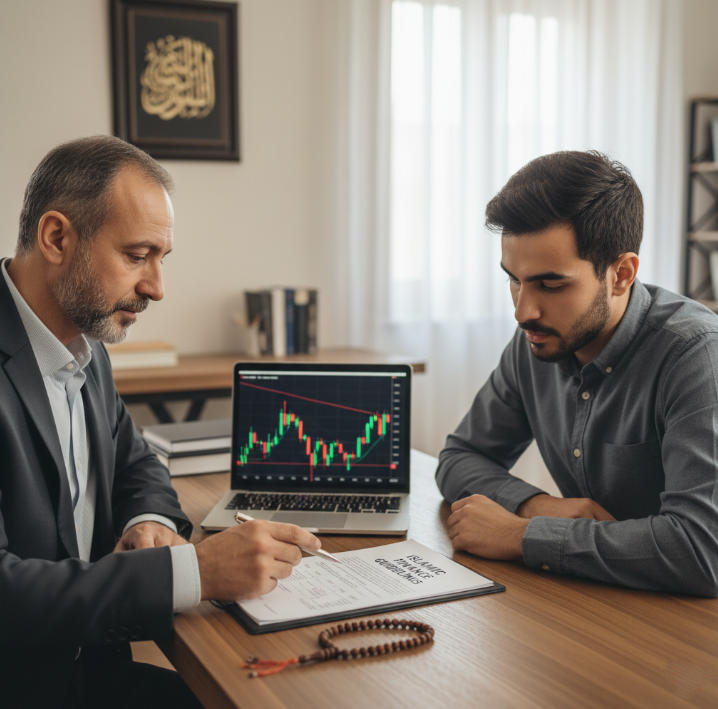
Currency exchange must be immediate Islamic Law allows currency exchange only if the transaction is executed immediately. Delayed settlement isn't cool under Shariah—it counts as uncertainty, which is a red flag.
Equal value for both parties Both currencies in the deal need to be of equal value and swapped on the spot. No funny business, no taking advantage of imbalances.
No interest, ever Any extra benefit—interest or otherwise—can turn a halal transaction into haram real quick. That’s a non-starter in Islamic finance.
Contracts should be clear and fair Contracts must be upfront and transparent. Hidden fees or ambiguous language aren’t Shariah-compliant and mess with the integrity of the deal.
Riba is more than just interest—it’s the deal breaker in Islamic Finance. Here’s why it hits so hard in Forex:
Interest-based overnight swaps mess with Shariah because they’re like charging rent on borrowed money.
Speculation adds fuel to the fire. If you're not trading based on genuine need but gambling on price changes, that’s way too close to usury.
Currency exchange becomes questionable when one party benefits from delays or added payments. That’s not profit—that’s riba.
Leverage looks shiny in Forex but gets shady under Shariah. Let’s break it down:
Think of leverage like borrowing money to make a bigger trade than your own cash allows. If the broker charges interest on that borrowed amount? ? That’s riba.
Some "Islamic" accounts dodge the interest bullet by offering interest-free leverage, but watch out: many hide costs elsewhere, like inflated spreads or hidden commissions.
Even with “Shariah-compliant” tweaks, the risk level skyrockets. Islam values capital preservation and warns against gambling with money you don’t actually have.
Bottom line? If you’re using leverage, double-check for real Shariah compliance, not just the branding.
Muslim traders often turn to scholars when they're unsure. Here’s what different voices across the globe say:
Some scholars permit spot Forex trading if it avoids riba, uses real currency exchange, and settles instantly.
Others straight up ban it, arguing most platforms today are too speculative and loaded with non-compliant contracts.
AAOIFI (Accounting and Auditing Organization for Islamic Financial Institutions) hasn’t given a blanket yes or no, but urges caution.
A few scholars give conditional approval—Forex can be halal if done with no leverage, no interest, and real, immediate currency transfers.
If you're serious, always check rulings from recognized Shariah boards before diving in.
Spot trading has become a hot topic in Islamic finance, but timing matters a lot. Let’s break it down.
Market Orders sound simple—click and execute. But in Islamic finance, the idea of Immediate Settlement is non-negotiable. You need instant transfer of currencies for it to be considered halal. Here’s how to know your Spot Trade meets Islamic conditions:
The deal must be settled instantly or within the accepted 48-hour window.
There should be no interest added, ever. Even minor fees disguised as swaps break Sharia compliance.
You need to avoid speculation—just exchanging one currency for another, with no gambling vibe.
Real talk: If your Forex broker takes more than 2 days to settle, that’s a red flag.
Delayed settlement in Forex? That’s where most halal arguments hit a wall.
No Instant Possession: In Sharia-compliant finance, you must have qabd (possession) of the asset right after the transaction. Delayed Contracts delay this, making it invalid.
Possible Riba Introduction: Any time delay creates space for interest-based compensation, which Islam strictly forbids.
Higher Gharar (Uncertainty): Waiting for a trade to activate (like with Pending Orders) can lead to unknowns, making the trade resemble gambling.
If it sounds uncertain or feels speculative, chances are it’s not Sharia-compliant. Stick with trades you can close immediately.
High volatility may sound exciting, but for Muslim traders, it’s a slippery slope.
Let’s keep it real:
Volatile markets = more risk, and that often leads to impulsive trading.
Chasing sudden spikes in the Euro or Japanese Yen? That’s borderline speculation—a big no in Islamic ethics.
Some traders argue that Market Risk is part of any business. Fair enough, but excessive unpredictability starts crossing into Maisir (gambling).
To trade ethically:
Stick to stable pairs like US Dollar/British Pound when possible.
Avoid revenge trading after a loss—it's emotionally driven and un-Islamic.
Always use trading tools like Stop Loss Orders to cap risks.
Islamic ethics in Forex isn't about fear—it’s about trading with purpose and self-control.
Let’s make sense of real-world ways you can keep your Forex Trading both practical and Shariah-compliant. No jargon—just clear, halal-friendly methods that work.
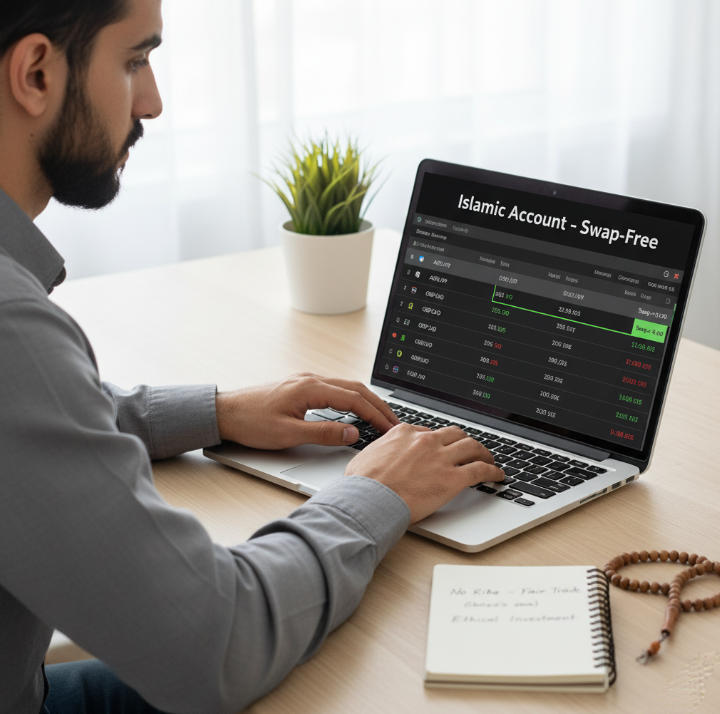
If you’re into Halal Forex trading, swap-free accounts are your closest ally. These accounts remove interest (riba) on overnight positions—keeping your trades clean and within Shariah compliance. Most brokers now label them as “Islamic Accounts,” but don’t just take that at face value.
Confirm that your brokerage account doesn’t add hidden administrative fees disguised as swaps.
Some brokers let you keep trades open for days without added cost; others sneak in spreads or commission hikes—watch for that.
Keep your trade sizes realistic; Islamic Finance values fairness and real asset exchange, not speculation.
Bottom line? You’re still doing currency trading, but in a way that respects both your faith and financial discipline.
When trading, not all currency pairs behave the same. Some—like the US Dollar, Euro, and Chinese Yuan—carry extra baggage due to geopolitical risk and unpredictable economic factors. While these pairs dominate global markets, their volatility can make halal-minded investors uneasy.
Here’s what usually raises red flags:
The US Dollar often reacts sharply to Interest Rate news, creating speculation-heavy spikes.
The Euro moves wildly during inflation updates or Trade Balance announcements.
The Chinese Yuan is affected by policy-driven exchange controls, meaning traders can’t always guarantee fair pricing.
For a safer route, some Muslim traders prefer pairs like Australian Dollar/Japanese Yen or British Pound/Canadian Dollar—less hype, steadier trends. That means you can buy and sell with a bit more calm and a lot less worry.
Staying halal in Risk Management isn’t about skipping safety nets—it’s about choosing the right kind. In Islamic Finance, hedging is fine if it prevents harm, but not if it mimics gambling. So instead of using derivatives or forward contracts, focus on simple, transparent tools.
Practical halal-friendly approaches include:
Setting Stop Loss Orders and Take Profit Orders to manage loss and profit ethically.
Using position sizing based on your risk tolerance and available capital.
Diversifying across currencies rather than chasing high-volatility markets.
Expert Insight – A quote from easycashbackfx Risk Manager, Khalid Noor: “True Islamic trading discipline isn’t about avoiding risk—it’s about avoiding unfair advantage. A smart trader manages exposure without stepping outside Shariah compliance.”
If you need an extra layer of protection, Takaful-based insurance products are emerging for traders, designed under Islamic Banking models. These let you stay protected from large losses while keeping your faith intact.
You might’ve heard Mufti Taqi Usmani say, “Any trade with uncertainty and interest is risky for the soul.” That rings true here too.
If you’re looking to step into Forex Trading with a clean conscience, a few simple checks can go a long way:
Choose a swap-free account with no shady conditions
Stick to spot trades — no future tricks
Avoid currency pairs tied to interest-driven economies
Speak to someone well-versed in Shariah finance before jumping in
Look, no one wants to make money at the cost of their peace of mind. Just like you wouldn’t eat food without knowing if it’s halal, trading should follow the same gut check. Faith and finance don’t have to be at odds — you just need to know where the lines are.
It depends on how trades are done under Shariah rules.
Deals must be interest-free and settled right away.
Using margin or swaps adds riba, making it haram.
Spot trades with instant exchange can be halal if done fairly.
Halal Forex avoids interest and delay. Non-halal trading often includes margin interest, delayed payment, or guessing on price movement — all of which go against Islamic finance rules.
Swap-free accounts remove overnight interest.
This keeps trades free from riba.
Some brokers add small admin fees; make sure they’re clear.
Honest traders check that no hidden swaps exist.
Riba means earning money from interest. When trades include hidden costs, margin fees, or swap gains, they break Islamic rules against unearned profit.
Yes, if both sides exchange at the same time.
No interest or extra fee should apply.
Avoid holding trades overnight with swaps.
Direct USD/EUR trades with instant exchange are acceptable.
Sharp market swings can turn trading into guessing, which feels like gambling. Trading during steady or trending periods is safer and more ethical.
Limit Orders are fine if they trigger instantly.
Stop-Loss Orders help protect capital and are encouraged.
Pending Orders that delay real exchange may cross Shariah rules.
Use simple methods: size positions wisely, protect capital, and set stop-losses. These tools manage risk without adding interest or gambling behavior.
Opinions vary by trading setup.
Platforms that handle real spot trades are often approved.
Those using margin or hidden interest are discouraged.
Choose brokers reviewed by a trusted Islamic board.
Trade real currency pairs through market orders.
Avoid guessing or betting on price swings.
Use RSI or Moving Average tools for smart timing.
Keep risks small and profits earned through fair exchange.