


Table of contents
Ever wondered why the Forex market seems to never sleep? That’s because it doesn’t—and that’s exactly what makes it so tempting. Trading the 24-Hour Forex Market opens the door to global money moves around the clock, from Tokyo sunrise to New York sunset. For part-time traders, night owls, or those with 9-to-5s, it’s the only game in town that fits your schedule instead of the other way around.
Think of it like a relay race—London passes the baton to New York, New York to Sydney, and the action never stops. But nonstop trading also means nonstop risk. As one veteran trader once said, “The market doesn’t care if you’re asleep—your positions are still wide awake.”
In this guide, you’ll learn when the action heats up, how different sessions affect strategy, and what tools can help you trade smarter—not just longer. Let’s cut through the noise and get to what really matters.
Why Is Forex Open 24 Hours
The Forex market doesn’t punch a time clock—it moves with the world. Here’s what keeps it ticking nonstop across continents.

Time Zones and Global Coverage
The Forex market flows with the sun—literally. As the Earth spins, major financial centers wake up and start trading. Because of the UTC/GMT offsets, markets in Tokyo, London, and New York open in sequence, creating continuous action.
Forex operates on a global time rhythm.
Daylight saving shifts can impact open times.
The international date line causes Asia’s markets to open before the West’s close.
Think of it like a relay race across a world map—each runner (session) passing the baton to the next.
Forex Market Decentralization
Unlike stock markets, Forex isn't bound to a single building or central exchange. It's a decentralized network of global banks, brokers, and retail traders—all exchanging currencies through the OTC market.
There’s no “Forex HQ.” It’s a global market made up of interbank systems.
Liquidity flows across thousands of platforms—accessibility is king.
Big players include central banks, hedge funds, and everyday folks on mobile apps.
"Decentralization is what keeps Forex open," says Kathy Lien, FX strategist. “It’s currency trading without borders.”
Trading Week Start and End Times
Forex kicks off with the Sydney open on Sunday evening (New York time) and wraps with the New York close late Friday. It’s a five-day run, with no pause between sessions.
| Region | Session Open (GMT) | Session Close (GMT) |
|---|---|---|
| Sydney | 22:00 | 07:00 |
| London | 08:00 | 17:00 |
| New York | 13:00 | 22:00 |
The London session overlaps with New York, boosting liquidity.
Tokyo and Sydney provide early momentum.
Watch out—weekend gaps can lead to surprise Monday open prices.

Forex Trading Sessions
“Understanding when to trade is just as critical as knowing how to trade,” said Marcus Elder, a senior analyst with over 18 years of experience across three major trading desks. His comment echoed during our sit-down at a finance summit in Chicago, where timing was everything—literally.
The Forex market operates through four major trading centers: Sydney, Tokyo, London, and New York. Each brings its own rhythm to the market, shaped by regional economies, central banks, and trader behavior. Here is how each session stacks up:
Sydney Session: The official market opener. Light liquidity, but important for AUD/NZD pairs.
Tokyo Session: Modest volatility, strong influence from Asian economies. JPY and associated pairs dominate here.
London Session: High volume, sharp movements. Most liquid time of day with EUR, GBP, and CHF in focus.
New York Session: Heavy-hitting news releases. USD pairs get volatile, especially during London-New York overlap.
Session overlaps—such as London–New York—are peak opportunity zones. These windows feature the highest trading volumes and sharpest price moves, which often lead to breakout strategies or trend continuations.
Economic news scheduled during high-volume sessions
Session-based volatility patterns
Liquidity spikes at open and close of each session
A report from BIS (Bank for International Settlements) confirms that nearly 70% of all forex transactions occur during the London and New York sessions, making them ideal for technical and fundamental strategies.
Every session tells a story. Know the tempo, and you start dancing with the market, not against it.
When Should You Trade Forex
Timing is everything in forex—catching the market at its liveliest can mean tighter spreads and bigger moves.
Peak Volume Trading Windows
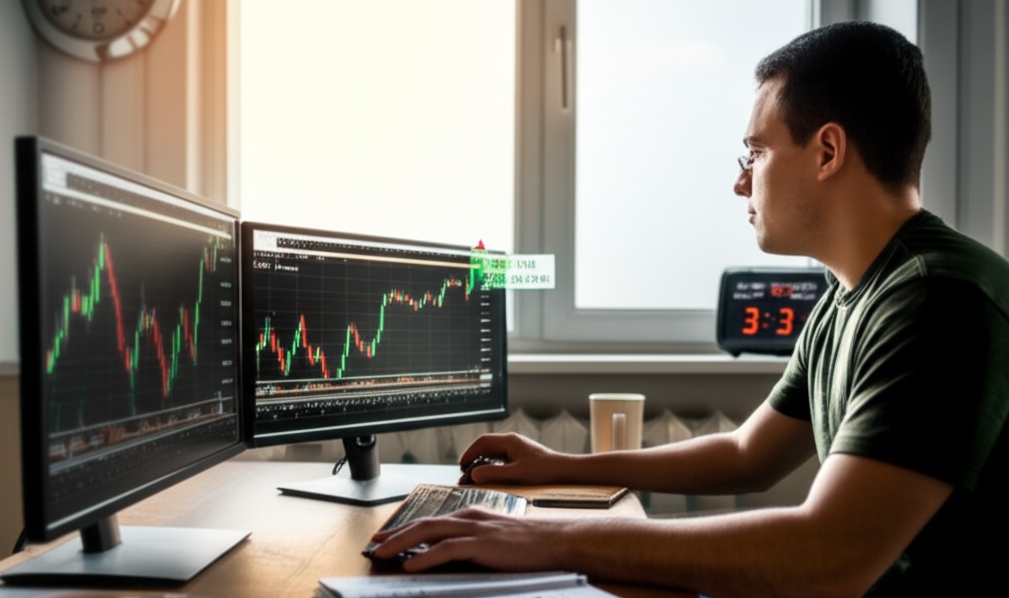
Trading volume spikes when sessions overlap—especially the London and New York sessions. These are the power hours of forex.
The London–New York overlap (8 AM to 12 PM EST) sees the highest liquidity and volatility, perfect for short-term traders.
Early Tokyo–London crossover offers modest volume but less whipsaw.
“If you're trading EUR/USD, don’t sleep on the London open. That’s where the fireworks start.” – Erik Thompson, senior FX strategist
Early Session Market Behavior
Mornings in the forex world aren't always mellow. When the Asian session kicks off, the market may seem calm, but news drops and overnight trading from the U.S. can spark sudden moves.
Then, London opens, and it’s game on—price action becomes sharper, and early trends set the tone. Traders chasing initial volatility often rely on economic calendars and pre-market sentiment scans.
Late Session Opportunities
Toward the New York close, many traders start packing it in—but smart money keeps watching.
Price consolidation often occurs, followed by reversals.
As London closes, liquidity drops, but swing setups can form.
End-of-day strategies benefit from clearer market structure and trend direction.
Just like a movie’s final scene, late sessions reveal a lot about the market’s next move.
Best Times by Currency Pair
Forex isn’t one-size-fits-all—currency pairs behave best at certain hours:
| Currency Pair | Best Session | Avg. Volatility (pips) |
|---|---|---|
| EUR/USD | London–NY | 70–100 |
| USD/JPY | Tokyo | 40–60 |
| GBP/USD | London | 80–110 |
| AUD/USD | Sydney–Tokyo | 50–70 |
Trading the right pair at the right time gives you better spreads and stronger setups. Want action? Trade GBP/USD during London hours. Prefer chill? AUD/USD during the Asian session is your move.
Session Overlaps and Price Movement
When trading sessions collide, things heat up fast. Overlaps create powerful windows of movement—if you know how to catch them.
Why Overlaps Create Volatility
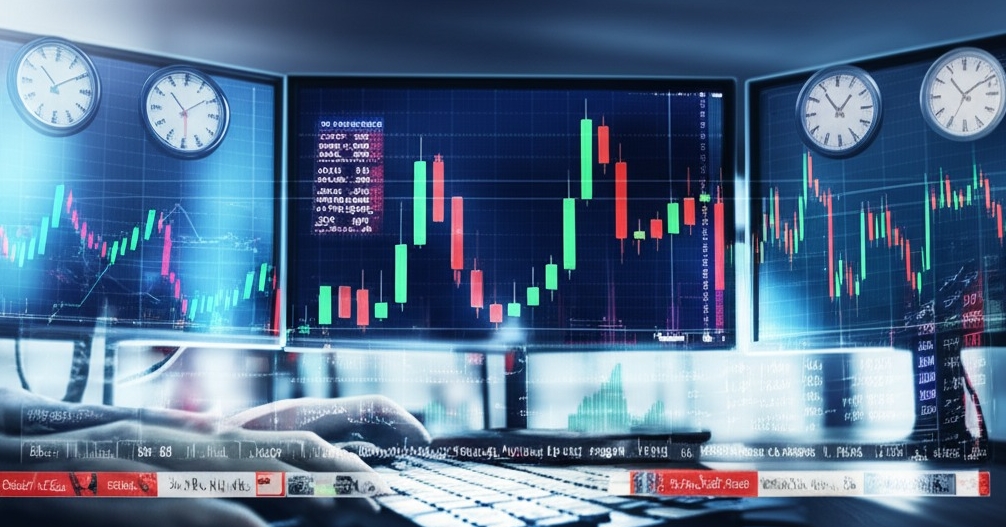
Market Overlaps are like rush hour for Forex—liquidity surges, spreads tighten (or spike), and price action dances to the rhythm of global news releases. These periods happen when two major Trading Sessions run at the same time, like London/New York or Tokyo/London.
Traders pile in, increasing volume, which fuels stronger trends.
Economic data drops during overlaps, causing instant reactions.
Technical indicators can become more reactive, but less reliable during sharp spikes.
“Overlaps aren’t just busy—they’re noisy. Trade the volume, but don’t let the volume trade you.” — Alex Jansen, veteran FX strategist
Top Pairs to Trade at Overlap
Some Currency Pairs just love the spotlight during overlap hours. That’s your moment to ride the wave—if you’re packing a solid Trading Strategy.
EUR/USD – King of liquidity during London/New York.
GBP/USD – Expect sharp moves and breakout potential.
USD/JPY – Tokyo meets London? Get ready for zigzags.
AUD/USD – Shines when Sydney hands off to Asia.
Set tight but smart Stop Loss levels.
Look for high-probability Entry Points right before major news events.
Use overlapping hours to manage Take Profit zones faster.
| Currency Pair | Peak Overlap | Average Volatility (Pips) |
|---|---|---|
| EUR/USD | London/NY | 80–100 |
| GBP/USD | London/NY | 90–120 |
| USD/JPY | Tokyo/London | 60–90 |
Which Strategies Fit Each Session
Not all forex hours are created equal—your strategy should match the tempo of the session you're trading.
Scalping in the Asian Session
The Asian session, especially the Tokyo and Sydney sessions, is known for its chill pace and low volatility. That’s a sweet spot for scalping, where tight spreads on Yen, AUD, and NZD pairs make short-term trades viable.
Stick to liquid pairs: USD/JPY, AUD/USD
Focus on technicals, not news
Get in, get out—aim for small, frequent wins
It's like fishing in calm water—you won’t catch whales, but you’ll reel in plenty of little ones.
Breakout Trading in London Hours
This is where the action heats up. The London session kicks off with surging volume, especially in GBP and EUR pairs.
Watch for price compression pre-open
Use support/resistance levels to frame your breakout zones
Confirm with volume spikes or trend line breaks
Pro tip: Set alerts before the open. “Most fakeouts happen when traders chase too soon,” says pro trader Lucia Thorne.
Swing Trades During New York Open
The New York session is perfect for swing trading. With key economic news dropping early, you can catch real market momentum.
Focus on USD pairs like EUR/USD, GBP/USD
Look for trends that align with US macro data
Use 4H or Daily charts for confirmation
This session brings big news, big moves—and if you’re patient, big profits.
Reversal Patterns in Low Volume Times
During quiet hours—like late Asian or holiday periods—the market tends to drift sideways. That’s prime time to spot reversal patterns:
Double tops/bottoms in consolidation zones
Candlestick signals like hammers or stars
Divergence on RSI or MACD
Don't rush it. "Patience is your edge when the market takes a nap."
Combining Sessions for Momentum Plays
When two sessions overlap, like London/New York, you get a window of price acceleration. Great for momentum traders who love riding trend continuations.
| Overlap Zone | Time (UTC) | Best Pairs |
|---|---|---|
| London/New York | 12:00–16:00 | EUR/USD, GBP/USD |
| Asian/London | 07:00–09:00 | EUR/JPY, GBP/JPY |
Key moves often come in the first hour of overlap. Line up price structure with volume surges for your entry, then let it rip.
Risk in a 24-Hour Market
Even though forex never sleeps, you should.

Avoiding Overnight Exposure Risks
Overnight risk is no joke. Holding trading positions past market close can lead to wild price gaps when the next session opens—especially during news-heavy periods. Smart traders:
Avoid holding periods that span major market closures
Limit market exposure through smaller position sizing
Use risk management tools like limit orders or protective puts
Stay alert to gap risk when holding over weekends
In short: if you wouldn’t leave your wallet on the street overnight, don’t leave open trades unprotected.
Using Stop-Losses Across Sessions
Setting a stop-loss order isn’t just for rookies—it’s how pros survive. Markets shift fast between sessions, and your execution price can jump due to slippage or thin liquidity.
Adjust price levels depending on session volatility
Choose the right order type (limit vs market)
Reassess stop levels when switching trading sessions
Avoid “one-size-fits-all” stops—each strategy needs custom settings
Pro tip: “Your stop-loss is your seatbelt,” says trader Mark Weinstein. “You might not crash every time, but when you do…”
Managing Fatigue and Overtrading
Traders sometimes act like machines—but we’re not built for non-stop action. Trader fatigue creeps in when you skip breaks, forget your trading plan, and chase losses. Over time, that leads to overtrading, bad decision making, and straight-up burnout.
Schedule break times—set alarms if you have to
Track your psychological state in a daily journal
Set risk tolerance limits that you never break
Reduce screen time during low-volume hours
Even LeBron takes a timeout. So should you.
What Tools Help Night and Day Traders
Stay sharp around the clock with tools that work while you sleep—or grind with you through the night.
Automated Trading Platforms
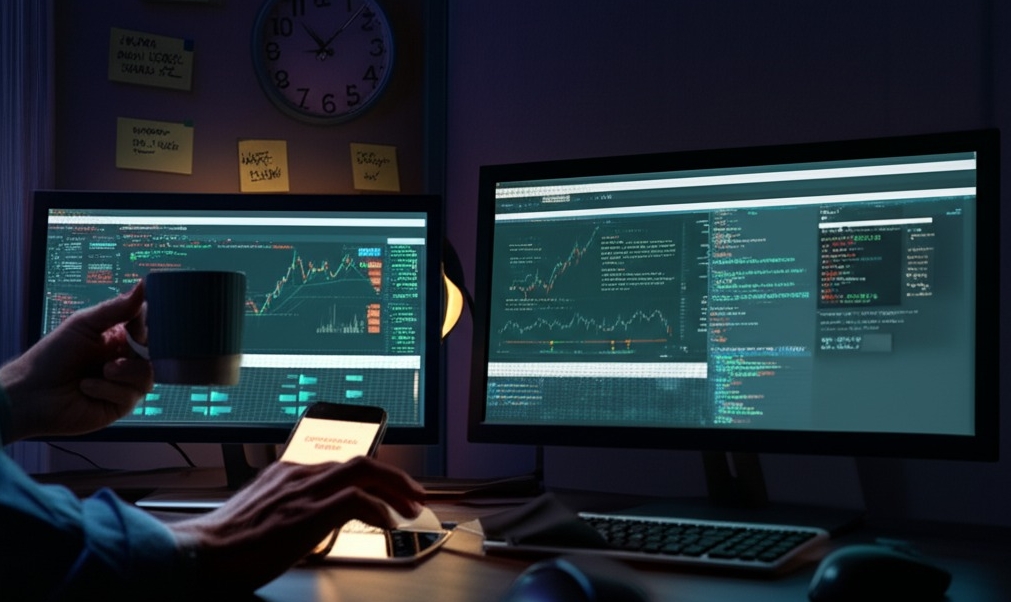
Algorithm-based platforms can keep trading while you’re bingeing Netflix or catching ZZZs. These tools automate order execution based on predefined strategies, removing emotions from decision-making.
Software like MetaTrader, NinjaTrader, and cTrader supports custom strategy coding.
Ideal for high-frequency trading and managing volatile market entries.
“Automation is no longer optional. It’s essential,” says Ryan Burdett, a financial systems architect.
Time-Zone Converting Calendars
For traders working across continents, syncing sessions is critical. Calendars that auto-convert time zones help you avoid missing key events.
Convert meetings or trade times from GMT to your local time.
Platforms like WorldTimeBuddy and TimeZone.io make it visual and foolproof.
Useful when tracking Tokyo open or ECB announcements while you're in Chicago.
Session-Based Market Alerts
Real-time market alerts aligned with trading sessions let you act on price shifts fast—especially during high-volatility windows like the London–New York overlap.
Alerts can ping you for session opens, volume surges, or key news drops.
Integrated into most platforms like TradingView or ForexFactory.
Keeps you from being blindsided during sleep or meetings.
Mobile Apps for Active Monitoring
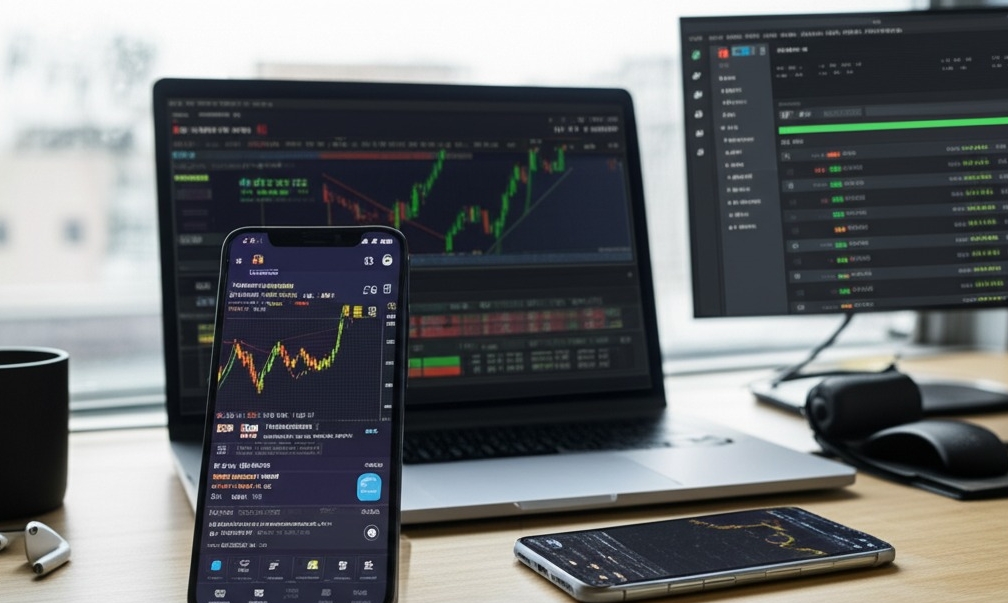
Let’s be real—nobody’s glued to a desk all day. With mobile apps, you’re plugged in from anywhere.
You’re stuck in traffic? Boom—a market alert hits your phone. Grabbing a coffee? You check the portfolio dashboard mid-latte. Apps like MetaTrader Mobile or Thinkorswim bring market data, watchlists, and real-time alerts straight to your pocket. You’re always in the know—without looking like a chart zombie 24/7.
Risk Monitoring Dashboards
Visual dashboards help traders assess exposure, analyze risks, and make smarter calls on the fly. Here's a quick comparison:
| Platform | Key Metric Tracked | Risk Level Rating |
|---|---|---|
| Myfxbook | Drawdown % | Moderate |
| Edgewonk | Trade Expectancy | High |
| TraderVue | Win/Loss Ratio | Low |
Trade Journals with Session Filters
Keeping a journal isn’t old-school—it’s next-level. Add session filters, and you unlock serious performance insight.
Log trades by entry/exit time and overlay with session context.
Helps spot patterns: maybe you crush it during Tokyo but flounder in NY.
Tools like Edgewonk or Tradervue let you break it all down cleanly.
Great traders don’t just trade—they track.
Forex Broker Access and Support
“Choosing a broker is like picking a teammate in a high-stakes relay,” said Marcus Chen, a licensed financial analyst with over 12 years in forex trading. “If they drop the baton—slow platform, poor support—you lose momentum fast.”
Here is what real traders prioritize when evaluating broker platforms:
Broker platform stability: A laggy interface during high-volatility hours can cost serious pips. Veteran users on forums like Forex Factory often share platform uptime stats from experience.
Account types and leverage: Some brokers offer cent accounts for beginners, while others give pros ECN accounts with 1:500 leverage.
Customer support: 24/5 support is a must. Many traders prefer brokers that offer live chat with quick, human responses.
Deposit and withdrawal methods: Fast funding with PayPal or local bank options builds trust. Withdrawals must be smooth—traders frequently post negative reviews when delays hit.
Spreads and commissions: Low spreads during London–New York overlaps are ideal. Check real-time data instead of just trusting advertised rates.
Demo accounts: Test strategies in real time. A good demo reflects live spreads and latency.
Regulated brokers like IG or OANDA publish financial statements and display awards from bodies like the Financial Times. These signals build long-term trust with users.
Conclusion
You've now got the map and the compass to trade the 24-hour forex market without getting lost in the noise. From picking your best time window to managing risk like a pro, it’s all about trading smarter, not harder.
As one trader once said, “You don’t have to catch every wave—just ride the right one.”
So pick your session, test your strategy, and stay sharp. The market never sleeps, but you sure should. Let your plan do the heavy lifting.
A forex trading session is a specific time block when major financial markets are open for business. Think of it like different "shifts" around the world—Sydney opens first, then Tokyo, London, and finally New York. Each session brings different price behavior, news releases, and trading opportunities.
When two trading sessions are open at the same time (like London and New York), more traders jump in, creating a surge in volume and price movement. It’s like rush hour in the market—everyone’s on the road, and traffic gets wild.
During the London/New York overlap (8 AM – 12 PM EST)
When major UK or US economic data is released
Avoid very early Asian hours (low liquidity)
Look for price breakouts or retests around these windows
Set clear stop-losses based on session volatility
Use smaller position sizes
Avoid holding trades through major news events
Consider closing out trades before going to bed if you're unsure
A “pip” stands for "percentage in point" and is the smallest price change most currency pairs can make. For most pairs, 1 pip = 0.0001. It’s how traders measure price movement and potential profit or loss. If EUR/USD moves from 1.1000 to 1.1005, that’s a 5-pip move.
Market session clocks to track time zones
Economic calendars filtered by session or region
Volatility heat maps to measure session intensity
Session-based indicators that show range, trend strength, etc.
Absolutely. Tons of modern trading platforms are mobile-friendly. Just make sure you’ve got:
A solid internet connection
A reliable trading app (like MetaTrader, cTrader, or broker-specific apps)
Alerts and notifications turned on
A quiet place to think before you tap!