


Table of contents

Forex trading looks shiny from the outside—luxury cars, laptop-on-the-beach vibes, and overnight success stories. But most of it? Smoke and mirrors. In Let’s Dismantle 7 Myths About Forex, we’re calling out the half-truths and straight-up fiction that trip up new traders and leave seasoned ones spinning their wheels.
You don’t need a finance degree or a six-figure account to get started—but you do need to dodge the traps. As Warren Buffett once said, “Risk comes from not knowing what you’re doing.” That’s especially true in forex.
This guide breaks down 7 big myths that make forex feel rigged, risky, or rocket science. Let’s get clear, cut through the fluff, and help you trade smarter—not just harder.
Is Forex Trading a Quick Way to Get Rich?
Many people enter forex trading expecting fast money. Here’s why that mindset is not just unrealistic—but dangerous.
Overnight Success in Forex
Everyone’s heard the story—someone flipped $500 into $50,000 with just a few currency trades. But that’s not how real forex trading works. The illusion of quick profits is often fueled by flashy ads on broker platforms and social media, where market volatility and high leverage are sold like lottery tickets.
In reality, chasing short-term gains with no solid trading strategy just leads to high risk exposure. You might hit once, but chances are, you'll burn through your capital just as fast. Real traders rely on market analysis and ignore the hype from random trading signals. A sustainable win comes from understanding currency pairs, not gambling on them.
Realistic Forex Earning Timelines
Let’s get real—forex profitability is a long game. New traders often underestimate the time needed to develop trading consistency and reach true earning potential. It’s not about winning big once; it’s about winning small and often.
6–12 months: Understand core concepts, test demo strategies, build risk management habits
1–2 years: Achieve capital growth through smarter trades, develop and refine your trading plan
2–5 years: Compound results over time, adapt to shifting market conditions, align trading with financial goals
“You’re not building a jackpot. You’re building a business.” – Danielle Cruz, Full-time Trader & Educator
Without patience and planning, most traders either burn out or blow their accounts. Experience level matters, but so does the ability to think long-term. Don’t expect big wins if you don’t embrace the learning curve.
Profit vs Risk in Early Trading
One of the first hard truths for a beginner trader is that profit potential always comes with trading risk. The key is managing that risk with proper tools like stop-loss orders, balanced reward ratios, and a realistic understanding of how much you’re willing to lose.
| Strategy Approach | Risk Level | Expected Outcome |
|---|---|---|
| No stop-loss, emotional trading | Very High | Quick loss, high stress |
| Basic strategy, inconsistent risk management | Medium | Occasional wins, unstable growth |
| Controlled leverage, fixed stop-loss/take-profit | Low | Steady growth, lower stress |
Trading without a risk plan is like skydiving without checking your parachute. Use leverage carefully, don’t overexpose yourself to market volatility, and focus on capital preservation. Your mindset and trading psychology are just as important as your strategy selection.
Minimum Capital for Forex Trading
You don’t need a fat wallet to break into forex trading.
Lowest Entry Cost Platforms
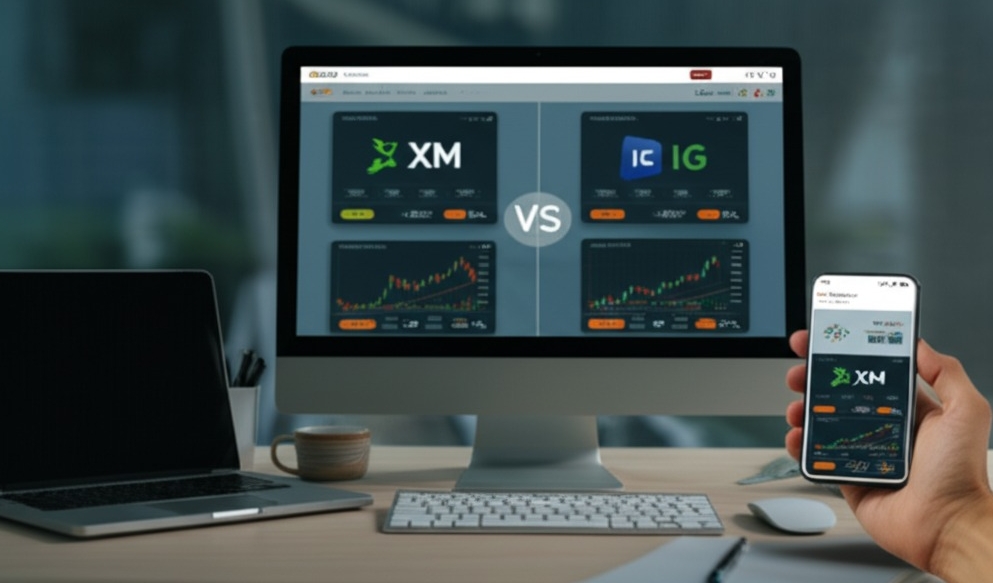
Forex trading platforms have become way more beginner-friendly over the past few years. You’ll find plenty of brokers with low entry barriers, even some that let you open accounts for just a couple bucks—or none at all. The goal is to get you in the game without making you feel like you're betting the house.
Many of these brokers offer freemium account models, so you can test trading conditions, tools, and spreads before committing real money. This is perfect for new traders or side hustlers who want to test the waters without a huge financial plunge.
Here's a quick comparison of popular low-cost forex platforms:
| Platform | Minimum Deposit ($) | Account Type | Leverage Offered |
|---|---|---|---|
| XM | 5 | Micro | Up to 1:1000 |
| Exness | 1 | Standard | Up to 1:2000 |
| IG | 250 | CFD | Up to 1:200 |
| FBS | 1 | Cent | Up to 1:3000 |
Even though Exness and FBS advertise low deposits, always check trading fees, spreads, and withdrawal costs—they’re where your real expenses might sneak in. Low-cost doesn’t always mean low-risk.
How Leverage Impacts Capital
Leverage is one of those forex terms that sounds like magic until it hits you with reality. Basically, it lets you control a large position with a small amount of capital. For example, using 1:100 leverage, $100 can open a $10,000 trade.
But—and this is a big but—leverage magnifies both gains and losses. That’s why experienced traders treat it like handling fireworks: fun but dangerous if you don’t know what you’re doing.
Let’s break it down:
Capital Stretching:
Leverage allows traders with limited funds to access larger positions. That’s the appeal. You get to play big even if you’re starting small.Risk Amplification:
You can win fast—but you can lose even faster. A 1% change in the market could clean out your whole account if you're overleveraged.Margin Calls Are Brutal:
When your account drops below required levels, brokers force-close trades to cover their own backs. No warning, just liquidation.Risk-to-Reward Balance:
Leverage doesn’t make you a better trader; it just makes your trades louder. Make sure you have solid strategies and stop-losses in place.
As financial strategist David Clarke puts it:
“Leverage is a tool, not a cheat code. If you don’t understand how it affects your capital, you shouldn’t be using it.”
Pro Tip: Start with low leverage (like 1:10 or 1:20) until you're confident in your market analysis and emotional discipline.
Myths About Forex: Is It All Just Gambling?
Forex trading is often misunderstood as pure luck. Let’s unpack why it’s not gambling, one myth at a time.
Trading vs Casino Odds
At first glance, forex and gambling both involve risk and uncertainty—but that’s where the similarities end. Casinos operate on a fixed house edge, meaning the odds are literally stacked against the player. In contrast, forex trading is built on probability, market analysis, and risk management.
In gambling, randomness is built into the system. In trading, you can manage your risk and influence your results over time.
| Factor | Casino (Blackjack, Roulette) | Forex Trading |
|---|---|---|
| House Edge | 1–10% (always against you) | 0% (with regulated broker) |
| Control Over Outcome | None | Partial (via strategy) |
| Expected Value | Negative | Neutral to Positive |
| Skill Involved | Minimal | High |
If you're trading with discipline and a sound approach, you're not gambling—you’re managing calculated risk.
How Strategy Beats Randomness
Ever heard someone say “forex is just flipping a coin”? That’s a dead giveaway they don’t know what they’re talking about. Real traders use structured strategies to gain an edge over the market.
Consistent Planning – Strategy replaces impulsiveness with logic and preparation. You know when, why, and how you’re entering a trade.
Data-Based Decision Making – You’re not guessing. You’re executing based on technical setups or economic signals.
Backtested Systems – Successful strategies are tested across market conditions to prove their consistency and reliability.
Probability Awareness – Every trade has a statistical edge—traders learn to think in expected outcomes, not individual wins or losses.
It’s not a game of chance; it’s a system of choices.
Role of Market Analysis Tools
Market movement isn’t random—it’s driven by supply and demand, macroeconomic factors, and investor psychology. Traders use market analysis tools to read these signals and make informed moves.
Technical Analysis: Includes charts, trend lines, candlestick patterns, moving averages, RSI, MACD. Helps identify entry and exit points.
Fundamental Analysis: Covers news events, interest rates, inflation, employment reports—anything that affects currency value.
Software & Tools: MetaTrader, TradingView, custom indicators, and even AI-based systems provide data-backed forecasts.
As trading expert Kathy Lien puts it:The beauty of forex trading is in its logic. Every move has a reason—and tools exist to help you find it.
Without tools, you’re blind. With them, you’re prepared.
Impact of Emotional Discipline
Here’s the real wild card in trading: your emotions. You can have all the tools in the world, but if you can’t control your impulses, you’re toast.
Fear: Freezing and missing opportunities
Greed: Overtrading after a win
Impatience: Cutting winners too early, letting losers run
Confirmation Bias: Seeing only what supports your trade
But disciplined traders? They treat forex like a business. They log their trades, follow a set routine, and never risk more than they can afford to lose.
This isn’t Vegas—it’s mental chess. And you win by keeping your cool when the market heats up.
Forex Trading Without Experience
Getting into forex trading without any background can be intimidating—but with smart steps, even total beginners can avoid blowing up their first account.
Learning Curves in Forex
Starting out in the Forex market is like jumping into deep water without knowing how to swim—terms like currency pairs, pips, and leverage get tossed around fast. The truth? The learning process is more manageable than it looks when taken one layer at a time.
Start with technical analysis basics like chart reading and support/resistance levels. Then, blend in fundamental analysis to understand how global news impacts currency volatility. Over time, you’ll craft a trading strategy that fits your style. And don’t worry about being perfect—early mistakes help shape your future wins.
Focus on one or two major currency pairs like EUR/USD or GBP/USD.
Study how volatility changes during different trading sessions.
Gradually test ideas using a structured education and practice routine.
Using Demo Accounts Wisely
A demo account isn’t just a button-mashing game. It’s a risk-free learning tool that simulates real market conditions using virtual money. Treat it like it’s real cash. You’re learning how to place orders, test execution speeds, and work out the kinks in your practice trading routine.
Use it to refine strategy testing, not random trades.
Simulate a real account size—don’t inflate it unrealistically.
Practice using stop-loss and take-profit on every trade.
| Trading Platform | Execution Speed (ms) | Demo Account Reset Limit |
|---|---|---|
| MetaTrader 4 | 250 | Unlimited |
| Thinkorswim | 180 | Once per 24 hours |
| cTrader | 160 | Unlimited |
Top Mistakes by New Traders

Ask any seasoned trader and they’ll say: the biggest battle is emotional control. Newbies fall into the same traps over and over.
Overleveraging: Using 100:1 leverage can turn $100 into a nightmare.
Revenge trading: Got burned? Don’t dive back in chasing losses—it rarely ends well.
No risk management: Not setting a stop-loss is like leaving your car in neutral on a hill.
Overtrading: You’re not getting paid by the click. Fewer, better trades win over random noise.
"Discipline beats strategy every time," says Steven Hart, founder of The Trading Channel. “The market rewards patience and planning, not emotion-driven reactions.”
Is the Forex Market Rigged?
The forex market seems massive and shadowy—so is it rigged? Here's a closer look at where the real problems lie.
Understanding Broker Conflicts
Let’s be honest: not all brokers have your back. In fact, some are literally making money when you lose. That’s where the conflict of interest comes in. This isn't just shady—it's a real issue known in economics as the principal-agent problem.
A broker might act as a market maker, taking the other side of your trade. That means your loss equals their profit. Sketchy, right?
Many brokers don’t owe you a fiduciary duty, which means they’re not legally obligated to act in your best interest.
Commission structures, hidden fees, and biased suitability assessments? That’s where ethics start breaking down.
What you want is full disclosure, crystal-clear transparency, and brokers who are held to real regulatory standards.
“You’ve got to treat brokers like dating apps,” says veteran trader Alicia Reed. “If they’re hiding something in the fine print, they’re probably not the one.”
Bottom line? Make sure the broker’s client interests are aligned with yours—or you're trading uphill.
Regulated vs Unregulated Platforms
You wouldn’t hand your life savings to a stranger in an alley, right? That’s what using an unregulated forex platform is like. Regulation matters—a lot. It’s your only line of defense against fraud, shady operators, and legal black holes.
Let’s break it down in a quick comparison:
| Category | Regulated Platform | Unregulated Platform |
|---|---|---|
| Regulatory Oversight | Enforced by a government-backed agency | None or self-declared |
| Licensing Requirements | Verified with strict compliance standards | Often vague or nonexistent |
| Consumer Protection | Yes – compensation schemes may apply | Zero recourse in case of fraud |
| Risk Level | Lower due to regulation | Extremely high and unpredictable |
| Jurisdiction | Clear legal framework | Ambiguous or outside major authorities |
Key tip: Stick to platforms registered with known regulatory bodies—think CFTC, FCA, ASIC, or CySEC. They don’t just set rules—they enforce them.
If a platform avoids discussing compliance or investor protection, it’s waving more red flags than a bad Tinder profile.

Forex Robots and Guaranteed Profits
The idea that forex robots can deliver guaranteed profits has gained enormous popularity across forums, YouTube ads, and Telegram trading groups. The pitch is simple and seductive: install an expert advisor (EA), turn on your automated trading system, and let the algorithm do the work — all while you supposedly rake in effortless income.
The reality? Much less glamorous.
John Myers, a veteran forex trader with over twelve years of experience, recalls being burned early in his trading career.
“I bought an EA from a seller on a trading forum who claimed it had a 98% win rate,” Myers said during a Q&A session at the 2024 Miami Forex Traders Conference. “It worked great during backtesting. I was convinced I found gold. Two weeks into live trading, it blew half my account.”
That story is not rare. Forex robots — also called expert advisors — are essentially software programs built on algorithmic trading logic. They analyze the market, execute trades, and aim to eliminate human emotion. While that sounds like an advantage, the truth is far more complicated.
Here are some cold facts that every trader needs to face:
Backtesting is not real trading: EAs may show impressive results in historical simulations. That does not mean they will perform under live, volatile, and ever-changing market conditions.
Optimization can be misleading: Many robots are "curve-fitted" to past data, meaning they are over-tuned for specific conditions and fail once the environment shifts.
No EA works across all pairs or market phases: A strategy that performs during a trending market may collapse in a range-bound phase.
“Set and forget” is a myth: Every EA still requires regular monitoring, updates, and proper risk management settings.
According to a 2023 report from the CFTC (Commodity Futures Trading Commission), the majority of automated trading losses by retail traders stemmed from unverified EAs purchased online. That same report warned about scam operations using manipulated screenshots, demo account performance, and fake user reviews to sell their tools.
Certified investment analyst Mark Sullivan of the Chartered Institute for Securities & Investment explained:
“Most losses happen because traders fall for performance without transparency. If the robot’s results are not verified by third-party tools like Myfxbook or FX Blue, you are trusting marketing — not mathematics.”
What can traders do to protect themselves?
Look for EAs with verified live results, not just beautiful backtests
Avoid any service or individual claiming “guaranteed profits” — that language is the number-one red flag
Research robots that offer transparent strategy descriptions and risk settings
Choose EAs from regulated brokers or platforms with strong reputations in the trading community
Forex robots can have real value — especially for professionals who understand optimization, drawdown control, and multi-condition strategy testing. When used right, they can save time and reduce emotional errors.
Yet, for most retail traders chasing quick wins, the dream of effortless, automated success often ends in account depletion.
There are no shortcuts in trading. The more a product promises, the more cautious you should be. As John Myers said:
“If someone claims their robot never loses, that means one thing: they have never traded a real market.”
Let the data speak louder than the pitch. Trust what is proven — not what is promised.
Best Time to Trade Forex
Trading at the right time can significantly enhance your forex experience. Let's dive into when to hit the market to maximize liquidity and minimize risk.

High Liquidity Trading Hours
Timing is everything in forex trading. High liquidity hours are when the market is most active—London and New York sessions are where the magic happens. These overlap, creating peak trading times that attract massive volume and tighter spreads. For example, when both the London and New York sessions are open, there’s a greater chance of market movements and the ability to execute trades at better prices. On the other hand, trading during the Tokyo session often means quieter, slower markets.
London-New York crossover: This is the golden hour for volatility and liquidity.
Volatility can cause wild price movements, so stay sharp during these times.
Peak hours usually fall between 13:00–17:00 GMT, when European and U.S. traders are both active.
Tip: Stick to these high-volume periods to boost your chances of entering profitable trades.
Avoiding Weekend Slippage
Weekend slippage can wreak havoc on your trades. This is when the market closes on Friday and reopens on Monday with a gap between the closing and opening price, which often results in unexpected losses or gains. These gaps are more common when there’s news over the weekend that the market reacts to.
To avoid slippage:
Close your positions before Friday’s market close.
Use stop-loss orders to minimize potential losses, especially over the weekend.
Set limit orders to take advantage of price movements when the market reopens.
Be aware that slippage happens mainly due to low liquidity on weekends.
Risk management is key—if you must hold positions, be cautious and use proper risk controls.
Impact of News Releases
News releases can trigger massive price movements, and if you're not prepared, you could get caught in the chaos. High-impact economic data like Non-Farm Payrolls (NFP), interest rate decisions, and central bank announcements can cause sharp volatility. Knowing when these events are scheduled is crucial for timing your trades.
Here’s how to handle news releases:
Plan ahead: Monitor the economic calendar for events that may affect currency pairs.
Stay informed: Significant data releases can drive prices in unexpected directions.
Adjust your strategy: Some traders choose to stay out of the market during big news events, while others trade the volatility.
As economist Sarah Davis states:
"Understanding the market reaction to news is just as important as the news itself. Be prepared, and you can take advantage of these moves."
Best Times by Currency Pair
Different currency pairs thrive at different times. Here’s a breakdown of the best times to trade some popular pairs:
| Currency Pair | Best Trading Session | Peak Volatility Hours |
|---|---|---|
| EUR/USD | London/New York | 13:00–17:00 GMT |
| USD/JPY | Tokyo/New York | 00:00–04:00 GMT |
| GBP/USD | London | 08:00–10:00 GMT |
| AUD/USD | Sydney/London | 02:00–06:00 GMT |
Best trading times align with the sessions of major financial centers:
EUR/USD sees the most action when the London and New York sessions overlap, providing more liquidity and volatility.
USD/JPY is best traded during the Tokyo-New York session overlap, especially for traders interested in Asian markets.
GBP/USD tends to see high volatility during London’s trading hours, with good liquidity early in the day.
Tip: Tailor your strategy to the currency pair’s peak hours for the best results.
Conclusion
Now that we’ve cleared up these forex myths, you can approach trading with a clearer, more realistic perspective. It’s not about getting rich overnight—it’s about smart strategies, learning the ropes, and taking calculated risks. Remember, knowledge is your best asset in this game.
As trading legend Jack Schwager said, “The market is full of opportunities, but only for those who are prepared.”
So, gear up, take your time, and let the journey to forex success begin.
Forex trading can be a profitable venture, but it is not a guaranteed way to make money. Success in forex requires more than just luck; it involves deep understanding, skills, and strategic planning. Most successful traders spend years learning the market before consistently making a profit.
Learning curve: Forex markets are unpredictable and volatile, making it essential to study trends and use analysis tools.
Risk management: Setting proper stop-losses and understanding leverage can protect your capital.
Capital commitment: To see meaningful returns, traders often need to start with significant capital or be prepared to risk smaller amounts on multiple trades.
While some brokers allow you to start with as little as $10, realistic capital requirements depend on your goals and the leverage you use. Generally, a larger initial investment helps manage risks and allows you to withstand losses while learning.
Low-cost brokers: Some platforms let you start with small deposits, but they may limit your trading options or increase risks.
Optimal range: Starting with $500 to $1,000 gives you more flexibility to manage trades and absorb market fluctuations.
Leverage impact: High leverage can amplify your returns, but it also increases potential losses, so use caution.
The short answer: No, not for guaranteed profits. Forex robots or automated systems promise to trade on your behalf, but they come with limitations and risks that are often downplayed.
In summary, while some traders use automated systems as part of a broader strategy, they should never be relied on for success alone.
Limited customization: Many forex robots work on preset algorithms and do not adapt well to changing market conditions.
Market unpredictability: They cannot replicate human intuition or strategy, especially when markets are volatile.
Risk of scams: Some trading robots are unregulated, often leading to unsatisfactory results.
Many beginners confuse forex trading with gambling, but they are fundamentally different. The key difference lies in the use of strategy and analysis in forex.
Risk management: In forex, traders can limit their risks by using stop-loss orders and adhering to sound money management practices.
Analysis-based decisions: Successful forex traders rely on technical analysis, fundamental analysis, and market trends rather than blind chance.
Psychological factors: Traders also control their emotions and reactions, whereas gambling is purely based on chance.
Timing is crucial in forex trading as the market operates 24/7, but not all hours are equally profitable.
By identifying the best hours for your trading style, you can maximize profits and minimize risk.
Best hours for liquidity: The London and New York sessions (8 AM – 12 PM EST) offer higher volatility and more trading opportunities.
Avoid off-hours: Weekends and holidays typically experience lower liquidity, which can increase the risk of price slippage.
News events: Trading during high-impact news releases (like interest rate decisions) can lead to sharp price movements, creating opportunities—but also risks.