


When it comes to online trading, securing your account is one of the most important steps you can take. OQtima trading login plays a crucial role in ensuring the safety of your trading activities and personal information. With the increasing threats of cyberattacks and unauthorized access, protecting your login credentials should be a top priority for every trader. Whether you're new to OQtima or an experienced user, understanding the key security features and practices available is essential for a smooth and secure trading experience.

Account Security and Login Best Practices
The safety of your OQtima trading login is critical for protecting your investments and personal data. Traders must be proactive in securing their accounts, as cyber threats such as hacking and phishing are common risks in the trading world.
Why Securing Your OQtima Login is Crucial
The risks associated with weak login security are ever-present in the trading world. Here are a few reasons why securing your OQtima login is essential:
Hacking Attempts: Cybercriminals often target trading platforms like OQtima to steal sensitive data or funds from user accounts.
Phishing Scams: Fraudsters impersonate legitimate sources (like your trading platform or financial institutions) to trick users into providing login details.
Unauthorized Access: Without robust security measures, hackers could gain access to your personal information, including your portfolio and deposit details, leading to significant financial losses.
Financial Losses: A compromised account can lead to the theft of stocks, ETFs, and other financial instruments, causing substantial financial damage to traders.
How to Set Up a Secure OQtima Trading Password
When setting up your OQtima trading login, creating a strong, secure password is the first line of defense against unauthorized access. Here’s how to do it:
Use a Mix of Characters: Combine upper and lowercase letters, numbers, and special characters to create a strong password.
Avoid Personal Information: Never use easily guessable information like your name, birthdate, or "password123."
Enable Multi-Factor Authentication (MFA): Adding an extra layer of security through MFA ensures that even if your password is compromised, the hacker cannot access your account without the second factor, like a verification code.
Regularly Update Your Password: Changing your password at regular intervals (e.g., every 3 to 6 months) helps to protect your account.
Understanding Two-Factor Authentication (2FA) for OQtima
Two-factor authentication (2FA) is an essential security feature to enable for your OQtima login. Here’s why it’s important and how to set it up:
2FA enhances security by requiring two forms of identification to access your account:
Something You Know: Your OQtima password.
Something You Have: A unique code sent to your mobile device or email, ensuring that even if someone has your password, they cannot log in without the second form of verification.
Step 1: Go to your account settings on OQtima and find the "Security" section.
Step 2: Enable 2FA by selecting your preferred method (either SMS or an authentication app like Google Authenticator).
Step 3: Follow the prompts to link your device to your OQtima account.
By adding this extra layer of security, you significantly reduce the risk of unauthorized access.
Recognizing Phishing Scams and Avoiding Fraudulent Login Attempts
Phishing scams are a common threat that can compromise your OQtima login. Here’s how to protect yourself:
Look for Suspicious URLs: Always check the URL to ensure it’s the official OQtima website. Fraudulent sites may mimic the original but have subtle differences in the web address.
Avoid Clicking on Links in Emails: Legitimate trading platforms will never ask for your login information through unsolicited emails.
Examine Email Senders: Be cautious of emails from unfamiliar senders or those with suspicious-looking domain names.
Look for Red Flags: Be wary of any email or message that creates a sense of urgency, such as "Your account has been compromised; log in immediately." These are common tactics used by scammers.
By staying vigilant and recognizing these signs, you can avoid falling victim to phishing scams and keep your OQtima trading login secure.
Troubleshooting Login Issues
Experiencing trouble logging into your OQtima account can be frustrating, but there are several solutions that can help you regain access quickly.
What to Do if You Forget Your OQtima Login Password
If you've forgotten your OQtima login password, don't worry. Here's a simple process to reset it:
<step 1> Navigate to the Login Page: Go to the OQtima login page and click on "Forgot Password."
<step 2> Enter Your Registered Email: Input the email address linked to your account.
<step 3> Follow the Email Instructions: Check your inbox for a password reset link from OQtima. Click the link to set a new password.
<step 4> Create a New Secure Password: Ensure your new password is strong by combining letters, numbers, and special characters.
<step 5> Log in with New Credentials: Use your new password to log in and access your OQtima trading platform.
This process ensures that you can recover your account quickly without any hassle.
Resolving OQtima Login Problems: Clear Browser Cache and Cookies
Browser issues often cause problems with OQtima login, such as errors when entering your credentials or failure to load the page. Here’s how to clear your browser cache and cookies to resolve these problems:
Open Browser Settings: Navigate to the settings or preferences menu in your browser.
Clear Cache: Look for the "Clear Browsing Data" option, and select "Cached images and files."
Clear Cookies: Check the box for "Cookies and other site data" to remove outdated cookies.
Restart Your Browser: After clearing the cache and cookies, close and reopen your browser.
Attempt Login Again: Go back to the OQtima login page and try logging in again.
Clearing cache and cookies ensures that your browser loads the most up-to-date version of the OQtima platform, which can resolve many login-related issues.
How to Handle Failed Login Attempts on OQtima
Multiple failed login attempts can lock you out of your OQtima account temporarily, but there are steps you can take to avoid this issue:
Double-Check Your Credentials: Ensure you're using the correct username and password before attempting to log in.
Wait for Lockout Period: If you’re temporarily locked out after several failed attempts, wait for 15 to 30 minutes before trying again.
Reset Your Password: If you can’t remember your password, follow the password reset steps outlined earlier.
Enable Two-Factor Authentication (2FA): Protect your account from unauthorized attempts by enabling 2FA for extra security.
If you continue to experience problems, contact OQtima support for assistance.
Dealing with OQtima Login Errors and Support
Login error messages can be confusing, but understanding what they mean can help you troubleshoot effectively. Here are some common errors and their solutions:
| Error Message | Cause | Solution |
|---|---|---|
| "Incorrect Username or Password" | Mistyped credentials or forgotten password | Reset your password or check for typos in your login details. |
| "Account Temporarily Locked" | Too many failed login attempts | Wait for 15–30 minutes, then try logging in again. |
| "Unable to Connect to Server" | Server maintenance or connectivity issues | Check your internet connection or visit the OQtima support page for updates. |
| "Account Suspended" | Violation of terms or suspicious activity | Contact OQtima support to resolve account suspension. |
For persistent issues, reach out to OQtima’s support team for personalized assistance.
Linking Your OQtima Trading Account to External Authentication Systems
To further enhance your OQtima login security, you can integrate your account with external authentication tools like Google Authenticator or Authy. Here’s how:
Access Account Settings: Log into OQtima and navigate to the "Security" section.
Enable External Authentication: Choose your preferred external authentication system, such as Google Authenticator.
Scan QR Code: Open the authentication app, scan the QR code presented by OQtima, and enter the code to link your account.
Confirm Integration: After completing the steps, you will be prompted to enter a code from your app every time you log in, providing an added layer of security.
By linking OQtima to third-party authentication tools, you ensure that your account is much harder to compromise.
OQtima Trading Platform Features
Once you're logged into the OQtima trading platform, it's essential to understand the key features that will enhance your trading experience.
Navigating the OQtima Trading Platform Post-Login
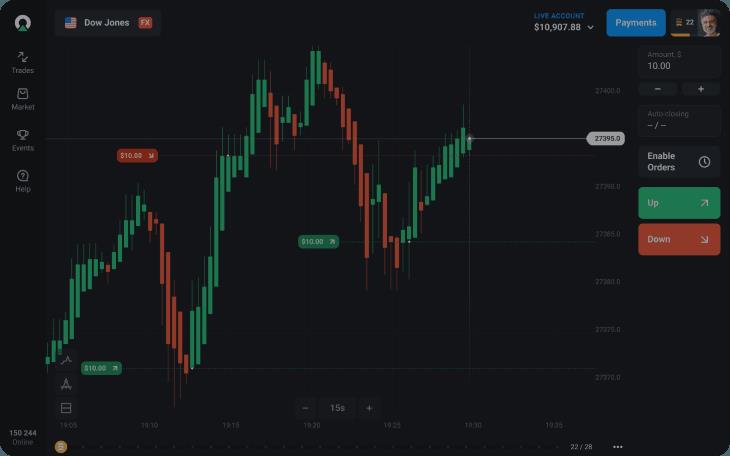
After successfully logging into OQtima, it’s important to familiarize yourself with its user interface. Below are the main areas to focus on:
Trading Dashboard: The central hub where you can view live market prices, charts, and your open positions.
Account Overview: Located in the top-right corner, this section shows your account balance, equity, and margin.
Navigation Menu: This menu offers quick access to various sections such as portfolio, orders, transactions, and trading strategies.
Charting Tools: Below the dashboard, you’ll find live charts where you can track different assets like stocks, ETFs, and options.
Settings & Preferences: Adjust your OQtima account settings, notification preferences, and chart configurations here.
Navigating these areas will ensure you're well-equipped to execute trades, manage your portfolio, and monitor the market efficiently.
Using OQtima’s Account Management Tools
Managing your OQtima account effectively is crucial for a smooth trading experience. Here’s an overview of the key tools available post-login:
| Tool | Function | Key Features |
|---|---|---|
| Portfolio Management | Monitor and manage your trading positions and balances. | View real-time portfolio performance, asset allocation. |
| Deposit & Withdrawals | Manage your funds by making deposits or requesting withdrawals. | Supports multiple payment methods like bank transfer and credit cards. |
| Account Statements | View and download detailed statements for your trading activities. | Monthly, weekly, or custom range statements available. |
By utilizing these tools, you can easily track your trading progress, deposit or withdraw funds, and stay on top of your transactions.
How to Customize Your OQtima Trading Interface
Customizing your OQtima trading interface allows you to tailor the platform to suit your personal preferences and trading style. Here’s how you can optimize your setup:
<step 1> Adjust Chart Settings:
Right-click on the chart area and select "Chart Settings."
Customize chart types, timeframes, and indicators such as Bollinger Bands or Moving Averages to analyze price movements.
<step 2> Add or Remove Widgets:
Use the drag-and-drop feature to add or remove market widgets, news feeds, or economic calendars.
Widgets like Market Depth or Order Book can help you analyze the order flow and better manage risk.
<step 3> Set Up Alerts:
Under the Alerts tab, set price alerts for specific stocks or assets.
This feature is useful for day traders or swing traders who need to act quickly on market changes.
<step 4> Customize Toolbars:
Go to "Preferences" and configure the toolbars to show only the tools you use most frequently, such as Buy, Sell, or Stop Loss options.
Personalizing the OQtima platform will improve your workflow and help you execute trades more efficiently.
Security Enhancements for Advanced Users
For advanced traders on the OQtima platform, ensuring top-tier security for trading accounts and sensitive data is essential.
Advanced OQtima Security Features for Professional Traders
OQtima provides a range of advanced security features tailored for professional and institutional traders. These tools help mitigate risks and enhance the protection of your trades and data.
API Access Security
For automated trading, API security ensures that external tools interacting with your OQtima account do not expose it to vulnerabilities.
Advanced encryption protocols like OAuth 2.0 prevent unauthorized API access.
Two-factor authentication (2FA) adds an extra layer of security for API-based logins and trade executions.
End-to-End Encryption
OQtima employs SSL encryption across all trading communications, protecting sensitive information such as account balances, market data, and order details from interception.
The platform also ensures that trade executions and communications between your system and OQtima's servers remain private and secure.
Multi-Device Authentication
If you use multiple devices for trading, OQtima supports multi-device authentication. This ensures that you can securely trade across different platforms, such as your desktop and mobile app, without compromising security.
Device management settings allow you to log out from any device remotely if it is compromised.
These advanced features ensure that your trading activities on OQtima are safeguarded against external threats, offering peace of mind for professional traders.
Using VPNs for OQtima Trading Login Security
For professional traders, logging in to OQtima through a Virtual Private Network (VPN) adds a crucial layer of security, especially when accessing accounts from public or shared networks. Here’s why VPNs are essential:
Encrypted Connection
A VPN creates an encrypted tunnel between your device and the OQtima server, protecting data from being intercepted by cybercriminals.
This is particularly important when using public Wi-Fi networks at cafes or airports.
IP Address Masking
VPNs hide your IP address, making it harder for hackers to track or target your connection.
By masking your real IP address, a VPN enhances privacy and prevents targeted attacks on your OQtima account.
Bypassing Geo-Restrictions
In certain countries, trading platforms like OQtima may be restricted. A VPN can mask your geographic location, enabling access to the platform from virtually any location.
Enhanced Security Layers
With multi-factor authentication (MFA) and VPN encryption, traders can add multiple layers of protection, reducing the risk of unauthorized access.
For advanced users accessing OQtima from different locations, a VPN is a vital tool in ensuring that all your trading actions are secure.
Best Practices for Securing Your Trading Device
Before logging into OQtima, ensuring that your trading device is secure is crucial. Here are essential practices for protecting smartphones, computers, and other devices used for trading:
<step 1> Install Comprehensive Antivirus Software
Always keep your device’s antivirus software updated. This helps protect against malware and phishing attacks, which can steal your credentials.
<step 2> Enable Firewalls
Turn on firewall protection on both PCs and smartphones. Firewalls help block unauthorized access to your device, preventing cybercriminals from exploiting vulnerabilities.
<step 3> Use Strong Passwords and Enable Biometrics
Always use strong passwords combining letters, numbers, and special characters.
For mobile devices, enable biometric authentication (fingerprint or face recognition) to add a layer of security.
<step 4> Regular Software Updates
Ensure that your operating system and all software are updated regularly. These updates often contain security patches to address newly discovered vulnerabilities.
By securing your devices before logging into OQtima, you protect not just your account, but also the devices you use to manage your portfolio.
How to Manage Multiple OQtima Accounts Securely
For advanced traders managing several OQtima accounts, it's important to adopt strategies that enhance account security while reducing the risk of cross-account threats.
| Strategy | Benefits | Tools & Methods |
|---|---|---|
| Password Management | Using unique and complex passwords for each account. | Use a trusted password manager to securely store and generate strong passwords. |
| Two-Factor Authentication (2FA) | Ensures an additional security layer for each account. | Enable 2FA for each OQtima account, ensuring that login requires both a password and an authentication code. |
| Different Devices for Different Accounts | Minimizes risk by isolating activities on separate devices. | Use separate devices or virtual machines for different OQtima accounts to reduce exposure. |
| Regular Account Monitoring | Helps spot any unauthorized activity. | Set up account alerts to monitor all login attempts, trades, or withdrawals across accounts. |
By implementing these practices, you can efficiently manage multiple OQtima accounts without compromising their security. Each account will benefit from individualized protection, significantly reducing risks.

The Role of Account Statements and Reporting
For OQtima users, account statements and transaction reports are essential tools for tracking trading activity, monitoring financial performance, and ensuring compliance with tax requirements.
How to Access OQtima Account Statements Post-Login
Accessing your OQtima account statements is a straightforward process. These statements provide detailed insights into your trading activities and performance. Here's how to find and download them:
Log in to OQtima
Open the OQtima platform and log in with your username and password.
Ensure that you are using a secure network, especially if handling sensitive financial data.
Navigate to Account Section
After logging in, go to the Account or Reports section on the dashboard.
Look for the "Statements" or "Trade History" menu option, depending on your version of the platform.
Select Date Range
Choose the date range for the statement you want to download. You can often select monthly, quarterly, or annual statements.
Some platforms also allow custom date ranges for more precise reporting.
Download or View Statement
Once you’ve selected the appropriate range, you can view the statement directly on the screen or download it as a PDF or CSV file.
The statement will typically include trade details, profit/loss summary, fees, and account balances.
These steps help you keep track of your trading performance, from buy and sell actions to your overall portfolio activity.
How to Review OQtima Transaction History and Reports
Reviewing your transaction history is essential for understanding your trading performance, verifying account balances, and ensuring the accuracy of your trades. Here’s how to navigate through your OQtima transaction reports:
Access the Reports Section
After logging into OQtima, head to the Reports or Transaction History section, which can often be found in the Account tab.
Review Trades and Transactions
Look for a summary of trades, including buy, sell, and short actions. Each trade entry should show details like price, quantity, fees, and execution times.
Withdrawals and deposits should also be listed with timestamps and transaction amounts.
Check Your Balance Overview
On the same page, you’ll find your balance summary, showing available funds and margin.
This is crucial for understanding your portfolio performance, especially in relation to your trading strategies like scalping or day trading.
Export Reports for Further Analysis
For more in-depth analysis or record-keeping, export your transaction history as a CSV or PDF file. This can be used for further reporting in other financial tools or spreadsheets.
Regularly reviewing these reports ensures you stay informed about all financial activities, making it easier to manage tax obligations and trading strategies.
Using OQtima Statements for Tax and Financial Reporting
OQtima account statements are not just for tracking your trading performance but are also crucial for tax and financial reporting. Below is how you can use them for tax purposes:
Step 1: Generate Year-End Statements
OQtima allows you to generate year-end account statements. These include comprehensive profit/loss reports, capital gains, and trading fees paid.
Ensure that you select the full year range to capture all taxable events that occurred during the tax period.
Step 2: Taxable Events and Report Generation
For tax reporting, OQtima will break down the transactions into categories like short-term capital gains, long-term capital gains, and dividend income.
Look for a detailed summary of all deposits, withdrawals, and fees to ensure accuracy in your report.
Step 3: Export to Tax Preparation Software
Once your report is ready, export it in CSV format and upload it to your tax preparation software or hand it over to your accountant. Many platforms like TurboTax support direct import for accurate tax filing.
Step 4: Double-Check for Accuracy
Before submitting your taxes, double-check the accuracy of capital gains calculations and ensure that any losses are properly accounted for to reduce taxable income.
If you use other platforms like MetaTrader or TradingView alongside OQtima, ensure that you combine reports for an accurate tax return.
OQtima’s account statements serve as a vital tool for keeping track of your trading performance and financial obligations, enabling smooth tax filings and better decision-making throughout the year.

Conclusion
In conclusion, ensuring the security of your OQtima trading login is vital for a successful and worry-free trading experience. By following best practices such as creating strong passwords, enabling two-factor authentication, and staying alert to phishing scams, you can significantly reduce the risks of unauthorized access to your account. Additionally, resolving any login issues promptly, understanding the full range of account management features, and implementing advanced security measures will help you maintain control over your trading activities. Taking proactive steps to secure your account is not just a precaution but a fundamental part of becoming a responsible and confident trader.
To secure your OQtima trading login, it's essential to:
Use a strong, unique password.
Enable two-factor authentication (2FA).
Be cautious of phishing attempts and fraudulent websites.
If you forget your OQtima password, follow these steps:
Click the 'Forgot Password' link on the login page.
Enter your registered email to receive a reset link.
Follow the instructions to create a new password.
Yes, using a VPN while logging into your OQtima account enhances security by masking your IP address. It is especially useful when trading from public or unsecured networks.
Enabling two-factor authentication (2FA) adds an extra layer of security to your account. Even if someone obtains your password, they won't be able to access your account without the second factor.
Protects against unauthorized access.
Ensures only you can log into your account.
If your OQtima trading account gets locked, try the following:
Wait for the specified lockout time to pass.
If the issue persists, contact OQtima support for assistance.
Some common login issues with OQtima include:
Incorrect password entries.
Browser cache and cookie conflicts.
Account lockouts after multiple failed attempts.
To view your OQtima trading history:
Log in to your account.
Navigate to the 'Transaction History' section in your dashboard.
Here, you can view all deposits, withdrawals, and trades made.
To further enhance the security of your OQtima account, consider these steps:
Regularly change your password.
Use a password manager to generate and store complex passwords.
Enable alerts for any suspicious activities or login attempts.