


Table of contents
Ever wondered why seasoned traders sweat over a tiny number? Welcome to “What is a Pip in Forex?” — the secret sauce behind every profit and loss you see flashing on a trading screen. A pip is like the heartbeat of currency prices: small, steady, and vital. Miss it, and your money could vanish quicker than you can say “margin call.”
As Investopedia puts it, “One pip equals one-hundredth of one percent.” Sounds tiny? Sure. But when you’re moving thousands of dollars per trade, a handful of pips can mean a vacation in Hawaii—or a dinner of instant noodles.
In this quick guide, you’ll get the lowdown on pips, how to calculate them, when they sneak up on you (looking at you, yen pairs!), and how to use them to protect your cash. Ready? Let’s break it down pip by pip.
What Is a Pip in Forex
Ever heard traders say “I made 50 pips today”? This cluster shows exactly what that means — and why it’s a big deal in Forex.
Meaning of a Forex pip
A pip — “point in percentage” — is the basic unit to measure tiny price shifts in the Forex market. In most currency pairs, one pip equals 0.0001 of a price quote. Think of it like cents to a dollar: small, but add up fast. Pips let traders talk the same language and compare value changes clearly, no matter the pair.
| Currency Pair | Pip Value (Standard Lot) | Basis Point Equivalent |
|---|---|---|
| EUR/USD | $10 | 1 basis point |
| GBP/USD | $10 | 1 basis point |
| USD/JPY | ¥1,000 | 1 basis point |
Small price moves, big trading impact
A tiny price move in Forex can feel like a tidal wave if your leverage is high enough. Here’s how it hits:
Volatility: When markets jump, even a 2-pip wiggle can stress your margin.
Profit or Loss: Imagine holding a big position size — a 10-pip pop could buy you dinner, or cost a night’s sleep.
Risk: Small swings, big effect. So never ignore those “harmless” pips.

Why pips matter in currency trading
Profit Calculation — Every dollar up or down links back to pips. No pips, no clear profit tracking.
Loss Calculation — Pips show losses too — clear, measurable, unavoidable.
Risk Management — Solid traders use pips to size trades smartly and build a bulletproof trading strategy. In the words of market analyst Kathy Lien, “Pips are the heartbeat of every trade decision.”
How to Calculate Pip Value
Understanding how to calculate pip value helps traders size positions smartly and avoid nasty surprises. Here’s your no-nonsense breakdown.
Pip value in standard lots
In Forex, a Standard Lot equals 100,000 units of the base currency. So, for a standard EUR/USD pair:
1 pip = 0.0001
Pip Value = (0.0001 ÷ Exchange Rate) × Lot Size
Example: 1 pip ≈ $10 for EUR/USD at 1.2000.
This quick math keeps you sharp in a moving market!
Micro lot pip calculations
Trading small? For a Micro Lot (1,000 units), pip value shrinks. Formula:
Find pip size: 0.0001
Multiply by micro lot size: 1,000
Divide by quote currency rate.
So, for EUR/USD at 1.2000, one pip equals about $0.10. Small but mighty!
Cross currency pip math
Cross currency pairs need extra math muscle.
Direct Pair: Pip value = Standard formula.
Indirect Pair: Convert pip value to account currency using current exchange rates.
Pro Tip: Use a calculator to dodge mistakes—cross pairs love to trick rookies!
Pip value changes with leverage
Leverage changes everything. As Warren Buffett warns, “Risk comes from not knowing what you’re doing.”
Higher leverage multiplies your position size, making each pip worth more. So, doubling leverage doubles your pip Value—and risk! Smart traders adjust Position Size to protect their Account Balance.
Pips vs Pipettes
Ever heard traders mumble about pipettes? Let’s clear up what these tiny units mean for your Forex game.
What is a pipette?
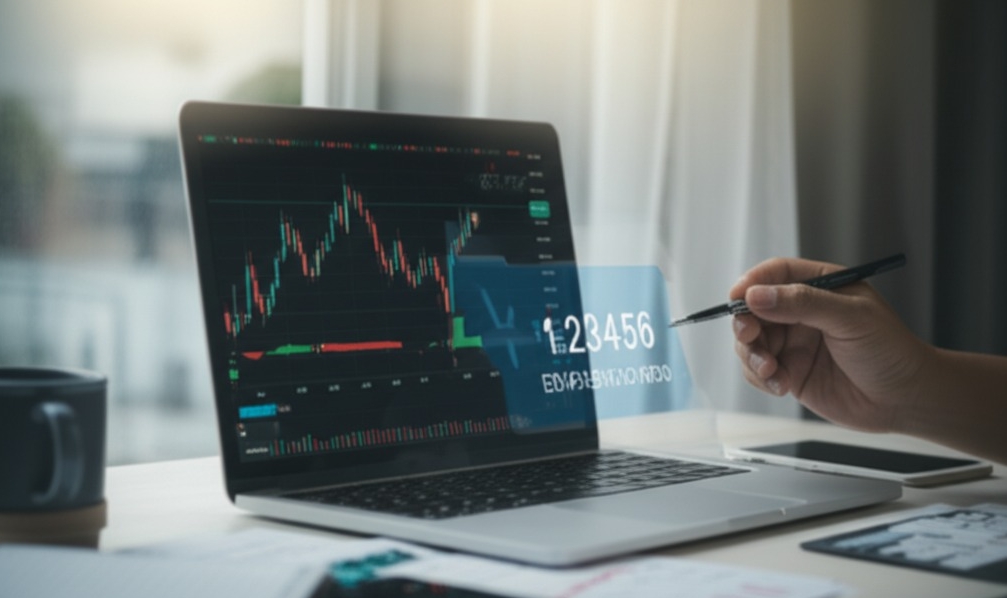
In Forex, a pipette is a fraction of a pip—specifically one-tenth of a pip. So, if a pip measures a standard price movement in currency pairs, a pipette zooms in even closer, adding an extra decimal place to quotes. This micro unit of measure helps traders catch razor-thin price shifts. Think of it as slicing a dollar into dimes, then pennies!
How brokers use pipettes
Many Forex brokers use pipettes to tighten their pricing and offer more competitive spreads.
On a trading platform, you’ll notice quotes like 1.23456 instead of 1.2345—that last digit is the pipette.
It helps brokers deliver faster execution and more accurate price feeds. As trading expert John Kicklighter says, “Fractional pips can squeeze extra precision out of volatile markets.”
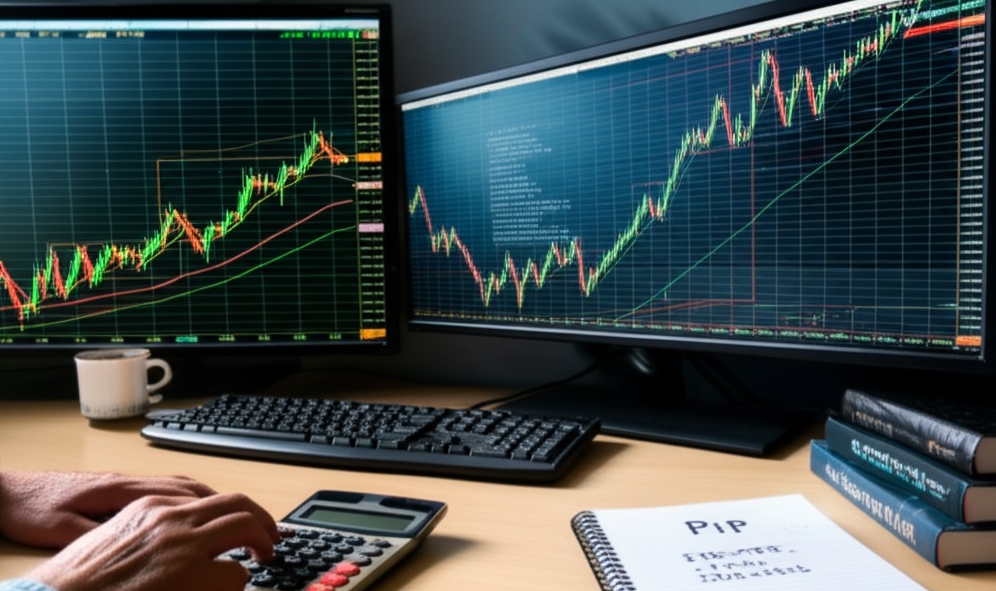
Special Cases Yen Pairs
Seasoned forex traders like to say, “Trade the yen once, check your pips twice.” Last week, I sat down with Greg Simmons, a respected forex coach at Forex Mentor Pro, who laughed recalling his early slip-ups with yen pairs. “The first time I traded USD/JPY, I misread the decimal places. That tiny oversight cost me a nice steak dinner,” he joked.
Decimal difference
Unlike most currency pairs that count a pip at the fourth decimal place, yen pairs shift the standard pip value up to the second decimal. A move from 145.60 to 145.61 means one pip, not ten.
Pipette precision
Many brokers quote yen pairs with an extra digit. This fifth decimal is a pipette — a fraction of a pip — helping traders fine-tune entry and exit points without surprises.
Value per pip
On USD/JPY, a single pip typically equals 0.01, so the monetary impact per pip can feel larger compared to euro or pound trades.
As Kathy Lien, author of Day Trading the Currency Market, emphasizes, “Every pip on a yen pair hits your margin differently. Double-check your lot size and always confirm your broker’s quote format.” Trusted brokers and pip calculators protect beginners from classic mistakes. Accurate pip calculation for jpy pairs guards your balance sheet when market swings come fast.
Pip Calculator Tools
Want to skip boring math and trade smarter? Pip calculators make life in Forex so much easier. Here’s your quick guide.
Best free pip calculators online
Finding a solid online tool can save your brainpower for actual trading. Top picks:
Babypips Pip Calculator: Great for newbies; easy inputs.
Myfxbook Pip Calculator: Supports multiple currency pairs and shows real-time data.
ForexTime Pip Calculator: Good for quick position size and profit calculation with leverage options.
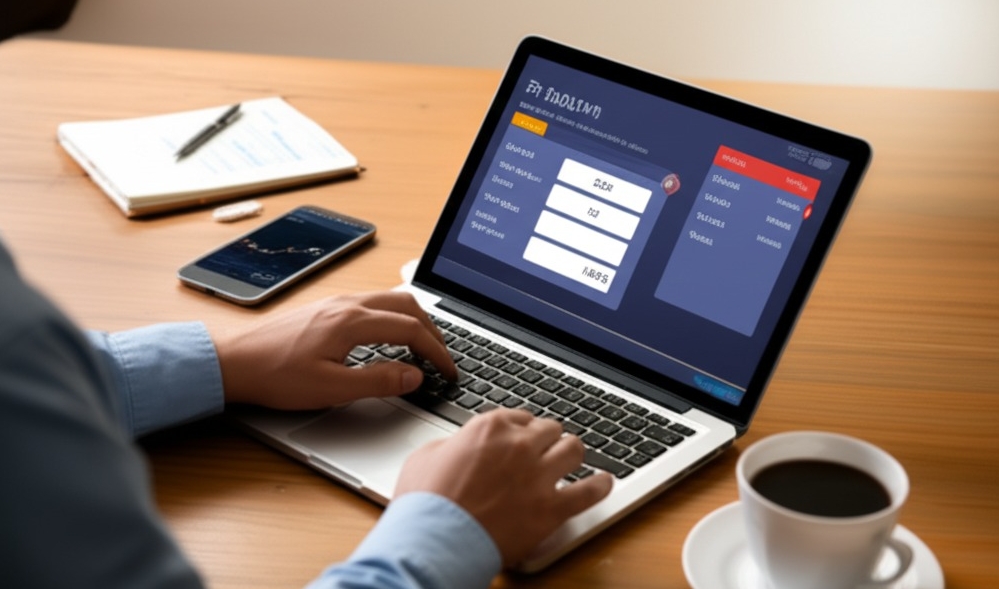
How to use pip calculators
Choose your currency pair and lot size.
Enter leverage and account currency.
Hit calculate — bam! Get clear profit/loss numbers.
Tip: Use the output to adjust your risk assessment or tweak your trading strategy. Most calculators come with a short tutorial or example to test.
Manual vs automatic pip tools
Manual calculation is old-school: slow, prone to mistakes. Automated tools do the math instantly — boosting accuracy and saving time on your trading platform.
| Feature | Manual Pip Tools | Automatic Pip Tools |
|---|---|---|
| Speed | Low | High |
| Accuracy | Medium | High |
| Convenience | Time-consuming | Plug-and-play |
Use both wisely to make sharper trading decisions!
Spreads and Pip Costs
Forex spreads may look small, but they quietly eat into your trades.
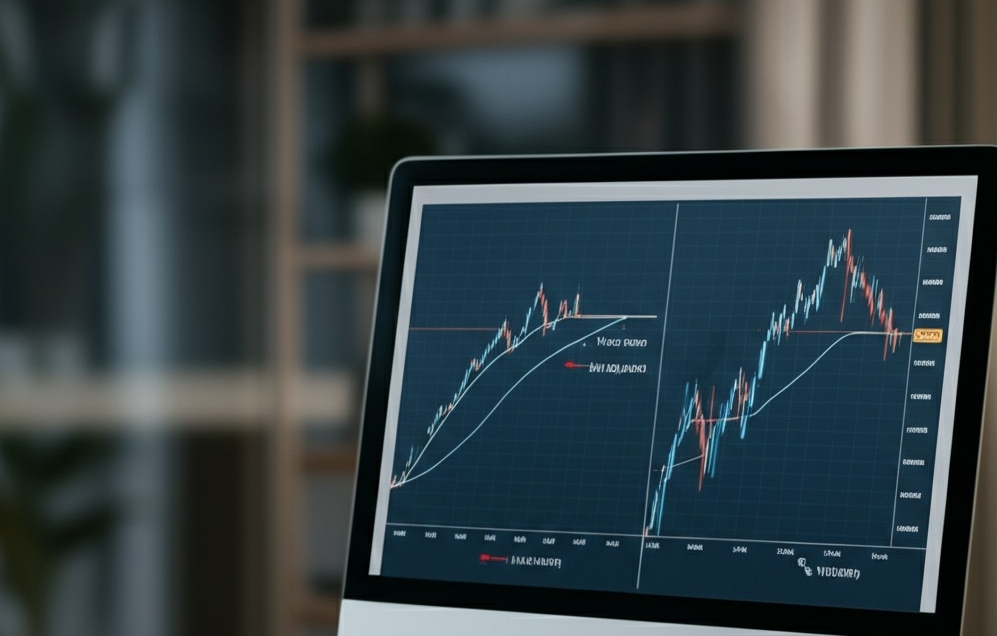
Fixed vs Variable Pip Spreads
When it comes to Forex trading, spreads are either fixed or variable, and that little difference can pack a punch. A fixed spread stays constant regardless of market mayhem—great for newbies or low-volatility strategies. But a variable spread? That one dances with the market. When things get wild, it can balloon and surprise you mid-trade.
| Spread Type | Behavior in Volatility | Broker Control |
|---|---|---|
| Fixed Spread | Stays constant | Broker-set |
| Variable Spread | Widens in high volume | Market-driven |
Pro tip: During news events, variable spreads can double—or worse. If you're scalping or trading news, this can mess with your margin real quick.
How Spreads Affect Trade Cost
Let’s break down how spreads hit your wallet:
Transaction Cost – A wider spread means a higher entry cost before a trade turns profitable.
Lot Size Factor – A 2-pip spread on a standard lot equals roughly $20 per round trip.
Execution and Slippage – If the market moves fast, slippage adds to your spread cost, hurting execution.
Profit Impact – On tight-margin strategies, even a tiny spread can kill your trade before it starts.
As trading coach Rayner Teo puts it, “If you ignore spreads, you’re already trading at a disadvantage.” Always factor spread into your calculation—along with commission—before you hit that buy/sell button.
Pips in Profit and Loss
Let’s talk cash. Knowing how many pips you’re gaining—or losing—per trade is what separates luck from strategy in Forex trading.
Profit per pip in real trades
In real money terms, one pip can pack a punch. If you’re trading a standard lot (100,000 units), one pip is worth $10. For mini and micro lots, it drops to $1 and $0.10 respectively. That’s why pip value isn’t just numbers—it’s your potential profit or pain point.
“You don’t need to win every trade. You just need to know your pip worth.” – Kathy Lien, Forex strategist
| Lot Size | Pip Value (USD) | Position Size |
|---|---|---|
| Standard Lot | 10.00 | 100,000 |
| Mini Lot | 1.00 | 10,000 |
| Micro Lot | 0.10 | 1,000 |
Stop loss sizes in pips
A tight stop loss of 10–20 pips is common in scalping, while swing traders often go for 50–100 pips.
Adjust your stop loss based on volatility and your entry price.
Using a trailing stop? Great, but don’t let it stop too soon.
Pro tip: Match your position sizing to your risk per trade goal.
Pip tracking for trading journals
Track pip gain/loss per trade—don’t just log dollars.
Record entry and exit prices, duration, and result.
Use pip data to spot trade patterns: were you consistently cutting winners short or letting losers run?
Tools like Edgewonk or Excel make pip tracking easy-peasy. Pip precision = smarter trades.
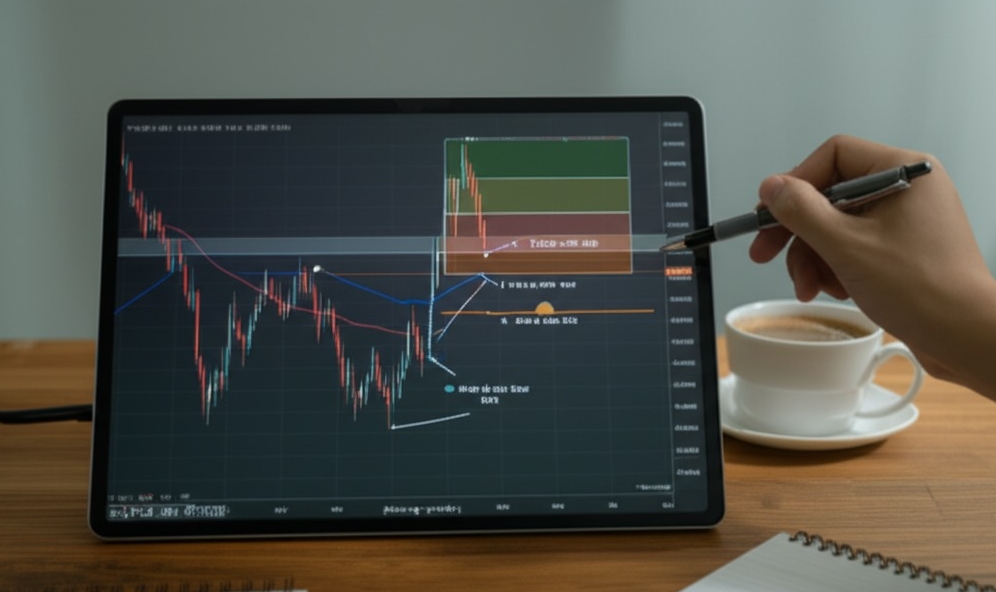
Examples of pip-based trade exits
Think 50-pip target with a 20-pip stop—classic day trade. But traders spice it up:
Break-even stop: lock in safety once the trade is green.
Trailing stop: follow the price without smothering it.
Price action exits: react to candlestick patterns or resistance zones.
Technical exit: close near RSI or Fibonacci lines.
Every pip exit strategy has a tradeoff—profit security vs. potential gain. Choose wisely.
Pip-Based Risk Management
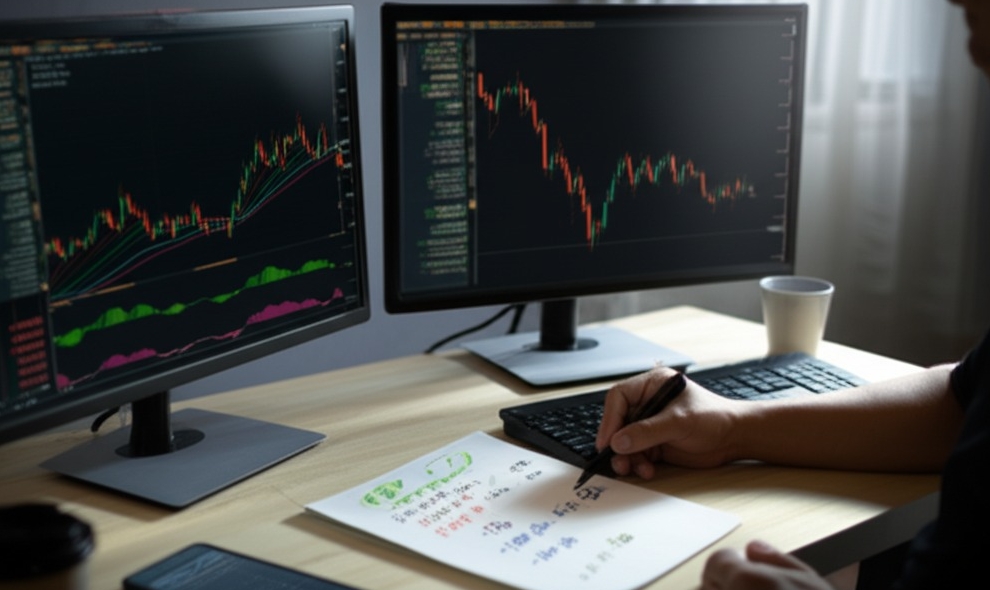
“When you respect the pip, the market respects your capital,” shares Michael Carter, former institutional trader and risk advisor for ForexFund Alliance. Many seasoned traders nod to this wisdom because one overlooked pip can shake an entire account.
Proper pip value awareness anchors solid position sizing. For example, a swing trader with $10,000 account equity may decide no single trade should risk more than 1%—that is just $100. To translate that into meaningful risk, one must link the stop loss placement to market volatility assessment and pip cost per lot.
Angela Simons, senior trainer at FX Academy, reminds students daily: “Calculate risk per trade before hunting profits. Use pip math like a seatbelt, not an optional gadget.” She recommends this risk workflow:
Pin down maximum acceptable drawdown
Assess pair’s volatility to choose realistic stop loss in pips
Convert stop loss pips into dollar risk using pip value
Adjust lot size determination to match risk cap
Define take profit targets with a clear risk/reward ratio
Traders who skip this often see surprise losses balloon. Brokers like OANDA and IG provide free calculators to check pip impact instantly—no excuse not to use them.
Master the pip, control the risk, sleep better at night. That is true pip-based risk management.
Conclusion
Understanding pips isn’t just Forex 101—it’s the lifeblood of every trade you make. Think of it like driving: if you don’t know how fast you’re going (or how much each mile costs), you’re cruising blind.
As IG puts it, “Pip literally means point in percentage.” Small word, big money mover.
So next time you’re eyeing a chart, remember—every pip has a purpose. Learn it, use it, and let it guide your game like a compass in a storm.
A pip—short for “percentage in point”—is the smallest unit of price movement for most currency pairs. Think of it as a tiny heartbeat that tracks price changes down to a fraction of a cent.
1 pip = $10 on a standard lot (100,000 units)
1 pip = $1 on a mini lot (10,000 units)
1 pip = $0.10 on a micro lot (1,000 units)
Identify the currency pair and its quote currency.
Use: (One Pip in Decimal Form ÷ Exchange Rate) × Lot Size
Adjust if your account is in a different currency.
Some brokers add an extra decimal place—called a pipette—to give you tighter spreads and more precise quotes. It’s like slicing a pip into tenths for finer pricing.
Yep! Pairs with JPY usually use two decimal places instead of four. So, for USD/JPY, a move from 150.00 to 150.01 equals one pip.
Tighter spreads mean lower trading costs.
Wider spreads eat into your profit margin.
Always compare brokers to see who offers the tightest spreads for your pairs.
Set realistic profit targets per trade.
Limit losses to a fixed pip amount.
Use pip calculators or trading platforms to plan entries and exits.