


Position sizing is one of the most crucial aspects of successful trading, yet it’s often overlooked by many traders. A position size calculator MT5 can significantly enhance your trading strategy by helping you accurately determine the optimal lot size for each trade based on your risk tolerance and account balance. Without proper position sizing, traders may expose themselves to unnecessary risk, which could lead to larger-than-expected losses. This tool ensures you maintain disciplined risk management and helps you avoid overexposure, making it an essential part of any trader’s toolkit. Whether you’re trading forex, stocks, or cryptocurrencies, understanding how to use a position size calculator is vital for consistent profitability and long-term success.
Understanding Position Sizing in Trading
Position sizing is a key factor in successful trading strategies. By correctly determining your position size, you can effectively manage risk and enhance profitability.
1. What is Position Sizing in Trading?
Position sizing refers to determining the appropriate amount of capital to allocate to a specific trade. It is closely related to money management and risk control. In essence, position sizing helps traders avoid taking on excessive risk by ensuring that no single trade can wipe out a significant portion of their account balance. The process is crucial because it dictates how much of your equity is at risk based on variables like the stop loss, account balance, and risk per trade. Without proper position sizing, traders may unknowingly take larger risks than they can afford, leading to potential losses that exceed their risk tolerance. Properly sizing positions is particularly important for traders using MetaTrader 5 (MT5), as the platform offers robust tools for calculating and managing position sizes across various instruments like forex, stocks, and commodities.
2. The Role of Position Sizing in Risk Management
Position sizing plays a direct role in risk management, which is essential for long-term trading success. By determining how much of your capital is at risk per trade, position sizing helps you control the potential drawdown in your trading account. If the position size is too large, a small market fluctuation can lead to significant losses, while a too-small position may result in missed profit opportunities. Key concepts like risk per trade (the percentage of capital allocated to a trade) and risk-reward ratio (the ratio between potential risk and reward) are vital in ensuring that traders do not expose themselves to unnecessary risk. Proper position sizing ensures that your trades remain within your pre-determined risk levels, preventing emotional decision-making during a trade.
Risk-Reward Table Example:
| Risk-Reward Ratio | Expected Risk | Expected Reward | Trade Outcome |
|---|---|---|---|
| 1:1 | $100 | $100 | Break-even |
| 1:2 | $100 | $200 | Profitable |
| 1:3 | $100 | $300 | Highly Profitable |
3. Manual Position Sizing vs. Using a Calculator
Manual position sizing involves using mathematical formulas to calculate the appropriate trade size, often based on risk percentage, stop loss, and account balance. While this method is effective, it can be time-consuming and prone to human error. On the other hand, automated tools like the MT5 position size calculator can significantly enhance accuracy and speed. These calculators instantly provide precise position sizes based on user inputs such as the trade’s entry price, stop loss, and account risk. The calculator simplifies the process, eliminating the need for traders to perform calculations themselves, and reduces the risk of costly errors. Traders can also quickly adjust their parameters in real-time, allowing for more dynamic and adaptable trading strategies.
4. Common Position Sizing Strategies
There are several widely used strategies for determining position size, each tailored to different trading styles and risk preferences.
Fixed Percentage Risk: This strategy involves risking a fixed percentage of your account balance per trade. For example, risking 2% of your total capital ensures that your risk remains consistent regardless of account size fluctuations.
Fixed Lot Size: Traders using this strategy consistently trade the same lot size regardless of the current account balance or stop loss. This is more common among scalpers who make quick, small trades.
Dynamic Risk Model: This strategy adjusts position sizes dynamically based on the trader’s account equity and volatility of the asset being traded. Swing traders and day traders often prefer this method as it allows them to scale up during more favorable market conditions.
By choosing a strategy that aligns with your risk tolerance, you can improve your chances of consistent profitability while managing exposure effectively.
Exploring MT5 Position Size Calculator Features
The MT5 Position Size Calculator is an essential tool for traders looking to manage risk and optimize trade sizes. It integrates directly with MetaTrader 5 to simplify position sizing decisions.
1. What is the MT5 Position Size Calculator?
The MT5 Position Size Calculator is a tool designed to help traders determine the optimal position size for their trades based on predefined risk parameters. Integrated directly into MetaTrader 5 (MT5), it uses key inputs such as account size, risk percentage, and stop loss distance to calculate the correct lot size and margin requirements. The calculator enables traders to execute trades more accurately by taking the guesswork out of position sizing. By automating this critical aspect of trading, the calculator helps traders adhere to proper risk management techniques, ensuring consistent profitability while limiting potential losses.
2. How to Use the MT5 Position Size Calculator
Using the MT5 Position Size Calculator is straightforward and essential for risk management. Here’s a simple step-by-step guide:
Open the Calculator: Access the calculator directly within the MT5 platform.
Input Account Size: Enter the amount of capital you have in your trading account.
Risk Percentage: Define the percentage of your account you’re willing to risk on a single trade (e.g., 2%).
Stop Loss Distance: Input the distance between your entry point and the stop loss (usually measured in pips).
Click ‘Calculate’: The calculator will return the recommended lot size, required margin, and other important details.
Resulting Outputs:
| Input | Description | Example Input |
|---|---|---|
| Account Size | Total capital in trading account | $10,000 |
| Risk Percentage | Percent of account capital at risk | 2% |
| Stop Loss Distance | Distance between entry and stop loss | 50 pips |
| Calculated Lot Size | Recommended lot size for the trade | 0.2 lots |
| Required Margin | Margin required to open the position | $200 |
3. Benefits of Using the MT5 Position Size Calculator
The MT5 Position Size Calculator offers numerous benefits that enhance a trader's decision-making process. First and foremost, it eliminates the guesswork involved in position sizing, ensuring that each trade adheres to a trader's risk management rules. By using the tool, traders can avoid emotional decisions that might arise from fear or greed. The calculator also helps reduce overexposure by adjusting the lot size according to the trader's available equity and risk tolerance. This ensures that even during periods of high volatility, traders remain within their set risk parameters, enhancing long-term profitability.
4. Limitations of the MT5 Position Size Calculator
Despite its many advantages, the MT5 Position Size Calculator is not without limitations. One major drawback is that it does not account for slippage or changes in market volatility, which can affect the execution price and overall risk. Additionally, the tool assumes that the trader has set accurate risk parameters, and it may not perform well if those inputs are incorrect or overly conservative. Traders should also be mindful that the calculator does not adjust for non-market factors, such as news events, that can cause sudden price swings and impact risk.
5. Best MT5 Position Size Calculator Plugins and Tools
There are several plugins and external tools that complement the MT5 Position Size Calculator, offering advanced features or added convenience. Some popular options include:
FX Blue Position Size Calculator: A comprehensive tool that provides in-depth risk management and position sizing, suitable for both beginners and advanced traders.
TradeSizer: Known for its user-friendly interface and ability to calculate position sizes for multiple instruments simultaneously, including forex and CFDs.
Myfxbook Auto Position Size Calculator: Integrates directly with the Myfxbook community, providing risk management insights based on real-time trading performance.
User Reviews:
| Tool Name | Rating | Key Features |
|---|---|---|
| FX Blue Position Size | 4.8/5 | Risk management, multiple asset types, customizable inputs |
| TradeSizer | 4.5/5 | Simultaneous trade sizing, user-friendly interface |
| Myfxbook Auto Calculator | 4.7/5 | Integration with Myfxbook, real-time risk analysis |
Risk Management Strategies for Forex Traders
Effective risk management is the cornerstone of successful Forex trading. It protects capital from unexpected market movements and helps traders stay in the game long-term.
1. Why Risk Management is Crucial for Forex Traders
Forex trading is inherently volatile, with currency prices often fluctuating dramatically due to geopolitical events, economic news, and market sentiment. Without proper risk management, traders can quickly lose a significant portion of their capital if positions are left unchecked. By setting clear risk parameters—such as limiting the amount of capital exposed to each trade—traders can prevent large losses that may take months to recover. Using tools like the MT5 Position Size Calculator ensures traders align their position size with their account balance and risk tolerance. This proactive approach can protect traders from emotional decisions during high volatility periods and keep their trades within a manageable scope.
2. How to Set Stop Loss and Take Profit Levels
Setting stop loss and take profit levels is a crucial part of managing risk in Forex trading. A stop loss prevents traders from suffering large losses if the market moves unfavorably, while a take profit locks in profits when a favorable price target is reached. To set these levels, traders should base their decisions on market analysis, using support and resistance levels or technical indicators. The MT5 Position Size Calculator can help by factoring in the appropriate position size relative to the stop loss distance, ensuring that the trader is not risking more than their predefined tolerance. A properly set stop loss ensures that a trade won’t result in catastrophic losses, while take profit targets help secure gains before the market reverses.
3. The Importance of Risk-Reward Ratio in Trading
The risk-reward ratio is an essential concept in Forex trading, as it helps traders assess the potential profitability of a trade in relation to the potential loss. A common rule of thumb is that the ratio should be at least 1:2, meaning the trader stands to gain twice as much as they are willing to risk. This ratio helps traders avoid taking excessive risks for marginal returns. By using the MT5 Position Size Calculator, traders can calculate the exact lot size needed to adhere to their desired risk-reward ratio, making it easier to evaluate whether a trade is worth taking before entering. In this way, risk-reward analysis aids in determining whether the potential reward justifies the risk involved in the trade.
Risk-Reward Table Example:
| Trade Entry Point | Stop Loss Distance (pips) | Take Profit Distance (pips) | Risk-Reward Ratio |
|---|---|---|---|
| 1.2000 | 50 | 100 | 1:2 |
| 1.3000 | 30 | 60 | 1:2 |
| 1.4000 | 40 | 80 | 1:2 |
4. Using Leverage Wisely in Forex Trading
Leverage amplifies both potential profits and risks in Forex trading. Traders use leverage to control a larger position with a smaller amount of capital. However, high leverage can result in overexposure, making it essential to use it wisely. The MT5 Position Size Calculator can help traders calculate how much leverage they should use based on their account size and risk tolerance. For example, if a trader’s account size is $10,000 and they are willing to risk 2%, the tool helps calculate the correct lot size to limit the risk exposure. Misusing leverage, especially without understanding its effects on margin, can lead to margin calls and significant losses.
5. The Role of Margin in Risk Management
Margin is the amount of money a trader needs to open and maintain a leveraged position. The relationship between margin and position size is critical for effective risk management. For example, using too much leverage increases the amount of margin required, which can quickly drain an account if the market moves against the trader. The MT5 Position Size Calculator helps by calculating how much margin is required for a given trade, allowing traders to adjust their position sizes accordingly. By understanding margin requirements, traders can avoid over-leverage and ensure they don’t risk more capital than necessary.
6. Strategies to Avoid Over-Leverage and Margin Calls
Over-leveraging can lead to margin calls, where the broker requires the trader to deposit additional funds to maintain a position. To avoid this, traders should set strict rules for themselves, such as limiting leverage to a certain ratio, diversifying their positions, and using stop loss orders to minimize risk. By using the MT5 Position Size Calculator, traders can avoid over-leveraging by determining appropriate position sizes based on their available margin and desired risk levels. Setting stop loss and take profit levels, combined with reasonable leverage, ensures that positions remain within safe limits, avoiding the risk of a margin call.
Understanding Forex and Other Market Tools Used to Determine Position Sizing
Position sizing varies across different markets, such as Forex, stocks, commodities, and cryptocurrencies. This section explores how position sizes should be adjusted based on the unique characteristics of each asset class.
1. Forex Position Sizing and Currency Pairs
When trading Forex, position sizing depends heavily on factors like volatility, pip value, and account size. Each currency pair has its own unique volatility, which influences how far prices can move within a given timeframe. For instance, a major currency pair like EUR/USD typically has lower volatility compared to a minor pair like EUR/TRY, requiring traders to adjust their position sizes accordingly. Additionally, the pip value for each pair varies, affecting the amount of risk per pip movement. Traders can use the MT5 Position Size Calculator to determine the correct lot size based on their risk tolerance and account balance, ensuring they don’t overexpose themselves to market fluctuations.
Pip Value Table for Major vs. Minor Currency Pairs:
| Currency Pair | Pip Value (Standard Lot) | Volatility (Daily) |
|---|---|---|
| EUR/USD | $10 | Low |
| GBP/USD | $10 | Moderate |
| EUR/TRY | $10 | High |
| USD/JPY | $9.17 | Low |
2. Position Sizing for Stock and Index Trading
In stock and index trading, position sizing is influenced by the asset's price, volatility, and market conditions. Unlike Forex, where price movements are measured in pips, stocks and indices typically have larger price increments. Traders must consider the market behavior of individual stocks or entire indices, which can range from low volatility (blue-chip stocks) to high volatility (startups or tech stocks). Furthermore, leverage can be used in stock trading but often with stricter limits than in Forex. The MT5 Position Size Calculator helps by factoring in stock price and volatility to determine an optimal position size, ensuring that the trader’s exposure remains manageable.
3. Using the MT5 Position Sizing Calculator for Commodities and CFD Trading
The MT5 Position Size Calculator is also applicable to commodities and CFD (Contract for Difference) trading. When trading commodities like gold or oil, traders must account for factors such as price fluctuations and market demand. For example, the price of gold is more stable compared to oil, which can experience sharp price swings due to geopolitical events or supply disruptions. The MT5 Position Size Calculator allows traders to input asset specifics like entry price, stop loss, and leverage to determine the appropriate position size for commodities or CFD trading.
4. Position Sizing for Cryptocurrency Trading
Cryptocurrency markets exhibit higher volatility and liquidity compared to traditional markets. Cryptocurrencies like Bitcoin or Ethereum can experience significant price swings within minutes, making position sizing especially important. Using the MT5 Position Size Calculator for cryptocurrencies requires traders to adjust their position sizes based on the asset’s volatility and the risk they are willing to take. Due to the unpredictable nature of cryptocurrencies, traders often use smaller position sizes to mitigate the risks of large price moves. Additionally, liquidity can vary greatly between different cryptocurrencies, further influencing position sizing decisions.
Advanced Tools and Techniques for Position Sizing and Risk Management
For advanced traders, mastering position sizing and risk management goes beyond basic calculations. This category explores sophisticated tools and strategies that can optimize trading performance and ensure consistent, risk-adjusted returns.
1. Advanced Risk Management Techniques for Professional Traders
Professional traders often use advanced risk management techniques to improve position sizing and minimize risk exposure. The Kelly Criterion is one such method that calculates the optimal position size based on the expected probability of success and the potential reward. Another strategy, fractional sizing, involves risking a fixed percentage of capital, adjusting the size of each position dynamically based on account growth or losses. Dynamic risk models go a step further, adapting the position size based on real-time market conditions, volatility, and account equity. These methods help traders maximize long-term growth while limiting risk exposure.
2. Combining the Position Sizing Calculator with Other MT5 Trading Tools
The MT5 Position Size Calculator can be used in conjunction with other powerful trading tools to enhance overall risk management. For instance, the Trade Calculator helps traders estimate potential profits or losses before entering a trade, while the Margin Calculator ensures that there is enough margin to open a position based on the desired lot size. The Pip Value Calculator further assists by providing accurate pip values for various instruments. By integrating all these tools, traders can ensure they are consistently managing risk and position sizes, optimizing every aspect of their trades.
3. Automating Position Sizing with Expert Advisors (EAs)
Expert Advisors (EAs) are automated trading systems in MetaTrader 5 that can be programmed to execute trades based on predefined conditions, including position sizing and risk management strategies. Using EAs for position sizing allows traders to maintain consistency and discipline in their trades, eliminating emotional decision-making. By setting specific risk parameters (such as percentage risk per trade or fixed stop-loss values), EAs can calculate the optimal position size for each trade automatically. This automation streamlines the trading process and ensures that position sizing rules are followed rigorously.
4. Backtesting Position Sizing Strategies on MT5
One of the key features of MetaTrader 5 is its ability to backtest trading strategies, including position sizing models. By using historical market data, traders can simulate past trades to analyze the effectiveness of their position sizing strategies. This allows traders to optimize their risk management techniques by identifying what worked and what didn’t in various market conditions. Backtesting provides valuable insights into the robustness of a position sizing strategy, helping traders fine-tune their approach to maximize long-term profitability and minimize unnecessary risk.
5. Comprehensive Trading System Design with MetaTrader 5
The MT5 Position Size Calculator is just one component of a well-rounded trading system. To create a comprehensive system, traders must integrate position sizing with other essential elements such as entry and exit strategies, risk management rules, and performance evaluation metrics. MT5 allows traders to develop, test, and refine these systems with its suite of tools, including custom indicators, automated trading (EAs), and backtesting. By combining position sizing with broader system design principles, traders can build a robust, risk-adjusted trading plan that adapts to changing market conditions and enhances overall trading performance.
Each of these advanced tools and techniques builds on foundational position sizing concepts, offering traders more refined ways to manage risk and improve their trading strategies in MetaTrader 5.
Conclusion:
In conclusion, the MT5 Position Size Calculator is a vital tool for traders seeking to manage risk effectively and optimize their trading strategies. By using this tool in conjunction with various risk management techniques, such as setting stop losses, calculating risk-reward ratios, and understanding the dynamics of different asset classes (Forex, stocks, commodities, and cryptocurrencies), traders can significantly improve their decision-making process. Additionally, leveraging advanced tools like Expert Advisors (EAs), margin calculators, and backtesting features in MetaTrader 5 further enhances the ability to maintain disciplined trading practices. Whether you’re a novice or a professional trader, integrating the Position Size Calculator MT5 into your trading routine will help you minimize risk and protect your capital, ultimately contributing to more consistent and profitable trading outcomes.
A position size calculator MT5 is a tool integrated with MetaTrader 5 that helps traders determine the optimal position size for their trades based on predefined risk factors such as stop loss, account size, and risk percentage. It calculates the correct lot size to ensure trades remain within manageable risk limits.
A position size calculator helps traders precisely calculate the amount of capital to risk on each trade. By using this tool, traders can avoid overexposing their accounts to high-risk trades, ensuring they only risk a small, manageable percentage of their equity per position.
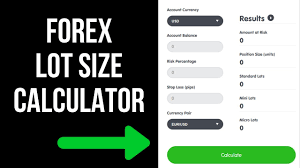
The MT5 Position Size Calculator offers a simple interface where traders can input their account balance, risk percentage, stop loss distance, and pip value to automatically calculate the appropriate lot size. Key features include: - Automatic margin calculation - Risk-based position sizing - Integration with MetaTrader 5.
The Kelly Criterion is an advanced risk management technique used to determine the optimal position size by factoring in the probability of winning and the reward-to-risk ratio. It helps traders maximize long-term growth while minimizing risk exposure.
For Forex trading, the MT5 Position Size Calculator helps determine the optimal lot size based on variables like account size, risk percentage, stop loss distance, and pip value. This ensures that each trade stays within your desired risk tolerance while factoring in the volatility of the currency pairs.
Yes, the MT5 Position Size Calculator is versatile and can be used for trading commodities such as gold, oil, and agricultural products. By inputting relevant factors like asset price, volatility, and stop loss, traders can adjust their position sizes for each commodity.
Leverage allows traders to control larger positions with a smaller capital outlay. However, it can increase both potential profits and losses. The MT5 Position Size Calculator helps traders calculate appropriate leverage based on account size and desired risk levels, preventing over-leverage.
Expert Advisors (EAs) are automated systems within MetaTrader 5 that can execute trades according to predefined risk management rules. By setting specific position sizing parameters within the EA, traders can automate the process of determining position size and risk management strategies, ensuring consistent execution.