


Table of contents
Blowing up a trading account hurts — trust me, most of us have been there. How To Set A Stop Loss Based On A Percentage Of Your Account isn’t just another trading tip; it’s the safety net between you and a margin call. Too many traders bet the farm on one trade, only to watch it tank faster than a meme stock after hype dies. This strategy? It’s about trading smarter, not braver.
Think of it like driving with seatbelts on. You might not need them every ride, but when things swerve — you’ll be glad they’re in place. “Risk comes from not knowing what you're doing,” Warren Buffett once said — and setting your stop based on account size helps you know exactly what you’re risking.
In the next few minutes, you’ll learn how to set a clean, no-BS stop loss, keep your losses small, and protect your account like a pro.
1.Stop Loss in Forex Trading
Definition of Stop Loss Orders
A stop-loss order is a built-in safety net for traders. It's an instruction you give your broker to automatically sell a security when it hits a predetermined price limit. The goal? To prevent larger losses if the market moves against you.
In Forex trading, a stop-loss ensures you don't stay in a losing trade for too long. Depending on your setup, it can be a market order (executes at the next available price) or a limit order (executes only at your specified price or better). It’s a core tool in any risk management plan.
A well-placed stop-loss balances between giving your position room to breathe and protecting your capital. It removes the emotion from trade exits, especially in fast-moving markets.
Stop Loss vs Take Profit
Let’s break it down — two sides of the same coin: exit strategies.
A stop-loss order gets you out when the market turns against your position.
A take-profit order helps you lock in gains when the price hits a specific target.
Traders use both together to manage their risk-to-reward ratio. While stop-losses focus on risk control, take-profits focus on trading objectives. These order types are crucial for consistent results and prevent knee-jerk reactions in emotional markets.
Here's a quick comparison:
| Order Type | Purpose | Triggered By |
|---|---|---|
| Stop-Loss Order | Limit potential losses | Price dropping to set level |
| Take-Profit Order | Secure profits | Price rising to target level |
“Every trade should have an exit plan — both for pain and for gain.” – Mark Douglas, author of Trading in the Zone
Role of Stop Loss in Volatility
When markets get shaky — think economic news, unexpected geopolitical events, or rapid price swings — a stop-loss order becomes even more vital.
Here’s how it helps during volatility:
Limits risk exposure: Automatically exits trades when moves get too sharp.
Handles slippage risk: Keeps losses predictable even when execution price varies slightly.
Adapts to market conditions: Traders may widen or tighten stop-losses depending on expected market volatility.
Let’s be real — when the charts start dancing and prices spike like crazy, not using a stop-loss is like skydiving without a parachute.
2.Why Use Account Percentage for Stop Loss?
Advantages of Percentage-Based Risk
When you use a percentage-based risk approach, you base every trade on your account size, not emotions or market hype. This method reinforces discipline, prevents reckless overtrading, and aligns your strategy with long-term success.
Let’s break down why traders prefer this method:
Consistency: You risk the same portion regardless of market conditions, smoothing your equity curve and avoiding wild fluctuations.
Scalability: As your capital grows, so does your trade size, which naturally encourages compounding returns.
Adaptability: You can adjust your risk percentage depending on your risk tolerance or market volatility.
“Using percentage risk isn’t about avoiding losses—it’s about controlling them smartly,” says Kathy Lien, professional Forex strategist.
In short? It's how smart traders keep their heads while others lose theirs.
Protecting Capital with Fixed Risk
The goal of Forex trading isn’t to win big once—it’s to stay in the game long enough to win consistently. That’s where the idea of fixed risk comes in.
Fixed risk means assigning a specific percentage of your account—typically 1% or 2%—to each trade. This lets you define your maximum drawdown from the start, and helps ensure that a few bad trades won’t drain your entire trading capital.
Here's how it plays out in action:
| Account Balance | Risk % per Trade | Dollar Risk |
|---|---|---|
| $5,000 | 1% | $50 |
| $10,000 | 2% | $200 |
| $25,000 | 1.5% | $375 |
Benefits of fixed risk include:
Capital protection – You’re not gambling half your account on one trade.
Loss limitation – You know exactly how much you’ll lose before you enter.
Risk control – Stops those emotional revenge trades after a loss.
In practice, this approach supports money management, reduces risk exposure, and helps traders maintain a professional edge. After all, successful Forex trading is more about protecting your downside than chasing gains.
3.Forex Stop Loss Calculation Method
Formula for Risk Percentage
Risk management starts with understanding how much of your capital you're willing to lose on a single trade. Use this simple formula:
Risk Amount = (Risk % ÷ 100) × Account Balance
Let’s say you have a $10,000 account and want to risk 2%. Your max risk is $200. That $200 defines how far your stop loss can go and how large your position size can be. This keeps your exposure in check and supports long-term trading sustainability.
This isn’t just theory—this is the backbone of disciplined risk management.
Lot Size and Stop Loss
Your lot size and stop loss must be aligned with the risk and structure of each trade. If you're risking more pips, your lot size should shrink. If you're risking fewer pips, it can grow—within reason. Think of it as a seesaw where balance is key.
Key components:
Entry Price vs. Exit Price determine risk zone
Leverage and Margin influence exposure
Always account for order volume in trade planning
Example: If you’re trading EUR/USD with a 50-pip stop loss, and your risk is $100, you’ll likely end up with a 0.2 lot position depending on the pair’s pip value.
Be realistic with the math, or your broker’s margin call will be your next notification.
Calculating Pip Distance Precisely
A pip is the smallest movement in a currency pair’s price—typically 0.0001 for most pairs, and 0.01 for JPY pairs.
Steps to calculate pip distance:
Find your entry price and stop loss level.
Subtract one from the other:
If buying: Stop – Entry
If selling: Entry – Stop
Adjust for currency type (4-decimal vs. 2-decimal pairs).
Double-check using your trading platform’s pip calculator.
“Never guess pip distance,” says Akil Stokes, co-founder of Tier One Trading. “Precision in your pips is protection for your capital.”
Position Size Based on Risk
This is where it all comes together—how much of a trade to take based on your risk settings.
Formula:
Position Size = (Account Balance × Risk %) ÷ (Pip Risk × Pip Value)
Here’s a sample table using various trade conditions:
| Account Balance | Risk % | Pip Risk | Pip Value (USD) | Position Size (Lots) |
|---|---|---|---|---|
| $10,000 | 2% | 50 pips | $10 | 0.4 |
| $5,000 | 1.5% | 30 pips | $10 | 0.25 |
| $2,000 | 1% | 20 pips | $10 | 0.1 |
Pip Value depends on the lot size and currency pair.
Adjust position size until your total dollar risk matches your limit.
By matching your account balance and risk per trade, you eliminate emotional decision-making. No guessing, just math.
4.How Much Percentage Is Best for Stop Loss?
1% Rule for Conservative Traders
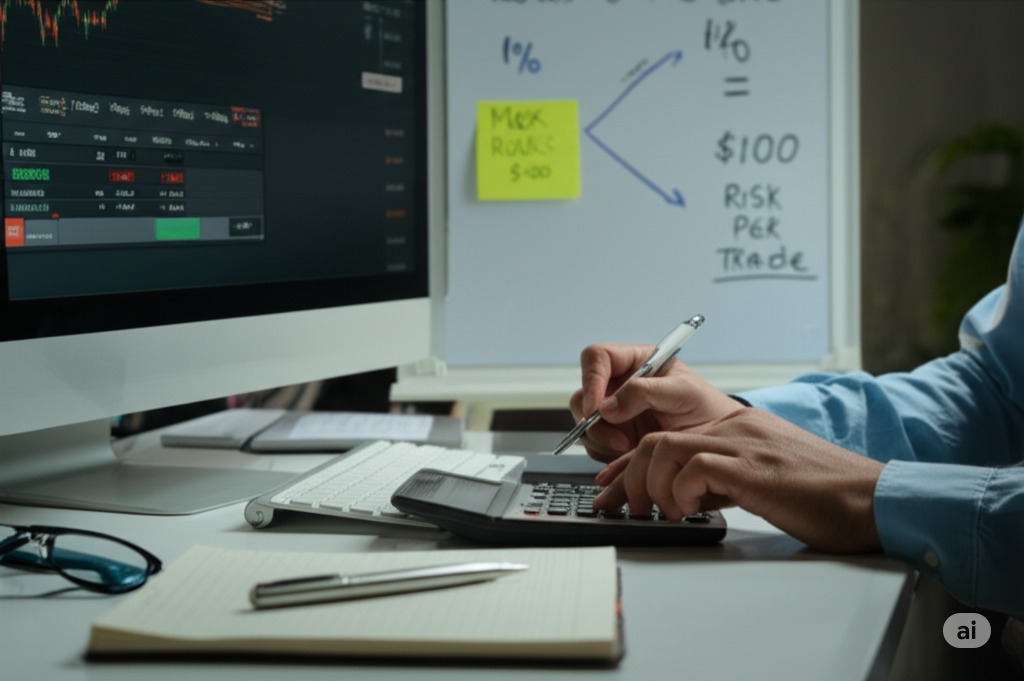
The 1% rule is a staple of risk management for traders with a cautious mindset. It means you never risk more than 1% of your account size on any single trade. This approach protects your capital and is ideal for conservative trading, where capital preservation is key.
Let’s say your account holds $10,000. A 1% stop loss means your risk per trade is $100 max. So even after 10 losses in a row, you’d still have 90% of your investment capital. It’s a great fit for traders who value slow, steady progress and don’t want wild swings in their account balance.
This method works well when paired with precise position sizing. For example, if your stop loss on a trade is 50 pips, you’d size your position to ensure a $100 loss if the trade fails. It's simple math, but powerful.
"Traders who control risk control outcomes. The 1% rule is how pros stay in the game." – James Dalton, Market Behavior Expert
2% Rule for Balanced Risk
The 2% rule provides more room to breathe while still keeping your risk exposure in check. It's favored by traders who seek balanced risk—they're not ultra-conservative, but they’re not high-rollers either. This rule allows for slightly larger trades with controlled loss limits.
Here's how it compares to the 1% rule:
| Stop Loss Strategy | Max Risk/Trade | Best For | Drawdown Buffer |
|---|---|---|---|
| 1% Rule | 0.01 x Account | Conservative traders | 100 losses |
| 2% Rule | 0.02 x Account | Growth-oriented traders | 50 losses |
For a $10,000 trading account, the 2% rule lets you risk $200 per trade. That could mean either a larger trade or a wider stop loss—helpful in volatile markets.
This method is especially effective when combined with a sound risk-reward ratio, ideally 2:1 or better. So for every $200 you risk, you're aiming to gain at least $400.
Adjusting Risk Based on Trade Type
Here’s the truth: not all trades are created equal. You shouldn’t treat a forex trading scalp like a long-term stock trading position or a leveraged options trading move. That’s where risk adjustment by trade type comes in.
Scalping or day trading with short timeframes? Use tight stop loss placement and lower risk per trade.
Swing trading or position trades in stable markets like major stocks? Slightly higher risk and wider stop losses may work better.
High-volatility trades like in crypto or exotic forex pairs? Use lower leverage and smaller position sizing to avoid huge losses.
Don’t just copy someone else’s numbers. Base your strategy on the market volatility, leverage used, and trade duration. Each asset class has its own rhythm—learn it, and tweak your risk management accordingly.
In short, a one-size-fits-all approach can kill your edge. Smart traders match their stop loss and risk profile to the kind of trade they’re making.
5.Stop Loss Tools for Forex Traders
MT4/MT5 Stop Loss Features
MetaTrader 4 (MT4) and MetaTrader 5 (MT5) are the go-to platforms for Forex traders, packed with risk management tools that make setting Stop Loss orders both easy and effective. Whether you're a scalper or swing trader, these platforms support structured trading and emotion-free execution.
Key highlights include:
Order Types: MT4/MT5 let you set Stop Losses and Take Profits when placing market or pending orders.
Trailing Stop: This feature automatically adjusts your Stop Loss to lock in profits as the price moves in your favor—ideal for volatile currency pairs.
Execution Modes: Choose between Instant, Market, and Pending Orders, all with Stop Loss and Take Profit fields.
Risk Management Interface: Quick access to SL/TP settings keeps you focused on strategy, not panic.
“A trader’s edge isn’t just the setup—it’s how they manage risk. MT5’s SL tools help lock that edge in place.” — Casey Smith, Forex Coach and MT5 Strategist
Want to avoid slippage or missed exits? Customize the SL level during order placement or by right-clicking an active trade in the terminal window.
Online Stop Loss Calculators
If math isn’t your thing, no worries—online calculators can handle the number crunching for you. These tools are a game-changer, especially when you need to react fast or plan ahead based on your strategy.
Here’s how most of them work:
Enter your account balance and the percentage of risk (like 1% or 2%)
Add in the entry and stop price
Select the currency pair to get accurate pip value
The calculator returns your ideal Stop Loss distance and position size
These tools ensure that your Stop Loss is not a random guess—it’s a calculated decision based on your actual account size and strategy.
Popular Forex SL Calculators
| Tool Name | Inputs Required | Outputs Provided |
|---|---|---|
| MyFxBook Calculator | Balance, Risk %, Entry, SL, Currency Pair | Position Size, SL Distance (Pips) |
| BabyPips Calculator | Risk %, Entry Price, Stop Price | Lot Size, Pip Risk |
| DailyFX Tool Suite | Account Size, Pair, SL/TP Range | SL Price, Lot Size, Pip Value |
They’re especially handy when managing multiple trades across different currency pairs—cutting out guesswork and saving time.
And hey, if you're the type who wings it on gut instinct? This tool will prove you wrong real quick.
Stop Loss tools—both platform-based and online—are critical to smart Forex trading. Whether you're relying on MT5's built-in precision or an online calculator’s speed, the goal stays the same: protect your account, limit emotion, and trade with a plan.
6.What Mistakes Do Traders Make with Percentage-Based Stop Loss?

Overleveraging with Small Accounts
Using too much leverage with a small account size is like walking a tightrope over a fire. A tiny price move against you, and you're toast. Many new traders are lured in by high leverage offers (like 1:500), thinking they can score big wins fast. But without proper risk management and position sizing, they expose themselves to fast liquidation, or worse—bankruptcy.
They don't realize that even a 2% stop loss can mean losing everything if their margin is too tight and they're overexposed.
Here’s a look at how leverage impacts risk:
| Leverage Ratio | Required Margin (%) | Liquidation Risk |
|---|---|---|
| 1:10 | 10% | Low |
| 1:100 | 1% | Moderate |
| 1:500 | 0.2% | Extremely High |
High leverage may look attractive, but for small capital, it often turns a minor dip into total loss.
Ignoring Volatility in Pip Settings
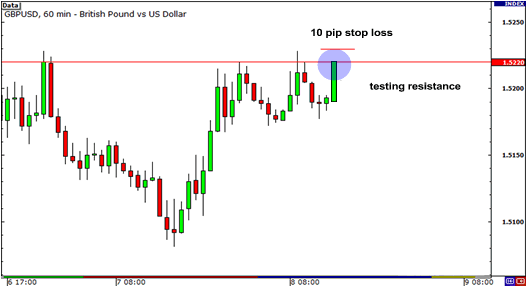
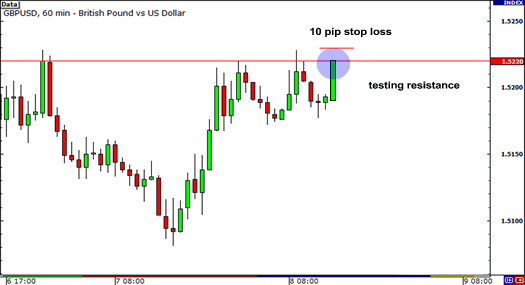
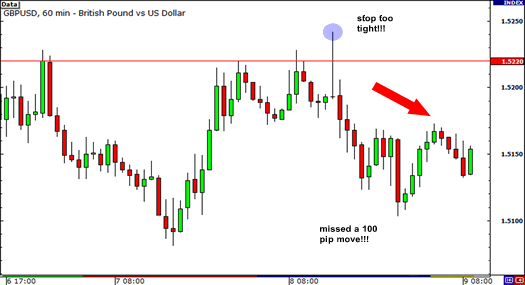
If you're not adjusting your stop loss based on market volatility, you're basically trading blindfolded. Fixed pip values—like setting a 20 or 30-pip stop for every trade—don't cut it in fast-moving markets. When price swings and spread spikes happen, your stop gets hit early, even if your trade idea was solid.
This kind of slippage is common around big news events. If you're not factoring in the trading settings like spread and average daily range, your stop loss becomes a tripwire instead of a safety net.
"Volatility isn’t the problem—it’s ignoring it that gets traders into trouble," says Anna Reznick, senior FX analyst at TradePulse.
Use indicators like ATR (Average True Range) to set smarter, volatility-adjusted stops.
Misjudging Trade Entry Points
Even with perfect stop loss math, entering at the wrong time kills the trade. This is where many traders mess up.
They chase trading signals without checking key indicators.
They ignore fundamental analysis—like upcoming rate announcements or NFP data.
They skip detailed chart reviews and jump in without technical analysis.
A poorly timed entry puts you too close to your stop loss, increasing the chances of getting knocked out by normal market noise. When your trade execution is rushed, even the best risk settings won’t save you.
Plan your entries with patience. Use confluence—multiple confirming indicators—to find strong zones before placing trades.
Emotional Trading Overrides Strategy
You’ve mapped out your stop loss. You’ve calculated your risk. And then? The market dips a little... and you freak out. You move the stop. Or worse, you close early in panic—or double down out of greed.
This is emotional trading, and it completely overrides your strategy.
Traders let fear, anxiety, or even overconfidence mess with their discipline. But trading isn't about being right all the time—it’s about sticking to a system. If you constantly second-guess your trading plan, you'll never be consistent.
Successful traders train their mindset as hard as they study the charts. It’s a game of psychology as much as numbers.
7.Forex Trading Risk Management Strategy
In the high-stakes world of forex trading, survival is not a matter of luck—it is the product of a smart, tested, and adaptive risk management strategy. The markets can move against even the most experienced trader. What separates long-term winners from wiped-out accounts is how risk is managed on every trade.
Veteran currency analyst and fund manager Anthony Reiner, during a panel at the FX Global Summit, explained it best:
“You do not need to be right all the time. You need to protect your capital all the time. Risk management is the only edge that never fades.”
The Core Pillars of a Risk Management Strategy
Every successful trader learns to build their risk plan around five essential elements. These are not theories—they are field-tested practices backed by trading firms, educators, and financial analysts.
| Pillar | Description |
|---|---|
| Stop Loss Discipline | Every trade has a pre-defined exit, protecting the account from catastrophic loss. |
| Percentage-Based Risk | Risk per trade is capped at 1%–2% of total account size. Helps limit drawdowns. |
| Position Sizing Formula | Determines trade size based on the pip value, stop loss size, and acceptable risk. |
| Leverage Control | Smart traders reduce leverage during high volatility. Prevents overexposure. |
| Drawdown Limits | Predetermined stop points for weekly/monthly loss. Protects psychological capital. |
First-Hand Experience: FX_Juliet’s Trading Journal
An independent retail trader known in the trading community as FX_Juliet documented her journey using a strict 1% risk strategy. Over a 6-month period, she recorded:
20% account growth
Zero emotional trading decisions
Stop loss used in 100% of trades
Shared her full strategy on the BabyPips forum with trade-by-trade breakdowns
She attributed her progress to strict position sizing, low leverage (1:10), and a refusal to break her own drawdown rule (never more than 5% per month). Her logs are now referenced in Forex mentorship programs.
Expert Endorsements & Industry Support
Several influential forex educators support this model:
Kathy Lien, Managing Director at BK Asset Management, frequently stresses risk discipline in her published work.
Steve Nison, the pioneer of candlestick charting in Western markets, repeatedly points to capital preservation in his seminars.
In fact, CMT-certified professionals (Chartered Market Technicians) are trained to integrate volatility analysis with risk control. They do not trade without anchoring every decision in calculated exposure.
Tools That Keep You Accountable
Top-rated trading platforms such as:
MetaTrader 4 / 5
cTrader
TradingView
…offer built-in stop loss settings, volatility meters, and even risk calculators that allow traders to auto-calculate position size based on their account equity and percentage risk.
One key takeaway from prop trading desks: if your system does not manage risk automatically, it will eventually fail.
Why Risk Management Is More Than Protection
It is easy to think of stop loss rules as defensive. But the real goal is offensive preservation. Preserving your capital allows you to stay in the game long enough to capture high-probability setups when they appear.
Traders who lose 10% of their account need an 11.1% gain to recover.
Traders who lose 50% need a 100% gain to break even.
A good risk strategy prevents the math from working against you.
Trusted by Professionals, Proven by Data
Funded trading programs like FTMO, MyForexFunds, and TopStepFX require proof of percentage-based risk use.
Risk control is part of the evaluation scorecard.
Award-winning trading platforms such as MetaQuotes (developer of MetaTrader) and CTrader include tutorials on this exact approach.
Every certified course from Investopedia Academy to BabyPips School of Pipsology echoes the same foundation: risk control first, reward later.
In forex, the real win is not the trade—it is the trader who lives to trade another day. A strong risk management strategy anchored in percentage-based discipline is not optional. It is your only insurance in a market that never apologizes.
Conclusion
Truth is, setting a stop loss based on your account percentage isn’t just smart—it’s how pros stay in the game. Imagine driving without brakes; that’s what trading without a stop loss feels like. Dialing in 1–2% risk keeps you sane, sharp, and still in the ring after a bad trade.
As trading legend Paul Tudor Jones put it, “Don’t focus on making money; focus on protecting what you have.” Keep it tight, keep it calculated, and trade like you’ve been here before.
A stop loss is a pre-set order to exit a trade when the price moves against you, limiting your financial loss. It’s a key risk management tool used by Forex traders to prevent large, unexpected losses from market volatility.
Lock in manageable losses before they grow
Avoid emotionally driven decisions
Stay consistent with risk tolerance levels
Most professional Forex traders recommend risking 1% to 2% of your account balance per trade. This keeps losses small and allows you to stay in the game longer, even through losing streaks.
Yes, but it depends on your intent. Adjusting a stop loss to secure profits (trailing stop) is a smart move. However, widening a stop loss to avoid being stopped out often leads to larger losses and is generally discouraged.
Forex position size calculators (online)
MetaTrader 4/5 custom scripts or Expert Advisors
Mobile trading apps with built-in risk settings
Spreadsheet templates tailored for Forex risk management
A fixed pip stop loss uses a set number of pips regardless of your account size, while a percentage-based stop loss adjusts position size so your potential loss matches a chosen account percentage. The latter is generally more effective for consistent risk control.
In most cases, yes. A 5% stop loss means a small losing streak could quickly drain your account. This level of risk may be appropriate only for high-conviction trades or aggressive strategies—but for most traders, it's excessive.
Uncontrolled losses if the market moves rapidly
Emotional decision-making in stressful conditions
Margin calls or full account liquidation in extreme volatility
Poor risk-to-reward ratio management