


When it comes to succeeding in the fast-paced world of forex trading, having access to the right tools is crucial. Forex trading tools free are an excellent resource for both novice and experienced traders looking to refine their strategies without the upfront costs. These tools offer various features, from charting and technical indicators to risk management functionalities, all designed to enhance decision-making and improve trading performance. In this guide, we’ll explore some of the most valuable free forex trading tools available and how they can be leveraged to optimize your trading experience.

Trading Platforms and Features
Trading platforms play a pivotal role in executing forex strategies effectively. They provide the necessary tools for traders to make informed decisions in real-time, and many free platforms offer robust features to get started without additional costs.
Order Types: How to Use Free Platforms to Handle Various Orders
When it comes to executing trades, different order types can drastically affect the success of a strategy. Free forex trading platforms often include a variety of order types, such as market orders, limit orders, and stop-loss orders, allowing traders to take control of their trades based on current market conditions. By understanding how to use these orders, traders can minimize risks and maximize potential profits.
For instance, a market order allows traders to buy or sell at the best available price, while a limit order sets a specific entry or exit price. Free platforms provide traders with the flexibility to implement these orders based on their trading preferences.
Charting Tools in Free Platforms: Visualizing Market Trends
Charting tools in free forex trading platforms are essential for analyzing market trends and identifying potential trading opportunities. These tools typically include various chart types such as candlestick charts, line charts, and bar charts, as well as indicators like moving averages and RSI to help traders spot trends.
Effective use of these charting tools can assist in understanding the market's behavior over different timeframes, which is critical when forming strategies. Whether for intraday trading or longer-term positions, technical indicators like the MACD or Bollinger Bands help traders visualize market momentum and volatility.
Real-Time Quotes: The Importance of Accurate Data in Forex Trading
Accurate, real-time quotes are crucial for making informed trading decisions in forex. Free platforms typically provide real-time price data for currency pairs, which is essential for both technical analysis and fundamental analysis. Without this, traders would be making decisions based on outdated information, leading to potential losses.
Real-time quotes help traders track price movements in real time, which is especially useful for day traders and scalpers who rely on small price fluctuations. As such, it’s critical to select platforms that offer low latency and high-quality data feeds for accurate market insights.
Backtesting with Free Platforms: Optimizing Your Strategy
Backtesting is a powerful feature available on many free forex trading platforms. It allows traders to test their strategies using historical data to see how they would have performed in the past. This can provide invaluable insights and help refine trading strategies before applying them in live markets.
Here’s how backtesting can be used to optimize trading strategies:
| Backtest Feature | Description | How It Helps Traders |
|---|---|---|
| Historical Data | Allows you to simulate past trades | Helps determine if a strategy is profitable over time |
| Strategy Parameters | Define variables like stop-loss and take-profit | Tailors your trading strategy to specific risk-reward profiles |
| Performance Metrics | Analyze metrics such as win rate and risk-to-reward ratio | Provides data-driven insights to optimize strategy execution |
Backtesting helps traders avoid costly mistakes and fine-tune their approaches before risking real capital.
Automated Trading on Free Platforms: Pros and Cons
Automated trading is a feature that many free platforms offer, allowing traders to set rules for their trades and let the system execute them without manual intervention. This can be especially useful for those who cannot monitor the markets constantly or for those who want to implement complex strategies.
The pros of automated trading include the ability to execute trades 24/7, reduce emotional decision-making, and enhance efficiency. However, the cons may involve technical issues such as platform downtimes, bugs in the system, or over-optimization of trading algorithms, which could lead to unexpected losses.
Traders should carefully consider these pros and cons when incorporating automated trading into their strategies, as it’s essential to monitor and adjust the system regularly.
By utilizing the tools available in free forex trading platforms, traders can develop and execute effective strategies without the need for significant capital investment. Understanding the features of these platforms helps traders make the most of their market analysis, risk management, and trading execution.
Technical Indicators for Forex Trading
Technical indicators are vital for any trader looking to enhance their strategy. Free tools offer powerful indicators that help traders analyze market trends, momentum, and volatility, allowing them to make informed decisions.
Moving Averages and RSI: Combining Indicators for Better Signals
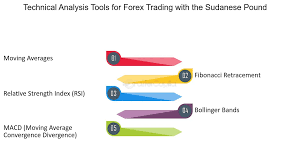
Moving averages (MA) and the Relative Strength Index (RSI) are two of the most commonly used technical indicators in forex trading. When combined, they can provide a stronger market signal, helping traders identify potential trends or reversals. A simple moving average (SMA) helps smooth out price data over a specific time period, while the RSI measures overbought or oversold conditions in the market.
By using these two indicators together, traders can confirm signals and avoid false positives. For example, when the RSI shows an overbought condition (above 70), and the price crosses below the moving average, it could indicate a potential selling opportunity.
MACD and Bollinger Bands: Understanding Market Momentum
The MACD (Moving Average Convergence Divergence) and Bollinger Bands are excellent tools for measuring market momentum. The MACD helps traders understand the relationship between two moving averages of a currency pair’s price, which can indicate buy or sell signals. Meanwhile, Bollinger Bands measure price volatility and provide upper and lower price levels, acting as potential breakout points.
Traders can use these tools together to gauge momentum more effectively. A MACD crossover coupled with the price breaking through the upper or lower Bollinger Band often signals a potential market move. Understanding how these indicators interact can lead to more accurate market predictions.
Fibonacci Retracements: Using Free Tools to Get Key Levels
Fibonacci retracement levels are an essential part of many traders' toolkits. These levels, derived from the Fibonacci sequence, highlight potential support and resistance levels based on the historical price movement. Many free forex platforms offer built-in Fibonacci retracement tools to draw these levels quickly on charts.
By identifying these key levels, traders can forecast potential price reversals, helping them plan entry and exit points. The most commonly used retracement levels are 38.2%, 50%, and 61.8%, which traders watch closely for price action around these areas.
Stochastic Oscillator and Parabolic SAR: Enhance Entry/Exit Decisions
The Stochastic Oscillator and Parabolic SAR are two powerful tools for refining entry and exit points. The Stochastic Oscillator helps identify overbought and oversold conditions, similar to the RSI, but provides more detailed information on price momentum. On the other hand, the Parabolic SAR (Stop and Reverse) helps determine potential trend reversals by placing dots above or below the price chart.
Using these tools together can improve entry and exit decisions. For example, when the Stochastic Oscillator shows oversold conditions and the Parabolic SAR places dots below the price, it may signal a potential buy opportunity.
Key Levels and Signals for Fibonacci Retracements
| Fibonacci Level | Significance | Potential Action |
|---|---|---|
| 23.6% | Minor retracement | Watch for a possible continuation |
| 38.2% | Shallow retracement | Look for reversal or continuation |
| 50% | Neutral level | Significant for trend reversal |
| 61.8% | Deep retracement | Strong support/resistance level |
| 100% | Full retracement | Trend continuation or reversal |
Fundamental Analysis Tools

Fundamental analysis is essential for understanding the macroeconomic factors that influence currency markets. Free tools can help traders access key data, allowing them to make informed decisions based on economic events, market trends, and global developments.
Economic Calendar: How to Get Ahead of Upcoming Economic Events
An economic calendar is a must-have tool for any trader looking to stay ahead of major economic events. Free versions of these calendars provide dates and times for important reports such as GDP data, interest rate decisions, and employment reports. By monitoring these events, traders can prepare for market-moving announcements and adjust their strategies accordingly.
For example, traders might want to be aware of central bank meetings or inflation data releases, which can significantly impact currency pair movements. Having access to this data for free allows traders to plan their trades around key economic events, ensuring they don't miss critical market shifts.
News Feed: Get Timely Information with Free Resources
Staying informed with the latest market news is essential in forex trading. Free news feeds offer timely updates on economic developments, geopolitical events, and market sentiment. Websites like Reuters, Bloomberg, and free plugins for trading platforms can deliver real-time news to help traders react to changing market conditions.
By integrating these feeds into their trading routine, traders can track major news releases, such as interest rate announcements or employment data, which have a direct impact on currency valuations. These tools help to enhance a trader's ability to respond quickly to new information, improving their market timing.
Interest Rates and GDP Data: Understand Market Trends
Interest rates and GDP data are critical drivers of currency movements in the forex market. Interest rate decisions made by central banks often dictate the direction of a currency, with higher interest rates typically attracting investment and strengthening the currency. Free access to these economic indicators can provide traders with insights into potential market trends.
Traders can use GDP reports to gauge the overall health of a country's economy, with strong growth often leading to a stronger currency. Monitoring free sources for both interest rate data and GDP growth can allow traders to align their positions with market fundamentals.
Inflation and Employment Reports: Impact on Currency Markets
Inflation and employment reports are vital in understanding the broader economic environment. Inflation affects purchasing power, while employment data provides insight into the labor market's health. Both of these metrics can heavily influence central bank policies, which in turn affect currency movements.
Free access to these reports allows traders to assess the inflationary pressure or the strength of the labor market, making it easier to predict currency trends. For example, high inflation can signal a potential interest rate hike, which may impact forex pairs in favor of the currency offering higher returns.
Central Bank Statements: Free Access to Key Information for Analysis
Central bank statements are among the most important economic documents for forex traders. These statements provide crucial insights into future monetary policy decisions, which can significantly affect currency markets. Free access to central bank reports, such as those from the Federal Reserve, the European Central Bank, and the Bank of England, allows traders to stay ahead of policy changes.
For instance, when a central bank signals a potential interest rate change or adopts a new monetary policy, it can lead to immediate volatility in currency markets. Monitoring these statements and understanding their implications gives traders a strategic advantage in their forex trading.
Free Fundamental Analysis Software: Tools for a Comprehensive Market Overview
To complement other fundamental analysis tools, free fundamental analysis software can provide a comprehensive view of the market. These tools aggregate data from multiple sources, including economic calendars, interest rate data, and GDP statistics, enabling traders to analyze trends and make informed predictions.
Some platforms even allow traders to compare economic indicators side by side, providing deeper insights into how different factors influence currency pairs. With access to free fundamental analysis software, traders can enhance their market understanding without the need for expensive tools.
Risk Management Tools
Risk management is a crucial aspect of forex trading, ensuring traders can protect their capital while maximizing profitability. Free tools offer valuable assistance in controlling risk exposure, enabling traders to manage their positions effectively and enhance long-term trading success.
Stop Loss Orders: Free Tools to Reduce Losses
A stop loss order is one of the most important risk management tools available to forex traders. By automatically closing a position once the price reaches a certain level, a stop loss helps limit potential losses. Many free trading platforms provide the ability to set stop loss orders, giving traders a simple yet effective way to protect their capital.
For example, if a trader buys a currency pair, they can set a stop loss order at a predetermined level to ensure the position is closed if the market moves unfavorably. This allows traders to manage their risk without constantly monitoring their positions.
Take Profit Orders: Set Targets with Free Tools
Take profit orders are designed to lock in profits when a currency pair reaches a desired price level. Using free platforms, traders can set take profit orders alongside their stop loss orders to manage both risk and reward. This helps ensure that profits are realized when the market moves in the trader's favor.
For instance, a trader may set a take profit order to automatically sell a position once the price hits a specific level of profitability. This eliminates the need for emotional decision-making, allowing for a more systematic approach to profit-taking.
Position Size Calculator: Manage Risk with Free Tools
Position sizing is critical to effective risk management. A position size calculator helps traders determine the optimal amount to risk on each trade based on their account balance and risk tolerance. Free tools available online or through trading platforms allow traders to calculate the right position size, minimizing the chances of significant losses.
For example, if a trader has a $10,000 account and is willing to risk 1% per trade, the position size calculator will show how much to invest in each trade based on the stop loss distance. This helps in ensuring that no single trade risks too much capital, even during a string of losses.
| Account Balance | Risk Percentage | Stop Loss Distance | Position Size |
|---|---|---|---|
| $10,000 | 1% | 50 pips | 2,000 units |
| $5,000 | 2% | 40 pips | 2,500 units |
| $20,000 | 0.5% | 30 pips | 3,333 units |
Pip Value Calculator: Accurately Calculate Potential Profit/Loss
A pip value calculator is a tool that allows traders to accurately calculate the potential profit or loss of a trade based on the currency pair they are trading. Free pip value calculators help determine how much each pip movement is worth, which is crucial for managing risk and setting realistic profit expectations.
For instance, in trading EUR/USD, a 10-pip movement may be worth $1 for a trader with a small position size, while for a larger position, the pip value would be higher. These free tools allow traders to tailor their positions according to the volatility of the market and their capital allocation.
Educational Resources for Forex Traders
Education is the cornerstone of successful forex trading. Free educational resources are available to traders of all levels, helping them expand their knowledge and improve their skills in the dynamic world of forex.
Free Trading Guides: Getting Started with Forex
Free trading guides are an excellent starting point for new forex traders, providing step-by-step instructions on how to begin trading and understand the basic concepts. These guides often include information on the following:
Understanding Currency Pairs: How to read currency pairs and what affects their price movements.
Basic Trading Strategies: An introduction to popular strategies like scalping, day trading, and swing trading.
Risk Management Principles: Learning how to manage risk with tools like stop loss orders and position sizing.
Trading Platforms Overview: A guide to the features and functionalities of free forex trading platforms.
These free guides help create a strong foundation, allowing beginners to become familiar with the essential concepts and tools in forex trading.
Webinars and Video Tutorials: Live Learning for Forex Traders
Webinars and video tutorials are an interactive and engaging way for traders to deepen their understanding of forex markets. Free resources in this format provide real-time learning opportunities, often featuring experienced traders sharing insights and answering questions. Key topics covered include:
Live Trading Sessions: Watching professionals execute live trades and explaining their strategies.
Market Analysis Techniques: Understanding how to interpret technical indicators and economic data.
Platform Walkthroughs: Tutorials on using free trading platforms, including charting tools and order types.
These live sessions allow traders to engage with the material in a dynamic, real-time environment.
Glossary and FAQs: Free Resources for Better Understanding
A comprehensive glossary and FAQ section are essential free resources for forex traders. They provide quick explanations for industry-specific terms and frequently asked questions, helping traders build their vocabulary and deepen their understanding. Topics covered include:
Forex Terminology: Definitions for terms like pip, spread, and leverage.
Common Trading Questions: Answers to questions like “What is margin trading?” and “How do technical indicators work?”
Platform FAQs: Step-by-step help on how to use specific features within free platforms, including how to set up a stop loss order.
These resources provide easy access to essential information that traders can refer to while learning and trading.
Integrating Advanced Forex Strategy Tools
To succeed in forex trading, combining various free tools effectively is essential for developing advanced strategies. This cluster will explore how to integrate different tools and resources to create a seamless, effective trading plan that enhances profitability and reduces risks.
Combining Technical Indicators and Fundamental Analysis Tools
Integrating technical indicators with fundamental analysis tools can create a comprehensive approach to forex trading. By using charting tools and economic calendars together, traders can make well-rounded decisions. Here’s how this combination works:
Technical Indicators like RSI and MACD help identify market conditions and momentum.
Fundamental Analysis Tools such as interest rate data and GDP reports provide insight into the macroeconomic factors influencing currency prices.
By combining these tools, traders can validate signals from technical analysis with the underlying economic data, improving the accuracy of trade entries and exits.
Using Backtesting and Automated Trading Together
Backtesting and automated trading can work together to fine-tune forex strategies. Backtesting involves testing a strategy using historical data to evaluate its effectiveness, while automated trading can execute trades based on predefined rules without manual intervention. When combined, traders can:
Test automated strategies using historical data to optimize the trading algorithm.
Automate execution once a strategy is proven, ensuring quick reactions to market conditions.
These tools, offered for free on many trading platforms, allow traders to improve strategy development and reduce emotional decision-making.
Integrating Risk Management Tools into Your Trading Plan
Risk management is the backbone of any successful trading strategy. Risk management tools such as stop loss orders, take profit orders, and position size calculators can be integrated into an overall trading plan to protect capital. By combining these tools, traders can:
| Risk Management Tool | Description | Purpose |
|---|---|---|
| Stop Loss Order | Automatically closes a trade at a set loss level | Prevents large losses |
| Take Profit Order | Closes a trade when the price hits a target profit | Ensures gains are secured |
| Position Size Calculator | Calculates the size of each trade based on risk tolerance | Manages risk exposure |
Incorporating these tools into a trading plan helps traders limit losses while maximizing potential profits.
Customizing the Free Platform for Advanced Strategies
Customizing free trading platforms allows traders to streamline their workflow and optimize for advanced strategies. By adjusting charting tools, creating personalized indicator settings, and enabling advanced order types, traders can enhance their trading experience. Customization ensures that the platform suits the specific needs of each strategy, improving efficiency and accuracy.
For instance, customizing chart layouts with multiple indicators or setting up automated order entries can make complex strategies easier to implement.
Automating Alerts and Notifications to Optimize Strategies
Automated alerts and notifications can be a game changer for forex traders. Free tools allow traders to set up notifications for price movements, economic events, and technical indicator thresholds. By automating these alerts, traders can:
Receive real-time updates when a price action or technical signal occurs.
Make quick decisions without needing to monitor charts constantly.
This feature is particularly useful for integrating both technical analysis and fundamental data, ensuring traders never miss crucial market events or signals.
Conclusion
Incorporating free forex trading tools into your strategy is essential for improving both short-term and long-term trading success. By effectively utilizing tools for technical indicators, fundamental analysis, risk management, and educational resources, traders can enhance their decision-making processes and reduce exposure to unnecessary risks. The integration of these tools allows for more precise and confident trade executions, better capital protection, and ultimately, a more optimized approach to forex trading. Whether you're a beginner or an advanced trader, leveraging free tools will help you stay ahead of the curve, refine your strategies, and make informed decisions in an ever-changing market.
Free forex trading tools for beginners include economic calendars, RSI indicators, and stop loss orders. These tools help new traders stay on top of market events, analyze price momentum, and protect their capital. Many platforms offer free access to these features.
To improve your forex trading strategy with free tools, you can combine technical indicators like MACD with fundamental analysis tools, such as interest rate data. This integrated approach helps validate signals and enhance decision-making accuracy.
An economic calendar provides important dates and times for economic reports, such as GDP data and employment reports. By following these events, traders can anticipate potential market movements and adjust their strategies accordingly.
Stop loss orders automatically close a position when the price reaches a set level, helping to minimize losses. Take profit orders, on the other hand, close a position once a profit target is reached, locking in the gains. Both tools are essential for risk management.
RSI and MACD are key **technical indicators** used to assess market momentum. **RSI** identifies overbought or oversold conditions, while **MACD** shows trend strength. By using these tools together, traders can spot potential reversals or continuations in the market.
Backtesting allows traders to test strategies on historical data to assess their potential effectiveness. Using free backtesting tools, traders can evaluate how well a strategy might perform in real-world market conditions before applying it to live trades.
Yes, free **risk management tools** like **stop loss orders**, **take profit orders**, and **position size calculators** can significantly reduce your exposure to risk. By using these tools to set predetermined entry and exit points, traders can safeguard their capital and maintain a favorable risk-to-reward ratio.
There are many **free educational resources** available for forex traders, including online **trading guides**, **video tutorials**, and **webinars**. These materials provide valuable insights on both technical and fundamental aspects of forex trading.