

Table of contents
Ever heard of people making money just by swapping currencies? That’s the basic idea behind Forex trading. In this guide, we break down what Forex is and how it works—without the fluff. Think of it like exchanging dollars for euros on vacation... but with strategy, speed, and serious cash on the line.
It’s the largest market in the world—over $6 trillion moves through it daily. “It’s like Wall Street on caffeine,” as one trader put it. Still, for beginners, it can feel like jumping into deep water without a life vest.
This article keeps it real. You’ll get the basics, the tools, the platforms, and the moves people use to actually trade. If you're tired of guesswork and want a shot at understanding how the money flows, let’s dive in.
1. What Is Forex Trading?
“People keep talking about ‘the Forex market’ — is it really something an average person can be part of?” That was the question a retired accountant from San Diego, Mark R., asked during a community investing seminar last fall. The speaker, a seasoned currency trader named Elaine Wu, replied without hesitation, “Yes, and more are doing it than you think.”
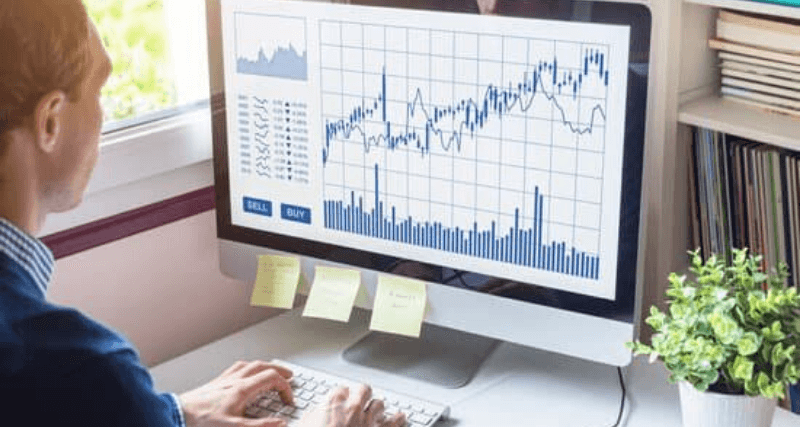
Forex trading, short for foreign exchange trading, involves the buying and selling of currency pairs on a decentralized global market. Every transaction reflects a prediction — traders are wagering on whether a currency's exchange rate will rise or fall against another.
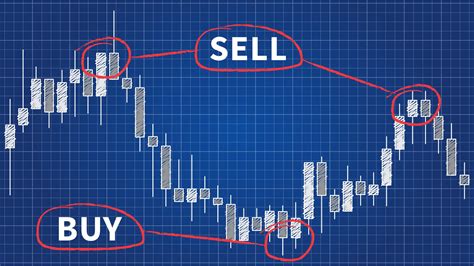
A typical pair might be EUR/USD, representing the euro against the US dollar. If you expect the euro to gain value, you buy the pair. If you think it will drop, you sell. Profit or loss depends entirely on how accurately you anticipate that movement.
The market sees over $6.6 trillion traded daily, according to the Bank for International Settlements, making it the largest financial market in the world. Major brokers like OANDA and IG Group, both regulated and internationally awarded, facilitate access for individuals — often through platforms compatible with mobile apps and real-time market data.
Elaine added, “What matters most is understanding the risk. The potential for profit draws people in, but uncontrolled loss drives them out. Start with demo accounts, then move slowly.”
Expert note: According to Nouriel Roubini, economist and NYU professor, the influence of political and economic news on Forex volatility makes it vital for traders to stay informed — experience in reading economic trends often outweighs technical skill.
Forex is not just a buzzword. It is a dynamic, accessible, and highly liquid marketplace, yet it demands preparation, a broker you trust, and a deep respect for risk.
2.How Forex Trading Works
Currency pairs and exchange rates
In Forex, you don’t buy or sell a single currency—you’re always trading in Currency Pairs. Each pair has a Base Currency (first listed) and a Quote Currency (second listed). For example, in EUR/USD, the euro is the base, and the dollar is the quote.
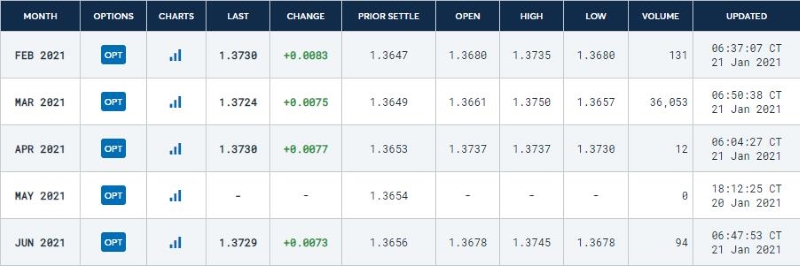
The Exchange Rate shows how much of the quote currency is needed to buy one unit of the base. The Bid Price is what buyers offer; the Ask Price is what sellers want. The Spread—difference between bid and ask—is your cost to trade.
There’s more:
Direct Quote: Home currency is the quote.
Indirect Quote: Home currency is the base.
Cross Rate: Exchange between two currencies, neither being your own.
Need quick conversions? Use a Currency Converter—especially handy when you're juggling multiple pairs.
Leverage and margin explained
Leverage is basically borrowed capital to increase your trade size. For example, a 1:100 leverage means you can control $10,000 with just $100. Sounds amazing? It is—until it isn’t.
Here’s the catch:
Margin is what you actually deposit.
Margin Requirement is the minimum needed to open a position.
Margin Call happens when your Account Equity drops too low.
If your Used Margin is too high and Free Margin too low, you’re in risky territory.
"Leverage is a double-edged sword—helpful, but deadly if mishandled."
— James Harris, Forex Risk Analyst
Use Lot Size and Pip calculators to manage risk. Smart Risk Management can save your account when markets go sideways.
Forex trading hours overview
The Forex Market doesn’t sleep—but you should know when it's most active. The market runs 24/5, but activity changes based on Trading Sessions.
| Trading Session | Region | GMT Time Range |
|---|---|---|
| Asian Session | Tokyo, Sydney | 00:00 – 09:00 GMT |
| London Session | Europe | 08:00 – 17:00 GMT |
| New York Session | US/Canada | 13:00 – 22:00 GMT |
Overlap Periods (e.g., London + New York) = high Liquidity and Volatility.
Weekends? Markets close—no trading.
Know your Trading Time and plan trades around active windows.
Trading in the right Forex Market Hours can mean tighter spreads, faster execution, and better profit opportunities.
3.Types of Forex Trading Explained
Spot trading vs forward contracts
Spot trading and forward contracts are two of the most common forms of Forex transactions, but they serve very different purposes.
Spot trading is all about the "here and now." You buy or sell a currency pair based on the spot price, and the transaction settles almost immediately—think T+2 delivery in most cases. It’s popular for its simplicity and fast execution.
Forward contracts, on the other hand, are agreements to trade at a future date for a price set today—the forward price. These are often used for hedging against currency risk, especially by importers, exporters, or large institutions.
| Feature | Spot Trading | Forward Contracts |
|---|---|---|
| Delivery Date | Immediate (usually T+2) | Pre-agreed future date |
| Use Case | Speculation, fast execution | Hedging, long-term deals |
| Price Basis | Current market price | Forward-agreed rate |
Spot is for quick moves. Forward? That’s for folks thinking long-game—hedging, not just hustling.
CFD Forex trading basics
Trading Forex through CFDs (Contracts for Difference) has become wildly popular—especially among retail traders.
You’re not buying the actual currencies here. Instead, you’re speculating on price movements between currency pairs like EUR/USD or GBP/JPY. No need for actual ownership.
What makes CFDs spicy? Leverage. With as little as 1:30 or even 1:500 leverage on some platforms, you can open big positions with a tiny deposit—your margin. But watch out: it swings both ways. A small pip movement can mean big wins—or big losses.
Here’s what CFD traders usually keep an eye on:
Spread (difference between bid and ask)
Pip values and lot sizes
Technical and fundamental analysis
Market volatility and economic news
As CFD Forex trader Alex Ong once said, “You’re trading emotion, reaction, and momentum—not the currency itself.”
4.Best Forex Trading Platforms
Top beginner Forex platforms
Beginner traders need platforms that don’t feel like rocket science. The best ones offer a user-friendly interface, demo accounts, and low minimum deposits so you can start small and learn safely.
eToro – Social trading + strong educational resources
IG Markets – Excellent customer support and platform reliability
XM – Easy account setup, low deposit requirement
These Forex trading platforms also provide mobile trading apps, strong regulation and security, and access to available currency pairs for diverse strategies.
MT4 vs MT5 comparison
| Feature | MetaTrader 4 | MetaTrader 5 |
|---|---|---|
| Technical indicators | 30+ built-in | 38+ built-in |
| Backtesting | Single-threaded | Multi-threaded |
| Programming language | MQL4 | MQL5 |
MetaTrader 4 (MT4) is still king for many traders due to its simplicity, huge community support, and automated trading capabilities. MetaTrader 5 (MT5), though newer, offers faster order execution, more charting tools, and is ideal for those trading more instruments.
Mobile apps for Forex trading
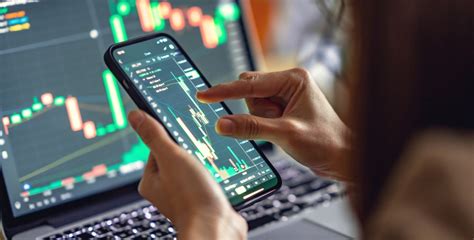
If you're the kind of trader who checks charts between coffee breaks or from your couch, mobile trading apps are your best friend. These apps bring Forex trading to your smartphone or tablet, giving you real-time quotes, push notifications, and smooth order execution on iOS or Android.
Some crowd favorites:
MetaTrader Mobile
cTrader App
TradingView App
They also pack in charting tools, account management, and security features so you don’t miss a beat.
Regulated Forex brokers list
Choosing regulated Forex brokers ensures investor protection, transparency, and security of funds. Regulation also impacts trading conditions, such as leverage and withdrawal options.
Pepperstone – ASIC and FCA regulated
Forex.com – Strong global presence, excellent platforms
AvaTrade – Regulated in 6 jurisdictions
Look for brokers with clear licensing, great customer support, reasonable fees and commissions, and robust deposit and withdrawal methods.
“Regulated brokers aren’t just safer—they make your entire trading journey smoother.” — Marcus Lee, FX industry analyst
5. Forex Trading Strategies That Work

Day trading in Forex markets
Day trading in Forex is all about speed, timing, and precision. You’re in and out within the same day—sometimes within minutes—trying to profit from small price moves in currency pairs.
Scalping is popular here—quick trades, tight stop-loss orders, and tiny profit targets.
Traders rely on technical analysis, reading chart patterns and using indicators like RSI and Bollinger Bands.
With high volatility, platforms need fast execution and low spreads.
If you're cool under pressure and glued to your screen, day trading might be your jam. Just don’t skip risk management—set that stop-loss and stick to it!
Trend following strategy guide
Some folks don’t chase the noise—they ride the wave. Trend following is for traders who want to identify long-term moves and hang on for the ride.
Use moving averages (like 50-day or 200-day) to spot direction.
Breakouts past support or resistance levels often signal entries.
This strategy pairs well with trailing stops to protect profits.
Trend followers often say: “The trend is your friend... until it bends.” It’s a slower game but ideal if you’re patient and into market cycles.
Risk management techniques Forex
In Forex, it’s not just about winning trades—it’s about protecting your capital. Solid risk management separates survivors from blow-ups.
| Technique | Description | Common Tool Used |
|---|---|---|
| Stop-loss orders | Exit trades before major losses | Trading platforms |
| Position sizing | Control how much to risk per trade | Position size calculators |
| Risk-reward ratio | Ensure reward outweighs risk | Strategy journals |
“Never risk more than you can afford to lose” isn’t just a saying—it’s a rule. Use leverage wisely, and never trade without a plan. This is the part most beginners skip, and it's the fastest way to lose your shirt.
6.Forex Trading Tools and Apps
Forex signals and indicators
Forex signals and indicators are the bread and butter of smart traders. Whether you're watching RSI wiggles or catching MACD crossovers, it's all about making those buy/sell calls with confidence.
Forex signals give timely alerts on currency pair opportunities—either generated manually by experts or automatically by algorithms.
Indicators like moving averages, Bollinger Bands, and stochastic oscillators support your trading strategy with data-backed insights.
Used in technical analysis, these tools help identify trends, support and resistance levels, and key reversal zones.
As one seasoned trader put it, “Good signals don’t guarantee profits—but bad ones can sure burn your wallet fast.”
Whether you're trend-hunting or scalping, combining indicators with chart patterns can elevate your trading game.
Best charting software Forex
Real-time data access – No more lagging candles; platforms like TradingView offer up-to-the-second feeds.
Backtesting and automation – Run your trading strategies against historical data before going live.
Custom indicators & alerts – Personalize your view, get notified when your price level or RSI hits.
| Software | Custom Alerts | Backtesting | Mobile Support |
|---|---|---|---|
| TradingView | ✔ | ✔ | ✔ |
| MetaTrader 5 | ✔ | ✔ | ✔ |
| NinjaTrader | ✔ | ✔ | ✖ |
Your chart is your battlefield—make sure your tools are sharp.

7.Is Forex Trading Worth It?
Pros and cons of Forex trading
The Forex market offers unmatched liquidity, 24/5 trading, and access to global currency pairs, but it’s not all smooth sailing.
Pros include high leverage, low transaction costs, and flexible access via online trading platforms.
Cons include exposure to volatility, steep learning curves, and the impact of poor regulatory oversight in some regions.
Understanding both sides helps you decide if your risk appetite aligns with margin trading and technical analysis.
Common Forex trading risks
Let’s be real — the Forex space isn’t just about making bank. It’s packed with risks.
Leverage can magnify losses, leading to dreaded margin calls.
Geopolitical events and economic data releases can cause wild currency fluctuations.
Watch out for scams and shady, fraudulent brokers—always do your research.
Mastering risk management and your own trading psychology is half the battle.
Forex trading success rate
Success in Forex is rare and earned. According to industry data:
| Factor | Success Rate (%) | Notes |
|---|---|---|
| Emotional Discipline | 45 | Vital for sticking to plans |
| Solid Trading Strategy | 40 | Depends on risk-reward ratio |
| Proper Risk Management | 60 | Reduces losing trade impact |
Many traders fail due to poor market analysis, overtrading, or lack of a structured trading plan. Get mentorship, embrace the learning curve, and build trading experience before expecting consistent profitability.
Forex as a passive income
Sure, Forex can seem like an easy money gig — but it takes smart moves.
You can try automated trading systems like Forex robots or copy trades from top performers using signal providers. With proper oversight, managed accounts or Expert Advisors (EAs) can be part of a long-term investment strategy.
But don’t forget: ROI isn’t guaranteed, and investment risks still apply. Build up your trading capital, understand compounding returns, and treat this like any other passive income stream — with caution and patience.
"Passive income through Forex is not passive ignorance. Know your system, monitor it, and be ready to intervene." – Carla Wexler, FX Portfolio Manager
Conclusion
Forex trading isn’t some get-rich-quick hustle—it’s more like learning to ride a bike with traffic all around. Once you know how to balance your tools, timing, and risk, it gets smoother. Pick a strategy that fits, test it on a demo account, and don’t rush the process. “In trading, it's not about being right—it's about making money,” as Paul Tudor Jones puts it.
Got your basics down? Then it’s time to shift from watching the game to playing it—smart and steady wins here.
What is a Forex broker?
A Forex broker is a financial service company that provides traders with access to a platform for buying and selling foreign currencies. They act as intermediaries between individual traders and the interbank Forex market.
How much money do I need to start Forex trading?
You can start Forex trading with as little as $50–$100, depending on the broker. However, for better risk management and flexibility, many experts recommend starting with at least $500 to $1,000.
What is leverage in Forex trading?
Leverage allows you to control a larger position with a smaller amount of money. For example, 1:100 leverage means you can control $10,000 with just $100. While leverage can increase profits, it also increases potential losses.
Which Forex trading platform is best for beginners?
MetaTrader 4 (MT4) – Simple interface and widely used
cTrader – Clean UI and good for manual trading
TradingView – Great for chart analysis and social trading
eToro – Copy trading and educational resources
Is Forex trading legal?
Yes, Forex trading is legal in most countries, but it is regulated differently depending on the region. You should always trade with a licensed and regulated broker to ensure security and compliance.
What time does the Forex market open?
The Forex market is open 24 hours a day, five days a week. It begins Sunday evening at 5:00 p.m. EST (Sydney session) and closes Friday at 5:00 p.m. EST (New York session).
What are the risks of Forex trading?
Market volatility
High leverage losses
Scams or unregulated brokers
Emotional decision-making
Can I trade Forex on my phone?
Yes, most major brokers offer mobile apps that let you trade Forex on smartphones or tablets. These apps typically include charts, indicators, and one-click trade execution, making mobile trading very accessible.