

Table of contents
Part 1 - What Is Automated Trading and Can It Really Help You Get Rich?
Part 2 - Automated Trading Strategies for Forex Profits
Part 3 - Which Automated Trading Software Makes the Most Money?
Part 4 - Forex Trading Robots VS Manual Systems
Part 5 - Best Forex Platforms for Automated Trading
Part 6 - How Much to Invest in Automated Forex Trading?
Part 7 - Common Pitfalls in Getting Rich With Automated Trading
Ever wondered if you could make money while binge-watching Netflix or sleeping in on a Tuesday? You’re not alone. More and more everyday folks are turning to smart tools to build passive income, and how to get rich through automated trading has become the question on everyone’s mind. It's like hiring a money-savvy robot that never takes a coffee break.
Think of automated trading like cruise control for your investments. “The best traders are the ones who remove emotion,” says Ray Dalio, billionaire hedge fund manager. And that’s exactly what automation does—keeps your money moving without second-guessing or panic sells.
You’ll learn the real deal: what tools actually work, which forex platforms are worth it, how much cash you need to get rolling, and what mistakes rookie traders keep making. No fluff—just what works, what doesn’t, and how to play it smart.
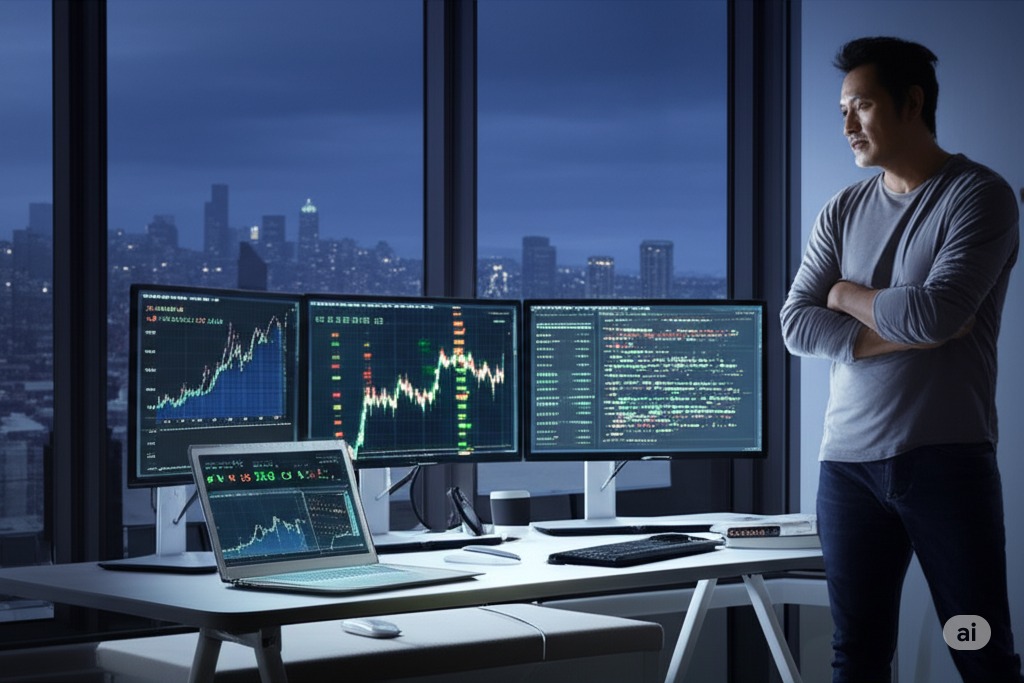
1. What Is Automated Trading and Can It Really Help You Get Rich?
Automated trading, also referred to as algorithmic trading, is no longer reserved for hedge funds or Wall Street elites. It is quietly becoming the weapon of choice for retail traders seeking serious profit in volatile financial markets. “I never thought a trading system could outperform my instincts,” confessed Daniel Wu, a former bank analyst who now runs a seven-figure forex bot portfolio from his apartment in Seattle.
At its core, automated trading is a programmed trading strategy that executes orders based on pre-set conditions—no emotions, no second-guessing. These systems operate using algorithms, which handle everything from scanning the market to placing trades in milliseconds. That kind of precision execution is nearly impossible for a human to replicate.
Key advantages reported by users:
Reduced emotional trading decisions
Faster execution speed
24/7 market coverage
Industry experts such as Dr. Eliza Hartman, who lectures at the Global Institute of Financial Engineering, state that properly coded trading bots can “consistently outperform discretionary trading over long periods, especially in forex trading.” Her research, published in the Journal of Quantitative Finance, highlights that systems using risk-adjusted strategies show positive returns over 78% of the time.
It is important to note that profit potential does not come without risk. Many retail traders underestimate the complexity of algorithm tuning or rely on unverified trading software. Financial watchdogs such as the FCA have warned about the surge in unlicensed trading bots flooding the market, often without historical testing or certification.
When selecting an automated solution, look for platforms with:
Verified trading history
Risk-adjusted performance metrics
Industry recognition (awards or certifications)
So, can it help you get rich? Technically, yes. A growing number of traders are proving it daily. The real question is whether the system you use is smart enough to do it for you—and whether you are disciplined enough to trust it.
2.Automated Trading Strategies for Forex Profits
Scalping With Automated Forex Bots
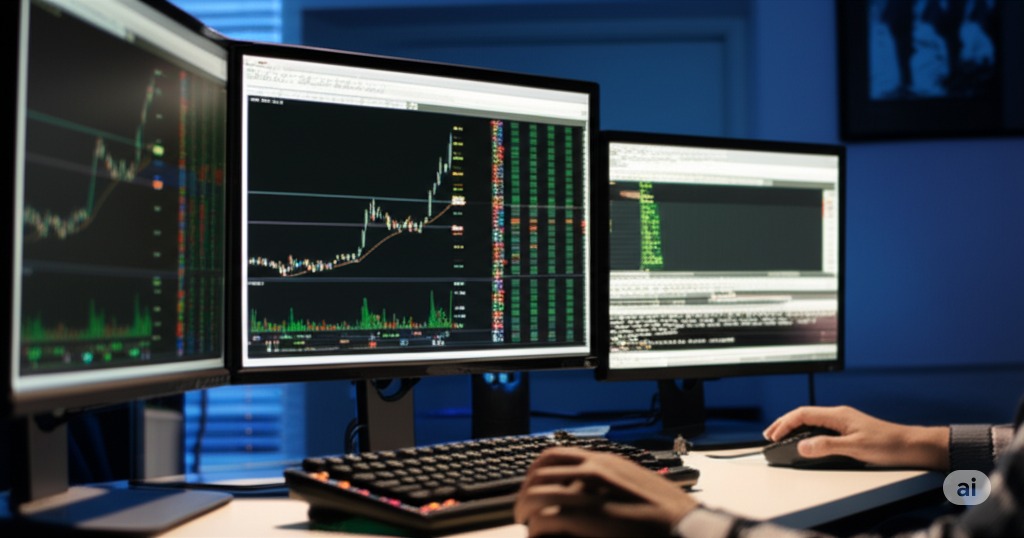
Scalping in Automated Trading relies on ultra-fast execution. Trading Bots—especially those built as Expert Advisors (EAs)—scan currency pairs for micro price movements measured in pips.
Latency and execution speed are critical; your broker must support high-frequency trading.
Ideal for volatile markets and news-driven sessions.
Risk is higher due to overtrading potential, so use precise algorithmic trading rules.
“Scalping bots work best when milliseconds matter,” says Tom Carter, Chief Analyst at FXLogic Systems.
Swing Trading With Algorithmic Tools
Swing trading takes a chill approach—less stress, longer hold periods, and a more balanced strategy. Algorithmic trading tools identify entry and exit points using technical analysis, like RSI and MACD.
Use chart patterns and historical backtesting to refine your model.
Manage position sizing to avoid large drawdowns.
Focus on clean setups, not noise.
Traders who can't watch markets all day often go with swing strategies—they automate the thinking, not just the clicking.
Copy Trading Through Signal Automation
Copy trading turns passive investing into a social activity. With signal automation, you follow a provider, and your trades mirror theirs—almost instantly.
| Provider Name | Win Rate (%) | Risk Score |
|---|---|---|
| FXAlpha Pro | 76.2 | 3 |
| PipSniperX | 81.4 | 4 |
| TrendWiseBot | 68.7 | 2 |
Watch the performance metrics, and don’t follow blindly. Look at the trading platform's synchronization speed and subscription model. A solid risk score is as important as flashy gains.
3.Which Automated Trading Software Makes the Most Money?
Top Performing Forex Bots 2025
A handful of trading bots are leading the pack in 2025. These expert advisors blend algorithmic trading with real-time adjustments to stay profitable even in volatile markets.
Top contenders include bots like Forex Fury, GPS Forex Robot, and Flex EA, known for adaptive trading strategies and consistent profitability.
Many bots integrate seamlessly with MetaTrader, scoring high in user reviews for performance and ease of setup.
Bot Performance Snapshot (2025 Forecast):
| Bot Name | Avg Monthly ROI | Supported Platform |
|---|---|---|
| Forex Fury | 7.2% | MT4/MT5 |
| Flex EA | 6.8% | MT4 |
| GPS Forex Robot | 5.9% | MT4 |
Backtesting Tools for Profit Accuracy
Backtesting is key to validating whether a trading strategy actually works. Platforms like Strategy Tester (MT4/MT5) and QuantConnect offer robust simulation tools that crunch historical data to measure profit accuracy.
Use these tools to avoid live-trading disasters by stress-testing strategies across different timeframes and market conditions.
Important metrics to focus on:
Drawdown percentage
Win/loss ratio
Profit factor
With the right backtesting software, you can fine-tune algorithmic trading systems for max output.
Mobile Apps for Auto Trading
Wanna trade on the beach or during your lunch break? Mobile trading apps like MetaTrader Mobile, cTrader, and TradeStation Go let you control automated strategies right from your phone.
They offer:
Real-time trade execution
Push alerts for strategy triggers
Mobile-optimized algorithm deployment
These apps are built with broker integration and automation in mind, so you can adjust risk settings or pause trades without needing a full desktop setup. Talk about power in your pocket.
Customizable AI Trading Platforms
AI trading platforms are transforming automated trading by learning from market patterns and evolving strategies.
Platforms like Kavout, Trade Ideas, and Numerai offer customizable AI-based tools that help traders build, test, and deploy machine-learning models with minimal coding.
"AI systems now adapt faster than human traders ever could," says Dr. Elena Roberts, Quant Strategist at AlgoNext.
Want to tweak an AI model to fit your trading style? You got it. These platforms bring advanced strategy building to everyone—from coders to copy traders.
4.Forex Trading Robots VS Manual Systems
Speed and Emotional Bias Comparison
Speed is where trading robots crush it—they react in milliseconds, placing orders faster than any human could dream. Humans? We hesitate, overthink, or worse—get greedy. Emotional bias creeps in, clouding judgment, especially during volatile markets.
Robots act on logic, no emotion.
Humans trade based on fear or excitement.
Quickness: Bots process multiple trades in less than 0.1 seconds.
“Automation eliminates hesitation. It’s precision on autopilot.” – Jared Mason, Quantitative Analyst at BlueCapFX
So yeah, if you blink—you might already be behind.
Profit Consistency Over Time
In trading, one lucky win doesn’t mean much. What matters is profit consistency over weeks, months—even years. Robots, when programmed correctly, follow stable patterns without fatigue.
Manual traders may start strong but often face burnout or decision fatigue.
Robots stick to the strategy rain or shine, regardless of market emotion.
Historical data shows that algorithmic systems tend to yield more stable returns across long-term periods.
Here’s a quick comparison of 12-month performance between human traders and forex bots:
| Trader Type | Avg Monthly Return (%) | Std. Deviation (%) |
|---|---|---|
| Human | 2.3 | 6.7 |
| Bot | 3.8 | 2.4 |
Margin of error? Less with the bots—because emotion doesn’t mess up their Monday trades.
5.Best Forex Platforms for Automated Trading
MetaTrader 4 With Auto Scripts
MetaTrader 4 (MT4) remains a favorite for retail traders due to its powerful scripting language, MQL4, which lets you build Expert Advisors (EAs) and automate trades with precision. You can customize strategies, run backtests, and optimize your EA using historical data.
Use scripts for one-click execution.
Backtest with real historical price data.
Automate trades with custom-built Expert Advisors.
"MT4’s flexibility and vast user base make it the gold standard in automated forex trading." — Kieran Patel, FXQuant Research Lead
cTrader Algorithmic Features Guide
If MT4 is old-school reliable, cTrader is the cool tech-savvy cousin. Built for algorithmic trading, cTrader’s cAlgo interface lets you create robust strategies using C#.
Access built-in backtesting and optimization.
Leverage open API support for deeper integrations.
Deploy trading robots with precision-tuned execution.
cTrader is a solid pick for traders who want cleaner UX and more transparency, especially with brokers that support raw spread accounts.
Broker Support for Trading Bots
Don’t just pick a trading bot—make sure your broker actually supports it! Reliable platform support, low-latency execution, and VPS hosting are essentials.
| Broker | MT4 Support | VPS Availability |
|---|---|---|
| IC Markets | Yes | Yes |
| Pepperstone | Yes | Yes |
| FXPro | Yes | Limited |
Check if your broker allows EAs and supports cTrader.
Look for robust API access if using custom bots.
A dedicated VPS reduces lag and improves bot efficiency.
Choosing a broker with full bot support ensures your automated trading strategy runs smoothly without unexpected execution issues.
6. How Much to Invest in Automated Forex Trading?
Minimum Capital for Forex Bots
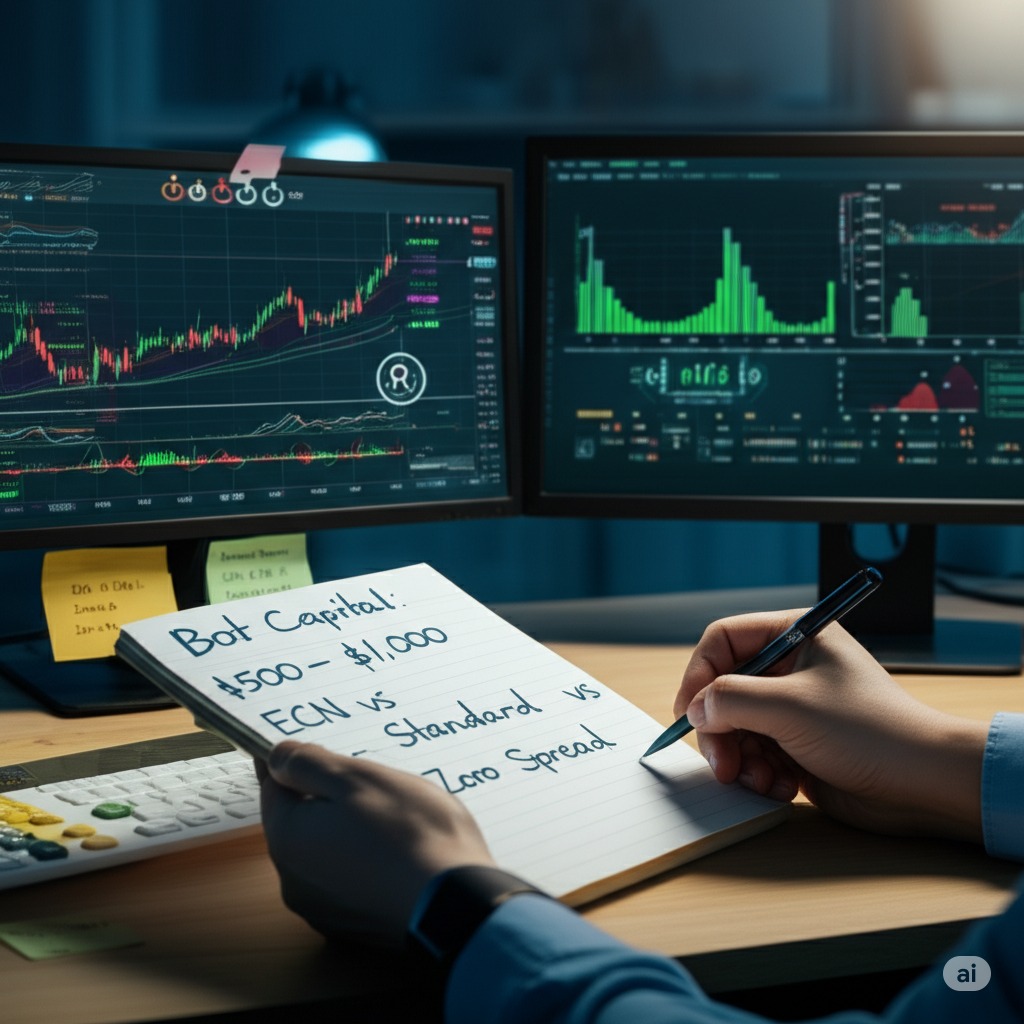
Starting small in Forex trading is possible, but the real game begins with knowing your capital requirements. A trading bot usually requires a minimum investment of $500–$1,000 to perform efficiently, depending on your brokerage account and the currency pairs you're trading.
| Broker Type | Minimum Deposit (USD) | Suggested Bot Capital |
|---|---|---|
| ECN Broker | 100 | 1,000 |
| Standard Broker | 50 | 500 |
| Zero Spread | 200 | 750 |
A bigger account size gives bots more room to breathe—reducing risk per trade and increasing algorithmic stability. Don’t cheap out on startup capital—it’s not a Netflix subscription.
ROI Expectations From Automation
Let’s be real—automation won’t make you a millionaire overnight. But it can deliver solid ROI (Return on Investment) if you’re not chasing unicorns. Most retail traders using bots can expect monthly gains of 2–8%, depending on strategy and risk level.
Set realistic performance metrics
Look at long-term efficiency gains, not just spikes.Factor in the payback period
If you dropped $1,000 into automation and get $80 monthly, you're breaking even in ~12.5 months.
“A good bot doesn’t just make money—it reduces costly decisions.” — Khalid M., Quantitative Analyst, FX Edge Lab
Focus on productivity and cost reduction, not just wild profits. Smart automation = sustainable return.
7. Common Pitfalls in Getting Rich With Automated Trading
Over-Optimizing Trading Algorithms
Over-optimization—also called curve fitting—is when your trading strategy performs too well on historical data but bombs in live markets. This happens because traders tweak too many parameters, making the system fit the past perfectly, but not future conditions.
Avoid it by:
Using robust validation techniques
Testing across multiple market regimes
Watching for signs of data mining bias
Experts often say: “If it’s too perfect in backtesting, it’s probably broken in reality.”
Neglecting Market Condition Changes
Markets don’t stay the same forever. Trend analysis, market volatility, and even economic indicators can shift your strategy from hero to zero.
Regularly review your system's performance.
Apply adaptive strategies that respond to new market sentiment.
Monitor liquidity and correlation shifts during high-impact news events.
If you set it and forget it—you’re forgetting the market never sleeps.
Trusting Unverified Trading Bots
That flashy trading bot ad? Yeah, probably a trap. Without due diligence, you risk falling for systems with fake performance claims or sketchy backtest results.
Check for third-party verification
Research vendor reputation
Read user reviews from credible forums
Ask for forward testing data
"A good EA speaks with its results, not its pitch." — Chris Tate, veteran trader
Poor Risk Management Settings
This is the one that wrecks most accounts. You could have the smartest bot in the world, but if your stop-loss order is off or your position sizing is reckless, say goodbye to your funds.
| Setting | Ideal Range | Risk if Misused |
|---|---|---|
| Leverage | 1:5 to 1:20 | Margin calls, fast loss |
| Drawdown Limit | < 20% of equity | Capital erosion |
| Trade Size | 1–2% of account | High volatility impact |
Rule of thumb: Preserve capital first, grow it second. Always tailor risk management to your volatility and risk tolerance.
Conclusion
Making money while you sleep isn’t just a dream anymore—it’s the whole point of automated trading. With the right tools, some real strategy, and a bit of grit, growing your account can feel less like gambling and more like building a machine that works for you.
As Warren Buffett put it, “If you don’t find a way to make money while you sleep, you will work until you die.”
Yes, automated trading is widely used in forex because it removes emotion from decision-making and allows for 24/7 market participation. With the right strategy and risk controls, it can be highly effective. However, performance depends heavily on market conditions and system design.
MetaTrader 4/5 with Expert Advisors (EAs)
cTrader with algorithmic trading features
NinjaTrader for futures and forex automation
TradingView with Pine Script and bot integrations
It varies. Some traders earn a few hundred dollars a month; others scale to thousands—but many also lose money. Realistically, automated trading is a tool for consistent compounding rather than instant riches.
Unrealistic profit claims
Lack of transparency or verified results
No stop-loss logic in the code
Incompatibility with your broker
Choose a broker that supports automated trading
Select or purchase a trading bot or script
Backtest and optimize the strategy
Start with a demo account before going live
Discipline and emotional control
Strong risk management
A reliable, tested strategy (manual or automated)
Patience and capital to scale profits over time