

You take a fat loss on Monday. It stings—like lemon juice in a paper cut. Your hands are shaking, your heart’s racing, and before you pause to breathe… bam! You're already back in the market, chasing ghosts that stole your pips. That wild ride? Classic revenge trading. And it’s where forex trading psychology either saves your account—or torches it.
Many CFD providers (under EU rules) disclose that between 74% and 89% of retail investor accounts lose money—a reminder that emotion-driven decisions are expensive; disciplined, rules-based trading is essential.
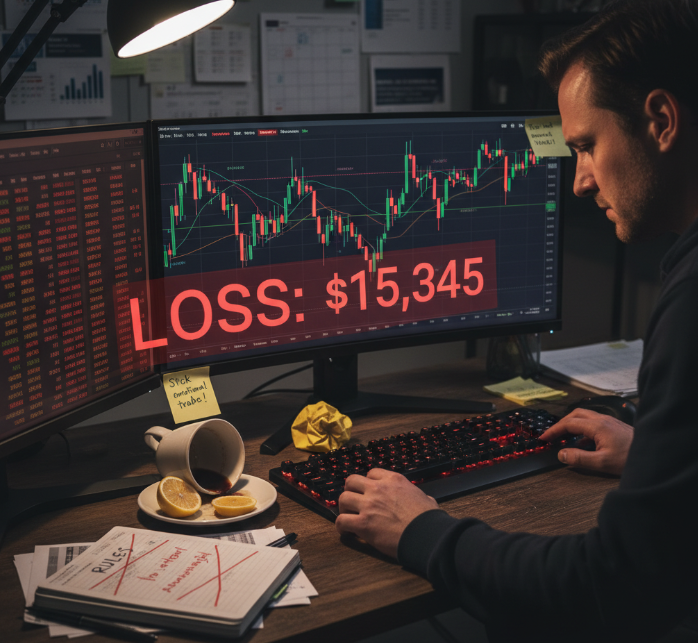
Understanding Revenge Trading
Revenge trading often arises from emotional decision-making, which can be detrimental to your trading account. See professional trading rules that explicitly warn against it.
Identifying Emotional Triggers
Recognizing when you are experiencing anger or frustration from losses can help mitigate impulsive decisions—consistent with core findings from loss aversion research.
Impact of Market Conditions
Market volatility can heighten anxiety, increasing the likelihood of revenge trading; developing a robust strategy is essential.
Signs of Revenge Trading
Look out for patterns like overtrading and neglecting risk management as indicators of emotional trading.
Resetting Your Mindset
Techniques like incorporating stop loss orders and practicing mindfulness can help in overcoming emotional trading behaviors.
Rebuilding Confidence
A structured trading plan with clear goals and risk management strategies can help restore confidence and discipline in your trading approach.
Effective Techniques to Combat Revenge Trading
Utilize concepts like the risk-reward ratio and disciplined strategies like swing trading to maintain emotional balance.
Understanding Revenge Trading: A Forex Trading Psychology Perspective
Getting stuck chasing losses? You're not alone. Let’s unpack how your brain messes with your trades and why revenge trading is a trap.
The Impact of Trading Psychology on FX Decisions
• Trading psychology isn’t just fluff—it shapes every flick of the mouse and every order you place. Whether you're scalping or swing trading, your mindset drives the show.
• When traders feel overconfident after wins or hesitant after losses, their decision making gets skewed. That’s when bad habits creep into even the smartest systems.
• Keeping a detailed journal of setups and emotions is widely recommended by trading psychologists and coaches because tracking emotional influence helps reduce impulsive moves. For a practitioner’s perspective, see CFA Institute’s notes on how emotions can erode decisions. emotions
? Here's how different emotional states affect forex decision-making:
| Emotional State | Impact on Trade Entry | Risk Tolerance Shift | Common Mistake |
|---|---|---|---|
| Overconfidence | Early entries | Higher than normal | Ignoring stop-losses |
| Fear | Delayed entries | Lower than normal | Missed opportunities |
| Frustration | Random entries | Inconsistent | Chasing trends |
| Calm focus | Strategic entries | Balanced | Controlled execution |
So if you're wondering why your strategy works on paper but fails live—check your head before blaming the market.

Emotional Triggers: Why Traders Experience Revenge Trading
You take a hit—maybe two—and suddenly, logic's out the window. That’s when revenge trading kicks in.
It starts with frustration, then turns into full-blown anger, pushing you toward risky bets just to “get even.”
The culprit? Your brain's loss aversion system goes haywire, craving emotional relief instead of rational recovery.
Why it matters: These reactions aren’t weakness—they’re wired into human behavior. But recognizing triggers like overtrading, panic-clicking market orders, and ignoring setups can help you shut it down before it spirals.
EasyCashbackFX recommends setting pre-defined loss limits and walk-away rules as part of any serious strategy—because discipline beats emotion every time.
How Market Conditions Affect Trading Mindset
● Choppy markets crank up anxiety levels fast—especially when price action makes zero sense. This stress can wreck even seasoned traders' discipline.
● During high volatility periods, many experience analysis paralysis or jump into trades without confirmation due to rising uncertainty and shaky risk perception.
● Here’s what typically happens:
Markets spike → trader confidence drops.
Indicators give mixed signals → hesitation grows.
Losses mount → mental fatigue sets in.
Boom: cue impulsive revenge trade fueled by pure emotion.
? Staying sharp means adapting mindset strategies based on current market trends, not clinging blindly to old setups that worked during calm weeks. To avoid calendar-driven surprises, build routines around an economic calendar to prepare for data releases.
Short-term fixes like breathing techniques help manage stress—but long-term improvement comes from building resilience through journaling, meditation, and real-world simulations using demo accounts during volatile runs.
In forex trading psychology terms: mastering yourself is harder than reading charts—but it's also way more profitable long term.
5 Signs You’re Engaging in Revenge Trading
Getting caught in revenge trading can wreck your mindset and drain your account. Spot these red flags before they spiral out.
Chasing Losses: The Familiar Pattern of Emotional Trading
When losses hit hard, many traders ditch their cool and start swinging wildly at the market like it owes them something. Instead of sticking with a plan, they:
Jump from one setup to another without waiting for confirmation.
Increase trade size out of desperation.
Trade during emotional highs—fear, greed, frustration.
You might catch yourself saying, “I just need one win to get back.” That’s the trap. This kind of impulsivity usually comes from poor psychology and lack of discipline. Inexperienced traders often confuse action with strategy, but more trades don’t mean better outcomes—especially when driven by emotion.
If your trading feels reactive instead of planned, you’re probably chasing losses. Healthy forex trading psychology demands stepping back when emotions take over—not doubling down. For structured skills-building, carve out time to learn forex trading.
Ignoring Risk Management: Position Sizing Mistakes
One sure sign you’re revenge trading? Throwing proper risk management out the window.
Grouped mistakes that scream trouble:
? Poor position sizing ? Overexposure beyond intended capital allocation ? Skipping stop-loss orders entirely ? Using excessive leverage on "surefire" trades
| Trade # | Capital Used (%) | Stop-Loss Set? | Outcome |
|---|---|---|---|
| 1 | 2 | Yes | Small loss |
| 2 | 10 | No | Large loss |
| 3 | 25 | No | Account drawdown |
| 4 | All-in | No | Margin call |
The above pattern shows what happens when basic rules are ignored. Good risk habits aren’t optional—they’re survival tools. If you're not managing risk like clockwork, you're not trading—you’re gambling.
And if you think you can out-trade bad math? Think again. Even seasoned pros respect position sizing because it protects them from themselves.
Overtrading: The Dangers of Market Orders
Ever feel like every candle movement is calling your name? That’s how overtrading starts—too many entries, too little planning.
Some telltale signs:
You place trades back-to-back without reassessing conditions.
You rely heavily on instant execution via market orders, ignoring timing or entry logic.
Your costs balloon due to frequent spreads and slippage.
Your mental bandwidth burns out fast—leaving no room for rational decisions.
Industry guides also highlight how “do more” can quietly morph into doing damage via fees and fatigue.
Overtrading doesn’t just bleed your wallet—it crushes your confidence and drains emotional energy fast. It’s not about doing more; it’s about doing less—but smarter.
If you're executing without thinking twice—or worse, executing because you're trying to fix earlier mistakes—that's not strategy; it's desperation masked as hustle.
So next time you feel tempted to jump into another trade just because the last one stung? Pause. Let logic—not ego—drive the next move in your forex game plan.
Overcoming Emotional Trading: Tips to Reset Your Mindset
Getting your head right before hitting the trade button isn’t optional—it’s everything. Here’s how to keep your cool and sharpen your edge.
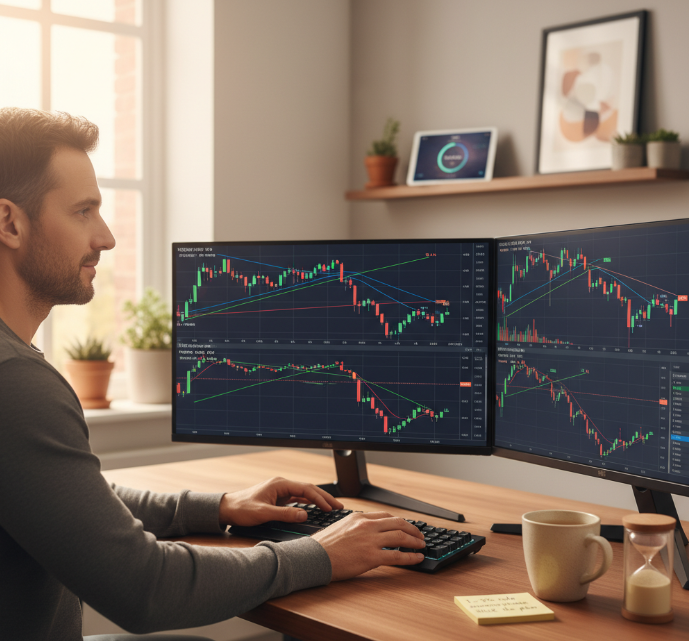
Developing a Resilient Trading Strategy with Stop Loss Orders
Stop loss orders act like seatbelts—they won’t stop the crash, but they’ll keep you from flying through the windshield.
You’re not just protecting capital; you’re building confidence by sticking to a solid trading strategy.
A tight, well-planned exit helps avoid spiraling losses when emotions take over.
Define risk tolerance before entering any trade.
Set a fixed percentage loss limit—think 1–2% max per position.
Adjust stop levels as market conditions shift, not on impulse.
• Never widen stops mid-trade hoping for a bounce—that’s emotional sabotage. • Use trailing stops to lock in profits while still giving trades breathing room.
A trader without a plan is just gambling with style. By embedding risk management into every move, you train yourself to act with logic instead of panic—one trade at a time.
Utilizing Technical Indicators: The Role of Moving Averages
Short-term wins are cool, but consistency is king—and that’s where moving averages shine for real trend clarity.
Simple Moving Average (SMA): Best for smoothing out noise over time.
Exponential Moving Average (EMA): Reacts faster during fast-moving markets.
Crossovers (like 50-day vs. 200-day) help spot major trend shifts early on.
Grouped Indicators: • Trend identification – Spot direction without second-guessing every candle. • Momentum tracking – Gauge strength and avoid chasing weak moves. • Support/resistance zones – Use historical averages to mark key price levels.
When used right, these tools strip out emotion and let data guide you—a lifesaver when your gut's screaming one thing and logic says another. In tough spots, technical analysis becomes your best defense against emotional trading burnout in the ever-shifting world of forex trading psychology. For structured foundations, check out EasyCashbackFX’s forex education.
Practicing Mindfulness in Volatile Market Conditions
Trading chaos? Breathe through it—literally. Mastering your mind beats mastering any chart pattern when markets go wild.
Start each session with five minutes of focused breathing—no screens allowed.
When anxiety spikes mid-trade, pause and name what you're feeling—not what you're fearing.
End each day reviewing trades without judgment; focus on process over profit or loss.
Mindfulness isn't about Zen vibes—it’s about cultivating intense self-awareness under pressure so you don’t spiral into fear-based decisions or revenge trades after losses shake your confidence in volatile markets.
Professional commentary emphasizes how emotional discipline preserves decision quality during uncertainty. emotional discipline
Incorporating this kind of mental discipline sharpens not only focus but also long-term trading discipline across all areas of market psychology, helping traders stay grounded even when charts go haywire—something EasyCashbackFX encourages for anyone serious about mastering their edge within the world of forex trading psychology.
The Cycle Of Revenge Trading: How To Break It
Trading on tilt is real—and it’s brutal. This guide helps traders recognize emotional patterns and rebuild control through structured, repeatable strategies.
Identifying the Stages of Emotional Trading: A Guide
• Self-awareness is your first line of defense. Spotting when your emotions hijack logic can stop a bad trade before it starts.
• The cycle usually goes like this:
You take a loss.
You feel frustrated or angry.
You jump back into the market impulsively—classic emotional trading.
That second trade loses too… and now you’re spiraling.
• Common stages include: • Denial of the mistake • Anger at the market or yourself • Bargaining with trades (“Just one more to break even”) • Depression after continued losses • Acceptance—or worse, detachment
→ Recognizing these emotional stages isn’t just about psychology—it’s about protecting your capital and preserving long-term discipline.
CFA Institute’s primers explain why unchecked emotions often precede poor investment choices—awareness is a first step toward control. emotions
Mindset, not method, often determines success. Mastering your own reactions is as crucial as mastering any chart pattern or indicator.
Rebuilding Confidence with a Structured Trading Plan
A solid plan restores both trading confidence and focus.
Here’s what should be inside:
| Component | Purpose | Frequency Reviewed | Emotional Impact |
|---|---|---|---|
| Entry/Exit Criteria | Keeps decisions rule-based | Weekly | Reduces impulse |
| Position Sizing Rules | Manages risk exposure | Per trade | Builds safety net |
| Daily Loss Limits | Prevents revenge trading | Daily | Provides boundaries |
| Trade Journal | Tracks progress + mindset | After each session | Encourages reflection |
Each part reinforces trading discipline, helping you stay cool under pressure.
Use reminders—sticky notes, alarms, whatever works—to check if you're sticking to your rules before entering any position.
? Pro tip: If you’re feeling off emotionally, step away from the charts. No plan will work if your head isn’t clear.
You don’t need big wins—you need consistent ones. And consistency comes from following a structured plan, not chasing losses or gut feelings.
By rebuilding trust in yourself through systems that support sound choices, you’re not just recovering from losses—you’re building something way stronger than luck ever could deliver.
3 Effective Techniques To Combat Revenge Trading
Revenge trading is a real buzzkill—emotionally and financially. Here are three smart ways to outsmart it before it wrecks your forex game.
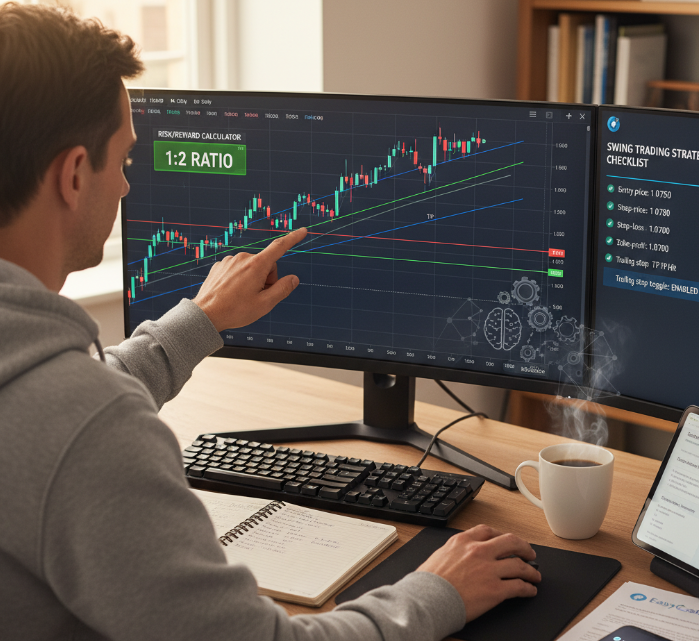
Risk-Reward Ratio: The Key to Smart Trading Decisions
A clean risk-reward ratio isn't just math—it’s your sanity check before you hit "buy." Think of it as the GPS for every trade:
Profit potential must always outweigh loss limitation, or you're just gambling.
Stick with a minimum of 1–2 ratio—risk $50, aim for $100 profit.
Use ratio analysis tools baked into most platforms to evaluate setups fast.
Define entry/exit points based on logic, not emotion or FOMO.
Revisit past trades weekly; if your ratios are off, so is your strategy.
For deeper context, FXCM’s “Traits of Successful Traders” illustrates why expectancy and risk:reward matter. Traits of Successful Traders
Using Swing Trading Strategies to Enhance Discipline
Swing trading isn’t about chasing pips all day—it’s about spotting trends and waiting like a sniper.
Identify clear market trends using daily or four-hour charts.
Apply strict entry/exit rules, supported by solid technical analysis.
Focus on fewer trades per week but manage them with precision.
Let the trade breathe—don’t babysit it every five minutes.
Use alerts instead of staring at screens, reducing emotional fatigue.
Build patience by pairing your approach with EasyCashbackFX’s cost-cutting ecosystem—rebates can offset costs while you work the plan. Learn how forex rebates reduce trading expenses per lot.
Setting Clear Take Profit Orders: A Preventive Measure
Pre-set your take profit levels before entering any position—this locks in logic over emotion. See the mechanics of a take-profit order and how it complements stop-losses to manage exits. Combine this with trailing stops for dynamic exits without second-guessing yourself mid-trade.
And hey, if you're serious about getting out of that emotional loop and sticking to smarter strategies long-term, EasyCashbackFX has resources that keep you sharp without burning out your bankroll—start with the Academy to learn forex trading, then explore automated trade preparation with forex tools online like a forex profit calculator, or follow curated ideas via forex trading signals.
EasyCashbackFX is a global rebates platform partnering with regulated brokers to reduce transaction costs across FX, commodities, indices, and crypto—supporting traders with transparent reporting, fast withdrawals, and multi-platform access.
References
Investopedia — Master Trading: 20 Proven Rules for Professional Success - https://www.investopedia.com/articles/active-trading/022715/20-rules-followed-professional-traders.asp
Investopedia — Overtrading: Definition, Causes, Types, and Ways to Avoid - https://www.investopedia.com/terms/o/overtrading.asp
ESMA — ESMA agrees to prohibit binary options and restrict CFDs to protect retail investors - https://www.esma.europa.eu/press-news/esma-news/esma-agrees-prohibit-binary-options-and-restrict-cfds-protect-cfds-protect-retail-investors
ESMA — Notice of Product Intervention Decisions (standard risk warning: 74–89% of retail accounts lose money) - https://www.esma.europa.eu/sites/default/files/library/esma35-43-1135_notice_of_pi_decisions_on_cfds_and_binary_options.pdf
Investor.gov — Types of Orders (Stop, Stop-Limit, Trailing Stop) - https://www.investor.gov/introduction-investing/investing-basics/how-stock-markets-work/types-orders
Investopedia — Understanding the Risk/Reward Ratio - https://www.investopedia.com/terms/r/riskrewardratio.asp
FXCM — Traits of Successful Traders - https://www.fxcm.com/uk/trading-guides/traits-successful-traders/
Kahneman & Tversky (1979) — Prospect Theory: An Analysis of Decision under Risk - https://web.mit.edu/curhan/www/docs/Articles/15341_Readings/Behavioral_Decision_Theory/Kahneman_Tversky_1979_Prospect_theory.pdf
CFA Institute — Emotions and Investment Decision Making: An Introduction - https://blogs.cfainstitute.org/investor/2019/04/10/emotions-and-investment-decision-making-an-introduction/
CFA Institute — Investing Through Uncertainty: 5 Lessons in Emotional Discipline - https://blogs.cfainstitute.org/investor/2025/04/21/investing-through-uncertainty-5-lessons-in-emotional-discipline/
FAQ
How does forex trading psychology influence decisions in volatile markets?
In a volatile market, emotions can grip even seasoned traders. Sudden price swings on EUR/USD or GBP/USD may tempt quick Market Orders without proper analysis.
Fear often pushes traders to abandon Trend Following for short-term Scalping Strategy.
Greed might override Stop Loss Order discipline and distort Position Sizing rules.
Using Moving Averages or Bollinger Bands offers a calmer lens, helping the mind resist rash moves when charts turn wild.
What are common signs of revenge trading in FX activity?
Revenge trading is born from frustration after losses—its pulse is fast and reckless:
Switching from Swing Trading to Breakout Trading mid-session without confirming signals via RSI Oscillator or MACD Indicator.
Ignoring Take Profit Orders while chasing “just one more” winning trade on USD/JPY or AUD/USD.
Placing consecutive Market Orders during Ranging Markets with no strategy anchor, hoping luck will erase prior mistakes.
Can a structured trading plan reduce emotional decision-making?
Yes—discipline thrives under structure: clear goals matched with risk tools like Stop Loss Order and Risk Reward Ratio keep impulses at bay in both Trending Markets and Sideways Markets.
| Plan Element | Emotional Benefit |
|---|---|
| Defined entry rules | Cuts hesitation during Day Trading |
| Exit strategies | Prevents panic selling in Bearish Market |
| Position Sizing | Maintains stability across currency pairs |
A written plan becomes the trader’s compass when emotions try to steer off course.
Why is the risk-reward ratio important for disciplined forex trades?
It’s the quiet guardian of patience; it whispers “wait” before entering USD/CAD or EUR/USD positions too soon:
Guides calculated Limit Orders instead of impulsive Market Orders during Breakout Trading setups.
Protects against overuse of Leverage Control when tempted by rapid gains in Volatile Markets.
By respecting this ratio, traders align their actions with long-term survival rather than fleeting excitement—and that restraint shapes consistent success over time.