


Table of contents

Trading can be a tough ride, but “Becoming a Better Trader – Fixing Mistakes, Working on Weaknesses” is the kind of journey that separates the amateurs from the pros. Every trader, at some point, has hit that wall – making the same mistakes, losing confidence, or letting fear take the wheel. The truth is, improvement doesn't come from avoiding mistakes, but from learning how to handle them and bounce back stronger.
Mistakes are like potholes in the road, but you can either swear at them or use them to improve your drive. It’s all about owning up to your weaknesses, learning from your losses, and using those lessons to make smarter moves. You wouldn’t ignore a flat tire on a road trip, so don’t ignore the things holding your trading back.
Remember, "Success is not final, failure is not fatal: It is the courage to continue that counts." This mindset will take you far – especially when you focus on strengthening your mental game. Ready to take the wheel? Let’s get started.
Why Fixing Mistakes Matters
Trading is all about learning from your mistakes. Fixing them is what helps you level up and become a more successful trader.
Mistakes Are Growth Opportunities
Mistakes aren’t roadblocks, they’re stepping stones. Every error you make is an opportunity for growth, improvement, and resilience. When you face your mistakes, you’re not just dealing with a setback – you’re setting the stage for a transformation. Instead of beating yourself up, embrace the lesson and turn it into actionable insight. That’s the heart of a growth mindset. So, when you make an error, ask: How can this mistake make me a better trader?

Learning from Losses: The Power of Reflection
Losses sting, no doubt. But those setbacks can be the most powerful tool in your arsenal if you take the time to reflect. It’s not about the loss itself, it’s about what you learn from it. Dive deep into the analysis, ask yourself where things went wrong, and find the pattern. That’s how you turn a negative experience into a tool for success. Reflection leads to wisdom, and wisdom leads to better decisions next time.
Turning Failures into Positive Change
Failure doesn’t have to be the end – it’s the beginning of something better. Every setback you face is a chance to rethink your strategy and adapt. Instead of viewing failure as a dead-end, see it as a signpost guiding you toward positive change. Reframe the situation: What can I do differently to succeed? With the right mindset, you can turn failures into opportunities for innovation and success, ultimately making you a more resilient and adaptable trader.
What Are Your Weaknesses?
Identifying your weaknesses is the first step in fixing them. It’s all about self-awareness.

Recognizing Personal Trading Weaknesses
Self-assessment: Take a good look at how you approach trades. Are you acting on impulse?
Emotional Bias: Fear and greed often dictate decisions more than data does.
Overtrading: It’s tempting to jump into trades all the time, but it’s more about quality than quantity.
Risk Tolerance: Be honest with yourself. Are you taking more risks than you're comfortable with?
Recognizing personal weaknesses can give you valuable insight into your trading habits. Here’s a quick breakdown of how to assess your weaknesses:
| Weakness | Description | Action Plan |
|---|---|---|
| Emotional Bias | Letting fear or greed dictate trades. | Focus on data-driven decisions. |
| Overtrading | Entering too many trades without a solid strategy. | Limit trades and focus on high-quality setups. |
| Risk Tolerance | Taking too much risk for comfort or being too conservative. | Define risk per trade based on your comfort zone. |
Evaluating Trading Habits for Improvement
Trading Journal: Keep track of your trades—learn from each one.
Routine: Develop a solid routine that’s repeatable and sustainable.
Strategy Review: Take time to review your strategies regularly, tweaking them as needed.
Post-trade Analysis: After each trade, reflect on what went right or wrong.
Improving your trading habits is key to consistent success. Review your habits periodically and look for ways to enhance them. These small steps lead to continuous improvement.
Identifying Mental Blocks and Emotional Pitfalls
FOMO (Fear of Missing Out): It’s easy to chase trades, but this is where impulsivity takes over.
Revenge Trading: Losses can spark a desire to get even. Instead of acting out of frustration, take a step back.
Overconfidence: Thinking you’ve got it all figured out can lead to costly mistakes.
Stress Management: Emotional control is key. Stress can cloud your judgment and distort your strategy.
Mental blocks are a real challenge. Here's a look at some common emotional pitfalls:
| Mental Block | Description | How to Overcome |
|---|---|---|
| FOMO | The urge to jump into every trade, even when it’s not right. | Stick to your plan and avoid impulsivity. |
| Revenge Trading | Trying to make up for losses by risking more. | Take a break and focus on your strategy. |
| Overconfidence | Underestimating risk or being too sure of your decisions. | Always perform due diligence and stick to your strategy. |
Understanding the Impact of Trading Environment
Workspace Setup: A cluttered desk can make your mind cluttered too. Create a space that promotes focus.
Distractions: Limit distractions—whether it's your phone or noise in the background.
Technology: Ensure your tech is up to the task—stability and speed are crucial for making split-second decisions.
Support Network: Surround yourself with a strong support system of fellow traders or mentors.
A conducive environment can boost your performance. Check how your environment stacks up:
| Environment Factor | Impact on Trading Performance | Improvement Tips |
|---|---|---|
| Workspace Setup | A clean, organized workspace leads to better focus. | Keep your space tidy and uncluttered. |
| Technology | Slow or unreliable tech can delay your trades and decisions. | Ensure fast internet and a reliable trading platform. |
| Support Network | Having a network helps you stay motivated and get feedback. | Connect with other traders for support. |
How to Turn Weaknesses into Strengths
Transforming your weaknesses into strengths requires a shift in perspective, discipline, and resilience.

Reframing Weaknesses for Growth
Changing how you view challenges can turn them into stepping stones for success.
Instead of seeing weaknesses as roadblocks, think of them as areas where growth is possible. Reframing your struggles into opportunities for self-improvement sets the foundation for resilience. A mindset shift helps you see failures as lessons, fueling your personal development.
Developing Consistent Habits
Consistency is key when you’re working to improve your trading skills.
Building habits takes time and discipline, but once established, they help you stay on track. Start small: Focus on daily practices that align with your trading goals. Consistency creates progress, making your actions habitual instead of reactive, ensuring long-term success.
Shifting Your Mindset for Success
A positive mindset changes everything, from overcoming obstacles to achieving your goals.
To succeed, you need a growth mindset—believing that your skills can improve with effort. This mental shift is crucial, especially when facing setbacks. By adjusting your perspective, you begin to see challenges as part of the journey, not as a reason to quit.
Using Failures to Find New Opportunities
Failure isn’t the end; it’s the beginning of new opportunities.
When things go wrong, take a step back and reassess. Each failure offers a valuable lesson. Innovation and adaptation often come from mistakes. By learning from these experiences, you can pivot and turn setbacks into breakthroughs, discovering new ways to approach challenges.
Leveraging Weaknesses to Develop Strengths
Embrace your weaknesses and turn them into strategic advantages.
Instead of hiding from your weaknesses, use them as a tool for growth. By being aware of areas where you struggle, you can strategically improve and develop strengths in those areas. This self-awareness leads to personal growth, turning your weaknesses into powerful assets over time.
Why Self-Honesty is Crucial
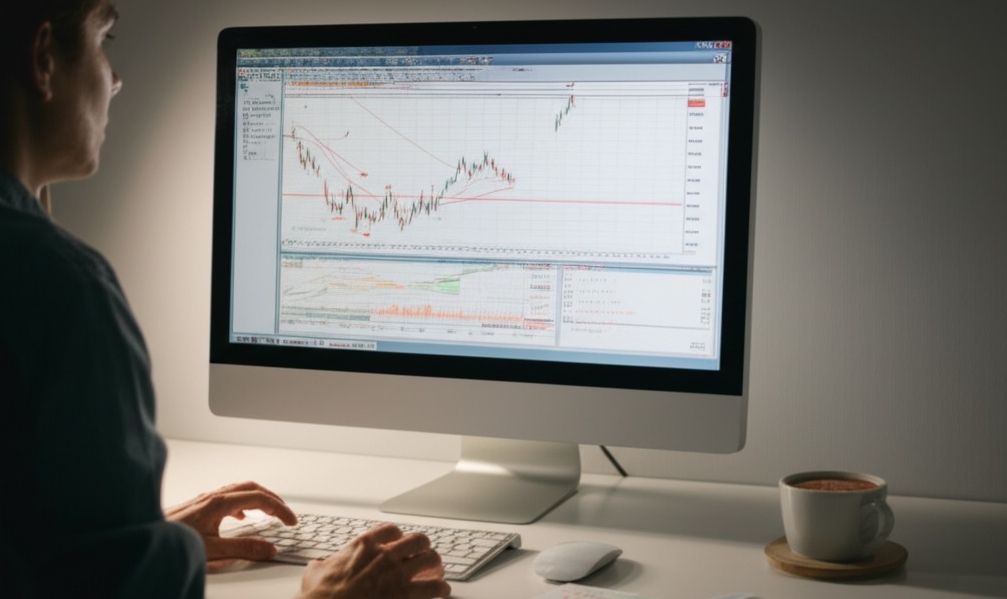
Self-honesty is often the cornerstone of growth in any field, and trading is no exception. Without honest self-assessment, it is impossible to recognize mistakes, address weaknesses, or improve over time. Self-honesty is about looking at your trading habits with a clear, unbiased view—without trying to sugarcoat your actions or deceive yourself. It takes courage to confront your own flaws and acknowledge where things went wrong, but this step is critical in the journey toward becoming a better trader.
When you take the time for true self-reflection, it becomes easier to pinpoint where your biases are creeping into your decisions. Are you holding onto a position out of stubbornness rather than following your strategy? Are you too quick to blame external factors, instead of accepting responsibility for your mistakes? These moments of introspection often reveal patterns that, if not addressed, can hinder progress and repeat the cycle of mistakes.
Self-honesty is also key to fostering accountability. Without it, there is no real incentive to improve. Every trader has weaknesses—whether it is a tendency to overtrade, a lack of discipline, or an inability to control emotions during a loss. Recognizing these weaknesses is the first step in making positive changes. For instance, if a trader constantly lets fear dictate their decisions, acknowledging this fear can lead to strategies that address it directly, such as using risk management or taking a break after a loss.
Remember, trading is a constant learning process, and self-honesty fuels that journey. As renowned investor Warren Buffett has said, "It is good to learn from your mistakes. It is better to learn from other people's mistakes." By honestly assessing where you are going wrong, you position yourself to avoid the pitfalls others have fallen into and fast-track your growth.
Honesty with yourself, paired with a commitment to improvement, opens doors to long-term success. It is a mindset shift that turns mistakes into stepping stones. When a trader accepts their weaknesses and views them as opportunities for growth, they not only improve their trading strategies but also become more resilient and adaptable in the face of future challenges.
How to Overcome Fear After Losses
Fear and doubt can paralyze your trading. In this chapter, we’ll explore how to regain confidence and turn fear into a driving force.

Understanding the Roots of Fear
Fear often stems from past trauma, phobias, or anxiety triggers. By understanding its origin, we can begin to break down its hold over us. Neuroscience shows that fear is a natural response to uncertainty, but recognizing its psychological roots allows us to build strategies to cope with it.
Building Confidence After Setbacks
After a loss, your confidence can take a hit. The key is to bounce back stronger. Focus on your past successes and remind yourself that setbacks are simply part of the journey. Building resilience requires practicing self-compassion and reinforcing a growth mindset to rebuild self-belief and move forward.
Strategies for Avoiding Paralyzing Doubt
Doubt can sneak in, causing overthinking and indecision. Combat this with mindfulness techniques and positive self-talk. Step-by-step decision-making can break the paralysis and get you back on track. Cognitive restructuring, or rethinking negative beliefs, helps you make choices confidently instead of getting stuck in indecision.
Using Fear as Motivation
Instead of avoiding fear, embrace it. Use it as motivation to take action, improve performance, and reach your goals. When you feel fear, it often signals that you're pushing beyond your comfort zone. Shift your perspective: fear can drive you to achieve more and face challenges head-on.
By confronting fear directly and using the strategies outlined, traders can gain the confidence and clarity they need to grow stronger after each setback. Fear doesn't have to control you—it can be harnessed as fuel for success.
Can Mistakes Teach You Something?
Mistakes are often seen as setbacks, but they can actually be some of your best teachers. In this chapter, we'll dive into how reflection, pattern recognition, and viewing mistakes as a path to mastery can speed up your journey to becoming a better trader.
The Value of Reflection in Learning
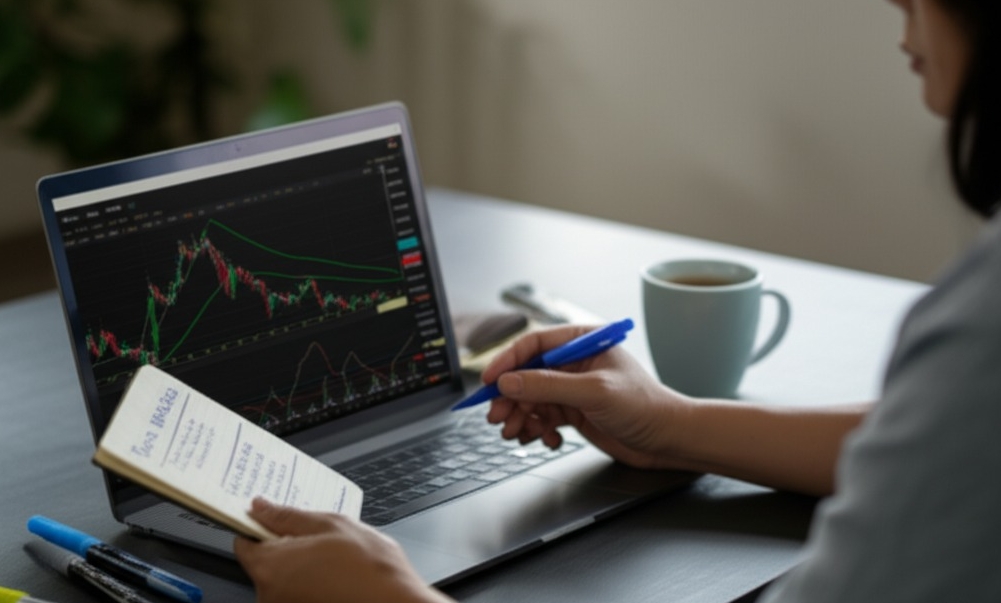
Mistakes don’t just happen in trading – they’re opportunities for reflection. By taking the time to analyze what went wrong, you can uncover insights that will help you grow. Metacognition – thinking about your thinking – allows for self-assessment and enhances your ability to make better decisions. The more you reflect on your trades, the clearer your path to improvement becomes.
Finding Patterns in Your Errors
Errors are clues: Every mistake you make leaves behind patterns. Identifying them helps you analyze the root causes of errors.
Diagnosis is key: Don’t just brush off your mistakes. Dig deep to figure out why things didn’t work out.
Correction comes with practice: Once you identify recurring issues, you can correct them over time, preventing future missteps.
Mistakes as a Path to Mastery
Mistakes aren’t just misfires – they’re stepping stones. Adopting a growth mindset and resilience can turn each mistake into an opportunity for practice and improvement. Every loss, every failed trade, builds your skills and strengthens your decision-making abilities. The more you embrace this, the closer you get to mastering your craft.
By looking at mistakes as valuable learning tools, you’ll quickly see that your errors aren’t roadblocks, but rather the fuel for your trading growth.
What Are the Common Pitfalls?
Trading is full of traps, but avoiding common pitfalls is key to improving as a trader. Let’s look at two major mistakes many traders make: overtrading and falling into cognitive biases.
Avoiding Overtrading and Impulsive Decisions
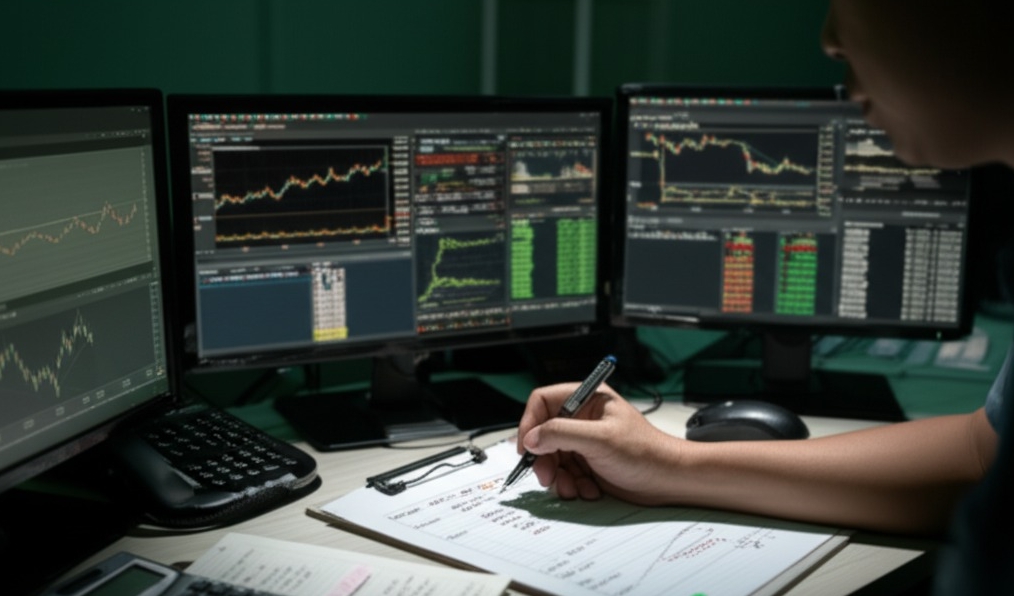
Overtrading happens when you’re so caught up in the market that you start making impulsive decisions, often ignoring your own trading plan. Here’s how to keep it in check:
| Action | Explanation | Outcome |
|---|---|---|
| Stick to Your Plan | Plan your trades, and trade your plan. Avoid spontaneous trades. | Helps you stay disciplined. |
| Position Sizing | Don’t risk too much on one trade. Use appropriate position sizes. | Reduces risk exposure and increases safety. |
| Set Stop-Loss | Set stop-loss to prevent major losses. | Limits losses and ensures emotional control. |
| Trade Frequency | Balance your trades. Avoid excessive trading. Less is often more. | Reduces emotional trading and overtrading. |
Recognizing Confirmation Bias in Your Trades
Confirmation bias can make you see only what you want to see, especially when you're emotionally invested. To avoid this:
Be Objective: Always check market data and ask yourself if you're ignoring disconfirming evidence.
Challenge Your Beliefs: If you find yourself ignoring contradictory information, it’s time to step back.
Critical Thinking: Avoid selective attention. Question every assumption to improve decision-making.
Increase Self-Awareness: Recognizing your biases is the first step to better trading psychology.
How to Build Mental Resilience
Building mental resilience is essential for thriving in the fast-paced world of trading. It helps you stay strong through setbacks and keeps you moving forward with a growth mindset. Let’s dive into how you can train your mind for tough times.
Training Your Mind for Tough Times
Mental strength isn’t something that happens overnight. It’s about perseverance and adaptability in the face of adversity. Trading is tough, and tough times will come. But when you train your mind, you cope better, bounce back faster, and keep your focus. Think of it like going to the gym – the more you train, the stronger your mental fortitude becomes. Stay resilient and remember, it’s the challenges that shape your mindset.
Developing Patience and Discipline
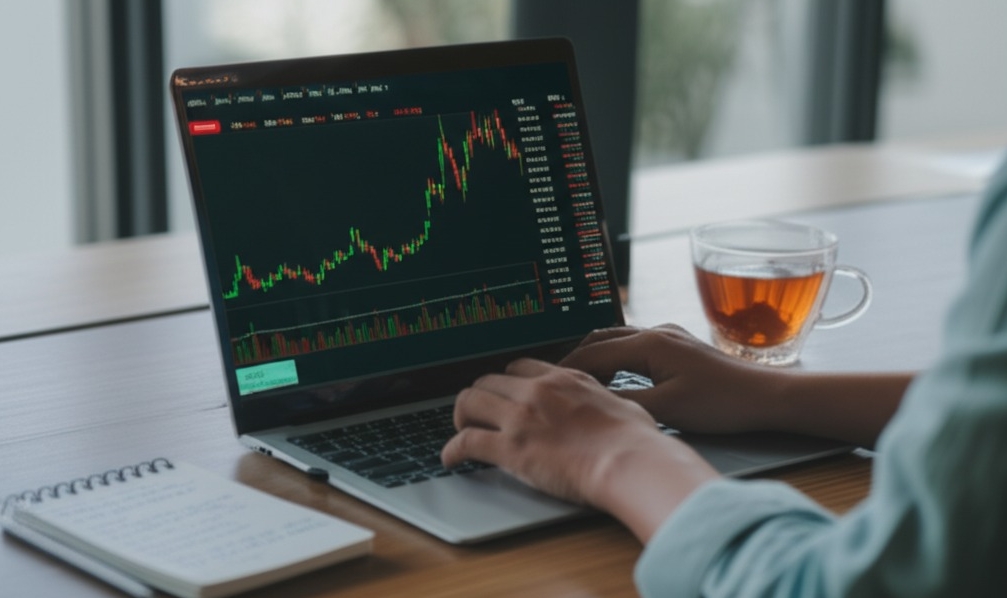
Developing patience in trading is like building good habits. It’s about consistency, delayed gratification, and sticking to your routine – even when the temptation to act impulsively is strong. Self-mastery and impulse control help you focus on the long-term goals, ensuring you make thoughtful decisions over quick wins. Discipline isn’t just about resisting the urge to act; it's about developing a system and sticking to it, day in and day out.
Handling Stress Without Losing Focus
Stress is inevitable, but how you manage it makes all the difference. Instead of letting anxiety derail your trades, develop effective coping mechanisms. Focus on mindfulness and stress reduction techniques like deep breathing or visualization. These tools can help you clear your mind, maintain emotional intelligence, and keep your concentration sharp. By maintaining calm in stressful moments, you can stay productive and keep your decision-making on point.
Building a Growth-Oriented Mentality
A growth mindset is the foundation of long-term success in trading. Embrace challenges as opportunities to learn, and always be open to feedback. Don’t fear failure; see it as a step toward self-improvement. Keep pushing yourself to develop new skills, learn from mistakes, and adapt your strategies. By focusing on continuous development and improvement, you’ll see progress, even through difficult times. Resilience and adaptability will be your greatest assets in this journey.
By training your mind for resilience, developing patience, managing stress, and fostering a growth mindset, you’ll build the mental toughness needed to succeed in trading. Embrace the challenges, and you’ll come out stronger on the other side.
Conclusion
Trading isn't just about the numbers on your screen; it's about learning from mistakes and growing stronger. Fixing those errors and confronting your weaknesses is how you’ll get ahead. Every loss isn’t a setback, it’s a lesson—so treat it like one.
Keep working on yourself. Identify where you’re slipping, and turn those weak spots into winning moves. Like they say, “The only bad workout is the one you didn’t do”—apply that to trading!
Remember, it’s not the wins but the lessons from your losses that matter most. Keep pushing forward!
Traders often make a few recurring mistakes, especially when they’re just starting out or not paying attention to their mental game. Some of the most common include:
Recognizing these pitfalls early can help you avoid them and improve your trading over time.
Overtrading: Trying to catch every opportunity and making impulsive decisions.
Ignoring risk management: Not setting stop-losses or trading too large a position size.
Chasing losses: Attempting to win back losses without sticking to a strategy.
Lack of patience: Not waiting for ideal setups, leading to missed opportunities.
Building mental resilience is all about training your mind to handle the highs and lows of trading. Here are a few ways to strengthen your mental game:
Remember, a resilient mindset is crucial for success, especially when things don’t go as planned.
Accept that losses are part of the game: Every trader has bad days. Don’t let a single loss shake your confidence.
Practice mindfulness: Techniques like meditation can help reduce stress and maintain focus.
Stay disciplined: Stick to your trading plan, even when emotions try to lead you astray.
Focus on the long-term: Don’t get discouraged by short-term setbacks; it’s the consistency that counts.
Recognizing your weaknesses can be tricky, but it’s the first step in fixing them. Here are a few signs you might be struggling with weaknesses:
Keep track of these behaviors, and address them with a structured approach.
Inconsistent results: If your trading results are erratic, it might point to weaknesses in strategy or mental habits.
Lack of discipline: Constantly deviating from your trading plan could indicate emotional trading.
Fear of loss: If you're constantly worried about losing, it might be holding you back from making bold moves.
Overconfidence: If you’re taking unnecessary risks or trading without enough analysis, it may be a sign of overconfidence.
Self-honesty means acknowledging your strengths and weaknesses as a trader without trying to justify or deny them. It’s about being honest with yourself regarding:
By practicing self-honesty, you’ll be better able to improve and make informed decisions in the future.
Your emotional triggers: Recognize when emotions are driving your trades, like fear or greed.
Your strategy's flaws: Acknowledge if your trading plan isn’t working, instead of blaming the market.
Your limits: Be honest about how much time and energy you can realistically commit to trading.
Turning weaknesses into strengths requires a combination of self-awareness and consistent effort. Here’s how you can approach it:
Transforming weaknesses into strengths doesn’t happen overnight, but with persistence, you’ll see progress.
Reflect and learn: After a loss or mistake, take the time to reflect on what went wrong. Use that experience to improve your strategy.
Work on emotional control: If you struggle with fear or impatience, try techniques like mindfulness to manage emotions better.
Make adjustments: If you notice certain habits holding you back (e.g., impulsivity), actively work on changing them with new habits or rules.
Seek feedback: Don’t be afraid to ask other experienced traders for advice or to review your trades.
It’s frustrating to make the same mistakes over and over again, but it’s often due to a few reasons:
To break this cycle, take time to assess what’s causing the mistakes and create a plan for moving forward.
Lack of proper analysis: If you’re not reviewing your trades and identifying patterns, you might miss the chance to fix them.
Emotional triggers: Fear, greed, or overconfidence can cloud your judgment and cause you to repeat past mistakes.
Inconsistent strategy: If you don’t have a solid, repeatable strategy, it’s easy to slip into bad habits.
Failure to learn: If you’re not actively seeking ways to improve and grow, you might end up stuck in a loop.
The fear of losing money is natural, but it can be managed by developing a few habits:
The more you embrace loss as part of the learning process, the easier it becomes to trade confidently.
Set clear stop-losses: Knowing your risk tolerance in advance helps you avoid emotional reactions when the market moves against you.
Start small: If you’re just starting out, trade smaller positions until you build confidence.
Understand the odds: Trading is a numbers game, so accept that losses are part of the journey.
Focus on the process, not the outcome: Shift your focus to executing your strategy well, rather than obsessing over whether you’ll win or lose.
A successful trading mindset is one that blends discipline, emotional control, and constant learning. Here’s how to cultivate it:
Developing a strong trading mindset is crucial for navigating the challenges that come with trading. Stay disciplined, and success will follow.
Stay patient: Don’t expect quick wins. Great trading takes time, and patience is key.
Embrace learning: Always be open to learning from your trades, whether you win or lose.
Manage expectations: Set realistic goals and understand that success is built over time.
Stick to your plan: Consistency in following your strategy will help you remain focused.