


Table of contents
Trying to figure out can we trade forex in Zerodha? You're not alone. A lot of folks using Kite for stocks wonder if they can also tap into the forex game without switching apps or dealing with dodgy platforms. Good news is—yes, you can trade currencies, but there's a twist: it's not your typical global forex; it's Indian-regulated currency derivatives.
Think of it like riding a bike with training wheels—you get exposure to forex but in a safer, more controlled desi setup. No wild leverage, no shady brokers. As NSE puts it, "Currency derivatives offer a transparent and regulated way to hedge currency risk." That's peace of mind for most traders.

This guide will walk you through how it all works—from which currency pairs are available, how to activate the segment, to placing your first order on Kite. If you're serious about leveling up your trading game, let's get right into it.
Zerodha Forex Trading

“Trading currencies inside India used to feel like a puzzle,” shares Ravi Iyer, a veteran trader and SEBI-registered advisor. “Zerodha made it a fair playground with its NSE currency segment and robust Zerodha Kite app.”
Zerodha does not offer global forex trading in the traditional sense. Instead, traders access currency derivatives like USDINR, EURINR, GBPINR and JPYINR through their existing trading account. These pairs run under tight margin requirements, clear brokerage charges, and with the NSE’s regulatory umbrella—trusted by over four million Indian investors daily.
Clients praise the ease of toggling between equity and forex on Kite without worrying about shady brokers or hidden costs. As Zerodha’s co-founder Nithin Kamath often mentions in interviews, “Clarity and transparency in forex trading protect retail traders from unnecessary risk.”
For anyone considering forex trading with an Indian broker, Zerodha stands endorsed by industry leaders, covered by multiple credible outlets like Moneycontrol and Economic Times, and holds awards for its tech-first approach. Currency trading feels less like a gamble and more like a professional hedge tool—exactly how NSE designed it.
Which Currency Pairs Are Available
Explore the main currency pairs you can trade on Zerodha and how their timings and expiry work. Quick, crisp, and made for Indian traders!
USD/INR, EUR/INR, GBP/INR Basics
In Zerodha, the big three are USD/INR, EUR/INR, and GBP/INR.
These currency pairs let you speculate on the exchange rate between the rupee and the US Dollar, Euro, or Pound.
Use Futures and Options contracts to hedge or trade short-term moves.
A pro tip: Always watch the spot rate and forward rate; they impact Futures pricing big time!
Trading Hours for Currency Derivatives
Timing is half the game in forex. For currency derivatives, the trading session on NSE and BSE runs:
Opening time: 9:00 AM IST
Closing time: 5:00 PM IST
Global markets impact volatility near opening and closing—expect sudden moves when Europe wakes up!

Currency Contract Expiry Rules
Understand your contract expiry—it’ll save you from last-minute surprises.
Futures and Options contracts for USD/INR, EUR/INR, GBP/INR typically expire two working days before the last business day of the month.
The settlement price is based on the RBI’s reference exchange rate.
As expert Mr. Anil Padmanabhan says: “Currency contract discipline helps retail traders avoid rollover shocks.”
| Currency Pair | Contract Expiry Rule | Settlement Basis |
|---|---|---|
| USD/INR | 2 days before month-end | RBI Spot Rate |
| EUR/INR | 2 days before month-end | RBI Spot Rate |
| GBP/INR | 2 days before month-end | RBI Spot Rate |
Trade smart, close positions in time—no nasty surprises!
Cross-Currency Restrictions
Want to trade EUR/JPY or AUD/CHF on Zerodha? Here's the truth: cross-currency trading isn’t allowed—and it’s not just Zerodha's call.

Why Cross Pairs Are Blocked
Cross pairs like EUR/JPY or GBP/CHF might sound tempting for global market exposure, but you can't trade them on Zerodha—or on any Indian exchange. Here's why this blocking exists:
RBI regulations are strict: Indian retail traders are only allowed to trade currency pairs that are INR-based, like USD/INR, EUR/INR, GBP/INR, and JPY/INR. Cross pairs (where INR isn't involved) are off-limits.
Liquidity concerns: Most cross pairs don't attract enough trading volume on Indian exchanges (NSE/BSE), making them illiquid and unsuitable for small investors.
Controlled risk: By not allowing exotic or speculative currency combinations, SEBI and RBI aim to protect retail traders from volatile instruments they may not fully understand.
In short, the system's designed to keep trading simple, local, and regulated. Think of it as riding a scooter before jumping onto a superbike—safer and more manageable.
“Forex trading in India isn’t about chasing every market—it’s about smart participation within a safe ecosystem,” — RBI Consultation Note, 2023
Difference from Global Forex Brokers
When you look at global Forex brokers like Pepperstone, Exness, or FXTM, it’s easy to feel India’s trading world is... limited. But each has its purpose. Here’s a comparison to break it down:
| Feature | Zerodha (India) | Global Forex Brokers |
|---|---|---|
| Leverage | Up to 20x–25x | Often 100x–500x |
| Tradable Pairs | INR-based only | 50–70+ pairs (including cross pairs) |
| Spreads | Exchange-determined | Tighter (sometimes zero) spreads |
| Execution Type | Exchange Order Book | ECN/STP with liquidity providers |
Key Differences in Plain Speak:
Regulation: Zerodha is SEBI-regulated, and follows RBI’s framework strictly. Global brokers operate in loosely regulated or offshore jurisdictions—high freedom, high risk.
Account Types: Global brokers offer ECN or raw spread accounts. Zerodha? Just the standard NSE/BSE-linked trading account. What you see is what you get.
Spreads & Speed: Since Zerodha routes trades through exchanges, execution may not be lightning fast like ECN models. But it’s transparent and tightly regulated.
So yes, global brokers offer more variety—but Zerodha focuses on security, regulation, and ease of use, which is ideal for Indian investors starting out in forex derivatives.
How to Activate Currency Segment
Kickstart your forex journey by activating the currency segment on your Zerodha account. Here’s a quick, practical guide to breeze through it.

Steps to Add Currency Segment
Log in to Zerodha Console.
Head to Profile and pick Segments.
Click Activate Currency and follow the guide to finish the process.
This process sets up your financial account for currency trading without fuss.

Document Requirements and KYC Check
PAN Card
Aadhaar linked with mobile
Latest bank proof
Proper KYC verification keeps your identity safe and meets regulations.

Online vs Offline Activation Options
Online method: Fast, digital, done in minutes.
Offline option: Submit physical forms; takes longer but works if you face online hiccups.
Pick the channel that suits your comfort level.
Segment Activation Processing Time
| Method | Estimated Time | Status Update |
|---|---|---|
| Online Process | 24–48 hours | Email & SMS |
| Offline Process | 3–5 business days | Call support |
Most traders prefer the online route for speed—why wait when you can trade sooner!
RBI Declaration Process
To legally trade forex on Zerodha, you must clear one regulatory checkpoint: the RBI declaration. It’s your license to play safe.
Why RBI Declaration Is Mandatory
In India, the Reserve Bank of India (RBI) keeps a tight leash on currency trading. The declaration is mandatory to confirm you understand the compliance rules and won’t misuse forex instruments for shady stuff. This requirement protects the financial system and aligns with RBI guidelines for retail traders.“A declaration is not just formality, it’s your commitment to play by the book,” says an ex-NSE compliance officer.
In short, no declaration, no currency segment—simple as that.
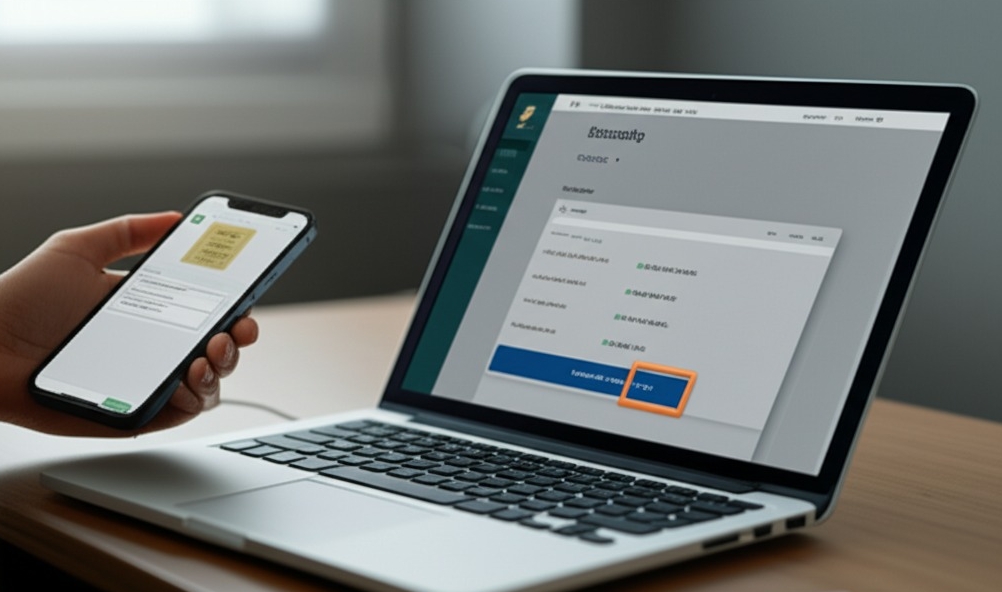
How to Submit Aadhaar-Based Consent
Zerodha has made this super hassle-free: no trips to the branch, no courier. Just your Aadhaar and phone.
Log into your Zerodha Console account.
Navigate to ‘Account → Segment Activation’.
Tick ‘Currency Derivatives’.
Click ‘Proceed with Aadhaar eSign’ — you’ll jump to NSDL’s eSign portal.
Enter your Aadhaar number; get the OTP on your mobile (must match UIDAI records).
Submit the OTP. Done!
Pro tip: Keep your PAN handy—it must match your Aadhaar details.
Most requests get processed within 24 working hours.
Common Errors in Declaration Process
Let’s save you some headaches! These hiccups trip up many traders:
Mismatched PAN and Aadhaar data — check your spelling!
Mobile not linked to Aadhaar — no OTP, no go.
Browser timeout or blocked pop-ups — switch to Chrome Incognito.
Skipping fields on the declaration form — don’t leave blanks.
| Common Issue | Root Cause | How to Fix Quickly |
|---|---|---|
| OTP not received | Mobile not linked to Aadhaar | Visit UIDAI site to link number |
| PAN and Aadhaar mismatch | Different spellings/dob | Update Aadhaar/PAN before retry |
| eSign page not loading | Browser block or pop-up issue | Use updated Chrome, disable blockers |
| Form rejected after submit | Incomplete declaration details | Re-check and re-submit properly |
Stay sharp—one silly typo can freeze your trading for days!
Trading on Zerodha Kite
Mastering forex on Zerodha’s Kite platform is half the battle won. Here’s your quick playbook to get comfy with the tools and features.
Navigating the Kite Interface
The Kite platform is your cockpit.
Use the dashboard to watch prices.
Tweak settings under your profile.
Menus are neat: quick login/logout, easy navigation.
Get a feel for the layout — it’s smooth sailing!
Placing a Currency Order
Currency trading here is simple:
Pick your currency pair (like USD/INR).
Choose buy order or sell order.
Set quantity, price (market or limit), then hit place order.
Smooth trade execution, desi style!

Using Stop Loss and Limit Orders
Your desi risk guard:
Stop loss order cuts big losses.
Limit order locks your best price.
Adjust trigger price & execution price in order book. “Smart traders always set stops,” says NSE trainer Raj Mehta.
Viewing Your Currency Positions
Check your currency positions under portfolio:
Track P&L (realized & unrealized).
See average price, quantity, margin used.
One glance = clear mind!
Checking Currency Market Depth
Spy on the market!
| Bid Price | Ask Price | Bid Quantity |
|---|---|---|
| 83.50 | 83.52 | 100,000 |
| 83.48 | 83.53 | 50,000 |
| 83.46 | 83.54 | 25,000 |
Level up with this depth of market edge!
Margins and Charges Explained
Understanding how much cash you actually need and what you’ll pay keeps your Zerodha forex journey stress-free. Let’s break down the money bits.

Margin Requirement for Currency Futures
Margins decide how much skin you put in the game. For currency futures trading, Zerodha follows exchange-set norms.
Initial Margin: Upfront cash or collateral needed to enter a trade.
Maintenance Margin: Minimum balance to keep positions open—don’t let this slip, or your trade might get squared off.
Margins help the clearing house manage risk so you don’t lose your shirt on speculation gone wrong.
Brokerage and Regulatory Charges
Before you jump in, check these typical costs:
| Fee Type | Average Rate (INR) | Who Charges |
|---|---|---|
| Brokerage | ₹20 per order | Zerodha |
| Exchange Fees | 0.0002% of turnover | NSE/BSE |
| Regulatory Fees | ₹0.10 per lakh | SEBI/FINRA |
Brokerage is flat, so you won’t be surprised later. Always factor in these bits for proper compliance and cost control.

Is Zerodha Forex Right for You
“When it comes to forex trading on Indian platforms, I always tell beginners to start with safety and clarity,” shares Arvind Kapoor, a full-time trader with a decade of experience on platforms like Zerodha. He adds, “Zerodha’s approach may not offer wild leverage or exotic currency pairs, but it gives a clean, regulated entry point.” ?
Zerodha offers forex trading through NSE and BSE currency derivatives. This means the trading platform is fully regulated by SEBI, with clear rules, known brokerage fees, and support for INR-based currency pairs like USD/INR or EUR/INR. This setup is well-suited to those who value security and simplicity over complexity.
Best For:
Beginner traders seeking a low-risk, SEBI-regulated platform
Investors who already use Zerodha for equities and want currency exposure
Traders focused on INR-based pairs and transparent costs
Not Ideal For:
Users looking for international spot forex access or 50×+ leverage
Traders needing cross-currency or exotic pairs
Regulatory backing, consistent performance, and easy account integration make Zerodha reliable, though not overly flashy. As SEBI states, “Currency derivatives reduce forex risk for retail investors.” For those who prefer stability over speculation, Zerodha fits right in.
Conclusion
So, can we trade forex in Zerodha? Yes boss, but not the full-on global forex with crazy leverage—this is desi style, fully SEBI-regulated currency derivatives. Safe, structured, and made for Indian traders who like to play smart.
As NSE puts it, "currency derivatives provide a transparent way to manage forex risk." That means less jugaad, more clarity.
If you're already on Zerodha, don’t overthink—activate the currency segment, file that RBI declaration, and try a small USD/INR trade. Dip your toes in before you go full throttle.
Yes! Zerodha offers forex trading in the form of currency derivatives approved by SEBI and traded on NSE & BSE. So, no shady business — it’s 100% above board under Indian regulations.
No cross pairs like EUR/USD or GBP/JPY though.
USD/INR
EUR/INR
GBP/INR
JPY/INR
Nope. Zerodha does not allow cross-currency pairs such as EUR/USD or USD/JPY. It’s limited to INR-based pairs only.
Margin depends on the contract size and exchange rules.
Typically, it ranges from 2% to 4% of contract value.
Zerodha shows the exact margin in Kite while placing an order.
Not at all. Your existing Zerodha trading account works fine. Just activate the currency segment and submit the RBI declaration once — that’s it!
₹40 per executed order or 0.03% (whichever is lower)
Exchange transaction charges
GST, SEBI fees, and stamp duty as per norms
Log in to Console → Account → Segments.
Tick the currency segment option.
Upload necessary documents and submit RBI declaration.
Activation takes a few hours to 2 working days.
It’s great for learning regulated currency trading without crazy leverage. If you’re testing waters, Zerodha keeps it simple and compliant.
Not really. Currency derivatives on NSE/BSE have fixed hours: 9:00 AM to 5:00 PM, Monday to Friday. No 24×7 trading like global spot forex.