


Table of contents
Part 1 - What Is Contractionary Monetary Policy?
Part 2 - Main Tools of Contractionary Policy
Part 3 - How Does It Control Inflation?
Part 4 - Interest Rates and Credit Costs
Part 5 - Open Market Operations Explained
Part 6 - When Do Central Banks Tighten Policy?
Contractionary Monetary Policy: What is it and How Does it Work? sounds like a mouthful, but it’s really just a way central banks put the brakes on a hot economy. Think of it like tightening your belt when things are getting a little too loose. When prices start to rise too quickly, the central bank steps in to slow things down and keep inflation in check.
But how do they do this? Well, they raise interest rates and tweak other tools to make borrowing more expensive. It’s a bit like making your credit card fees higher so people spend less, helping to cool off the economy. It’s not about stopping growth—it’s about keeping things steady and sustainable.
As economist Paul Krugman puts it, “The trick is not to go too far, just far enough.” By the end of this article, you’ll understand how these moves affect everything from your loans to your paycheck, and why they matter in today’s economy.
What Is Contractionary Monetary Policy
Contractionary monetary policy is a central bank strategy aimed at slowing down an economy by reducing the money supply and raising interest rates. Let’s break it down.

Defining Contractionary Monetary Policy
Contractionary monetary policy is a central bank’s tool to control inflation and prevent the economy from overheating. By reducing the money supply and raising interest rates, central banks aim to curb excessive credit and lower inflation. The goal is to reduce economic activity, particularly by slowing down borrowing and spending. It tightens liquidity and reduces aggregate demand, keeping inflation in check while ensuring sustainable growth.
Why Central Banks Use It
Central banks implement contractionary policies mainly to control inflation, prevent asset bubbles, and maintain economic stability. If inflation runs too high, the economy risks overheating—prices skyrocket, and demand outstrips supply. By raising interest rates and managing the money supply, central banks can cool things off, ensuring a smoother, more sustainable economic cycle. This helps maintain price stability and keeps economic growth on track without triggering a recession.
Key Goals of Contractionary Policy
The primary goal is price stability, achieved by reducing inflation and curbing excessive demand. When an economy is overheating, central banks act to cool it down and manage inflation expectations. This policy prevents unsustainable growth and ensures long-term economic stability. Key goals include controlling inflation, reducing borrowing, and maintaining a balance in economic activity. With lower inflation, growth remains steady, helping maintain stable prices and reducing financial instability in the future.
Main Tools of Contractionary Policy

Raising Interest Rates
When a central bank raises interest rates, borrowing money becomes more expensive. This makes it harder for consumers and businesses to take out loans or credit, which slows down spending. The Federal Reserve often raises the federal funds rate as part of its monetary policy to combat inflation. Higher rates also impact the prime rate, affecting everything from mortgages to car loans. By pushing borrowing costs up, the central bank reduces demand and controls inflation.
Reserve Requirement Adjustments
Central banks can change the reserve requirements for commercial banks, which is the minimum percentage of deposits they must keep in reserve. When reserve requirements are increased, banks have less money to lend out. This restricts credit availability in the economy, making it harder to get loans, which in turn slows spending. This tool is a key part of the fractional reserve banking system, and when adjusted, it directly affects the liquidity available in the banking system.
Selling Government Securities
Open market operations involve buying or selling government securities like treasury bills or government bonds. When a central bank sells government securities, it takes money out of circulation, reducing liquidity in the financial markets. This pulls cash away from consumers and businesses, making it more difficult to access money for spending or investment. By doing this, the central bank helps raise interest rates, which curbs inflationary pressures.
| Action Taken | Effect on Money Supply | Effect on Interest Rates |
|---|---|---|
| Selling Treasury Bills | Decreases money supply | Increases interest rates |
| Selling Government Bonds | Decreases liquidity | Drives up borrowing costs |
| Quantitative Tightening | Reduces available cash | Further restricts credit |
Reducing the Money Supply
One of the central goals of contractionary monetary policy is to reduce the money supply. This can be achieved through various tools, including raising interest rates, adjusting reserve requirements, and selling government securities. As the money supply shrinks, it becomes more difficult to borrow and spend, which in turn slows economic activity and reduces inflation. These actions are designed to reduce aggregate demand, stabilizing prices without causing a full-blown recession.
These tools are often used together to achieve the desired effect of reducing inflation and controlling the economy. By carefully adjusting each tool, central banks aim to balance economic growth and inflation, ensuring a stable financial environment.
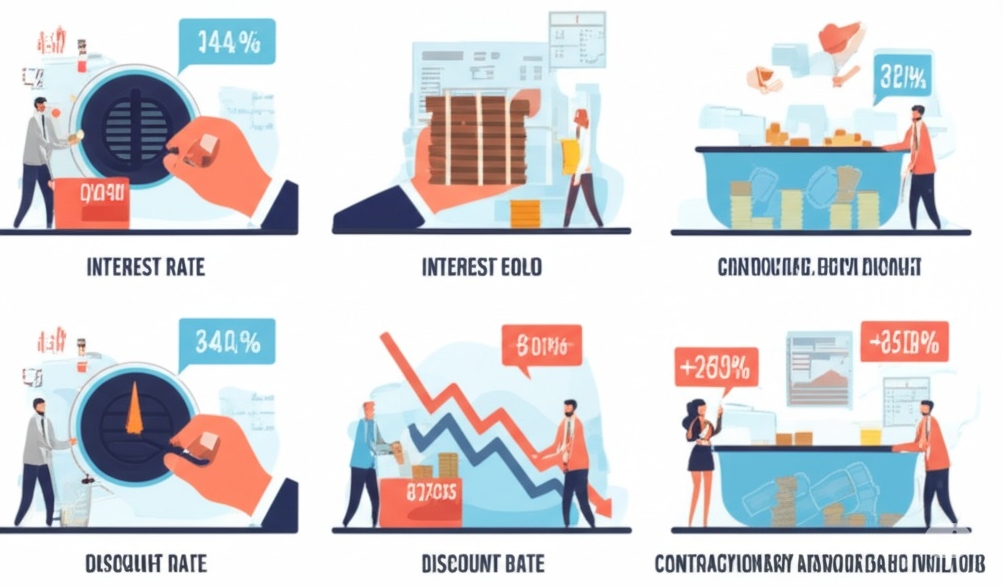
How Does It Control Inflation?
Inflation control is a primary goal of contractionary monetary policy. By strategically adjusting tools like interest rate hikes, money supply reduction, and aggregate demand management, central banks strive to stabilize prices across the economy. But how exactly does this work, and how do these tools come into play?
Interest Rate Hikes: One of the most direct methods used by central banks to control inflation is raising interest rates. Higher interest rates make borrowing more expensive, which leads to a reduction in consumer spending and business investment. This decrease in demand helps reduce upward pressure on prices. It is often said that increasing interest rates "tighten the purse strings" of the economy, making consumers think twice before making large purchases.
Money Supply Reduction: Central banks can reduce the money circulating in the economy by selling government securities in open market operations. By doing this, they effectively "soak up" excess money from the system. Less money in circulation means that there is less demand for goods and services, which helps bring inflation under control. It is like reducing the fuel feeding a fire to make it burn out.
Aggregate Demand Decrease: The combination of higher interest rates and a lower money supply contributes to a decrease in aggregate demand. When demand slows down, it takes some of the pressure off producers to raise prices to meet that demand. This overall slowdown in economic activity cools inflation, aligning with the central bank's goal of maintaining price stability.
Central Bank Tools: The tools central banks use, including the discount rate and reserve requirements, are designed to directly impact how banks lend and borrow money. Raising the discount rate makes borrowing from the central bank more expensive, and adjusting reserve requirements limits how much money banks can lend out. These adjustments reduce the amount of money circulating in the economy, helping to control inflation.
Ultimately, the goal is to create a balance—slowing down the economy just enough to prevent runaway inflation, while still allowing it to grow at a healthy, sustainable pace. By using these tools, central banks guide the economy with a steady hand, striving for price stability and long-term economic health.
Interest Rates and Credit Costs
Interest rates and credit costs play a huge role in our economy. Here’s a quick breakdown of how they affect everything from your loan to the broader market.

How Rising Interest Rates Slow Borrowing
Rising interest rates are like a “red light” for borrowing. When central banks hike rates, it makes loans more expensive. People hesitate to borrow because the cost of financing—whether for a car, a house, or business—is higher. With this increased borrowing cost, there's less loan demand, which helps slow down the economy and keep inflation in check.
Impact on Personal Loans and Mortgages
When interest rates rise, personal loans and mortgage rates follow suit. That means home buyers feel the pinch as housing becomes less affordable. Consumers also rethink their plans to refinance. In some cases, the higher rates make it harder to manage debt, ultimately cooling down the housing market and slowing consumer spending.
The Role of Credit Costs in Economic Behavior
Credit costs shape how we spend and invest. When borrowing becomes more expensive, people cut back on big-ticket purchases. Businesses may scale back expansion plans or delay investments. When credit is tight, consumer confidence drops, leading to lower spending and fewer investments—just the kind of slowdown central banks want to create during inflationary periods.

Interest Rate Hikes and Consumer Spending
Higher interest rates directly affect consumer spending. With more money going towards loan payments, disposable income shrinks, and people have less to spend on everyday items. As retail sales decline, the economy slows, and inflationary pressures ease. The upside? People save more and might start to budget better as they feel the weight of higher costs.
Effects on Business Investment
For businesses, rising interest rates mean higher financing costs. This can throw a wrench in capital expenditures or corporate expansion plans, as borrowing becomes more expensive. Companies often scale back on investments, leading to slower economic growth. Lower business investment can cause a dip in job creation and corporate profitability, which all ties into the broader economic picture.
Open Market Operations Explained
Open Market Operations are one of the central tools the Federal Reserve uses to control money supply and interest rates. Here’s how they work and their impact on the economy.

How Open Market Operations Work
When the Federal Reserve wants to adjust the money supply, it buys or sells government securities like Treasury bonds. This activity influences the reserves that banks hold, affecting their ability to lend and thereby impacting the overall money supply. The central bank does this through its Open Market Committee, which determines the scale of buying or selling.
Key impacts:
Buying Bonds = Increases reserves and liquidity.
Selling Bonds = Reduces money supply and can raise interest rates.
It’s like a seesaw balancing the economy’s need for growth with the control of inflation.
Impact of Selling Government Bonds
Selling government bonds means the Fed is pulling money out of the system, which can lead to higher interest rates. This usually happens when the central bank wants to curb inflation or cool down an overheating economy. When bonds are sold, the bond market sees higher yields (which leads to higher borrowing costs), reducing consumer and business spending.
This action also impacts government debt and national spending:
Higher borrowing costs for businesses and the government.
Increased difficulty in financing budget deficits.
Crowding out private investments due to higher government debt.
By managing this balance, the central bank aims to keep the economy on track.
When Do Central Banks Tighten Policy
Central banks tighten policy based on economic conditions that signal overheating. Let's explore the key indicators behind these decisions.

Signs of an Overheating Economy
An overheating economy signals a need for central banks to act. High demand, low unemployment, and wage growth can push the economy beyond its productive limits. This leads to inflation pressure, supply shortages, and even asset bubbles. If credit expands too quickly, it might create an unsustainable economic boom. Tight labor markets and productivity slowdowns are also signs that the economy is running hot.
When Inflation Crosses Target Levels
Inflation reaching or exceeding a central bank’s target level is a red flag. It erodes purchasing power and destabilizes economic growth. Central banks will typically raise interest rates or use other tools to restore price stability. The Consumer Price Index (CPI) and Producer Price Index (PPI) are common inflation indicators that central banks monitor.
Rising Asset Prices and Speculation
Speculative bubbles can inflate asset prices:
Overvaluation in the stock market, real estate, or bonds
Sharp increases in capital gains without fundamental backing
Investor sentiment and market volatility signal rising risk.
Economic Cycles and Timing Policy Shifts
Policy shifts occur in response to economic cycles:
Peak = Tighten policy
Trough = Ease policy
Recovery = Monitor policy adjustments to balance expansion and stability
Key indicators like GDP growth and unemployment guide the timing.
Contractionary vs Expansionary Policy

What Is Expansionary Policy?
Expansionary policy is all about boosting the economy. Central banks cut interest rates, and governments might increase spending or reduce taxes. This creates more money in the system, which drives up demand for goods and services. It’s typically used during a recession to prevent a slow economy from shrinking further. Think of it as putting the pedal to the metal during a financial slowdown to speed things up.
Differences Between the Two Policies
Contractionary and expansionary policies are like two sides of the same coin.
Contractionary policy slows down an overheated economy by raising interest rates and cutting the money supply to curb inflation.
Expansionary policy works in the opposite way, aiming to stimulate economic growth by lowering interest rates and increasing government spending.
| Policy Type | Goal | Key Tool |
|---|---|---|
| Contractionary Policy | Combat inflation, stabilize economy | Raise interest rates, decrease money supply |
| Expansionary Policy | Stimulate growth, reduce unemployment | Lower interest rates, increase government spending |
When Is Each Policy Used?
Expansionary policy is used during a recession or economic downturn to fight high unemployment and weak demand. The goal is to inject money into the system to boost consumption and investment.
Contractionary policy comes into play during an economic boom or when inflation is high, aiming to cool down an overheated economy. It helps bring inflation under control by raising interest rates and cutting the money supply.
In short, expansionary policy is the go-to for recessions, while contractionary policy helps avoid runaway inflation. Both play a crucial role in maintaining economic balance.
Real-World Impact and Examples
Let's take a look at two real-world examples of contractionary monetary policy in action: Volcker’s battle against 1980s inflation and the Federal Reserve’s response to the 2008 financial crisis.

Volcker’s Fight Against Inflation in the 1980s
In the early 1980s, inflation was spiraling out of control, and the U.S. economy was on the brink of chaos. Paul Volcker, head of the Federal Reserve, stepped in with aggressive interest rate hikes. The goal was simple: fight inflation, even if it meant triggering a recession. The result? A painful but successful period of disinflation. Interest rates soared, hitting 20%, but by the mid-1980s, inflation had dropped significantly. Though it caused a deep recession, Volcker’s policies laid the groundwork for long-term stability.
Modern Examples: The 2008 Financial Crisis Response
The 2008 financial crisis was a wake-up call for monetary policy. After the collapse of Lehman Brothers and a plunge in the stock market, the Federal Reserve faced the worst economic downturn since the Great Depression. To stabilize the economy, the Fed slashed interest rates and launched open market operations to inject liquidity. This, combined with massive bailouts like TARP, helped stabilize the banking system. While fiscal policy (like the stimulus package) played a major role, the Fed’s actions were critical in avoiding a complete financial collapse. Even so, the effects are still being felt today.
Conclusion
Contractionary monetary policy might sound like a mouthful, but it’s really just central banks hitting the brakes when the economy starts speeding out of control. By raising interest rates and tightening the money supply, they cool things down to prevent runaway inflation.
Sure, it means higher borrowing costs, but it also keeps your dollar from losing value. As economist Milton Friedman once said, "Inflation is always and everywhere a monetary phenomenon."
Ultimately, these policies are like a financial reset button—necessary for long-term stability, even if they come with short-term pain. Keep an eye on these moves, as they’ll shape your wallet and the economy for years to come.
Contractionary monetary policy is a strategy used by central banks to slow down economic growth. This approach aims to reduce inflation by tightening the money supply and raising interest rates. It’s like hitting the brakes when the economy is speeding up too much.
In short: It’s about reducing the amount of money circulating in the economy to prevent things from getting too out of hand.
Central banks use contractionary monetary policy to raise interest rates, which makes borrowing more expensive. This discourages people from taking out loans and spending excessively, thus reducing demand in the economy. Less demand means prices stop rising so quickly.
It helps keep inflation in check and ensures the economy doesn’t overheat.
Increase interest rates to make borrowing more expensive
Lower money supply through open market operations
Reduce consumer spending by increasing credit costs
The primary tools include raising interest rates, selling government securities, and increasing reserve requirements for banks. These tools limit the amount of money available to spend or invest, cooling down the economy.
When interest rates go up, it becomes more expensive to borrow money. As a result, people are less likely to take out loans for big purchases, and businesses may hold off on expanding. This slowdown in spending helps reduce demand and, consequently, inflation.
Borrowing becomes expensive
Less consumer spending
Business investment slows down
Overall economic growth slows
Open market operations (OMO) involve the buying and selling of government bonds. When the central bank sells these bonds, it reduces the money circulating in the economy. This is a key method to reduce inflation and control the money supply.
In a nutshell: OMO essentially helps control the amount of money banks have to lend, impacting how much people and businesses can borrow.
Central banks turn to contractionary monetary policy when inflation is rising too fast or when there are signs that the economy is overheating. It's about finding that balance—tightening just enough to prevent runaway inflation without crashing the economy.
Contractionary monetary policy focuses on slowing down the economy to control inflation, while expansionary monetary policy aims to stimulate the economy by increasing the money supply and lowering interest rates.
Contractionary: Slows down the economy, raises rates, reduces money supply
Expansionary: Stimulates the economy, lowers rates, increases money supply
The 1980s Volcker Fed: The U.S. Federal Reserve under Paul Volcker raised interest rates to over 20% to curb high inflation. It worked, though it led to a recession.
The 2008 Financial Crisis: In response to a rapidly collapsing economy, central banks initially loosened monetary policy, but later shifted to contractionary policies to stabilize inflation.
While contractionary monetary policy can keep inflation in check, it also comes with risks:
It’s all about balancing the brakes with the gas pedal to avoid stalling the economy.
Higher unemployment: Slower economic growth can lead to job losses as businesses reduce spending.
Recession risk: If central banks tighten too much, it can slow the economy down too far, causing a recession.
Weaker investments: Reduced credit availability can make it harder for businesses to invest in new projects or expansions.