


Table of contents
What is a Currency Pair might sound like finance jargon, but it’s the bread and butter of forex trading. Think of it like a tug-of-war between two currencies—say, the euro and the dollar—constantly shifting in strength. If you're new to the game, trying to figure out which pair to trade can feel like standing in a foreign market with no price tags.
Traders don’t just wing it. As Warren Buffett once said, "Risk comes from not knowing what you're doing." Knowing how currency pairs work, how they're priced, and what drives their value is half the battle.
This article cuts through the noise. You'll learn the basics, compare top pairs, and pick up beginner-friendly strategies so you're not just trading blind. Let’s break it down, piece by piece.
1. What Is a Currency Pair in Forex Trading?
"Every time I opened the trading app, I saw pairs like EUR/USD or GBP/JPY blinking on the screen," said Marco Tran, a retail Forex trader with six years of experience. "At first, I had no idea I was looking at the heartbeat of the foreign exchange market."
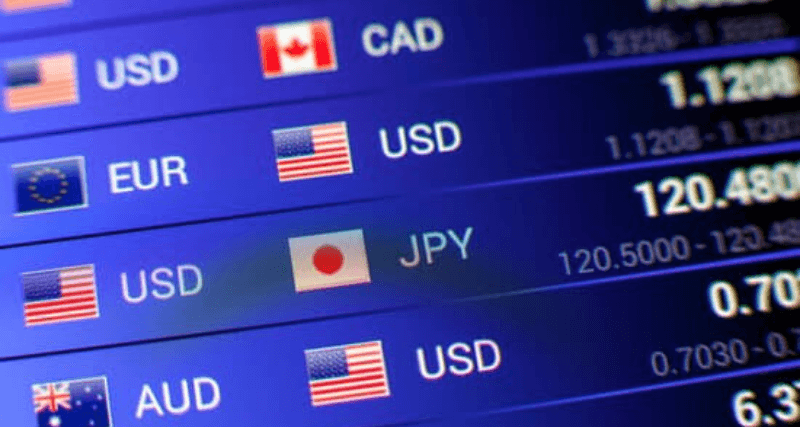
A currency pair in forex trading represents the exchange rate between two global currencies. It shows how much of one currency (the quote currency) is needed to buy one unit of another (the base currency). For example, if EUR/USD is 1.1000, it means one Euro is worth 1.10 US Dollars. This format, regulated under ISO 4217 standards, uses internationally recognized currency symbols, ensuring consistency worldwide.
Forex (also written as FX) is the largest and most liquid financial market. Traders, banks, and governments interact daily, exchanging values in a decentralized, global system known as the foreign exchange market.
Financial data aggregators such as Bloomberg and Reuters use currency pairs to quote live rates. Most platforms now offer built-in currency converters for real-time conversions.
According to data from the Bank for International Settlements, the Forex market sees over $7.5 trillion in daily volume. Experts like Kathy Lien, managing director at BK Asset Management, state that "understanding currency pair dynamics is non-negotiable for serious traders."
When choosing pairs to trade, clarity in understanding the base and quote structure is crucial. This knowledge builds the foundation for every technical or fundamental decision that follows.

2.How Do Currency Pairs Work in Forex?
Bid and Ask in Currency Pairs
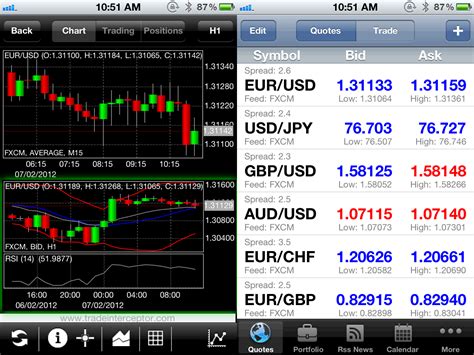
In Forex trading, the Bid Price is what buyers are willing to pay, while the Ask Price is what sellers want. The difference between them is called the Spread, which is how Brokers and Market Makers earn. A lower spread usually means more liquidity and lower transaction costs for traders.
For example:
| Currency Pair | Bid Price | Ask Price | Spread (Pips) |
|---|---|---|---|
| EUR/USD | 1.1050 | 1.1052 | 2 |
| USD/JPY | 149.60 | 149.63 | 3 |
Even a tiny spread matters when you're trading large lot sizes—so pay attention!
Understanding Base and Quote Currency
In every Currency Pair, the first currency is the Base Currency, and the second is the Quote Currency. The Exchange Rate shows how much of the quote currency is needed to buy one unit of the base.
Example:
In EUR/USD, EUR is the base; USD is the quote.
If the pair is 1.1000, it means 1 EUR = 1.10 USD.
The format is standard thanks to ISO Currency Codes, and traders should recognize direct quotes (your domestic currency is the base) vs. indirect quotes.
Forex Market Hours Impact
Forex runs 24 hours, but that doesn’t mean equal action all the time! Liquidity and volatility shift based on global trading sessions:
Asian Session (Tokyo): Slow but stable.
European Session (London): High liquidity, major moves.
North American Session (New York): Big swings, overlaps London.
Timing your trades to overlap high-volume periods increases your chances of catching strong market moves. Economic news drops can add fuel to the fire—so mind those calendars!
What Affects Currency Pair Movement
“The price of a currency pair is like the mood of a crowd—always changing and influenced by a thousand things,” says Marcus Allen, FX strategist at GlobalEdge Markets.
Economic data releases, central bank policies, and interest rates play a huge role. But don’t ignore geopolitical events, like elections or wars—they shake up market sentiment and cause quick reversals.
Short-term moves often stem from technical analysis, while long-term trends follow fundamentals like GDP growth, inflation, and supply and demand.
3.Major vs Minor Currency Pairs
Top Major Currency Pairs List
In Forex trading, major currency pairs involve the USD paired with other dominant global currencies. These are the most traded pairs in the world and often offer lower spreads due to high liquidity.
| Currency Pair | Region | Avg. Daily Volume (USD Bn) |
|---|---|---|
| EUR/USD | Eurozone/US | 1,100 |
| USD/JPY | Japan/US | 900 |
| GBP/USD | UK/US | 650 |
| USD/CHF | Switzerland/US | 300 |
| USD/CAD | Canada/US | 260 |
| AUD/USD | Australia/US | 250 |
| NZD/USD | NZ/US | 200 |
These major currencies are staples in Forex trading because they reflect stable economies and have vast market depth.
When to Trade Minor Pairs
Minor currency pairs don’t include the USD, like EUR/GBP or AUD/NZD. They’re cool for traders looking to shake things up — but timing is everything.
Market Conditions: Minors are more volatile. Only trade them when markets are calm or when you’re banking on a strong move.
Trading Time: Match the currency with its active session. For example, trade EUR/CHF during European hours.
Watch That Spread: Minors often have wider spreads, so be picky — especially during low liquidity times.
Risk Management is Key: Use stop-losses and stay updated with the economic calendar. News hits minors hard.
As one trader put it: "Minors aren’t for the faint-hearted. But they pay off when you time it right."
4.How to Choose the Best Currency Pair?
Currency Pair Volatility Levels
Understanding the volatility of currency pairs helps traders align with market conditions. High-volatility pairs like GBP/JPY or EUR/TRY can offer larger price swings, appealing to short-term traders chasing quick profits. On the flip side, lower-volatility pairs such as EUR/USD or AUD/NZD tend to behave more predictably — perfect for more conservative strategies.
Volatility is influenced by economic data, news events, and trading sessions. Use technical analysis tools like Bollinger Bands or ATR to measure price action and apply effective risk management.
Here’s a quick volatility snapshot:
| Currency Pair | Avg Daily Range (Pips) | Volatility Rating |
|---|---|---|
| GBP/JPY | 130 | High |
| EUR/USD | 80 | Medium |
| USD/CHF | 60 | Low |
Match Pair to Trading Style
No cap — your trading style totally dictates what currency pair makes sense. Scalpers? You want tight spreads and quick movers like EUR/USD. Swing traders? Look for juicy trends, like AUD/JPY. Your risk tolerance, strategy, and even how often you check the charts all matter.
Choose based on:
Scalping: EUR/USD, USD/JPY
Day trading: GBP/USD, USD/CAD
Swing/position trading: NZD/JPY, EUR/AUD
Blend technical indicators with fundamental analysis to get the most accurate read on the forex market.
Time Zones and Pair Selection
Align your trading hours with active market sessions.
The London–New York overlap offers top liquidity and volatility.
Trading the Asian session? Think USD/JPY or AUD/JPY — less noise, steadier moves.
Quote to remember:
“The best currency pair is the one that fits your schedule and your strategy.” — Lena Morrell, FX Analyst at Saxo Bank
By syncing your session with the right currency pairs, you reduce noise and trade smarter.
5.Top Traded Currency Pairs Today
Why EUR/USD Leads the Market
The EUR/USD is hands down the heavyweight champ of the Forex Market — and for good reason. It pairs the Euro and the US Dollar, two of the most powerful currencies globally, backed by two major economic blocs.
Massive Trading Volume: The EUR/USD accounts for roughly 20% of daily forex transactions, making it the most traded currency pair worldwide.
High Liquidity: Due to its popularity, there's always someone buying or selling, which keeps bid-ask spreads tight and trading costs low.
Clear Monetary Policy Signals: Both the Federal Reserve and the European Central Bank are transparent with their interest rate policies, reducing surprises.
Daily Trading Volume Snapshot (in billions USD)
| Currency Pair | Daily Volume | Spread Avg (pips) |
|---|---|---|
| EUR/USD | 1,100 | 0.8 |
| USD/JPY | 900 | 1.2 |
| GBP/USD | 650 | 1.5 |
“Liquidity drives efficiency — and EUR/USD is the most efficient pair in the market,” says Linda Raschke, veteran trader and market strategist.
Most Liquid Forex Pairs Explained
Alright, so you've heard the term "liquidity" tossed around. But what does it actually mean? Think of it like this — liquid forex pairs are the ones you can trade fast, with minimal price slippage and low transaction costs. Pretty sweet, right?
Major Pairs = High Liquidity
EUR/USD, USD/JPY, and GBP/USD are kings when it comes to market depth and trading volume.Minor and Exotic Pairs = Less Liquid
These guys can be more volatile and come with wider bid-ask spreads — which means higher transaction costs.
In short, if you're new to trading or just want smoother execution, stick with the majors. They’re easier to predict and way more forgiving on your wallet.
6.Currency Pair Spreads Explained
What Is a Spread in Forex?
In Forex, the spread is the difference between the bid price and the ask price of a currency pair. It’s essentially the cost of making a trade and is measured in pips. For example, if EUR/USD has a bid of 1.1200 and an ask of 1.1202, the spread is 2 pips.
Most brokers make money through spreads instead of charging a commission. The tighter the spread, the lower your transaction cost. High-volume traders (those trading full lots) can save big by focusing on pairs with narrow spreads.
Fixed vs Variable Spreads
<1> Fixed spreads stay the same, even when the market volatility spikes.
<2> Variable spreads, however, fluctuate with liquidity and demand — especially during major news events.
Fixed spreads are great for newbies who want predictability. But advanced traders might favor variable spreads for lower trading costs in normal conditions.
"During calm markets, variable spreads can be incredibly tight, saving scalpers money," says Anna Lee, senior analyst at FXThinkTank.
How Spreads Affect Profitability
If you're scalping or day trading, even a 1 pip difference in spread can seriously dent your profitability.
Larger lot sizes magnify this impact.
| Strategy Type | Avg Spread Sensitivity | Risk Level |
|---|---|---|
| Scalping | High | High |
| Swing Trading | Medium | Medium |
| Long-Term Holding | Low | Low |
Smart traders incorporate spread costs into their risk management and trading strategy — especially when brokers sneak in hidden fees during volatile market conditions.
7. Beginner Forex Trading Strategies

Scalping with Currency Pairs
Scalping is like rapid-fire trading — quick in, quick out. It’s all about grabbing small price movements using technical analysis. You’ll often work with tight bid-ask spreads and rely on high-speed order execution to profit from micro moves.
Scalpers need:
Leverage for amplified returns
Risk management to survive volatility
High frequency trading tools for faster execution
It’s intense and definitely not for the faint-hearted — but for those who love the action, it’s a solid strategy.
Swing Trading Forex Basics
Swing trading in forex is perfect for traders who want to “ride the wave” instead of catching the splash. You hold currency pairs for several days to capitalize on short- to medium-term trends. It uses tools like trend lines, support/resistance zones, and technical indicators to pinpoint entries and exits.
Identify trend direction
Spot reversal or breakout chart patterns
Use position sizing and trade management to reduce risk
It’s way less stressful than scalping and works great if you’ve got a day job.
News-Based Currency Pair Trading
News trading means riding the market reaction to events — think big economic releases or central bank announcements. Using fundamental analysis and an economic calendar, traders anticipate movement from:
Jobs data (e.g., Non-Farm Payrolls)
Central bank rate decisions
GDP or inflation figures
One pro tip? Always check currency correlation and use strong risk management — these swings can be wild.
Quote:
"The market often overreacts to news. Smart traders learn to read the reaction, not just the release." — Sarah M., Senior Forex Analyst at FXWatch
Low-Risk Pairing Strategies
When minimizing risk is your top priority, choosing stable currency pairs and diversifying your exposure is key. These strategies lean on hedging and correlation management:
| Strategy Type | Risk Level | Common Tool Used |
|---|---|---|
| Hedging | Low | Offset positions |
| Diversified pairs | Medium | Basket of currencies |
| Low-volatility pairs | Very Low | Economic stability data |
Want to sleep better at night? This is your lane. You might not strike gold fast, but you also won’t get whiplashed by every market hiccup.
Conclusion
Think of currency pairs like dance partners — one leads, the other follows. Knowing which pair moves in sync with your trading rhythm can make or break your strategy. From understanding how pairs work to spotting major vs minor players, it's all about reading the room before stepping onto the floor.
As Warren Buffett puts it, “Risk comes from not knowing what you're doing.” Now you've got the basics — use them to trade smarter, not harder.
The base currency is the first currency listed in a currency pair. It represents the currency you are buying when you enter a forex trade. For example, in EUR/USD, the EUR is the base currency, and you are effectively buying euros and selling U.S. dollars.
Major pairs – Include the USD and are the most traded.
Minor pairs – Do not include the USD but involve strong currencies like EUR, GBP, or JPY.
Exotic pairs – Combine a major currency with one from a developing economy.
These fluctuations are what allow traders to profit or lose money in Forex.
Interest rate changes
Political or economic news
Inflation and employment data
Central bank interventions
Not exactly 24/7, but close.
The Forex market is open 24 hours a day, five days a week, due to the global nature of trading sessions in major cities like Sydney, Tokyo, London, and New York.
No currency pair is truly "stable" in the long term, but EUR/USD is considered the most liquid and least volatile due to the size of the European and U.S. economies.
For beginners, it's best to stick with major pairs because of lower spreads and higher liquidity:
These pairs are easier to analyze and follow due to their frequent coverage in news and market analysis.
EUR/USD
USD/JPY
GBP/USD
Leverage allows traders to control larger positions with a smaller amount of capital, but it increases both potential gains and risks.
A 50:1 leverage ratio means for every $1 you deposit, you can control $50 in currency.
Caution is strongly advised, especially for new traders.