

Table of contents
Part 1 - Understanding Forex Market Fundamentals
Part 2 - Key Events That Impact Forex Markets
Part 3 - Mastering Chart Analysis for Forex Trading
Part 4 - Developing a Forex Trading Strategy
Part 5 - The Role of Technical Analysis in Forex Trading
Part 6 - Identifying Trend Reversals and Breakouts
Welcome to DailyFX Forex Trading Course Walkthrough: Part Five! You’ve learned the basics, but now it’s time to get serious. Think of it like upgrading from a tricycle to a bike with gears — you’re ready for more speed and control in your trading. In this section, we’ll dive deep into the tools and strategies that separate the amateurs from the pros.
This is where it all comes together. You’ll learn to read charts like a pro, spot market-moving events, and manage risks without breaking a sweat. As forex expert Kathy Lien once said, “The market rewards the prepared, not the lucky.” With the right skills, you can be the one making the smart moves.
So, buckle up and get ready to level up your game. You’ve got this — let’s get into it!
Understanding Forex Market Fundamentals
What is Forex Trading?
Forex, or Foreign Exchange, refers to the global market where currencies are bought and sold. It's a decentralized market known for its high liquidity, and it's open 24/7. Traders use leverage and margin to control large positions in currency pairs, making it a popular trading arena for speculators and investors alike. Whether trading in the spot market, forward market, or futures market, the forex market offers many opportunities for those who understand its mechanics.
Understanding Currency Pairs
In the forex world, currencies are traded in pairs. The first currency in the pair is called the base currency, and the second is the quote currency. For example, in EUR/USD, the Euro is the base currency, and the USD is the quote currency. The price tells you how much of the quote currency you need to buy one unit of the base currency. Major pairs like EUR/USD, GBP/USD, and USD/JPY are the most traded, while minor and exotic pairs can offer different volatility and risks.

Market Participants and Their Roles
The forex market is filled with various players, each with their own role. Central banks influence currency value through policy. Commercial and investment banks help with large transactions. Hedge funds and corporations use forex for speculation or hedging risks. Retail traders are the individuals jumping in to try and capitalize on price moves. Brokers and liquidity providers ensure smooth market operations for everyone involved.
The Mechanics of Forex Trading
Forex trading involves using a trading platform where you can place orders like buying or selling currency pairs. You can also set stop loss and take profit levels to manage risk. Execution is typically fast, especially in major trading sessions. Traders analyze the market using technical and fundamental analysis. Rollover rates and account types also come into play, depending on your strategy and regulations. Understanding these mechanics is key to successful forex trading.
Key Events That Impact Forex Markets
Forex markets aren’t just moved by price charts—external events also play a huge role. Let’s dive into how global events like economic reports, political unrest, and central bank actions affect currency values.
Economic News Releases and Their Impact
Economic reports are major market movers. Data like GDP, CPI, and Non-Farm Payrolls can either rally or sink currencies depending on the numbers. For instance, a rise in Retail Sales often signals a booming economy, which can drive up the value of a currency like the U.S. dollar. Here’s a breakdown of key reports:
| Economic Report | Impact on Forex | Key Indicator |
|---|---|---|
| GDP | Strong GDP often boosts a currency. | Shows overall economic health. |
| CPI | A higher CPI indicates inflation, leading to potential interest rate hikes. | Influences central bank policies. |
| Non-Farm Payrolls | Strong job numbers suggest a robust economy, driving up the currency. | A critical report for the USD. |
| Retail Sales | Growth in retail sales can signal an increase in consumer spending, pushing currency value higher. | Reflects consumer confidence. |
Other reports like Unemployment Rate, Manufacturing PMI, and Industrial Production give important insights into economic strength. These reports often drive market sentiment and create volatility in forex markets.
Geopolitical Events and Forex Volatility
Geopolitical events can shake the forex market like a storm. For example, Brexit caused the GBP to fall sharply as traders feared economic instability. Similarly, political instability or trade wars can trigger panic selling. Key events to monitor include:
Elections – Political uncertainty often leads to volatile currency movements. For instance, the U.S. presidential election can drive big swings in the dollar depending on the policies each candidate is promising.
Trade Wars – Tariffs or sanctions between countries, like the ongoing trade tensions between the U.S. and China, can lead to currency devaluation or appreciation.
Brexit – When the UK voted to leave the European Union, it caused massive market uncertainty, especially for the British pound.
Global conflicts, treaties, and summit meetings also influence market psychology. Traders who anticipate outcomes of these events can profit from volatile moves.
Central Bank Policies and Currency Movements
Central banks have a profound effect on currency movements. Interest Rates are a major tool for managing inflation and stimulating growth. When a central bank like the Federal Reserve or European Central Bank (ECB) changes its rates, it directly impacts currency strength. For example, an interest rate hike typically strengthens the currency as it attracts foreign investment. Some major tools used by central banks include:
Interest Rates – When rates rise, it makes a currency more attractive to investors, pushing its value up.
Quantitative Easing – This is when a central bank buys bonds to inject money into the economy. This can weaken the currency by increasing the supply of money.
Monetary Policy Statements – Central banks use statements to guide markets on their future policies. For example, the Fed's forward guidance often moves the USD by hinting at future interest rate changes.
Understanding these tools is crucial for traders who want to predict where a currency will head next. Policy shifts from central banks can create significant market volatility.
Mastering Chart Analysis for Forex Trading
Mastering chart analysis is crucial for forex traders. Understanding how to read charts gives you a clear view of market trends, price movements, and key trading signals. Let's dive in.
Introduction to Forex Charts
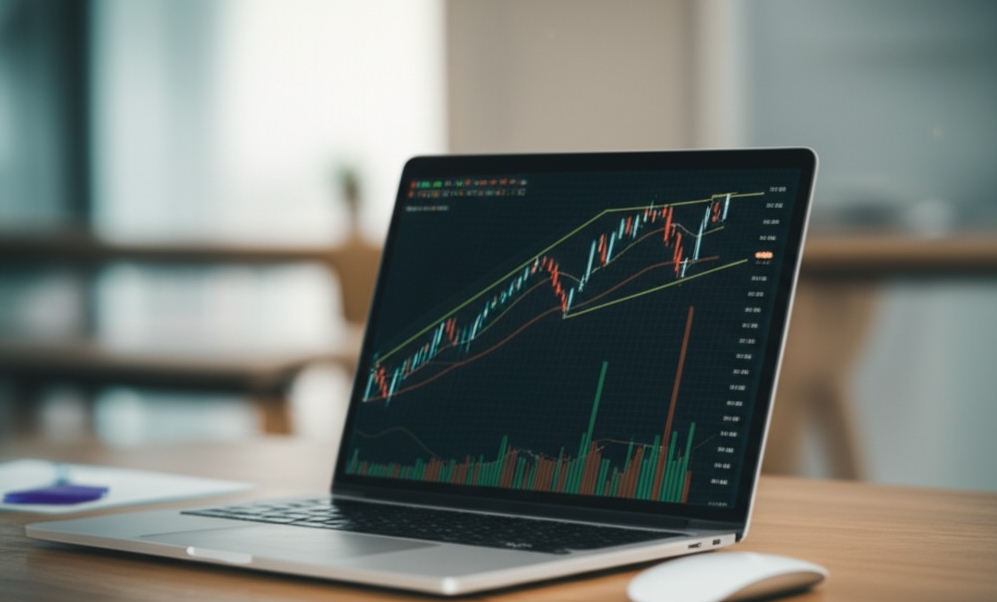
Forex charts are like a map to your trades, showing the historical price movements of currency pairs. These charts represent the "heartbeat" of the market, where you can analyze price changes over time, identify trends, and anticipate future moves. A solid grasp of charts allows you to make smarter trading decisions using platforms that display real-time data, quotes, and pips.
Key Chart Patterns and What They Signal
Chart patterns reveal a lot about market psychology. Some of the most well-known include:
Head and Shoulders: A trend reversal signal
Double Top and Bottom: Indicates price reversal points
Triangles: Show consolidation and possible breakout opportunities
Flags and Pennants: Suggest continuation of a trend after a brief pause
Recognizing these patterns can help you predict whether a breakout or reversal is coming.
Timeframes and Their Significance in Trading
Choosing the right timeframe is key to aligning your strategy with market movements. Here’s how different timeframes affect trading:
Short-term (Intraday): Quick, frequent trades, higher volatility
Long-term (Daily/Weekly/Monthly): Focuses on sustained trends, lower volatility
Each timeframe has its purpose, depending on your trading style and risk tolerance. Understanding this helps in making well-timed trades.

Understanding Candlestick Analysis
Candlestick charts are a trader’s best friend when it comes to reading price action. The body shows the difference between the open and close prices, while the wicks (or shadows) indicate the high and low prices.
Bullish Candlesticks: Show rising price, good for buying
Bearish Candlesticks: Show falling price, signaling potential selling opportunities
Key patterns like the Doji or Engulfing Candlestick can indicate reversals or continuation, giving you valuable insight into market sentiment.
How to Identify Support and Resistance Levels
Support and resistance are key to understanding price movements.
Support: A price level where an asset tends to find buying interest, preventing further downward movement.
Resistance: A level where selling pressure outweighs buying, capping upward price movement.
Understanding these levels helps in spotting breakouts or bounces, crucial for successful entry and exit points.
Developing a Forex Trading Strategy
Creating a forex trading strategy isn’t just about picking random trades; it’s about planning and adjusting based on real data. Let’s break down how to craft a solid approach that works for you.
Creating a Simple Trading Plan
A good trading plan is the foundation of your forex success. Think of it like a roadmap; without it, you’ll be wandering aimlessly. Start by setting clear goals, like how much profit you want to make or what loss you’re willing to tolerate. Then, define your market entry and exit points, and stick to them. The rules for execution should be crystal clear—no guesswork here.
Choosing the Right Trading Style for You
Not every trader is the same, and your style should match your personality. Some folks like the fast pace of day trading, while others prefer the longer-term swings. Here’s how to decide:
Day trading: Best for active traders with time to spare.
Swing trading: If you prefer to trade over a few days to weeks, this is your vibe.
Scalping: If you want to make lots of quick trades, this one’s for you.
Choose based on your time, capital, and comfort level with the market.
Risk vs. Reward in Strategy Formulation
It’s all about balance. Risk management is crucial, and a solid strategy needs a risk/reward ratio. If your potential reward isn’t worth the risk, then it’s not a trade worth making. Key to this is setting proper stop-loss and take-profit points, and understanding position sizing based on your capital. Consider volatility and the probability of success when making those decisions.
Testing and Refining Your Strategy
Before you go live, test it out. Backtesting involves using historical data to simulate how your strategy would’ve performed. After that, try forward testing with real-time but low-stakes trades. Once you’ve collected some data, analyze the performance and tweak your approach based on what’s working or not. Be ready to optimize continuously—forex isn’t a one-and-done game.
The Role of Technical Analysis in Forex Trading
Technical analysis is the backbone of forex trading. By studying price patterns and trends, traders predict future market movements. It’s all about turning data into strategy.
What is Technical Analysis?
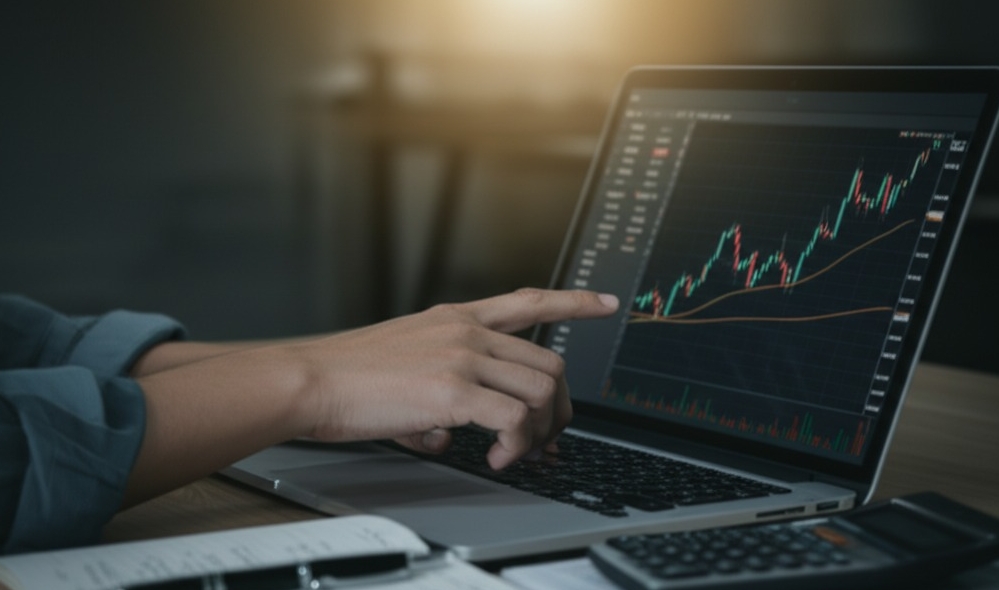
Technical analysis involves studying market data—like price, volume, and trends—on charts to forecast future price movements. It’s not about guessing, but about analyzing historical data to spot recurring patterns that signal what might happen next. Traders use this method to understand market behavior, assess trends, and identify key support and resistance levels. Think of it as reading the market’s pulse, which gives you insight into possible next moves.
Popular Technical Indicators and How to Use Them
Moving Average (MA): A simple way to spot the overall market direction, smoothing out short-term price fluctuations.
Relative Strength Index (RSI): Helps identify overbought or oversold conditions, signaling potential buy or sell opportunities.
MACD (Moving Average Convergence Divergence): Used to spot potential buy or sell signals through the crossover of two moving averages.
Bollinger Bands: These show the volatility of the market and help you assess if a currency pair is too high or low.
By using these indicators, traders can make smarter entry and exit decisions. Keep in mind, though, technical analysis isn’t foolproof—it’s about reading the signs and managing risks accordingly.
Identifying Trend Reversals and Breakouts
Recognizing Reversal Patterns
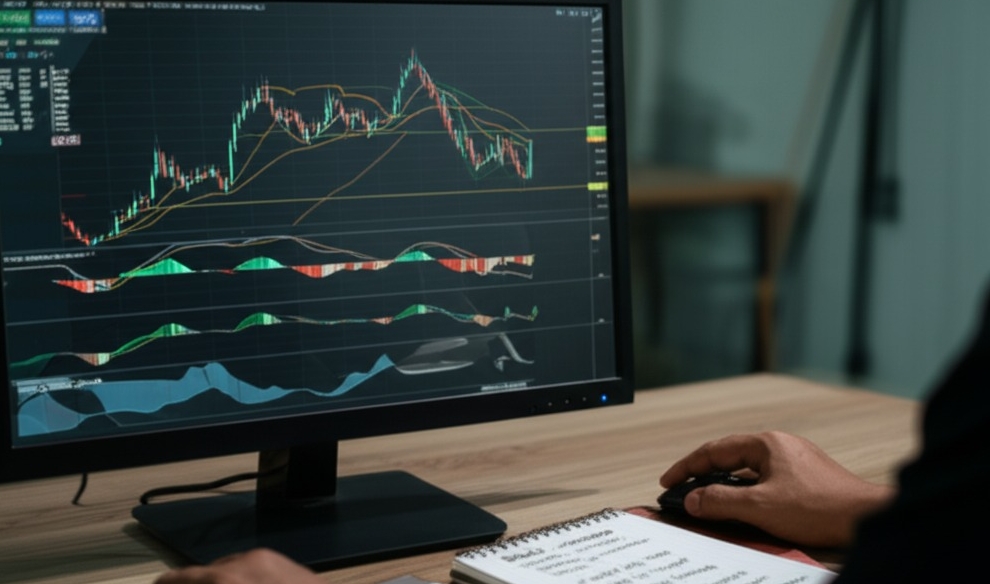
Reversal patterns are like flashing lights telling you that a trend might be about to turn. Look for Head and Shoulders, Double Tops, or Engulfing Patterns — they give you signals that a shift is coming. The Doji or Hammer candlesticks are also useful for spotting potential reversals. RSI and MACD indicators are your best friends here. They help confirm those signals and keep you from making bad calls when trends change direction.
Breakout Trading Strategies
Breakout strategies rely on catching the momentum when a price breaks through key levels. Pay attention to Support and Resistance zones, and watch for Volume spikes that show the market's serious about the move. Don’t forget to have an Exit Point and Stop Loss ready. After a breakout, always Retest the level — if the price holds, you’re golden. But beware of False Breakouts; they’ll trap the unwary trader. Momentum is king here, so jump in when the market starts moving!
Risk Management During Breakouts
When you’re trading breakouts, Risk Management is non-negotiable. Set Stop Loss orders to limit potential losses, and always define your Take Profit levels. Use Position Sizing to keep your trades in line with your account size. Check your Risk/Reward Ratio—you want more reward than risk. If the market’s volatile, use a Trailing Stop to lock in profits as the price moves in your favor. Always aim for Capital Preservation and manage Drawdown to avoid blowing your account.
Risk Management: Protecting Your Forex Trades
Risk management is your safety net in forex trading. It’s all about protecting your capital, minimizing losses, and maximizing your trading potential.
Setting Stop Losses and Take Profits
A stop-loss order is like your safety valve. It helps you control losses by automatically closing your trade if the market moves against you beyond a set point.
A take-profit order locks in profits once the market reaches a predetermined price. Both are essential tools for risk management in forex.
The key is balancing your risk/reward ratio—knowing when to exit a trade to avoid holding onto a losing position for too long.
Don’t forget trailing stops! They lock in profits while the market is moving in your favor, but they automatically tighten if prices start to move against you.
Using Proper Position Sizing
Determine your risk per trade: Know the percentage of your account you're willing to lose on a single trade.
Calculate position size: This depends on your account risk, trade risk, and the capital allocation you're willing to use. A higher position size increases potential profit but also risk.
Keep an eye on leverage. Too much leverage can amplify your gains but can also wipe out your capital faster than you can say "margin call."
Consider tools like the Kelly criterion to help decide the optimal lot size based on your win ratio and expected returns.
By using these risk management techniques, you’ll protect your capital and ensure that your trades work in your favor, even when the market turns volatile.
How to Use Economic Indicators in Forex Trading
Economic indicators are a trader’s toolkit for understanding market direction. By analyzing them, you get a clearer picture of currency movements and market sentiment.
Understanding GDP and Its Impact
Gross Domestic Product (GDP) is one of the most critical economic indicators. It measures a country's economic health by calculating the total output of goods and services. A rising GDP indicates expansion, while a declining GDP signals a potential recession. Traders monitor GDP reports closely, as they influence national income and economic growth. Strong GDP growth often strengthens a nation’s currency, while weak GDP can lead to depreciation.
Inflation Rates and Their Market Influence
Inflation, measured by the Consumer Price Index (CPI), directly affects the purchasing power of a currency. High inflation erodes consumer purchasing power and may prompt central banks to adjust interest rates to stabilize the economy. This creates volatility in forex markets, as traders react to inflation’s impact on monetary policy. In times of hyperinflation or deflation, forex markets can experience significant swings, making inflation rates a crucial data point for traders.
Unemployment Data: What It Reveals
Unemployment rates are essential for gauging the health of a labor market. High unemployment signals a struggling economy, while low unemployment suggests strong economic performance. Traders also watch for signs of underemployment or discouraged workers, which can indicate deeper issues. Economic reports on jobless rates help investors predict central bank policies and market shifts. Additionally, cyclic unemployment can give clues about potential economic slowdowns.
Interest Rates and Currency Movements
Interest rates set by central banks drive forex market activity. When central banks increase rates, the national currency typically strengthens, as investors seek higher returns from that country’s bonds. Conversely, lowering interest rates may weaken a currency. Interest rates influence inflation and capital flows, making them key indicators for forex traders. Forex markets react strongly to changes in rates, making interest rate decisions an essential factor for traders to watch.
By understanding and analyzing these economic indicators, traders can make informed decisions that align with market trends and economic cycles, ultimately improving their chances of success in forex trading.
Conclusion
Congrats on finishing DailyFX Forex Trading Course Walkthrough: Part Five! You’ve picked up some serious skills—spotting trends, reading charts, and managing risk like a pro. This is where your trading game really starts to shine.
"Success in trading comes from learning, applying, and refining." Keep practicing, and these strategies will feel like second nature.
Next up? Keep building on what you’ve learned. The more you dig in, the sharper you’ll get.
Forex trading involves buying and selling currencies in a global market. The goal is to profit from changes in currency values. It's like betting on whether one country's economy will do better than another's.
Reading forex charts can seem tricky at first, but once you get the hang of it, it's like reading a map. Charts show price movements over time, with trends and patterns that tell you when to buy or sell.
Look for:
Support and resistance levels.
Price trends (up, down, sideways).
Candlestick patterns to predict market moves.
In simple terms, risk management is about protecting your money. You don’t want to lose more than you're willing to risk. It’s like having an umbrella for a rainy day.
Key tips:
Use stop-loss orders to limit losses.
Never risk more than 1-2% of your account on one trade.
Diversify your trades across different pairs.
Economic indicators are like clues in a detective story. They give you hints about how an economy is performing, and in turn, help you make better trading decisions. Examples include GDP, unemployment rates, and inflation.
Common ones include:
Non-farm payroll data (jobs report).
Consumer Price Index (CPI).
Central bank interest rate decisions.
Developing a strategy is like creating a game plan before a big match. You need clear rules, goals, and tactics. Start by deciding on your risk tolerance and preferred trading style (scalping, day trading, swing trading).
A basic strategy might include:
Setting clear entry and exit points.
Using technical analysis and economic news.
Stick to your plan and avoid emotional trading.
Forex markets are driven by supply and demand, like any other market. The value of a currency can change based on news, economic reports, or geopolitical events. For example, if a country’s economy improves, their currency may rise in value.
Technical analysis is like using a magnifying glass to look at market data. You analyze price charts and indicators to predict where the market is headed next. It’s less about news and more about patterns.
It includes:
Trend lines.
Moving averages.
Oscillators (like RSI or MACD).