

Table of contents
Welcome to DailyFX Forex Trading Course Walkthrough: Part Four! If you’ve made it this far, you’ve already taken some solid steps toward understanding the world of Forex. Now, it’s time to dive into the nitty-gritty—strategies, tools, and techniques that can make or break your trading game. Think of this section like your roadmap for navigating the twists and turns of the Forex market.
You know the basics, but it’s the small details—like spotting trends, understanding risk, and staying updated with market news—that separate the pros from the amateurs. As economist Mark Cuban says, "The best way to get rich is to stop thinking about how to get rich." Focus on mastering the fundamentals, and the rest will follow.
By the end of this walkthrough, you’ll have the knowledge to spot opportunities, manage risks, and build a strategy that works for you. Ready to level up? Let’s get started!
What is Fundamental Analysis in Forex?
Fundamental analysis in Forex involves examining economic factors like GDP, interest rates, and global news events that influence currency prices. Understanding these elements helps traders forecast market trends and make informed decisions.

Understanding Economic Indicators
Economic indicators are key signals used by traders to gauge a country’s financial health. Common indicators include:
GDP (Gross Domestic Product): Measures a country's economic output. A growing GDP typically suggests economic strength, leading to currency appreciation.
Inflation and CPI (Consumer Price Index): Inflation affects purchasing power. The CPI tracks changes in the price of goods and services, helping traders assess inflation levels.
Unemployment Rate: A high unemployment rate can signal economic weakness, which may lead to a weaker currency.
Retail Sales & Industrial Production: Both show consumer demand and industrial capacity. Strong numbers indicate a robust economy and a potential for currency appreciation.
| Indicator | What It Measures | Impact on Currency |
|---|---|---|
| GDP | Economic Output | Currency Appreciation |
| Inflation (CPI) | Price Changes & Purchasing Power | Currency Depreciation |
| Unemployment Rate | Job Market Health | Currency Depreciation |
| Retail Sales/Industrial Production | Consumer & Business Activity | Currency Appreciation |
Impact of Interest Rates on Currency
Interest rates are a powerful tool used by central banks to manage monetary policy. A higher interest rate makes a country’s assets more attractive, leading to increased foreign investment and currency appreciation. Conversely, lower interest rates can lead to depreciation as investors seek higher returns elsewhere. Central banks adjust interest rates in response to inflation, economic growth, and capital flows, influencing the exchange rate and foreign currency values.
Higher interest rates attract foreign investors looking for better returns, causing the currency to appreciate.
Lower interest rates discourage investment, leading to currency depreciation.
For example, during a carry trade, traders borrow in low-interest-rate currencies (like the Japanese yen) and invest in high-interest-rate currencies (like the Australian dollar), capitalizing on the difference in rates.

Role of Central Banks in Forex Markets
Central banks such as the Federal Reserve (Fed) and European Central Bank (ECB) play a crucial role in the Forex market through their control of monetary policy. They set interest rates, conduct quantitative easing, and intervene in the foreign exchange market to stabilize the currency. Here’s how they impact the market:
Interest Rates: Central banks adjust rates to control inflation and stabilize the economy. High rates attract foreign capital, boosting the currency, while low rates can cause depreciation.
Monetary Policy: Decisions such as quantitative easing (QE) influence liquidity in the economy, which in turn can weaken or strengthen a currency.
Currency Intervention: Central banks may intervene directly in the Forex market by buying or selling their own currency to maintain stability.
The Federal Reserve’s policy changes can have a huge impact on the global Forex market. For example, when the Fed raises interest rates, it strengthens the US dollar against other currencies.
Global News and Market Sentiment
Global news is a major driver of market sentiment, which can affect currency prices in the short term. Key factors include:
Geopolitical Risk: Events like wars, elections, or trade tensions can lead to market volatility, causing traders to either move to safe-haven currencies (like the US dollar) or riskier assets.
Economic Data: Releases like employment numbers, GDP growth, and inflation reports significantly influence how investors view a country's economic health.
Political Events: Elections, government policies, and even speeches from key political figures can change the market’s outlook, triggering sharp movements in currency prices.
Traders closely monitor news trading to capitalize on sudden shifts in sentiment. For instance, positive economic data can push a currency higher, while negative news events can cause rapid declines.
Market sentiment can swing between risk-on (when traders are more willing to take risks) and risk-off (when they seek safer assets) based on the latest news. Understanding how to react to these shifts is key to making profitable trades.
Range Trading Explained
What is Range Trading?
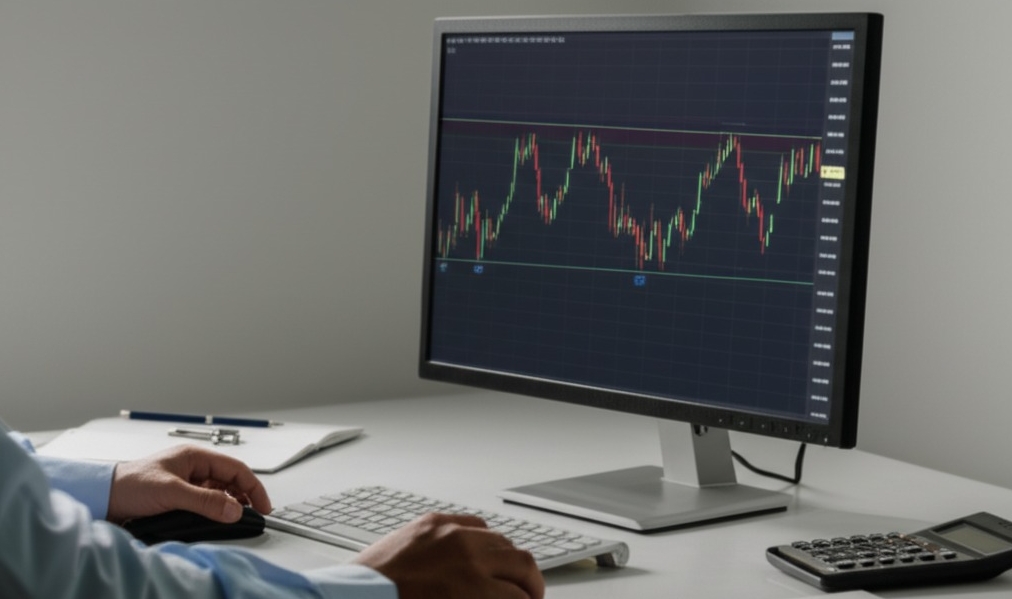
Range trading is all about buying low and selling high within a predefined range—think of it as bouncing between two walls. This strategy thrives in sideways markets where support levels and resistance levels act as boundaries. The idea is simple: enter when price hits a support level and exit near the resistance. It’s ideal for traders who prefer a consolidation market, rather than chasing trends.
Best Markets for Range Trading
For range trading to be effective, choosing the right market is key. The best currency pairs to trade are typically those that show consistent sideways trends with low volatility. Look for Forex markets or commodities that aren’t moving in a strong direction. Stock market indices can also work, especially in times of economic uncertainty. Be sure to check the liquidity and market conditions—too much movement can mess with your range trading plan.
Risk and Reward in Range Trading
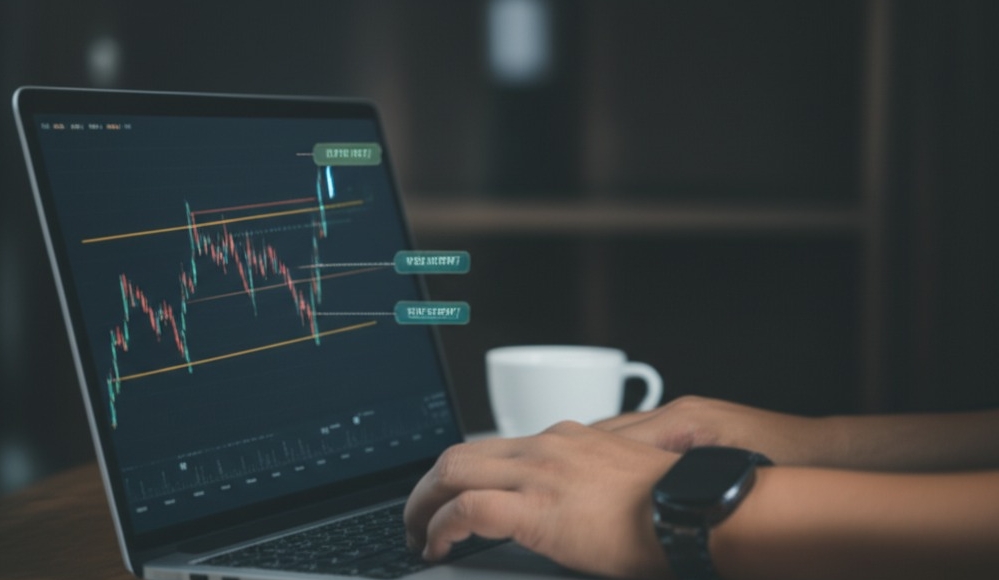
Risk management is crucial in range trading. Always set stop-loss orders just below support and take-profit orders near resistance to protect your capital. Pay attention to the risk/reward ratio, and don’t fall for false breakouts that trick traders into thinking the range is broken. Proper position sizing helps to manage volatility risk—the last thing you want is a large drawdown ruining your trading day. Balance your profit targets carefully to avoid getting burned by unexpected price shifts.
This strategy can be incredibly rewarding when applied correctly, but it requires patience and precise technical analysis to spot the perfect entry and exit points. Keep these principles in mind, and range trading can be a profitable addition to your trading toolbox.
Key Indicators for Market Projections
Understanding key indicators is essential for predicting market trends in Forex. These indicators help traders make informed decisions based on data patterns rather than guesswork.
Moving Averages and Their Role
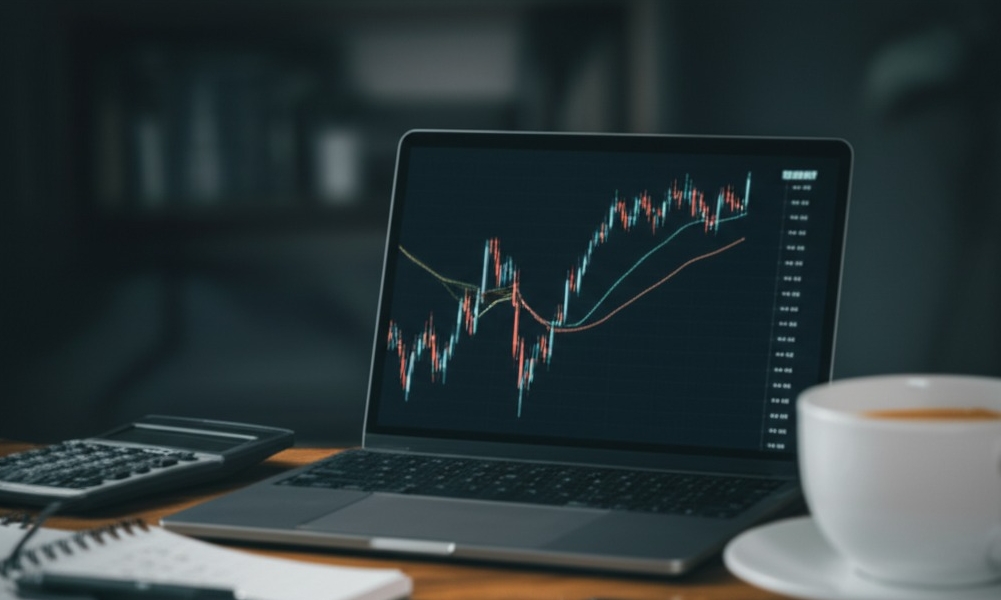
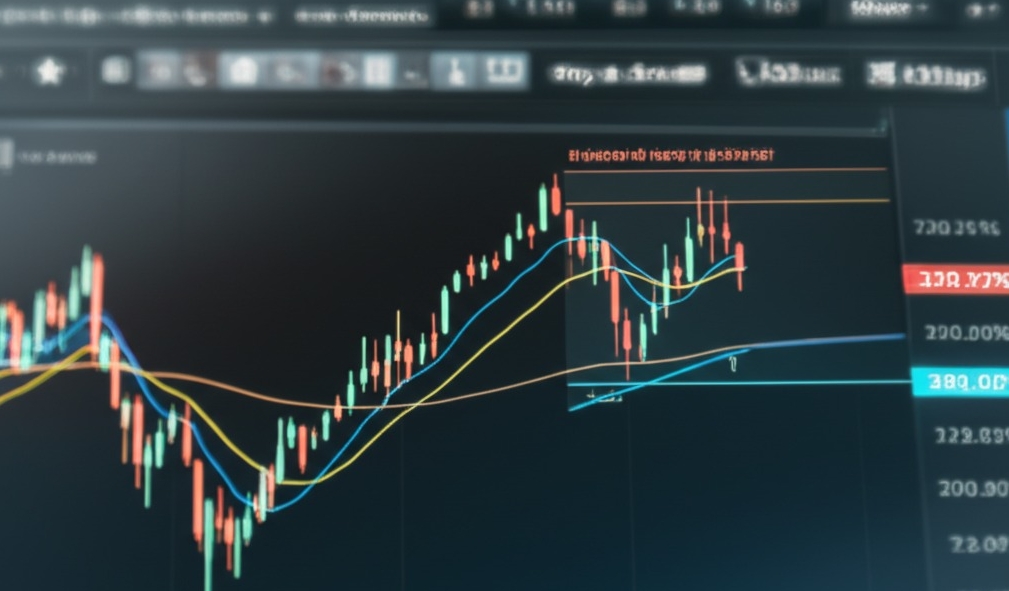
Moving Averages (MA) are like a smooth ride through rough terrain—helping traders filter out noise. The Simple Moving Average (SMA) is the most basic one, taking the average of price over a set period. Meanwhile, the Exponential Moving Average (EMA) gives more weight to recent prices, making it quicker to react to price changes. Both help identify trends but remember, they are lagging indicators. When two MAs cross over, it could signal a shift in the trend.
RSI and Market Momentum
The Relative Strength Index (RSI) is an oscillator that gauges the momentum behind a price movement. It shows whether a market is overbought or oversold. An RSI above 70 means overbought, while below 30 signals oversold. RSI’s divergence or convergence with price action is like a cheat sheet to spotting potential reversals or trend continuations.
MACD for Trend Reversals
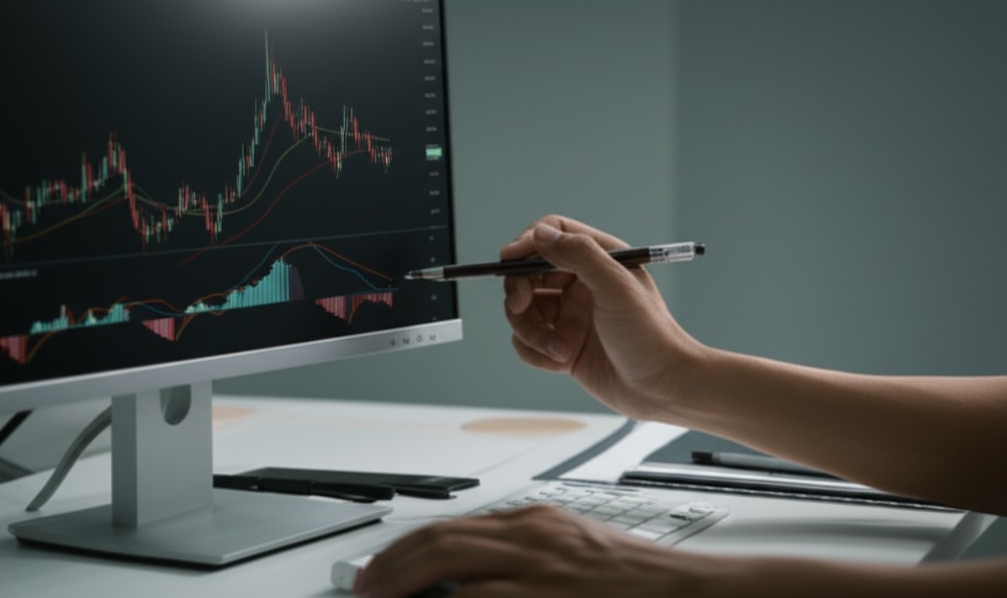
The Moving Average Convergence Divergence (MACD) is a fantastic tool for spotting trend reversals. The MACD line and the Signal line crossover can give early warnings of market shifts. A positive MACD histogram signals bullish momentum, while a negative one signals bearish momentum. The MACD is popular because it’s a lagging indicator that still provides solid insights when combined with other tools.
Bollinger Bands for Volatility
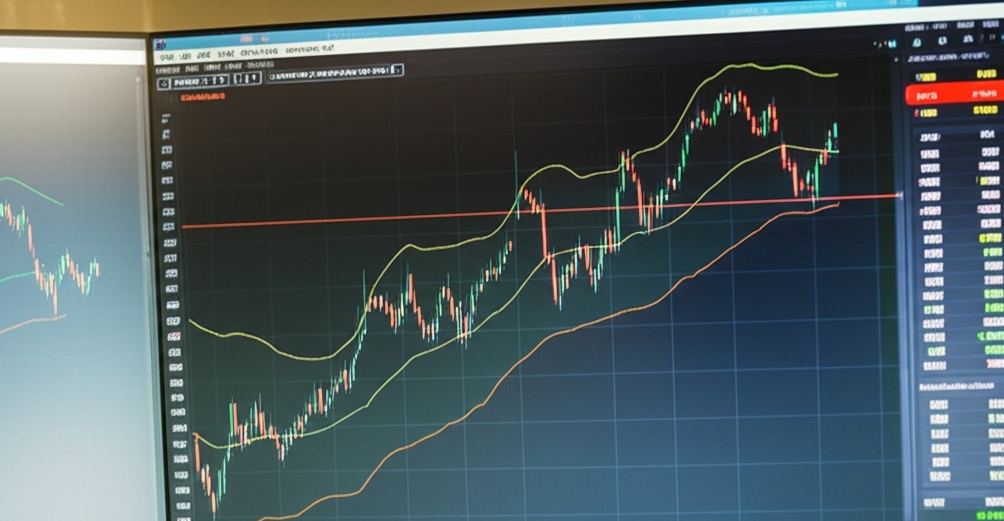
Bollinger Bands (BB) are key when the market is "quiet" and you’re waiting for volatility to break out. The middle band is a simple moving average, while the upper and lower bands are calculated using standard deviation, showing how far prices could potentially move. When the bands "squeeze," it’s often followed by a breakout. Keep an eye on this as it can give clues to price direction when volatility spikes.

Fibonacci Retracements in Forex
Fibonacci Retracement levels are like hidden support and resistance lines that traders use to predict price pullbacks. The Fibonacci sequence and the Golden Ratio (61.8%) help find retracement levels where price may reverse. Watch for pullbacks to these levels from a swing high or swing low, as they offer possible entry points when combined with other indicators.
Using Technical Analysis in Forex
Technical analysis is like reading the pulse of the market, allowing traders to predict future price movements based on past data.
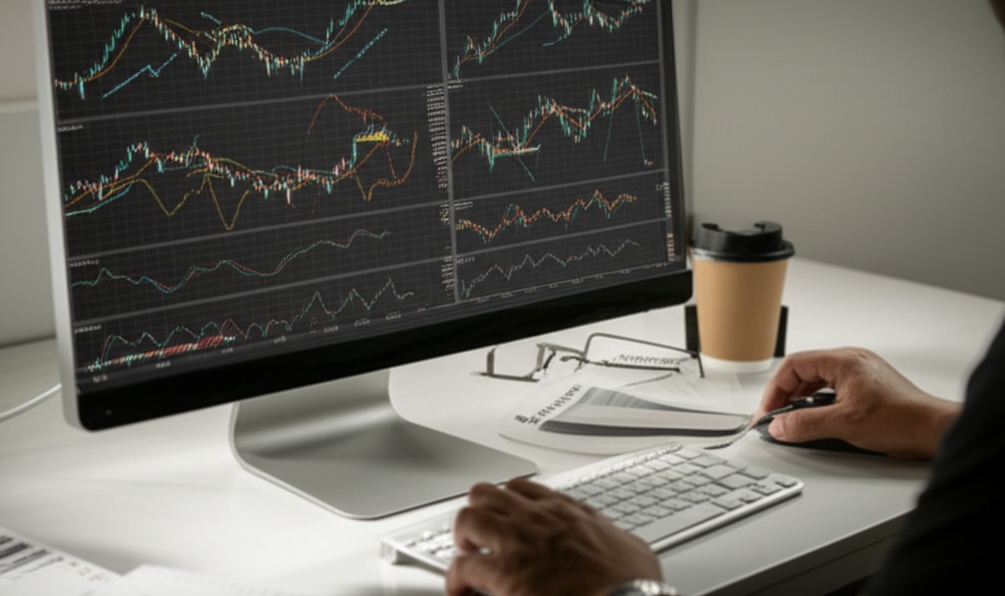
Chart Patterns to Watch For
Chart patterns are visual cues that show us how prices have behaved historically and can hint at future movements. Traders often look for these patterns to time their entries and exits. Here are some key patterns to pay attention to:
Head and Shoulders: This is a classic reversal pattern that signals a shift in the market’s trend. A Head and Shoulders at the top of an uptrend signals a bearish reversal, while an Inverse Head and Shoulders at the bottom of a downtrend signals a bullish reversal. Look for the breakout when the price breaks the neckline.
Double Top/Bottom: These patterns are often used to identify major trend reversals. A Double Top forms after an uptrend and indicates that resistance is holding, signaling a possible downtrend. Conversely, a Double Bottom forms after a downtrend, signaling a potential reversal to the upside.
Triangles: Triangular patterns (ascending, descending, or symmetrical) indicate price consolidation before a breakout. The price "squeezes" into a smaller range, and when it breaks out of the triangle, a significant move often follows. Traders look for ascending triangles in uptrends and descending triangles in downtrends for breakout opportunities.
Flags and Pennants: These are continuation patterns that typically form after a strong move in one direction. Flags are small, rectangular price ranges that slope against the main trend, while pennants are small symmetrical triangles. Both patterns usually precede a strong price continuation in the direction of the prior trend.
Trendlines: These are drawn along the lows in an uptrend or the highs in a downtrend to help identify the direction of the market. Breaks in trendlines often signal a potential shift in the market direction.
Breakouts: A breakout occurs when the price moves beyond a key support or resistance level, signaling a potential change in the trend. Watch out for high-volume breakouts, as they tend to be more reliable.
Channels: A price channel is formed by drawing two parallel trendlines that contain the price action. When the price moves within the boundaries of the channel, traders often buy at the lower trendline (support) and sell at the upper trendline (resistance).
Candlestick Patterns and Their Significance
Candlestick patterns are powerful tools used to predict short-term market movements. These patterns can reveal trader psychology and market sentiment, helping you make more informed decisions.
Doji: A Doji occurs when the open and close prices are nearly identical, indicating indecision in the market. A Doji at the top of an uptrend or the bottom of a downtrend may suggest that the current trend is losing momentum and a reversal might occur.
Hammer and Hanging Man: Both these candlestick patterns have small bodies and long lower shadows. A Hammer, appearing after a downtrend, signals potential bullish reversal. A Hanging Man, found after an uptrend, is a bearish signal indicating that the trend may be reversing.
Engulfing: The Engulfing pattern occurs when a small candle is followed by a larger candle that completely engulfs it. A Bullish Engulfing pattern occurs at the bottom of a downtrend, signaling a potential uptrend, while a Bearish Engulfing at the top of an uptrend indicates the possibility of a downtrend.
Morning and Evening Stars: These patterns are made up of three candlesticks. A Morning Star, formed at the bottom of a downtrend, signals a potential bullish reversal. Conversely, an Evening Star forms at the top of an uptrend and indicates a bearish reversal.
| Pattern | Type | Signal | Action |
|---|---|---|---|
| Head and Shoulders | Reversal | Trend reversal from bullish to bearish | Sell at the neckline break |
| Double Top/Bottom | Reversal | Trend reversal | Sell after Double Top, Buy after Double Bottom |
| Triangles (Ascending/Descending) | Continuation | Breakout expected | Buy on breakout (ascending), Sell on breakout (descending) |
| Flags and Pennants | Continuation | Price continues in the same direction | Trade in the direction of the previous trend |
| Doji | Reversal | Market indecision | Wait for confirmation of a reversal |
| Hammer | Reversal | Bullish reversal after a downtrend | Buy when price moves above the Hammer's high |
| Engulfing (Bullish/Bearish) | Reversal | Strong momentum | Buy on Bullish Engulfing, Sell on Bearish Engulfing |
| Morning Star/Evening Star | Reversal | Trend reversal | Buy after Morning Star, Sell after Evening Star |
Risk Management in Forex
Risk management is the backbone of successful Forex trading. Learn to manage risk, control losses, and protect your capital with key strategies.

Setting Stop-Loss and Take-Profit Orders
Setting stop-loss and take-profit orders is essential for limiting potential losses and locking in profits automatically. By placing these orders, you ensure that your exit strategy is in place before entering the market, reducing emotional decisions during trades.
Stop-loss orders limit your loss by automatically closing your position when the market hits a set price level.
Take-profit orders secure your profits when the market reaches your pre-determined exit point.
Both can be executed as limit orders or market orders, offering automation to your trading strategy.
Position Sizing and Its Importance
Position sizing is critical in controlling how much of your capital is at risk per trade. It involves determining the trade size relative to your account balance, equity, and leverage.
Use a fixed percentage risk to maintain consistency across trades.
Adjust lot size based on market volatility and your risk tolerance.
Avoid over-leveraging, as it can lead to substantial losses, even with small market shifts.

Diversification and Portfolio Balance
Diversification helps spread risk across different asset classes, currencies, or sectors to minimize the impact of a poor-performing trade.
Portfolio balance involves adjusting positions to ensure that no single asset or currency pair dominates your exposure.
Rebalancing regularly helps maintain your risk-reward ratio across different investments, ensuring market exposure is aligned with your risk management goals.
Risk-Reward Ratio in Forex Trading
The risk-reward ratio helps determine the potential gain compared to the potential loss on each trade.
Calculate your stop-loss and take-profit points before entering a trade to establish a favorable risk-reward ratio.
A ratio of 1:2 (risking 1 to gain 2) is often a good target.
Use this ratio to assess the probability of a successful trade based on your trading strategy and market conditions.
These strategies combined give traders a structured approach to protect their capital, maximize profits, and minimize risks in the fast-paced Forex market. Each element is interlinked, ensuring a well-rounded approach to managing risk effectively.
Building a Forex Trading Strategy
Building a solid Forex strategy is key to long-term success. Here’s how you can define your goals, pick your style, and stick to your plan for the best results.

Defining Your Trading Goals
Your trading goals should be clear and measurable. Think about your profit targets, how much risk you’re willing to take, and how long you plan to trade. Whether your goal is capital preservation, income generation, or growth strategy, knowing your objectives helps you focus. Establish a time horizon, set realistic return on investment expectations, and balance risk tolerance with potential rewards. In short, a clear goal means a clear path!
Selecting Your Trading Style
When choosing a trading style, you’ve got options. It’s not just about buying and selling quickly, but deciding whether day trading, swing trading, or scalping works best for you. Your trading approach should match your market analysis style, whether that’s technical or fundamental analysis. Don’t forget about algorithmic trading if you're looking to automate strategies. Pick a style that fits your lifestyle and time commitment!
Creating a Trading Plan and Stick to It
Having a trading plan is like having a roadmap—you need clear entry points, exit points, and stop-loss orders. Set position sizing rules to manage risk and take-profit orders to lock in profits. The most important part? Discipline. Don’t deviate from your trading rules. Track your performance and adjust your strategy if needed. Stick to your plan, and you’ll start seeing progress.
Common Forex Trading Mistakes

In Forex trading, it's easy to make mistakes that can cost you. Let's take a closer look at the most common errors traders make and how to avoid them.
Overtrading and Emotional Decisions
Overtrading happens when traders get too caught up in the action, chasing every market move. Emotional bias, like fear and greed, can cloud your judgment. Trading psychology is key here: when you're too impulsive, you make rash decisions—pushing the frequency of trades, or jumping into a market without solid reasons. This leads to excessive activity, where you’re not waiting for the right moments. It’s a vicious cycle. The cure? Discipline and strategy. Avoid falling into the trap of market noise. Remember, “You don’t need to trade every day to make money, just trade smart.”
Ignoring Risk Management
Neglecting risk management is like driving without a seatbelt—you’re setting yourself up for disaster. Position sizing and setting stop-loss orders are two fundamentals to follow for capital preservation. Without these, your portfolio risk spikes, especially when volatility exposure increases. Keep your risk tolerance in check, use proper leverage, and avoid the temptation to overexpose yourself. A solid trading strategy should always have risk control built in, making sure drawdowns don’t wipe you out. Leverage is powerful, but when misused, it can amplify losses. So always plan for the unexpected!
Staying Updated with Forex News
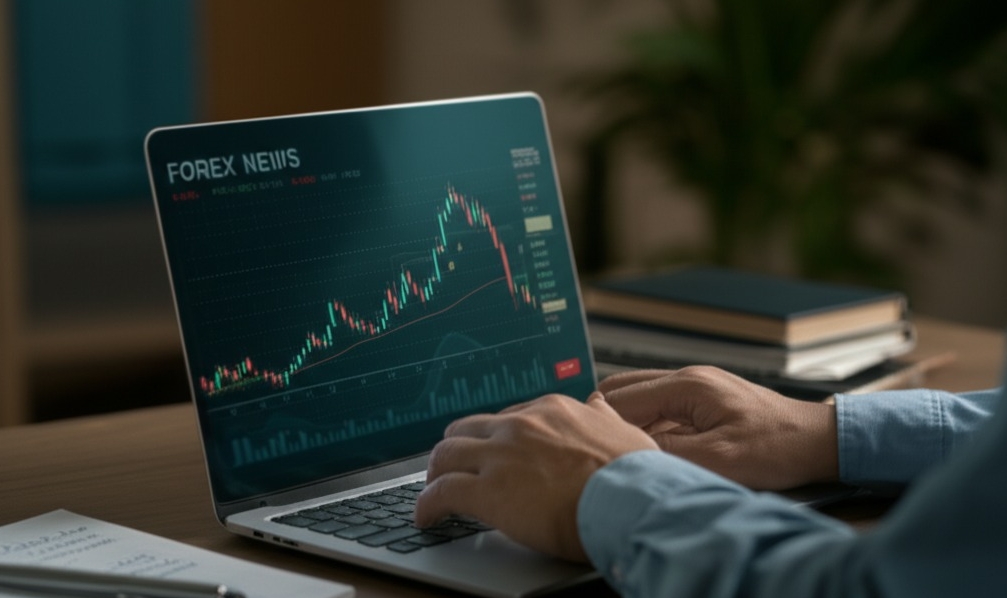
In the fast-paced world of Forex trading, staying on top of current events can make the difference between a successful trade and a missed opportunity. The Forex market reacts quickly to news, and understanding how to leverage this information is a critical skill. Economic calendars, news releases, and central bank announcements are the bread and butter for any trader looking to stay ahead of market sentiment.
To make informed decisions, traders rely on economic indicators such as GDP growth, employment figures, and inflation data. These indicators provide insight into a country’s economic health and can signal potential changes in currency strength. For example, the release of U.S. Non-Farm Payrolls can send shockwaves through the market, prompting immediate currency fluctuations.
Market sentiment also plays a major role. By analyzing news sources and data releases, traders can gauge how positive or negative the mood is around a particular currency. Often, it is not just the numbers that matter but the impact analysis — how traders interpret those numbers. Take the announcement of a central bank rate hike: even if expected, the market’s reaction can vary depending on the broader economic climate and traders’ confidence in the central bank’s next moves.
News Sources: Trustworthy and timely news sources are indispensable. Having reliable access to Forex headlines and timely updates ensures that a trader does not miss vital information.
Economic Calendar: A well-structured economic calendar helps traders plan their trades by keeping track of scheduled news releases and other important events that can affect market movements.
Staying updated with Forex news is not just about consuming information but understanding how that information influences price action. Successful traders are not just reactionary but proactive, setting strategies around upcoming events. After all, in the world of Forex, knowledge is not just power — it is profit.
Conclusion
You’ve made it through *DailyFX Forex Trading Course Walkthrough: Part Four*! Now, you've got the tools—fundamental analysis, risk management, and trading strategies—to tackle the market with more confidence. The key? It’s not about finding shortcuts. It’s about staying sharp and applying what you’ve learned. As Warren Buffett says, “The stock market is a device for transferring money from the impatient to the patient.” Keep learning, keep trading, and keep improving. You’re on the right track!
Fundamental analysis is all about understanding the economic forces that drive currency prices. It’s like trying to figure out why a stock goes up or down by looking at the company’s performance, except in Forex, you’re looking at entire countries. This can involve looking at things like interest rates, employment reports, and GDP growth.
Range trading is a strategy used when a currency pair is bouncing between a clear high and low price, but isn’t trending in one direction. You buy when it's at the bottom (support) and sell when it hits the top (resistance). It's like buying low and selling high, but within a set range.
Moving Averages: Shows the average price over a set period.
RSI (Relative Strength Index): Helps spot overbought or oversold conditions.
MACD (Moving Average Convergence Divergence): Good for identifying trends.
Bollinger Bands: Shows volatility and possible market reversals.
Technical analysis is like reading the tea leaves of the market. Traders use charts and past price movements to predict future trends. It's less about the 'why' behind price moves and more about 'what’s been happening,' helping you make smarter decisions.
Use stop-loss orders to automatically close a trade if it goes against you.
Only risk a small percentage of your capital on each trade.
Diversify your trades across different currency pairs to spread out the risk.
A Forex strategy is your game plan. Without one, it’s like going into a football game without a playbook. A solid strategy helps you stay focused, avoid emotional decisions, and gives you a clear path to follow.
Overleveraging: Trying to trade with too much borrowed money.
Ignoring risk management: Not setting stop-losses or not managing capital properly.
Chasing the market: Entering trades impulsively based on emotion.
Lack of patience: Jumping in before a trade is fully set up.
To stay in the know, check out reliable news sources, economic calendars, and Forex forums. A lot of traders use apps to get real-time updates on currency moves and global events, ensuring they never miss a beat.
The best time to trade depends on the currency pair you're dealing with, but the most active times are typically during market overlaps, like when the London and New York sessions overlap. These times see higher volatility, which can create more opportunities to profit.