

Table of contents
If you're new to Forex trading, it can feel like trying to find your way in a crowded, unfamiliar city. The good news? DailyFX is your map. In this walkthrough, we'll guide you through the ins and outs of this platform, so you can go from “I have no idea” to confidently making your trades. You don’t have to be a pro to get started—just a bit of guidance, and we’ve got you covered.
Trading in Forex isn’t a get-rich-quick game; it’s a skill you build, like learning to ride a bike. DailyFX offers all the tools and resources you need, and in this guide, we’ll dive into everything you need to know to set you up for success. As expert traders say, “The market doesn’t care about your feelings, but with the right tools, you can make it work for you.”
Stick around as we break it down—step by step. By the end, you'll be ready to take on the Forex world with a clear strategy and the confidence to back it up.
Introduction to DailyFX Forex Trading
What is Forex Trading?
Forex trading, or Foreign Exchange trading, involves buying and selling currencies in the global market. It's the largest financial market in the world, with a daily trading volume of over $6 trillion. Traders exchange currency pairs, such as EUR/USD, GBP/JPY, or USD/JPY, aiming to profit from price movements. The market operates 24 hours a day, five days a week, and is influenced by a range of factors, including economic data, geopolitical events, and market sentiment. Traders use concepts like pips, leverage, bid/ask spreads, liquidity, and volatility to analyze and execute trades.
Key Terms:
Currency Pairs: The two currencies being traded against each other.
Pips: The smallest price movement in a currency pair.
Leverage: Borrowing funds to trade a larger position.
Bid/Ask: The price at which you can buy or sell a currency pair.
Liquidity: The ease with which an asset can be bought or sold.
Volatility: The degree of price fluctuations in the market.
Overview of DailyFX Features
DailyFX provides traders with everything they need for a successful trading experience. From detailed analysis to real-time news, DailyFX is equipped with numerous tools designed to enhance trading strategies.
Key Features:
Analysis: DailyFX offers both technical and fundamental analysis to help traders understand market trends.
Charts: Interactive charts and indicators are provided for analyzing past price movements and forecasting future trends.
Economic Calendar: The platform includes a live calendar tracking important economic events and releases.
Research: In-depth market research reports and insights are available to aid decision-making.
News: Stay up-to-date with the latest market news and global events that impact Forex trading.
Webinars and Education: DailyFX offers webinars and educational materials to help traders improve their skills.
These features work together to help both beginners and experienced traders stay informed and make smarter trading decisions.
Getting Started with a DailyFX Account
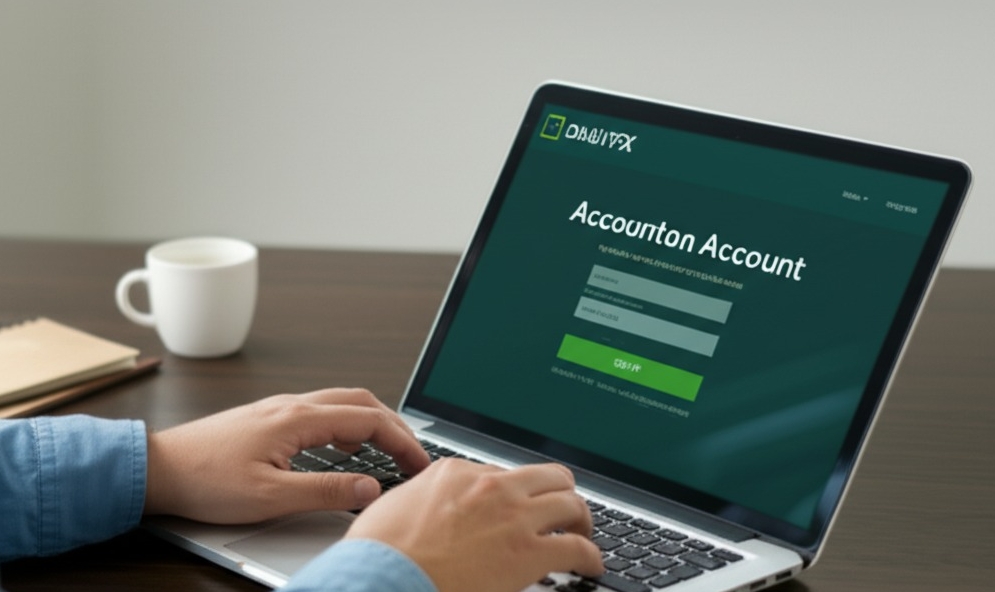
Opening a DailyFX account is simple and designed to get you up and running quickly. Here’s a step-by-step guide to help you get started:
Account Opening: Visit the DailyFX website and click on “Sign Up” to create an account. You’ll need to provide your basic details like name, email, and country of residence.
Verification: Submit required documents for verification. These documents typically include a government-issued ID and proof of address (e.g., a utility bill).
Funding and Deposit: Once your account is verified, you can fund it using your preferred deposit method. Common methods include bank transfers, credit cards, or e-wallets. Deposits usually appear in your account immediately.
Trading Platform: Log in to your DailyFX account and access the trading platform. You can start by using a demo account, which simulates real trading conditions without risking real money. Once comfortable, switch to a live account to start trading real funds.
Common Deposit Methods
| Deposit Method | Processing Time | Fees |
|---|---|---|
| Bank Transfer | 1-3 business days | Free |
| Credit Card | Instant | 2.5% fee |
| E-wallets | Instant | Free |
By following these simple steps, you’ll be ready to start trading on DailyFX. Whether you’re a beginner or a seasoned trader, DailyFX provides the tools and resources to get you trading with confidence.
DailyFX Platform Features
Charting Tools on DailyFX
Charting is at the heart of Forex trading, allowing you to analyze price action, trends, and market movements. DailyFX offers a range of powerful charting tools for traders, from technical indicators to drawing tools.
Here’s a breakdown of some core features:
| Tool | Purpose | Benefits |
|---|---|---|
| Indicators | Technical analysis of price trends | Help identify trends, overbought/oversold zones |
| Drawing Tools | Draw trendlines, Fibonacci retracements | Visualize support and resistance levels |
| Customizable Studies | Tailor charts with your preferred indicators | Helps analyze market conditions in-depth |
Using these tools, traders can study price patterns, track market data, and predict future trends. You can also save chart layouts and share them for collaborative analysis. This flexibility helps traders spot opportunities and plan their trades more effectively.
Economic Calendar on DailyFX
The Economic Calendar on DailyFX is a powerful tool for keeping up with economic events that influence the market. It lists important data releases, news, and forecast dates.
Key features of the calendar include:
Upcoming Events: View the schedule of major economic releases such as interest rate decisions, GDP reports, and unemployment figures.
Impact Levels: Each event is marked with an impact rating (low, medium, high) to help you determine its potential effect on the market.
Market Reactions: Track how past economic events have impacted the market to better predict future price movements.
The calendar gives traders the ability to plan trades around critical market-moving events. For instance, if you're trading a currency pair, knowing when key economic data is released can help you anticipate volatility.
Customizing the Trading Interface
Customizing your trading platform interface is essential for efficiency. DailyFX allows you to customize your workspace to suit your preferences.
Here’s what you can customize:
Workspace: Organize your charts, news, and trading panels in a way that’s most convenient for you.
Themes: Choose between light and dark themes to suit your eye comfort and trading environment.
Panels: Resize and move panels around your screen to prioritize data that matters most to your strategy.
By personalizing your layout and settings, you create a smooth trading experience that helps you focus on the market without distractions. It also speeds up your workflow by enabling quick access to essential tools.
Using DailyFX News and Alerts
Stay informed with DailyFX News and Alerts, which provide real-time market updates, research, and headlines.
Alerts: Set up notifications for specific events such as economic data releases, market-moving news, or even price level triggers on your charts.
Headlines: Receive the latest headlines and market analysis directly on your trading platform, so you can react quickly to significant changes.
Research: Dive into in-depth articles and expert analysis on Forex market trends, helping you make better-informed decisions.
This feature is particularly valuable during high-volatility periods when being aware of sudden market changes can make the difference between a profitable trade and a loss. Alerts help you stay on top of the market and make swift decisions, ensuring you never miss a key opportunity.
Forex Trading Strategies
Scalping Techniques in Forex
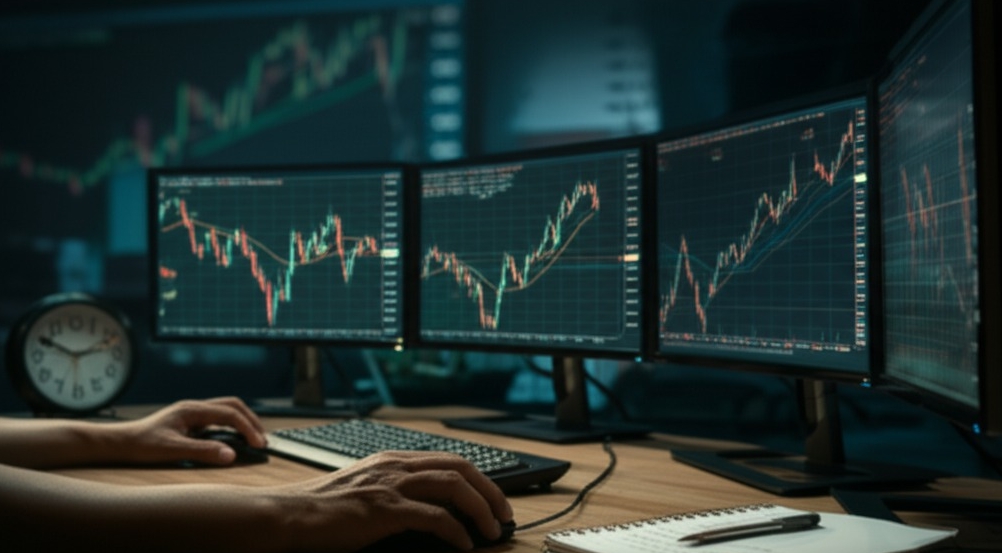
Scalping is a fast-paced strategy designed for traders who want to make quick, small profits by taking advantage of minor price movements in the market. This technique typically involves opening and closing numerous trades in a single day, with each trade targeting a few pips of profit. Scalping is most effective in highly liquid markets, where spreads are low, and there is significant price movement. Traders use leverage to increase their profits on small price changes, while keeping their trades short to avoid larger risks.
High Frequency Trading: Scalping usually involves executing several trades per minute or hour. The key is speed and execution.
Small Profit Margins: A scalper's target is typically a few pips (price movements), but they rely on the volume of trades to accumulate profits.
Low Spread and Liquidity: Scalpers focus on currency pairs with tight spreads and high liquidity to minimize transaction costs and increase profit potential.
Entry and Exit Points: Scalpers rely on technical analysis to pinpoint precise entry and exit points, often using short-term indicators like the RSI (Relative Strength Index) or Stochastic Oscillator.
“In scalping, it's all about speed. A quick entry and exit, and you’re out with your profit before the market can change direction,” says an experienced trader.
| Parameter | Scalping | Typical Pairs |
|---|---|---|
| Trade Duration | Seconds to minutes | EUR/USD, GBP/USD, USD/JPY |
| Profit Target | Few pips (2-5 pips) | EUR/USD (2-3 pips) |
| Required Leverage | High (10:1 to 50:1) | High liquidity pairs |
| Risk/Reward Ratio | Low (1:1 or lower) | - |
Trend Following Strategies
Trend following is a method where traders aim to capitalize on long-term trends in the market, either up or down. Instead of predicting price reversals, traders focus on joining the market's momentum. This strategy is highly reliant on technical analysis, with indicators like moving averages and trendlines helping to identify the prevailing market trend. Traders enter positions when the trend is confirmed and exit when the trend shows signs of reversal.
Identifying Market Trends: Using tools like moving averages or trendlines, traders can identify the direction of the market. A rising market trend signals an opportunity to buy, while a falling trend signals a chance to sell.
Momentum Trading: Once the trend is established, traders continue to hold their position, riding the momentum. Tools like the Moving Average Convergence Divergence (MACD) and the Average Directional Index (ADX) help traders gauge the strength of the trend.
Breakouts and Retracements: Traders wait for a breakout from established resistance or support levels. Alternatively, they may enter during a retracement, where the market temporarily pulls back before continuing in the trend's direction.
Using Indicators for Confirmation: Indicators like RSI, MACD, or Bollinger Bands help confirm the trend and offer potential entry and exit points.
| Strategy Component | Trend Following | Common Indicators |
|---|---|---|
| Market Trend | Long-term direction | Moving Average, Trendlines |
| Momentum Indicators | Follow market momentum | MACD, ADX, RSI |
| Breakout/Entry Point | Enter on breakouts | Support and Resistance levels |
| Risk Management | Always use stop-losses | Trailing stops, ATR (Average True Range) |
By focusing on long-term trends, traders avoid getting caught up in short-term market noise. The main challenge lies in managing the risk, as trends can reverse suddenly. However, the potential for substantial profits makes this strategy appealing to those who prefer a more hands-off, long-term approach to trading.
Managing Risk in Forex
What is Risk-to-Reward Ratio?
The risk-to-reward ratio is a critical aspect of any successful trading strategy. It helps traders evaluate whether the potential reward of a trade justifies the risk taken. Essentially, this ratio compares the amount of risk (potential loss) against the amount of reward (potential profit). A favorable risk-to-reward ratio typically ranges from 1:2 to 1:3, meaning that for every dollar you risk, you aim to make at least two or three dollars in return.
Why it matters:
Strategic Decision Making: The risk-to-reward ratio guides traders in setting realistic targets and maintaining discipline.
Capital Preservation: By managing the ratio, you minimize the chances of significant losses.
Consistent Profitability: A solid strategy with a good risk-to-reward ratio increases your chances of long-term success.
Example:
For a trade where you risk $100 and aim for a $300 reward, the ratio is 1:3. If you win 1 out of 3 trades, you will still break even or make a profit over time.
Stop-Loss and Take-Profit Strategies
Stop-loss and take-profit orders are essential tools for managing risk. These orders help traders exit a trade at predefined levels, ensuring that emotions don’t dictate the decision-making process. Setting these orders allows for disciplined trading by automating exits when certain price levels are hit, protecting profits and preventing excessive losses.
Stop-Loss Order: A stop-loss order is placed to automatically close a trade if the price moves against the trader beyond a certain point. This is a protective measure to limit losses.
Take-Profit Order: A take-profit order allows traders to lock in profits by automatically closing a trade when the price reaches a certain profit target.
Exit Strategies: Using these tools effectively ensures that you follow your trading plan without emotional bias.
Example Table:
| Trade Type | Stop-Loss Level | Take-Profit Level | Risk-to-Reward Ratio |
|---|---|---|---|
| Long | $100 | $200 | 1:2 |
| Short | $50 | $150 | 1:3 |
| Long | $200 | $500 | 1:2.5 |
What is Position Sizing in Forex Trading?
Position sizing refers to determining how much of a currency pair you should trade based on your account size, risk tolerance, and stop-loss level. It’s a way to manage how much capital you allocate to each trade, thus controlling your exposure to potential losses. Proper position sizing ensures you don’t risk too much of your account on a single trade.
Why Position Sizing is Important:
Risk Control: It prevents large losses by not overexposing your account to one trade.
Capital Preservation: Ensures that even a series of small losses won’t wipe out your account.
Optimal Use of Leverage: Helps you leverage your position responsibly, maximizing profit while minimizing risk.
How to Calculate Position Size:
The formula for calculating position size is:
Position Size = (Account Size × Risk Per Trade) / (Stop-Loss in Pips × Pip Value)
For example, if your account size is $10,000, your risk per trade is 2% ($200), and your stop-loss is 50 pips with a pip value of $10, your position size would be:
Position Size = (10,000 × 0.02) / (50 × 10) = 4 lots
This ensures that you are risking only $200 on the trade, no matter what happens.
In Forex trading, managing risk is vital to success. By incorporating tools such as the risk-to-reward ratio, stop-loss, take-profit strategies, and position sizing, traders can protect their capital and increase their chances of profitability. These strategies are all interrelated—position sizing impacts stop-loss and take-profit levels, while the risk-to-reward ratio guides the overall trade strategy. Properly implementing these techniques ensures that traders can manage risk effectively and trade with confidence.
Market Analysis with DailyFX
Market analysis is essential for any Forex trader looking to make informed decisions. In this section, we’ll explore two major forms of analysis available on DailyFX: technical analysis and fundamental analysis. By combining both, traders gain a well-rounded perspective of the market, improving their chances of success.

Using Technical Analysis on DailyFX
Technical analysis is one of the most widely used approaches in Forex trading. It involves studying historical price data to predict future price movements. DailyFX offers a robust set of tools, including charts, indicators, and patterns, to help you analyze currency pairs.
Charts: On DailyFX, charts provide a clear visual representation of price movements over time. Whether you’re analyzing a candlestick chart or a line chart, you’ll gain insight into the price trends and momentum of different currency pairs.
Indicators: DailyFX includes a variety of indicators, such as Moving Averages, Relative Strength Index (RSI), and MACD. These tools help you identify overbought or oversold conditions, momentum, and trend strength.
Patterns: Recognizing specific price patterns, such as head and shoulders, double tops, and triangles, is another key feature of technical analysis. These patterns often signal market reversals or continuation, providing traders with important decision-making data.
Support and Resistance: Identifying these key levels on the chart helps traders understand where price may struggle to break through (resistance) or where it may bounce (support). Using trend lines and horizontal lines on DailyFX charts, traders can pinpoint these levels with precision.
Technical Analysis with DailyFX Tools:
| Tool | Purpose | Example |
|---|---|---|
| Charts | Visualize historical price action | Candlestick charts, Line charts |
| Indicators | Analyze market momentum and trends | Moving Averages, RSI, MACD |
| Patterns | Identify potential price formations | Head and Shoulders, Double Tops, Triangles |
| Support/Resistance | Recognize critical price levels | Horizontal lines, Trend lines |
Understanding Fundamental Analysis
Fundamental analysis is based on evaluating the economic, financial, and geopolitical factors that can influence currency movements. Unlike technical analysis, which focuses on past price action, fundamental analysis examines current events, economic indicators, and news releases.
Economic Data: One of the most critical factors in fundamental analysis is economic data. Key indicators, such as GDP growth, unemployment rates, and inflation, give traders an insight into a country’s economic health, which directly affects currency values.
Earnings Reports: Companies report their earnings regularly, and the performance of these companies can impact the economy as a whole. For instance, better-than-expected earnings may indicate a strong economy, influencing the value of a country’s currency.
Macroeconomics: This involves the study of larger economic factors like interest rates, monetary policy, and government fiscal policy. Changes in these factors can have a significant impact on currency values as they influence overall economic stability and growth prospects.
News: Economic events, such as central bank decisions, trade agreements, or geopolitical conflicts, can cause sharp fluctuations in currency prices. On DailyFX, the economic calendar and news updates allow traders to stay on top of major market-moving events.
Key Areas in Fundamental Analysis:
Economic Data: GDP, inflation, unemployment rate, and more
Earnings Reports: Corporate performance and its effects on the broader market
Macroeconomic Factors: Interest rates, fiscal policy, trade relations
News: Geopolitical events, government policy changes, and other key announcements
Tips for Forex Trading Success
Developing a Trading Plan
A well-crafted trading plan is essential for staying on course. Without a solid plan, it’s easy to get distracted by the market’s volatility. Your plan should define your objectives, risk management strategy, and routine for monitoring the market.
Define your goals: Set both short-term and long-term targets. Do you aim for weekly profits or long-term portfolio growth? Having clear goals keeps you focused.
Risk management: Always set a stop-loss to limit potential losses. The plan should also outline how much of your capital you are willing to risk per trade.
Regular assessments: Your plan isn’t static—assess your performance periodically, adjusting strategies when necessary.
For example, a simple risk management strategy might look like this:
| Trade Type | Capital Allocation | Stop-Loss Setting | Target Profit Ratio |
|---|---|---|---|
| EUR/USD | 1% of account | 30 pips | 1.5:1 |
| GBP/USD | 0.8% of account | 25 pips | 2:1 |
| USD/JPY | 1% of account | 35 pips | 1:2 |
Staying Disciplined in Forex Trading
Discipline is the backbone of successful trading. When you stick to your trading routine and methods, you reduce the chances of emotional trading, which often leads to poor decisions. Consistency is what sets professional traders apart from beginners.
Follow your strategy: You’ve done the hard work in developing your plan. Stick to it and avoid impulse trades. Resist the urge to chase the market.
Control your emotions: Fear and greed can cloud your judgment. When you’re up, don’t get overly confident. When you're down, don’t panic. Your strategy is your guide.
Track your progress: Maintain a daily or weekly record of trades, wins, and losses. This will allow you to see patterns, mistakes, and areas to improve.
For example, if you’ve been consistently breaking your stop-loss limits, this should be a sign to reassess your strategy or position sizing.
Avoiding Emotional Trading
Emotional trading is one of the biggest pitfalls for beginners. It can lead to impulsive decisions, such as chasing the market or closing positions prematurely. The key is learning how to control your emotions and adhere to your plan.
Create a structured approach: Stick to your predetermined plan and avoid any deviations. This means not reacting to every price movement.
Focus on long-term goals: Don’t get caught up in daily fluctuations. Forex trading is a marathon, not a sprint.
Take breaks when needed: If you’re feeling overwhelmed or frustrated, take a step back from the screen. It’s better to step away and refocus than to trade emotionally.
"The best traders are the ones who don’t let their emotions dictate their moves." — John Doe, Trading Expert.
Analyzing Mistakes and Learning
Everyone makes mistakes—what matters is how you respond. By analyzing your mistakes and learning from them, you can improve your trading strategy over time. Continuous learning and adaptation are what separate successful traders from those who falter.
Keep a trading journal: Record every trade—what worked, what didn’t, and why. This will help you avoid repeating mistakes.
Assess your strategy: Review your trades to determine whether your approach is yielding results. Are you making consistent profits, or are there areas for improvement?
Learn from others: Study successful traders, attend webinars, and read articles. There’s always room for improvement, and learning from others can fast-track your growth.
Here’s an example of a quick analysis process:
| Mistake | Action Taken | Lesson Learned |
|---|---|---|
| Exceeded risk tolerance | Adjusted stop-loss settings | Always stick to your risk limits |
| Emotional decision to exit early | Took time to reassess strategy | Stick to your exit plan under pressure |
In this cluster, we focused on the fundamentals of creating a plan, staying disciplined, avoiding emotional trading, and learning from mistakes. These strategies are interlinked, as they all contribute to a consistent and thoughtful approach to Forex trading, ultimately leading to success.
Conclusion
You’ve learned the ropes of Forex trading with DailyFX—from the platform's core tools to risk management strategies. This is your launchpad. Now it’s time to dive in and make those tools work for you in real-time.
As the legendary trader Paul Tudor Jones said, "The most important rule of trading is to play great defense, not great offense." Keep refining your approach, and don’t be afraid to get your feet wet. It’s all about learning, adapting, and growing.
Forex trading involves buying and selling currencies with the goal of making a profit. The forex market is the largest financial market in the world, with daily transactions worth trillions of dollars.
Forex traders speculate on the price movements of currency pairs (e.g., EUR/USD).
It operates 24 hours a day, five days a week.
Starting forex trading on DailyFX requires creating an account, setting up trading preferences, and selecting a trading platform. You can then start with demo trading before committing real money.
Sign up for an account on DailyFX or one of its affiliated brokers.
Practice using a demo account to familiarize yourself with the platform.
DailyFX offers traders valuable tools and resources for making informed decisions. It provides access to real-time news, market analysis, and economic calendars, all in one platform.
Comprehensive charts and technical analysis tools.
Up-to-date market news and trading signals.
Access to professional market insights and educational content.
Technical analysis in forex trading involves studying historical price data to predict future price movements. On DailyFX, you can use charts, indicators, and trend lines to perform this type of analysis.
Use trend lines to identify market direction.
Apply indicators like Moving Averages or RSI to gauge momentum.
Analyze candlestick patterns to forecast short-term price movements.
A stop-loss order is a risk management tool that automatically closes your trade at a specified price to limit your losses. It’s essential for protecting your account from large, unexpected market movements.
Set a stop-loss level when placing trades to minimize potential losses.
It can be adjusted as the market moves in your favor to lock in profits.
The economic calendar on DailyFX helps traders track important market events and economic reports that could impact currency prices. It's especially useful for staying ahead of market volatility caused by news releases.
Provides details on upcoming economic events (e.g., GDP reports, interest rate decisions).
Allows traders to prepare for potential price movements linked to these events.
Effective risk management in forex involves setting proper stop-loss levels, controlling position sizes, and avoiding emotional trading decisions. A well-thought-out trading plan is essential.
Set stop-loss and take-profit orders for every trade.
Limit the percentage of your capital risked on each trade (e.g., 1-2% per trade).
Avoid trading based on emotions or impulses.