

Table of contents
Welcome to the final chapter of the "DailyFX Forex Trading Course Walkthrough: Part Ten." You’ve made it this far, and that's a big deal! This isn’t just another lesson—it's the finishing touch to your journey into forex trading. You’ve built a solid foundation, and now it’s time to put all those pieces together to make sure you’re ready for success.
If forex trading were a game, think of this chapter as your playbook. We'll dive into practical strategies, tips, and ways to sidestep the common mistakes that often trip up new traders. After all, as they say, “It’s not about how you start; it’s how you finish.”
Now that you’re here, let’s sharpen your trading skills and get you feeling confident. Stick with us, and we’ll guide you through the last steps of mastering forex.
Introduction to Forex Trading
Forex trading, or foreign exchange, is a massive global market where currencies are bought and sold.
What is Forex Trading?
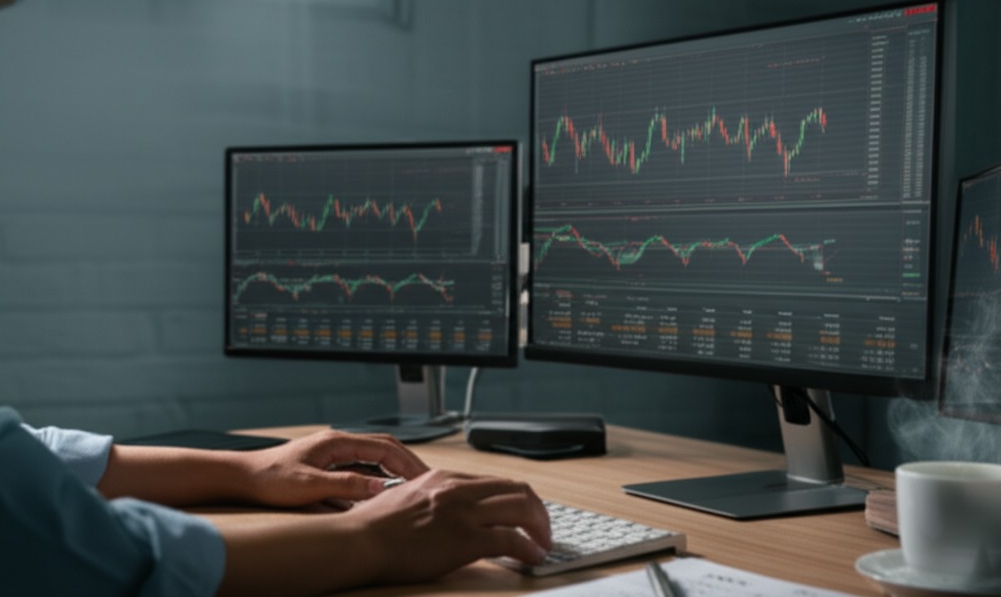
Forex, or foreign exchange, refers to the buying and selling of currencies. The market is open 24/5, making it a dynamic environment where traders capitalize on fluctuations in exchange rates. Traders leverage various strategies to speculate on the price movements, which can be impacted by economic events, news, and global factors. The forex market is often chosen for its high liquidity and low barriers to entry, allowing both new and experienced traders to participate.
The Basics of Currency Pairs
In forex trading, currencies are always quoted in pairs—one currency is bought, the other is sold. The currency on the left is called the base currency, and the one on the right is the quote currency. The exchange rate tells you how much of the quote currency is needed to purchase one unit of the base currency. For example, in the EUR/USD pair, the EUR is the base currency, and the USD is the quote currency. Understanding currency pairs helps traders analyze market trends and place informed trades.
Understanding Forex Market Hours
Forex operates in multiple trading sessions throughout the day. Each major financial center, such as Sydney, Tokyo, London, and New York, has its own session. The highest volume and volatility often occur during the overlap between the London and New York sessions, which can present opportunities for traders. It’s crucial to consider these trading hours to know when to enter and exit the market based on when the market is most active.
Why Trade Forex?
The forex market offers distinct advantages that set it apart from other financial markets. Let's dive deeper into the key reasons why traders choose forex over other forms of trading.
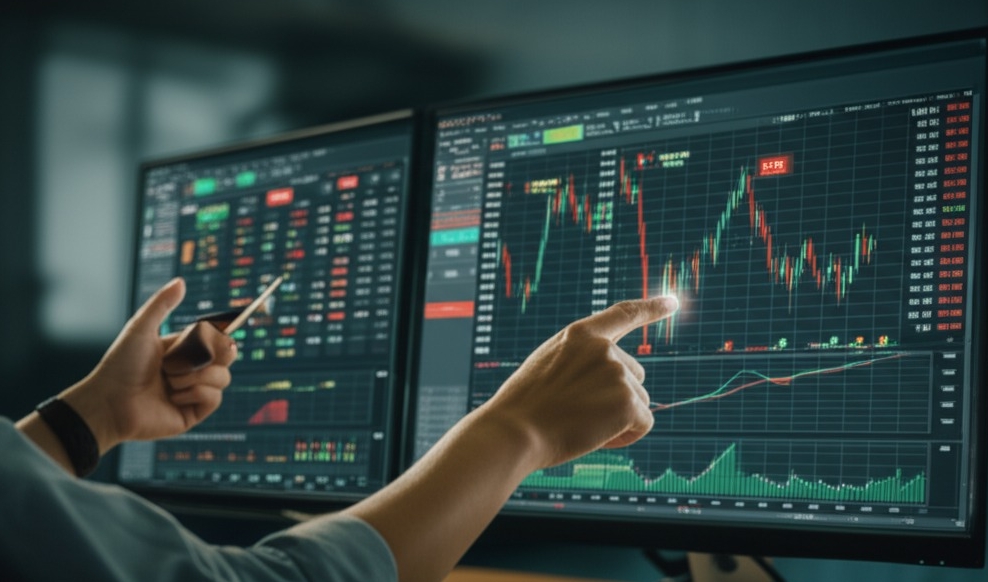
Liquidity and Flexibility in Forex
The forex market is massive, with a daily trading volume exceeding $6 trillion. This liquidity means that traders can enter and exit trades almost instantly, with minimal price slippage. The sheer size of the market ensures there’s always a buyer or seller available, making it one of the most flexible markets out there.
In practical terms, liquidity ensures that:
Trading volume is high, so you can execute large trades without significantly moving the market.
Market depth allows for better order execution with less impact on the price.
Ease of execution means traders can get in or out quickly, even during volatile periods.
Another advantage is the tight bid-ask spread, which lowers transaction costs. When there's enough liquidity, the difference between what you're buying and selling (the bid-ask spread) is minimal, reducing costs in the long run.
24/7 Access: Trade Anytime
Forex operates around the clock, meaning you can trade 24 hours a day, five days a week. The market is open globally, with four major trading sessions (Asian, European, North American, and Pacific), making it accessible no matter where you are in the world. For example, the London session typically offers high volatility, while the New York session brings in liquidity after the European market closes.
Here’s a look at the trading sessions and their overlaps:
| Session | Start Time | End Time | Peak Trading Hours |
|---|---|---|---|
| Asian Session | 5:00 PM GMT | 2:00 AM GMT | 7:00 PM - 12:00 AM GMT |
| European Session | 7:00 AM GMT | 4:00 PM GMT | 8:00 AM - 12:00 PM GMT |
| North American | 12:00 PM GMT | 9:00 PM GMT | 2:00 PM - 6:00 PM GMT |
As the forex market spans time zones, traders have access to global markets no matter their location. Whether you're in Asia or North America, the market's continuous nature provides ample opportunity for those who want to trade at different times.
Low Barriers to Entry
Forex has one of the lowest entry costs among all financial markets. For as little as $100, traders can open a live account with many brokers. The low minimum deposit requirement, combined with demo accounts for practice, makes it easy for new traders to dip their toes into the market without committing large amounts of capital.
Here are some reasons why forex has low barriers to entry:
Affordable platforms: Trading platforms like MetaTrader 4 (MT4) and MetaTrader 5 (MT5) are free to download and offer all the tools traders need.
Micro accounts: Traders can start with small amounts of capital and trade smaller positions.
Demo accounts: Practice accounts allow you to simulate real trading without risking actual money.
High Leverage Potential
Leverage is one of the most attractive aspects of forex trading. With leverage, traders can control larger positions with relatively small amounts of capital. For instance, with a 50:1 leverage ratio, a trader can control a $50,000 position with just $1,000 of their own funds. While leverage amplifies potential gains, it also increases the risk of significant losses.
To mitigate the risk, it's crucial to have proper risk management in place, including setting stop-loss orders and maintaining a balanced leverage-to-capital ratio.
Here’s how leverage impacts potential returns:
| Leverage Ratio | Required Capital | Position Size | Potential Return (10% movement) |
|---|---|---|---|
| 10:1 | $1,000 | $10,000 | $1,000 |
| 50:1 | $1,000 | $50,000 | $5,000 |
| 100:1 | $1,000 | $100,000 | $10,000 |
The table above shows how varying leverage ratios increase the position size and, consequently, the potential return (or loss). It’s important to use leverage responsibly and understand the risks involved.
Understanding Price Movements
Price movements in forex are driven by market trends and economic events. Let’s take a deeper look into what moves the market and why these shifts happen.
Market Trends and Price Action
In the forex market, price action is driven by the movement of supply and demand. When demand for a currency increases, the price tends to rise, and when demand falls, prices drop. Traders focus on market trends (whether bullish or bearish) to understand the bigger picture of the market's direction.
Bullish Trends: A bullish market occurs when buyers are in control. This means there’s strong demand for the currency, leading to higher prices.
Bearish Trends: Conversely, a bearish trend happens when sellers dominate the market, pushing prices down as supply outweighs demand.
Price action is like a retail sale: the more people want a product, the higher its price. Understanding this helps traders make better entry and exit decisions.
| Trend Type | Description | Market Impact |
|---|---|---|
| Bullish | Buyers dominate, prices rise | Increased buying pressure |
| Bearish | Sellers dominate, prices fall | Increased selling pressure |
| Sideways | Price moves in a range without trend | No clear market direction |
How Economic Events Influence Prices
Economic events are critical drivers of forex prices. These events, like inflation or changes in interest rates, directly affect the supply and demand of a currency, causing shifts in its value.
Interest Rates: When central banks raise interest rates, it typically increases the attractiveness of that currency. Higher rates mean better returns for investments, leading to more demand for that currency.
Inflation: When inflation rises, the purchasing power of a currency declines. This often results in a weaker currency because people and businesses can’t buy as much with the same amount of money.
For example, if the U.S. Federal Reserve hikes interest rates, the U.S. dollar might gain value because investors see it as more profitable to hold U.S. assets. Similarly, if inflation in the Eurozone spikes, the euro might lose value due to reduced purchasing power.
Economic indicators like inflation, consumer spending, and manufacturing costs are essential to tracking how the global economy influences currency movements. Let’s break this down further:
| Economic Event | Impact on Currency Value | Example |
|---|---|---|
| Interest Rates | Higher rates = stronger currency | U.S. Fed increases rates |
| Inflation | Higher inflation = weaker currency | Eurozone inflation rises |
| Consumer Spending | Higher spending = stronger currency | Increased U.S. consumer demand |
| Global Trade | Higher trade = stronger currency | Strong export growth in China |
Key Price Drivers
Understanding the key drivers behind forex price movements is crucial for traders. These factors can shift market trends, influence decisions, and impact potential gains or losses. Let’s break down the main influences on forex prices.

Interest Rates and Central Banks
Interest rates set by central banks, such as the Federal Reserve, the European Central Bank, or the Bank of England, are some of the most important price drivers in forex markets. Central banks adjust these rates to control inflation and ensure economic stability.
Impact on forex: When a central bank raises its interest rates, the currency tends to appreciate. This is because higher rates offer better returns to investors, which drives up demand for the currency. Conversely, lowering interest rates often weakens the currency as lower rates offer less attractive returns.
For example, during a period of economic uncertainty, central banks might lower interest rates to stimulate spending. The U.S. Federal Reserve's actions on rates, through measures like quantitative easing, can heavily influence the U.S. dollar.
Key terms:
Monetary Policy: Actions taken by central banks to influence economic conditions.
Interest Rate Hikes: Increases in interest rates to curb inflation and slow the economy.
Reserve Requirements: The amount of funds that a bank must hold in reserve.
Discount Rate: The interest rate charged to commercial banks for borrowing funds.
Economic Indicators That Matter
Economic indicators are reports that measure a country's economic health and performance, and they are essential in predicting currency movements. Here are the main indicators traders watch closely:
| Indicator | What it Measures | Impact on Forex |
|---|---|---|
| GDP Growth | The total economic output of a country. | Strong GDP growth boosts currency value as it signals a robust economy. |
| Consumer Price Index (CPI) | Measures the change in price of a basket of goods and services. | Rising CPI can lead to inflation, which often triggers interest rate hikes. |
| Unemployment Rate | The percentage of people actively seeking work. | A rising unemployment rate may signal economic troubles, weakening the currency. |
Key terms:
Non-Farm Payrolls (NFP): The number of jobs added in the economy excluding farm workers.
Consumer Confidence: How optimistic consumers are about the economy, influencing spending.
Purchasing Managers' Index (PMI): A leading indicator of economic health based on surveys of private sector firms.
Economic reports like CPI and GDP can significantly affect investor sentiment. If GDP grows faster than expected, traders might predict a rise in interest rates, leading to a stronger currency.
Geopolitical Events
Geopolitical events—such as elections, trade disputes, and international conflicts—can create uncertainty in the markets and drive forex price movements. These events are often unpredictable, but they have significant impacts on currency strength.
Impact on forex: - Political instability or trade disputes can cause currencies to weaken, as investors shy away from risky assets. - Sanctions or diplomatic tensions can also lead to significant shifts. For example, if the U.S. imposes sanctions on a country, the affected nation's currency could depreciate.
One example is when the U.K.'s Brexit vote created uncertainty about future trade relations, causing the British pound to fall dramatically. Similarly, political unrest in emerging markets tends to send their currencies downward as investor confidence weakens.
Key terms:
Trade Disputes: Disagreements between countries over tariffs or trade policies.
Conflict Zones: Areas of political or military instability affecting currency values.
Energy Security: Countries dependent on oil and gas markets are particularly affected by energy prices.
Inflation and Inflation Data
Inflation refers to the rate at which prices for goods and services increase, and it significantly influences currency values. Central banks closely monitor inflation data, like the CPI and Producer Price Index (PPI), to adjust monetary policy accordingly.
Impact on forex: - High inflation weakens a currency as it erodes purchasing power. Central banks may respond by raising interest rates to control inflation. - Low inflation often leads to a weaker currency, as it suggests sluggish economic growth or low demand.
For example, if inflation rises rapidly in the Eurozone, the European Central Bank may raise interest rates to cool the economy, strengthening the euro. On the other hand, if inflation drops in the U.S., the Federal Reserve may keep rates low, which could weaken the U.S. dollar.
Key terms:
Core Inflation: Excludes volatile items like food and energy prices, providing a clearer picture of inflation.
Demand-Pull Inflation: Occurs when demand outstrips supply, driving prices up.
Cost-Push Inflation: Arises from rising costs of production, leading to higher prices for goods and services.
Market Sentiment and Speculation
Market sentiment and speculation refer to the collective attitude of traders and investors toward a particular currency. Sentiment can be bullish (optimistic) or bearish (pessimistic), and it greatly influences currency movements. Speculation is when traders make bets on future currency movements based on their perception of economic trends or geopolitical events.
Impact on forex: - Positive sentiment can drive buying pressure on a currency, pushing its value higher. - Negative sentiment can lead to selling, causing the currency to weaken.
For example, if traders believe that the U.S. economy is heading toward a recession, they may begin selling off the U.S. dollar, causing its value to fall. Conversely, if sentiment is positive about the Australian dollar, traders may buy it, leading to an appreciation.
Key terms:
VIX Index: Measures market volatility, often referred to as the "fear gauge."
Herd Behavior: Traders following the crowd rather than making independent decisions.
Market Psychology: Refers to the emotional state of the market that can influence price movements.
By understanding these key price drivers, traders can make more informed decisions. Whether it's keeping an eye on central bank policy, watching inflation numbers, or interpreting geopolitical news, these factors offer valuable insights into potential currency fluctuations.
Essential Trading Tools
In the world of forex, using the right tools is critical. From choosing a platform to managing risk, let’s explore the tools that every trader needs to succeed.
Trading Platforms and Software
A trading platform is your portal to the forex market. It connects you to the market data, trade execution, and allows you to manage your positions. Brokers offer different platforms such as desktop clients, mobile trading apps, and web-based platforms. Each has its pros and cons, but the goal is the same: smooth execution and efficient trading.
Brokerage platforms: These platforms allow traders to place orders, track positions, and analyze the market. Examples of reputable brokers with robust platforms include:
MetaTrader 4/5 (MT4/5): A widely-used platform with strong charting capabilities, algorithmic trading, and automated strategies.
cTrader: Known for its order management features and market data feeds, it’s a favorite for algorithmic traders.
NinjaTrader: Offers advanced charting, execution systems, and automated trading, ideal for serious traders.
API integration: Some platforms allow you to use APIs to automate trading strategies or access real-time data feeds.
When choosing your platform, make sure it offers the execution system you need. Check out their market data feed quality, latency, and any specific algorithmic trading capabilities, especially if you are looking to take a more systematic approach.
| Broker Name | Platform | Key Features |
|---|---|---|
| IG Group | Web-based, MT4 | Robust charting, order management |
| OANDA | MT4, Web-based | Mobile trading app, real-time data |
| Interactive Brokers | Trader Workstation | Low commissions, high leverage, advanced tools |
Charting and Technical Indicators
Charting is where traders visualize price movements. The most common chart types include candlestick charts, line charts, and bar charts. To dive deeper into price patterns, you’ll need to use technical indicators like:
Moving Averages (MA): Use Simple Moving Averages (SMA) or Exponential Moving Averages (EMA) to spot trends.
Relative Strength Index (RSI): This indicator helps gauge if a currency pair is overbought or oversold.
MACD: The Moving Average Convergence Divergence is a momentum indicator that shows potential price reversals.
Other useful tools include Bollinger Bands (to measure volatility), Fibonacci retracement (to identify potential reversal levels), and support and resistance levels (to help identify price entry points). Familiarity with trend lines and chart patterns like head and shoulders or double tops can help you time your trades better.
Risk Management Tools
Managing risk is essential to becoming a successful trader. Risk management tools help mitigate potential losses while maximizing your chances for profit.
Stop-loss orders: Automatically close your position at a certain loss level to protect your capital.
Take-profit orders: Lock in profits at a set price level, preventing emotional trading.
Position sizing: Determine how much capital to allocate to each trade, reducing the impact of any single loss.
Diversification: Spread risk across multiple currency pairs or even different markets to limit exposure to a single trade.
Hedging strategies: Use instruments like options or futures to offset potential losses from your forex positions.
Additionally, always calculate your risk/reward ratio before entering any trade to ensure the potential reward outweighs the risk. Regular drawdown analysis is also critical, allowing you to monitor the worst-case scenario for your portfolio.
| Risk Management Tool | Purpose | Example Strategy |
|---|---|---|
| Stop-loss Order | Prevents larger losses | Set at 1% loss per trade |
| Take-profit Order | Locks in profits | Target 2:1 risk/reward ratio |
| Position Sizing | Limits risk per trade | Risk 2% of account balance per trade |
Building Your Trading Strategy
Creating a strong trading strategy is key to succeeding in forex. It’s not just about making random trades, but building a plan that works for your goals. Here's how you can get started:
Defining Your Trading Goals
Set clear profit targets and align your strategy with your financial objectives. Consider your risk tolerance, time horizon, and the amount of capital preservation you aim for. Establishing these goals helps define a clear roadmap for your trading.
Example: If you're aiming for capital growth with a high risk tolerance, your strategy will focus on higher-return trades, but with a tighter stop-loss.
Choosing Your Trading Style
Trading style impacts everything from your market volatility exposure to how frequently you’ll be trading. Pick a style that aligns with your personality and goals:
Day Trading – Short-term trades within the same day
Swing Trading – Holding trades for days or weeks
Scalping – Quick, small trades to profit from small market moves
Pro Tip: The holding period and trading frequency should fit your schedule and risk appetite.
Risk-to-Reward Ratio
Understanding the risk-to-reward ratio is critical to successful trading. This metric helps you calculate whether the potential reward is worth the risk. Keep an eye on stop loss and take profit points.
Example: If your reward potential is 3x your risk, it means for every $1 you risk, you aim to gain $3.
Backtesting Your Strategy
Before committing real money, test your strategy with historical data. This is where you check how your strategy would’ve performed in the past.
Pro Tip: Use performance metrics like profitability and drawdown to evaluate the entry and exit signals of your strategy.
These steps give you the foundation to create a strategy that aligns with your goals and improves your chances of success. Keep it adaptable—your strategy should evolve as market conditions change!
Managing Risk in Forex
Risk management is the key to surviving and thriving in forex trading. Protecting your capital and ensuring long-term profitability can make all the difference. Here’s how to manage risk effectively.
Stop-Loss and Take-Profit Strategies
Using stop-loss and take-profit orders are crucial in controlling your risk. These are your exit strategies to lock in profits or cut losses before they get out of hand.
A stop-loss order automatically closes your position at a pre-set price level, preventing large losses.
A take-profit order ensures you capture profits once a trade hits your profit target.
Adding a trailing stop can help lock in profits as the market moves in your favor.
Remember, an exit strategy should be part of your trading plan, keeping emotions at bay.
Risk Per Trade and Position Sizing
Your risk per trade and position size are crucial to managing capital and minimizing potential losses. These factors should align with your account size and volatility-based sizing strategy.
Keep your percentage risk per trade low, usually around 1-2% of your risk capital.
Use fixed fractional or fixed ratio sizing to determine your trade size based on your risk tolerance.
Tools like the ATR (Average True Range) help you gauge market volatility and size your trades accordingly.
Smart position sizing reduces the risk of a maximum drawdown and helps with consistent capital growth. Always keep an eye on leverage to avoid overexposure.
Avoiding Common Mistakes
Avoiding common mistakes is crucial for success in forex. Here, we highlight three major errors traders often make and how to dodge them.
Overtrading and Emotional Trading
Emotional trading is like driving a car with no brakes—you're speeding towards trouble. Overtrading often stems from fear or greed. When traders jump into trades impulsively, they act on emotions instead of strategy. To avoid this, focus on discipline and don't let the market’s "noise" push you around. A solid trading plan helps keep you in control.
Overtrading leads to burned-out accounts.
Emotional trading skews decision-making.
Discipline is the best defense against impulsivity.
Ignoring Risk Management
Risk management is your safety net. Without it, you're setting yourself up for a fall. When you ignore it, you're gambling. Using tools like stop loss, proper position sizing, and assessing risk tolerance can protect you from volatile swings. A proper strategy balances risk and reward, so you're never risking more than you can afford to lose.
Protect capital using stop loss orders.
Always align risk with your account size.
Risk management allows you to sleep at night.
Chasing Losses and Revenge Trading
Chasing losses is like trying to outrun a bad decision—you can’t. When traders try to recover quickly, they make impulsive decisions. Revenge trading increases risk and often leads to bigger losses. To break the cycle, stick to your plan. Accept that losses happen and move on. Patience wins the race.
Chasing losses = emotional response + impulsive decisions.
Revenge trading escalates risks and destroys discipline.
Focus on long-term success, not quick fixes.
Conclusion
Congrats! You’ve made it through the DailyFX Forex Trading Course Walkthrough: Part Ten. You now know the ropes—how forex works, what drives prices, and how to start building your trading strategy.
This isn’t the end, though. Think of this as laying the groundwork. As the pros say, "Trading is a marathon, not a sprint." Keep practicing, stay disciplined, and you'll keep improving.
Now, it’s time to put your knowledge into action. Happy trading, and here’s to making those smarter, more confident moves!
Forex trading involves buying and selling currencies with the aim of making a profit from the fluctuations in their exchange rates. It’s the world’s largest financial market, with a daily turnover of over $6 trillion. Unlike stocks, the forex market operates 24 hours a day, five days a week, offering opportunities to trade at nearly any time.
In forex trading, currencies are quoted in pairs (like EUR/USD or GBP/JPY). The first currency in the pair is called the base currency, and the second one is the quote currency. The price tells you how much of the quote currency is needed to purchase one unit of the base currency.
For example:
EUR/USD = 1.12 means 1 euro equals 1.12 US dollars.
When the price goes up, the base currency strengthens; when it goes down, it weakens.
Forex prices move because of various factors, including economic data, market sentiment, and geopolitical events. Essentially, supply and demand for a currency dictate its price.
Key drivers include:
Interest rates: Central banks control interest rates, which can increase or decrease demand for a currency.
Economic indicators: Data such as GDP, unemployment rates, and inflation can influence currency values.
Political events: Elections, policies, or international tensions can create volatility in the forex market.
There are several great platforms to consider when you start trading. Some of the top picks include:
MetaTrader 4 (MT4) – Popular for its ease of use and robust features.
MetaTrader 5 (MT5) – An upgrade from MT4, offering additional tools.
cTrader – Known for its fast order execution and user-friendly interface.
TradingView – Great for charting and technical analysis.
To build a forex trading strategy, you need to define your goals, decide on a trading style, and incorporate risk management. Here's a step-by-step approach:
Define your trading goals: What do you want to achieve? Are you looking for long-term gains or quick profits?
Choose a trading style: Are you a scalper, day trader, or swing trader? Your style will shape your strategy.
Develop rules for entry and exit: Decide when you will enter or exit a trade.
Implement risk management: Use stop-loss orders and calculate your risk per trade to avoid major losses.
Leverage allows traders to control a larger position than their initial capital would normally allow. For example, if you have 1:100 leverage, you can control $100,000 with just $1,000 in margin.
While leverage can amplify profits, it also increases the risk of losses. It’s important to use leverage wisely and always have risk management strategies in place.
Managing risk is essential for long-term success. Here are some ways to protect your capital:
Use stop-loss orders to limit losses.
Set proper position sizes to avoid risking too much on any single trade.
Diversify your trades to avoid putting all your eggs in one basket.
Keep emotions in check: Avoid emotional decisions, like chasing losses or trading impulsively.
Here are some common pitfalls:
Overtrading: Trying to trade too often can lead to mistakes and unnecessary losses.
Ignoring the bigger picture: Focusing too much on one trade can cause you to miss long-term trends.
Chasing losses: When you lose, resist the urge to jump into another trade in an attempt to win back the money.
Not using stop-loss orders: This can lead to large, uncontrollable losses in volatile markets.
Emotional trading can be detrimental to your account balance. To avoid it:
Stick to your plan: Develop a strategy and follow it, regardless of how you feel.
Take regular breaks: Don’t stare at your screen too long, as this can cloud judgment.
Set realistic goals: Understand that you won’t win every trade and that losses are a part of the game.
Track your progress: Keep a trading journal to review what works and what doesn’t.