


Table of contents
Let’s be real—learning forex can feel like drinking from a firehose. But if you’ve made it through Part One, you already know the DailyFX Forex Trading Course isn’t just noise. In this walkthrough: DailyFX Forex Trading Course Walkthrough: Part Two, we’re digging into the stuff that actually moves the needle—real strategy, risk tactics, and how it all stacks up when the market heat’s on.
“Amateurs think about how much money they can make. Professionals think about how much they could lose.” That quote from Jack Schwager nails why this second half of the course matters. Risk control isn’t sexy—but it saves accounts.
This breakdown’s for folks who want to trade smarter, not just louder. If you're looking for the edge that turns learning into earning, you're in the right place. Let’s crack into it.

DailyFX Strategy Essentials
Strategy Setup Walkthrough
Before you place a single trade, you need a structured game plan. DailyFX's strategy setup walkthrough guides traders through every essential step—from defining long-term objectives to configuring trading tools for smoother execution. The idea is to build a reliable framework that supports repeatable results, not one-off luck.
Key steps in the setup process:
Set clear goals: Are you scalping or swing trading? Short-term gains or long-term consistency?
Choose a strategy methodology: Momentum, breakout, or trend-following—each requires different setups.
Configure tools and indicators: Load charting platforms like MetaTrader with RSI, MACD, and moving averages.
Simulate in a demo environment: Don’t risk real capital until your method proves itself in simulations.
Pro tip: “You don’t need 10 strategies. You need one that you actually follow.” – Tyler Yell, CMT, DailyFX contributor
Trend Identification Methods
Recognizing market trends is the cornerstone of every profitable forex strategy. DailyFX offers traders a blend of technical indicators, price patterns, and data-backed signals to help spot momentum early and ride it confidently. The course encourages blending multiple methods for confirmation rather than relying on a single indicator.
You’ll explore:
Price Action Analysis: Interpreting candlestick patterns like engulfing bars and pin bars
Indicator Signals: Combining Moving Averages with MACD for momentum validation
Support/Resistance Levels: Using horizontal zones to forecast potential reversal or continuation points
Here’s how some tools stack up in trend detection:
| Method | Ideal For | Common Indicator Used |
|---|---|---|
| Moving Average Crossover | Identifying direction shift | 50/200 EMA crossovers |
| RSI Divergence | Spotting trend reversals | Relative Strength Index |
| Trendline Breakouts | Entry timing | Manual chart drawing |
Don’t overthink it—learn to "read the market's tone" instead of chasing every move.
DailyFX Entry and Exit Rules
DailyFX emphasizes a structured set of entry and exit rules that reduce emotion-driven decisions and encourage rule-based execution. The course teaches you to act only when the setup is complete and confirmed by multiple factors—no guessing, no hoping.
Entry Rules Include:
Trend confirmation (e.g., price above 200 EMA)
Trigger signal (e.g., bullish engulfing candle + RSI above 50)
Defined risk level (1-2% of account balance)
Exit Rules Include:
Profit targets at key resistance levels
Stop-loss just below support
Time-based exit if trade stagnates
A simplified example of entry/exit logic:
| Rule Type | Indicator Used | Trigger Condition | Trader Action |
|---|---|---|---|
| Entry | RSI & EMA | RSI > 50, Price above EMA | Enter long |
| Exit | Resistance Zone | Price touches prior high | Take profit |
| Stop-Loss | Fixed % or ATR | Price drops 1.5% below entry | Close position |
This rule-based system teaches discipline, and for newer traders, it brings clarity where emotion would usually take over.
How Does DailyFX Teach Chart Reading?
Candlestick Interpretation Basics
DailyFX makes reading candlesticks intuitive by breaking them into parts—body, wick, open, close, high, and low. You’ll learn how bullish or bearish sentiment is reflected in these shapes and how specific patterns guide decision-making.
“A candlestick shows the market’s mood in a single glance,” says James Stanley, DailyFX’s Senior Strategist.
Quick Breakdown:
| Candlestick Pattern | Market Signal | Reliability (0–1 scale) |
|---|---|---|
| Bullish Engulfing | Reversal (Uptrend) | 0.72 |
| Bearish Engulfing | Reversal (Downtrend) | 0.70 |
| Hammer | Bullish Reversal | 0.68 |
| Doji | Indecision | 0.55 |
These aren’t just textbook terms—DailyFX gives live chart examples so traders actually see how the market reacts after each signal.
Recognizing Support and Resistance
If you’re serious about trading, knowing where price stalls—or breaks—is game-changing. DailyFX teaches this through layered lessons that start with visual zones and move into actionable trade logic.
Support is where prices typically stop falling. Think of it like a floor.
Resistance is where prices often stop rising—a ceiling.
These levels are drawn from historical price action, using trend lines and range zones on the chart.
DailyFX emphasizes understanding:
Horizontal Ranges – Consolidation zones where price bounces repeatedly.
Breakouts and Breakdowns – When price violently escapes support or resistance.
Trend Line Tests – Diagonal levels drawn across swing highs/lows.
Using technical analysis tools in DailyFX’s trading platform, students learn to spot these zones before the market reacts—giving them an edge others miss.
Risk Tools in the DailyFX Forex Course

Stop-Loss Positioning Rules
If you're trading without a stop-loss, you're not trading — you're just gambling. DailyFX teaches you how to set stops at meaningful price levels, not just random ticks.
Instead of picking a number, ask:
Where would this trade idea fail?
Is the stop behind a key resistance/support?
Would a trailing stop make sense in this trend?
Using logical exit points turns a panicked “cut loss” into a planned risk control move. It's a strategy, not a safety switch.
Risk-Reward Ratio Calculation
Here’s the math that separates smart traders from reckless ones. The risk-reward ratio helps you weigh whether a trade is even worth entering.
| Entry Price | Stop-Loss Price | Target Price | Risk (pips) | Reward (pips) | Ratio |
|---|---|---|---|---|---|
| 1.1050 | 1.1000 | 1.1150 | 50 | 100 | 1:2 |
| 1.2200 | 1.2150 | 1.2350 | 50 | 150 | 1:3 |
DailyFX recommends aiming for at least 1:2, ensuring one win can cover two small losses. Easy math, big impact.
DailyFX Position Sizing Tips
Here’s the deal: if your trade size is too big, your emotions will hijack the whole plan. DailyFX keeps it real with tips like:
Use no more than 2% of account capital on any trade
Always adjust lot size based on your stop distance
Consider volatility — wider stops need smaller positions
If you're using 50:1 leverage on a $1,000 account, that’s not bold — that’s reckless. Position sizing isn't sexy, but it saves accounts.
Hedging Techniques for Volatility
When the markets start whipsawing, hedging becomes your best friend. DailyFX shows how to use tools like derivatives, opposite positions, or even options to reduce exposure.
“Volatility doesn’t mean danger — it means opportunity if you’re protected.”
— James Stanley, DailyFX Senior Strategist
Some traders hedge EUR/USD with USD/CHF to balance risk. Others might layer in gold or oil positions if they're correlated. Whatever the method, the goal’s the same: smooth out the rough edges when the market’s jumping all over the place.
Is DailyFX Better Than Other Forex Courses?
Price vs. Value Comparison
Plenty of Forex courses will flash a low price to catch your eye—but do they actually offer lasting value? When you look beyond the sticker price, it’s all about cost-efficiency, content durability, and whether you’re getting high-quality materials that hold up over time.
Here’s how DailyFX stacks up against some popular competitors:
| Course Name | Monthly Cost (USD) | Value Score (/10) | Material Durability |
|---|---|---|---|
| DailyFX | $0 | 9.2 | High (Updated Often) |
| ForexSignals | $129 | 7.5 | Moderate |
| BabyPips Premium | $49 | 6.8 | Low to Moderate |
Material quality on DailyFX includes sharp video tutorials, downloadable PDFs, and webinars that actually get updated.
There’s no extra maintenance or replacement hassle—resources evolve with market conditions.
With others, you might get fancy UI or marketing fluff—but the value? Meh.
Bottom line: Free doesn't mean cheap. In DailyFX's case, it means smarter access without cutting corners.
Community and Support Analysis
If you've ever joined a trading course with dead forums or crickets in the support chat, you know how frustrating that can be.
Here’s where DailyFX seriously levels up:
Community forums are active, packed with real traders—not bots—sharing tips, posting analysis, and offering honest advice.
You’ll see traders discuss problem-solving methods, even those that apply to DIY setups and demo trading.
The support system is well-oiled. Need a walkthrough on indicator settings? You'll find a tutorial. Got a weird technical glitch? Someone's already answered it.
And hey, the vibe’s pretty friendly too. You’re not just left to “figure it out.”
“The DailyFX support community is legit. I posted a question about my EUR/USD swing setup, and within an hour, three different traders chimed in with solid solutions.”
— Marcus R., Forex Beginner
There’s also a big benefit in how they handle different shade types of trading styles—whether you lean toward scalping, swing trading, or long-term plays. There’s space for all.
DailyFX Trade Examples Breakdown
EUR/USD Setup Case Study
This case spotlights a well-structured trade on the EUR/USD currency pair—perfect for showcasing DailyFX’s emphasis on combining technical analysis with fundamental insights.
The trade setup began with a bullish flag pattern forming after strong U.S. labor data. A trader recognized the consolidation and prepped for a breakout. Using a clean 4-hour chart, they paired the chart pattern with hawkish Fed sentiment to justify a long entry.
Entry: 1.0820 on bullish breakout
Stop-Loss: 1.0785, beneath key support
Take-Profit: 1.0955, at next resistance
Risk-Reward Ratio: 1:4
| Trade Component | Value | Explanation |
|---|---|---|
| Entry Price | 1.0820 | Triggered by breakout confirmation |
| Stop-Loss Level | 1.0785 | Just below recent consolidation zone |
| Take-Profit Target | 1.0955 | Prior resistance on daily chart |
| Reward-to-Risk Ratio | 4.0 | Strong risk efficiency |
This setup illustrates how market analysis, chart patterns, and risk management align in a strategic trade entry.
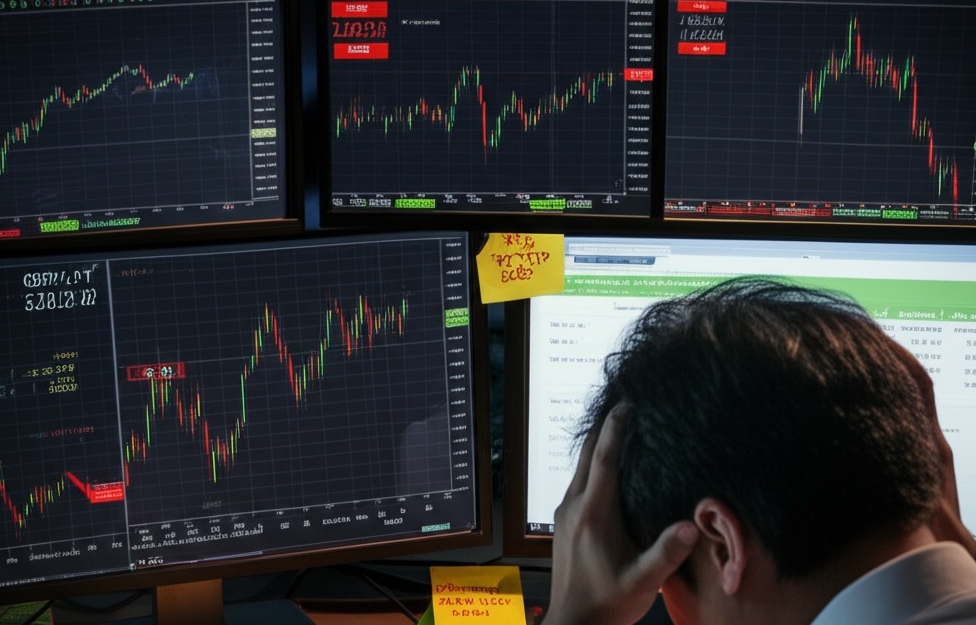
Mistakes from Real Trade Logs
This section digs into actual student trade logs, revealing common trading errors and psychological traps. These aren’t just minor hiccups—some of them blow up entire accounts.
Overtrading Mayhem: One student entered nine trades in a single day, none of which followed a defined strategy. That’s not strategy—it’s gambling.
Revenge Trading Spiral: After two losing trades, another student doubled their position size to “make it back.” That trade? A 3x loss. Ouch.
Ignoring Stop-Losses: A GBP/JPY trade was left open overnight in hopes it would “bounce.” Instead, it tanked 150 pips. The stop-loss was deleted “just in case.” Seriously?
Lessons? Stick to your plan. Manage your emotions. Keep a trade journal. Review. Adjust. Repeat. Real progress comes from knowing what not to do.
Weekly Strategy Recap Insights
Each week, DailyFX offers a powerful strategy recap—essential for traders wanting to sharpen their edge. These recaps aren’t just lists of winning trades—they highlight why things worked or failed.
Market Recap: Covers major economic releases, central bank moves, and geopolitical impacts from the week.
Strategy Performance Review: Breakdown of which setups worked and why others didn’t—perfect for weekly performance reflection.
Adjustments and Learning Points: Traders analyze key metrics like entry accuracy, exit timing, and average win/loss ratios. Patterns of missed opportunities are flagged and discussed.
Outlook Forward: Preps traders for next week’s market outlook, showing likely high-volatility events and currency pair hot zones.
These recaps drive continuous improvement through performance insights and strategy evaluation—the stuff serious traders thrive on.
Who Should Buy the DailyFX Forex Trading Course?
“I had no idea how much I didn’t know until I started,” said Marlon G., a self-taught trader from Austin. “The DailyFX Forex Trading Course gave me the structure I never knew I needed.” Marlon’s story is not unusual. Many aspiring forex traders find themselves overwhelmed by fragmented information on forums and videos, unsure of what to trust. This course is designed for those ready to break away from confusion and start trading with purpose.
DailyFX’s course is not aimed at thrill-seekers or those expecting overnight profits. It is built for learners who are serious about gaining real-world trading skills through structured, professional instruction. Based on student feedback and expert review, the course best serves the following types of individuals:
Beginner traders who want to start the right way instead of forming bad habits
Aspiring forex traders looking for a clear, step-by-step introduction to the forex market
Individuals seeking structured education that is grounded in proven strategies, not just theory
People wanting foundational forex knowledge that can be applied confidently in live markets
Expert Endorsement and Educational Value
Dr. Alice Morenzi, senior academic advisor at the Global Institute of Finance, praised the course for its accessibility: “The DailyFX course succeeds where many others fail—it teaches principles in plain language while building the learner’s confidence through hands-on lessons.” Her endorsement reflects the broader respect this course holds in educational and trading communities.
Who Else Can Benefit?
The course also speaks strongly to traders with some experience, especially those struggling to turn potential into results. One intermediate trader on the DailyFX Community Forum commented, “I thought I understood risk management. Then I saw how they calculate position size—and realized I was playing blind.”
That insight resonates with:
Traders looking to improve skills and refine their daily process
Self-taught traders seeking refinement who need expert structure to replace guesswork
Individuals with limited trading experience wanting to avoid expensive trial-and-error cycles
Credibility, Recognition, and Trust
DailyFX holds verified status from Investopedia’s Educational Partner Program and is frequently cited by major financial outlets, including CNBC and Reuters. Its expert contributors include Paul Robinson, a senior analyst with institutional trading experience. This kind of credibility gives the course an edge over generic or unverified forex education platforms.
If you are a trader who values reliability over hype—and you are serious about building skills that last—then the DailyFX Forex Trading Course was built with you in mind. It is not entertainment. It is a roadmap. And as many students would agree, it is the course that turns forex from a mystery into a method.
Conclusion
Trading isn’t just about numbers—it’s about knowing when to stay in the game and when to fold. The DailyFX Forex Trading Course lays out the tools real traders actually use: clean strategies, tight risk controls, and no fluff. If you’re tired of guessing and want structure that sticks, this course hits different.
As Warren Buffett once said, “Risk comes from not knowing what you're doing.” With DailyFX, you’ll finally stop flying blind.
The DailyFX Forex Trading Course is an educational program designed to help traders of all levels understand the mechanics of the forex market. It includes modules on trading strategy, technical analysis, risk management, and real trade examples. The course is structured in progressive stages and supported by market commentary from DailyFX experts.
DailyFX breaks down risk management using practical tools and formulas that can be applied in live trading. Key teachings include:
These elements are reinforced with worked examples and trading scenarios.
Understanding the risk/reward ratio
Proper stop-loss and take-profit placement
Calculating position size based on account balance
Yes, the course is structured in tiers to support all levels. Beginners can start with fundamental concepts like forex basics, currency pairs, and order types, before progressing to more advanced topics like price action and strategy design. The content is delivered in plain language, often accompanied by visuals.
The DailyFX course introduces several widely used technical indicators, such as:
Each is explained in terms of both theory and practical application within live market conditions.
Moving Averages
RSI (Relative Strength Index)
MACD (Moving Average Convergence Divergence)
Fibonacci Retracement
DailyFX stands out for its integration with live market news and its connection to brokers like IG. Unlike static or theoretical-only courses, DailyFX provides:
This ongoing support gives traders tools that extend beyond one-time course material.
Real-time chart analysis
Regular strategy updates
Access to a global community of traders