


Table of contents
In the world of Forex trading, spreads are something every trader needs to understand. The "Forex Spreads Trading Strategies & Tips" you're about to dive into will give you the inside track on managing these spreads like a pro. Think of spreads like the hidden fees on your coffee; they’re there, and if you’re not careful, they’ll chip away at your profits without you even noticing.
Spreads are just the difference between the buy and sell price of a currency pair. Simple, right? But here's the catch – even small spreads can add up, especially if you're making multiple trades. It's like paying a little extra every time you grab a coffee – it doesn’t seem like much at first, but it stacks up.
As trader and author Alexander Elder once said, "A good trader isn’t someone who avoids losses; it's someone who manages them." This article will show you how to keep those spreads in check and turn them into an advantage. Let's jump in and turn those spreads into your trading edge.
What is a Forex Spread?
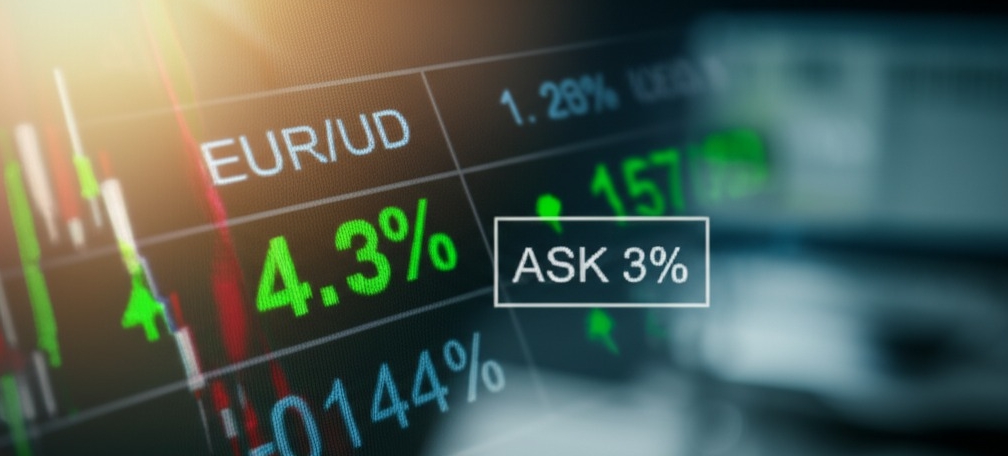
In Forex trading, a spread refers to the difference between the bid price and the ask price of a currency pair. The bid price is the price at which the market is willing to buy a currency, while the ask price is the price at which it is willing to sell. This difference is the spread, and it plays a critical role in determining the cost of executing trades in the Forex market.
Here is a basic breakdown of the main components involved:
Bid Price and Ask Price: Think of it like a negotiation. If you are selling, you get the bid price, and if you are buying, you pay the ask price. The difference between the two is the spread.
Cost of Trading: The spread essentially represents the cost of executing a trade. It is the fee that traders pay to brokers in exchange for their services, and it varies depending on the broker and market conditions.
Currency Pair: Spreads are most often discussed in terms of currency pairs like EUR/USD, GBP/USD, etc. The spread applies to all currency transactions, whether you're buying or selling.
Pip: A pip is the smallest price movement in a currency pair, and spreads are often quoted in pips. For example, if the EUR/USD pair has a spread of 2 pips, it means the difference between the bid and ask price is 2 pips.
There are two main types of spreads:
Fixed Spread: As the name suggests, the spread stays constant regardless of market conditions. This can be beneficial for traders who prefer stability.
Variable Spread: These spreads fluctuate based on market volatility. They can be narrower in calm market conditions but widen when volatility increases, such as during major news releases.
Brokers play a significant role in the size of the spread. Market makers, for example, tend to offer wider spreads, as they are setting both the bid and ask prices themselves. On the other hand, brokers who operate on an ECN (Electronic Communication Network) model often provide tighter spreads but may charge a commission.
Traders must always be mindful of the spread since it directly impacts trading costs. A narrow spread can save a trader money, while a wide spread could eat into profits quickly. As you grow your trading experience, understanding how the spread works and how it affects your trades will give you a crucial edge in the Forex market.
How is a Forex Spread Calculated?
In Forex trading, understanding how spreads are calculated is crucial for effective decision-making. Spreads directly impact the cost of your trades, and knowing how to calculate them will help you manage trading costs and enhance your profitability.
Understanding Bid-Ask Price Differences
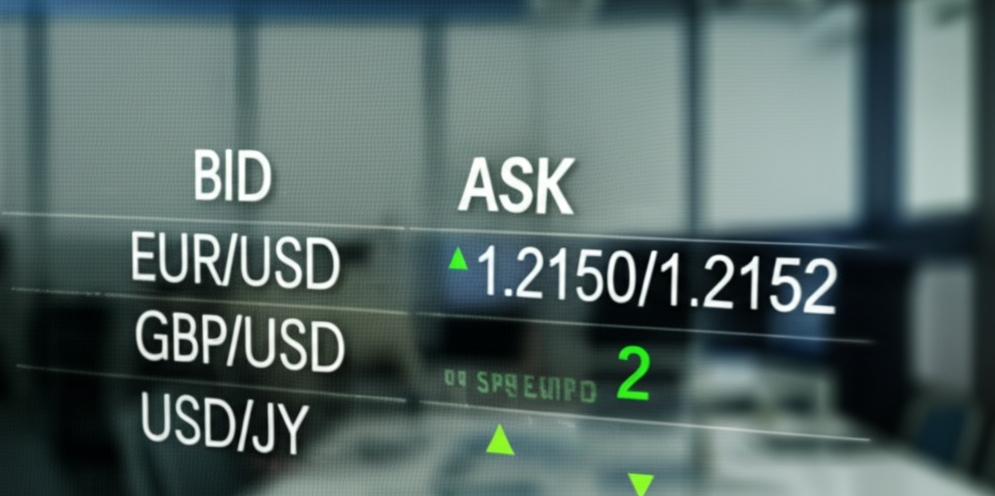
In every Forex trade, the bid price is the price at which buyers are willing to purchase a currency, while the ask price is the price at which sellers are offering it. The spread is the difference between these two prices. A narrower spread means lower transaction costs, which is more favorable for traders. Factors such as market depth, liquidity, and the order book can affect this price difference. When liquidity is high, such as during major market hours, the spread tends to shrink. In contrast, during times of low liquidity, the spread widens. Market execution price is influenced by the bid-ask price difference, so understanding this dynamic is critical when placing orders.
| Currency Pair | Bid Price | Ask Price | Spread (Pips) |
|---|---|---|---|
| EUR/USD | 1.2150 | 1.2152 | 2 pips |
| GBP/USD | 1.3500 | 1.3505 | 5 pips |
| USD/JPY | 110.50 | 110.53 | 3 pips |

Types of Spreads in Forex
There are several different types of spreads in Forex trading, each with its advantages and considerations. Understanding these spread types helps you choose the best option for your trading strategy and broker relationship.
Fixed Spread: A fixed spread remains constant no matter the market conditions. This makes it easy to predict trading costs, which is useful for traders who prefer stability. However, fixed spreads may be higher than variable spreads during normal market conditions.
Variable Spread: A variable spread fluctuates based on market conditions. When the market is calm and there is high liquidity, the spread tends to be narrow. During periods of volatility, the spread widens. For traders, this means variable spreads can offer lower costs during active trading hours.
Floating Spread: A floating spread is similar to a variable spread but is more dynamic and dependent on the broker’s pricing model. These spreads adjust based on the currency pair and the market conditions. Brokers may offer floating spreads, which typically change with liquidity and demand.
| Spread Type | Stability | Cost Implications | Best for |
|---|---|---|---|
| Fixed Spread | Constant | Predictable but higher | Beginners or steady traders |
| Variable Spread | Fluctuates | Can be low in liquid markets, but widens with volatility | Active traders in liquid markets |
| Floating Spread | Dynamic | Highly variable depending on market liquidity | Advanced traders who manage risk |
Factors Influencing Spread Size
The size of a Forex spread is influenced by several factors that every trader should be aware of to optimize trading strategies and costs. Here are the main factors:
Liquidity: The more liquidity in the market, the smaller the spread. Liquidity refers to the number of buyers and sellers in the market for a specific currency pair. A liquid market means more competition among traders, leading to narrower spreads.
Volatility: High volatility in the market, such as during major economic events or unexpected geopolitical shifts, can cause spreads to widen. For example, during a central bank rate decision or an unexpected election result, spreads tend to increase due to uncertainty.
Economic News: Major economic releases, like GDP data or employment reports, often lead to increased volatility and wider spreads. Traders should be prepared for this when major news is expected to be released.
Trading Volume: Higher trading volume typically leads to tighter spreads because of increased market activity. The more active a market, the more competition there is, leading to lower spread costs for traders.
Broker Type: ECN brokers (Electronic Communication Network) usually offer tighter spreads because they directly connect traders with liquidity providers. On the other hand, Market Maker brokers often have wider spreads since they act as the counterparty to trades.
Time of Day: Trading at different times of the day can affect spreads. For example, spreads tend to be tighter during the overlap of major market sessions (like the London-New York session), where liquidity is at its peak.
| Factor | Influence on Spread Size |
|---|---|
| Liquidity | Smaller spreads in active markets |
| Volatility | Larger spreads during high volatility |
| Economic News | Spreads widen around news events |
| Trading Volume | Tighter spreads with higher volume |
| Broker Type | ECN brokers tend to have lower spreads |
| Time of Day | Tighter spreads during peak trading hours |
By keeping an eye on these factors, traders can time their trades better and choose the right conditions for minimizing costs.
How to Manage Forex Spreads?
Managing Forex spreads is key to boosting your trading efficiency. It’s not just about understanding spreads; it’s about controlling them for a smoother ride in the market.
Choosing the Right Currency Pairs
Selecting the right currency pair is crucial when managing spreads. For example:
Major pairs like EUR/USD typically have tighter spreads due to higher liquidity.
Exotic pairs may have wider spreads due to lower liquidity.
Cross pairs like EUR/GBP offer varying spreads based on market conditions.
When choosing, consider the volatility and liquidity of the pair. Use technical analysis to identify the most favorable pairs that match your strategy.
Setting Spread Management Goals
Setting clear spread management goals can help you keep trading costs in check. Here’s how:
Define your objective: Are you looking to minimize costs, or optimize for maximum profit?
Monitor your performance: Constantly evaluate if your spreads are within your desired cost targets.
Adjust your strategy: If spreads widen beyond your target, modify your trades accordingly.
Having a spread management strategy that aligns with your trading style helps you execute more efficiently.
Using Trading Platforms to Monitor Spreads
A real-time trading platform is crucial to managing spreads. Make use of tools like:
Bid/Ask Quotes: Keep an eye on both to calculate the spread instantly.
Charting Tools: Monitor how spreads shift based on market conditions or time of day.
Alerts: Set alerts to notify you if the spread goes beyond a certain threshold.
These real-time tools enable you to stay on top of market changes and act quickly.
When to Adjust Your Trading Strategy
Adapting your trading strategy is essential when spreads widen unexpectedly. For example:
Timing: When market volatility increases, spreads tend to widen. Adjust your entry points or trade volume accordingly.
Market Conditions: In times of low volatility, spreads are tighter. Be more aggressive with trades during these times.
News Events: Be cautious around major news events as spreads often widen temporarily.
Adaptation based on market conditions will help you stay profitable even when spreads fluctuate.
How to Reduce Spread Costs?
Reducing spread costs is crucial for maximizing your Forex profits. Here’s how you can keep them under control.

Opting for ECN and STP Brokers
When choosing a broker, go for ECN or STP brokers. These brokers connect you directly with liquidity providers, offering tighter spreads and more transparent pricing. Unlike traditional brokers, ECN brokers avoid the "market maker" model, which often widens spreads during volatile periods. With STP brokers, spreads are generally more consistent, and they pass your orders directly to liquidity providers. This transparency ensures more favorable trading execution, lower commission fees, and tighter spread types, which help keep your costs down.
Timing Your Trades to Avoid Widened Spreads
The key to reducing spread costs is knowing trade timing. Widened spreads are common during high market volatility, such as during news releases or at the start/end of trading sessions. To avoid these, trade during peak liquidity hours when spreads tend to be narrower. Monitoring liquidity conditions and using stop loss orders can also minimize the risk of slippage. A good trading strategy involves being aware of price fluctuations and staying clear of times when order execution is more likely to be delayed.
What is Low Spread Scalping?
Scalping with low spreads is a popular strategy in Forex trading, known for capturing small price movements over a short period of time. The effectiveness of this strategy largely depends on trading conditions, such as liquidity and execution speed. In this cluster, we’ll explore the essential elements that make scalping work well with low spreads and the scenarios where it may not be the best option.

What Makes Scalping Effective with Low Spreads
Low spread scalping involves making quick trades to capture small price movements in highly liquid markets. The key to success lies in minimizing transaction costs, which is possible when trading with low spreads. Here's why it works:
Scalping Strategy: Scalpers focus on very small price changes, typically within a short timeframe. This makes low spreads crucial since the cost of each trade should be as low as possible to maximize profits.
Low Spreads: The narrower the spread, the less traders lose between the buying and selling prices. For scalpers, this is critical as profits come from many trades, and even a small cost difference can eat into profits.
Trading Effectiveness: Scalping is most effective in markets with low volatility, as it allows for consistent price movement. This creates opportunities for multiple, small profit opportunities within a short window.
Market Liquidity: The more liquid the market, the easier it is to enter and exit trades quickly without major price movements. This is a crucial factor for scalping success because quick trades rely on market liquidity to reduce the chance of slippage.
Execution Speed: Scalpers need fast execution to lock in their profit and avoid price changes between order placement and order completion. Fast order execution ensures trades are completed in the desired timeframe.
Broker Selection: A broker offering tight spreads and fast execution is vital for scalpers. Choosing the wrong broker can result in wider spreads and slower execution, making scalping much less effective.
| Factor | Effect on Scalping | Key Considerations |
|---|---|---|
| Scalping Strategy | Targets small price moves | Requires multiple trades to generate profit |
| Low Spreads | Minimizes transaction costs | Lower spreads = higher profit potential |
| Market Liquidity | Ensures quick order execution | Highly liquid markets reduce slippage |
| Execution Speed | Critical for trade success | Fast execution avoids missed opportunities |
| Broker Selection | Determines trading costs | Choose brokers with tight spreads and fast execution |
When Not to Use Low Spread Scalping
While low spread scalping is effective in the right conditions, there are times when it can be detrimental. High volatility, low liquidity, and other unfavorable conditions can lead to increased risks. Here’s when you should think twice before using this strategy:
Scalping Risks: Scalping involves numerous quick trades, and market noise can disrupt this. In choppy or unpredictable markets, scalpers may end up making decisions based on misleading price movements.
High Volatility: During times of high volatility, price swings become unpredictable, and small changes can quickly turn into large ones. This can lead to unexpected losses, as the strategy relies on small, consistent price movements.
Low Liquidity: In markets with low liquidity, spread widening becomes a significant issue. Even if you have a low spread at the start, low liquidity can cause slippage, and your trade may execute at an unfavorable price.
News Events: Economic announcements or geopolitical events can cause sharp market movements, which makes it difficult for scalpers to predict prices. These events often lead to high volatility, making scalping riskier.
Slippage: In fast-moving markets, orders may not execute at the expected price, leading to slippage. This is especially problematic when trying to scalp, as it can turn a small profit into a loss.
Execution Problems: Slow or delayed order execution, often caused by broker issues, can be disastrous for scalpers. If an order isn’t filled immediately, the opportunity may be lost before the price moves.
To minimize these risks, always evaluate market conditions and make sure your strategy aligns with the current trading environment. Scalping can be highly profitable, but only if the right conditions are met.
Scalping with low spreads is a fantastic strategy when market conditions align. However, traders must always be cautious of risks such as high volatility, slippage, and liquidity issues. Always have a well-thought-out risk management plan in place.

What are Common Spread Trading Mistakes?
Understanding common spread trading mistakes is crucial for avoiding unnecessary losses. Here’s a breakdown of the most frequent errors traders make with spreads and how to avoid them.
Overlooking the Impact of Spreads on Small Trades
Spreads can feel small, but when you’re trading small amounts, those tiny differences can bite. Each trade incurs transaction costs, and market spreads can widen, increasing execution slippage. This eats into your profitability over time. Be mindful—small trades with wider spreads add up quickly, and managing this can make or break your profits.
Choosing the Wrong Broker for Tight Spreads
Not all brokers are created equal, especially when it comes to spreads. Some brokers promise low spreads but hide fees or offer poor execution quality. Always compare brokers based on their spreads, commissions, platform features, and regulatory standards. Your broker’s ability to match your trading style is key in keeping your trading costs low.
Failing to Adjust Strategy for Spread Changes
Market conditions shift, and so do spreads. Spreads widen during volatile market periods, and if you don’t adjust your trading strategy, you risk losing profits. Factor in these changes when sizing positions, setting entry/exit points, and adapting your strategy. Flexibility is key—having a solid trading plan means adapting to spread changes.
Not Using Tools to Monitor Spread Fluctuations
Spreads fluctuate, but without the right tools, you might miss out on valuable insights. Monitoring tools like real-time data, spread alerts, and analytics are essential for staying on top of the market. These tools help you track spread fluctuations and make quicker, smarter decisions, improving your trading execution.
Mistaking Low Spread for High Liquidity
A low spread doesn't always mean the market is liquid. While tight spreads can indicate a liquid market, slippage risk may still be high in certain conditions. Check the market depth, order book, and volume before assuming low spread means smooth execution. Understanding this helps you avoid surprises during trade execution.
How to Choose a Broker with Low Spreads?
Choosing a broker with low spreads is one of the most important decisions a Forex trader can make. Low spreads help to reduce your trading costs and can enhance your profitability in the long term. But a low spread alone is not enough. To make the best decision, you’ll need to evaluate various factors beyond just the spread. Here’s a breakdown of what you need to look for:

Key Factors to Look for in a Broker
When choosing a broker, there are several important aspects to consider in addition to spreads:
Reliability and Reputation: A well-established broker with a good reputation in the market is key. Look for brokers that are trusted by the trading community and have a track record of providing fair pricing and execution.
Customer Support and Services: Excellent customer support is essential. Your broker should be responsive and able to assist you promptly with any issues you face, whether it’s related to your account, trades, or platform.
Platform Stability: The last thing you want is to have a trading platform crash during volatile market conditions. Ensure that the broker offers a stable platform with a smooth user experience.
Regulation and Security: Regulation by trusted financial bodies like the FCA (UK), ASIC (Australia), or SEC (USA) is vital. It ensures that the broker is adhering to industry standards and your funds are kept secure.
Trading Tools and Account Types: Does the broker offer advanced charting tools, risk management features, and multiple account types suited to your trading needs?
Understanding Broker Fees Beyond the Spread
While low spreads are important, brokers often have other fees that can add up over time. It’s essential to understand these hidden costs:
Commissions: Some brokers charge a flat commission per trade. Even with low spreads, this can make a significant difference in your costs.
Swap Rates and Inactivity Fees: Swap rates (the interest paid for holding a position overnight) can add up if you hold positions for long periods. Additionally, inactivity fees may apply if you don't trade for a specified amount of time.
Hidden Costs: Be on the lookout for hidden fees such as deposit or withdrawal fees, account maintenance fees, and other non-trading fees that can erode your profits.
| Broker Name | Spread Type | Commission Fee | Swap Rate (Long) | Inactivity Fee | Account Maintenance Fee |
|---|---|---|---|---|---|
| OANDA | Variable | No commission | 1.4 pips | Yes | Yes |
| IG Markets | Fixed/Variable | No commission | 2.0 pips | Yes | Yes |
| FXCM | Variable | $2.50/side | 1.5 pips | Yes | Yes |
| Interactive Brokers | Fixed | $0.005 per share | 1.2 pips | Yes | Yes |
Regulatory Standards and Their Impact on Spreads
The regulatory standards a broker follows play a significant role in the spreads they offer. Brokers who are regulated by recognized financial authorities provide greater security and transparency but may offer slightly wider spreads due to the additional compliance costs they face. Here's how regulation impacts your spreads:
Market Integrity: Regulated brokers are held to higher standards, ensuring that the prices they offer are accurate and fair.
Spread Variability: More regulated brokers tend to offer tighter spreads during high liquidity periods but may have wider spreads during low liquidity.
Leverage Limits: Regulatory bodies also impose leverage limits, which can affect spread flexibility. For example, brokers in the EU may offer lower leverage, which could influence spread competitiveness.
ECN vs. Market Maker Brokers: Which is Best for Spreads?
When comparing brokers, you'll usually come across two main types: ECN brokers and Market Makers.
ECN Broker: These brokers offer direct access to the interbank market and typically provide tighter spreads. However, they often charge a commission on each trade. ECN brokers offer more transparency, and prices are usually closer to what you’d see from actual liquidity providers (banks, financial institutions, etc.).
Market Maker: These brokers act as the counterparty to your trades. While they often offer fixed spreads and don’t charge a commission, the spreads can be wider due to the inherent conflict of interest between the broker and the trader.
Liquidity Providers: ECN brokers rely on liquidity providers, which means more accurate pricing and faster execution. Market Makers, however, may not always offer the same transparency, potentially leading to price slippage or a conflict of interest.
The Importance of Transparency in Spread Offers
Transparency is crucial when selecting a broker. Brokers with clear and transparent pricing help you make informed decisions. Here’s what to look for:
Clear Pricing: Ensure that the broker’s spread offers are published clearly, with no hidden markups.
Best Execution: A reputable broker should offer the best execution, meaning your trades will be filled at the best available prices without slippage.
Real-Time Data: Accurate, up-to-date price feeds ensure that you’re trading at the best rates available. Brokers that offer real-time data and transparent pricing are more trustworthy and provide a better trading experience.
Comparing Spreads Across Different Platforms
Not all platforms offer the same spread rates. Here’s how to compare and choose the best platform for your needs:
Platform Features: Check the platform’s charting tools, real-time data, and mobile trading capabilities. A platform with these features can enhance your trading decisions.
Execution Speed: A fast execution speed is critical. The quicker your trade is processed, the less likely you are to experience slippage or get stuck with a bad price.
Spread History: Some brokers offer tight spreads during normal market conditions but widen them during periods of low liquidity or news events. Make sure to compare spread history during different times of the day or when major news events are expected.
Platform Types: Consider whether the broker’s platform is available on desktop, web, and mobile. Depending on your trading needs, one platform may be better suited for you than another.
How to Profit from Forex Spreads?

Leveraging Spreads in a Trending Market
When the market is moving in a clear direction, either bullish or bearish, using spreads to your advantage can give you an edge. Traders often ride the momentum, adjusting their positions according to market volatility and direction. In CFD and futures spread trading, focusing on trends can amplify profits while minimizing risk. Staying in sync with the market trend, based on a solid market analysis, can make spread trading a powerful tool.
Using Spreads to Identify Entry and Exit Points
Spreads can help fine-tune your trade timing. By observing entry and exit signals, you can pinpoint when to enter a trade and when to cut losses or take profit. A well-timed trade relies on confirming signals from market analysis. Using spreads with a smart execution strategy can prevent slippage and ensure your risk management is on point.
Combining Spreads with Other Trading Indicators
Integrating spreads with technical indicators like moving averages, RSI, and Bollinger Bands adds depth to your trading strategy. These tools work together to offer confirmation signals, improving trade execution and filtering out noise. By combining spread data with oscillators or volume analysis, you can refine your trades and improve accuracy. Indicator synergy can give you a clearer picture of when to act.
Maximizing Profit with Low Spread Pairs
Trading major Forex pairs with low spreads can significantly improve your profit margin by reducing overall trading costs. The tighter the spread, the more money stays in your pocket. Exotic pairs may offer exciting opportunities but often come with higher spreads, making it essential to choose pairs with better liquidity and faster execution. Focus on optimizing cost efficiency to maximize profit potential.
Conclusion
You’ve now got the lowdown on Forex spreads—from understanding how they work to mastering strategies that keep costs low. By using the tips and techniques shared, you're better equipped to make smarter trading decisions and dodge the costly mistakes many traders make.
As seasoned trader Alexander Elder puts it, “A good trader isn’t someone who avoids losses; it’s someone who manages them.” Managing spreads is key to making those wins stack up.
Now, it's time to take action. Start applying what you've learned, tweak your strategy, and watch your trading game level up. Keep practicing, and success will follow!
A Forex spread is the difference between the buy (ask) price and the sell (bid) price of a currency pair. It’s essentially the cost of trading a currency pair and represents the broker’s commission. This difference can fluctuate depending on market conditions, liquidity, and the broker’s policies.
It’s the cost you pay to enter and exit a trade.
Smaller spreads typically mean cheaper trades.
The tighter the spread, the less it costs to make a trade.
To calculate the spread, simply subtract the bid price from the ask price of a currency pair. For example, if the EUR/USD bid price is 1.2000 and the ask price is 1.2005, the spread is 5 pips (0.0005).
Formula: Ask price – Bid price = Spread
Example: 1.2005 (ask) – 1.2000 (bid) = 5 pips spread
Different brokers may have slightly different spreads depending on their pricing models.
To reduce the costs associated with Forex spreads, consider these strategies:
Choose brokers with low spreads or ECN accounts.
Trade during hours of high liquidity, like when major markets are open.
Use fixed spreads if they’re more predictable for your trading strategy.
Avoid trading during high volatility times, like market news events.
Low spread scalping is a trading strategy where traders make small, quick profits by entering and exiting the market frequently, capitalizing on low spreads. This strategy works best when the spreads are tight and stable, allowing traders to take advantage of small price movements without losing much to the spread.
Focuses on high-frequency trades.
Profits are small per trade but can accumulate quickly.
Requires quick decision-making and low transaction costs (spreads).
Spreads can significantly impact your profits or losses, especially for short-term trades. A wider spread means a higher cost to enter and exit a trade, while a tighter spread allows for more efficient trading. For scalpers and day traders, even small variations in the spread can make a big difference.
A wider spread increases your break-even point.
Tight spreads make it easier to profit, especially in fast markets.
For longer-term trades, spreads may matter less, but for short-term traders, they’re critical.
Here are some of the mistakes traders often make with spreads:
Avoiding these mistakes helps you minimize spread costs and make smarter trades.
Not accounting for the spread cost when calculating trade profitability.
Trading with brokers that have wider spreads than necessary.
Ignoring the impact of spread widening during volatile periods.
Overtrading, assuming the spread cost is negligible.
When choosing a broker, look for one that offers tight, consistent spreads and transparency in their pricing model. Here are a few factors to consider:
ECN or STP models typically offer better spreads.
Look for low spreads during active market hours.
Read reviews to find brokers with competitive and transparent spreads.
Consider hidden costs like fees or commissions in addition to the spread.
Profiting from Forex spreads requires using strategies that can take advantage of tight spreads. This can include low spread scalping or using spread widening in certain market conditions. Here's how to use spreads to your advantage:
Trade during high liquidity to get the best spreads.
Use advanced strategies like spread arbitrage in specific market conditions.
Capitalize on news events when spreads are expected to widen temporarily, offering potential for profit.