


Table of contents
Every Indian who’s ever worried about the rupee slipping knows how tricky dollars and euros can be. How are forex markets in India? It’s a question every curious investor, student studying abroad, or business owner sending money overseas asks sooner or later. The good news: our forex scene is far more structured (and profitable) than most folks think.

RBI says, “The forex market helps manage exchange rate risks for India Inc. and households alike.” But amid legit brokers and approved pairs, there’s still a jungle of shady apps and half-baked promises that catch rookies off guard.
This quick guide will break it down desi-style: what’s legal, what’s safe, what pairs to eye, where to trade, when to jump in, plus the sweet perks and hidden potholes. Ready? Let’s decode forex the Indian way.
What is the Forex Market in India
The forex market in India is buzzing with opportunities — here’s the quick lowdown for curious minds and smart traders.
Daily turnover in Indian forex market
India’s Daily Turnover in the Foreign Exchange market crosses USD 40 billion daily. The table below shows a snapshot:
| Year | Daily Turnover (USD) | Major Participants |
|---|---|---|
| 2022 | 38 billion | Banks, Corporates |
| 2023 | 42 billion | Banks, Exporters |
| 2024 | 45 billion | Banks, FPIs, Retail |
Liquidity stays solid as more market players join Currency Trading for hedging and global trade.
Role of RBI in currency regulation
RBI, the Reserve Bank of India, calls the shots for Currency Regulation.
It controls Forex Reserves, issues FEMA guidelines, and ensures Exchange Rate Stability.
“A stable rupee fuels trade confidence,” notes an RBI official.

Spot vs futures forex explained simply
Confused about Spot Forex and Futures Forex? Chill:
Spot Market: Immediate Currency Contracts, settled quickly.
Futures Market: Agreements with set Expiration Dates.
Spot is quick and flexible; futures give price certainty. Both boost India’s Forex Trading scene.
Who participates in India’s forex trade
Commercial Banks & Investment Banks: Major liquidity drivers.
Exporters & Importers: Hedge overseas payments.
Retail Traders & Hedge Funds: Play for profits.
RBI & Market Makers: Ensure order in the system.
Is Forex Trading Legal in India

Many Indian traders want to dive into forex but hit a wall when legality comes into play. Let’s clear the fog around what’s allowed and what’ll get you fined.
SEBI guidelines for forex investors
SEBI allows forex trading only on recognized exchanges like NSE, BSE, and MSE.
Investors must trade in currency pairs involving INR only.
Authorized brokers are listed in SEBI circulars and must follow FEMA and RBI norms.
“Stick to the rulebook,” says a SEBI compliance officer. “Unregulated trades may seem easy, but they’re a legal minefield.”
Stay on the right side of the system by ensuring your broker is an authorized person under SEBI guidelines.
Legal status of foreign forex apps
Foreign forex apps like MetaTrader or OctaFX might look flashy, but in India, most are considered unauthorized platforms.
These apps often bypass RBI and FEMA rules.
Trading through them could lead to compliance issues under PMLA.
RBI has flagged several of these apps for operating illegally in India.
Pro tip: If the app isn’t registered with Indian exchanges, don’t even go there—it’s not just risky, it’s downright illegal.
Penalties for illegal forex trading
| Offense | Governing Law | Penalty Type |
|---|---|---|
| Unauthorized transactions | FEMA | ₹10,000/day fine |
| Use of foreign trading apps | PMLA | Investigation + FIR |
| Repeat violations | RBI circulars | Imprisonment up to 5 yrs |
Forex violations can attract hefty fines, account seizures, and even prosecution. Bottom line—don’t mess with FEMA or RBI. Trade clean, trade safe.
Allowed Forex Pairs India
“The RBI only allows trading in specific pairs—anything outside of that, you are inviting trouble,” said Nikhil Vyas, a SEBI-registered forex advisor based in Mumbai. His voice carried the weight of experience, especially for newcomers often drawn to flashy overseas platforms offering unregulated access.
Under RBI regulations, forex trading in India is limited to currency pairs involving INR. These include:
USD/INR
EUR/INR
GBP/INR
JPY/INR
Retail traders can only access these via recognized exchanges like NSE or BSE, under surveillance from Indian authorities. These pairs are considered stable, liquid, and compliant.
Expert-backed tip: "Stick to INR-based pairs on Indian platforms," advised Priya Sharma, a certified currency analyst. “Not only are they safer, but they also align with India's economic ecosystem.”
Some brokers also allow cross currency pairs like EUR/USD, GBP/USD, and USD/JPY, but only within exchange-traded derivatives, not spot markets. Unauthorized access to foreign forex apps offering spot trading in these crosses is a legal violation under FEMA.
Regulatory clarity builds trust. Forex in India may seem limited—but within those limits lies a well-protected trading ground.
Approved Forex Platforms India
Forex trading in India is regulated, and to protect traders, it is important to choose brokers and platforms that adhere to SEBI’s (Securities and Exchange Board of India) rules. This ensures your trading activity is legal, secure, and compliant with local regulations. Let’s explore the best platforms and brokers for forex trading in India.
Best SEBI-approved forex brokers
Choosing a SEBI-approved forex broker ensures that you are trading through a platform that meets India’s strict compliance standards. These brokers must operate under specific rules to safeguard the interests of traders. Here are some of the leading SEBI-approved brokers:
| Broker | License Status | Key Features |
|---|---|---|
| Zerodha | SEBI-registered | Low brokerage fees, popular in stock and forex trading, excellent customer service. |
| Upstox | SEBI-registered | Seamless trading platforms, advanced tools, and competitive pricing. |
| ICICI Direct | SEBI-registered | Comprehensive trading suite, including forex, stocks, and derivatives. |
| HDFC Securities | SEBI-registered | Trusted banking brand, provides forex and equity trading with advanced analysis tools. |
Forex trading on NSE vs BSE
Both NSE (National Stock Exchange) and BSE (Bombay Stock Exchange) offer forex trading options, but they have different strengths. Here’s a quick comparison:
| Exchange | Key Focus | Advantages |
|---|---|---|
| NSE | Currency Futures | Greater liquidity, tighter spreads, best for high-frequency traders. |
| BSE | Currency Pairs | Offers a broader range of products, including equity and forex pairs. |
| Both | Currency Derivatives | Both exchanges offer derivative products, but the liquidity and depth on NSE are generally superior. |
How to verify broker registration
When choosing a broker, always verify their SEBI registration. This ensures that the broker is licensed and compliant with Indian financial regulations. Here’s how you can check a broker’s registration:
Visit the SEBI website.
Use the broker registration search tool to check if they are listed.
If the broker is registered, their license and details will appear, including their license number and the type of services they provide.
Look for any regulatory violations or customer complaints that might indicate a lack of reliability.
Example: If you’re using ICICI Direct, search for their name in SEBI’s database to confirm their registration number and ensure you’re trading through an approved platform.
Mobile apps approved by Indian exchanges
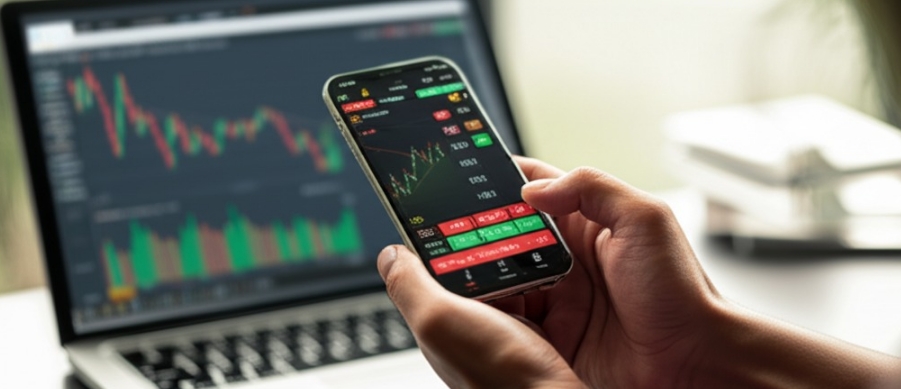
Today, mobile apps make forex trading more accessible. Many of the leading brokers in India offer mobile apps that are fully approved by SEBI and linked with major exchanges like NSE and BSE. These apps let traders execute transactions safely and quickly. Popular SEBI-compliant trading apps include:
Zerodha Kite: Known for its user-friendly interface and comprehensive charting tools.
ICICI Direct App: Offers access to a wide range of trading tools for currency and stock trading.
Upstox Pro: A high-speed app with advanced charting and real-time market data, perfect for active traders.
These apps are backed by regulatory oversight, meaning they adhere to compliance and security standards, ensuring that your trades are safe.
International platforms blocked in India
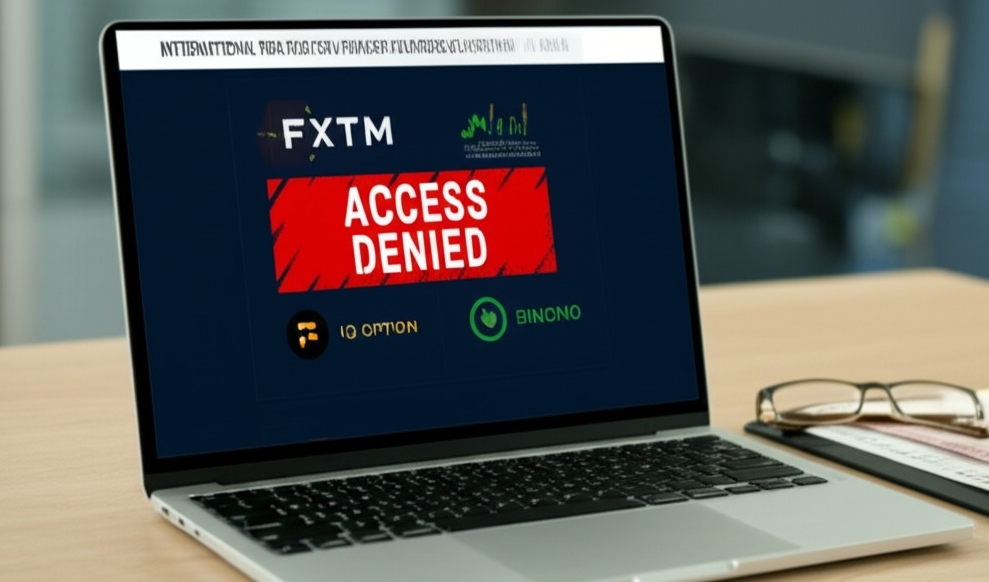
Some international forex trading platforms are blocked in India due to FEMA (Foreign Exchange Management Act) and SEBI regulations. These offshore platforms might offer attractive leverage and bonuses, but they are illegal and risky for Indian traders. Trading on these platforms could lead to penalties, fines, or even legal trouble.
Examples of platforms blocked in India include:
FXTM (ForexTime)
IQ Option
Binomo (with offshore offices)
Why are these blocked? These international platforms often operate outside India’s regulatory framework, offering services without adhering to SEBI or FEMA guidelines. Trading on them might expose you to unregulated risk and may even be considered illegal in India.
By choosing SEBI-approved brokers and regulated platforms, you ensure your forex trading is safe, secure, and legal in India. Always verify broker licenses, use trusted platforms, and avoid international brokers that do not comply with Indian laws.
Forex Market Timings India
The forex market in India operates on a strict schedule, dictated by national exchanges. Let’s dive into the trading hours and special extended sessions that may affect your trades.
Trading hours on NSE forex segment
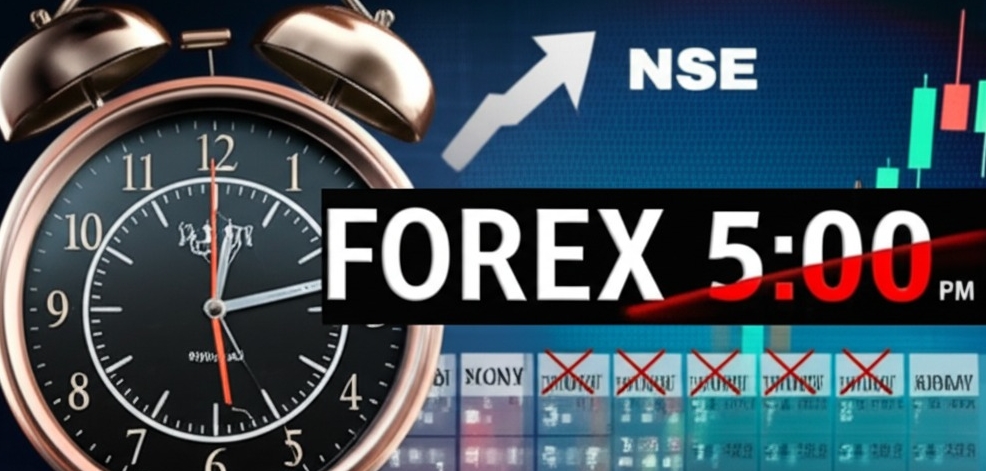
The NSE forex segment operates with strict market timings. Trading opens at 9:00 AM IST and closes at 5:00 PM IST, following India’s regular trading hours.
Open time: 9:00 AM IST
Close time: 5:00 PM IST
Market operations: Monday to Friday (no trading on weekends)
Extended hours for cross-currency trades
For those who need to trade beyond the regular hours, the NSE allows extended hours for cross-currency trades. This is usually until 7:30 PM IST, covering global forex markets and providing more trading flexibility.
Extended session for cross-currency pairs
Market hours extended to 7:30 PM IST
Allows for overnight trading

Benefits of Forex in India
The forex market in India is quickly becoming a preferred option for investors seeking a flexible, profitable, and dynamic way to diversify their financial portfolios. Its benefits extend well beyond just the ability to trade currencies. Here are the key advantages that make forex trading in India an attractive opportunity for both new and seasoned traders:
High Liquidity: The forex market is one of the most liquid markets in the world, meaning you can enter and exit positions easily. The sheer volume of daily trades, both globally and within India, provides traders with the ability to buy and sell currency pairs without much price fluctuation or difficulty.
24/5 Market Access: Unlike other traditional markets that close on weekends, the forex market operates 24 hours a day, five days a week. This allows traders to react quickly to global events and market shifts, irrespective of time zone differences. For those balancing jobs and other commitments, this flexibility is essential.
Leverage Potential: Forex trading allows for leverage, enabling traders to control larger positions with a relatively small capital investment. This means that small fluctuations in currency prices can lead to significant profit potential, though it also requires careful risk management.
Portfolio Diversification: By trading in currencies, Indian traders can effectively diversify their portfolios beyond stocks and commodities. This diversification helps reduce overall investment risk and can increase returns by tapping into different market dynamics.
Low Transaction Costs: Forex trading is characterized by low transaction costs, making it an affordable option for traders. The narrow spreads and absence of commissions in many platforms ensure that traders can maximize their profits without worrying about excessive fees eating into their returns.
Transparency and Regulation: The Indian forex market is heavily regulated by the Reserve Bank of India (RBI) and governed by SEBI guidelines. This provides a layer of protection for traders and ensures that the market operates in a transparent manner, which builds confidence for those entering the market.
Hedging Opportunities: Forex trading offers an excellent platform for hedging against risks associated with fluctuating currency exchange rates. For importers, exporters, or businesses with international exposure, forex offers the tools necessary to protect their profits from adverse currency movements.
Global Market Exposure: By engaging in forex trading, Indian traders gain direct exposure to international markets, providing them with insights into global economies and geopolitical events. This global exposure can lead to profitable trading opportunities, as currency prices often reflect economic indicators from multiple countries.
Profit Potential: Forex trading, with its leverage and liquidity, offers traders a unique opportunity to generate profits. While risk is inherent, the potential for high returns remains a key attraction for many investors who seek to capitalize on both short-term market movements and long-term trends.
Forex trading in India continues to grow, and with proper understanding and strategy, the market offers numerous opportunities for profit and wealth-building. As the global landscape continues to evolve, so too does the potential for successful forex trading in India.
Forex Trading Risks India
Forex trading can be highly rewarding, but it comes with its share of risks. Here, we explore the key risks that traders in India should be aware of to safeguard their investments.
Risk of Currency Volatility Losses
Currency volatility is one of the most common risks in forex trading. It refers to the unpredictable fluctuations in exchange rates that can cause substantial losses if not managed properly. For example, a sudden political event or economic shift can lead to sharp currency movements. Traders need to stay on top of global market news, economic reports, and central bank announcements. Many investors hedge against volatility using options or other risk management strategies.
| Risk Factor | Impact on Trading | Risk Management |
|---|---|---|
| Exchange Rate Fluctuations | Loss of capital if not managed | Hedging, stop-loss orders |
| Economic Factors | Sudden market movements | Stay updated on economic reports |
| Political Events | Major shifts in currency value | Diversify trading positions |

Scams in Unregulated Forex Trading
Scams in the unregulated forex market are rampant. These often involve fraudulent brokers and platforms that promise high returns with little risk. However, they typically lack the necessary regulatory oversight, leaving traders vulnerable to manipulation and fraud. Many traders have been victims of Ponzi schemes, where returns from new investors are used to pay old investors. In India, the Securities and Exchange Board of India (SEBI) regulates forex trading, and you should always ensure that any platform you use is SEBI-approved to avoid falling into scams.
Signs of a Scam:
Promises of unrealistically high returns
Lack of transparency about fees and operations
Unclear or non-existent regulation
Pressure tactics to deposit large sums quickly

Misuse of Leverage by New Traders
Leverage allows traders to control larger positions with smaller amounts of capital. However, new traders often misuse leverage, which can lead to significant losses if the market moves against them. For instance, using 10x leverage means you can lose 10 times your investment if a position moves in the opposite direction. It’s crucial for traders to understand leverage fully and use it responsibly. Risk management strategies like setting stop-losses and avoiding overleveraging are essential to protect your capital.
Common Missteps:
Overleveraging without understanding the risks
Trading without stop-loss orders
Not using demo accounts to practice strategies
Miscalculating margin requirements
How to Start Forex Trading in India
Kickstart your forex journey confidently! Here’s how Indian traders can open accounts, pick smart currency pairs, master lot size, and place that first safe trade.
Opening a forex trading account
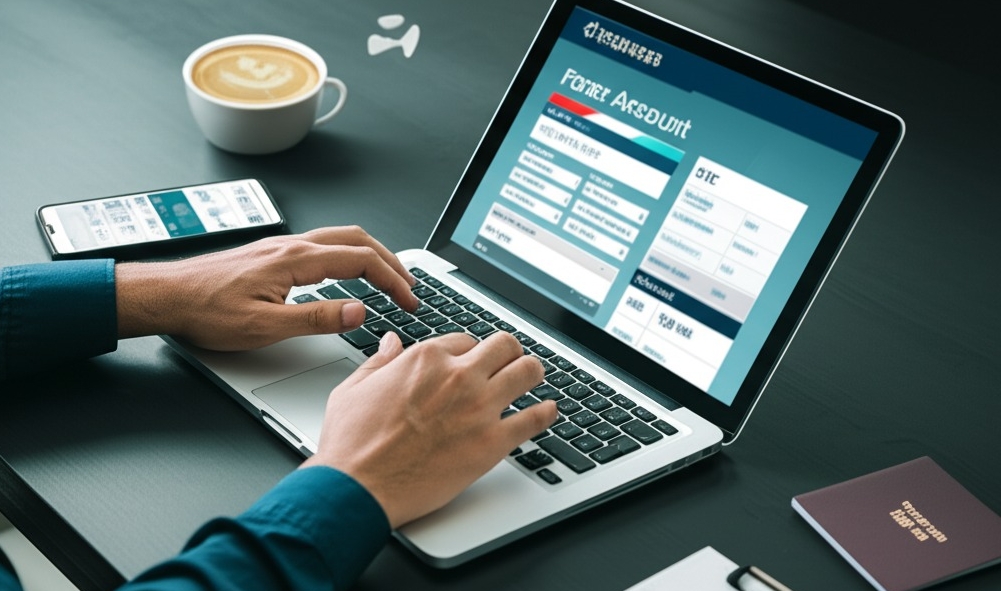
Choose a trusted broker with SEBI registration.
Complete KYC for identity verification.
Fund your account with an initial deposit.
Understand your leverage—start low to manage risk.
Pro tip: Many Indian traders test platforms using an online demo account before risking real currency in the market.
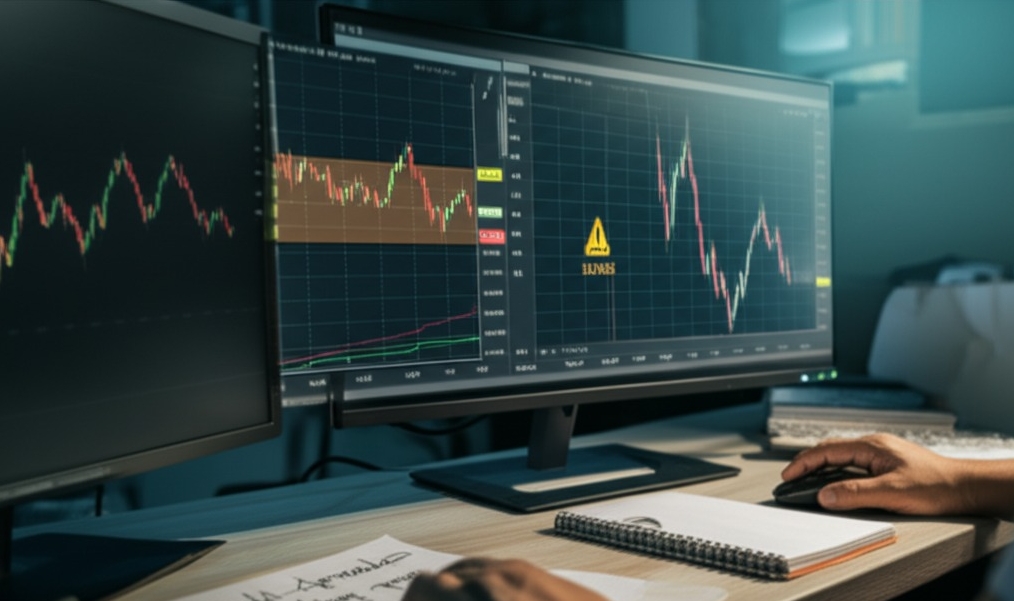
Choosing the right currency pair
Major pairs like USD/INR have tight spreads and high liquidity.
Minor pairs show more volatility, so plan your strategy wisely.
Avoid exotic pairs till you master correlation and risk.
Understanding lot size and margin
| Lot Size | Units Traded | Risk Level |
|---|---|---|
| Standard | 100,000 | High |
| Mini Lot | 10,000 | Medium |
| Micro Lot | 1,000 | Low |
Manage your margin, watch equity, and size each position smartly to protect your trading capital.

Placing your first trade safely
"Start small and stay sharp!" says Rajeev Suri, a senior forex coach.
Open a demo account first.
Use market orders for quick buys/sells.
Always set stop loss and take profit to guard funds.
Practice with pending orders till you trust your execution.
Happy trading!
Conclusion
In India, forex trading isn’t some hush-hush gamble anymore — it’s a legit, well-guarded playground if you stick to SEBI rules and trusted platforms. Like my uncle says, “Trade with sense, not suspense.”
Money talks, but risks shout louder. So, never jump in blind or chase overnight riches; treat forex like tending a small kitchen garden — patience pays.
Start small, stay sharp, and keep learning. The world’s currencies wait for you — make each rupee count, boss!
Yes, you can — but only through SEBI-registered brokers and on recognised Indian exchanges like NSE and BSE. Trading with offshore platforms is strictly prohibited and can attract penalties.
As per RBI rules, you can trade only currency pairs that include the Indian Rupee (INR). For example:
Cross-currency pairs like EUR/USD are allowed only on approved exchanges under specific segments.
USD/INR
EUR/INR
GBP/INR
JPY/INR
Forex market hours depend on the segment:
Trading happens Monday to Friday, following RBI guidelines.
INR pairs: 9:00 AM to 5:00 PM IST
Cross-currency pairs: 9:00 AM to 7:30 PM IST
Forex can be rewarding, but it’s not a get-rich-quick game. Most retail traders lose money due to poor planning or chasing overnight riches. If you want steady gains, learn the basics, follow RBI rules, and never over-leverage.
Look for these signs of a trustworthy broker:
Must be SEBI-registered
Offers INR currency pairs
Transparent fee structure
Good customer support in India
Verified app and website
Forex trading involves:
Trade small, stay informed, and use stop-loss orders.
High market volatility
Leverage risks magnifying losses
Scams from unregulated apps
Emotional trading mistakes
Absolutely. Most SEBI-approved brokers let you open an account online in minutes. Just keep your PAN card, Aadhaar, and bank details handy.
Yes! Profits from forex trading are taxed as business income or capital gains, depending on your trading frequency. Always declare your earnings honestly to avoid future tax trouble.