


Table of contents
Sending money abroad for forex trading can feel like walking a tightrope — one wrong step and you lose on rates or run afoul of RBI rules. So, if you’ve ever wondered how can I transfer amount to forex markets from India?, you’re in the right spot. This quick guide breaks down safe, cost-effective ways to move your funds without burning a hole in your pocket.
As the RBI clearly says, “Remittances must comply with the Liberalised Remittance Scheme (LRS) and other FEMA guidelines.” Sounds heavy, but relax — we’ll simplify the jargon and point you to banks, apps, and tricks that make the job easy-peasy.
Stick around, compare your options, pick what suits your pocket and peace of mind. Let’s get you trading — smartly and safely!
Funding Forex Accounts from India
Getting started with forex? Here’s how to load up your account the smart way from India.
Choosing the Right Forex Broker
Picking the right forex broker is like choosing the right teammate — it can make or break your trading journey.
Regulation (FCA, SEBI, etc.) to ensure your money’s safe
Low spreads & fair commissions
Account types matching your budget
Solid customer support — nothing beats fast help when stuck
Check real user reviews, not just shiny ads
"Not all brokers with a fancy app are worth your bucks," says Anil Saxena, SEBI-registered investment advisor. “Focus on transparency and reliability.”
Linking Indian Bank to Forex Account
To link your Indian bank to a forex account, you’ll typically need:
Your bank account number
IFSC and SWIFT code
Active online banking access
Details of the forex broker’s beneficiary bank
Once linked, use your bank’s wire transfer or Remittance (LRS) portal to fund.
Pro Tip: Ensure the name on both accounts matches to avoid payment holds by RBI.
Timing Your Fund Transfers Smartly
Transferring funds at the right time is like buying mangoes in season — you get more value for less.
Avoid weekends; forex markets sleep then.
Check exchange rates during high liquidity hours (usually 1–4 PM IST).
Beware of mid-week volatility; Tuesday mornings often offer stable conditions.
Some platforms let you schedule transfers — handy when chasing the best rate without hovering over your screen.
RBI Rules and LRS Limits
Before sending a single rupee abroad, you need to get friendly with the rules.
LRS Annual Limits Explained
The Liberalised Remittance Scheme (LRS) is the RBI’s rulebook for sending money abroad. Under it, Resident Individuals can remit up to USD 250,000 per Financial Year for things like Overseas Investment, forex trading, or education.
You can't split limits across family accounts to beat the cap — that’s a strict no-no.
Foreign Currency transactions must comply with RBI’s annual ceiling.
Even if you send in small bits, it all adds up within the yearly Remittance cap.
“Be aware of how much you're sending – crossing the annual threshold triggers red flags,” warns a senior compliance officer from a private bank.

How FEMA Affects Forex Transfers
The Foreign Exchange Management Act (FEMA) is like the big daddy of forex rules. It governs how Forex Transfers work across Capital and Current Accounts. If you're transferring for trading purposes, make sure your broker is RBI-registered and your remittance purpose code aligns with FEMA norms.
FEMA separates cross-border payments into two accounts:
Current Account – for services, education, travel, etc.
Capital Account – for investment, property, or forex trading.
Violating FEMA rules may lead to penalties or transaction rejection, especially for non-compliant brokers.
So yeah — before you tap “Send”, check if your transfer walks the FEMA line.
Bank Transfer Options
Looking to go the old-school or digital route? Here’s how top Indian banks help you move money abroad for forex trading with ease.
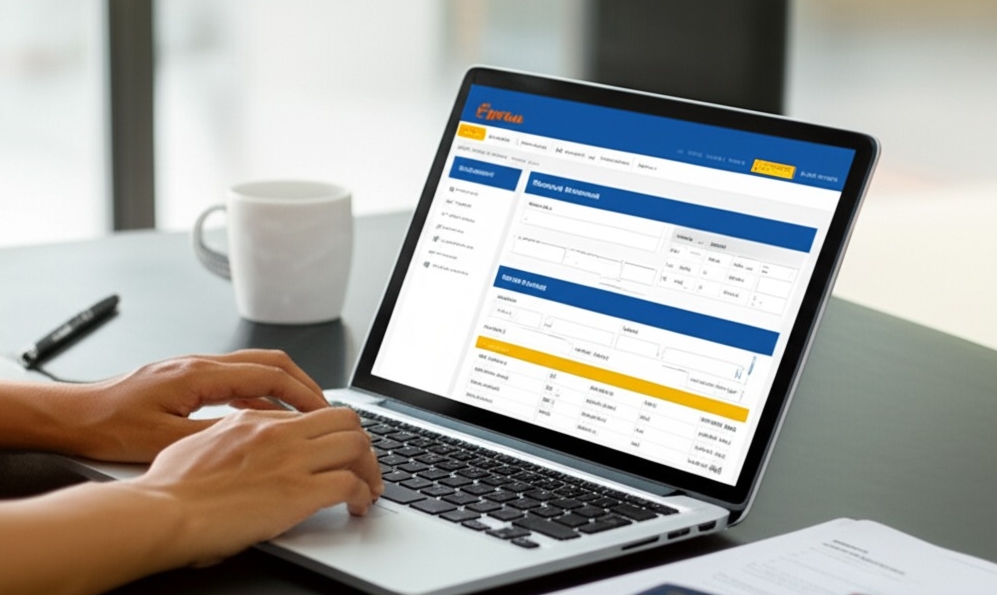
ICICI Bank Outward Remittance Steps
ICICI Bank makes international fund transfer a cakewalk if you know the drill. Here's how:
Login to your internet banking and head to ‘Outward Remittance’.
Add beneficiary with overseas bank details and SWIFT code.
Enter transfer amount and currency — don’t forget exchange rates!
Upload KYC docs if it’s your first time.
Confirm transaction — you’ll get a reference number instantly.
Pro tip: Set up a preset beneficiary to save time later.
Axis Bank Forex Transfer Features
Axis Bank packs in features for sending foreign exchange like a pro:
Supports 100+ currencies for international payment.
Transaction limits follow RBI's LRS rules — ₹2.5 lakh/year cap.
24x7 online transfer via mobile banking.
Smart alerts and real-time tracking.
Not to forget, their Forex Card doubles up as a transfer tool, especially for students and travelers.
HSBC International Fund Transfer Guide
Transferring money overseas using HSBC? Here's a quick guide:
Login to HSBC online banking dashboard.
Click on 'Global Transfers', enter recipient’s SWIFT and IBAN codes.
Upload valid remittance reason and PAN card.
Cross-check FX rates and hit confirm.
“We prioritize cross-border security without compromising speed,” says Anil Bhatia, VP of International Banking, HSBC India.
Comparing Branch vs. Net Banking
| Feature | Branch Banking | Net Banking |
|---|---|---|
| Convenience | Limited hours | 24x7 access |
| Documentation | Physical, time-taking | Digital uploads |
| Processing Speed | Slower, manual checks | Faster, system-driven |
In a nutshell, if you’re cool navigating apps, net banking is the way to go. But for large transfers or if you’re not tech-savvy, a branch visit adds peace of mind.
Online Forex Transfer Platforms
Online platforms are changing the game — faster transfers, better rates, and no branch visits. Let’s break down who’s best in this digital forex race.
Wise vs. BookMyForex Comparison
Choosing between Wise and BookMyForex? It’s not just a battle of apps — it’s rates vs. reach.
Wise gives you near-real mid-market currency exchange rates, great for small transfers.
BookMyForex works well if you want better rates through local partnerships or cash delivery.
Review service quality: Wise wins in simplicity; BookMyForex scores on flexibility.
“Wise works like a breeze for under $10K, but I still prefer BookMyForex for family remittances,” says Arjun Kapoor, a Mumbai-based trader.
IndusForex Quick Transfer Process
IndusForex from IndusInd Bank is a solid pick for anyone wanting to send money abroad fast, without the bank queue drama.
Register online at the IndusForex platform.
Enter your recipient details and transaction amount.
Upload basic docs like PAN, passport, and invoice.
Pay via netbanking or NEFT.
Boom — money remittance done in under 24 hours!
It’s especially handy for education fees or travel transfers.
Fees and Hidden Charges Online
Hidden charges can sneak up like a service tax on your weekend plans. Knowing the real cost of a transfer is key. Here's a comparison of online platforms:
| Platform | Transfer Fee (INR) | Currency Markup (%) |
|---|---|---|
| Wise | 250 | 0.5% |
| BookMyForex | 200 | 1.0% |
| IndusForex | 300 | 1.2% |
Some platforms hide costs in currency rates, so always check final payout.
Look out for transaction charges on weekends or urgent payments.
Use cost calculators to estimate total pricing upfront — transparency matters.
Which Service Has Best Rates and Fees
Choosing the right money transfer service can feel like picking mangoes in a crowded market — shiny labels everywhere, yet only some taste sweet inside. Many Indian traders today compare banks and online forex services daily to catch the best exchange rates and avoid sneaky service charges. Mr. Rajeev Arora, a certified forex consultant trusted by top trading desks, explains, “A small difference in rates can eat up profits fast. Always check total remittance cost, not just flashy advertised rates.”
Banks: Secure, but pricey
ICICI, Axis, and HSBC offer outward remittance under strict RBI norms.
They usually charge a fixed processing fee (₹500–₹1000) plus a margin added to the live forex rate.
Traders say funds reach overseas brokers safely, though bank rates change quickly and may not match live market rates.
Online platforms: Transparent and agile
Wise, BookMyForex, and IndusForex show real-time rates with exact transfer fees upfront.
Many seasoned forex traders praise these platforms for locking rates at booking, avoiding sudden rate dips.
Wise has won awards for clear pricing and often beats big banks by 0.5% to 1% per dollar.
Quick advice from Mr. Arora: “Check if the platform is RBI licensed, compare 2–3 services on the same day, and read user reviews on remittance forums. One hidden fee can spoil months of trading gains.”
For smart traders, a few minutes spent comparing banks and platforms saves thousands in the long run. Your forex capital deserves the sharpest deal every single time.
Other Transfer Methods Explained
Apart from banks and apps, old-school methods still work wonders. Let’s crack open two classic ways that seasoned forex folks use.

Sending Money via Demand Draft
A Demand draft is your traditional fallback for transferring a fixed amount to a beneficiary abroad. Here’s the lowdown:
Visit your issuing bank with funds in your bank account.
Fill the form detailing drawer, payee, and transaction purpose.
The bank issues a secure paper financial instrument — the draft.
Mail or courier it to the recipient.
Tip: Takes longer, but some trust the paper trail for safety!
Using Wire Transfers Securely
Wire transfers are quick but can be risky if you’re careless. As fintech advisor Reema Bhatia says, “Always double-check your recipient’s details before hitting send!”
Confirm recipient and bank account info — SWIFT code, routing number, and name must be spot on.
Use online banking only on secure devices. Look for encryption.
Be alert to phishing traps. Your bank will never ask passwords on email.
When in doubt, verify in person — better safe than sorry!
What Documents Do You Need
Before sending your money abroad, be ready with the right paperwork. Missing even one document can delay or block your forex transfer.

Valid ID and KYC Requirements
You’ll need a government-issued photo ID — Aadhaar, PAN, or Passport — and recent address proof like a utility bill or bank statement. Banks are sticklers for KYC, so don’t wait till the last minute.
PAN card is mandatory for forex transactions.
KYC must be updated if your address or number has changed recently.
For NRIs, passport with visa page is essential.

Income Proof for Large Transfers
If you're sending above a certain amount (e.g. ₹7 lakh+), banks may ask for income documents.
Upload your latest ITR Acknowledgement or Form 16.
Self-employed? Submit CA-certified income declaration.
Make sure the name matches your bank account exactly — small mismatches = big headaches.
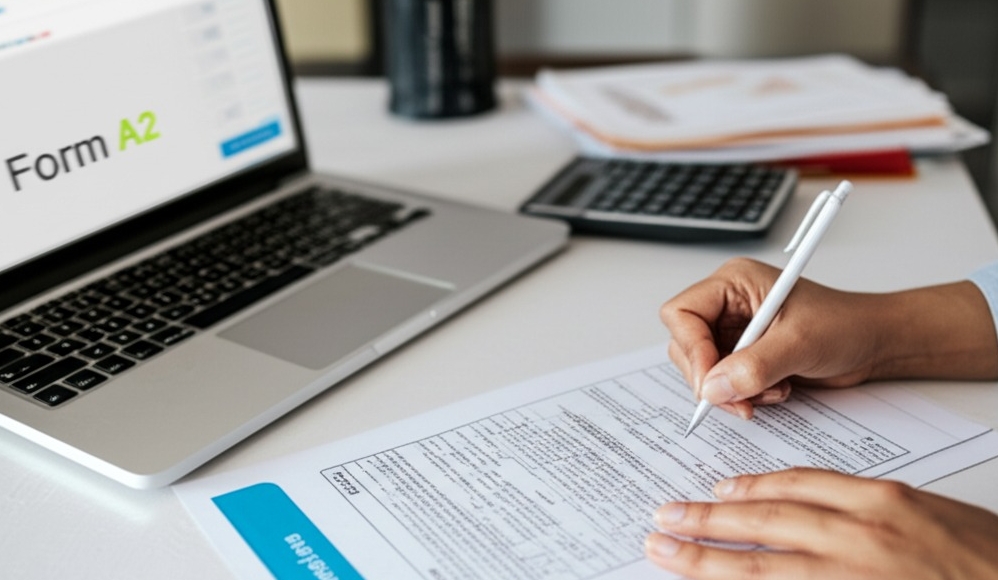
Filling Form A2 Correctly
Ah, the infamous Form A2. Sounds scary, but it’s not rocket science.
This form tells your bank what the money’s for (e.g. investment, education). Here's what to include:
Purpose code (like S0001 for investment in forex)
Exact amount and currency
Declaration that funds are within LRS limit
One mistake here and your form’s getting bounced back!
Handling Forex Tax Declarations
Banks now deduct TCS (Tax Collected at Source) on forex transfers above ₹7 lakh — as per Finance Act 2020.
| Transfer Amount | TCS Rate | Applies On |
|---|---|---|
| Up to ₹7 lakh | 0% | NIL |
| ₹7–₹10 lakh | 5% | Excess only |
| Above ₹10 lakh | 20% | Full amount |
"Many users forget that TCS isn’t a final tax—it can be claimed later while filing returns," says CA Radhika Jain.
Let me know if you'd like a downloadable checklist for these docs!
Tips for Safe and Quick Transfers
“When I moved funds for my first forex trade,” shares Rakesh Mehta, a seasoned retail trader from Pune, “I used a flashy app that offered great exchange rates. Turns out, it was not RBI-authorized. I lost ₹22,000 to delay penalties. Lesson learned: fast is useless without secure.”
For safe and quick forex transfers from India, choose only authorized dealers regulated by the RBI. These include major banks like ICICI, HDFC, and verified online transfer platforms like Wise or BookMyForex. Ensure regulatory compliance by sticking to the transaction limits under the Liberalised Remittance Scheme (LRS).
Key checkpoints include:
Always verify KYC procedures; legitimate services request PAN, passport, and Form A2.
Look for platforms showing live exchange rates and transparent transfer fees.
Cross-check apps on RBI’s list of approved foreign exchange dealers.
Enable 2FA and email/SMS alerts to strengthen fraud prevention.
As per a 2024 statement by RBI Deputy Governor Rabi Sankar, “Educating customers on proper forex transfer channels is central to reducing illicit remittance risk.” A rushed transfer with sketchy tools often costs more than a slightly slower, regulated path. Choose wisely, transfer securely, stay protected.
Conclusion
Getting your money to forex markets from India isn’t rocket science — it’s like sending a kid to hostel: paperwork, rules, a bit of money maths, and lots of care. Follow the right path, and your funds reach safely, no drama.
RBI reminds us, “Stick to LRS limits, keep it legal.” So, double-check rates, compare banks and apps, and never skip KYC.
Be smart, stay sharp — send that money, trade well, and may your pips multiply faster than your chai boils!
Under RBI’s Liberalised Remittance Scheme (LRS), an Indian resident can remit up to USD 250,000 per financial year for permitted purposes, including funding a forex trading account abroad. Stay within this limit to avoid penalties and tax notices.
Most leading banks offer this — the big names are:
Always confirm with your branch if forex trading is allowed under their policy before sending money.
ICICI Bank: Popular for branch-assisted transfers.
Axis Bank: Good net banking interface.
HSBC India: Known for secure global wire transfers.
Nope. UPI is domestic only. For overseas forex accounts, use:
UPI’s reach stops at Indian rupee payments within India.
Wire transfer
Bank remittance
Trusted online forex remittance platforms
Check for:
Popular ones include Wise, IndusForex, and BookMyForex.
Real-time exchange rates (not inflated)
Low hidden fees
Fast transfer speed
Good customer reviews
RBI-authorised partners
Typically, you’ll need:
Always keep soft copies ready to speed things up!
PAN card copy
Valid passport or Aadhaar
Filled Form A2
Purpose declaration (like ‘Investment in overseas forex account’)
Source of funds proof if asked (like ITR or salary slip)
No, the remittance fees or bank charges are not tax-deductible in India. However:
When in doubt, check with a CA to avoid tax headaches later.
Your forex trading income must be declared in your ITR.
TCS (Tax Collected at Source) may apply if you cross the annual threshold.
Usually:
Always factor in weekends and international bank holidays!
Bank wire transfers: 1–4 working days
Online platforms: Same day to 2 days, depending on the provider and time of request.