

Table of contents
How Forex Traders Use ISM Data might sound like a dry topic, but in reality, it’s one of the hottest pieces of the trading puzzle. Think of it like the weather forecast for the economy—it tells traders what’s coming, giving them a heads-up about potential storms or clear skies ahead. The ISM reports give a snapshot of U.S. manufacturing and services, and when those numbers drop or soar, the currency markets react—fast.
Just like checking the weather before you head out, traders rely on ISM data to help decide when to jump into a trade. Strong reports? Time to buy, as the market might take off. Weak ones? The market could take a dive, and knowing that early gives traders a leg up.
As one expert puts it, "ISM data is like a canary in the coal mine for forex traders—it helps spot trouble before it hits." In this article, we’ll break down how traders use these reports to make smarter decisions, what to watch for, and how timing your trades around ISM data can be a game-changer.
What is ISM Data?
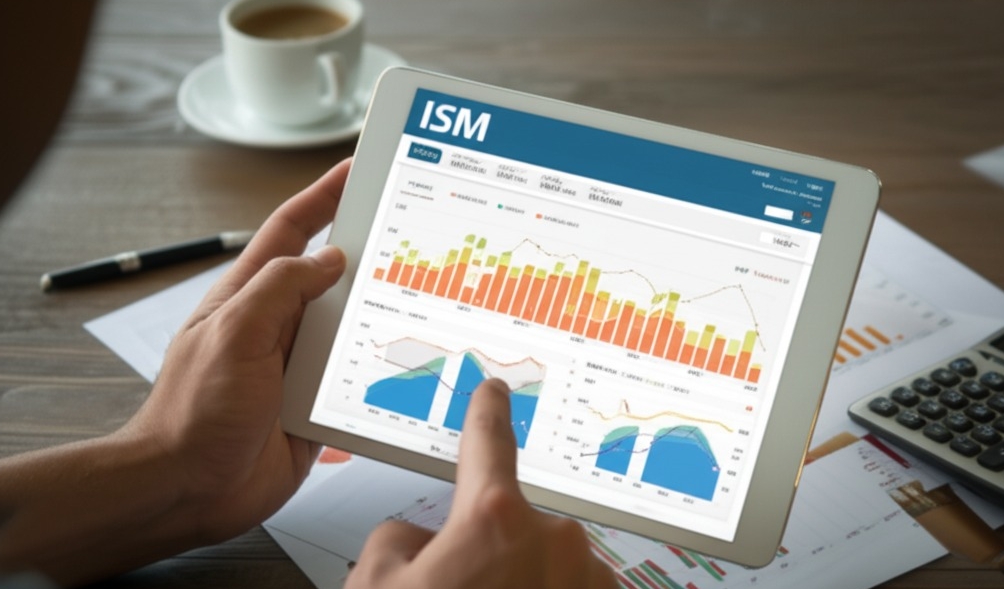
ISM data, or the Institute for Supply Management data, is a crucial economic indicator that measures the health of key sectors within the U.S. economy. The primary components of ISM data include the Purchasing Managers' Index (PMI) for both manufacturing and services, which reflect business conditions across the country. These indices provide insight into economic activity, supply chain dynamics, and inflationary pressures that impact forex markets.
The PMI is a weighted composite index calculated from surveys of purchasing managers in manufacturing and services sectors. When managers express a positive outlook on business conditions, the PMI value rises, signaling potential growth. On the flip side, when business sentiment turns negative, the PMI falls, indicating possible economic contraction. This makes the PMI an important leading indicator, giving traders and investors a heads-up about economic trends that might influence the strength of a currency.
For example, if the ISM Manufacturing PMI shows a significant increase, it suggests that business activity is expanding, and the economy may be in good shape. This typically leads to a stronger currency as traders anticipate future growth. Conversely, a weak PMI could signal trouble, which may prompt traders to move away from the currency in question, leading to depreciation.
Experts like Chris Williamson, Chief Economist at IHS Markit, emphasize the importance of ISM data for market forecasting. He notes, "The PMI provides timely insights into the pulse of the economy, offering crucial signals that help traders adjust their strategies."
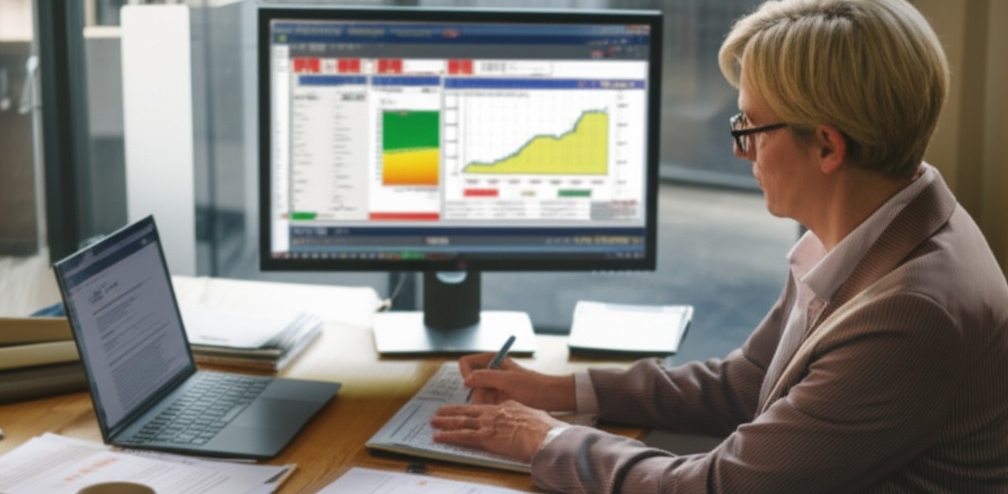
Forex traders use ISM data not only to gauge economic trends but also to predict potential market movements. Whether it is understanding inflation, analyzing supply chain disruptions, or observing employment patterns, ISM data serves as a reliable tool to navigate the complexities of currency markets. Traders and investors alike rely on these insights to make informed decisions, improving their ability to forecast market shifts.
Why ISM Data Matters for Forex Traders
ISM data plays a critical role in the forex market, providing key insights into the U.S. economy. Let's dive into why it’s so important for traders.

Economic Indicators Forex Traders Should Watch
GDP and CPI: GDP growth and inflation data are foundational to any currency trade. A strong GDP suggests a healthy economy, while CPI measures inflation, helping traders predict future rate hikes or cuts.
Interest Rates and Unemployment Rate: Central banks move interest rates based on employment data, with low unemployment often signaling an interest rate increase.
Trade Balance and Retail Sales: Trade balance shows the flow of goods and services, while retail sales measure consumer demand, both affecting currency values.
Predictive Nature of ISM Data in Forex
ISM Manufacturing and Services reports act as leading indicators of the U.S. economy. Traders use them to anticipate currency movements. For example, New Orders and the Employment Index in the Manufacturing PMI can indicate future business activity. Strong readings often signal economic growth, triggering currency appreciation.
As one expert says, “ISM data is like an early warning system for traders, giving them a heads-up on economic conditions before other reports even hit.”
The Role of ISM Data in Market Sentiment
ISM data has a direct impact on market sentiment. Strong reports boost investor confidence, sparking positive reactions in the market. For instance, if business activity picks up in the ISM Manufacturing Index, traders may interpret this as a sign of economic strength, driving up the value of the U.S. dollar. Conversely, weak ISM data can dampen business confidence, leading to a risk-off environment in the forex market.
In essence, how the market reacts to ISM data often hinges on overall risk appetite and expectations about future economic conditions.
How Does ISM Data Affect Currency Markets?
ISM data can shake up currency markets, creating opportunities and risks. Here's how it affects currency prices and the forex world.

ISM Data and Currency Fluctuations
ISM reports—whether from manufacturing or services—offer a glimpse into economic health, making them key indicators for forex traders. Strong data often leads to bullish market reactions, while weak reports can trigger volatility. Traders look to these reports to gauge market sentiment and economic cycles. When the data shifts, so does the market, influencing price movements across different currencies. In essence, ISM data can be the spark for sharp fluctuations or subtle trends in the forex markets.
Currency Pairs Most Affected by ISM Data
ISM data has the power to move major currency pairs, particularly those tied to the U.S. dollar. Some of the most impacted pairs include:
EUR/USD: The euro against the dollar is highly sensitive to ISM data, as it directly reflects U.S. economic health.
USD/JPY: The U.S. dollar vs. the yen reacts strongly to changes in economic outlook.
GBP/USD: The pound/dollar pair moves in response to U.S. manufacturing reports.
AUD/USD: As a commodity currency, the Australian dollar is often influenced by ISM’s economic data.
| Currency Pair | Impact of ISM Data | Typical Market Reaction |
|---|---|---|
| EUR/USD | Sensitive to U.S. economic reports | Increased volatility, dollar strengthening or weakening |
| USD/JPY | Reacts to U.S. economic health | Volatility due to interest rate speculations |
| GBP/USD | Influenced by U.S. economic outlook | Price fluctuations based on manufacturing data |
| AUD/USD | Affected by U.S. manufacturing strength | Commodities-driven moves, risk-on/risk-off sentiment |
Impact on U.S. Dollar and Other Majors
ISM data significantly impacts the U.S. Dollar and other major currencies like the Euro, Japanese Yen, and British Pound. Strong ISM numbers typically point to a robust economy, pushing the U.S. dollar higher. This is because traders anticipate tighter monetary policy from the Federal Reserve, often resulting in interest rate hikes. Conversely, weak ISM data can weaken the dollar as expectations for rate cuts increase. Similar effects can ripple through other major currencies depending on their connection to the U.S. economy and trade policies.
Short-Term and Long-Term Effects of ISM Data
ISM data has immediate and lasting effects. In the short term, it can cause swift market reactions, triggering volatility or short-term rallies. Traders can use this data to jump on quick profits or manage risk. Long-term, ISM trends provide insight into economic health, guiding forecasts on inflation, GDP growth, and employment. For example, if the data shows a consistent decline, traders might anticipate lower interest rates or a weakening economy, which will influence broader market sentiment and currency values.
Key Indicators in ISM Reports

ISM reports offer crucial insights into the economy. Forex traders closely monitor key indicators to predict market movements. Let’s dive into the core components.
Manufacturing Index and its Significance
The ISM Manufacturing Index measures factory activity and industrial output. A rising index signals economic growth, while a drop can indicate slowdowns. Traders track this closely, as it’s a leading indicator for business cycles and future market conditions.
Non-Manufacturing Index and its Role
The ISM Non-Manufacturing Index tracks the service sector, reflecting business conditions and employment trends. A strong reading suggests economic health, with a direct impact on GDP and market sentiment. For forex traders, this index is just as crucial as its manufacturing counterpart.
ISM Employment Index as a Leading Indicator
The ISM Employment Index is a powerful tool for predicting job growth and economic health. A rise in employment indicates a healthy labor market, leading to stronger currency values. Traders use this data for insights into future business activity.
Prices Index and Forex Trading
The Prices Index monitors inflation trends by tracking prices paid by manufacturers. Rising prices often signal inflationary pressures, influencing interest rates and currency valuation. Forex traders adjust their strategies based on these movements, which reflect broader economic conditions.
New Orders and Production Trends
New orders represent future demand for goods, and production trends show the economy’s capacity to meet that demand. Rising orders and production indicate economic expansion, while a drop suggests potential contraction. These indicators help traders gauge future growth and make strategic decisions.
| Indicator | Description | Impact on Forex |
|---|---|---|
| Manufacturing Index | Measures factory activity and industrial output | Indicates economic growth or slowdown, affecting currency values |
| Non-Manufacturing Index | Tracks services sector activity and business conditions | Direct impact on GDP and sentiment in service-heavy economies |
| ISM Employment Index | Reflects employment trends and job growth | A rise signals healthy labor market, boosting currency strength |
| Prices Index | Monitors inflationary pressures through price tracking | Affects inflation outlook, influencing interest rates and currency valuation |
| New Orders and Production Trends | Indicates future demand and manufacturing output | Rising orders suggest economic growth, impacting future trading strategies |
How Forex Traders Use ISM PMI Data

When it comes to making smart trading decisions, forex traders turn to a variety of economic indicators to guide their moves. One of the most relied-upon reports is the ISM PMI data, particularly the Manufacturing and Non-Manufacturing PMI. These reports provide a glimpse into the health of the U.S. economy, covering critical sectors like manufacturing output and the services sector. By analyzing the ISM PMI data, traders get ahead of market trends and respond quickly to shifting market sentiment.
Traders typically pay close attention to PMI data for a few key reasons:
Real-time economic pulse: ISM PMI provides a real-time snapshot of the U.S. economy, offering insights that can directly affect currency markets, especially when it comes to the U.S. dollar.
Predictive power: A sharp rise or drop in PMI signals whether the economy is expanding or contracting, giving forex traders a heads-up on potential market shifts.
Market sentiment: As a highly influential indicator, the ISM PMI often shapes market sentiment. A strong PMI report can send traders into a buying frenzy, while a weak one can trigger a sell-off.
The connection between ISM PMI and forex markets is hard to ignore. For instance, a jump in manufacturing output may suggest a stronger U.S. economy, which boosts the U.S. dollar. On the flip side, a slowdown in services sector activity can signal slower growth, making traders adjust their positions accordingly.
Top forex traders know that trading decisions based on ISM data need to be timed perfectly. They track PMI data closely, understanding that the monetary policy of the Federal Reserve can often be influenced by the results. The ISM PMI gives traders an edge by providing critical information before it hits mainstream news. It is not just about numbers; it’s about understanding what those numbers signal for future market trends.
With a deep understanding of economic indicators like ISM PMI, traders are better equipped to handle the volatility of the forex market. Trading based on these insights helps them stay ahead of the curve, using data to capitalize on currency movements. Keep a sharp eye on these reports, and watch your trading decisions become more informed and strategic.
ISM Data vs Other Economic Indicators
Comparing ISM Data with GDP Reports
ISM and GDP both offer crucial insights into the health of an economy, but they come at it from different angles. While ISM focuses on business activity in manufacturing and services, GDP is the broad measure of total economic output. ISM reports can provide more timely snapshots of economic growth, especially since it looks at real-time trends in supply chains and business activity. In contrast, GDP data can sometimes lag behind and is more comprehensive.
| Indicator | Focus Area | Timing | Insights Provided |
|---|---|---|---|
| ISM Data | Business activity in manufacturing and services | Monthly | Real-time business conditions, supply chain trends |
| GDP | Total economic output | Quarterly | Comprehensive economic health, including production and consumption |
ISM Data vs Employment Reports
ISM data gives traders a glimpse into overall business activity, but when it comes to the labor market, the Employment Report is the gold standard. The monthly ISM Employment Index shows how hiring trends are faring within specific industries, while the Employment Report tracks broader labor metrics like job growth, unemployment rates, and wages. Together, these two reports help traders understand the bigger picture of economic health, from hiring to layoffs.
ISM Employment Index: Focuses on sector-specific hiring trends (manufacturing/services).
Employment Report: Tracks overall job growth, unemployment rate, and wage trends across the entire economy.
How Inflation Data Plays Into ISM Data
Inflation impacts everything from the price of goods to the Federal Reserve’s monetary policy. ISM data, particularly the Prices Index, reveals how inflation is affecting businesses by showing trends in input costs. While inflation data like CPI and PPI measure broader price pressures across the economy, ISM offers a focused lens on the manufacturing and services sectors, giving early clues on inflationary trends before they fully hit the consumer market.
| Indicator | Focus Area | Key Data Provided | Impact on Markets |
|---|---|---|---|
| ISM Prices Index | Business input costs | Inflation pressure on production | Early signals of price rises in goods/services |
| CPI & PPI | Consumer and producer prices | Overall inflation rate | Broader economic impact and monetary policy adjustment |

Interest Rates and ISM Data Reactions
Interest rates and ISM data are closely intertwined, as the Federal Reserve uses ISM figures to gauge economic activity. A strong ISM report often signals a healthy economy, which could prompt the Fed to raise interest rates. Conversely, weak ISM data might lead to rate cuts to stimulate growth. Investors closely watch ISM data for early signs of economic shifts, knowing that interest rate changes can directly impact everything from borrowing costs to consumer spending.
Strong ISM Report: May lead to higher interest rates as the economy strengthens.
Weak ISM Data: Might encourage rate cuts to stimulate economic growth and consumer activity.
When to Trade Around ISM Data Releases
Knowing the best times to trade using ISM data releases can make or break your strategy. Let’s break it down!

Timing Your Trades with ISM Data Schedules
Trading success often depends on timing, and ISM data releases provide some of the most predictable opportunities. By keeping an eye on the release schedule, you can align your trades with market-moving data. Traders who track ISM’s timing are prepared for quick shifts in market sentiment. Typically, forex, equities, and futures markets react immediately, offering profit potential when you know when to act.
Pre-Release Expectations vs Post-Release Reactions
Market expectations often set the stage for big moves. Analysts build consensus before ISM data drops, but the true market reaction happens once the actual numbers hit. If the actual data surprises the market (say, a strong PMI when expectations were low), price action will show up with heavy volatility. Understanding this "surprise effect" is crucial for catching those post-release shifts. The trick is to anticipate the consensus, but be ready to pivot quickly once the data comes in.
How Market Volatility Shifts Around ISM Releases
Volatility is your friend if you know how to handle it. ISM data releases often cause sharp market swings, both in implied volatility before the release and realized volatility afterward. If you trade options or futures, this is especially crucial for risk management. Watching the market impact and adjusting your trades for these price swings can help you manage risk better during ISM data releases. Traders often see widening trading ranges just before and after a release—perfect for the right timing strategies.
What Strategies Work Best with ISM Data?

Trend-Following Strategies Using ISM Data
A trend-following strategy is all about riding the momentum. When ISM data shows strong growth in the economy, traders look for signs of an upward trend in currencies. For example, when the ISM Manufacturing Index shows positive numbers, it suggests a strong economy, so investors may follow the trend of buying USD or other currencies tied to economic growth. This strategy often relies on momentum trading to capture profits from sustained market movements.
Key Indicators: ISM Manufacturing PMI, market trends, momentum
Approach: Buy when economic indicators show strength; ride the trend until signs of weakness appear.
| ISM Manufacturing PMI | USD Performance | Action Taken |
|---|---|---|
| 55.0 | Strengthening | Buy USD |
| 45.0 | Weakening | Sell USD |
| 50.0 | Neutral | Hold |
Contrarian Strategies Based on ISM Trends
Sometimes the best way to play the market is by going against the crowd. Contrarian traders use ISM data to spot market reversals. When ISM data shows a downturn or divergence from market expectations, it can signal a potential opportunity to short overvalued assets or buy undervalued ones. This strategy taps into sentiment analysis and market psychology, betting on a reversal when others are caught in the trend.
Key Indicators: ISM Non-Manufacturing Index, economic downturns, sentiment analysis
Approach: Trade against the prevailing market sentiment when ISM data suggests a shift.
| ISM Non-Manufacturing PMI | Market Sentiment | Action Taken |
|---|---|---|
| 48.0 | Negative | Buy USD |
| 60.0 | Positive | Short USD |
| 52.0 | Neutral | Hold |
Scalping Techniques with ISM Data Insights
Scalpers take advantage of quick market moves, often focusing on short-term price action and liquidity. ISM data insights can give scalpers an edge, especially during key release periods. As soon as the data hits the market, scalpers can jump on immediate price movements, making multiple small trades. Timing and risk management are critical, and order flow can provide clues about short-term direction.
Key Indicators: ISM PMI data, price action, liquidity
Approach: Enter short-term trades right after the ISM release to capitalize on quick price swings.
| Time After Release | Price Movement | Action Taken |
|---|---|---|
| 0-5 minutes | Sharp Increase | Buy USD |
| 5-10 minutes | Moderate Drop | Sell USD |
| 10+ minutes | Stable | Hold |
Trading with ISM data isn't a one-size-fits-all approach. Whether you're following trends, betting on reversals, or scalping the markets, each strategy hinges on reading the economic signals correctly. The key is to choose a strategy that suits your trading style and risk tolerance.
Conclusion
To wrap it up, ISM data is a secret weapon for any forex trader. By keeping an eye on these reports, you can anticipate market moves and make smarter trades. Timing and understanding the data are key.
Take what you've learned today, apply it, and watch how your trading decisions start to shift. Remember, it’s all about making informed moves.
As the experts say, "Knowledge is power," and with ISM data, you’ve got the power to trade smarter.
ISM data refers to the monthly reports released by the Institute for Supply Management (ISM), covering two major areas: the manufacturing and non-manufacturing sectors. These reports offer key insights into economic activity, such as employment trends, prices, and orders, and are closely followed by forex traders to anticipate market movements.
ISM data can significantly move the forex market. Stronger-than-expected reports can indicate economic growth, leading to currency appreciation, especially the U.S. dollar. On the flip side, weaker data might point to a slowdown, resulting in a currency decline.
Forex traders care about ISM data because it gives them an early look at the economic landscape. Traders often use it to predict shifts in market sentiment, adjust their positions, and make decisions about currency pairs. ISM data is considered a leading indicator, offering crucial foresight into future market behavior.
The most important indicators in the ISM report include:
Manufacturing Index: Reflects the overall health of the manufacturing sector.
Non-Manufacturing Index: Measures the performance of the services sector.
Employment Index: Shows trends in employment, an essential factor for inflation and growth.
Prices Index: Offers insight into inflationary pressures within the economy.
ISM data is typically released on the first business day of each month. The Manufacturing Index is published earlier in the day, followed by the Non-Manufacturing Index a few days later. Traders usually pay close attention to these dates and use them to adjust their positions, especially if they expect volatility.
Traders use ISM PMI data to gauge economic strength and adjust their strategies accordingly. For instance, if the ISM Manufacturing PMI is higher than expected, it can signal expansion, prompting traders to buy the U.S. dollar. Conversely, if the report falls short of expectations, it might signal an economic slowdown, causing traders to sell.
Yes, ISM data is often used to predict short-term forex trends, especially when it comes to the U.S. dollar. Positive ISM data often leads to an appreciation of the dollar, while weaker data may cause the currency to depreciate. However, it's important to remember that ISM data is just one piece of the puzzle and should be used alongside other indicators for a complete picture.
Forex traders monitor ISM data closely, reacting swiftly when the data is released. Common reactions include:
Buying the U.S. dollar when the data is strong or better than expected.
Selling major currencies when the data is weak or below expectations.
Watching for volatility in the immediate aftermath, which can lead to quick profit opportunities.
While ISM data is crucial, it’s not the only economic indicator forex traders use. Many traders consider a variety of factors, including interest rates, inflation reports, and GDP growth. ISM data stands out because it’s a timely indicator, offering insights into the economy's health before some other reports are released. However, it’s always wise to combine it with other economic data for a fuller analysis.