


Table of contents
Part 1 - What is Forex Trading and How Does it Work in India?
Part 2 - What Are the Regulations for Forex Trading in India?
Part 3 - How to Start Forex Trading in India?
Part 4 - Which Forex Trading Platforms Are Best for Indian Traders?
Part 5 - What Are the Most Effective Forex Trading Strategies in India?
Part 6 - What Are the Risks and Challenges of Forex Trading in India?
Forex trading has taken India by storm lately. Everyone from college students to corporate professionals is talking about making money from currency trading. But how Forex trading works in India isn't as straightforward as it sounds. It’s not just about exchanging one currency for another and hoping for the best. You need to know the rules, understand the risks, and figure out how to actually make some profit.
The Reserve Bank of India (RBI) keeps a close watch on Forex trading, and not every currency pair is allowed. As Nithin Kamath, CEO of Zerodha, says, “Trading in currency derivatives requires understanding both the market dynamics and regulatory constraints.” Picking the right platform and strategy makes all the difference between hitting the jackpot and walking away empty-handed.
This guide will break it all down for you: from the basic concepts of Forex trading in India to tips on choosing reliable platforms and crafting strategies that actually work. No more confusion, just clear, actionable insights to get you trading confidently.
What is Forex Trading and How Does it Work in India?
Forex trading in India involves buying and selling currency pairs. Let's explore how it all works, from market structure to essential trading terms.
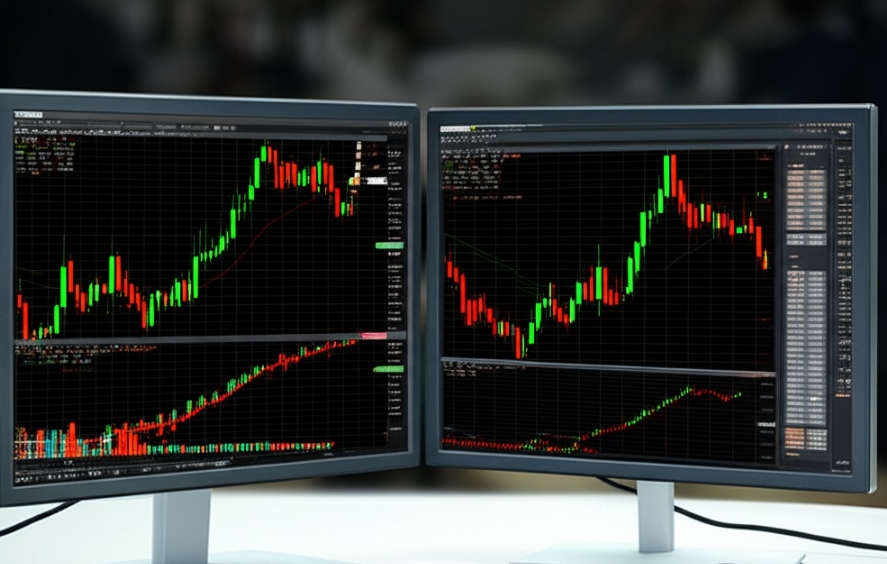
Understanding Currency Pairs in Forex
In Forex trading, currencies are traded in pairs like EUR/USD or USD/INR. The first currency is the Base Currency, and the second is the Quote Currency. The Exchange Rate shows how much of the Quote Currency is needed to buy one unit of the Base Currency.
Major Pairs: Heavily traded pairs like EUR/USD, GBP/USD.
Minor Pairs: Lesser-traded pairs like EUR/GBP, AUD/NZD.
Exotic Pairs: Include emerging market currencies, e.g., USD/TRY.
Cross Pairs: Do not involve the US Dollar, such as EUR/GBP.
Terms like Pip (smallest price move) and Spread (difference between buy/sell prices) are critical.
Forex Market Structure and Participants
The Forex market operates on a global scale with different participants:
Central Banks: Influence currency prices through monetary policies.
Commercial and Investment Banks: Execute large-volume trades, adding liquidity.
Retail Traders: Individual investors trading via brokers.
Forex Brokers: Facilitate trading by offering market access.
Liquidity Providers: Ensure there’s enough volume for smooth transactions.
Market Makers and ECNs: Create liquidity and smooth execution in the OTC Market.
The Interbank Market is where the largest volume of Forex trading happens, mainly among banks and financial institutions.
Key Forex Trading Terminologies
To be successful in Forex, understanding these key terms is crucial:
Pip: Smallest price change in a currency pair.
Spread: Difference between the Bid Price and the Ask Price.
Lot Size: Standardized trading amount; a standard lot is 100,000 units.
Leverage: Allows traders to control larger positions with smaller capital.
Margin: The required deposit to maintain a leveraged position.
Stop Loss & Take Profit: Predetermined points to exit a trade to limit loss or secure profit.
Rollover and Swap: Interest paid or earned for holding positions overnight.
Volatility: Measures the fluctuation in currency prices.
Understanding these terms will prepare you for real-time trading and strategic decision-making.
What Are the Regulations for Forex Trading in India
Forex trading in India is tightly regulated to ensure market stability and protect traders. Here’s what you need to know:
RBI Guidelines for Forex Trading
The Reserve Bank of India (RBI) is the central authority that governs all aspects of forex trading within the country. It sets strict guidelines on permitted transactions, currency pairs, and market participation.
Only authorized dealers and registered brokers are allowed.
Trade is restricted to INR-based currency pairs and select international currencies.
Speculative trading and margin trading on foreign platforms are prohibited.
Expert Quote:
"The RBI’s stringent measures are crucial to maintaining economic stability in India's forex markets." — Rajesh Mehta, Financial Analyst
Permitted Currency Pairs in India
In India, forex trading is limited to specific currency pairs. These pairs are approved by the RBI to minimize risk and ensure transparency:
Major INR-based pairs: USD/INR, EUR/INR, GBP/INR, JPY/INR
Cross-currency pairs: EUR/USD, GBP/USD, USD/JPY
| Currency Pair | Type | Trading Allowed |
|---|---|---|
| USD/INR | Major | Yes |
| EUR/INR | Major | Yes |
| GBP/INR | Major | Yes |
| JPY/INR | Major | Yes |
| EUR/USD | Cross-Currency | Yes |
| GBP/USD | Cross-Currency | Yes |
These are the only pairs legally permitted for retail trading in India.
SEBI's Role in Forex Regulation
The Securities and Exchange Board of India (SEBI) plays a critical role in overseeing forex regulation in the country.
Ensures brokers comply with market standards.
Regulates leveraging limits to prevent excessive risk.
Monitors trader protection measures and compliance reporting.
SEBI works in tandem with the RBI to maintain a robust and transparent trading environment for investors.
Compliance Requirements for Indian Traders
For Indian traders, compliance with RBI and SEBI regulations is mandatory:
KYC (Know Your Customer): Verification of identity and address proof.
AML (Anti-Money Laundering): Strict checks to prevent illegal transactions.
Quarterly Reporting: Traders must submit transaction reports to the relevant authorities.
Failure to comply can result in heavy penalties or even a ban from trading.
How to Start Forex Trading in India
Starting Forex trading in India requires the right setup and preparation. This section explores the critical steps involved in opening a trading account and selecting the ideal Forex broker.
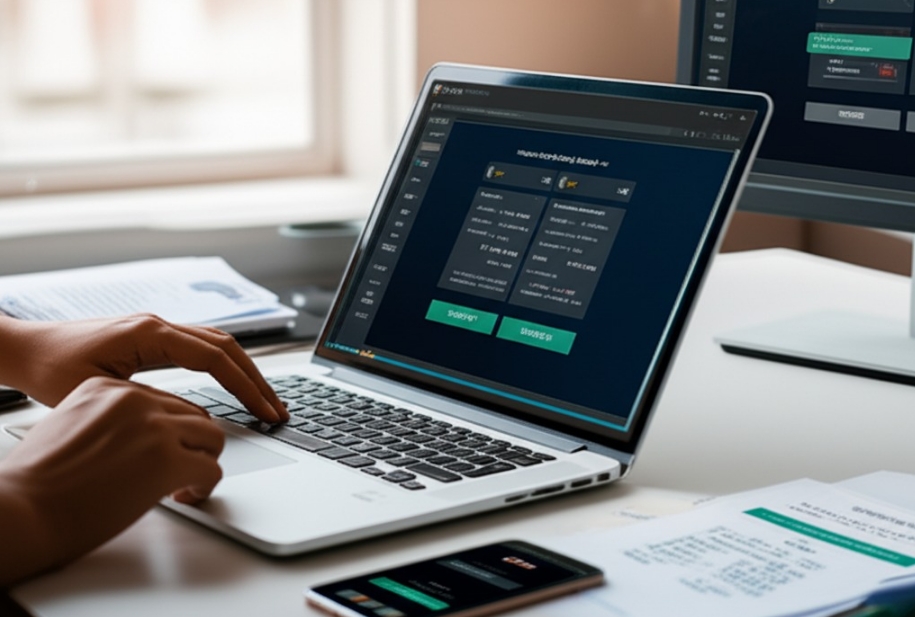
Opening a Forex Trading Account
Opening a Forex trading account is your first step into the world of currency trading. Here’s how to do it:
Choose a Reliable Broker: Select a broker that is regulated by SEBI and offers Indian Rupee (INR) trading options.
Complete the Verification Process: Submit your KYC documents—Aadhaar, PAN card, and address proof are typically required.
Fund Your Account: Deposit the minimum amount required, which varies by broker, to activate your account.
Set Up Your Platform: Download the trading platform (like MetaTrader 4 or 5) to begin trading.
Practice with a Demo Account: Before diving in, use a demo account to understand leverage, margin, and currency pairs without risking real money.
Pro Tip: Always read the broker's terms on deposit and withdrawal processes to avoid surprises later.
Choosing the Right Forex Broker
Picking the right Forex broker is crucial for successful trading. Here’s what to look for:
Regulation and Security: Ensure the broker is regulated by SEBI to avoid legal hassles.
Trading Platform Options: MetaTrader 4, MetaTrader 5, and cTrader are popular choices.
Low Fees and Spreads: Look for brokers with tight spreads and minimal transaction fees.
Customer Support and Reviews: Check user reviews and test customer service responsiveness.
Minimum Deposit Requirements: Some brokers allow you to start with as low as $10, while others may require more.
Expert Insight: "A good broker is like a co-pilot in trading; their support can be the difference between profit and loss." — Rajiv Mehta, Senior Forex Analyst
Which Forex Trading Platforms Are Best for Indian Traders?

When it comes to Forex trading in India, choosing the right platform is crucial. With numerous options available, traders often find themselves asking: Which platform truly meets the needs of Indian traders? Let us break down the most reliable and efficient trading platforms, focusing on their features, compliance with SEBI regulations, and user experience.
Expert Insights: What Makes a Great Forex Platform?
To get a well-rounded view, I reached out to Anirudh Mehta, a seasoned Forex trader with over a decade of experience. When I asked him which platforms he finds most reliable, he said:
"The ideal platform should offer comprehensive trading instruments, seamless deposit and withdrawal methods, and reliable customer support. Metatrader 4 and Metatrader 5 have consistently proven their worth in my trading journey."
Metatrader 4 (MT4) and Metatrader 5 (MT5): Why Are They So Popular?
Both Metatrader 4 and Metatrader 5 are synonymous with professional Forex trading. Here is why:
Versatile Trading Instruments: These platforms support various currency pairs, CFDs, and commodities, giving traders ample options.
Technical Indicators: Equipped with advanced charting tools and over 50 built-in technical indicators, they cater to both novice and expert traders.
Customizability: Users can build automated trading strategies using MQL4 and MQL5.
Anirudh further commented:
"Whether you are using MT4 or MT5, you will notice the ease of integrating technical indicators and automated trading bots. I prefer MT5 for its enhanced analytical tools."
Compliance with SEBI Regulations
The legality of Forex trading in India hinges on compliance with SEBI guidelines. Platforms like MT4 and MT5, offered by SEBI-regulated brokers, ensure that traders can legally operate within the Indian market. Make sure to choose brokers who clearly mention SEBI registration.
Essential Features to Look for in a Trading Platform
When evaluating Forex platforms, here are some critical aspects to consider:
Brokerage Account Types: Choose between Standard, ECN, or Islamic accounts based on your trading volume and strategy.
Spreads and Commissions: Platforms with lower spreads are preferable for day trading, while fixed commissions benefit long-term investors.
Mobile Trading App: Accessibility on the go is vital. Platforms with intuitive mobile apps make trading more flexible.
Deposit and Withdrawal Methods: Instant processing and zero deposit fees can enhance your trading experience.
Customer Support: Opt for platforms that offer 24/7 support, especially when dealing with market volatility.
Personal Experience: Finding the Right Fit
I remember my early trading days when I was overwhelmed by platform choices. After experimenting with several options, I settled on MT4 through a broker that prioritized SEBI compliance. The smooth integration of technical indicators and hassle-free withdrawal process made a significant difference. It became evident that balancing usability and regulatory assurance was key.
The Platform That Suits You Best
Anirudh concluded our chat with some advice:
"Do not just follow trends. Evaluate your trading style and risk appetite. MT4 is great for beginners, while MT5 caters to those needing advanced analytics. Always ensure the broker is SEBI-registered."
The bottom line is simple: The best platform is one that aligns with your trading objectives while maintaining regulatory compliance. Consider expert opinions, but prioritize your unique trading needs when making the final decision.
What Are the Most Effective Forex Trading Strategies in India
Mastering Forex trading strategies is crucial to succeeding in the Indian market. Here are the top approaches that work well for both beginners and experienced traders.

Day Trading Techniques for Beginners
Day trading involves buying and selling currency pairs within the same trading day. Beginners often prefer day trading for its quick turnover and potential gains.
Common Techniques:
Scalping: Quick trades to capitalize on small price changes.
Momentum Trading: Riding the wave of strong price movements.
Tips for Success:
Use technical analysis for spotting entry and exit points.
Set stop-loss levels to manage risk.
Trade during market open and market close for maximum liquidity.
Quote:
"Day trading requires discipline, quick decision-making, and a keen eye for technical signals." – Arun Mehta, Forex Analyst
Swing Trading Strategies Explained
Swing trading involves holding positions for several days to capture short- to medium-term gains. Traders rely on both technical and fundamental analysis to predict market swings.
Key Techniques:
Trend Following: Using moving averages to track momentum.
Chart Patterns: Identifying support and resistance levels to predict breakouts.
Fibonacci Retracement: Measuring potential reversal points.
Example:
| Strategy | Indicator Used | Holding Period |
|---|---|---|
| Trend Following | Moving Averages | 3-7 days |
| Chart Pattern Trading | Support/Resistance | 2-5 days |
| Fibonacci Retracement | Fibonacci Levels | 4-10 days |
Position Trading for Long-term Gains
Position trading focuses on long-term trends and often involves holding positions for weeks, months, or even years. It’s best suited for traders with patience and a deep understanding of fundamental analysis.
Steps to Follow:
Identify long-term economic indicators and industry analysis.
Choose fundamentally strong currency pairs and buy and hold.
Diversify to reduce risk and manage the portfolio.
Friendly Tip:
Stay updated on company financials and market cycles. It’s a marathon, not a sprint!
Hedging Techniques to Minimize Risks
Hedging protects your portfolio against unexpected price movements. It’s an essential part of risk management for professional traders.
Common Hedging Techniques:
Options Contracts: Use put options to protect against downturns.
Futures Contracts: Lock in future prices to mitigate risk.
Delta Hedging: Balance portfolio risk using correlated assets.
Example:
Buy a protective put if expecting a downturn.
Implement a covered call when holding a long position.
Diversify using assets with low correlation to Forex.
By mastering these strategies, traders can adapt to different market conditions and mitigate risks effectively. Whether day trading for quick gains or holding long-term positions, choosing the right approach makes a significant difference.
What Are the Risks and Challenges of Forex Trading in India
Forex trading in India involves risks like market volatility and leverage. Understanding these challenges is crucial for traders to manage their portfolios effectively.
Market Volatility and Currency Fluctuations
Market volatility in Forex trading occurs when currency prices swing due to economic instability or geopolitical uncertainty. Exchange rate fluctuations can impact traders significantly, especially during major economic events. Forex traders must be prepared to deal with unpredictable variations that affect their portfolios.
Sometimes, it’s a rollercoaster ride—one minute the market's up, next it’s down. Major factors include:
Economic Data Releases: GDP reports and unemployment rates can shake things up.
Geopolitical Events: Political instability often sparks sudden currency swings.
Market Sentiment: Sometimes, it’s just plain speculation that drives price changes.
Here’s a quick look at some currency fluctuation data:
| Currency Pair | Average Daily Swing (%) | Event Triggered Swing (%) |
|---|---|---|
| USD/INR | 0.15 | 1.2 (Budget Announcement) |
| EUR/INR | 0.12 | 0.8 (ECB Policy Update) |
| GBP/INR | 0.10 | 0.9 (Brexit News) |
Expert Insight:
"Market volatility is like navigating rough waters—knowing when to sail and when to anchor is key." — Anuj Mehta, Forex Analyst
Risk of Leverage and Margin Calls
Leverage amplifies both gains and losses in Forex trading. When traders borrow funds from their brokers, they increase their exposure to the market. While it sounds promising, excessive leverage can wipe out accounts quickly.
Let’s break it down:
Leverage Ratios: Common ratios like 50:1 or 100:1 can boost trading power but also heighten the risk.
Margin Calls: If your account equity drops below a set margin level, your broker might issue a margin call.
Liquidation Risk: Failure to meet a margin call can result in forced liquidation—your positions get closed automatically.
A typical scenario:
You start with $1,000 and use 50:1 leverage, controlling $50,000 in trades. A small 2% adverse move means a $1,000 loss, wiping out your entire investment.
Tips to Manage Risk:
Use lower leverage ratios.
Set stop-loss orders to limit potential losses.
Regularly monitor account equity to avoid unexpected margin calls.
In the words of Rakesh Kumar, a seasoned trader:
"Leverage is a double-edged sword. It can magnify gains, but without caution, it cuts deep into your capital."
By understanding the risks of market volatility and leverage, Forex traders can develop strategies to mitigate potential losses while navigating India’s dynamic trading landscape.
Can You Make a Profit from Forex Trading in India
Forex trading in India offers profit opportunities, but success depends on understanding factors affecting profitability and choosing the right strategies.
Factors Affecting Forex Trading Profitability
Forex trading profitability hinges on several factors. Effective market analysis is crucial, as economic indicators like GDP growth or inflation rates directly impact currency pairs.
Leverage amplifies profits but also magnifies losses, so balancing risk is essential. Market volatility driven by news events can either present trading opportunities or lead to unexpected losses. Therefore, a robust trading strategy combined with risk management is key.
Key Factors Impacting Profitability
| Factor | Impact on Profitability | Example Scenario |
|---|---|---|
| Market Analysis | High | Analyzing economic data |
| Leverage | Medium to High | Using a 1:50 leverage ratio |
| News Events | High | Central bank announcements |
Analyzing Long-term vs. Short-term Gains
Choosing between long-term and short-term gains requires careful analysis. Long-term investments often lead to capital appreciation and are less susceptible to daily market noise. Conversely, short-term trading like day trading targets quick returns but involves higher risk.
To decide, consider your trading strategy and time horizon. Long-term gains suit conservative investors, while short-term trading appeals to those with a higher risk appetite. "Sometimes it’s better to think big rather than quick," says Rajiv Mehta, a financial analyst.

Strategies for Consistent Profit Generation
Generating consistent profits in Forex trading requires a disciplined trading plan and effective risk management. Start by defining your position sizing and backtest your strategy to ensure viability. Stay disciplined to avoid impulsive trading.
Top Strategies:
Diversification: Spread risk across multiple currency pairs.
Trading Psychology: Maintain emotional control during volatile markets.
Backtesting: Evaluate past performance to refine strategies.
Market Timing: Enter trades when conditions favor your strategy.
By implementing these strategies, traders enhance their chances of sustainable profit generation.
Conclusion
Forex trading in India isn’t just about numbers and charts—it’s like running a business where smart choices and quick thinking make all the difference. Knowing the rules, picking the right platform, and mastering a few solid strategies can turn market waves into smooth sailing. As Raghuram Rajan once said, "Understanding risk is the first step to managing it."
If you’re ready to dive into the Forex world, take the time to learn, plan, and start small. With the right mindset and a bit of patience, the Indian Forex market can be your stepping stone to global trading success.
Yes, Forex trading is legal in India but only for currency pairs that involve the Indian Rupee (INR). The Reserve Bank of India (RBI) and the Securities and Exchange Board of India (SEBI) regulate all Forex trading activities. Any trading done outside the approved currency pairs or platforms is considered illegal.
Zerodha Kite – Trusted for its user-friendly interface.
Upstox Pro – Known for competitive brokerage rates.
ICICI Direct – Offers robust security and support.
You can start Forex trading with as little as ₹500 to ₹1,000, depending on the broker. However, it's recommended to begin with at least ₹5,000 to ₹10,000 for better flexibility and risk management.
Market Volatility: Exchange rates fluctuate rapidly.
Leverage Risks: High leverage can amplify both gains and losses.
Regulatory Risks: Non-compliance with RBI and SEBI guidelines.
No, Indian residents are prohibited from using international brokers to trade Forex. All trading must be done through brokers registered with SEBI, and only on approved currency pairs involving INR.
Scalping: Quick trades to capture small price movements.
Swing Trading: Holding positions for several days to capture trends.
Hedging: Minimizing losses by opening opposing positions.
Yes, profits earned from Forex trading are considered as income and are taxable under the Income Tax Act of India. The tax rate depends on the trader's income bracket and whether it's considered business income or capital gains.