


how long does it take to —for real? The truth? It’s not a weekend project. It's more like learning to drive stick: clunky at first, smoother with time, and eventually second nature.
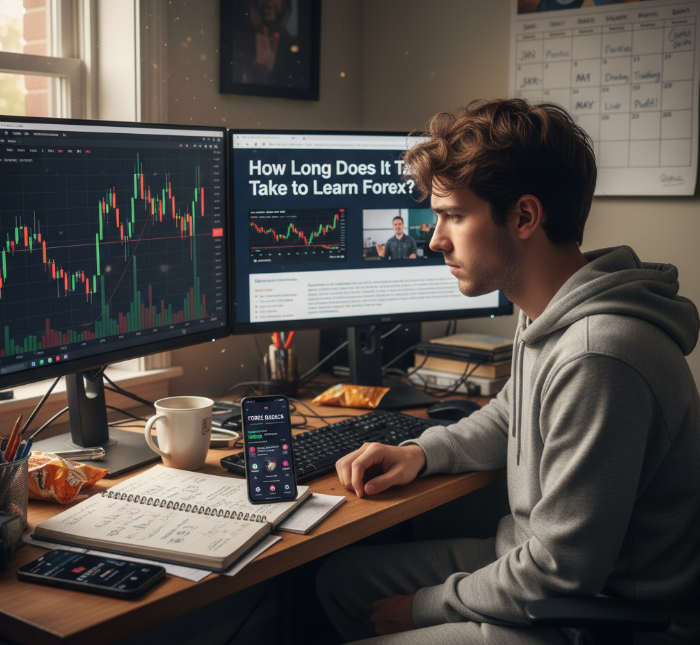
Some traders say it takes 6 months. Others? 3+ years. “Markets are designed to transfer money from the impatient to the patient,” Warren Buffett once said—and forex proves it daily.
If you’re tired of fake flexes and want the real breakdown—from learning the ropes to actually making trades—this guide’s got your back. Let’s get into it.
How long does it take to ?
"Some people think it is a three-month game," says Victor Allen, a seasoned trader with over a decade of experience on the MetaTrader platform. "Others spend three years and still panic when the market spikes." His words reflect a truth most online courses will not advertise. The learning curve in forex trading is not just technical—it is emotional, strategic, and deeply personal.
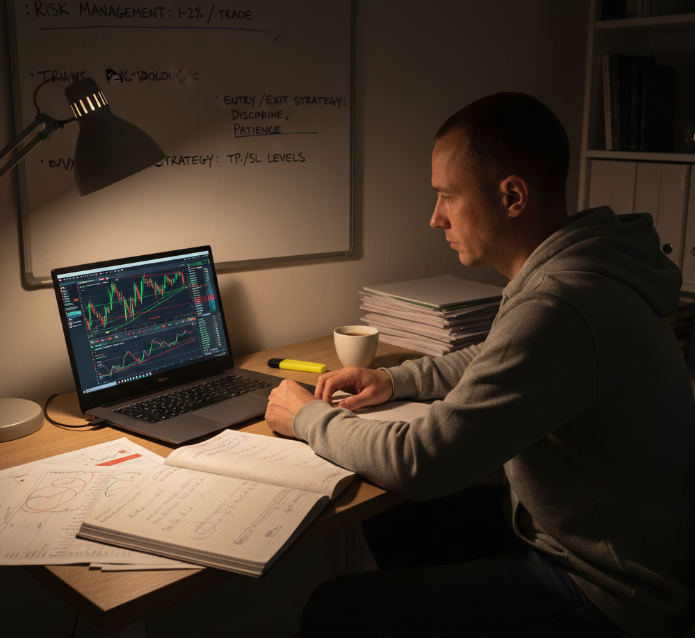
At its core, covers key areas:
Market analysis
Trading strategies and execution
Risk management techniques
Trading psychology and discipline
True proficiency emerges through consistent practice, often on demo accounts before real capital is involved. Traders must also adapt to real-world time commitments, balancing screen time with the demands of daily life.
Industry research, including insights from and , suggests that the average beginner spends building foundational knowledge. That excludes the emotional conditioning and losses absorbed along the way.
"Learning to trade is like learning to fly. The manual teaches the cockpit, but only air time builds instinct," explains Ava Knight, an analyst at .
Factors such as access to structured trading education, personal financial goals, and the usability of chosen trading platforms all shape the journey’s length. No certificate can replace hard-earned experience—but mentorship, feedback loops, and community support help shorten the road.
The real question is not how long it takes, but how deeply you are willing to learn.
How long does it take to trade profitably in forex?
Trading profitably in forex is more than just clicking "Buy" or "Sell"—it’s a journey of mindset, skill, and patience. Let's break it down.
Time needed for demo account practice
practice is your forex sandbox—zero risk, maximum learning. Most beginners need 3 to 6 months to get comfy with:
Testing trading strategies
Learning risk management
Analyzing various market conditions
Navigating a trading platform
Don’t skip this phase. It helps build the confidence to go live. Keep in mind: demo wins ≠ real profits.
Psychological hurdles before turning profitable
Fear, greed, and revenge trading—these are the ghosts haunting every trader’s mindset.
Fear can stop you from pulling the trigger.
Greed makes you overstay your trades.
Lack of discipline leads to overtrading.
Patience and emotional control are skills, not traits. As trading psychologist says,
"Traders fail not from poor analysis but poor self-regulation."
Profitability starts when your mind stops sabotaging your trades.
Common mistakes that delay profits
New traders often sabotage their growth with rookie mistakes. Here's a breakdown of costly missteps:
| Mistake Type | Effect on Profits | Fix Suggestion |
|---|---|---|
| Lack of strategy | Random losses | Build a tested trading plan |
| Poor risk management | Quick account wipeout | Use stop-loss rules |
| Emotional trading | Inconsistent outcomes | Journal every trade |
Impatience, skipping market analysis, or trading just “because it feels right” will set you back months. Avoid these traps.
How long does it take to master forex trading?
Mastery isn’t just about time—it’s about evolution. This cluster explores the key elements that elevate a trader from competent to elite.
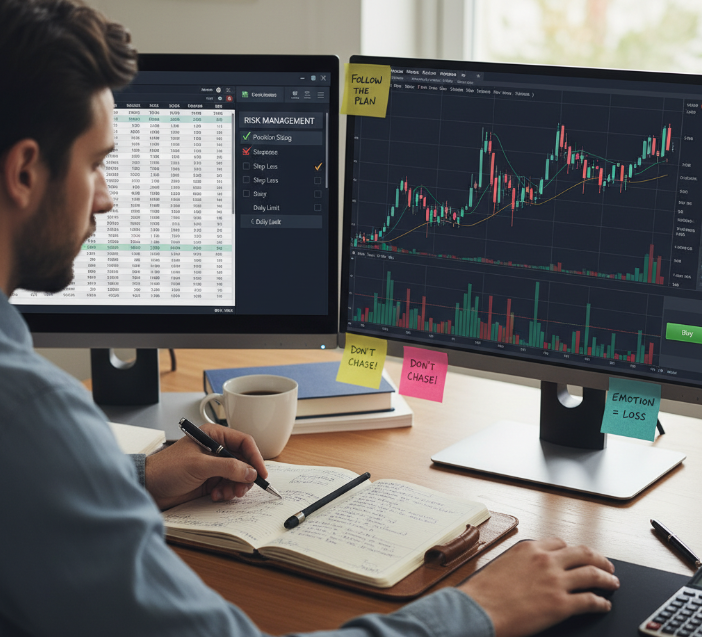
Building a consistent trading strategy
A rock-solid trading plan is your forex foundation. Consistency comes from refining strategies using technical indicators, backtesting, and market analysis. Don’t forget risk management—it’s your financial seatbelt.
Develop your core approach using technical/fundamental analysis
Backtest and refine regularly
Keep risk per trade below 2%
Track adjustments based on performance feedback
"A strategy isn’t set in stone. It’s a living thing." – , trader & author
Importance of trading journal analysis
Tracking your trades isn’t just busywork—it’s essential. A solid trading journal helps you spot patterns, evaluate strategies, and stay emotionally disciplined.
Use journaling software or spreadsheets to log each trade
Analyze performance metrics weekly
Identify emotional triggers affecting decisions
Use patterns to evolve your system
Your trade journal = your forex GPS. Ignore it, and you're flying blind.
Adjusting to changing market conditions
Markets are moody. A rigid strategy is a losing one. Traders must adapt to volatility, economic events, and shifting sentiment.
| Market Event | Impact Type | Adaptation Strategy |
|---|---|---|
| Interest rate hike | Increased volatility | Reduce position size |
| Major news release | Trend reversals | Wait for market reaction |
| Unstable sentiment | Choppy movements | Use tight stop-loss orders |
Adaptability keeps you in the game—rigidity kicks you out.
Mastery through live trade experience
There’s no cheat code. Mastery happens in the trenches—real trades, real risk, real pressure.
You’ll learn:
When to enter… and when to chill
How emotions really mess with logic
What it feels like to lose, and bounce back
Live trading builds risk tolerance, execution sharpness, and market instinct. Simulators can’t replicate that. So get in there—but play smart, not fast.
How long does it take to become a successful forex trader?
Becoming a successful forex trader isn’t just about time—it’s about habits, mindset, and managing the journey like a business.

From side hustle to full-time trader
Transitioning from part-time trading to a full-time income is no small feat. You need more than luck—you need a rock-solid trading plan, proper risk management, and enough capital to withstand drawdowns.
Here’s how most traders do it:
Build consistent profitability while still employed
Save enough to cover 6–12 months of expenses
Scale gradually, increasing position size wisely
Don't quit your job just because you had one good week—success means sustainability, not a lucky streak.
Traits of long-term trading success
What separates long-term winners from burnt-out beginners?
Discipline – Following your plan even when tempted
Emotional Control – Managing losses without panic
Continuous Learning – Markets change. So must you.
Adaptability – Strategies must evolve over time
“Successful traders are simply those who learn how to lose properly.” –
Whether it's patience or precise market analysis, cultivating these traits isn’t optional—it’s the cost of admission into the pro club.
Conclusion
Learning forex isn’t a weekend project—it’s more like training for a marathon. You pick up the basics fast, but real confidence shows up after months of practice, mistakes, and those “aha” moments that only come from screen time.
As trading coach once said, “Consistency is a mindset, not a strategy.” That reminder hits home for anyone juggling emotions, charts, and expectations.
If you’re feeling stuck, you’re not alone. Most beginners just want to know how long it takes before things click. The truth? Stay steady, review your trades, and keep stacking small wins. Mastery shows up for folks who simply don’t quit.
References
BabyPips – School of Pipsology -
Investopedia – Guide to Forex Trading -
Forexopher – How Long Does It Take to Learn Forex? -
FXStreet – Forex News and Analysis -
Investopedia – Demo Account Definition -
TraderFeed – Blog by Brett Steenbarger -
New Trader U – Trading Education by Steve Burns -
TraderLion – Trading in the Zone Review -
Faq
You can grasp the basics within 3 months if you're focused and consistent. However, mastering it or becoming profitable usually takes longer. Think of it like learning a musical instrument—starting is quick, but getting good takes time.
Take a structured online course (with real-time examples)
Practice daily with a demo account
Join a reputable trading community or mentorship group
Focus on one trading strategy at a time
Study your trades to learn from mistakes
Not strictly, but a good mentor can cut your learning curve in half. They help you avoid common traps and offer feedback that YouTube or books can’t.
Even 30 focused minutes daily is better than 5 hours once a week.
1–2 hours/day for steady progress
3–4 hours/day if you’re on a fast track
The key is consistency—not cramming
Ideally, until you're consistently profitable for at least 2–3 months. For some, that’s 3 months; for others, it's 6 or more. Don’t rush—demo success builds confidence.
Learning what to do is relatively easy. Learning how to stick to it—especially during losses—is where most people struggle. The hardest part? Controlling your emotions and not overtrading.
Start simple. The best strategy is the one you can stick with and improve.
Support and resistance trading
Moving average crossovers
Breakout trading (with confirmation)
Risk-reward ratio based setups
Yes, for most traders, true mastery takes years. It’s not just about knowing the markets but understanding yourself—your habits, triggers, and blind spots. Be patient. It's a marathon, not a sprint.
Technically, yes—you can start with $100 using a micro account. But don’t expect major profits. It’s better to treat that first $100 as tuition for real-world practice, not income.