


A client opens a ticket: “Your app says I lost $230, my sheet shows $180. Who’s right?” For a broker selling feeds or white-label platforms, a small gap in the forex profit loss calculator suddenly becomes a big trust issue. In WhatsApp groups, this kind of thing spreads faster than fire.
When P&L doesn’t match what your back office books, support queues explode, account closures go up, and Google reviews start looking scary. One tiny formula error in pips, spread, commission or swap becomes a full headache for your ops and compliance teams.
As our easycashbackfx risk engineer Rahul says, “One P&L mismatch in public groups can burn a brand in a day.”
Many firms still run on jugaad: one Excel here, one widget there, plus a different logic in MT platforms. Staff keep re-checking trades by hand, and no one has time for that during volatile markets.
This article breaks down the core components of a broker-grade calculator, the must-have inputs, manual vs tool-based P&L, how brokers actually compute trades inside, and a simple risk framework you can plug into your client journey.
Core components of a forex profit loss calculator
Multi-pair support in a forex profit loss calculator from EUR/USD to GBP/JPY
Your tool has to handle major pairs like EUR/USD, GBP/USD, USD/JPY, and cross pairs such as EUR/JPY and GBP/JPY.
It should recognize the base currency and quote currency correctly, updating the exchange rate in real time.
Smart logic keeps pip value aligned with each currency pair so your pricing page, risk desk, and client-facing widgets all sing from the same song sheet.
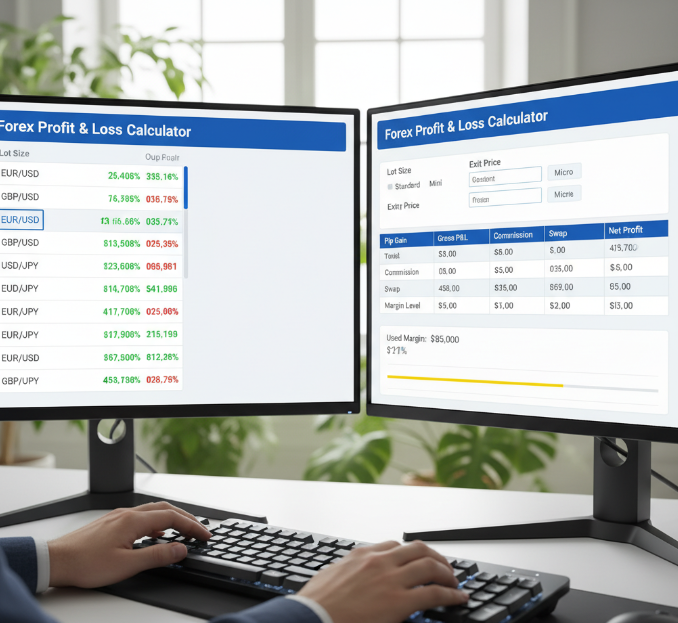
Trading parameters: lot size, entry price, exit price
Define position size clearly with options for standard lot, mini lot, and micro lot so different client tiers feel at home.
Capture opening price and closing price cleanly for every trade; no guesswork.
Map contract size to each symbol so your back office, IB portals, and front-end forex profit loss calculator all return the same P&L numbers, every single time.
From pip gain to net profit, equity and balance
Your wholesale buyers care about the full journey: from tiny pipettes right through to headline net profit. A proper forex profit loss calculator needs to tie pip gain to every spread, commission, and swap, showing both unrealized profit and realized profit side by side. When the final number lands in the client’s account balance, nobody should be surprised; support, risk, and traders all see exactly how the math happened.
Order logic: market order, buy limit, sell limit
Handle instant market orders plus pending orders like buy stop and sell stop with consistent P&L rules.
Build in realistic execution assumptions, including slippage around news or thin liquidity.
Link every take profit and stop loss to the forex profit loss calculator so clients immediately see projected gain or loss before hitting “confirm,” cutting down on tickets and complaints.
Risk layer: margin, exposure, margin call and stop out level
Show used margin, free margin, and margin level in a way even new clients can understand at a glance.
Connect exposure and drawdown directly to each trade’s P&L so risk management isn’t some mystery report later.
Make liquidation and margin call logic transparent inside the calculator, giving your brokerage a clear, honest story when you scale to more partners and heavy-volume accounts.
5 inputs every forex profit loss calculator must include
Lot size and contract size for EUR/USD, USD/JPY, EUR/JPY
For wholesale clients, lot size drives how wild or calm risk feels. Standard lot, mini lot, and micro lot change units of currency, contract value, and margin swings across EUR/USD, USD/JPY, and EUR/JPY in a big way.
Standard lot: 100,000 units of base currency, heavy pip gain and gross loss swings.
Mini lot: 10,000 units, more controlled moves for mid-size accounts.
Micro lot: 1,000 units, handy for testing flows or new strategies.
This clarity helps your sales team explain sizing in seconds.
Entry price, exit price, spread, slippage and liquidity
Entry price comes from bid price or ask price during market execution.
Exit price plus spread decides a lot of the final PnL mood.
Limit order with clear stop loss and take profit cuts emotional drama for clients.
Clean order execution and deep market depth reduce nasty slippage stories.
High liquidity on EUR/USD or GBP/USD makes your forex profit loss calculator look smarter and more “real” to fund managers.
Leverage, margin and account currency mapping
Wholesale buyers care about how the multiplier, margin requirement, and account currency interact inside the tool. Your forex profit loss calculator should sync used margin, free margin, equity, and balance without guesswork.
| Leverage ratio | Trade size (EUR/USD) | Margin requirement | Used margin |
|---|---|---|---|
| 1:30 | 100,000 | 3,333 | 3,333 |
| 1:50 | 100,000 | 2,000 | 2,000 |
| 1:100 | 100,000 | 1,000 | 1,000 |
Once the exchange rate moves, this mapping keeps margin call alerts honest and easy to audit.
Commission, swap fees and gross loss reporting
Track every cent of broker fees and transaction costs, tied to real trading volume.
Add rollover rate and overnight interest to show swap fees on long holds.
Split net profit and gross loss cleanly in the PnL statement for your back office.
“If negative balance protection is fuzzy, institutions walk away fast.” — easycashbackfx risk manager
Clear reporting here saves your support team from endless “why is my PnL off?” tickets.
Pip value, position size and return on investment in your forex profit loss calculator
Pip value and pipette math set the point value for each move. With clean position size logic, risk management stops feeling like wizard stuff.
Percentage return and profit margin plug straight into client-facing reporting.
Capital allocation rules plus drawdown tracking keep big accounts happy.
A tidy trading strategy view inside the calculator lets your brokerage pitch “analytics, not guesses” during sales calls.
Manual P&L formulas vs forex profit loss calculators
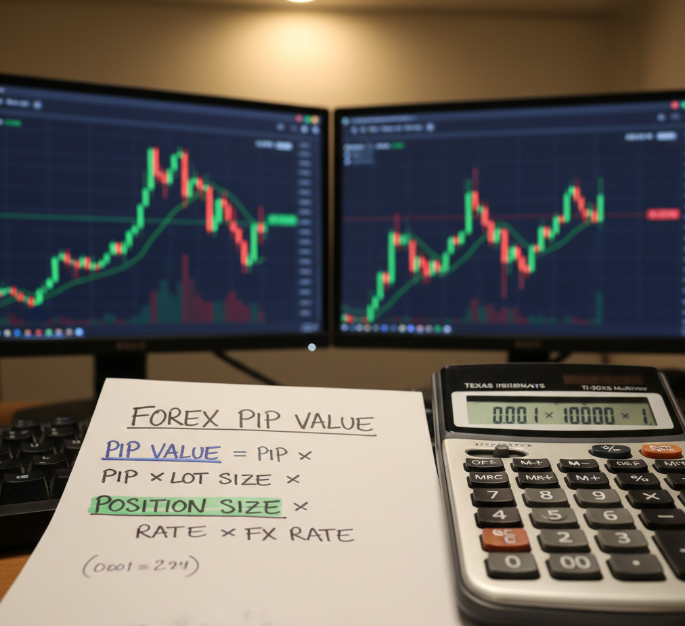
Manual pip value formulas
Getting pip math right keeps your brokerage out of trouble, so here’s a quick cheat sheet:
Set pip size based on decimal places in the quote currency.
Use: Pip value = pip × lot size × position size × exchange rate into your base currency.
Test a few EUR/USD and GBP/JPY examples so your team spots weird fills fast.
Spreadsheet net profit checks
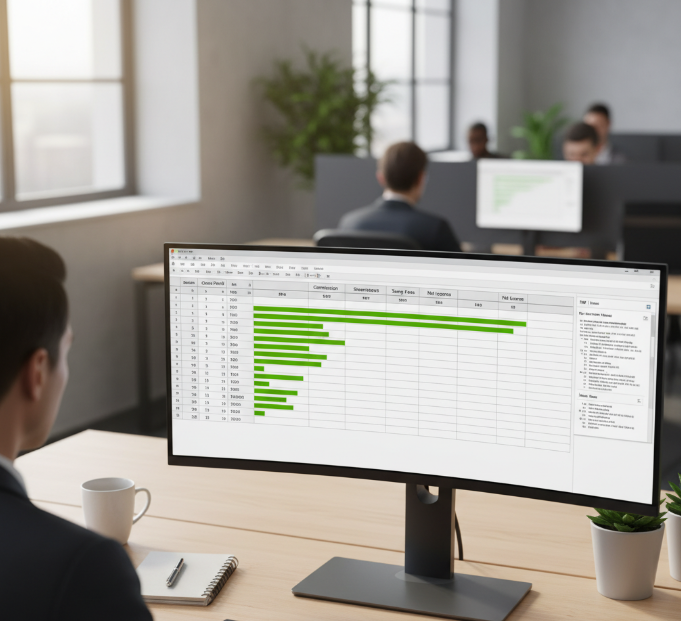
In Excel, pull gross profit from closed EUR/USD and USD/JPY trades.
Subtract commission and swap fees in the same formula to get net income.
Use clean data entry, then cross-check totals with your back-office report before clients shout about errors.
Broker-grade forex profit loss calculator automation
Your wholesale clients aren’t impressed by cute UIs; folks want pipes.
Hook the forex profit loss calculator widget into your pricing API for real-time data.
Sync margin and account currency rules with MT4 so numbers match tickets.
Log every change so support can replay a client’s calculation history in seconds.

Slippage, spread, volatility and market trend
Spread and whippy price action quietly wreck nice-looking P&L screenshots.
Map bid-ask spread to the execution price your market order actually gets.
Track volatility with ATR so your forex profit loss calculator doesn’t understate risk on thin liquidity.
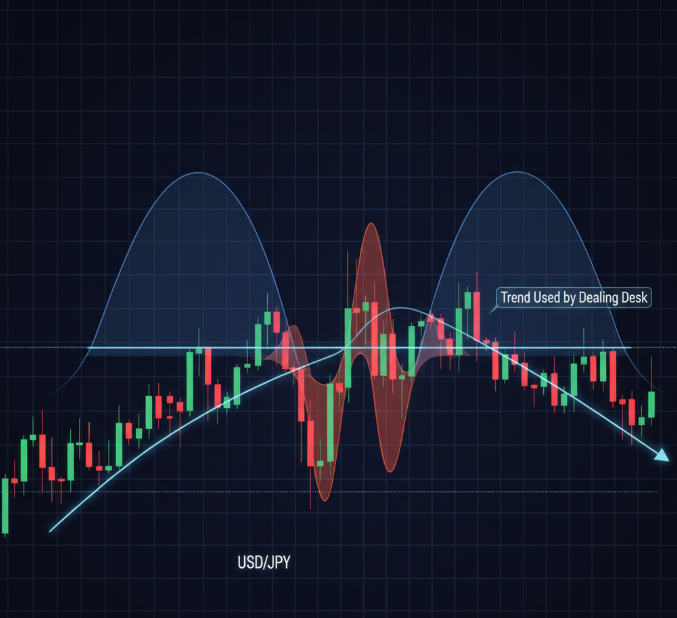
Store the trendline direction your dealing desk used when setting internal risk-reward guidelines.
How do brokers really calculate your trades behind the scenes?
What actually happens when a client clicks “Buy”?
A market order comes in with a specific currency pair like EUR/USD or GBP/JPY.
Backend checks Lot size, Entry price, Account currency, and available Margin.
Pricing engine pulls live quotes from a liquidity provider and/or an internal market maker.
System locks a Bid-ask spread and confirms the Exchange rate.
Trade goes into the book; your forex profit loss calculator on the front-end is expected to match this same logic.
For a brokerage or a wholesale calculator buyer, the key worry is simple:
“Client-facing calculator and back-office P&L must match, boss. If not, support tickets will rain every day.”
Inside the P&L math: how the broker’s engine thinks
Standardise the trade details
Convert Lot size to Contract size in units of base currency.
Check if the Counter currency matches the client’s Account currency or needs conversion.
Calculate Pip value per currency pair
Define Pip value in account currency for EUR/USD, GBP/USD, USD/JPY, etc.
For cross pairs, system may use a second Exchange rate to convert to the client’s balance currency.
Apply spread and price movement
Lock Entry price with the correct Bid-ask spread.
Read Exit price (or current price for floating P&L).
Compute Pip gain or pip loss based on direction of the trade.
Apply trading costs
Add Commission per lot or per million.
Apply overnight Swap rates if position held past rollover.
Factor in any extra fees agreed in B2B deals.
Finalise balance and equity
Update Net profit or Gross loss on the trade.
Update Balance and Equity at account level.
A wholesale buyer of a forex profit loss calculator wants this same flow mirrored in the tool, so clients don’t see one story on the website and another story on their statement.
how a broker’s P&L lines up
| Currency pair | Lot size | Pip gain | Net profit (after Commission & Swap) | Notes |
|---|---|---|---|---|
| EUR/USD | 1.00 | +25 | +235 USD | Tight Bid-ask spread, small Commission, no overnight Swap rates |
| GBP/USD | 0.50 | -40 | -215 USD | Wider spread, small negative swap, Commission charged both sides |
| USD/JPY | 2.00 | +15 | +260 USD | Higher Contract size, conversion from JPY to USD at latest Exchange rate |
Who touches your trade inside easycashbackfx?
Pricing engineer at easycashbackfx
Tunes the feed from each liquidity provider, checks Bid-ask spread logic, and makes sure quotes don’t jump madly when Volatility is high.Risk manager at easycashbackfx
Watches total Exposure across all accounts, checks Margin utilisation, and adjusts internal market maker settings so the firm doesn’t blow up when there is big news.Product manager for calculators at easycashbackfx
Ensures the forex profit loss calculator on the client portal uses the same formula stack as the back office: Lot size, Pip value, Commission, Swap rates, everything aligned.
For wholesale clients, you basically want these three types of people on the supplier side, not just some marketing guy saying “tool is accurate, sir”.
Mini Q&A with an easycashbackfx pricing engineer
Q: Why does Bid-ask spread matter so much for calculators?
A: “If your calculator uses mid-price but the dealing engine uses full Bid-ask spread, your P&L looks too optimistic. Trader will think he should have made more. That gap becomes support headache.”
Q: How do you handle different account currencies?
A: “We normalise everything into a single Counter currency for the pair, then convert to the account’s base using the latest Exchange rate. So the Pip value you see is always in the right currency.”
Q: What’s the most common mistake in third-party P&L tools?
A: “People forget small things like Commission on both sides of the trade or mix up Lot size definitions. One missing field only, and your Net profit will not match the broker statement, yaar.”
Why this matters for wholesale calculator & brokerage deals
If your white-label forex profit loss calculator doesn’t match the broker’s internal math, clients think the broker is shady.
When Swap rates, Commission, and Bid-ask spread are calculated same way on both sides, complaint rate drops nicely.
Alignment of Lot size, Margin, and Pip value logic across front-end and back office lets you scale without support team crying daily.
For a brokerage, this alignment is not “nice to have”; it is basically a survival kit in a tight-margin industry.
So, behind every simple P&L number on screen, there is a full calculation path. Any tool you buy wholesale should follow that same path, step by step, just like the broker’s engine running behind the scenes.
Scared of big losses? A simple framework to limit risk
Position sizing and margin for AUD/USD, USD/CHF, USD/CAD, NZD/USD
Smart position sizing keeps pairs like AUD/USD, USD/CHF, USD/CAD and NZD/USD from nuking client accounts.
Set Lot size by risk on Equity, not by gut.
Use Leverage only so Pip value per trade fits your risk.
Match Base currency and Quote currency to account currency before calculating Margin.
Keep an eye on Free margin so a random spike doesn’t trigger a Margin call.
Risk-reward ratio with stop loss, take profit and trailing stop
A clear risk–reward game plan keeps your forex book sane.
Define Risk management rules, including Loss limit and target Breakeven points.
Set Profit target and Stop loss in pips, then adjust for Slippage and Volatility.
Bake the Exit strategy into Order execution with Take profit, Trailing stop or manual close.
Hedging, diversification, drawdown and interest rates in bull and bear markets
Hedging isn’t just fancy talk; it’s Correlation management. Offset EUR/JPY risk with a related pair so one hit doesn’t wreck the day.
Central banks tweak Monetary policy and Interest rate differential, and suddenly your Carry trade looks either genius or dumb. Stay tuned to rate meetings.
In a bull market, Market sentiment feels great, but Portfolio allocation still needs limits on Maximum drawdown so clients don’t panic-quit.
During a bear market, trim risk, cut losers fast, and keep dry powder for cleaner setups once the storm cools off.
Conclusion
When you step back now, the whole profit and loss story stops looking like black magic. You’ve seen how lot size, entry price, exit price, spreads, swap fees and commission fit together like that simple bill in a kirana shop. Manual formulas give clarity, while calculator automation cuts slip-ups, so both traders and brokerage teams can speak the same language around numbers.
For a brokerage buyer, this matters even more. A solid forex profit loss calculator keeps client tickets, back-office records and reports in sync, so you don’t get angry calls about “wrong” P&L on EUR/USD or USD/JPY. No more juggling half a dozen spreadsheets and doing late-night jugaad; one consistent engine keeps risk, fees and payouts crystal clear.
At the end of the day, the goal is simple: steady, not greedy. Use clear position sizing, clean margin rules and honest P&L tools, and both you and your clients can sleep easier, not breaking your head over every big move in the market.
References
[Investopedia – What Are Pips in Forex Trading, and What Is Their Value? - https://www.investopedia.com/terms/p/pip.asp].
[Investopedia – Calculating Profits and Losses of Your Currency Trades - https://www.investopedia.com/articles/forex/12/calculating-profits-and-losses-of-forex-trades.asp].
[OANDA – Calculating Margin - https://www.oanda.com/us-en/trading/calculating-margin/].
[OANDA – What are OANDA's margin rules? - https://help.oanda.com/us/en/faqs/margin-rules.htm].
[IC Markets – Trading Costs - https://www.icmarkets.eu/en/trading-pricing/trading-costs].
[ActivTrades – Spread in Forex vs Commissions and Swaps Explained - https://www.activtrades.com/en/news/forex-spread-forex-swap-and-commission-what-every-trader-should-know].
[CME Group – FX Link Quotation and Pricing Guide (PDF) - https://www.cmegroup.com].
FAQ
How does a forex profit loss calculator handle lot size and pip value?
A forex profit loss calculator converts a price move into real money. It reads the lot size and pip value for pairs like EUR/USD or USD/JPY and shows how the trade affects your equity.
Uses Lot size and Contract size
Calculates Pip value from base and quote currency
Shows impact on Equity, Net profit, or Gross loss
Why do brokerages need accurate profit and loss reporting?
Clear profit and loss numbers keep traders calm and support teams happy. When spreads, swaps, and commissions match platform reports, clients stop arguing about their balance.
Tracks Balance and Equity cleanly
Shows real costs like Spread, Commission, Swap fees
Helps measure Return on investment and Drawdown
Can I trust manual P&L formulas instead of a calculator?
Manual formulas work for quick checks. But when trades stack across GBP/USD or EUR/JPY, mistakes creep in and numbers get messy.
Excel math is fine for a single trade
Hard to include Slippage, Spread, and Volatility
A calculator keeps trade math consistent
How should a brokerage set margin and stop out rules?
Margin rules act like guardrails. With clear limits on margin call and stop out level, accounts stay safer when markets swing.
Define Margin rules per currency pair
Watch Free margin against Position size
Trigger Margin call before equity drops too far
What inputs are critical for a forex profit loss calculator integration?
Good calculators rely on complete trade data. Missing inputs can throw off profit numbers and confuse clients.
Lot size, Entry price, Exit price
Spread, Commission, Swap fees
Position size, Margin, Account currency
How do spread, slippage and commission affect forex profit and loss?
Small trading costs slowly chip away at profit. A trade may show pip gain, yet final net profit shrinks once real costs appear.
Spread changes entry and exit value
Slippage shifts order execution price
Commission and Swap fees lower final profit
How can we use P&L data to control drawdown for clients?
P&L history acts like a health check for trading accounts. Watching drawdown early helps brokers stop risky habits.
Track Maximum drawdown by currency pair
Adjust Position sizing as equity falls
Apply tighter Stop loss rules
What makes a profit loss calculator suitable for multiple currency pairs?
A good calculator handles many pairs without extra tweaking. It should calculate profit the same way for EUR/USD, GBP/JPY, or AUD/USD.
Supports flexible Contract size and Lot size
Handles Base currency and Quote currency conversion
Includes pair-specific Spread and Swap fees
How do brokers calculate swap fees and interest in forex?
Swap comes from interest rate gaps between two currencies. Central banks set rates, and the difference lands in your overnight P&L.
Based on Interest rate differential
Applied to open Position size
Common in Carry trade strategies
How can risk-reward ratio improve our brokerage’s order execution quality?
When traders set clear targets and limits, trade flow becomes cleaner. It reduces emotional exits and messy order tickets.
Define Profit target and Loss limit
Combine Stop loss with Take profit
Improve discipline in Risk management