


Table of contents
Part 1 - Requirements for Opening a Forex Trading Account in India
Part 2 - How to Choose the Right Forex Broker in India?
Part 3 - Steps to Open a Forex Trading Account in India
Part 4 - Types of Forex Trading Accounts in India
Part 5 - Funding a Forex Trading Account in India
Part 6 - Forex Trading Regulations in India
Part 7 - Mistakes to Avoid When Opening a Forex Trading Account
Forex trading is booming in India, and if you've been wondering how to get started, you're in the right place. Learning how to open a Forex trading account in India can feel a bit like navigating a maze—there's paperwork, broker selection, and regulations to consider. But don't worry, it's not rocket science. With the right steps, you can set up your account and be ready to trade in no time.
As Raghuram Rajan, former RBI Governor, once said, "Access to global markets is key to economic growth." The forex market is your ticket to that global stage, letting you trade currencies and tap into a massive $6 trillion market. But before you jump in, you need to know the ropes—choosing the right broker, understanding SEBI regulations, and getting your documents sorted.
This guide breaks it all down for you: quick, clear, and step by step. By the end, you'll be ready to open a Forex trading account in India with confidence and clarity. Let's get you started on your trading journey.
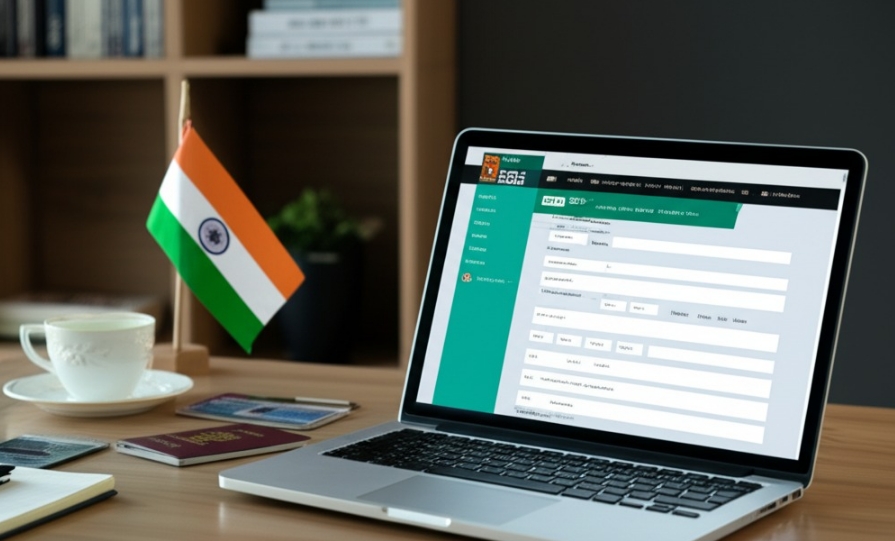
Requirements for Opening a Forex Trading Account in India
Understanding the basic requirements is the first step to open a Forex trading account in India. Let's explore the eligibility, documentation, and deposit needs.
Eligibility Criteria for Indian Traders
To start Forex trading in India, Indian traders must meet specific eligibility criteria:
Age Requirement: Must be at least 18 years old.
Nationality Proof: Indian citizenship or valid business registration in India is required.
SEBI Regulations Compliance: Traders need to adhere to SEBI regulations for legal market access.
Financial Standing: Sufficient capital and a clean credit record are often required by brokers.
PAN Card & Aadhaar Card: Mandatory for tax compliance and identity verification.
As long as you tick these boxes, you’re good to go. Just make sure your documentation is ready and in order.
KYC Documentation for Forex Accounts
KYC (Know Your Customer) is a regulatory requirement for all Forex accounts in India:
Identity Verification: Valid PAN Card, Aadhaar Card, or Passport Copy.
Address Proof: Utility bills, rent agreements, or bank statements not older than 3 months.
Bank Account Statement: Recent statement to confirm financial stability.
Photograph: A recent, passport-sized photo.
This documentation is crucial for AML compliance and RBI forex guidelines, ensuring your account is legally protected.
Minimum Deposit Requirements in India
The minimum deposit for a Forex trading account in India varies by broker, but generally falls between ₹5,000 to ₹50,000 depending on the account type. Here’s a breakdown:
| Account Type | Minimum Deposit (INR) | Margin Requirement |
|---|---|---|
| Standard Account | 10,000 – 50,000 | 1:30 (or higher) |
| Micro Account | 5,000 – 20,000 | 1:50 |
| ECN Account | 20,000 – 50,000 | 1:100 |
Funding methods include bank transfer, UPI, and digital wallets, offering flexibility based on your convenience.
Meeting these three core requirements ensures a smooth journey to opening a Forex trading account in India. Ready to trade? Get your documents in order and take the first step!
How to Choose the Right Forex Broker in India?
Selecting the right Forex broker is crucial for successful currency trading in India. Let's explore the key elements to look for when making this important decision.

Regulated Forex Brokers in India
When it comes to Forex trading in India, regulation matters. The Reserve Bank of India (RBI) and the Securities and Exchange Board of India (SEBI) are the primary regulators that govern Forex brokers. Choosing a broker that complies with SEBI guidelines ensures protection of your funds and transparency in transactions.
"Regulation is the backbone of secure trading. Never trade with an unregulated broker." — Amit Kapoor, Forex Analyst
Key points to consider when choosing a regulated broker:
SEBI Compliance — Make sure the broker is registered under SEBI for legal trading.
RBI Authorization — Only trade in currency pairs approved by the RBI.
Transparency — Regulated brokers offer clear fee structures and trading terms.
Evaluating Broker Trading Platforms
Your trading experience largely depends on the platform offered by the broker. A good trading platform should be user-friendly, responsive, and equipped with essential tools for market analysis.
Platform Features: Look for real-time data, customizable charts, and integrated risk management tools.
Execution Speed: Quick order execution minimizes slippage, crucial during volatile market conditions.
Security Measures: Ensure that the platform uses encryption and two-factor authentication for data protection.
Customer Support: Reliable support can save you from major hiccups during live trading.
| Platform Features | Importance Level | Examples |
|---|---|---|
| Real-Time Data | High | MetaTrader, cTrader |
| Customizable Charts | Medium | TradingView, NinjaTrader |
| Order Types | High | Stop-Loss, Limit Orders |
Choosing the right Forex broker in India goes beyond mere branding—it's about regulation, platform efficiency, and overall reliability. Start with the right broker, and you're halfway to successful trading!
Steps to Open a Forex Trading Account in India
Opening a Forex trading account in India involves a few crucial steps. Follow this guide to set up your account efficiently and securely.
Account Registration Process Online
The first step to start trading Forex is creating an account online. You’ll need to fill out a signup form with your username, password, and email address. Make sure your user profile is accurate and complete.
Here’s how to get started:
Visit the broker’s website and click on "Create Account".
Fill in your details, including name, email, and contact number.
Choose a strong password and a memorable username.
Submit the form and check your email for a confirmation link.
Pro Tip: Double-check your information to avoid registration issues later.
Verification Steps for Forex Trading
Once you’ve registered, you’ll need to complete the verification process. This is vital for security checks and compliance with regulations.
Step 1: Upload your ID verification document (like an Aadhar card or passport).
Step 2: Submit proof of address (such as a utility bill).
Step 3: Complete the KYC process as prompted.
Step 4: Wait for account approval, which can take a few days.
"Forex trading requires proper identity verification to ensure a secure trading environment." – Ajeet Nair, Trading Expert
Activating Your Forex Trading Account
After successful verification, it’s time to activate your trading account.
Click the activation link sent to your registered email.
Make the initial deposit as required by your chosen broker.
Log in to your trading platform using your login credentials.
Your account is now enabled for trading!
Tip: Keep your activation link safe, and avoid delays by funding your account promptly.
Understanding Account Terms and Conditions
Before you start trading, it’s crucial to read and understand the account terms and conditions.
These documents outline the rules and regulations of the platform.
Be aware of contractual obligations, including fees, withdrawal limits, and privacy policies.
Take note of any disclaimers and the client agreement to avoid unexpected issues.
| Aspect | Importance | Example |
|---|---|---|
| User Agreement | Legal obligations | Outlines trading policies and user responsibilities |
| Privacy Policy | Data protection guidelines | Details how personal data is used |
| Client Agreement | Financial commitments | Specifies deposit and withdrawal conditions |
Pro Tip: Misunderstanding terms can lead to financial loss, so read carefully!
By following these steps, you can open and activate your Forex trading account smoothly. Ensure to follow each step diligently to avoid errors during the registration and verification process.
Types of Forex Trading Accounts in India
When it comes to Forex trading in India, there are different types of trading accounts tailored to various trading needs. Let’s explore the three major types available.
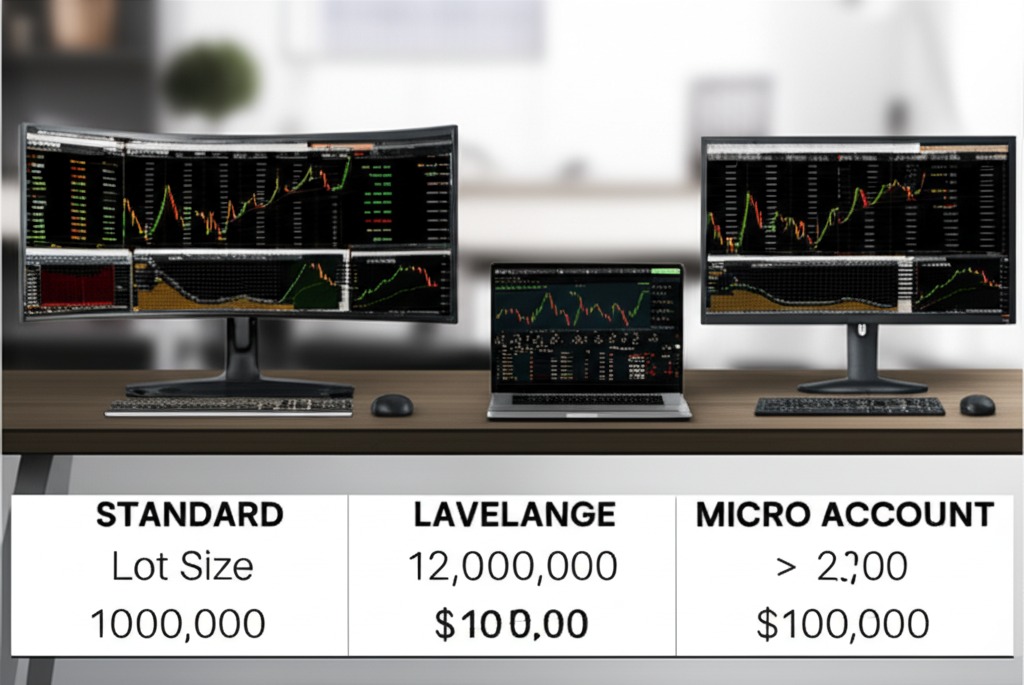
Standard vs. Micro Trading Accounts
Standard and Micro Trading Accounts differ primarily in Lot Size and Risk Exposure.
A Standard Account allows trading in standard lots (100,000 units), offering greater profit potential but also increased risk. The Minimum Deposit for such accounts is usually higher, with brokers offering Leverage up to 1:100 or more.
On the other hand, a Micro Account is perfect for beginners, with lot sizes as small as 1,000 units. This smaller size reduces risk, making it ideal for those wanting to practice Forex Trading with limited capital.
| Account Type | Lot Size | Minimum Deposit | Typical Leverage |
|---|---|---|---|
| Standard | 100,000 units | $500 - $1,000 | Up to 1:100 |
| Micro | 1,000 units | $10 - $100 | Up to 1:200 |
Understanding the difference helps traders choose the right account based on their risk appetite and trading goals.
Islamic Forex Accounts in India
For Muslim Traders who follow Islamic principles, Islamic Forex Accounts are structured to be Sharia Compliant. These accounts are Swap-Free, meaning there is no interest (Riba) on overnight positions.
This makes it a Halal Investment option in Forex, adhering to Islamic law.
Brokers offering Islamic accounts in India ensure that transactions are done without interest, promoting Profit and Loss Sharing instead of traditional interest-based models.
"Islamic accounts offer fair and transparent trading while respecting religious beliefs," says Arif Ansari, a financial analyst specializing in Halal investments.
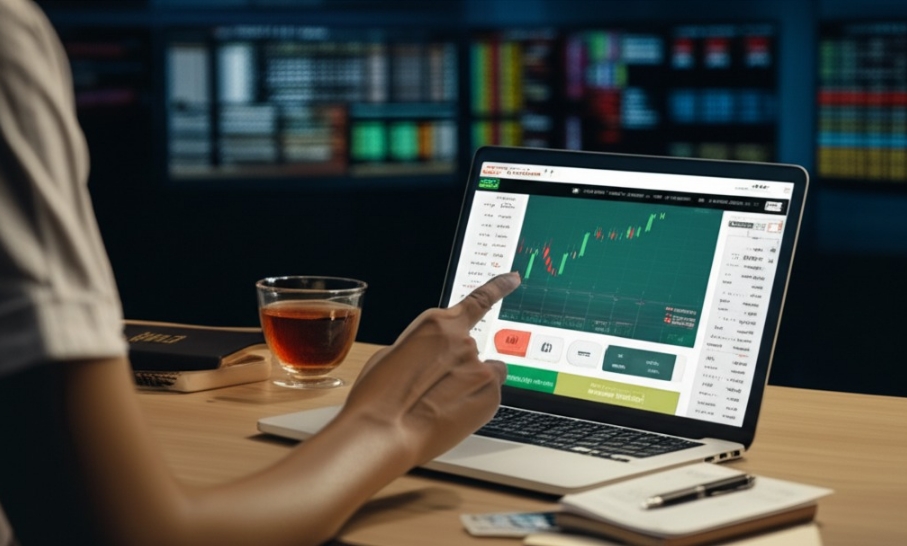
Demo Accounts for Practice Trading
A Demo Trading Account is a risk-free way to practice Forex trading using Virtual Capital. It’s perfect for beginners to learn trading strategies without the fear of losing real money.
Risk-Free Practice: Learn to trade without financial risk.
Trading Simulation Software: Get familiar with market movements and platform features.
Strategy Testing: Try out trading strategies in real-market scenarios using Simulated Market Data.
Whether you're testing a new strategy or just getting started, demo accounts provide the perfect Practice Environment to build confidence.
These account types cater to different stages of a trader's journey—from beginners using Micro and Demo Accounts to more experienced ones opting for Standard or Islamic Accounts based on personal beliefs.
Funding a Forex Trading Account in India
Opening a Forex trading account is just the beginning. Understanding how to fund and withdraw money effectively is crucial for smooth trading operations.
Deposit Methods for Indian Traders
When it comes to depositing funds into a Forex trading account, Indian traders have several convenient payment methods:
UPI and Netbanking – The most popular and fastest way to transfer funds. Instant processing and zero fees make it a preferred choice.
IMPS and NEFT – These traditional banking channels are reliable but may take a few hours to process. They are fully compliant with regulatory norms.
Credit and Debit Cards – A quick option, but some brokers may apply transaction fees.
E-wallets (Paytm, Skrill, Neteller) – Ideal for traders who prefer digital payment methods, with instant processing but varying fees.
Pro Tip: Always verify if your broker supports INR transactions to avoid extra conversion charges.
Withdrawing Funds from Forex Accounts
The withdrawal process is just as important as funding your account. Indian traders can use several options, such as:
Bank Wire Transfers – Safe but might take 2–5 business days for completion.
E-wallets – Much faster, with fund retrieval possible within hours.
Broker Policies on Withdrawals – Always check for withdrawal fees and minimum limits to avoid surprises.
| Withdrawal Method | Processing Time | Fee Structure |
|---|---|---|
| Bank Wire Transfer | 2–5 Days | ₹200–₹500 |
| E-wallets (Skrill) | Same Day | 1%–2% of amount |
| Netbanking (NEFT) | 1–3 Days | Minimal to Free |
"Understanding your broker's policies on deposits and withdrawals can save you from unexpected delays and hidden fees." – Rajiv Verma, Financial Analyst
Forex Trading Regulations in India
When it comes to forex trading in India, the regulatory framework is anything but casual. The Reserve Bank of India (RBI), the Securities and Exchange Board of India (SEBI), and the Foreign Exchange Management Act (FEMA) are the three pillars that hold the market in check. “If you are trading forex in India, you are not just playing with numbers; you are engaging with some of the most stringent financial regulations in the world,” says Arjun Mehta, a senior compliance officer at a leading Indian brokerage. He emphasizes, “Understanding the regulations is not optional—it is mandatory.”
RBI Guidelines and FEMA Act
The RBI, India’s central bank, sets the stage for forex trading through its carefully crafted guidelines. These guidelines are not mere suggestions; they are legally binding. Under the FEMA Act, forex trading is strictly limited to certain permitted currency pairs such as USD/INR, EUR/INR, GBP/INR, and JPY/INR. Any deviation from these pairs is considered a violation.
The RBI also designates Authorized Dealers—banks and financial institutions permitted to facilitate forex transactions. “Trading with unauthorized dealers is like driving without a license—it is illegal and dangerous,” Mehta warns. His words are backed by frequent regulatory crackdowns that have led to hefty fines for non-compliance.

SEBI Regulations and Compliance
SEBI plays its role with the precision of a watchmaker, ensuring that all brokers comply with strict leverage limits and margin requirements. Indian forex brokers are only allowed to offer leverage ratios that align with SEBI’s guidelines, typically capped at 1:50 for major currency pairs. This is in stark contrast to international markets where leverage can exceed 1:500.
“Some traders see this as a limitation,” Mehta notes, “but it is actually a safeguard. High leverage is a double-edged sword; it can multiply gains but also amplify losses.” SEBI’s conservative approach to leverage is designed to protect retail investors from catastrophic losses.
Legal Framework and Prohibited Practices
The legal framework surrounding forex trading in India is non-negotiable. Violations are met with severe penalties, ranging from monetary fines to legal action. Trading with overseas brokers or engaging in binary options and contract for difference (CFD) trading is strictly prohibited. These practices are seen as high-risk and unregulated, falling outside the protective umbrella of RBI and SEBI oversight.
Mehta recounts an incident involving a trader who attempted to bypass Indian regulations by using an offshore broker. “He thought he was being smart, but it backfired spectacularly. The funds were frozen, and legal action followed.” His story is a stark reminder of the consequences of sidestepping Indian laws.
In a market as tightly regulated as India’s, understanding the legal landscape is not merely advisable—it is essential for survival. Compliance is more than a checklist; it is the only way to trade forex legally and safely in India.
Mistakes to Avoid When Opening a Forex Trading Account
When opening a Forex trading account, avoiding common pitfalls is crucial for protecting your investments and ensuring smooth trading experiences. Here are the key mistakes to watch out for:
Choosing Unregulated Forex Brokers
Selecting unregulated brokers may seem attractive due to their lower fees and bigger promises, but the risk is real. Unregulated brokers lack proper regulatory oversight, leaving investors exposed to financial risks and fraud. Offshore brokers often operate outside legal jurisdictions, making fund recovery almost impossible.
Always check for proper licensing with authorities like SEBI or RBI.
Conduct thorough due diligence before investing.
Avoid brokers with vague contact information or hidden policies.
"A reliable broker is your trading partner; an unregulated one is a gamble," says industry expert Arun Mehta.
Ignoring Account Fees and Spreads
Understanding account fees and spreads is essential to calculate your real trading costs. Some brokers advertise low spreads but charge high transaction fees or hidden costs.
Compare broker spreads for major currency pairs.
Watch out for hidden charges in withdrawal and deposit processes.
Evaluate the impact of broker commissions on your profitability.
Skipping Account Verification Steps
Many new traders rush through the KYC process or ignore identity verification, leading to withdrawal issues and potential account freezes. Proper verification is not just a regulatory requirement but also crucial for account security.
Complete the AML compliance steps to prevent fraud.
Provide accurate proof of address and identity verification documents.
Failure to verify may result in blocked access during critical trading moments.
Misunderstanding Leverage and Margin Rules
Leverage can magnify your profits—and your losses. Many traders misuse leverage without understanding its implications on trading capital.
Know your broker's leverage limits and margin requirements.
Monitor your account equity to avoid margin calls.
Avoid over-leveraging, which can wipe out your account during market volatility.
| Leverage Ratio | Required Margin (%) | Risk Level |
|---|---|---|
| 1:50 | 2% | Moderate |
| 1:100 | 1% | High |
| 1:500 | 0.2% | Very High |
Being aware of these mistakes can save you both money and headaches, leading to a more secure and profitable Forex trading experience.
Conclusion: Start Your Forex Trading Journey with Confidence
Opening a Forex trading account in India isn't as complicated as it may seem—it's like unlocking the door to a whole new world of financial opportunities. With the right broker, proper documentation, and a clear understanding of the rules, you're well on your way. Remember what Warren Buffett says, “Risk comes from not knowing what you’re doing.” Knowing the steps means you're already halfway there.
Now that you’ve got the roadmap, it’s time to take action. Choose your broker wisely, follow the process step by step, and avoid common mistakes. Your trading journey is just a few clicks away. Ready to turn knowledge into action?
No, a PAN Card is mandatory for opening a Forex trading account in India as it is required for KYC (Know Your Customer) verification by brokers.
The minimum deposit varies depending on the broker.
Some brokers allow you to start with as little as $10 (around ₹800), while others may require $100 or more.
Check broker-specific requirements before signing up.
Yes, Forex trading is legal in India, but only through currency pairs that include the Indian Rupee (INR). Trading through international brokers in non-INR pairs is not permitted under Indian regulations.
The account opening process generally takes 24 to 48 hours if all documents are in order.
Some brokers offer instant account activation, while others may take longer due to verification procedures.
PAN Card – For identity verification
Aadhaar Card or Passport – For address proof
Bank Statement or Passbook Copy – For financial verification
Photograph – Recent passport-size photo
Yes, you can open multiple Forex trading accounts with different brokers. However, managing them effectively is crucial to avoid confusion and maintain compliance.
Inactivity Fees – Charges for not trading for a specific period.
Withdrawal Fees – Costs associated with transferring money out of your account.
Conversion Fees – Applied if you are trading in currencies different from your base currency.