

Table of contents
Part 1 - What Is a Forex Economic Calendar Used For?
Part 2 - Actual vs Forecast vs Previous — What Do They Mean?
Part 3 - Event Impact Levels: How to Prioritize?
Part 4 - Affected Pairs by Country Events
Part 5 - Timing of Market Moves
Part 6 - Key Indicators for Forex
Ever jumped into a trade just to watch the market flip the script minutes later? You’re not alone. Big swings often hit right after scheduled news drops—like rate decisions or jobs data—and if you’re not tracking that info, you’re basically trading blind. How to Read a Forex Economic Calendar isn't just a skill; it's your edge in a market that moves fast and punishes late reactions.
Think of it like a weather forecast for currencies. You don’t plan a beach day during a storm warning—same goes for entering a position before major economic news. As Warren Buffett once said, “Risk comes from not knowing what you’re doing.”
This guide breaks it all down: what the calendar shows, why the numbers matter, which events to watch, and how to use it without getting overwhelmed. Let’s get you reading the market like the pros do—one event at a time.
What Is a Forex Economic Calendar Used For
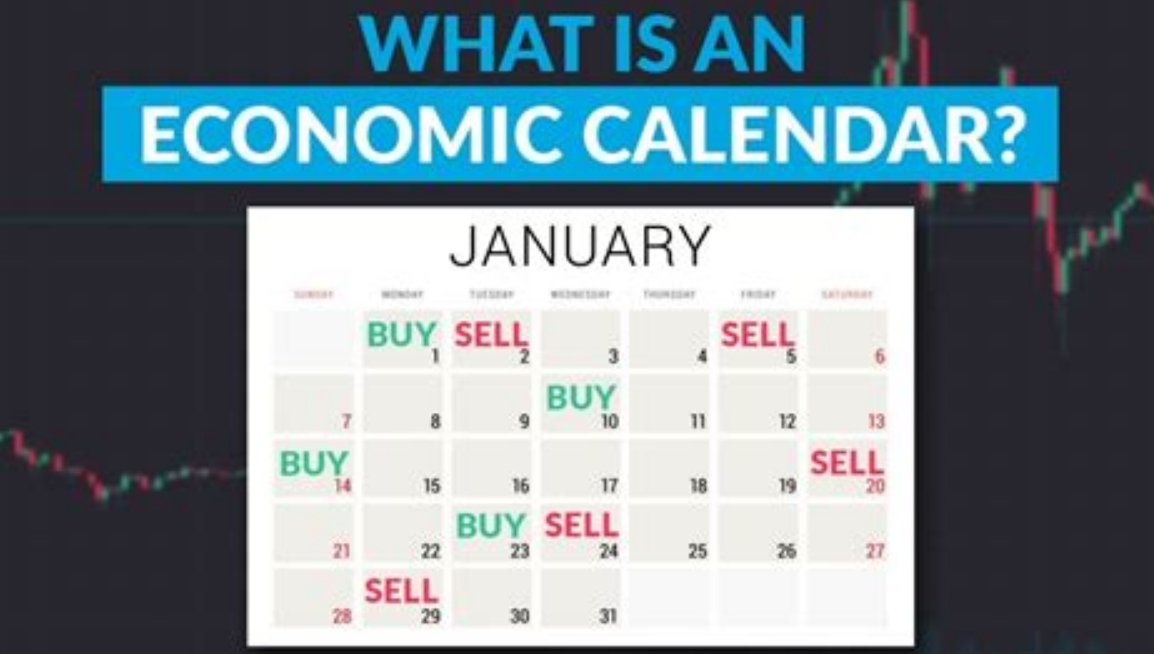
The Forex Economic Calendar is an essential tool that helps traders stay ahead of the game by tracking important economic events and data releases that affect currency markets. Understanding its value will give you the upper hand in timing your trades, anticipating volatility, and making smarter decisions.
Forecasting Upcoming Market Volatility
The calendar is like a weather forecast for the forex market. By tracking key economic events like GDP reports, inflation, and unemployment figures, you can predict upcoming market volatility. Knowing when these events are scheduled allows you to prepare for potential price swings, reducing risk and allowing for more informed predictions.
Planning Trade Entries and Exits
With the calendar in hand, you can plan your trade entries and exits around major news releases. Whether you're aiming to capitalize on a post-release price movement or avoid unexpected market reactions, timing your trades based on upcoming events can boost your trading strategy and overall success.
Identifying Event-Driven Trade Opportunities
Economic calendars help identify event-driven trade opportunities. When certain news releases or announcements hit the market, they often create massive shifts in currency prices. By spotting these key events ahead of time, you can set up trades around potential catalysts, leading to more precise and profitable decisions.
Actual vs Forecast vs Previous — What Do They Mean
The numbers on a forex economic calendar aren’t just decoration—they tell a story. Understanding the Actual, Forecast, and Previous values is key to reading the market’s next move.

Understanding ‘Actual’ data impact
When the actual data hits, traders react—fast. This figure reflects realized performance metrics, like GDP growth or inflation rates, freshly released from trusted government sources. It’s the “final say” in each release. The impact analysis of this data shows how far off (or spot on) expectations were. A strong actual outcome usually triggers quick market volatility, while in-line data often brings calm.
Why ‘Forecast’ shapes market bias
Forecasts are more than just guesses—they’re crafted by economists and analysts based on past trends and economic models. This projected number drives market expectations and often bakes into prices before the actual drop. If you ever wonder why prices move before news hits, that’s investor psychology reacting to the market sentiment around the forecast.
"Traders don’t trade the news—they trade the expectations." – Kathy Lien, FX Strategist
How ‘Previous’ data sets context
Without historical data, every release would feel like a shot in the dark. The previous data acts as a baseline—a point of comparison that puts current numbers in perspective. It allows for trend analysis, helping traders determine if the economy is picking up or slowing down. Historical context adds depth to each report and keeps trading decisions grounded in data history.
Market reaction to surprise differences
When the actual result blows past the forecast, you’ve got a surprise event—and those can stir up some serious price movement. For example, if non-farm payrolls come in way above projections, investor behavior often turns bullish on USD. But if expectations were already sky-high, the same number might fall flat. It’s all about the deviation from what traders thought would happen.
| Data Type | Forecast Value | Actual Value |
|---|---|---|
| CPI (YoY) | 3.2% | 3.6% |
| Non-Farm Payrolls | 185K | 240K |
| Retail Sales (MoM) | 0.5% | 0.1% |
Event Impact Levels: How to Prioritize
Don’t get overwhelmed by a wall of economic events. Prioritizing by impact level keeps you focused on what actually moves the market.
Color-coded impact levels explained
Forex economic calendars use color coding to visually represent the severity of each event's market influence:
Red = High Impact: Major movers like central bank interest rate decisions or NFP reports.
Orange = Medium Impact: Regional reports that may shift short-term trends.
Yellow/Gray = Low Impact: Often overlooked, these usually cause minimal price action.
Think of it as a stoplight system—red means pay attention. These impact levels act like a legend or key to help traders prioritize what's worth watching and what’s background noise.
“Not all news is equal. Learn to read the colors like a roadmap.” — Brian Dolan, former chief currency strategist, Forex.com
Filtering out low-priority events
Let’s be real—not every data point deserves your eyeballs. Beginners often get caught in the weeds chasing irrelevant data, but filtering is your best friend here.
Set a threshold: Focus only on medium and high impact events unless you’re scalping or backtesting a strategy.
Match to your currency pair: Filter by country relevance (e.g., UK reports won’t shake USD/JPY much).
Avoid duplication: Exclude similar reports released minutes apart—they often reflect the same story.
This data analysis mindset helps with noise reduction, letting you focus on signals, not static. Think of it like setting your Spotify playlist to only hits—no filler.
Affected Pairs by Country Events
“Every country has its own rhythm,” said Thomas Brandt, a senior forex analyst at FXEdge Markets, “and when that rhythm changes—whether through interest rates, inflation reports, or trade balances—the currency pair dances with it.” This quote sits at the heart of understanding how country-specific economic data drives volatility in currency pairs.
In real-world trading desks from New York to Singapore, traders keep their eyes on how specific country events link directly to forex volatility. For example:
USD pairs react to Non-Farm Payrolls, Federal Reserve rate statements, and inflation data from the United States.
EUR pairs respond to ECB press conferences, German PMI reports, and EU inflation updates.
JPY pairs often surge or drop following BOJ policy signals or changes in Japan's trade surplus.
GBP pairs shift significantly around UK CPI data or Bank of England voting patterns.
Each country event acts like a match dropped in gasoline—the stronger the data surprise, the bigger the market flare-up. The most traded major pairs—such as EUR/USD, GBP/USD, and USD/JPY—carry global significance due to the scale and credibility of the economies involved. Meanwhile, cross pairs (like EUR/GBP or AUD/JPY) often reflect regional power plays and unexpected data outcomes.
As Brandt emphasized, “You do not just trade currencies—you trade narratives. Those narratives begin with economic calendars, but end with knowing which currency pair listens when a country speaks.”
Timing of Market Moves
Knowing when economic data drops and how the market reacts can be the difference between a clean entry and getting caught in a wild swing. Timing, friend, is everything.
Major release times by region
Global markets don’t tick in sync—economic data drops follow regional clocks. The London session tends to be a hotspot for European releases, while U.S. data dominates during the New York session. Meanwhile, Asian session news, especially from Japan and Australia, kicks off early in GMT. Knowing each region's release calendar helps you stay ahead of scheduled events.
| Region | Session Time (GMT) | Common Release Time |
|---|---|---|
| London | 08:00–16:00 | 08:30–10:00 |
| New York | 13:00–21:00 | 13:30–15:00 |
| Asia (Tokyo) | 00:00–08:00 | 00:30–02:00 |
Best trading hours by volatility
Liquidity and movement don’t spread evenly through the day.
Peak hours? London–New York overlap.
Quiet hours? Late U.S. session and early Asia.
For scalpers or short-term traders, those overlap periods are gold mines. The forex market buzzes with energy, with most currency pairs seeing tight spreads and big price movement. Craft your trading strategy around those hours for optimal timing.
Avoiding spreads during high-impact news
Picture this: non-farm payrolls hit, and your broker’s bid-ask spread suddenly balloons. Yikes. During major news events, spreads widen due to execution risk and market makers hedging uncertainty.
Avoid placing trades in the 5 minutes before and after big announcements.
Use limit orders, not market orders, to dodge slippage.
Double-check spread behavior on your trading platform around news times.
Price reaction delays explained
Markets don’t always jump the second data hits. Price discovery takes time—especially when traders digest mixed signals. Delays can be caused by:
Slow execution speed (looking at you, cheap brokers)
Latency in news delivery
Algorithmic trading locking horns with retail orders
If you blink and miss the spike, a pullback could still give you a second shot. Patience can be a tactic, not a weakness.
Pre-positioning vs reactive trading
Some traders roll the dice before the news, others wait and pounce.
Pre-positioning involves predicting the outcome and placing trades ahead—risky but rewarding with tight stops.
Reactive trading is more cautious: watch the news hit, then trade the breakout or retracement.
Smart traders blend both using risk management and technical setups. You don’t need to guess—just react faster and smarter.
Key Indicators for Forex
Some numbers hit harder than others in the forex game. These key indicators often act like matchsticks near gasoline—especially during live trading hours.

Why interest rates dominate forex
Interest rates are the heavyweight champ of the forex market. Set by central banks, they affect everything from yield differentials to capital flows between countries. When a central bank raises rates, its currency often strengthens as investors chase higher returns—a phenomenon known as the carry trade.
Interest rate hikes usually strengthen a currency.
Lower rates can weaken currency through reduced yield appeal.
Traders track central banks like the Fed and ECB religiously.
“Interest rates are the heartbeat of forex,” says Kathy Lien, managing director at BK Asset Management. They’re not just numbers—they’re signals from monetary authorities.
The power of jobs data (NFP)
When the U.S. Non-Farm Payrolls (NFP) report drops, forex traders hold their breath. This monthly jobs data report moves markets, hard. It’s not just about how many people got hired—it’s about what it says for future interest rate moves.
NFP surprises cause immediate price swings in USD pairs.
Watch for accompanying data: wage growth and unemployment rate.
A weak NFP may trigger dovish policy expectations.
This is a classic example where economic indicators meet trading strategy—because employment strength often equals economic strength.
Inflation metrics traders must watch
Inflation is like rust—it eats away at purchasing power if left unchecked. That’s why central banks obsess over it, and so should traders. From CPI to PCE, these inflation metrics shape monetary policy and market sentiment.
| Inflation Metric | Frequency | Impact Rating |
|---|---|---|
| CPI (Consumer Price Index) | Monthly | High |
| PCE (Personal Consumption Expenditures) | Monthly | High |
| PPI (Producer Price Index) | Monthly | Medium |
Core vs headline inflation? Core strips out food and energy, offering a clearer trend. Keep an eye on inflation — it often decides when central banks pull the rate-hike trigger.
Trading Around News Releases
“Do not chase the candle,” said Alan Brooks, veteran price action trader, during a Q&A session at the 2023 London Forex Expo. “Let the news hit. Then let the market digest. Only then can you read price honestly.”
This mindset is critical during news events. When a major data release hits—think non-farm payrolls or interest rate decisions—the volatility can be brutal. Many retail traders get caught in slippage or stopped out by sudden spikes. Having a trading strategy in place is not optional; it is your lifeline.
From my own trading desk, I have seen a perfect setup vanish in seconds after a misread of the economic indicator timing. One trader lost 3 percent equity in 45 seconds, simply because his stop loss was too tight during a U.S. CPI release. That is the nature of news-driven price action—it moves fast, hard, and often irrationally.
Never enter during the minute of release
Use wider stops and reduce position size
Avoid over-leveraging during Tier-1 events
Check spreads—they often widen during peak impact
Study market reaction patterns from previous releases
Institutions like Bloomberg and Reuters provide credible data on news volatility zones, often backed by historic charts and analyst notes. Trading without preparing for slippage is like skydiving without checking the chute.
Every tick after a release tells a story. Listen before jumping in.
Best Forex Calendar Tools
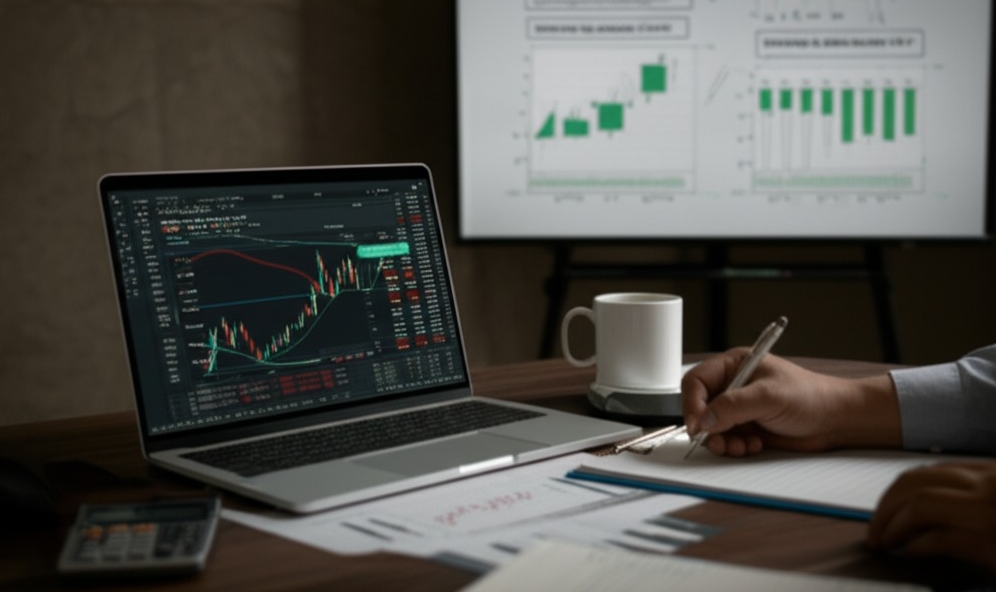
Choosing the right forex calendar is like picking the best GPS for your trading journey—accuracy, speed, and features all matter.
Forex Factory for live event watching
Forex Factory is a go-to for traders needing real-time data. Its economic calendar is color-coded, snappy, and packed with high-impact events.
Live updates keep traders in sync with market-moving announcements.
User-friendly layout shows data releases, forecast numbers, and previous values in a clean table.
Trusted by pros for quick decisions in fast markets.
| Event Name | Impact Level | Release Time (GMT) |
|---|---|---|
| NFP (US Jobs) | High | 12:30 |
| CPI (Eurozone) | Medium | 09:00 |
| BoE Rate Decision | High | 11:00 |
Investing.com for mobile-friendly tracking
If you're a trader on the go, Investing.com is a solid choice. Its mobile app is slick and offers a full view of economic releases, charts, and even crypto updates.
Tracks forex, indices, stocks, and commodities.
Push notifications for upcoming releases.
Built-in analysis tools to gauge market sentiment.
“A reliable calendar should be in your pocket—Investing.com nails that,” says FX strategist Dana Maxwell.
Dukascopy’s analytical calendar
Dukascopy gives you more than dates and times—it’s all about the deeper dive.
Detailed data breakdowns for every major release
Forecast comparisons with historical results
Research tools to assess economic trends over time
It's a sweet setup for those who like numbers doing the talking. Especially helpful for macro traders and data nerds alike.
Choosing a calendar by trading style
Not every trader needs the same gear. Here’s how to pick a calendar that matches your strategy:
Day traders should go for fast, real-time updates like Forex Factory.
Swing traders might prefer detailed forecast history, like Dukascopy offers.
News/event traders thrive with mobile alerts and broad market coverage—hello, Investing.com.
Long-term traders benefit from calendars with macroeconomic tracking tools.
Bottom line: Your calendar should match how you trade, not just what you trade.
Conclusion
You’ve made it through the fog—now you’ve got the tools to read a forex economic calendar like a trader with a plan, not just a hunch. It’s like checking the forecast before heading out; no more getting caught in a surprise storm.
As Warren Buffett said, “Risk comes from not knowing what you’re doing.” Now you know.
So fire up that calendar, spot the big hitters, and time your trades with purpose. The market won’t wait—but you’re no longer guessing.
“High impact” means the news event is expected to cause big price movement in the forex market. Think interest rate decisions, NFP reports, or central bank speeches—basically, market-shaking stuff. These events often create sharp volatility, so traders tend to either prepare carefully or stay out altogether.
There's no one-size-fits-all answer, but generally:
15–30 minutes after a major release, once volatility cools a bit
During London and New York sessions, when liquidity is highest
Not during spreads widening, which often happens right at release time
When the actual data sharply differs from forecast, as this drives reaction
Only if your strategy includes tight risk management
The forecast is what analysts expect the number to be (a prediction), while the actual is the real data that gets released. The bigger the gap between the two, the more potential for market movement.
CPI (Consumer Price Index) is a measure of inflation, and inflation influences central bank policy—especially interest rates. If CPI runs hot (higher than expected), traders may anticipate rate hikes, which can boost the currency.
Some currency pairs are more sensitive to data than others:
EUR/USD – moves on U.S. and Eurozone releases
USD/JPY – reacts strongly to U.S. rates and risk sentiment
GBP/USD – highly sensitive to U.K. data and BOE decisions
AUD/USD & NZD/USD – move with commodity prices and China data
It can be. News trading is a double-edged sword—it offers big opportunity and big risk. Price can spike quickly, spreads may widen, and slippage is real. Unless you’ve got a well-tested strategy and know your limits, it might be smarter to wait it out.
For most traders, these are the MVPs of the economic calendar:
Non-Farm Payrolls (NFP) – U.S. jobs data
Interest rate decisions – from central banks like the Fed, ECB
Inflation reports – CPI, PPI
GDP growth – economic performance
PMIs – business activity and confidence