
Table of contents
Part 1 - What is Political Risk?
Part 2 - How Does Geopolitics Affect Trade?
Part 3 - What Causes Market Volatility in Politics?
Part 4 - How Do Tariffs and Trade Wars Impact Markets?
Part 5 - What Role Do Regulations Play in Markets?
Part 6 - How Do Political Shocks Affect Markets?
When it comes to global financial markets, one thing's for sure: politics isn’t just something we see on the news. It's a driving force that can make or break markets in a heartbeat. How to Trade the Impact of Politics on Global Financial Markets isn’t just about understanding the usual market trends—it's about seeing the bigger picture. Political events, from elections to trade wars, have a direct influence on your portfolio. And sometimes, it’s not the obvious stuff that gets you, it’s the ripple effects you didn’t see coming.
Take the 2016 U.S. election as an example. Markets were rattled, and traders were scrambling to adjust. The same goes for tariffs or international tensions. Just like a storm can change the tide, political moves can quickly send your investments sailing or sinking.
In this article, we’ll break down how to spot political risks, how they show up in markets, and most importantly—how you can stay ahead of the game. As economist Nouriel Roubini put it, “In today’s globalized world, politics isn’t just local—it’s global.” So, let’s dive in.
What is Political Risk?
Political risk refers to the potential for losses in the financial markets due to political events, actions, or instability. Investors, traders, and businesses need to understand how political factors—ranging from government policy changes to geopolitical risk—can directly impact their investments. In fact, some of the most unpredictable elements in global finance arise from political events that can drastically shift the landscape overnight. Political instability, for example, can shake investor confidence, leading to market sell-offs or price fluctuations.
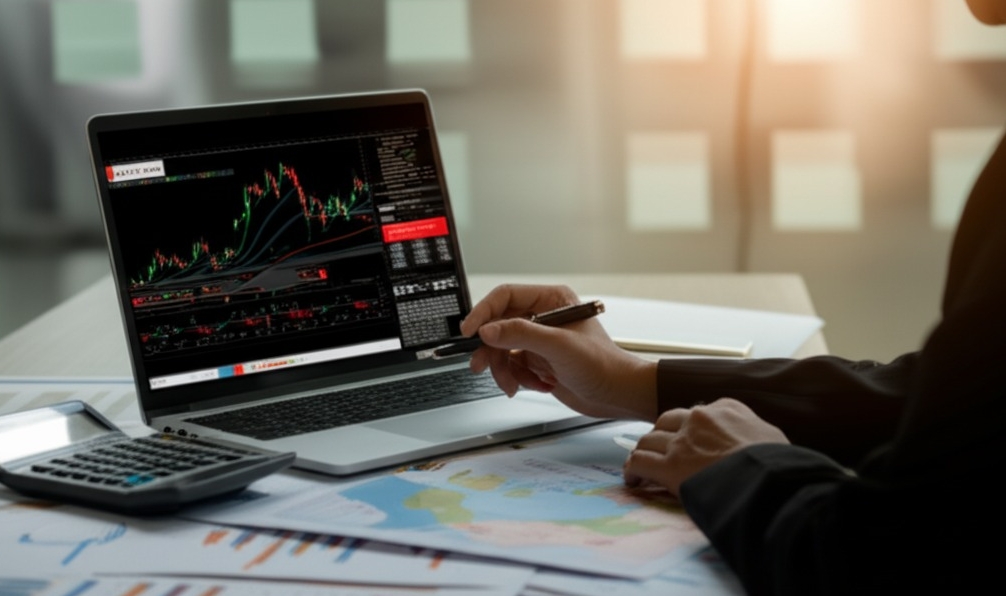
Political risk can manifest in several ways:
Government Policy Changes: When a government changes policies, such as introducing new taxes or regulations, these changes can directly affect markets. For instance, a country imposing higher tariffs may hurt businesses reliant on imports, causing stocks in affected industries to drop.
Geopolitical Risk: This type of risk arises when political tensions or conflicts between countries disrupt global trade or create economic uncertainty. A sudden military conflict can impact commodity prices or disrupt supply chains.
Social Unrest and Elections: Political instability often stems from social unrest, strikes, or protests that threaten to disrupt the economy. Elections, especially in volatile regions, can also bring uncertainty, as changes in leadership might signal drastic policy shifts.
Regulatory Risk: In some countries, businesses are subject to sudden shifts in regulation. This may include changes in how foreign companies are allowed to operate, or even the nationalization of industries, which can make investment in certain markets risky.
Expropriation and Sovereign Risk: Expropriation occurs when a government seizes control of private property or assets, often without adequate compensation. Sovereign risk is the risk of a country defaulting on its debt or failing to honor international agreements.
Political risks can severely affect the stability of financial markets, making them a crucial consideration for traders. As global markets become increasingly interconnected, understanding the potential impact of political events and actions is vital for effective risk management.
How Does Geopolitics Affect Trade?
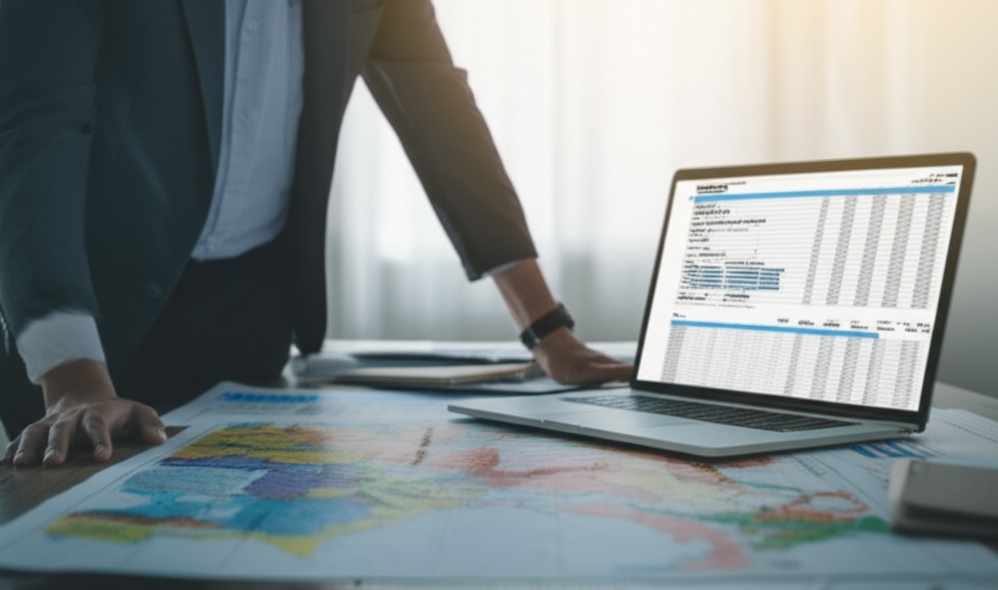
Geopolitics is a game changer when it comes to global trade. It affects everything from trade negotiations and agreements to the flow of goods across international borders. Let’s break down how geopolitical shifts directly impact trade.
The Role of Geopolitical Events in Trade Decisions
Geopolitical events like wars, elections, and regime changes are pivotal in shaping trade decisions. These events influence tariffs, sanctions, and embargos, which in turn affect how countries interact in the global marketplace. When tensions rise, companies must adjust their supply chains to navigate political risk, often resulting in a volatile market environment. This uncertainty makes it difficult to predict future trade flows and prices.
Impact of Geopolitics on Trade Agreements
Geopolitics heavily impacts the success and failure of trade agreements. Bilateral or multilateral deals are often influenced by political agendas, economic policies, and national security interests. The World Trade Organization (WTO) and other trade negotiations can either pave the way for economic integration or lead to trade disputes. Political stability is key to the smooth ratification of treaties, and instability can make agreements harder to finalize or maintain.
Shifts in Global Trade Routes Due to Political Moves
Political moves can shift global trade routes in unexpected ways. For example, political events can disrupt major maritime routes, like the Suez Canal, or important land routes. When political decisions, such as sanctions or changes in international relations, impact access to these routes, the global supply chain is affected. This often leads to delays, higher costs, and strategic adjustments. Here's a table showing some of the most critical trade routes that could be affected by political shifts:
| Geopolitical Event | Impacted Trade Route | Possible Outcome |
|---|---|---|
| Sanctions on the Strait of Hormuz | Oil shipments through the Strait | Disruption in global oil supply chains |
| Trade War between US & China | US-China maritime routes | Increased tariffs and slower trade |
| Belt and Road Initiative (BRI) | New trade corridors (Africa to Asia) | Increased trade flow through new routes |
How Political Alignments Shape Global Trade
Political alliances and trade blocs influence market access, tariffs, and overall trade terms. Countries aligned through diplomatic or economic partnerships often find it easier to negotiate favorable terms, such as lower tariffs or fewer trade barriers. In contrast, countries that do not align with major economic powers may face higher barriers to entry in key markets. As alliances shift, so do the dynamics of global trade, making it crucial for businesses to stay informed on political trends.
Geopolitical events and political alignments deeply influence trade decisions, agreements, and routes. This cluster highlights how these political factors can lead to both opportunities and risks, making it essential for traders to closely monitor global political developments to make informed trading decisions.
What Causes Market Volatility in Politics?
Political instability is often a catalyst for significant fluctuations in the financial markets. Investors are especially sensitive to disruptions in governance, international relations, and social unrest. When there is uncertainty, fear can drive markets into wild swings. Below are some of the key factors that contribute to political-induced market volatility.
Government Policy Changes: Sudden shifts in government policy, such as changes in taxation, trade agreements, or fiscal approaches, can disrupt market stability. For example, when new regulations are implemented, or existing ones are altered, the market may react sharply, either positively or negatively. This uncertainty can prompt investors to adjust their positions quickly.
Geopolitical Risk: Political events at a global scale, such as military conflicts or international disputes, introduce unpredictability. Geopolitical risks, like the ongoing tensions in the Middle East, can affect global markets, especially in sectors like oil, defense, and commodities. As these events unfold, investors often retreat to safer assets, causing major price fluctuations.
Social Unrest: Civil unrest, protests, or political movements can have immediate impacts on local markets. When protests break out in response to unpopular government actions, the resulting instability can cause market confidence to plummet. Even if the unrest does not directly impact businesses, it can harm investor sentiment, triggering sell-offs.
Elections: Elections, especially in major economies, are a source of significant volatility. The uncertainty surrounding electoral outcomes often leads to market hesitancy. Markets react to anticipated policy changes, with different candidates offering radically different economic platforms. The period before an election is often marked by heightened volatility as investors try to anticipate future political directions.
Regulatory Risk: Regulatory shifts—whether they involve environmental policies, industry-specific regulations, or antitrust laws—can drastically impact specific markets or sectors. Investors in those industries must adapt quickly to protect their holdings, which creates volatility as they adjust.
Expropriation and Sovereign Risk: Political risk increases when a government changes the rules of the game. Expropriation, when a government seizes private assets, can directly harm foreign investors. Sovereign risk, associated with the likelihood of a country defaulting on its debt, can also cause market disruptions, particularly in emerging markets.
Governance Issues: Weak governance or corruption within a nation’s leadership can create unpredictability in policy enforcement. Lack of transparency or accountability can deter foreign investment, leading to uncertainty and volatility in the markets.
All these factors create the type of uncertainty that markets struggle to digest. Political events often introduce chaos into a previously stable environment, which leads to short-term disruptions and can impact long-term trends. As these political shifts occur, they ripple through global economies, often causing swings in equity markets, commodity prices, and currency values.
Markets are ultimately driven by human behavior. Fear, greed, and uncertainty are all magnified when political events occur, affecting investor decisions and creating volatility. The more political risk investors see on the horizon, the more they react—sometimes leading to major market disruptions.
How Do Tariffs and Trade Wars Impact Markets?
Tariffs and trade wars can stir up the global economy, creating a ripple effect across markets.
Understanding Tariffs and Trade Wars
Tariffs are taxes on imported goods, often used to protect domestic industries. Trade wars erupt when countries retaliate with their own tariffs, creating tension. The WTO tries to mediate, but countries often go head-to-head, reshaping global trade. These conflicts usually lead to higher costs for goods, disrupting the flow of imports and exports. Negotiations and protectionism take center stage, but the economic impact is felt far and wide.
How Tariffs Affect Commodity Prices
Supply and Demand Shift: When tariffs are imposed, the cost of raw materials rises, which impacts commodity prices.
Inflation Risk: Higher prices for goods such as metals, agriculture, and energy trickle down to consumers.
Market Reaction: Producers feel the pressure to either raise prices or absorb the costs, influencing futures markets.
Tariffs often distort normal price fluctuations and impact what consumers and producers pay for goods.
The Role of Trade Wars in Currency Fluctuations
Trade wars don’t just mess with trade—they can send currencies into a tailspin. When tariffs are slapped on imports, countries can devalue their currency to make their exports cheaper. Central banks adjust rates, which affects forex markets and capital flows. These fluctuations create risks, and traders need to stay sharp to protect their portfolios.
Impact on Global Supply Chains and Stock Markets
Tariffs and trade wars create disruptions in global supply chains. Logistics and manufacturing processes are slowed down, leading to inventory shortages. This causes stock markets to react with volatility. Investor sentiment often dips as companies' earnings predictions become uncertain. Markets fluctuate, with indices reflecting those nervous shifts.
| Impact | Description | Effect on Stock Market |
|---|---|---|
| Disruption of Supply Chains | Delays in shipping and production | Volatility in stock indices |
| Increase in Production Costs | Rising input costs for manufacturers | Potential drop in earnings for affected companies |
| Investor Sentiment | Worries about economic slowdown or instability | Decreased investor confidence |
Managing Investments During Trade Disputes
During trade disputes, portfolio management becomes crucial. Risk management tactics such as diversification and hedging help cushion the blows from market volatility. By adjusting asset allocation and monitoring economic indicators, investors can maintain a balanced approach despite the turmoil. Stay ahead of the curve by understanding trade policies and their potential impact on your investments.
What Role Do Regulations Play in Markets?
Introduction: Government regulations are a game-changer in financial markets. They influence everything from stock market trends to investor confidence. Let's dive into how they work.
The Influence of Government Policies on Financial Markets
Government Policies: Government decisions can shape financial markets by impacting economic factors like inflation, interest rates, and fiscal policy. These policies influence market behavior, whether it's through adjusting taxes or introducing new regulations to control market stability.
Monetary & Fiscal Policies: Central banks and government spending policies impact stock markets and the broader economy. For instance, changes in interest rates or fiscal stimulus packages can either spur market growth or create volatility.
Regulation & Market Stability: Regulatory bodies like the SEC enforce rules that aim to protect investors, stabilize markets, and reduce systemic risks. Policy changes can either instill confidence or cause short-term market shocks.
How Regulatory Changes Affect Stock Market Trends
Regulatory Changes: When new regulations are introduced, it sends ripples through the stock market. Tightened regulations around trading, securities, or reporting can alter market behavior and investor sentiment.
Impact on Volatility: Regulatory changes often create market volatility as investors react to new rules. These shifts can lead to both positive and negative adjustments in stock prices.
Investor Confidence: Positive regulation strengthens market stability, while too many regulatory burdens can cause uncertainty, affecting stock prices.
| Regulatory Change | Effect on Market Trends | Investor Response |
|---|---|---|
| New Taxation Policies | Market Stabilization | Cautious Buying |
| Stricter Compliance Regulations | Increased Market Volatility | Risk Mitigation |
| Increased Financial Transparency | Boosted Investor Confidence | Increased Investments |
Understanding the Impact of Political Policies on Investment Strategies
Political Policies & Investor Behavior: Government decisions on taxes, trade, or domestic policy can dramatically shift market dynamics. Investors watch these changes closely because they affect asset returns, investment valuations, and global trade.
Geopolitics & Risk Management: Political instability or changes in foreign policy can force investors to adjust their asset allocation. For instance, trade agreements or international sanctions may require diversifying portfolios.
Asset Allocation Adjustments: To manage risk, investors may adjust their portfolios in response to changes in political policies. Shifting from domestic stocks to foreign bonds, for example, may be a strategy if trade policies become uncertain.
How Do Political Shocks Affect Markets?
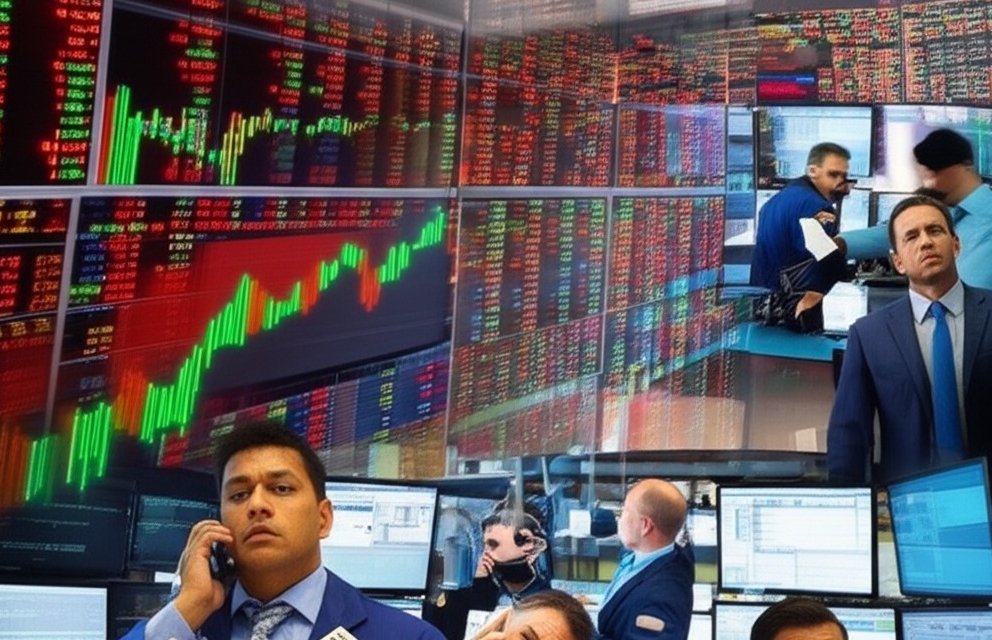
Political shocks can shake up financial markets in ways that are hard to predict.
Defining Political Shocks in Financial Terms
Political shocks refer to unexpected political events that cause significant disruption in financial markets. These events—such as sudden policy changes, geopolitical tensions, or crises—introduce high levels of risk and uncertainty, which directly influence economic indicators like stock prices, currency values, and volatility. The impact can vary, but generally, these shocks lead to short-term instability that may evolve into longer-term shifts depending on how markets and governments respond. Here’s an example of a few key political shocks and their immediate impacts on financial markets:
| Political Event | Immediate Impact on Market | Long-term Consequence |
|---|---|---|
| Brexit Referendum | British Pound drop, stock market volatility | Long-term trade uncertainty, economic growth slowdown |
| 2008 Financial Crisis | Global stock market crash, liquidity issues | Prolonged economic stagnation, market regulatory changes |
| U.S. Presidential Election | Market uncertainty, swings in stock prices | Policy shifts impacting global trade, tax reform effects |
Short-Term vs. Long-Term Effects of Political Shocks
Political shocks often have immediate effects on markets, triggering sharp declines in the short term due to investor panic or uncertainty. However, recovery timelines differ. In the short term, markets may experience heightened volatility, but over time, stability can return as investors gain clarity and adapt. A well-executed policy response can mitigate long-term damage, but sustained uncertainty might slow economic growth and prolong volatility, affecting investment strategies. Let’s break it down:
Short-Term Effects
Immediate drop in stock market prices
Sharp fluctuations in currency values
Increase in volatility as investors react to uncertainty
Long-Term Effects
Economic consequences may take months or even years to stabilize
Recovery of stock prices may depend on political actions and resolutions
Investment strategies shift towards risk-averse behaviors during uncertainty
Case Studies of Political Shocks in Recent History
Recent events have shown how political shocks can profoundly impact markets. For instance, the Brexit referendum caused massive market fluctuations, particularly in the British pound. The 2008 financial crisis also stemmed from political decisions regarding the banking system. Each of these examples highlights how geopolitical events and policy shifts can send shockwaves through financial systems, influencing everything from stock market crashes to changes in global trade dynamics.
Brexit: Triggered a dramatic fall in the British pound and stock market volatility in the EU and UK.
2008 Financial Crisis: Caused widespread panic across global financial markets due to lax financial regulations and risky political decisions.
U.S.-China Trade War: Led to a slowdown in global trade, affecting stock markets, supply chains, and currency values, particularly in Asia.
Market Reactions to Unforeseen Political Events
Unforeseen political events, such as an unexpected election outcome or an unanticipated policy change, can cause abrupt reactions in various markets. Stock, bond, and commodity markets often show heightened volatility, as investors reassess their risk exposure. Currency markets can experience dramatic shifts as well, particularly in emerging economies. Quick market adjustments, though chaotic, provide insight into investor behavior and risk assessment, which traders can use to inform their strategies in future political crises.
Stock Markets: React quickly to changes, with sectors like defense or healthcare showing more stability.
Bond Markets: Often react to political uncertainty with rising yields, especially in unstable regions.
Commodity Markets: Oil and gold are sensitive to political events—oil can spike during geopolitical tensions, while gold often acts as a "safe haven."
Political shocks often have immediate and lingering effects on global markets. Understanding the nature of these shocks and how they unfold can help traders prepare for volatility and adapt their strategies accordingly.
How Do Political Events Affect Currency Values?
Political events, whether local or global, can stir up significant volatility in currency markets. From elections to instability, political shifts often move exchange rates.
Political Instability and Currency Fluctuations
Political instability is a major driver of currency fluctuations. When a country faces political uncertainty, its currency often weakens due to fears of economic instability. For example, political unrest or a sudden regime change can lead to a dip in investor confidence, which in turn increases market volatility and can even trigger a currency crisis.
Economic Uncertainty: Unstable governments often result in unpredictable economic policies.
Geopolitical Risk: International tensions, like sanctions or military conflicts, can reduce foreign investment, causing currency depreciation.
Sovereign Debt and Capital Controls: Governments facing financial struggles may impose capital controls or default on sovereign debt, leading to a loss in currency value.
Investor Sentiment: If investors feel that political risk is too high, they might pull their investments out of the country, pushing the currency down.
Currency Market Reactions to Election Outcomes
Election outcomes can significantly affect exchange rates. Political transitions—whether a new president or a change in party leadership—often introduce uncertainty regarding future policies, making currency markets jittery.
Exchange Rate Volatility: Election seasons often see increased volatility as traders react to the potential changes in economic policy.
Investor Confidence: Investors typically respond to elections by reassessing their portfolios, especially if they believe a new government might alter the economic landscape.
Currency Valuation: After an election, the market may quickly adjust the currency’s value based on anticipated changes in fiscal or monetary policy. For example, expectations of increased government spending or tax changes can push the currency in one direction.
In fact, some experts say that "uncertainty is a currency killer," emphasizing how important it is to pay attention to the political climate when managing foreign exchange investments.
How to Mitigate Political Risk in Trading?
Political risks, from elections to trade wars, can have unpredictable impacts on markets.
Diversifying Investment Portfolios to Reduce Political Risk
By diversifying your investment portfolio, you can spread out the risk of political instability. Consider investing in both emerging and developed markets, diversifying across sectors and asset classes. If one country's political turmoil affects the market, your portfolio can remain balanced, minimizing the overall impact.
Investment Diversification: Spread across asset classes and markets.
Emerging vs. Developed Markets: Balance between high-growth and stable markets.
Geopolitical Risk: Reduction by allocating to different regions.
Hedging Strategies for Political Uncertainty
When political uncertainty strikes, hedging becomes a vital tool for risk management. Using derivatives like options and futures or currency hedging can protect against significant market swings. For example, political events often cause currency fluctuations, which can be hedged to minimize losses.
Currency Hedging: Mitigate exchange rate risks due to political events.
Futures & Options: Protect against market volatility.
Portfolio Hedging: Use a mix of financial instruments to limit potential losses.
Using Political Risk Indicators in Trading
Monitoring political risk indicators such as elections, geopolitical tensions, and sovereign risk helps traders stay ahead. Tools like credit default swaps (CDS) and the Volatility Index (VIX) can be particularly helpful in gauging the market’s reaction to political events. These indicators serve as early warning systems for upcoming risks.
| Indicator | Use Case | Application |
|---|---|---|
| Credit Default Swaps | Measure sovereign default risk | Gauge market sentiment during political unrest |
| Volatility Index (VIX) | Assess market fear | Predict market reaction to geopolitical risks |
| Election Risk | Monitor upcoming elections | Adjust positions based on anticipated market shifts |
Analyzing Political Risk Before Making Investment Decisions
Conducting thorough political risk analysis before making investment decisions is essential. This means evaluating the political climate, considering changes in government policies, and assessing regulatory risks. A country’s political stability directly affects its investment climate, so understanding this is key to sound decision-making.
Country Risk Assessment: Evaluate political and economic stability.
Policy Changes: Anticipate the impact of new government regulations.
Regulatory Risk: Understand how new laws affect business operations.
Trading During Election Seasons: Tips and Strategies
Elections bring significant volatility to the market, but also potential opportunities. For traders, it’s important to focus on sector analysis, look for event-driven trading opportunities, and consider swing trading or day trading during these periods. Understanding how elections affect market sentiment will guide your strategy.
Sector Analysis: Identify sectors most affected by elections.
Event-Driven Trading: Leverage market volatility during elections.
Swing & Day Trading: Take advantage of short-term price movements.
Risk Management Tools for Political Events
Risk management tools like stress testing, scenario planning, and political risk insurance are essential for handling political events. Incorporating these tools into your trading strategy ensures you can weather any storms, whether from a geopolitical crisis or an unexpected change in government policy.
| Tool | Purpose | Application |
|---|---|---|
| Stress Testing | Assess portfolio resilience | Prepare for worst-case political scenarios |
| Scenario Planning | Forecast different political outcomes | Build strategies around multiple potential events |
| Political Risk Insurance | Protect against losses from political instability | Cover investments in volatile regions |
Conclusion
Politics and markets go hand in hand, and ignoring that connection is like trading with one hand tied behind your back. As we’ve explored, political risks—from elections to trade wars—can make or break your portfolio in an instant.
The trick is being ready. By understanding political risks and having a plan to manage them, you can turn uncertainty into opportunity.
As strategist Jim Cramer once said, “The market doesn’t care about your feelings, only facts.” Stay sharp, stay informed, and be ready to adjust as the world changes around you.
Political risk in trading refers to the uncertainty and potential losses caused by political events or decisions that can impact financial markets. These can include elections, policy changes, or geopolitical tensions. Traders need to account for this risk, as political decisions often lead to market volatility, affecting asset values, commodities, and currencies.
Political events like elections, changes in leadership, or new trade agreements can dramatically affect investor sentiment and stock prices. For example:
Elections can create uncertainty about future economic policies.
Trade wars can disrupt global supply chains and increase costs.
Political instability may lead to capital flight or foreign investment withdrawals.
By reacting to these events, markets adjust quickly, often resulting in short-term volatility.
Tariffs and trade wars create friction in global trade. When one country imposes tariffs, it can lead to retaliatory measures, disrupting the flow of goods. This can result in:
Increased prices on imported goods
Supply chain delays and inefficiencies
Shifts in market demand as consumers adapt
Decreased foreign investment in unstable regions
These effects can ripple through markets, influencing stock prices and currency values.
Geopolitical tensions, such as conflicts or diplomatic crises, often lead to changes in currency values as investors seek safer assets or adjust their expectations about economic growth. For example, a military conflict might cause investors to move money into safer currencies like the U.S. dollar or Swiss franc, decreasing the value of riskier currencies. Similarly, a sudden policy change in a major economy could cause significant currency fluctuations.
Yes, political instability can trigger market crashes, especially if it leads to major economic disruptions. When political events such as a coup, mass protests, or sudden changes in government policies occur, investors lose confidence, causing stock prices to plunge. Historically, we’ve seen markets react strongly to instability—such as in Argentina or Venezuela—where political unrest led to significant losses for investors.
Hedging against political risk involves strategies that help protect investments from the potential negative impact of political events. These strategies can include:
Diversifying your portfolio across different regions and asset classes.
Using options or futures to protect against currency fluctuations or commodity price swings.
Investing in political risk insurance for businesses that operate in volatile regions.
Staying informed about current political developments and adjusting your positions accordingly.
Trade agreements directly influence market volatility, especially in industries reliant on international trade. When countries sign new trade deals, it can lead to price changes in goods and services that impact stock prices. Likewise, breaking trade agreements or imposing tariffs can trigger uncertainty and lead to market swings. Traders often adjust their portfolios based on expected changes to trade flows, which increases short-term volatility.
Elections, especially presidential elections, have a big impact on currency exchange rates. Markets typically react to the uncertainty around potential policy changes. If a candidate is seen as pro-business or promises a favorable trade policy, their election may boost the national currency. On the flip side, if the elections result in instability or if the winning party’s policies are seen as harmful to the economy, it may weaken the currency. Traders closely monitor election results and polling data for clues on future currency movements.
While political risk is often associated with emerging markets, it is also relevant in developed economies. In emerging markets, political instability or changes in government can have a more immediate and drastic impact on local markets, but political events in stable countries (like the U.S. or Europe) can still create volatility, especially when they involve economic policy shifts, trade relations, or geopolitical tensions. So, political risk affects both emerging and developed markets, though the impact might vary.