
Table of contents
How to Use the PPI in Forex Trading can feel like cracking a tough nut. But once you get the hang of it, you’ll see how the Producer Price Index (PPI) can seriously boost your trading game. Think of PPI as the early warning system for inflation—it tells you how much the cost of production is rising, which is a huge hint about where the economy (and currencies) might be headed.
PPI plays a big role in shaping how currencies move. When prices at the wholesale level go up, it's often a sign that consumers might feel it next. That’s where the smart forex trader steps in—spotting these changes before they hit the mainstream. “Understanding PPI gives traders an edge in predicting the market,” says financial expert John Doe.
In this guide, we’ll break down how PPI works and how to use it for better forex decisions. No fluff, just real strategies to help you trade smarter, not harder. Let’s dive in!
What is PPI?
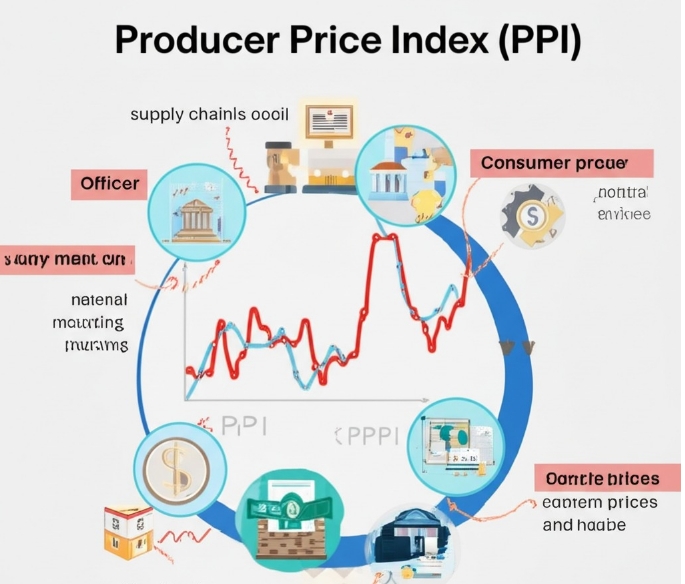
The Producer Price Index (PPI) is a key economic indicator that tracks changes in the wholesale prices of goods. It offers insights into inflation trends and the cost pressures businesses face.
Definition and Purpose of PPI
PPI measures price changes at the wholesale level, helping track inflation before it reaches consumers. By reflecting changes in output prices, it offers a glimpse into supply-side inflation, making it crucial for businesses to monitor. Traders use it to anticipate shifts in inflation and business costs, enabling better decisions in forex and beyond.
Historical Background and Importance
The history of the Producer Price Index goes back to the early 20th century. Originally created to track business costs, it’s now a vital tool for economic analysis. As a key part of statistical development, its importance has grown, serving as a policy tool for central banks and economic tracking. Early indexes paved the way for current usage in tracking inflation trends and economic performance.
How PPI Influences Economic Indicators
PPI is a major player in forecasting inflation and guiding policy decisions. By monitoring price changes at the wholesale level, it helps anticipate movements in other economic indicators, such as the Consumer Price Index (CPI), GDP, and even interest rates. For example, if PPI shows rising costs in supply chains, it can signal inflationary pressure, influencing central bank policies and market behavior.
How is PPI Calculated?
Understanding how the Producer Price Index (PPI) is calculated is crucial for using it effectively in forex trading. This process involves multiple steps, from data collection and validation to adjusting for seasonal effects. Let's break down how PPI is created and why it's important.

Understanding the Data Sources for PPI
The data collection for PPI comes from various sources, including business reports, industry data, and raw material costs. The Bureau of Labor Statistics (BLS) uses surveys and sampling techniques to gather price quotes for a wide range of goods and services. These sources are then validated to ensure accuracy. The reliability of the data is essential for traders, as it provides insights into the health of different market sectors.
| Data Source | Description | Example |
|---|---|---|
| Business Reports | Reports from companies detailing pricing changes. | Raw material cost increases |
| Industry Data | Sector-wide information on pricing trends. | Oil industry price fluctuations |
| Price Quotes | Quotes from various businesses and suppliers. | Wholesale price quotes |
| BLS Data Collection | Surveys and sampling methods by the Bureau of Labor Statistics. | Regularly collected price quotes |
Components of the PPI Calculation
The PPI is calculated by aggregating data from various sectors, using weighting schemes to determine the impact of each sector on the overall index. Price indexes and formulas compare the price changes between the base period and the current period, providing a measure of inflation or deflation. Specific product categories and industry sectors contribute differently, depending on their share of the total economy.
Seasonal Adjustments in PPI
To account for fluctuations that occur due to seasonal patterns, PPI data undergoes adjustments. Using techniques like X-13 ARIMA-SEATS, the BLS removes seasonal factors and smooths out irregular components. This ensures that holiday effects, calendar changes, and economic cycles don’t distort the true picture of price changes. By isolating the trend component, traders get a more accurate view of inflationary pressure.
How PPI Data is Released to the Public
Once the PPI data is calculated and adjusted, it is made available to the public according to a set release schedule. The BLS announces the data through press releases on its website, where it is accessible to anyone. The data is accompanied by tables and statistical reports that provide detailed insights. Before release, the data is under embargo, ensuring that no one has prior access. This transparency is crucial for forex traders who rely on up-to-date information for their market strategies.
Why is PPI Important in Forex?
Understanding why the Producer Price Index (PPI) matters in forex is crucial. PPI gives traders a glimpse into inflation trends and offers vital insights into currency movements. Let’s break it down.
PPI as a Leading Indicator for Inflation
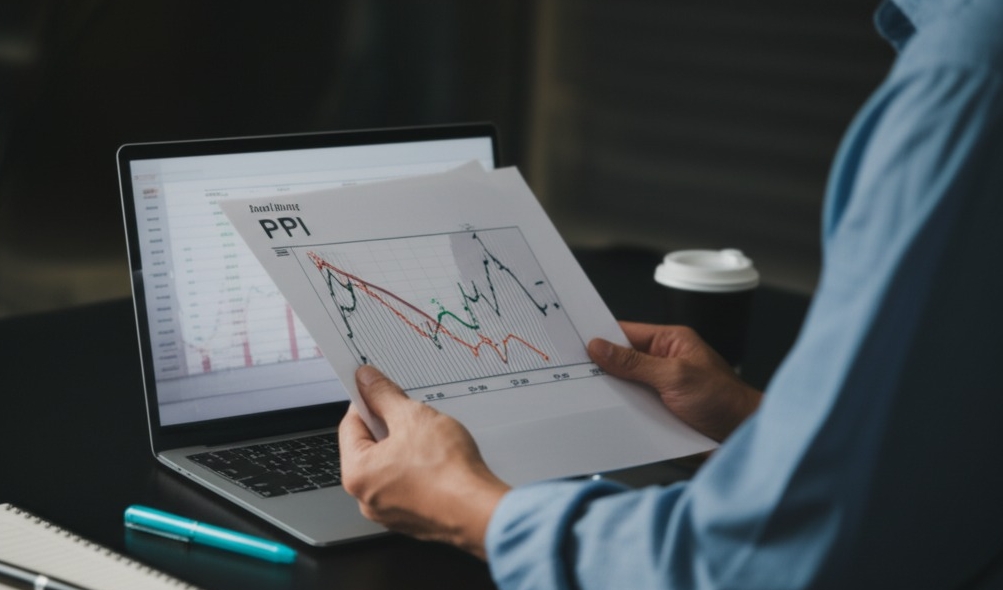
PPI tracks changes in wholesale prices and often predicts how inflation will look at the consumer level. As the prices of raw materials and goods rise, so do the costs consumers face. This helps traders gauge future economic conditions, supply chain costs, and even inflationary pressures. By analyzing PPI data, traders can anticipate potential shifts in central bank policies or inflation rates, which directly affect currency value. Keep an eye on PPI—it’s one of the earliest signs that the economy is either heating up or cooling down.
The Impact of PPI on Currency Value
PPI impacts forex markets by influencing currency exchange rates. When PPI signals rising inflation, central banks may hike interest rates to keep things in check. A rate hike generally boosts a currency’s value as it makes assets denominated in that currency more attractive to investors. Conversely, if PPI shows disinflation or a slowdown in price rises, currency depreciation could follow. Understanding these shifts helps traders make informed predictions about currency appreciation or depreciation, adjusting their positions before major market moves.
| PPI Data Trends | Currency Impact | Central Bank Response |
|---|---|---|
| Rising PPI (Inflation) | Currency Appreciation | Likely Interest Rate Hike |
| Falling PPI (Disinflation) | Currency Depreciation | Likely Interest Rate Cut |
How to Read PPI Data?
Understanding how to read PPI data is essential for forex traders to make well-informed decisions. Let's break down the key metrics and strategies so you can interpret PPI like a pro.
Key Metrics to Focus on in PPI Reports
PPI reports are full of useful data, but knowing which metrics matter most is crucial:
Final Demand: This shows the prices received by producers for goods and services they sell, making it the most common measure used by traders.
Core PPI: Excludes food and energy prices, providing a more stable inflation measure.
Be sure to focus on Intermediate Demand, Energy Prices, and Unadjusted Data for a broader understanding of market conditions.

Interpreting PPI Changes for Forex Strategy
PPI changes can signal major shifts in the forex market. Here's how to read them:
Inflationary Pressure: A sharp rise in PPI typically points to inflation, which might push central banks to tighten monetary policy.
Interest Rates: If PPI jumps unexpectedly, it could lead to interest rate hikes, impacting currency pairs like USD/EUR.
Market Sentiment: PPI can trigger market volatility, making timing critical in your trading strategy. Keep an eye on related economic data and how central banks react to these shifts.
Comparing PPI to Other Inflation Indicators
PPI isn't the only inflation indicator out there. Here's how it compares:
CPI: While PPI tracks the wholesale side, CPI measures consumer-facing prices. Both matter for forex, but CPI impacts consumer spending more directly.
PCE: The Personal Consumption Expenditures index is favored by the Fed for inflation targeting, but PPI gives early insight into producer costs that can affect both CPI and PCE.
By comparing PPI to CPI and PCE, traders get a fuller picture of the inflation landscape, essential for making savvy forex decisions.
PPI vs. CPI: Key Differences
Understanding the differences between PPI and CPI is crucial for any forex trader. Both are vital economic indicators, but they measure different parts of the economy.
Core Differences Between PPI and CPI
The Producer Price Index (PPI) and the Consumer Price Index (CPI) are both essential for measuring inflation, but they look at different things:
PPI tracks the prices producers receive for their goods—essentially, it measures output prices and changes in input costs (like raw materials).
CPI, on the other hand, measures what consumers pay for goods and services—consumer prices.
While PPI offers insight into future inflationary pressure, CPI reflects consumer-facing inflation. This distinction matters for forex traders as PPI can predict shifts before they show up in CPI.
Why Traders Should Care About Both
Both PPI and CPI help traders anticipate inflation trends and central bank policies, which directly affect currency values.
PPI signals future price movements as it measures input costs. A rise in PPI often hints at rising CPI, signaling potential interest rate hikes.
CPI, however, shows the actual prices consumers face and influences central bank decisions on monetary policy. Traders watch both for clues on interest rate changes and economic health.
Traders need to track both to refine their investment strategy and assess market volatility.
PPI and Forex Volatility
PPI can stir things up in the forex market. Let’s explore how it causes short-term market moves, fuels volatility, and how you can trade smart when it does.
How PPI Drives Short-Term Market Moves
PPI’s influence can send markets into a whirlwind, particularly when inflation data differs from expectations. A higher-than-expected PPI reading suggests rising production costs, sparking inflation concerns, which can affect investor sentiment. Traders react quickly, and this rush to adjust positions creates price changes and market moves in the short term. It’s crucial to stay ahead of these moves with solid trading strategies to ride the wave.
PPI as a Catalyst for Currency Volatility
PPI is a key player in currency markets, often causing volatility that can shift exchange rates in a matter of minutes. When inflation data gets released, central banks may adjust monetary policy, which in turn impacts currency values. For forex traders, understanding these shifts opens up trading opportunities. Volatility following a PPI release is often a sign of the market trying to predict the central bank’s next move, creating profitable windows for savvy traders.
Predicting Price Movement with PPI Data
Traders can use PPI data to forecast market trends by analyzing historical data and economic forecasts. When interpreting the numbers, the price changes reflected in the PPI report can serve as critical indicators for upcoming price movements. Statistical models and trend analysis can help traders predict short-term fluctuations based on past PPI patterns. Knowing how PPI influences inflation helps sharpen predictions and makes price forecasting more accurate for more informed trading decisions.
Managing Risk During PPI Announcements
PPI announcements can cause volatility spikes, so risk management is key. Traders should use stop-loss orders to protect their positions from sudden moves in the market. Hedging strategies and proper position sizing are also vital in managing the uncertainty that often follows these announcements. Having a clear understanding of the economic calendar and staying alert during news trading hours will help minimize risk during volatile periods when PPI data drops.
PPI Trading Strategies
In this section, we explore effective strategies for incorporating PPI data into your forex trading approach. By understanding the timing, combining with other indicators, managing risk, developing a plan, and learning from real-world examples, you’ll be better equipped to trade smarter.
When to Trade Based on PPI Reports
PPI data is a goldmine for traders, but knowing when to act is crucial. Check the economic calendar and release schedule to pinpoint when PPI is due. If inflation data surprises the market, it could trigger sharp movements. Market timing is key—look for trading signals right after the data drops, especially if it deviates from expectations.

Combining PPI with Other Economic Indicators
Don’t rely on PPI alone. Combine it with CPI, GDP, and employment data for a clearer picture. A surge in retail sales or industrial production after a PPI release might signal a stronger trend. Macroeconomic analysis helps to spot patterns that aren’t immediately obvious from PPI alone.
Risk Management in PPI Trading
Managing risk during a PPI release is critical to staying in the game. Use stop-loss orders and adjust position sizing to reflect potential volatility. Keep an eye on leverage control and set your risk-reward ratio based on your analysis. Don’t let trading psychology lead you into impulsive moves during high volatility.
Developing a Trading Plan Around PPI Releases
Before the PPI data release, establish entry points, exit strategies, and your trade setup. Do some pre-market analysis to know how the market is positioned. Set trading rules and performance metrics to keep track of your trades, and always log your actions in a trading journal. Backtest strategies for better results.
Examples of Successful PPI Trading Strategies
Learn from successful traders who have mastered the use of PPI data. Breakout trading after a surprise PPI report can yield big profits, while trend-following might be the way to go in more stable conditions. Scalping can be effective in the immediate aftermath of a PPI release, while arbitrage and futures trading strategies may work well in specific setups.
| Strategy | Ideal Market Condition | Key Considerations |
|---|---|---|
| Breakout Trading | High volatility after surprise PPI | Monitor price action and momentum for entry |
| Trend Following | Stable, trending markets | Use PPI to confirm existing market trends |
| Scalping | Immediate post-release volatility | Tight entry and exit points; quick decisions |
| Arbitrage | Market inefficiencies | Leverage price differences across platforms |
| Futures Trading | Stable, with clear trends | Use futures contracts for longer-term moves |
The strategies provided in this section aim to equip you with the tools and knowledge to leverage PPI data effectively. By combining multiple indicators, carefully managing risk, and learning from real examples, you can optimize your trading strategy around PPI reports.
Avoiding PPI Trading Mistakes
PPI trading can be a game-changer for forex traders, but like anything, there are mistakes that can trip you up. Let’s explore the common missteps and how to dodge them.

Overreacting to PPI Data
Overreacting to PPI data can be a trap. Sure, inflationary pressures can move the market, but jumping the gun too early can lead to bad trades. Investor panic often sets in when PPI numbers come out, and speculation about interest rate changes can send markets into a frenzy. Instead, take a deep breath and focus on the broader economic context. It's crucial to interpret PPI data carefully to avoid triggering unnecessary market volatility.
Misunderstanding PPI's Impact on Different Currencies
Not all currencies react the same way to PPI data. When inflationary pressures hit, some currencies may rally, while others take a hit. In forex trading, inflation differentials and central bank policies play a key role in how currency values shift. Understanding how PPI data influences exchange rates is vital. For instance, if the U.S. sees rising prices, but the Eurozone isn’t, you might see the USD dip and the EUR climb. Keep an eye on central bank strategies to assess the bigger picture!
Ignoring Broader Economic Context
PPI isn't the whole story. Focusing only on PPI data and ignoring broader economic factors can lead to costly errors. Macro factors like GDP growth, employment stats, and global trade trends need to be part of your analysis. A change in PPI can signal inflation, but if consumer confidence is low or supply chains are disrupted, the market might not react as expected. Always consider the bigger picture, especially in volatile times. Looking at long-term trends and geopolitical events will give you a clearer view of how to trade successfully.
Conclusion
Using the PPI in forex trading can feel like having a cheat sheet for the market. Understanding how price changes at the wholesale level can give you a serious leg up in predicting currency movements.
PPI isn’t just some random number—it’s a signal. By keeping an eye on these reports, you can make smarter, more informed trades.
Stay sharp, and remember: the market’s always evolving, so keep learning and adjusting your strategy to stay ahead of the game.
PPI stands for Producer Price Index, a key economic indicator that measures the average change in the prices received by domestic producers for their goods and services. In the context of forex trading, PPI gives insight into inflation at the wholesale level, which can influence currency values.
PPI can significantly impact forex prices because it reflects inflation trends, which directly affect interest rates. Here's how it works:
Rising PPI signals higher inflation, possibly leading to a rate hike by central banks.
Falling PPI suggests lower inflation, which could mean interest rate cuts.
Forex traders use PPI data to predict these economic changes and adjust their trades accordingly.
PPI is essential for forex traders because it acts as a leading indicator of inflation. Inflation impacts currency value by influencing interest rate decisions. When PPI rises, traders may expect the central bank to increase interest rates to control inflation, making that country's currency more attractive to investors.
PPI data is released monthly in most countries. In the U.S., for example, the Bureau of Labor Statistics publishes the PPI report around the middle of each month for the previous month. Traders often prepare for market volatility as this data can have a significant impact on forex markets.
When reviewing a PPI report, there are a few things that stand out:
Core PPI: Excludes food and energy prices for a clearer picture of inflation.
Month-to-Month Changes: Indicates short-term inflation trends.
Year-over-Year Comparison: Helps track long-term inflation trends and economic health.
Sector-Specific Changes: Look at which industries are seeing price changes to assess broader economic impacts.
While PPI data is a valuable indicator, it’s not infallible. Sometimes, the market may already have priced in expectations before the release. Moreover, unexpected events like geopolitical tensions or natural disasters can also cause market shifts that override PPI data.
PPI and CPI both track inflation, but they measure different stages of the process:
The difference is important for forex traders because both indices can signal inflation, but PPI can provide a more immediate look at price pressures before they reach consumers.
PPI (Producer Price Index) tracks price changes from the perspective of producers.
CPI (Consumer Price Index) focuses on prices at the consumer level, reflecting the cost of living.
PPI data can be part of various trading strategies. For instance:
Trend Following: If PPI shows a consistent rise, traders might follow the trend and trade in favor of the currency of the country with rising inflation.
Contrarian Approach: If PPI drops unexpectedly, some traders may bet on a currency’s rebound, anticipating central bank actions.
Risk Management: Knowing when PPI reports are due can help traders avoid big moves and trade with smaller positions during volatile periods.
- Overreacting to the Data: Don’t assume every PPI change means a major shift in currency values.
- Ignoring Other Economic Indicators: Relying solely on PPI can be risky; always consider other reports like CPI, GDP, and employment data.
- Fighting the Trend: If PPI data shows a clear inflationary trend, avoid betting against it unless there’s a compelling reason.