

Table of contents
Part 1 - What Is Forex Volatility and Why Does It Matter?
Part 2 - How Does Global Inflation Affect Currency Value?
Part 3 - Interest Rates vs. Inflation in FX Markets
Part 4 - Exchange Rate Regimes and Inflation Impact
Part 5 - Inflation Shock Reactions in Forex History
Part 6 - Volatility Drivers in Emerging vs. Developed Markets
Ever watched the dollar do a wild dance after an inflation report drops? That’s forex volatility in action—and in today's jittery economy, it's more relevant than ever. In How Do Global Inflation Rates Influence Forex Volatility?, we dig into how rising prices across the globe send shockwaves through currency markets, shaking up trades and testing even the most seasoned investors.
Think of inflation like a storm front—when it rolls in hard and fast, currencies scramble for cover. “High inflation erodes purchasing power and often leads to sharp exchange rate moves,” notes Investopedia. Traders, central banks, and everyday people all feel it—some profit, some panic.
This guide strips the fluff and gets to the meat: why forex gets jumpy when inflation spikes, which tools can help you stay ahead, and how to read the signals before the market overreacts.
What Is Forex Volatility and Why Does It Matter
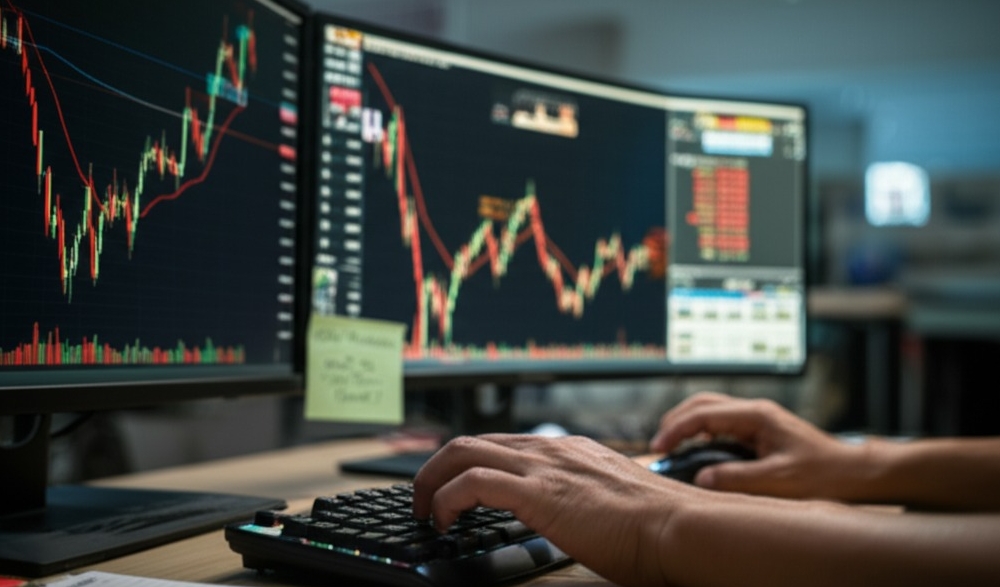
Forex volatility isn’t just trader talk—it’s the heartbeat of the currency market. Understanding it can make or break your strategy.
Defining forex volatility in plain terms
Forex volatility is the pace and extent to which currency pairs change in value. When exchange rates bounce around a lot—up 50 pips, down 30 in minutes—that’s volatility. It reflects how reactive the market is to economic data, geopolitical news, or central bank policy.
Put simply: the more unpredictable the price movements, the higher the risk—and the higher the potential reward.
How volatility affects trader decision-making
Volatility plays a huge role in shaping trading strategies. When the market’s jumpy, traders:
Adjust stop-loss and take-profit targets
Tighten position sizing to manage risk
Avoid over-leveraging, especially during major news events
Some traders chase volatility for quick wins. Others step back, waiting for calmer waters to set clearer entry and exit points. Either way, understanding volatility isn't optional—it’s survival.
Volatility vs. liquidity in currency markets
| Factor | Volatility | Liquidity |
|---|---|---|
| Definition | Price fluctuation speed/intensity | Ease of buying/selling assets |
| Market Behavior | Rapid and unpredictable | Smooth and stable |
| Impact | Raises risk | Supports tighter bid-ask spreads |
In forex, high liquidity doesn’t always mean low volatility. Major pairs like EUR/USD are both highly liquid and frequently volatile—especially during economic data releases. Comparing the two helps traders avoid confusion between active markets and unstable ones.
How Does Global Inflation Affect Currency Value
When inflation flares up, currencies don’t just sit quietly. They react—sometimes hard. Here’s how rising prices worldwide shake up the value of money in global markets.
Inflation and currency depreciation explained
When inflation surges, a currency’s purchasing power takes a hit—meaning what used to cost $1 now costs more. This price-level rise, if not matched by interest rate hikes or productivity, leads to currency depreciation. Central banks may step in with tighter monetary policy, but timing is tricky.
In cases of hyperinflation, like Zimbabwe or Venezuela, exchange rates spiral out of control as the local currency loses all value compared to foreign currencies.
Inflation expectations priced into forex rates
Forex markets don’t just react—they anticipate. Traders factor in inflation expectations when making moves, affecting both spot rates and forward contracts.
Central banks’ policy signals heavily influence these forecasts.
Rising inflation expectations typically boost interest rates, making some currencies more attractive.
But uncertainty in economic forecasts can cause volatility in currency pairs like USD/EUR or USD/JPY.
Market sentiment shifts fast, and so does forex pricing.
Currency strength and domestic purchasing power
When your dollar buys less milk or gas, that’s purchasing power slipping due to weaker currency strength. A strong currency, in contrast, helps control consumer prices by making imports cheaper.
Inflation reduces the value of money, hitting real wages and savings.
A weakening currency can lead to higher costs on imported goods.
This puts pressure on the domestic economy, especially in import-heavy countries.
Think of it like a treadmill—prices go up, and your money doesn’t keep pace.
Global supply chains and price spillovers
Supply chains are like dominoes—when one falls, prices rise everywhere. Disruptions in international trade, shipping, or raw materials send ripple effects into local inflation, impacting currency value.
| Region | Key Impact Area | Inflation Effect |
|---|---|---|
| Asia | Chip shortages | Tech goods ↑ |
| Europe | Energy imports | Fuel prices ↑ |
| Latin America | Agricultural exports | Food costs ↑ |
"Inflation isn't just domestic anymore. It's imported through every shipping container and invoice," says FX strategist Caroline Kent of MacroRisk Analytics.
Interest Rates vs. Inflation in FX Markets
Inflation doesn't walk alone—it drags interest rates and forex markets along for the ride.

Central bank rate decisions and inflation
Central banks don’t just sit around watching prices climb—they act. When inflation jumps, out come the monetary policy tools: rate hikes, forward guidance, and sometimes even bond-buying programs. The goal? Balance price stability with economic growth.
The Federal Reserve, European Central Bank, and others tweak interest rates to steer inflation.
Tools include quantitative easing or tightening, depending on how wild the CPI gets.
Quick hikes may calm inflation but often spook markets, jacking up forex volatility.
Pro tip: Watch policy statements like a hawk. They often hint at the next move.
Yield differentials driving forex capital flows
Let’s break it down—if U.S. bond yields are juicier than Japan’s, traders pile into the USD/JPY carry trade. That’s yield differential magic at work. Higher yields attract more capital, shifting the flow of cross-border investment.
Yield differentials directly impact currency exchange rates.
Forex traders chase the spread, especially when central banks diverge in policy.
This causes currency pairs to shift—even without changes in inflation itself.
“When yield gaps widen, the forex market doesn’t walk—it runs,” says FX strategist Linda Hall at Barclays.
Exchange Rate Regimes and Inflation Impact
“When inflation spikes, your exchange rate setup determines how much pain you feel,” says Thomas Whitman, a former IMF policy adviser with firsthand experience in Latin America's currency transitions. His insight is blunt but accurate. The relationship between exchange rate regimes and inflation impact can make or break an economy—and often does.
Fixed exchange rate regimes limit inflation flexibility. Pegging a currency to the dollar or euro may help control inflation early on, but it also surrenders monetary policy independence. When external inflation rises, central banks have no tools left but intervention, risking currency crises.
In contrast, floating exchange rate regimes offer more freedom. Countries like Canada and Australia have used floating regimes to absorb external shocks, using inflation targeting frameworks and capital mobility to maintain control. Their central banks intervene less often, allowing real exchange rates to adjust naturally.
Pegged currencies sit in the middle. They try to blend credibility with flexibility, but face pressure when inflation differentials with their anchor country widen. As seen in Hong Kong’s dollar peg, sustainability demands large reserves and tough political will.
“Inflation does not ask permission—it forces a regime to respond,” says economist Dr. Lian Chen in The Global Currency Journal. Investors should always read the regime before reading the rate.
Inflation Shock Reactions in Forex History
Big inflation shocks can rattle currency markets hard. Let’s look at three iconic moments where inflation didn’t just hit — it slammed forex with real-world consequences.
USD response during 1980s stagflation
The 1980s was a wild ride for the USD, stuck between sky-high inflation and brutal unemployment. Under Paul Volcker, the Federal Reserve went full throttle—interest rates hit nearly 20% to crush inflation.
This bold monetary policy sparked a recession but propped up the USD big-time.
Traders flocked to the greenback as a safe haven, sending it soaring in global FX markets.
"We had to wring inflation out of the system,” Volcker said— and the forex world took notice.
Eurozone inflation spike after 2022 crisis
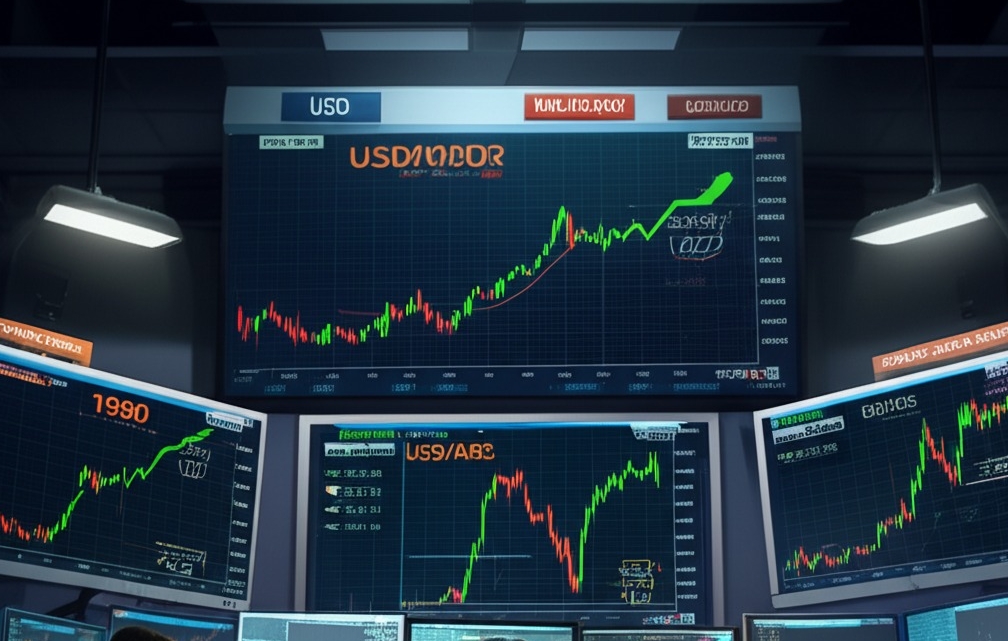
After the 2022 energy crisis and the Ukraine war, the Eurozone saw inflation levels not seen since the euro was born.
HICP inflation hit record highs, fueled by supply chain messes and fuel price chaos.
The European Central Bank was late to the game—only hiking interest rates after months of price pressure.
Result? The euro dipped hard against the USD, reflecting shaken market confidence.
ECB’s Lagarde admitted: “Inflation is more persistent than we hoped.” Markets clearly agreed.
Argentina’s hyperinflation and currency collapse
No one does inflation drama like Argentina. In the late 1980s and again post-2018, hyperinflation torched the peso, crushed savings, and nuked public trust.
Inflation rate soared past 50,000% in the worst years.
Currency devaluation became routine, forcing the IMF to step in more than once.
Faith in both fiscal and monetary policy? Gone. Foreign exchange markets priced the peso for collapse—again and again.
| Year | Inflation Rate (%) | Official USD Exchange Rate |
|---|---|---|
| 1989 | 3,079 | 650 ARS/USD |
| 2018 | 47.6 | 38 ARS/USD |
| 2023 | 115.2 | 215 ARS/USD |
Volatility Drivers in Emerging vs. Developed Markets
Emerging markets don’t play by the same rulebook as developed ones—and inflation volatility hits harder, faster, and deeper. Here’s why that matters in forex trading.
Capital controls and market reactions
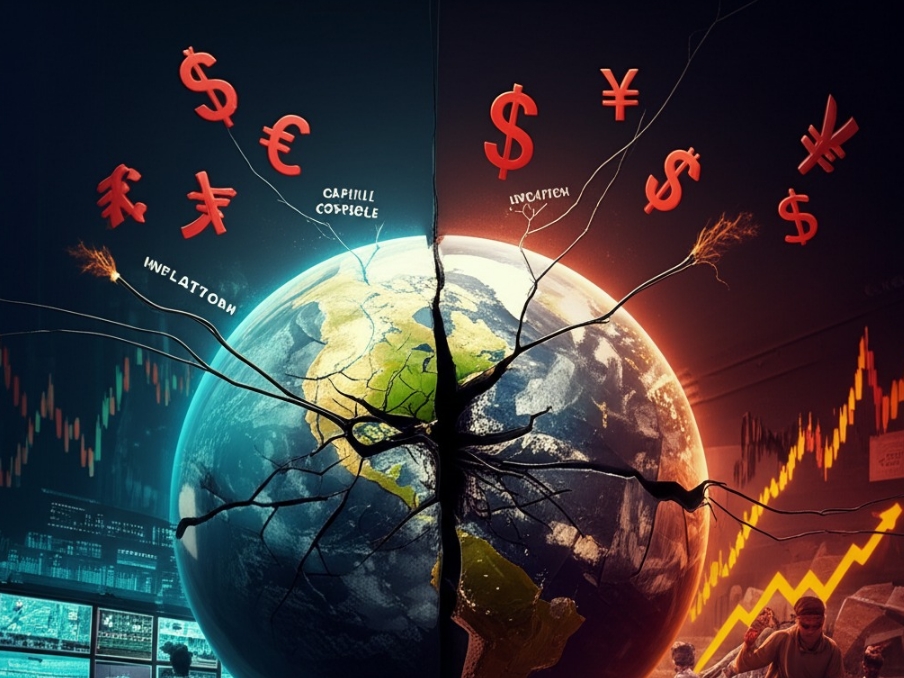
Capital controls can be a double-edged sword. While they aim to preserve financial stability, they often distort foreign exchange flows and spook traders. Tightly restricted portfolio flows limit liquidity, which can lead to sudden market volatility when currency controls are loosened or adjusted. In places like Argentina or Nigeria, surprise changes to investment restrictions triggered extreme currency swings. These policy moves often signal underlying economic strain, making them key flashpoints for forex traders.
Political risk layered on inflation risk
When inflation is bad, but political risk makes it worse? That’s when currencies can truly unravel. Countries facing policy uncertainty, geopolitical tension, or sovereign risk tend to have weaker price stability and fragile market sentiment.
Example: After a disputed election in Turkey, inflation fears turned into panic—currency depreciation followed swiftly. As one analyst put it, “Inflation can be tamed. Chaos can’t.”
Dollar dominance in emerging markets
In most emerging markets, the US dollar is still king. Many economies peg their currency or borrow in dollars—leading to vulnerability when the dollar strengthens. A rising greenback inflates debt burdens and pressures foreign reserves.
| Country | Dollar Debt ($B) | FX Reserve Ratio |
|---|---|---|
| Argentina | 99.2 | 0.61 |
| Sri Lanka | 45.8 | 0.43 |
| Nigeria | 70.3 | 0.52 |
The stronger the dollar, the tougher it is for these nations to breathe.
Commodity currencies and inflation pass-through
Currencies tied to exports like oil, copper, or coffee? Meet commodity currencies—they ride or crash with commodity prices. When prices soar, export revenues boom, but inflation pass-through to import costs can offset the gains.
For example, a spike in oil might boost the Russian ruble—but also fuel domestic inflation. In short: in resource-rich economies, exchange rates dance to global markets’ beat.
Investor sentiment in low-liquidity economies
Ever tried trading in a frontier market where barely anyone’s buying or selling? That’s low liquidity—and it magnifies fear.
A single large trade can move prices significantly.
Investor sentiment often drives wild swings due to thin order books.
News hits harder—fewer traders = more panic.
In these markets, foreign investment can disappear overnight, creating a vacuum that sends currencies into a nosedive.
Inflation Hedge Tools for Forex Traders
When inflation spikes, smart forex traders don’t just sit back—they hedge.

Using currency pairs as inflation hedges
Inflation eats away at purchasing power—but currency pairs can be your shield. The trick? Use forex positioning to offset local inflation risk.
Diversify with major and emerging currencies to balance exposure. For instance, shorting emerging market currencies against the U.S. dollar during inflation surges often protects value.
Monitor monetary policy shifts: If central banks hike rates to combat inflation, currencies usually strengthen. Position accordingly.
Hedge long-term value by pairing a weak currency (high inflation risk) with a stable one (low inflation expectations).
“The forex market isn’t just a trading arena—it’s a defense strategy when inflation starts acting up,” says Lars Muller, Head of FX Strategy at Altura Markets.
Options and stop-loss strategies explained
Let’s be real—volatility can make or break you fast. That’s where options trading and smart stop-loss orders come in.
Options trading gives you the right (but not the obligation) to buy/sell a currency pair at a set price. Think of it like putting insurance on your position.
Call options = betting a pair goes up
Put options = betting it drops
Watch the strike price, expiration date, and premium closely.
Stop-loss orders limit your losses automatically—set it and forget it (until it saves your account).
Platforms like MetaTrader or OANDA allow fine-tuned strategy deployment—use volatility indicators to decide stop-loss placement.
| Strategy Type | Best Use Case | Risk Control Level |
|---|---|---|
| Call Option | Inflation in strong economy | Moderate |
| Put Option | Currency crash hedge | Moderate–High |
| Stop-Loss Order | High-volatility markets | High |
Key Indicators for Inflation-Forex Analysis
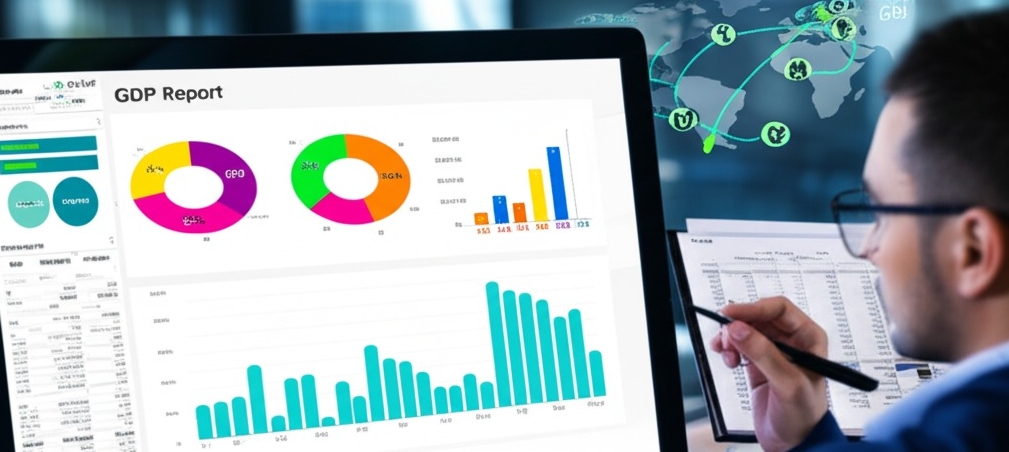
Forex traders often say, “You do not trade currencies—you trade expectations.” That truth becomes crystal clear when monitoring inflation-linked data. To gain insight into future currency movements, professionals rely on several key economic indicators that shape central bank policy and stir forex volatility.
Consumer Price Index (CPI) and Core Inflation are at the top of the watchlist. CPI tracks the average price change of goods and services, while Core CPI strips out volatile food and energy. According to the U.S. Bureau of Labor Statistics, a surprise CPI reading in late 2024 triggered a 150-pip swing in EUR/USD in less than an hour.
Producer Price Index (PPI) reflects inflation pressure from manufacturers. When PPI surges, forex desks know CPI could soon follow. Veteran trader Marcus Lee told CNBC, “PPI spikes are red flags—when producers feel squeezed, it shows up in currency markets fast.”
Interest Rates and Central Bank Policy hold the reins. Forex volatility often accelerates right after rate decisions or hawkish comments. Central banks like the Federal Reserve and ECB closely tie rate direction to inflation performance.
GDP, Employment Data, and Wage Growth provide broader context. Slowing GDP or weak job numbers can cool inflation fears, while rapid wage growth can suggest price pressures ahead.
Commodity Prices like oil and wheat feed directly into CPI baskets, especially in emerging markets.
Inflation Expectations—drawn from bond yields or consumer surveys—shape long-term currency trends. According to the Federal Reserve Bank of Cleveland, even a 0.1% uptick in 5-year breakeven inflation rates may cause shifts in USD sentiment.
These indicators are not just data points—they are fuel for trader decisions. Watch them closely, and the forex fog starts to clear.
Conclusion
Inflation isn’t just a headline—it’s a market mover. When global prices heat up, currencies can swing fast, and if you’re not paying attention, you’re the one getting whiplash. Understanding this link helps you ride the waves instead of getting knocked over.
As former Fed Chair Paul Volcker once said, “Inflation is the cruelest tax of all.” In forex, that tax shows up in real-time pips and price jumps.
So don’t just react—get ahead. Track the signals, stay sharp, and trade like you’ve got a plan, not a prayer.
Forex volatility refers to how much and how quickly currency prices move over a certain period. High volatility means large price swings—great for opportunities, but also for risk. If the dollar jumps 100 pips in an hour, that’s volatility at play.
Inflation erodes a currency’s purchasing power. When inflation is high in a country, investors may lose confidence in its currency, driving demand down. That can cause the exchange rate to fall against other, more stable currencies.
CPI (Consumer Price Index): Measures the change in price of goods/services people actually buy. It’s a key inflation gauge.
PPI (Producer Price Index): Tracks input costs to businesses—can predict future CPI moves.
Both influence currency strength based on inflation expectations.
Sudden CPI surprises often move markets more than expected interest rate changes.
Not directly—but they can influence it big time. Central banks hike or cut interest rates based on inflation, and those moves send ripple effects through forex markets. For example, a surprise rate hike to fight inflation can boost a currency's value and spike volatility.
Using forex options to lock in exchange rates
Buying “strong” currencies from low-inflation countries
Holding inverse positions on inflation-prone currencies
Hedging through gold-backed or inflation-linked instruments
Because they often rely heavily on imports, carry higher debt in foreign currencies, and don’t always have strong central banks to fight inflation. A little inflation can trigger a lot of panic, especially if investors start pulling out capital.
Political instability or elections
Geopolitical conflicts (like wars or sanctions)
Natural disasters disrupting trade
Unexpected economic reports or bank collapses
Expectations often drive market reactions more than actual inflation numbers. If traders think inflation will rise, they may preemptively sell that currency, driving volatility. So even stable inflation can cause shakeups if the outlook shifts fast.