


Forex trading isn't just numbers on a screen—it’s nerves, coffee-fueled nights, and the thrill of catching a trend before it explodes. If you’re eyeing your first trade and wondering if AvaTrade for beginners is the right move, you’re not alone. Most rookies trip over clunky platforms or blow their budget chasing hype. AvaTrade sidesteps all that noise with smooth-as-butter tools like AvaTradeGo and bite-sized education baked into every click.
Nobody expects you to be Warren Buffett by Thursday—but smart tools help you dodge rookie mistakes. This guide breaks down how AvaTrade sets up newbies for fewer facepalms and more fist bumps—without sugarcoating what could go sideways if you're not watching your six.

Key Insights for AvaTrade for Beginners
Platform Navigation: Familiarize yourself with MetaTrader 4, MetaTrader 5, WebTrader, and AvaTradeGo to enhance your trading experience.
Diverse Instruments: Explore a range of trading instruments including Forex, CFDs, Stocks, Indices, and Commodities to build your portfolio.
➔ Order Understanding: Learn about Market, Limit, and Stop Loss Orders to effectively manage your trades and mitigate risks.
Mobile Trading: Utilize AvaTradeGo for user-friendly mobile trading with real-time updates.
Leverage Knowledge: Understand how leverage works and the importance of margin requirements to control your risk exposure.
→ Technical Indicators: Leverage tools like Moving Averages, RSI, and MACD to make informed trading decisions.
➔ Market Conditions: Recognize Bullish and Bearish trends to better align your trading strategies with market movements.
Common Mistakes: Avoid pitfalls like overleveraging, neglecting stop losses, and trading without a structured strategy.
Understanding AvaTrade: A Beginner's Guide
Just getting started with AvaTrade for beginners? This guide breaks things down without all that complicated jargon.
How to Navigate the AvaTrade Trading Platforms?
Navigating AvaTradeGo, MetaTrader 4 (MT4), and other platforms might sound techy, but it's easier than you think once you know where to click.
MetaTrader 4 (MT4): Classic interface, great for charting and expert advisors.
MetaTrader 5 (MT5): More tools, more timeframes, and economic calendar built-in.
WebTrader: No download needed—just open your browser and trade.
AvaTradeGo: Mobile-friendly app that’s slick, intuitive, and perfect for trading on the go.
Each platform has its own flavor. If you're new to this whole thing, start with either MT4 or AvaTradeGo—they’re designed with simplicity in mind. The layout is clean, icons are clear, and you can switch between demo and live accounts in seconds. For anyone exploring avatrade for beginners, mastering these interfaces is step one.
What Are the Essential Trading Instruments Available?
If you're wondering what assets you can actually trade on AvaTrade—strap in because there's a lot more than just currency pairs.
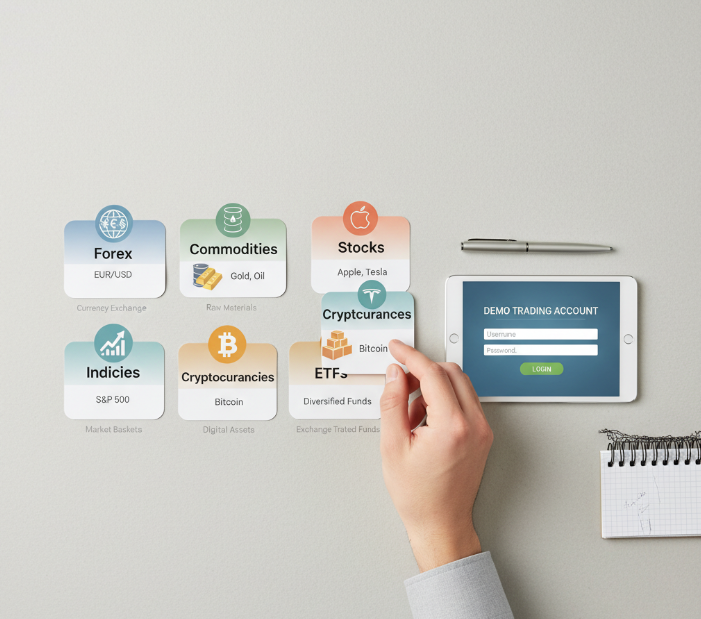
? Forex – The bread and butter of most traders; major pairs like EUR/USD are super liquid.
? CFDs – Trade contracts on price movements without owning the actual asset.
? Commodities – Think oil, gold, silver—classic safe havens during market chaos.
? Stocks & Indices – Big names like Apple or Tesla? Yup. Plus global indices like S&P 500.
? Cryptocurrencies & ETFs – For those who want exposure to digital assets or diversified baskets.
For folks just dipping their toes into trading waters through AvaTrade for beginners content, starting with highly liquid instruments like major forex pairs makes sense—they're easier to track and less volatile than crypto rockets.
Understanding Orders: Market, Limit, and Stop Loss
Order types might sound boring—but they’re your best friends when markets get wild.
A Market order buys/sells instantly at current price—fast but no price control.
A Limit order sets your price target—you wait until the market hits it.
A Stop Loss order protects your downside—it closes your trade automatically if things go south.
Add a bonus one—Take Profit orders, which lock in gains once your target’s hit.
Think of these as guardrails while driving fast on a highway—you need them to stay safe when volatility hits hard. Anyone serious about learning AvaTrade for beginners should practice placing each type of order in demo mode before going live with real money trades.
Understanding how these work isn’t just smart—it’s essential risk control wrapped into every trade decision you make on platforms like MetaTrader 5 or WebTrader.
5 Key Features of AvaTrade for New Traders
User-Friendly Mobile Trading with AvaTradeGo
Trading on your phone shouldn’t feel like decoding rocket science. That’s where AvaTradeGo, the broker's sleek mobile app, steps in. It’s got an ultra-clean user interface that even first-timers can glide through without breaking a sweat.
• Real-time charts and price alerts help you stay ahead while grabbing coffee or commuting. • The dashboard is customizable—pick what matters most to you, from watchlists to open positions. • Need help mid-trade? The app includes built-in tips tailored to your trading behavior.
You’re basically carrying a full-fledged trading station in your pocket—no fluff, just function.
Leverage and Margin: What Beginners Should Know
Understanding how leverage works is key before diving into any real trades on the platform. It can make or break your account if you're not tuned in to how margin requirements play out.
? Leverage Ratios Available by Instrument Type
| Instrument | Max Leverage | Typical Margin Requirement | Risk Level |
|---|---|---|---|
| Forex Majors | Up to 30:1 | ~3.33% | Medium |
| Indices | Up to 20:1 | ~5% | Medium |
| Commodities | Up to 10:1 | ~10% | High |
| Cryptocurrencies | Up to 2:1 | ~50% | Very High |
• Keep an eye on your available margin—running low could trigger a dreaded margin call. • Always calculate potential losses before entering high-leverage trades; it's not free money. • Use demo accounts first to simulate real trades using different leverage levels without risking actual cash.

Note: The table reflects EU/UK retail CFD limits under ESMA’s measures; limits can differ by your region and account type.
Key Technical Indicators for Effective Trading
Even if you're just dipping your toes into trading, learning how to read market signals using solid tools like technical indicators makes all the difference.
The classic combo includes Moving Averages, which smooth out price trends so you don’t react too fast.
Add in the RSI (Relative Strength Index) when you want insight into whether something's overbought or oversold.
For momentum traders? The trusty old MACD helps catch trend shifts early.
And don’t forget about those dynamic support/resistance zones created by tools like Bollinger Bands.
Used together—especially with the platform’s analysis tools—these indicators can help reduce false signals and improve discipline.
How AvaTrade Supports Different Currency Pairs?
If you're stepping into Forex through Avatrade's platform, get ready for serious variety across all types of currency pairs—from standard majors down to exotic combos most folks haven’t heard of.
? Major Pairs:
EUR/USD
GBP/USD
USD/JPY
These come with tight spreads and high liquidity—ideal starting points under any "avatrade for beginners" guidebook.
? Minor Pairs:
EUR/GBP
AUD/CAD
NZD/JPY
Less traded but still stable enough for predictable patterns once you're comfortable reading charts using technicals mentioned earlier.
? Exotic Pairs:
USD/TRY
EUR/ZAR
Riskier but sometimes juicy if timed right; definitely not where newbies should start—but worth knowing they exist as you grow beyond beginner status.
Each pair behaves differently based on global events, interest rate changes, and economic news—which Avatrade supports with integrated news feeds directly within its platform interface. See the broker’s full instruments index for specifics.
Common Pitfalls of AvaTrade for Beginners
New traders often walk into the forex world with high hopes—and even higher risks. Let’s break down what usually goes wrong.
3 Mistakes to Avoid with Forex Trading
If you’re using AvaTrade for beginners, these are the common blunders that can sink your account faster than a flash crash:
Overleveraging without understanding margin calls — Many new users crank up their position sizes thinking bigger trades mean bigger profits. But without proper risk management, one bad move wipes out your balance.
Skipping stop-loss orders entirely — Not placing a stop-loss order is like driving without brakes. You might be fine until you're not—then it's too late.
Jumping in without a trading strategy or plan — Winging it in the market is not bravery—it’s gambling. A solid, tested plan keeps emotions in check and decisions consistent, especially when markets get volatile.
These mistakes aren’t just theoretical—they’re real traps that trip up thousands who start forex trading every year, especially on platforms like AvaTrade where tools are abundant but guidance is limited.
Misunderstanding Market Conditions: Bullish vs. Bearish Trends
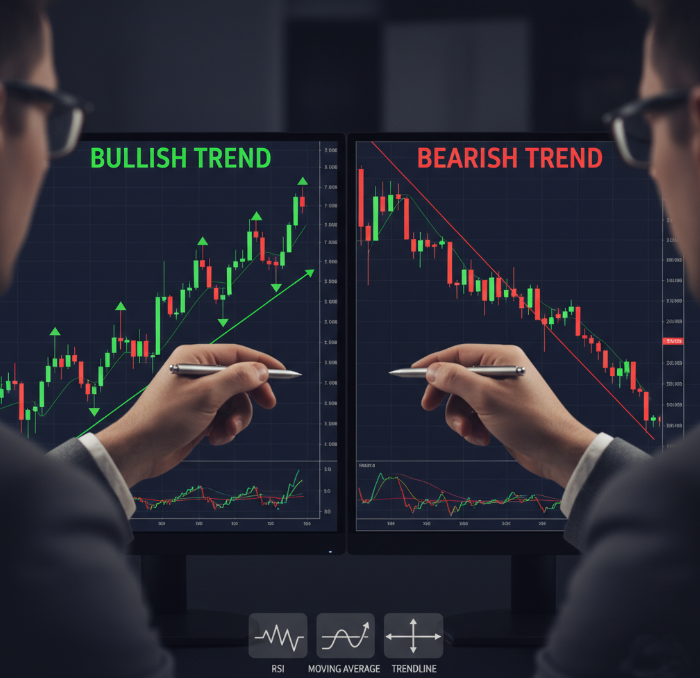
Recognizing whether the market’s roaring or tanking isn’t just chart-reading—it's survival instinct for any trader using avatrade for beginners accounts.
• A market is considered bullish when prices show consistent upward movement, often supported by strong economic indicators, rising volume, and positive sentiment across sectors.
• A bearish trend, on the other hand, signals declining prices and pessimism. It’s marked by lower highs and lower lows—and if you’re long during this time, losses pile up fast.
To avoid confusion:
Watch key technical indicators like moving averages and RSI.
Pay attention to global news cycles; they shape overall market mood.
Use trendlines to visually confirm direction—don’t rely on gut feeling alone.
Understanding these trends helps align your trades with momentum—not against it—especially crucial when navigating platforms like AvaTrade that offer quick execution but demand sharp judgment from users new to forex trading basics. For calendar-driven news, keep an eye on your economic calendar.
References
AvaTrade – Official Site – https://www.avatrade.com/
MetaTrader 4 (AvaTrade) – https://www.avatrade.com/trading-platforms/metatrader-4
WebTrader (AvaTrade) – https://www.avatrade.com/trading-platforms/web-trading
AvaTrade App (AvaTradeGo) – https://www.avatrade.com/trading-platforms/avatrade-app
Financial Instruments Index (AvaTrade) – https://www.avatrade.com/trading-info/financial-instruments-index
Trading Info (Order Types & Policy) – https://www.avatrade.com/trading-info
ESMA – CFD Leverage Limits for Retail – https://www.esma.europa.eu/press-news/esma-news/esma-adopts-final-product-intervention-measures-cfds-and-binary-options
Investopedia – Stop-Loss Order – https://www.investopedia.com/terms/s/stop-lossorder.asp
Investopedia – Take-Profit Order – https://www.investopedia.com/terms/t/take-profitorder.asp
Investopedia – Margin Call – https://www.investopedia.com/terms/m/margincall.asp
Investopedia – RSI – https://www.investopedia.com/terms/r/rsi.asp
Investopedia – MACD – https://www.investopedia.com/terms/m/macd.asp
Investopedia – Bollinger Bands – https://www.investopedia.com/terms/b/bollingerbands.asp
WebTrader Analysis Tools (Tutorial) – https://www.avatrade.com/education/trading-platforms-tutorials-en/webtrader-tutorial-trading-analysis-tools
FAQ
How can I choose the right AvaTrade trading platform?
Selecting a platform feels like picking your favorite tool in a workshop:
MetaTrader 4 / MetaTrader 5 – precision charting, expert advisors for automated trades.
WebTrader – clean browser interface, no downloads needed.
AvaTradeGo Mobile Trading App – pocket-sized power to catch moves as they happen.
Which trading instruments are most suitable when starting out?
For beginners eager to explore without feeling overwhelmed, start with staples:
Forex majors such as EUR/USD, GBP/USD, or USD/JPY for tighter spreads.
CFDs on familiar Stocks and Indices — think global names you watch daily.
Commodities like gold or oil to add texture and contrast to your portfolio journey.
Why should new traders master different order types?
Understanding orders is like knowing the language of the market’s heartbeat:
Market Order — jump straight into action at live prices; Limit Order — wait patiently at your chosen level; Stop Loss Order — shield capital during sudden drops; Take Profit Order — lock gains before greed whispers “just a little more”; Pending Order — prepare silently for key levels ahead.
What technical indicators help steady decision-making in volatile markets?
Think of them as navigators guiding across stormy seas:
Moving Averages soften noise and highlight trends; RSI spots exhaustion in rallies or falls; MACD signals shifts ideal for swing entries; Fibonacci Retracement marks possible bounce zones; Bollinger Bands reveal whether price is stretching too far from its comfort zone.
How do bullish, bearish, and sideways markets shape strategy choices?
Each mood of the chart demands its own dance style:
Bullish Trend calls trend following or position trading with long entries that ride momentum upward; Bearish Trend invites short positions aimed at declines; Sideways Market favors scalping tight ranges until volatility returns with fresh energy ready to chase again.