

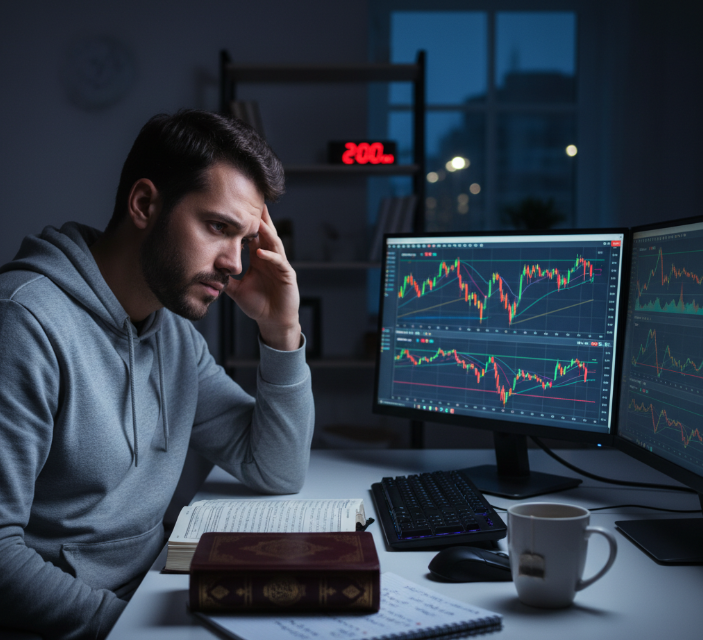
Is Forex haram? That question hits like a punch to the gut for any Muslim trader staring down the currency charts at 2 a.m., wondering if they’re walking the spiritual tightrope. The forex market moves fast—$7.5 trillion traded daily, according to BIS 2022 data—but faith doesn’t bend just because the dollar’s up and gold is tanking. You don’t want fat returns soaked in doubt.
Truth is, not all forex trades wear the same hat. Some deals are cleaner than grandma’s kitchen floor, while others reek of Riba (interest) or Gharar (excessive risk), both big no-no’s in Islamic finance. Ethical trading isn’t about avoiding risk—it’s about avoiding deception.
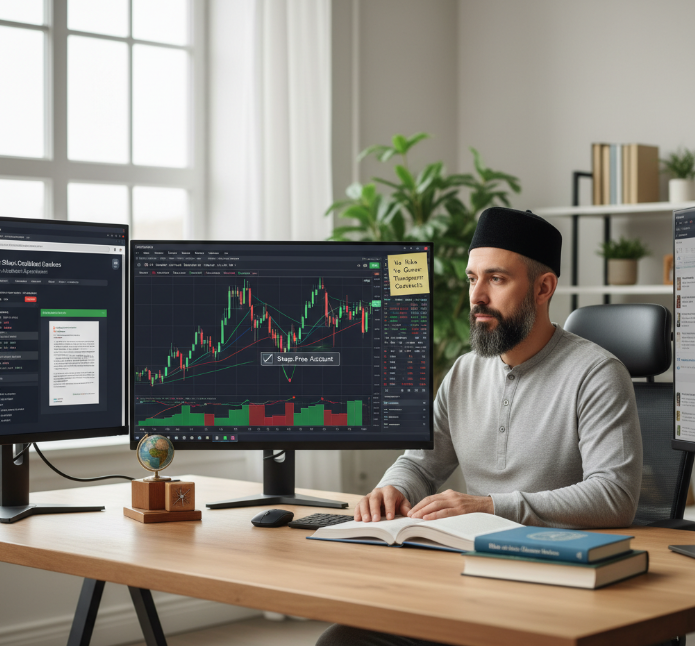
So here you are: stuck between your ambition and your beliefs, scrolling through broker websites that speak gibberish about swap-free accounts and halal compliance like it’s some secret handshake only Wall Street knows. You’re not alone—and this guide? It cuts through that fog with straight talk and real answers.
Is Forex Haram? Key Insights for Muslim Traders
Understanding Riba: Riba, or interest, is prohibited in Islam, affecting forex trading primarily due to concerns over swap fees.
Identifying Gharar: Gharar signifies excessive uncertainty; thus, care must be taken to avoid speculative practices that could lead to non-compliance.
Halal Trading Practices: Ethical trading principles guide Muslim traders to seek transparency and hold off on high-risk strategies like day trading.
Choosing the Right Platforms: Look for trading platforms that offer swap-free accounts, which facilitate trading without interest-related fees.
Position Sizing Importance: Appropriate position sizing is crucial to minimize risk, aligning with Islamic principles of responsible trading.
Economic Awareness: Understanding economic events, such as the inflation rate (CPI), is essential for making informed trading decisions that comply with Islamic ethics.
Understanding Forex Trading: The Islamic Perspective
Curious about whether Forex is haram or halal? This guide breaks it down through Islamic finance lenses.
What is Riba Interest and Its Impact on Forex Trading?
Riba, often translated as interest or usury, is a big no-no in Islamic finance.
In forex, it sneaks in via overnight swap fees—those little charges for holding trades open past market close.
That’s where things get sticky. If you’re earning or paying interest, even indirectly, many scholars say that makes the entire trade haram.
So if you’ve been wondering “Is forex haram because of interest?”, the answer leans yes—unless you’re using a swap-free account, which some brokers now offer to dodge this issue.
Gharar Uncertainty: How It Relates to Forex Investments
Gharar means uncertainty—and not just any kind, but excessive ambiguity that could make deals unfair.
In forex, price swings happen fast. That volatility can look a lot like gambling if trades are made without clear strategy.
Contracts with unclear terms? Also gharar.
✱ Islam doesn’t ban risk—but it does want it to be fair and transparent.
So if someone asks “Is forex haram due to speculation?”, the answer depends on how you're trading. Avoid high-risk guesswork and stick to informed decisions grounded in research.
Analyzing Forex Trading through the Lens of Islamic Principles
Islamic trading isn't just about avoiding what's forbidden—it's about aligning your money moves with ethical behavior:
• Avoiding Riba (no interest-based gains). • Steering clear of excessive Gharar, aka shady uncertainty. • Ensuring all transactions are rooted in mutual consent and transparency.
Research linked to the Islamic Finance Council UK (UKIFC) has noted rising interest in Sharia-aligned products among younger Muslim investors, especially those seeking alternatives to traditional stocks.
This ties back into our question—“is forex haram?” It depends on how you approach it. If your trades are clean, transparent, and free from prohibited elements, then many scholars see room for permissibility.
Can Trading Platforms Facilitate Halal Forex Practices?
Let’s break this down:
? Platforms like meta trader 5 now offer:
Swap-free accounts (no hidden interest)
Real-time pricing for full transparency
Broker options labeled as Sharia-compliant
? But not all platforms play fair:
Some still sneak in hidden fees
Others don’t clearly state contract terms
If you're asking "Is forex haram when done through modern platforms?", EasyCashBackFx makes it easier by connecting traders with verified halal brokers offering compliant accounts and forex cashback perks and forex rebates—without compromising ethics or performance.
In short? Yes, tech can help keep your trades clean… but only if you choose wisely.
Halal Forex Trading: Essential Features To Look For
Making sure your trading setup checks out with Islamic finance rules isn’t just smart—it’s necessary if you’re wondering, is forex haram or halal.
Key Characteristics of Halal Trading Platforms like meta trader 5 MT5
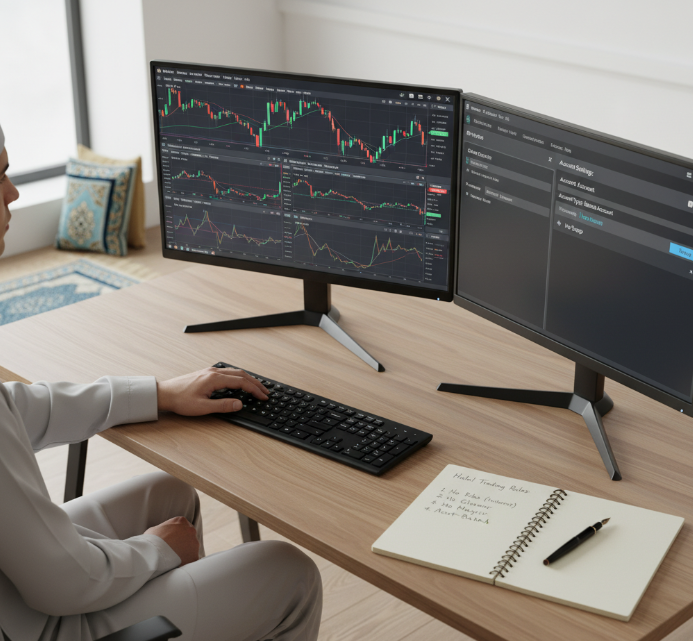
meta trader 5 (MT5) stands out for traders who want to keep it clean and compliant. Here's what makes a platform truly Sharia-compliant:
Islamic account support: These accounts eliminate overnight interest—called swaps—which directly addresses concerns about riba in forex.
No-swap trading options: You’ll want platforms that offer permanent or long-term swap-free functionality without hidden fees.
Instant execution tools: Delays can introduce uncertainty (gharar), so look for platforms that prioritize quick order fulfillment.
Transparency in spreads and commissions: A legit Halal platform won’t sneak in charges that mimic interest.
Customizable risk settings: Ensuring you're not taking on excessive risk aligns with ethical trading principles.
If you're asking yourself “is forex haram when done online?”, remember—it depends on how you set up your tools. Choosing the right platform is step one.
Position Sizing and Its Role in Ensuring Halal Trading
Getting your trade size right isn’t just about managing money—it’s also about staying within the lines of faith-based ethics. Here's how proper position sizing, rooted in solid risk management, keeps things Halal:
Don’t go all-in—allocate capital based on risk percentage per trade, usually under 2%.
Use modest leverage—high leverage can tip into gambling territory, which violates core Sharia principles.
Stick to consistent lot sizes to maintain predictability and avoid emotional decision-making.
Adjust sizing dynamically as your account grows or shrinks to preserve capital over time.
A lot of folks ask “is forex haram if I take big risks?” Taking wild swings isn't just financially risky—it can contradict Islamic values around responsible behavior and stewardship.
Avoiding Riba: How to Choose Currency Pairs Wisely
When choosing which currencies to trade, avoiding riba is key—and yes, this is where most folks trip up asking “is forex haram?”. Smart pair selection helps sidestep interest exposure altogether.
| Currency Pair | Type | Settlement Time | Interest Risk |
|---|---|---|---|
| EUR/USD | Major | T+0 | Low |
| USD/JPY | Major | T+0 | Low |
| USD/ZAR | Exotic | T+2 | High |
| GBP/CHF | Minor | T+1 | Medium |
✔️ Stick with major pairs like EUR/USD or USD/JPY—they tend to offer instant settlement (spot trading) and low swap-related risks. ✔️ Avoid exotic pairs; they often come with delayed settlements and higher rollover costs that may involve interest-like charges.
By focusing on fast-settling trades using trusted currency combinations, you're keeping it real—and Halal. So next time someone asks “hey man, is forex haram?", you’ll know it depends on what—and how—you trade.
Key Considerations For Muslim Traders In Forex Markets
Navigating the Forex world with Islamic values? Here's what Muslim traders need to keep in mind to stay financially sharp and spiritually grounded.
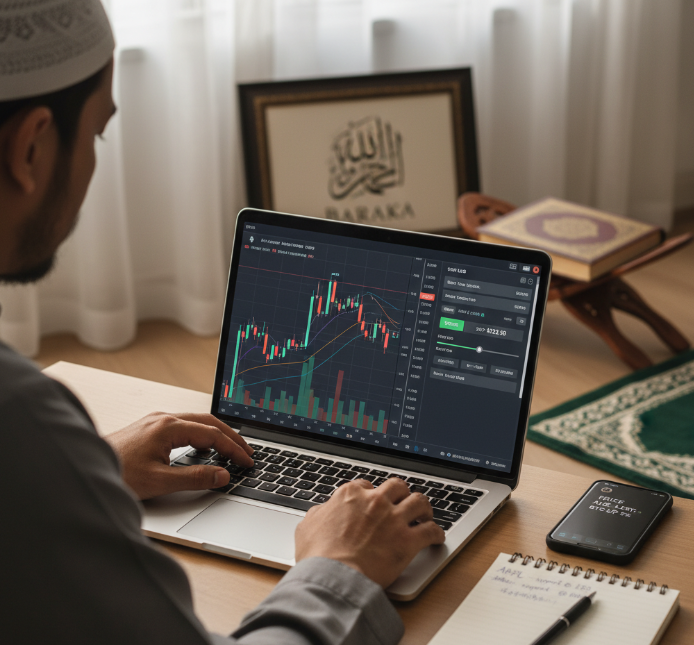
Risk Management: Stop Loss Orders in Halal Trading
Keeping your trades within Sharia Compliance doesn’t mean you leave things to fate. Smart moves like stop loss orders are not just allowed—they're encouraged.
Stop loss orders help limit potential losses, aligning with the Islamic principle of avoiding excessive uncertainty (Gharar) in trading.
These tools can be seen as a form of ethical risk management, offering protection without engaging in speculation.
Many scholars agree that using such mechanisms is part of responsible financial behavior under Islamic Finance norms.
? A quick note: Avoiding interest (Riba) doesn't mean avoiding strategy. Use stop losses wisely—it's not gambling; it's safeguarding.
When someone asks "Is Forex Haram?" they’re often thinking about risk and speculation. But if you're using tools like stop loss with intention and care, you're walking the halal path.
Economic Events: Understanding Inflation Rate CPI and Their Influence on Trading Decisions
The Inflation Rate isn’t just for economists—it hits your wallet and your trades. If you’re asking “Is Forex Haram,” knowing how macro stuff like CPI works is crucial to making ethical choices.
The Consumer Price Index (CPI) tracks how much prices rise over time—directly affecting currency strength.
Central banks react to CPI data through changes in monetary policy, which can shake up the markets big time.
As a trader following Islamic principles, understanding these shifts helps avoid impulsive decisions based on guesswork—keeping it halal.
? According to the IMF World Economic Outlook (April 2024), inflation is forecast to keep easing, but inflation dynamics and policy shifts can still drive currency volatility—especially where shocks hit harder.
So yeah, if you're serious about halal trading, stay clued into economic events like CPI releases—they’re more than just headlines; they impact every trade you make.
And remember, when someone types “Is Forex Haram” into Google, what they're really searching for is clarity—on tools, ethics, and everyday decisions that align both with faith and financial sense.
References
OTC foreign exchange turnover in April 2022 (BIS) - https://www.bis.org/statistics/rpfx22_fx.htm
World Economic Outlook, April 2024: Steady but Slow (IMF) - https://www.imf.org/en/publications/weo/issues/2024/04/16/world-economic-outlook-april-2024
CPI Home (U.S. Bureau of Labor Statistics) - https://www.bls.gov/cpi/
Bai` al-Sarf (Currency Exchange) (Bank Negara Malaysia) - https://www.bnm.gov.my/documents/20124/761682/PD%2BBai%2BAl-Sarf.pdf
Sharia-Compliant Forex Trading: Is It Halal or Haram? (Blueberry Markets) - https://blueberrymarkets.com/market-analysis/is-forex-trading-halal-or-haram/
Islamic finance: global trends and the UK market (TheCityUK) - https://www.thecityuk.com/media/uooh3ri4/islamic-finance-global-trends-and-the-uk-market.pdf
Shari'ah Non-compliance Risk Management and Legal Documentations in Islamic Finance (ResearchGate) - https://www.researchgate.net/publication/298038494_Shari%27ah_Non-compliance_Risk_Management_and_Legal_Documentations_in_Islamic_Finance
Is Forex Haram? An Islamic Perspective on Forex Trading (Investing.com) - https://www.investing.com/brokers/guides/forex/is-forex-haram-an-islamic-perspective-on-forex-trading/
FAQ
Is Forex Haram if it involves Riba (interest)?
Forex trading can become haram when it involves Riba (interest), commonly charged as overnight swap or rollover fees. Muslim traders usually address this issue by:
Using swap-free (Islamic) accounts on platforms like MT5 or cTrader
Choosing brokers that apply Murabaha-based financing instead of interest
Does Gharar (uncertainty) make Forex trading forbidden?
Excessive uncertainty (Gharar) arises when Forex trading turns into pure speculation or gambling. This risk is reduced when traders rely on structured analysis instead of guesswork, such as:
Using moving averages with RSI to identify clear trends
Focusing on position trading or trend-following rather than impulsive day trading
Is high leverage allowed in Islamic Forex trading?
Excessive leverage can resemble unjustified risk and debt exposure, which Islamic principles discourage. To stay compliant:
Apply leverage control based on realistic market conditions
Align position sizing with account capital rather than short-term thrill
How does risk management help keep Forex trading halal?
| Risk Tool | Purpose | Ethical Benefit |
|---|---|---|
| Stop Loss | Limits maximum loss | Prevents reckless exposure |
| Take Profit | Locks planned gains | Avoids greed-driven decisions |
| Risk–Reward Ratio | Balances risk and return | Encourages discipline |
Do economic events affect whether Forex trading is halal?
Yes. Trading based on real economic data reflects informed decision-making rather than blind speculation. Ethical approaches include:
Monitoring indicators like Inflation Rate (CPI) before entering trades
Using tools such as Fibonacci retracements for transparent planning