

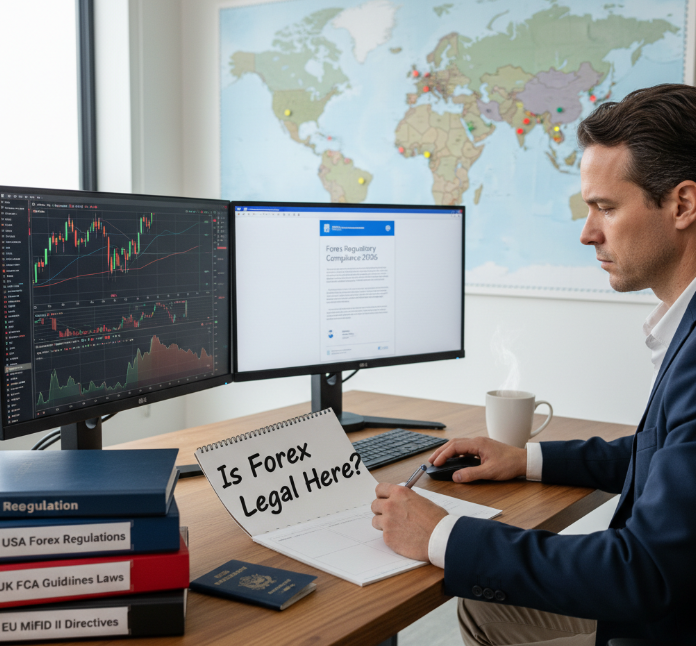
Picture this: it’s 2026, and you're eyeing the Forex market like a hawk at dusk—itching to dive in, but you’re hung up on one nagging question: Is this even legal? You’re not alone. The maze of Forex trading legality is enough to make even seasoned investors chew their nails. From Miami to Manila, rules are shifting faster than a New York minute—and if you're putting your money where your mouth is (or building a brokerage from scratch), you’d better know which country will welcome you… and which will slap you with a fine before breakfast.
“Trading without compliance isn’t just risky—it’s reckless,” warns Jordan Kim, Compliance Lead at EasyCashBackFx. According to the 2025 Global Markets Report by FXAudit.org, over 38% of broker shutdowns last year were due to outdated licenses or cross-border infractions. You're not here for that kind of drama—you want clarity wrapped in real-world insight. Buckle in—we're about to cut through the legal fog like a hot knife through butter.
Understanding Regulatory Framework: Legal Forex trading is governed by stringent financial regulations that ensure market transparency and fairness.
Global Variances in Legality: Forex trading legality differs significantly across countries, impacting your trading strategies based on local regulations.
Choosing Compliant Trading Platforms: Utilizing platforms that adhere to regulatory standards is crucial for ensuring a secure trading environment and maintaining legality.
Identifying Legal Risks: Understanding the legal implications of your trading strategies is necessary to avoid penalties and safeguard your investments.
Staying Updated: Continuous monitoring of changes in Forex regulations is essential for traders operating in multiple jurisdictions.
Understanding the Legal Framework for Forex Trading
Getting into Forex? Here's how legality, rules, and platforms shape your trading journey.
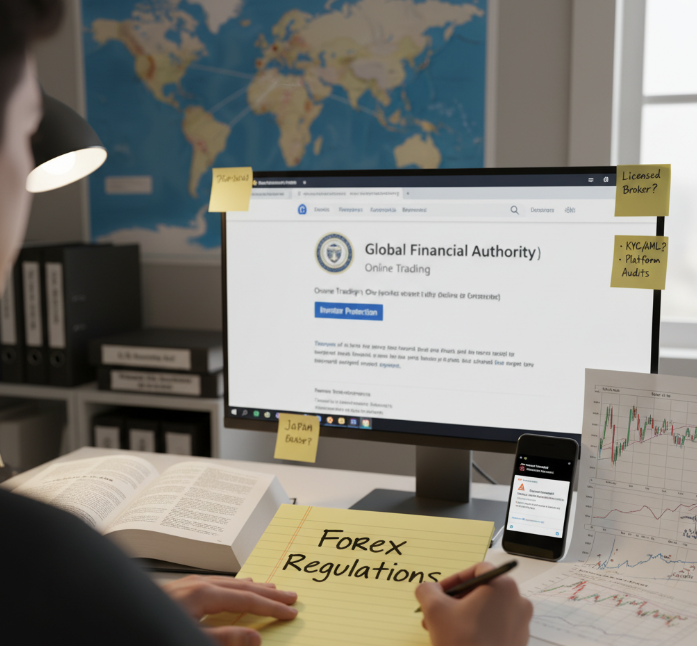
What Makes Forex Trading Legal?
Jurisdiction matters: Each country sets its own rules around Forex trading legality, so knowing where you're trading is step one.
You need a licensed broker. Without proper licensing requirements, it’s not just risky—it might be illegal.
Traders must respect financial regulations that prevent fraud and ensure fairness.
Different nations define legal frameworks differently—what flies in Australia might get you fined in France. If you're unsure, check if your broker has the right credentials and operates under recognized laws. Clarity on market permissibility keeps you out of trouble while protecting your investor rights.
The Role of Regulatory Bodies in Forex
You can’t talk about legal Forex without mentioning the watchdogs:
The U.S. has the SEC and CFTC keeping things tight with strict oversight on brokers and traders alike.
In the UK, it's all about the FCA, which ensures transparency and enforces high standards across platforms.
Japan’s FSA demands brokers follow local compliance rules or face serious penalties.
These regulatory authorities enforce strong compliance standards, aiming to preserve overall market integrity while shielding retail investors from shady operations through consistent financial oversight and active intervention by relevant government agencies.
Trading Platforms: Ensuring Compliance and Legality
Trading platforms aren’t just flashy interfaces—they’re bound by law:
• All legit platforms undergo rigorous audits for their platform licensing, ensuring they meet local legal thresholds before onboarding clients.
• They implement strict identity checks—think KYC (Know Your Customer)—to verify every user’s authenticity, reducing fraud risks tied to money laundering (AML policies).
• Clear-cut terms via legally required disclosures help users understand their rights, fees, and risks upfront.
So whether you're using MetaTrader 5 or copping signals off TradingView, make sure they follow proper protocols around data protection and have airtight policies on user activity monitoring for full-on regulatory compliance.
Navigating Forex Trading Laws with Technical Indicators
Let’s break this down with a quick table showing how certain indicators align with trading laws:
| Indicator Type | Legal Use Case | Risk Management Role | Regulatory Consideration |
|---|---|---|---|
| Moving Averages | Helps confirm trend direction | Prevents overtrading | Encouraged by most regulators |
| RSI | Flags overbought/oversold zones | Avoids emotional entries | Must not be sole strategy |
| Bollinger Bands | Identifies volatility shifts | Sets realistic stop-losses | Requires clear documentation |
| MACD | Measures momentum changes | Improves trade timing | Needs backtesting evidence |
Using these tools isn’t illegal—but misusing them could breach regional guidelines if trades are poorly documented or too speculative. Aligning strategies with both smart analysis and local legal codes ensures your trades remain within safe—and legal—boundaries defined by national regulators focused on maintaining trader safety through enforced adherence to core principles of technical analysis within regulated markets like those governed by MiFID II or ESMA’s standards.
By integrating these indicators responsibly into your approach, you stay inside the lines drawn by financial authorities while boosting both performance and compliance awareness across your trades involving any aspect of Forex trading legality—even if you're using a cashback provider like EasyCashBackFx only once along the way.
Is Forex Trading Legality Different Across Countries?
The rules around Forex trading legality shift from region to region—some are chill, others clamp down hard. Let’s break it all down by zone.
Comparing Forex Regulations: USA vs. EU
Leverage Caps:
EU: Slashed to 30:1 by ESMA, enforced under MiFID II guidelines.
Broker Registration Requirements:
In the USA, brokers must register with both the CFTC and be members of the NFA—no wiggle room.
The European Union mandates licensing via national regulators complying with broader EU standards like MiFID II.
Client Protections:
US traders get segregated accounts and mandatory disclosures.
EU clients benefit from negative balance protection and compensation schemes like FSCS in the UK or ICF in Cyprus.
Product Restrictions:
Binary options? Banned in the EU under ESMA’s product intervention powers.
Both regions take a hard-nosed approach, but if you're into high-risk, high-reward trades, you'll find more flexibility outside the States—though not without risk.
Forex Trading Legality in Asia: Key Insights
Asia’s not one-size-fits-all when it comes to foreign exchange rules—it’s more like a patchwork quilt stitched together by different financial authorities across borders.
• In Japan, it's strict but transparent—the FSA requires brokers to respect firm leverage limits (commonly capped at 25:1 for major FX pairs) and report activity consistently.
• Over in Singapore, the Monetary Authority of Singapore (MAS) keeps things clean with strong AML compliance while still encouraging fintech innovation; it's arguably Asia's most trader-friendly spot.
• Meanwhile, China has clamped down on foreign currency speculation hard—most retail forex margin trading is officially banned, with authorities repeatedly cracking down on offshore brokers serving mainland residents.
• India allows forex trading only on currency pairs involving INR—and only through SEBI-regulated exchanges like NSE or BSE. Retail traders are barred from using offshore leveraged FX platforms for non-INR pairs.
"According to BIS data released in April 2024, Singapore now accounts for over 9% of global FX turnover—surpassing Hong Kong." That stat speaks volumes about where traders feel safest setting up shop—and more recent BIS and industry releases show Singapore’s share climbing toward 12% as global daily FX turnover hit roughly $9.6 trillion in April 2025.
The takeaway? If you're navigating forex regulations across Asia, expect everything from red carpets to red tape depending on where you log in from.
Mapping Out Forex Legality: A Global Perspective
The legality of forex trading depends heavily on your local laws—and those can range from totally open markets to outright bans depending on who's running the show.
Take a look at how different jurisdictions stack up:
| Country | Legal Status | Regulating Body | Retail Access |
|---|---|---|---|
| Australia | Legal & regulated | ASIC | Full |
| Nigeria | Legal but unregulated | None | Limited |
| Germany | Legal & regulated | BaFin | Full |
| Pakistan | Heavily restricted | SECP | Minimal |
In places like Australia and Germany, traders enjoy access backed by clear rules and strong watchdogs like ASIC and BaFin respectively. But elsewhere? You're sometimes left guessing—or worse, exposed without protection if things go sideways.
So if you're asking whether forex is legal globally—the short answer is "it depends." And that makes knowing your jurisdiction not just smart—but essential before jumping into any kind of trade involving foreign currencies.
7 Essential Legal Considerations for Forex Traders
Navigating the legal side of forex trading isn't just smart—it’s survival. Here’s what you need to know to stay compliant and confident.
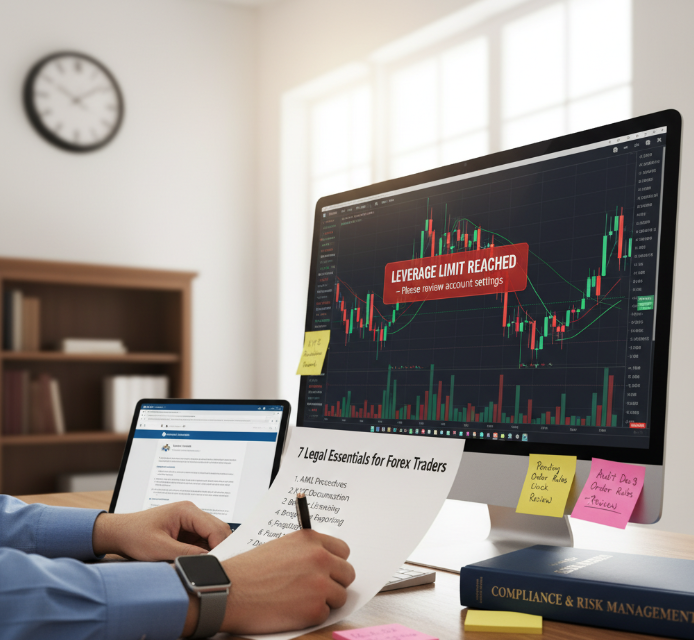
3 Key Regulations You Must Understand
Anti-Money Laundering (**AML**) Rules: You can’t just move money around without answering to someone. AML laws make sure traders aren’t hiding shady activity behind innocent trades.
Know Your Customer (**KYC**) Requirements: Brokers are legally required to verify your identity before letting you trade—expect ID checks and proof-of-address requests.
Broker Licensing & Jurisdiction: Always trade with brokers licensed by recognized financial authorities like the FCA or ASIC. If your broker isn’t properly registered in a solid jurisdiction, you're exposed to unnecessary risk.
Leverage Restrictions: Many regions cap how much margin you can use—especially in retail forex—to prevent people from blowing up their accounts too fast.
Compliance Audits: Regulated brokers undergo regular compliance reviews, keeping your funds safer and ensuring fair play in the market.
Forex trading legality depends heavily on these rules being followed—ignore them and you're gambling with more than just capital.
Risk Management: Legal Strategies for Capital Preservation
Controlling risk is more than a tactic—it’s a legal expectation in many jurisdictions where forex is tightly monitored.
• Use tight stop-loss orders instead of hoping trades bounce back—they’re your first line of defense against emotional trading errors.
• Stick within regulated leverage limits, especially if you’re under ESMA or ASIC oversight; breaking these can lead to forced liquidation or even account suspension.
• Diversify positions using basic hedging techniques; some countries encourage limited hedging as a form of responsible trading behavior under national investment laws.
By respecting these rules, you not only protect your capital but also show regulators that you're serious about staying above board in all aspects of forex trading legality.
Understanding Account Types: Market Order vs. Pending Order
Step 1 – Know What You're Using: A market order executes immediately at current prices—fast but risky during volatile sessions. A pending order, like a stop or limit order, waits until specific conditions are met.
Step 2 – Match Orders With Strategy: Scalpers may lean toward market orders for speed; swing traders often prefer pending orders for precision entry points based on chart analysis.
Step 3 – Respect Broker Rules: Some brokers restrict certain types of orders depending on account type or regulatory compliance standards tied to their licensing jurisdiction.
Choosing the right order type isn’t just strategy—it’s part of staying legal and aligned with platform-specific execution protocols tied to broader forex trading legality requirements.
Why Trading Platforms Matter: Selecting the Right One
• Regulated platforms like MetaTrader 5 are designed with built-in compliance tools that align with global financial regulations—a must-have when dealing across borders.
• The best platforms offer transparent fee structures and clear reporting features that help keep you compliant when tax season rolls around.
• Don’t ignore user experience either—a clunky interface increases chances of misclicks or missed risk alerts.
• Watch out for execution speed too; delayed fills can cause slippage that violates personal risk thresholds set by law-abiding brokers under margin call regulations.
Picking a platform isn’t just about bells and whistles—it directly affects how well you follow the rules surrounding forex trading legality every time you place an order.
Trading Strategies with Legal Implications: Day Trading vs. Scalping
Day Trading: While generally accepted globally, day traders must report gains accurately due to frequent transactions triggering short-term capital gains taxes in many countries.
Scalping: Some brokers outright ban this strategy because it strains servers and may violate internal policy aligned with local regulatory frameworks.
Market Manipulation Risks: Both strategies walk a fine line between aggressive tactics and potential violations—like spoofing—that draw scrutiny from watchdogs such as FINRA or ESMA.
Regulatory Scrutiny Levels: Traders using high-frequency methods often face higher levels of monitoring by automated compliance systems embedded within regulated platforms.
Forex trading legality doesn’t stop at opening an account—it follows every click after that, especially when your strategy involves rapid-fire decisions across volatile markets.
The Impact of Forex Trading Legality on Trading Strategies
Understanding how Forex trading legality shapes your strategy can mean the difference between success and regulatory trouble.
Incorporating Legal Guidelines in Swing Trading
Swing traders can't ignore rules—especially when those rules could shut down your trades overnight.
Stay inside the legal lines by:
Checking if your broker complies with regional regulations
Avoiding restricted currency pairs under local laws
Tracking holding periods that might breach short-term tax codes
Swing trading is fast-paced, but that doesn’t mean skipping over legal fine print. In countries like the U.S., retail traders must follow strict CFTC and NFA policies; violations can lead to account freezes or worse. Smart traders align their strategies with national market laws, integrating jurisdictional limits into their risk plans. It’s not just about catching price swings—it’s about staying in the game legally.
Trend Following: Adapting to Local Regulations
When you're riding market trends, you better know what your country's regulators say about it.
• Trend following thrives on long-term moves—but only if:
Your platform is approved by local financial authorities
You're not violating any foreign exchange controls
You understand leverage limits specific to your region
• Countries like Japan impose strict margin caps, while others like Australia have tightened CFD regulations—these impact how you build a trend-based portfolio.
• Always adjust for:
Jurisdictional tax implications
Reporting requirements for cross-border trades
Banned instruments or timeframes under local law
Adapting means more than tweaking indicators—it means aligning every move with your region's rulebook.
How Legal Risks Affect Position Sizing Decisions
Legal heat changes everything—even how big you go on a single trade.
Step 1: Identify the regulatory framework you're operating under. Some countries penalize oversized positions tied to volatile currencies.
Step 2: Assess compliance costs such as licensing fees or mandatory reporting tools that may eat into capital reserves.
Step 3: Adjust position size accordingly. If legal exposure is high, reduce size to limit potential fallout from sudden audits or penalties.
Step 4: Monitor updates from financial authorities regularly—rules change fast, and missing an update could cost you dearly in fines or forced liquidations.
Even experienced pros shrink positions when compliance risks spike; it's not fear—it's smart capital preservation tied directly to staying within legal bounds of Forex trading legality frameworks worldwide.
Indicators of Legality: Using Bollinger Bands and Moving Averages
Sometimes, technical tools do more than show price—they hint at whether you're skating close to illegal territory based on market behavior patterns shaped by regulation shifts.
| Indicator | Regulatory Implication | Use Case Example | Risk Level |
|---|---|---|---|
| Bollinger Bands | Detects abnormal volatility | Unusual spikes post-announcement | Medium |
| Moving Averages | Flags manipulated trends | Price diverging after ban news | High |
| RSI | Overbought signals post-ban | Sudden surge in restricted pair | High |
| MACD | Confirms trend reversals | Post-regulatory crackdown dips | Medium |
Using these tools helps traders spot when something smells fishy—and possibly illegal—before regulators catch up. For instance, if a banned currency pair suddenly gains traction without news support, that's a red flag even before formal warnings drop. These indicators aren’t official watchdogs—but they help savvy traders stay compliant while still pulling profits from legally sound setups built around solid technical analysis principles.
The Consequences of Illegal Forex Trading Activities
Even a small misstep in Forex trading legality can turn into a big headache. Here's what happens when traders mess with the rules.
Legal Repercussions: Falling Short of Compliance
When someone skips out on proper compliance, it’s not just some slap on the wrist.
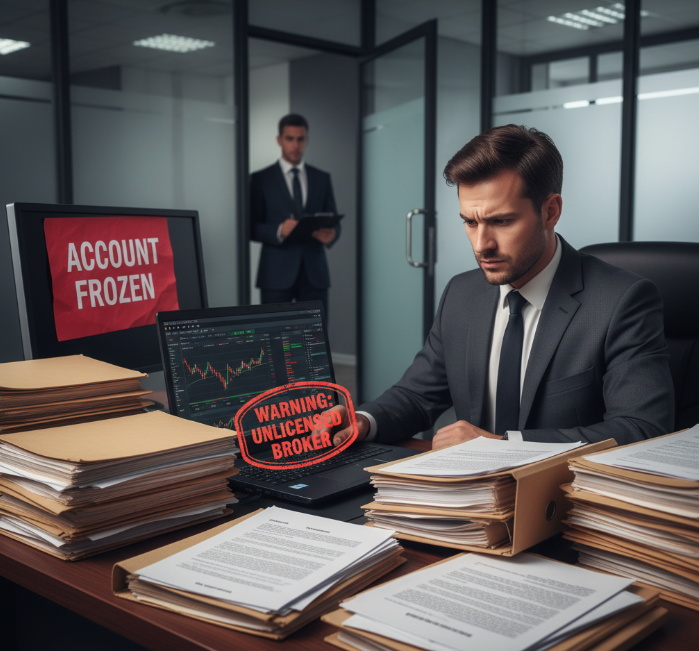
❗Unlicensed brokers may face:
Hefty fines
Criminal charges
Freezing of assets
? Traders operating without regard to regulations often risk:
Losing access to global markets
Getting banned from financial institutions
⚖️ Authorities like the FCA and CFTC don’t play games with non-compliant behavior; they’re known for swift enforcement actions.
According to a recent report by Statista (2024), over $3.2 billion in penalties were issued globally due to breaches in foreign exchange laws—a figure that aligns with earlier multi-billion dollar enforcement waves against major banks for FX benchmark manipulation.
And if you're thinking about cutting corners? Think again—licensing isn't optional, it's your ticket to staying legit in the world of Forex trading legality.
Identifying Red Flags: The Role of Cryptocurrency in Forex
Mixing crypto into your trades? Could be smooth sailing—or a total trap.
? Look out for these red flags when digital coins enter the mix:
? Platforms offering unrealistic returns using both FX and crypto.
? Lack of transparency around fund storage on blockchain systems.
? No clear registration or licensing data—classic sign of an unregulated platform.
? Automated bots promising "guaranteed profits" via crypto-FX hybrids.
? Anonymous wallet addresses raising concerns about potential money laundering links.
The use of cryptocurrency isn't illegal, but when combined with shady operations, it can quickly spiral into full-blown fraud, especially where there's no oversight or accountability.
So next time you see a flashy ad mixing Bitcoin with exotic currency pairs—pause and assess those potential scams, because your wallet might thank you later.
How Illegal Trading Activities Impact Investment Strategies
Illegal trades don’t just hurt regulators—they wreck portfolios too. Let’s break it down:
| Strategy Element | Effect from Illegal Activity | Risk Level | Recovery Time |
|---|---|---|---|
| Diversification | Compromised by manipulated assets | High | Long-Term |
| Risk Management | Blindsided by hidden exposure | Very High | Unpredictable |
| Capital Allocation | Redirected toward unstable markets | Medium | Moderate |
| Investor Confidence | Shaken due to lack of transparency | High | Long-Term |
? Market manipulation and hidden frauds throw off even well-planned strategies, making smart allocation nearly impossible.
On top of that:
? Poor due diligence leads investors straight into traps.
? Losses from illegal schemes can trigger cascading effects across entire portfolios.
? Once trust is broken, rebuilding investor confidence is a long uphill battle.
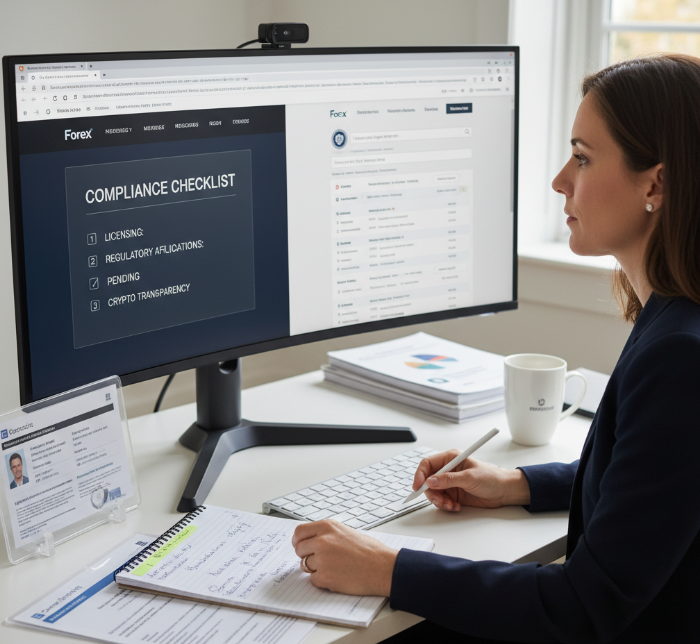
Want to sidestep all that drama? Stick with platforms like EasyCashBackFx that prioritize transparency and respect for every aspect of Forex trading legality, so your strategy stays sharp—not shattered.
References
U.S. Commodity Futures Trading Commission – CFTC Releases Final Rules Regarding Retail Forex Transactions – https://www.cftc.gov/PressRoom/PressReleases/5883-10
European Securities and Markets Authority – Product Intervention Measures on CFDs and Binary Options – https://www.esma.europa.eu/press-news/esma-news/esma-adopts-final-product-intervention-measures-cfds-and-binary-options
UK Government – Financial Conduct Authority (FCA) – https://www.gov.uk/government/organisations/financial-conduct-authority
FX Audit – Transparent Analytical Platform for Forex Traders – https://fxaudit.com
ForexCashbackRebate – Financial Services Agency (FSA) – Japan Forex Regulation – https://www.forexcashbackrebate.com/forex-regulator/financial-services-agency
Monetary Authority of Singapore – Foreign Exchange & Derivatives – https://www.mas.gov.sg/development/foreign-exchange
The Asset – Global forex trading hits US$9.6 trillion a day – https://www.theasset.com/article/55020/globalforextradinghitsus96trillionaday
Reuters – Global currency trading closing in on $10 trillion a day – https://www.reuters.com/business/finance/global-currency-trading-closing-10-trillion-day-2025-09-30/
Angel One – Are Forex Trading Platforms Illegal in India? – https://www.angelone.in/knowledge-center/online-share-trading/are-forex-trading-platforms-illegal-in-india
Kotak Securities – Forex Trading Challenges in India – https://www.kotaksecurities.com/investing-guide/currency/forex-trading-challenges-in-india/
Bajaj Broking – What is Forex Trading: Meaning, Features, Pros and Cons – https://www.bajajbroking.in/knowledge-center/forex-trading
Share India – What You Need to Know Before You Start Trading in Forex in India – https://www.shareindia.com/knowledge-center/currency-trading/what-you-need-to-know-before-you-start-trading-in-forex-in-india
Reuters – Brokers brave China’s FX market crackdown in hunt for household high rollers – https://www.reuters.com/article/china-markets-underground/rpt-brokers-brave-chinas-fx-market-crackdown-in-hunt-for-household-high-rollers-idINL4N22S2HA/
Finance Magnates – China Implements New Restrictions on Offshore Trading – https://www.financemagnates.com/forex/china-implements-new-restrictions-on-offshore-trading/
Investopedia – China Cracks Down on Cross-Border Financial Flows, Offshore Trading – https://www.investopedia.com/china-cracks-down-on-cross-border-financial-flows-offshore-trading-8351229
DailyForex – Is Forex Trading Legal in Singapore? – https://www.dailyforex.com/forex-articles/is-forex-trading-legal-in-singapore/214227
LiquidityFinder – Comparison of CFD Retail Broker Leverage Limits by Regulator – https://liquidityfinder.com/insight/industry/comparison-of-cfd-retail-broker-leverage-limits-by-regulator
Time / Fortune – Banks Fined $3.2 Billion to Settle Forex Manipulation Claims – https://time.com/3580501/banks-fined-forex-manipulation/
Reuters – Regulators fine global banks $4.3 billion in currency investigation – https://www.reuters.com/article/business/regulators-fine-global-banks-43-billion-in-currency-investigation-idUSKCN0IW0E4/
NFA – Forex Transactions: Regulatory Guide – https://www.nfa.futures.org/members/member-resources/files/forex-regulatory-guide.html
ESMA – FAQ on ESMA’s Product Intervention Measures – https://www.esma.europa.eu/sites/default/files/library/esma71-98-125_faq_esmas_product_intervention_measures.pdf
FCA – Our Approach to Consumers – https://www.fca.org.uk/publications/corporate-documents/our-approach-consumers
FAQs about Forex Trading Legality
What Makes Forex Trading Legal for Global Investors?
International traders breathe easier when:
Brokers are registered with regulators like the FCA or SEC
Platforms such as MetaTrader 4, MetaTrader 5, or cTrader meet compliance rules
Strategies like Swing Trading and Trend Following flow within regulated channels
It’s a dance between opportunity and law—where transparency keeps trades safe.
How Does Legality Shift Between Countries?
Rules feel different in every market: Japan tightens its grip more than NZD/USD-loving New Zealand; EU caps on margin differ from US limits. A GBP/JPY trader might face conditions that USD/CHF investors never encounter. Compliance is location-bound but ambition stays global.
Which Technical Indicators Support Legal-Conscious Traders?
Indicators can guide responsibly:
| Indicator | Purpose in Regulated Trading | Emotional Edge |
|---|---|---|
| Moving Average | Smooth trend monitoring | Steady rhythm of price |
| Bollinger Bands | Measure volatility safely | Anticipation at breakout points |
| RSI Oscillator | Track momentum ethically | Confidence without chaos |
Using MACD Indicator or Fibonacci Retracement also strengthens lawful precision while keeping emotions anchored.
Why Is Choosing a Licensed Platform Critical?
A regulated hub like NinjaTrader, TradingView, MetaTrader 5 shields you from suspicious flows; unlicensed venues may tempt with quick wins but risk Position Sizing chaos and Capital Preservation breaches—the human cost is often heavier than numbers show.
What Signals Illegal Activity When Picking a Broker?
No visible registration info
Anonymous payments hiding trails in EUR/USD transactions
Persistent Rising Wedge patterns pushed by aggressive “get-rich” promotions
When trust collapses here, so does confidence—it’s not just charts breaking; it’s faith.
Can Risk Management Tactics Improve Legal Standing of Trades?
Balanced discipline helps maintain both safety and legality:
• Leverage Control tuned to local policies on AUD/CAD moves
• Hedging Techniques during volatile GBP/JPY swings
• Position Sizing bound tightly to brokerage agreements
In these careful acts lies the trader's peace—a place where legal standing feels as protective as profit itself.