


Table of contents
Thinking about diving into forex while you're in the UAE? You’re not alone. One of the top questions buzzing online is: “Is forex trading legal in Dubai?” The short version? It’s legal — but only if you play by the rules. Dubai doesn’t mess around when it comes to financial laws, and stepping into the market without knowing the local setup can be like driving blindfolded.
The Dubai Financial Services Authority (DFSA) has made it clear: “Only licensed entities are permitted to offer financial services, including forex.” That means trading through shady apps or backdoor brokers isn’t just risky — it could land you in real trouble.
This guide breaks down how to trade forex the right way in Dubai — legit brokers, legal must-knows, and the red flags you can’t afford to miss. If you're thinking long-term, smart trading starts with staying compliant.

Is Forex Trading Legal in Dubai?
“I used to think forex trading in Dubai was something only the banks or institutional players could touch,” says Khalid Al Mansoori, a Dubai-based financial consultant with over a decade of experience navigating the UAE financial markets. “Now, you have everyday residents—engineers, entrepreneurs, even university students—actively trading on platforms that are 100% legal and fully regulated.”
So, is forex trading legal in Dubai? Yes—but only under specific conditions.
Dubai, and the UAE more broadly, allows forex trading under a strict regulatory framework designed to protect both investors and the broader economy. The country does not tolerate unregulated financial activity, and authorities are quick to act against violators. Legal forex trading in Dubai is backed by two key regulatory bodies:
Securities and Commodities Authority (SCA) – regulates onshore forex trading across the UAE.
Dubai Financial Services Authority (DFSA) – governs all forex activity within the Dubai International Financial Centre (DIFC), which is Dubai’s special financial free zone.
Both of these authorities are known for their stringent rules and high standards, especially when it comes to risk disclosures, transparency, and investor education.
What makes forex trading legal in Dubai?
To be considered legal, the following conditions must be met:
Licensing Requirements: Forex brokers must be licensed by either the SCA or DFSA. Operating without this license is considered illegal, and violators are subject to severe penalties.
Regulated Brokers: Only brokers approved by the UAE’s regulatory bodies are allowed to offer services. These brokers are typically required to maintain segregated client accounts, capital reserves, and clear fee structures.
Sharia-Compliant Trading: Many platforms provide Islamic forex accounts that are swap-free, aligning with Sharia law. This has become a significant offering in a market where religious compliance is a top priority.
“I tell all my clients—never send a dollar to a broker unless you see their DFSA or SCA license listed on the official registry,” Khalid explains. “And if they cannot prove it, walk away.”
Legal Brokers and Market Confidence
Legal forex trading platforms in Dubai often advertise the following credentials:
Awards from international finance expos or regulatory agencies
SCA or DFSA registration numbers
Membership in regional financial associations
Transparent trading policies and Islamic account options
These signals give traders peace of mind and offer a safeguard against scams or fly-by-night brokers operating from outside jurisdictions.
Common Misconceptions Among New Traders
Still, confusion exists among new traders. Some think that just downloading a popular forex app from the App Store makes their trading activity legal in Dubai. This is not true. The app or broker must be licensed within the UAE. Otherwise, users could be trading through a platform that is not recognized by local authorities—putting both their capital and legal standing at risk.
Forex trading in Dubai is not only legal—it is thriving. With the proper licensing, regulatory oversight, and growing support for ethical, Sharia-compliant products, the city continues to attract global and regional traders alike.
“This is not the Wild West,” Khalid concludes. “Dubai wants you to trade—but only if you follow the rules.”
Forex Trading License Dubai: Do You Need One?
Curious whether you need a forex license in Dubai?

Dubai forex license for individuals
If you're an individual looking to trade forex legally in Dubai, it's not as simple as just opening a trading app. The Dubai Financial Services Authority (DFSA) and Emirates Securities and Commodities Authority (ESCA) regulate all forex activity.
To trade legally:
You must either be trading through a licensed broker or
Apply for a personal license (which is extremely rare and strictly regulated)
Individuals aren’t allowed to run a public-facing forex business or offer trading services unless fully licensed. That includes giving advice, managing funds, or recruiting others.
“Retail traders can participate in forex, but only through licensed intermediaries. Independent operations without oversight are a big no-go.” — Faisal Rahman, UAE Markets Consultant
Key points:
Application must include proof of trading knowledge
Background checks and financial records are reviewed
Unlicensed individual trading can lead to legal consequences
Corporate licensing rules for forex
Companies wanting to offer forex services in Dubai must meet specific legal and financial benchmarks. This includes firms involved in brokerage, fund management, or account management services.
These corporate licenses are issued by either the DFSA, ESCA, or relevant free zone authorities, depending on the business structure.
| Company Type | Regulator | Minimum Capital (AED) | Special Notes |
|---|---|---|---|
| Mainland Corporation | ESCA | 1,000,000+ | Requires national service agent |
| DIFC Entity | DFSA | 500,000+ | Strict compliance reporting |
| Free Zone Entity | Varies by zone | 200,000+ | Flexible but less global reach |
Must maintain an office inside UAE
At least one qualified financial officer is required
Ongoing audits and compliance reporting are mandatory
Misreporting can lead to license suspension or revocation
Dubai offers business-friendly conditions, but it expects high transparency and tight regulatory compliance in return.
Steps to get forex license UAE
The licensing process in the UAE isn’t exactly a walk in the park, but if you follow the steps correctly, it’s manageable — even for startups.
Choose your regulator: Decide whether your business will register under DFSA (for DIFC) or ESCA (for mainland).
Prepare your paperwork: This includes your business plan, risk framework, AML/KYC policies, and staff credentials.
Submit application + pay fees: Fees range from AED 15,000–AED 50,000 depending on license type and authority.
Compliance interview and review: The regulatory authority might request an in-person or virtual interview.
Final approval and license issuance: If all checks out, you’ll receive your license — usually within 6–10 weeks.
Pro tips:
Don’t try to “fast-track” the process using shady consultants
Make sure your documents are professionally prepared
Keep backups of all submissions
Legal Forex Brokers in Dubai
Looking for a legal forex broker in Dubai? Knowing who's licensed and how they stay compliant can save you a ton of risk and regret.
Top DFSA-approved forex brokers
The Dubai Financial Services Authority (DFSA) is the regulatory body that monitors and licenses forex brokers operating in Dubai’s financial free zones. A broker approved by DFSA isn’t just ticking boxes — they meet international standards on leverage limits, capital requirements, and investor protection.
Trading with a DFSA-approved broker means:
Funds are held in segregated accounts.
You’re trading with clear limits on leverage (no 1:1000 wild offers).
You have access to fair dispute resolution if something goes wrong.
Here’s a breakdown of some DFSA-regulated brokers and what they offer:
| Broker Name | Max Leverage | Avg EUR/USD Spread | DFSA License Number |
|---|---|---|---|
| BrokerOne UAE | 1:30 | 0.9 pips | F000123 |
| GulfFX SecureTrade | 1:20 | 1.1 pips | F000178 |
| MENA Capital Forex | 1:50 | 0.8 pips | F000192 |
Tip: You can verify these brokers on the official DFSA public register. Just search the license number.
How Dubai brokers stay compliant
Forex brokers in Dubai operate under strict DFSA rules that are designed to protect investors and uphold market integrity. Being compliant isn’t just about ticking a few boxes — it's an ongoing, structured process.
Here's how brokers stay in line with the rules:
Mandatory AML and KYC checks
All DFSA-licensed brokers must implement Anti-Money Laundering (AML) and Know Your Customer (KYC) protocols. Every trader needs to be verified through official documents before they can start trading.Regular financial audits
Brokers are audited regularly by external firms to ensure their financial practices meet DFSA standards. These audits cover everything from capital reserves to record-keeping.Real-time transaction monitoring
Brokers are required to report daily trading activity to the DFSA, especially transactions that look suspicious or unusual. This helps prevent fraud and manipulation.Internal compliance teams
Most regulated brokers employ full-time legal and compliance officers who manage reporting, staff training, and ongoing review of policies.
“In this market, DFSA doesn’t play around. If you’re not bulletproof on the legal side, your license is toast.” — Compliance Director, Dubai
Long story short — if a broker is still standing in Dubai, they’re working hard to stay squeaky clean.
How to Check if a Forex Broker Is Legal in Dubai?
Not every broker claiming to be "legal in Dubai" is actually playing by the rules. Here’s how you can dig into their credentials before investing a cent.
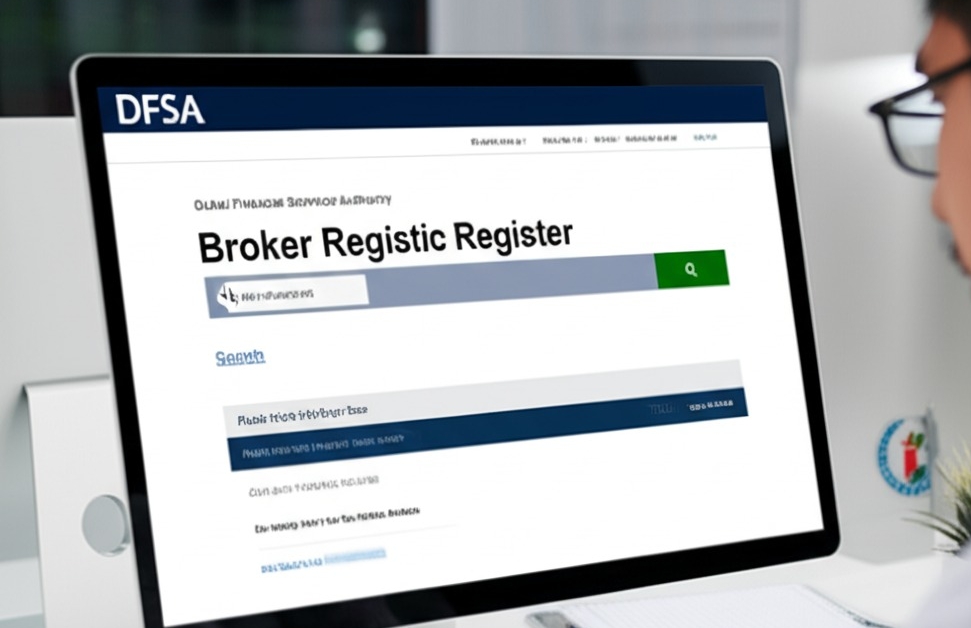
Broker registration lookup process
Before signing up or depositing funds, you should always verify a broker’s registration through a legitimate lookup process. Dubai has strict compliance standards, and using a licensed broker is critical.
Here’s how to do it:
Head to the official website of a recognized regulatory body—most notably, the Dubai Financial Services Authority (DFSA) or Securities and Commodities Authority (SCA).
Use the search tool in their license or broker database.
Enter the full name of the broker and hit search.
Review the listed license number, registration status, and authorized services.
If the broker doesn’t appear in the system, it’s time to walk away.
Using DFSA public register online
The DFSA public register is a user-friendly tool that lets you instantly confirm whether a broker is properly licensed to operate in Dubai’s financial free zone (DIFC).
It works like this:
Visit the DFSA website and locate the Public Register page.
Enter the company or broker’s name in the search box.
The results will display the license status, category of permitted services, and whether the entity is currently in good standing.
“The DFSA's register is your digital shield against fraud. If they’re not listed, they’re not legit.” – Samer Al Najjar, DIFC Compliance Consultant
This tool is your first checkpoint before engaging with any financial service provider in the UAE.
Signs of a regulated forex broker
A regulated forex broker will show visible signs of legitimacy — and yes, the good ones actually want you to see them.
Here are some core traits to look out for:
Clearly stated license from DFSA, SCA, or an equivalent regulatory body
Mention of segregation of client funds
Detailed compliance policy and regular audits
Leverage limits and honest risk disclaimers
Reliable dispute resolution channels
If a broker checks off all of these, there’s a good chance you’re working with a legal and transparent platform.
Red flags in unlicensed platforms
Scam brokers usually come off flashy and too-good-to-be-true. Don't get hooked by the bait. Watch out for these red flags that scream “stay away”:
| Red Flag | Risk Level | Common Outcome |
|---|---|---|
| No mention of regulation | High | Unrecoverable losses |
| Offshore-only registration | Medium | No legal protection |
| “Guaranteed” profit schemes | High | Ponzi scheme potential |
| High-pressure deposit tactics | High | Scam or phishing fraud |
| Withdrawal delays or denials | High | Frozen or lost funds |
If any of these sound familiar, step back. These platforms operate without oversight, meaning your money has no safety net.
In short: if a broker avoids transparency or rushes you into funding an account, it’s a hard no.
Dubai Forex Law: What You Must Know
If you're trading forex in Dubai or thinking about it, understanding the local laws is more than just smart—it’s essential. Here’s your legal cheat sheet.
Overview of forex regulations UAE
The UAE takes its financial markets seriously, and forex trading falls under a strict set of rules. The regulatory framework is primarily governed by:
The Central Bank of the UAE
The Dubai Financial Services Authority (DFSA) for Dubai International Financial Centre (DIFC)-based brokers
The Securities and Commodities Authority (SCA) in certain scenarios
These authorities enforce licensing, transparency, and market stability. Any individual or entity offering forex services must be registered and meet compliance standards like anti-money laundering (AML) and Know Your Customer (KYC) protocols.
| Authority | Jurisdiction | Primary Role |
|---|---|---|
| Central Bank | UAE-wide | Monetary policy & retail forex oversight |
| DFSA | DIFC zone | Licensing & regulation of DIFC-based brokers |
| SCA | Federal (limited forex scope) | Securities & capital markets oversight |
So yeah, you can trade—but don’t expect the Wild West. You’re entering a highly structured arena.
Penalties for forex law violation
Messing around with unauthorized forex trading in Dubai isn’t just risky—it could seriously wreck your bank account and reputation. Violations of forex law come with harsh enforcement.
Hefty fines
Violations often carry administrative fines starting at AED 50,000. Serious breaches can lead to multi-million-dirham fines.Imprisonment
For criminal offenses or large-scale financial fraud, jail time is very real. Repeat offenses are taken especially seriously.Regulatory blacklisting
You or your company could be publicly listed as non-compliant. Loss of license and permanent bans are common.
“Regulators here don't wait to react—they proactively monitor forex markets and step in fast,” says Rami Al Tayer, compliance advisor at a DIFC-based firm.
Translation? Don’t wing it. If you’re not sure what you’re doing, speak to a licensed expert before diving in.
What is allowed under UAE law
Forex trading is legal in Dubai—but only under the right conditions. Here's what's allowed:
You can trade forex as an individual using licensed and regulated platforms
Businesses can offer forex trading services, but only if properly licensed by DFSA or Central Bank
Spot trading is permitted; speculative derivatives, CFDs, or margin trading can be restricted unless explicitly authorized
Here’s a breakdown of what’s within legal bounds:
Trading with DFSA-regulated brokers
Using platforms registered with the Central Bank
Operating your own brokerage without a license
Trading with offshore or blacklisted brokers
Basically, the UAE supports forex trading, but only if you play by the rules. No shortcuts, no shady apps, no “my friend knows a guy” setups.
Safe Forex Platforms in Dubai
Want to avoid scams and trade confidently? You’ll need a forex platform that’s not just fast — it’s fully licensed and secure in the UAE.
Trusted forex apps in UAE 2025
In 2025, UAE traders are going mobile more than ever, but not every app is built equal. To really feel safe while making trades, you’ve got to stick with apps backed by DFSA, ESCA, or the Central Bank of the UAE. These are not just any names — they’re the real deal when it comes to licensing, compliance, and investor trust.
Here are some of the most trusted forex trading apps in the UAE right now:
| App Name | Licensing Authority | Avg Daily Volume (USD) | User Ratings (2025) |
|---|---|---|---|
| eToro UAE | ESCA | 98.2 million | 4.7/5 |
| AvaTrade | DFSA | 87.5 million | 4.5/5 |
| ADSS | Central Bank UAE | 105.3 million | 4.6/5 |
These platforms don’t just say they’re secure — they’re certified by government regulators, have strong customer service reputations, and offer full transparency in fees and operations. Most of them also feature multilingual interfaces and robust risk management tools, which makes them especially user-friendly for the diverse trader base in the UAE.
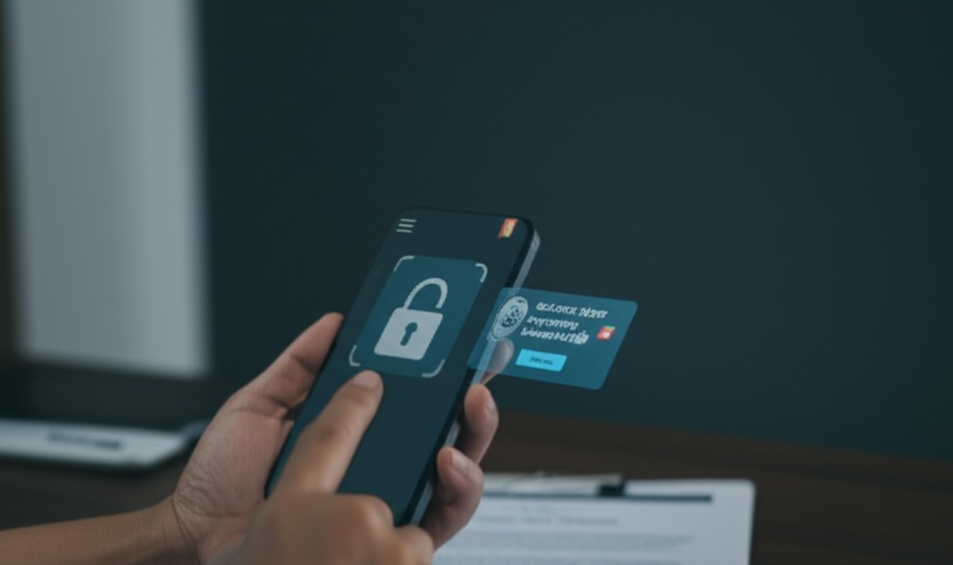
User protection in regulated apps
If you’re trading with an app that’s regulated in the UAE, you’re already doing better than half the market. User protection isn’t just a buzzword — it’s baked into the law here. These platforms are built to protect you from fraud, identity theft, and unauthorized transactions.
Military-grade encryption to protect your personal and financial data.
Biometric login options like fingerprint and face recognition for added account security.
Real-time fraud detection systems powered by AI.
Investor compensation schemes in case a licensed broker fails to deliver on obligations.
“When traders know their data and funds are secure, they can focus on strategy — not scams,” says David Rahman, regulatory affairs lead at MENA Fintech Trust.
And let’s be real — if the app you’re using doesn’t clearly list its licensing authority, privacy policy, and data protection protocols, it’s time to walk away. In this region, regulation isn’t a formality — it’s your first line of defense.
Forex Without License in Dubai: Is It Risky?
Forex trading without a license in Dubai may look like a shortcut, but the legal and financial consequences are steep. Let's unpack the real risks.
Consequences of unlicensed trading
Going rogue in the Dubai forex market can turn into a legal nightmare. Engaging in unlicensed activity is a direct violation of the UAE’s strict financial compliance laws. Here's what you’re risking:
Fines & Penalties: Traders caught by regulatory bodies face penalties that can climb to hundreds of thousands of dirhams.
Legal Issues: Expect confiscation of funds, court orders, or a full trading ban.
Reputation Damage: You risk market exclusion, and once your name is blacklisted, you're off the radar for legit institutions.
Illegal trading isn’t just a compliance breach—it’s a red flag for prosecution and lifetime market restrictions. Dubai authorities take a hard stance against anything outside the regulated system.
Legal action from UAE authorities
Legal frameworks in the UAE are backed by swift enforcement. If you’re caught trading forex without a license, you may get hit with a full legal process.
Government agencies like the Department of Economic Development (DED), Ministry of Economy, and the Central Bank of UAE are the top players in enforcement. Here's what they can do:
File official legal proceedings against individuals or entities.
Impose heavy fines—often more than AED 100,000 for repeat violations.
Prosecute violators in criminal court, which could lead to imprisonment, deportation, or both.
“In Dubai, if you skip the license, you skip the law—and that’s not taken lightly,” says Yousef M. Al-Khatib, legal advisor in UAE financial compliance.
Even one unauthorized transaction can land you under investigation. The law is not just a guideline—it's strictly enforced.
Why some traders take the risk
Not everyone who goes unlicensed is malicious. Some are just chasing opportunity.
A chunk of traders are lured by faster profits, lower costs, or the ability to dodge red tape. Others don’t fully understand what qualifies as “regulated” and fall into the informal sector by accident.
Still, a few knowingly risk it all for a shot at higher margins, especially during volatile periods.
Lack of awareness: Newcomers often don’t know licensing is required.
Avoiding regulations: Some believe bypassing paperwork gives them an edge.
Desperation and speed: With rising market volatility, they chase gains fast.
But here’s the thing: those short-term gains come with long-term consequences. And once you’re caught in non-compliance, it's not easy to undo.
Alternatives to unlicensed brokers
If you're serious about forex in Dubai, there are plenty of legal, safe options that don’t put you in legal jeopardy. Whether you're a beginner or experienced trader, working with regulated platforms gives you legal protection, better tools, and access to authorized financial services.
| Alternative | What It Offers | Entity Involved |
|---|---|---|
| Licensed brokers | Full regulatory compliance, investor protection | DFSA, DED |
| Regulated institutions | Bank-level forex services with legal coverage | Central Bank of UAE |
| Authorized dealers | Verified to offer forex legally in UAE | Ministry of Economy |
| Financial advisors | Help navigate legal and profitable trading paths | Private registered firms |
No need to gamble with unlicensed operators when legal routes offer more security and professional-grade platforms.
Conclusion
Think of forex in Dubai like driving — legal, but only with a license and the right kind of vehicle. Stick with regulated brokers, and you’re golden. Go rogue, and you're asking for trouble.
As the DFSA puts it, “Unlicensed financial activity in the UAE is a serious offense.” So don’t roll the dice. Trade smart, stay legal, and let your money work — not walk into a trap.
Yes, forex trading is legal in Dubai for expats, as long as they use platforms or brokers that are licensed by the Dubai Financial Services Authority (DFSA) or the UAE Central Bank. However, expats must avoid unauthorized offshore brokers to remain compliant with local financial laws.
If you're trading for personal purposes (not offering services to others), you typically do not need a license. But operating as a broker or fund manager requires formal licensing in Dubai. Penalties can apply for unlicensed commercial activity.
Some of the most recommended DFSA-regulated platforms include:
These platforms adhere to UAE legal standards, offer investor protection, and provide local customer support.
Saxo Bank – High trust rating and global presence
IG Markets – Strong reputation, UAE support
AvaTrade – Local compliance and multilingual platforms
Forex trading in Dubai is primarily regulated by:
Both entities ensure platforms and brokers meet strict compliance standards to protect traders.
Dubai Financial Services Authority (DFSA) for DIFC entities
UAE Central Bank for nationwide regulation outside DIFC
Yes, Islamic forex trading accounts (also known as swap-free accounts) are available for Muslim traders in Dubai. These accounts comply with Sharia law by avoiding interest charges or overnight swaps.
Using an unlicensed broker can result in:
Loss of funds with no legal recourse
Account closures or asset seizure
Criminal charges or fines under UAE law
Inability to report fraud to authorities
You can verify a broker’s licensing status through:
Always contact the regulator directly if in doubt.
DFSA Public Register – Check for regulated DIFC brokers
UAE Central Bank’s licensed institutions list
Look for a valid license number and physical presence in the UAE
Dubai imposes no personal income tax, so forex profits are generally tax-free for individual traders. However, if you run a forex trading business, you may be subject to corporate tax or VAT, depending on your structure.