


Table of contents
If you’ve ever dipped your toes into online trading, chances are you’ve heard of MetaTrader 5. It’s fast, flashy, and loaded with tools—but here’s the kicker: it’s also a goldmine for scammers. In “The Top 4 MetaTrader 5 Scams and How You Can Avoid Them,” we’re pulling back the curtain on how these shady schemes work—and how to steer clear before they drain your wallet.
Scammers don’t knock on the front door—they sneak in dressed like opportunity. From fake trading bots promising easy wins to phony brokers spinning stories smoother than a salesman on commission, the traps are slick. As one security expert put it: “If it sounds too good to be true, it usually is.”
This guide is your scam-spotting GPS. We’ll break down each of the top 4 cons, give you the red flags to watch for, and show you how real traders protect themselves in a wild west full of digital tricksters. Let’s dig in.
What Is MetaTrader 5?
MetaTrader 5 (MT5) is more than just a shiny trading screen—it’s the backbone of millions of forex and CFD trades. But how well do you really know it?
MT5 vs MT4 trading platforms
MetaTrader 5 is often seen as the upgraded sibling of MetaTrader 4, but the differences are more than skin deep.
MetaTrader 5 offers access to stocks, futures, and forex, while MT4 mainly targets forex.
MT5 uses a 64-bit architecture, making it faster on newer systems.
MT5 allows multi-threaded backtesting for Expert Advisors, while MT4 does not.
| Feature | MetaTrader 4 | MetaTrader 5 |
|---|---|---|
| Asset Classes | Forex only | Forex, stocks, CFDs |
| Timeframes | 9 | 21 |
| Programming Language | MQL4 | MQL5 |
Why MT5 attracts new traders
New traders flock to MT5 like bees to honey—and for good reason.
User-friendly interface: It’s got that clean, no-fluff dashboard that feels natural, even if it’s your first time trading.
Built-in tools: With one-click trading and real-time news feeds, it’s basically Trader 101 with training wheels.
Large online community: Got a question? There’s probably already a forum post—or ten—about it.
Common features scammers exploit
Some features that make MT5 powerful can also be used for dirty tricks:
Custom indicators that mask actual market behavior
Expert Advisors (EAs) coded with hidden backdoors
Fake signals and scripts distributed through unverified sources
These exploits aren’t bugs—they’re features that fraudsters twist for personal gain.
“Scammers don’t hack the platform—they hack your trust,” says Julian Carter, cybersecurity lead at FXSafe.
Popular tools and add-ons in MT5
Traders love customizing MT5, and it’s loaded with bells and whistles. Some crowd favorites include:
Autochartist: Real-time pattern recognition
Expert Advisors: Automate trades 24/7
Custom indicators: Build your own view of the market
But with great tools come great risks—download from trusted sources only. Otherwise, that sweet new script could be the start of a nasty scam.
Rotator scam explained
“I had no idea they moved my trades—until it was too late,” said Jeff Monroe, a mid-level retail trader from Denver, who lost nearly $12,000 through a rotator scam on MetaTrader 5. His story is not unique. These fraudulent schemes often begin with what looks like a perfectly legitimate brokerage account, only for traders to find out their login credentials have been quietly rerouted to a completely different trading environment.
Rotator scams involve brokers manipulating MT5 accounts by rotating clients through controlled demo-like environments while presenting fake live results. Victims place trades, unaware that outcomes are being pre-scripted or mirrored.
According to Michael Tan, compliance analyst at FXAudit.org, “We have seen over a hundred flagged cases of this scam in 2024, primarily from unregulated offshore brokers.” These scammers use white-labeled MetaTrader setups, bypass financial regulation, and delay real execution—leaving the trader powerless.

Common signs of a rotator scam include
Delayed price execution or unmatched slippage
Unverifiable account statements
No withdrawal access despite profits
Unlicensed or offshore broker location
Investors looking for scam prevention should verify their broker through trusted regulators like FINRA, FCA, or ASIC, and cross-check licensing with official registries. Always avoid platforms that fail to disclose liquidity providers or do not provide real-time account logs.
“If you cannot pull up a real-time trading log and verify it externally,” warned CFA trader Alicia Reiss, “you are probably not trading at all.”
MetaTrader 5 is powerful—but power in the wrong hands turns into risk. Stay alert. Always verify.
What are automated trading robot scams?
Automated bots promise easy wins, but many are nothing more than high-tech traps. Let’s break down how these schemes sucker traders in.

How bot scams gain trader trust
Scammers don’t just throw a bot out there and hope it sticks—they build a show around it. These bot scams usually feature slick websites, fake reviews, and flashy dashboards to reel in trader trust.
Claims of “AI-powered trading” or “military-grade algorithms” are bait.
Influencers or actors posing as successful traders boost credibility.
Trial versions show manipulated success to spark investor confidence.
“The goal is to bypass your logic and tap straight into your FOMO,” says cybersecurity analyst Jenna Madsen.
Unrealistic backtest results explained
Backtesting is supposed to simulate how a trading strategy would have performed using historical data—but scammers rig this process like a loaded dice game.
They overfit the trading models by tailoring them to specific past events.
Use curve fitting and data mining to show “perfect” results.
Skip out on validation or run biased simulations to fake good numbers.
You end up with a strategy that looks flawless but crashes in live markets. That’s not trading—it’s gambling in disguise.
Promised returns vs real data
Ever seen a bot promising 20% weekly growth? Time to pump the brakes. The difference between promised returns and real data is where scams hide.
| Claim Type | Typical Promise | Market Reality |
|---|---|---|
| Weekly ROI | 15%–30% | 1%–2% (at best) |
| Win Rate | 95%+ | 50%–60% (normal) |
| Drawdown Level | <2% | 10%–20% (realistic) |
The key is comparing actual results with long-term market data. If the numbers sound magical, they probably are.
Forex robot red flags
Forex robots on MetaTrader 5 can promise easy money, but many are wolves in sheep’s clothing. Here are two big warning signs to keep your wallet safe.
No verified trading history
If a forex robot's performance looks too good to be true and there’s no verified track record, hit the brakes.
These bots often rely on untested methods and unverified techniques.
Some may use experimental cleaning logic that’s never worked on live accounts.
Lack of third-party verification = risk assessment red flag.
Be cautious with plastic types and metal finishes (translation: different market conditions)—they might look durable but break under pressure.
"If there's no track record from a recognized source like Myfxbook or FX Blue, you're flying blind," says Lucas Dean, a veteran FX auditor.
One-size-fits-all strategies
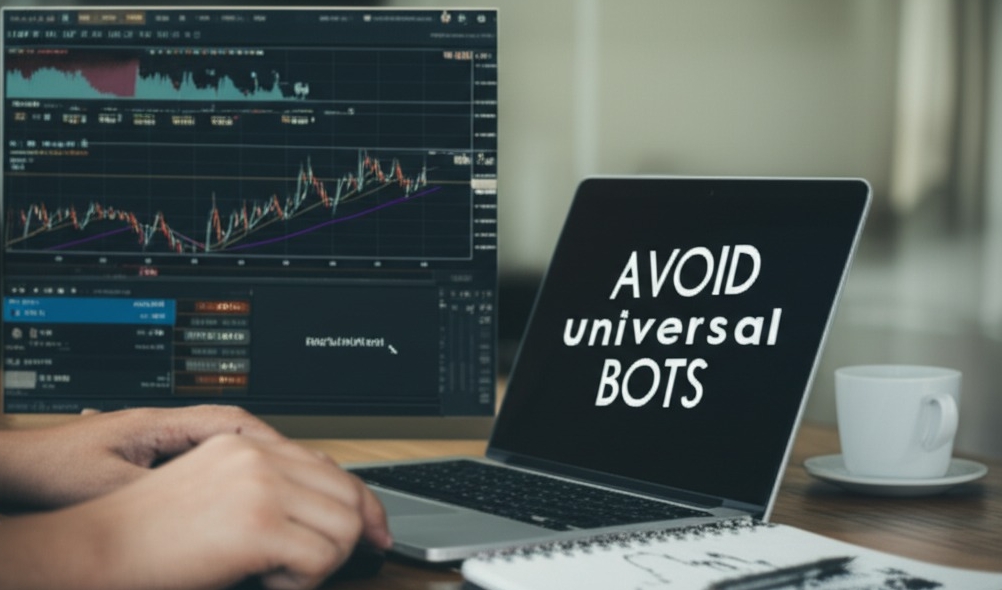
Let’s be real: trading isn’t one-size-fits-all. Any forex robot that says it works on all pairs, all timeframes, all conditions? Red flag city.
They rely on general cleaning tactics that ignore market nuance.
Using universal methods like the same stop-loss for EUR/USD and GBP/JPY is just lazy design.
Real markets need custom care—like using the right cleaning tools for surface type. You wouldn’t use a vacuum on silk curtains, right?
Most of these “universal” bots end up being great… at draining accounts.
Avoid bots that promise everything but explain nothing.
MT5 expert advisor traps
Expert Advisors (EAs) can be gold—or garbage. Here’s how some turn from helpful bots into full-blown traps.
Over-optimized demo performance
Some EA sellers show off demo trading results that look like a money-printing machine. But don’t be fooled—those sparkling charts are often built on over-fitting and zero real-world slippage.
Unrealistic performance metrics rely on backtesting perfect conditions
Actual trades may tank when latency and market execution speed come into play
Always compare demo account claims to live trading results
“Marketing demos rarely match live results. It’s performance cosplay,” says John T., a former quant analyst at a forex hedge fund.
Fake EA marketplaces
Many EA marketplaces are just slick fronts for reselling dodgy bots.
They often skip real vendor verification and pump up fake reviews.
Always check for independent performance claims, and beware of big promises backed by bad backtest results.
| Marketplace Name | Verified Vendors | Refund Policy |
|---|---|---|
| EA Central Pro | × | No refunds |
| BotStore FX | √ | 14 days |
| TraderHive | × | None |
Tip: If it’s unregulated and has zero contact info, it’s likely a scam.
Code obfuscation tactics
Bullet-proof trading bot? Maybe. Or maybe the developer is hiding the fact it’s a lemon.
Code obfuscation prevents users from viewing or modifying the source code
Makes it hard to assess the logic of the algorithm or reverse-engineer issues
Often marketed as intellectual property protection, but it can be a cloak for junk logic
“If a dev says ‘trust the bot, not the code,’ run for the hills.”
Subscription bait-and-switch
EA vendors love a good bait and switch. Here's how they reel you in:
Flashy free trial with basic functions
Push you toward premium features that unlock only with a hefty subscription model
Slide in hidden fees and sketchy renewal terms
Watch the cancellation policy closely—some trap you longer than a gym contract.

Misuse of copy trading features
Copy trading sounds easy: follow a pro and win big. But it’s riddled with tricks:
Fake “strategy providers” inflate stats with low-risk scalps, then ramp up risk once people follow
Execution delay and slippage hit followers hard, but not the originator
Some platforms hide hidden fees under layers of account linking
→ Always verify risk management settings and real-time performance transparency
Fake Reviews and Testimonials
“I trusted the reviews. Everyone said the platform was amazing. Then I lost $4,000 in three days,” shared Marcus Dale, a retail trader from Austin, Texas. His story is one of thousands tied to MT5 scams driven by fake testimonials and scam reviews. These scams feel personal because they are designed to mimic real trader experiences—only they are completely fake.
We spoke with Angela Morales, a licensed financial auditor and regulatory consultant who investigates trading software fraud. She explained how review sections on scam sites are often built using automated scripts or bought user feedback from fake accounts. “They do not just lie,” Angela said. “They build a web of fake identities, screenshots, and user stories to make it all feel believable. It is classic review manipulation, and people fall for it every day.”
Red Flags to Watch Out For
The same five-star praise repeated across multiple platforms
Testimonials filled with dramatic success stories, but no real details
Brokers or software only showing up on shady, ad-heavy review blogs
“Verified” reviews with no verifiable trading record or user profile
Angela’s Due Diligence Checklist
Look for the broker or tool on independent platforms like Trustpilot, Forex Peace Army, or Reddit’s r/Forex
Check if the reviewer has a verifiable trading history or has posted elsewhere
Be cautious if the broker deletes negative reviews or limits public comments
See if the platform shows proof of certifications, licenses, or awards
The U.S. Commodity Futures Trading Commission (CFTC) and National Futures Association (NFA) both urge traders to avoid brokers that control their own feedback loop. Legit brokers encourage transparency. They do not fear negative reviews—they respond to them.
In today’s world of AI-generated content and paid hype, glowing testimonials can easily be fake. And when your savings are on the line, trusting deceptive marketing can be the most expensive mistake of all.
False trading results
Looks can kill—especially when scammers throw fake trading results in your face. Here’s how to spot the smoke and mirrors.
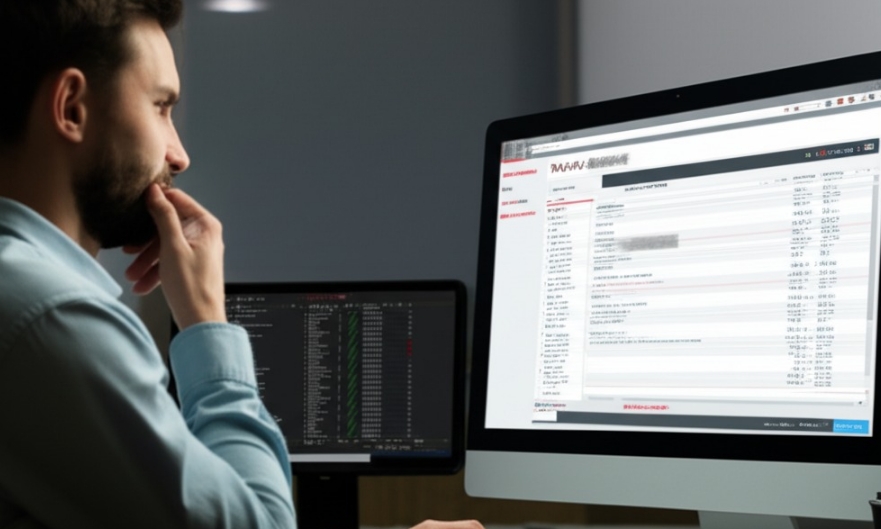
Photoshopped account screenshots
Don’t let pretty numbers fool you. Scammers love to use Photoshop and image editing tools to inflate account balances or tweak losses into wins. These fraudulent images often show wild profits with no context or proof. If you see screenshots with blurred usernames or zero transaction history—run. Real traders share full trading statements, not just cherry-picked wins.

Broker dashboards faked via scripts
Some shady folks use browser scripts to fake their trading dashboards—think of it like adding CGI to your bank app. These scripts manipulate the broker dashboard and trading platform visuals to show fake profits. You might see graphs spiking or balances ballooning, but it’s all smoke. “It’s like watching a magic show,” says fintech analyst Jordan Reyes. “The illusion’s real—until you ask for the code.”
“Verified” profits from demo accounts
Demo accounts can feel real, but they don’t trade real money. Scammers often showcase demo account performance as "verified" results. It’s just simulated trading with no real risk. Here's how to tell:
| Sign | Real Account | Demo Account |
|---|---|---|
| Risk | Actual capital | Virtual money |
| Spread | Live market-based | Often tighter, artificial |
| Slippage | Real-time execution | Typically none |
So next time someone flaunts massive gains, ask: Was that with real skin in the game?
How to choose a legitimate broker?
Picking a trustworthy MetaTrader 5 broker isn’t rocket science—but it does take a sharp eye and a few smart checks. Here’s your cheat sheet to dodge shady operations.
License and regulation checks
Before you trade a dime, make sure your broker is actually registered. Look for licensing from a real regulatory body—like the FCA (UK), ASIC (Australia), or CySEC (Europe). Unregulated platforms? Big red flag.
Authorized under a known jurisdiction
Shows up in the official registry of a licensing authority
Displays their legal status clearly
Offers protection under consumer protection laws
Review platforms you can trust
Not all review sites are created equal. Stick to ones that show verified user reviews and have transparent review policies—no cherry-picking.
Look for review aggregation sites like Trustpilot and Forex Peace Army
Focus on independent reviews, not affiliate fluff
Cross-check user feedback with a platform’s reputation and rating trends
“If all reviews sound like ads, they probably are,” says veteran trader Rachel Stein from FXAudit.
Support channels that respond
You can tell a lot about a broker by how they treat your questions. Test their support channels before signing up:
Do they offer live chat and phone support or just a shady web form?
What’s their average response time?
Is the support availability 24/7 or just business hours?
Fast answers today could save you from big headaches tomorrow.
Transparency in fees and spreads
Some brokers lure you in with low commissions, then hit you with hidden costs. Sneaky? Absolutely.
Check the full fee schedule:
Are spreads fixed or variable?
Do they disclose withdrawal fees, deposit fees, and execution costs?
Is the pricing structure easy to understand?
Make sure their fee transparency is legit—or you'll pay for it later.
Company age and history
If a broker just popped up last week, that’s not confidence-inspiring. Look for:
Documented operational history (at least 3+ years is a good sign)
Notable milestones or recognitions
A solid track record and company background
| Broker | Years in Business | Regulatory Body |
|---|---|---|
| FXPro | 18 | FCA (UK) |
| IC Markets | 16 | ASIC (AU) |
| XM | 15 | CySEC (EU) |
Red flags in sign-up bonuses
“Free bonus” offers might sound great—but they often hide traps. Always dig into:
Bonus terms and wagering requirements
Withdrawal conditions linked to the minimum deposit
Expiry timelines and bonus validity
Fine print with bonus abuse policy or promotional caveats
If the sign-up offer feels like a baited hook… it probably is.

Conclusion
Scammers don’t need to hack the system—they just need you to trust the wrong one. MetaTrader 5 is a sharp tool, but in the wrong hands, it’s a setup waiting to happen. Now you know the tricks—rotator scams, sketchy robots, fake wins—and how to shut them down.
As cybersecurity analyst Jake Moore puts it: “Fraudsters prey on hope, not logic.” And hope without homework is expensive.
Keep your eyes open, your trades small, and your broker legit. This game rewards the cautious, not the careless.
MetaTrader 5 is a robust trading platform widely used for forex, stocks, and futures trading. It allows users to analyze market trends, automate trades, and customize their experience with advanced tools.
Comprehensive charting tools
Advanced order types
Support for automated trading
Multi-market capabilities (forex, stocks, commodities)
Why it’s popular:
A Rotator scam tricks traders by switching their accounts between fake or manipulated accounts without their knowledge. The scammer makes the trader think their investments are growing, but it’s all staged.
Key point to watch:
Unexplained changes to your account balance.
Sudden performance fluctuations without clear reasons.
Automated trading robots are marketed as tools that will “guarantee” high profits with little risk. However, many are designed to fail or are based on manipulated results, convincing traders to invest in systems that don’t actually work.
Promises of consistent high returns
Lack of transparency about the strategy
No verifiable track record
Signs of a scam robot:
It’s often tough to know what’s real. But here's how you can spot a dodgy bot:
Check for reviews: Read feedback from other traders—fake bots usually don’t have any real reviews.
Test with demo accounts: Run the bot on a demo account. Scams often fail to perform in real-market conditions.
Ask for transparency: A real bot will provide details about its algorithm and past performance.
An Expert Advisor (EA) scam occurs when you’re sold a bot or automated system for MT5 that promises to execute trades on your behalf but either doesn't work or is rigged to drain your funds slowly.
Unrealistic profit claims
Lack of transparency about the developer or strategy
Promises of guaranteed profits
Signs of an EA scam:
Choosing a legitimate broker is crucial to avoid scams. Here’s how you can tell if a broker is trustworthy:
Check for regulatory licenses: Trusted brokers are registered with financial regulatory bodies.
Transparency in operations: A legitimate broker will clearly display fees, withdrawal conditions, and customer support info.
Look for user feedback: Reliable brokers will have positive reviews from experienced traders, not just “one-click” testimonials.
Yes, fake reviews are a common tactic to lure in new traders. Here’s how to protect yourself:
Look for consistent feedback: across multiple platforms.
Check the reviewer’s history: If they have no other activity on review sites, it’s a red flag.
Beware of overly positive reviews: Real reviews will mention both pros and cons.
Fake testimonials are often used by scammers to create a false sense of credibility. Here's what to look for:
Over-the-top language: “Guaranteed profits!” or “No risk, all reward!”
Repetitive phrases: If the same phrasing appears across multiple reviews, it’s likely manufactured.
Fake social media posts: Check if testimonials are linked to legitimate social media profiles or just generic accounts.
Trading results can be easily faked, so be cautious. Here’s what to look out for:
Photoshopped screenshots: Profits in unrealistic amounts with poor formatting.
Demo account performance: Often, scammers use demo accounts to simulate “live” results.
No consistent trading history: If you can’t see previous trades, that’s a huge red flag.