


Table of contents
Part 1 - Trading Hours and Time Blocks
Part 2 - Which Markets Suit Part-Time Traders Best?
Part 3 - Tools for Efficient Trading
Part 4 - How Do You Build a Part-Time Trading Routine?
Part 5 - Support and Resistance Setup
Part 6 - What Are the Risks for Part-Time Traders?
Juggling a 9-to-5 while trying to catch market moves feels like playing chess on a lunch break. How to Be a Part Time Trader: Tips on Workflow and Strategy is built for folks who want to trade smart—not just hard—without quitting their day jobs. You’ve got limited time, and you need a tight system that works when life’s on full speed.
Think of trading part-time like hitting the gym three days a week—you won't win bodybuilding medals, but done right, you’ll see real gains. “Consistency beats intensity,” as veteran trader Mark Douglas once said. It’s not about catching every move; it’s about catching the right ones.
This guide breaks it all down—timing your trades, picking markets that match your schedule, using tools that save you clicks, and building routines that stick. No fluff, no hype—just a clean plan for trading like a pro, part-time.
Trading Hours and Time Blocks
Part-time trading isn’t about squeezing trades into chaos—it’s about smart time blocks and strategic setups. Let’s break down how to make every minute count.
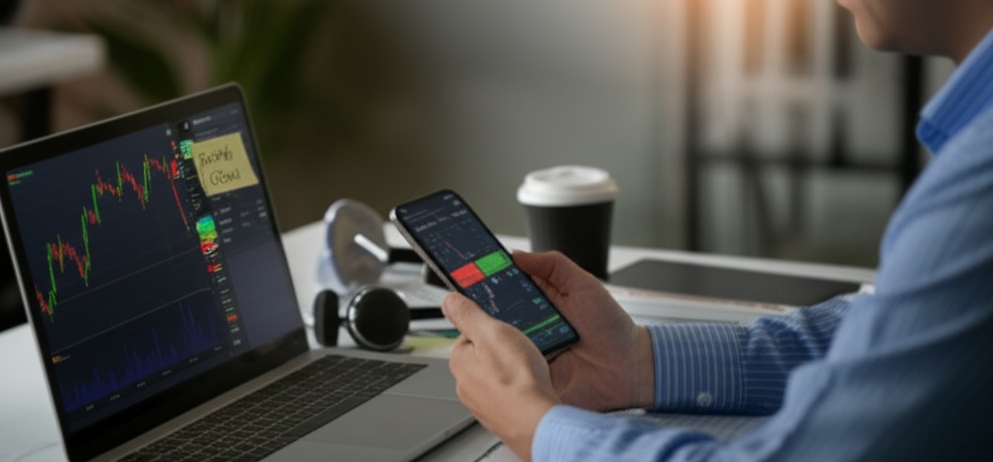
Best Timeframes for Busy Schedules
When juggling work, kids, or classes, not every trading style fits. For short bursts, scalping and day trading work well during high volatility periods (like the London or New York session open). But if you only have evenings, swing trading on the 4-hour or daily timeframe may be better.
Tip: Stick with 2–3 high-probability timeframes and align them with your daily routine.
| Trading Style | Timeframe | Ideal Hours (EST) |
|---|---|---|
| Scalping | 1m–15m | 9:30 AM – 11:00 AM |
| Swing Trading | 4H–1D | 6:00 PM – 8:00 PM |
| Position Trading | Daily–Weekly | Weekend planning |
Trading the Open vs. the Close
Trading the market open (like the NYSE bell or London session) is like jumping into rush hour: it’s fast, wild, and packed with momentum. Great for quick entries, but risky. On the flip side, the market close can offer cleaner price action, ideal for exit points or end-of-day analysis.
“The open is noise, the close is truth.” – Paul Tudor Jones
Managing Trades During Work Breaks
Not everyone can stare at charts all day, and that’s okay. Use alerts, mobile apps, and pre-set orders to stay on top of trades. On your lunch break, check how price is reacting to your stop-loss or take-profit zones.
Use trading platforms like MetaTrader or TradingView mobile.
Automate entries/exits with limit orders.
Keep things discreet if you're in a shared office—your boss doesn’t care about EUR/USD volatility!
Weekend Prep for Weekday Traders
Sundays aren’t just for laundry—they’re gold for planning. Review economic calendars, draw up watchlists, and reassess your risk exposure. Prepping ahead cuts weekday stress and boosts focus.
Analyze last week’s chart behavior.
Check for high-impact news (FOMC, NFP, ECB speeches).
Set realistic goals and review your strategy.
Weekend prep is what separates the “winging it” crowd from those growing their accounts with intention.
Which Markets Suit Part-Time Traders Best
“I used to rush trades on my lunch break—until I realized not all markets run on my schedule,” laughed Terry Chan, a part-time trader with six years of experience juggling a day job and trading screens. “Now I focus on high liquidity markets like forex and ETFs that actually fit into my lifestyle.”
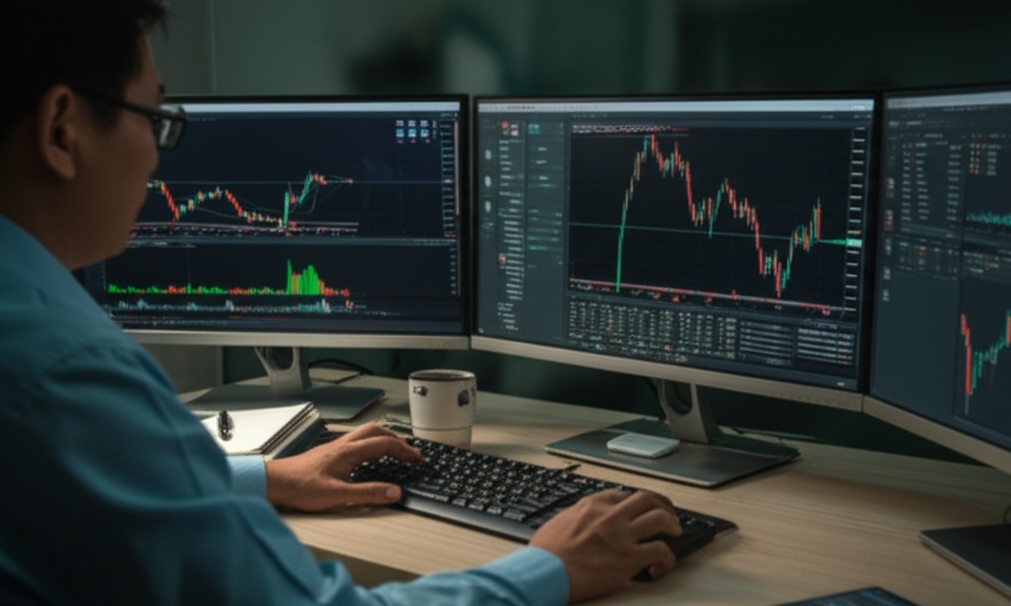
What Matters Most for Part-Timers
For traders who are short on time, market selection should revolve around:
High liquidity – Forex and major stocks like S&P 500 ETFs offer quick entries and exits.
Low volatility periods – Timing matters. Futures and commodities can be wild at the wrong hour.
Accessibility – Crypto markets run 24/7, which suits those who trade after work hours.
In a 2024 interview with Investing Weekly, options strategist Sarah Belmont emphasized, “Part-timers must trade where spreads are tight and tools like automated trading systems can do the heavy lifting.”
Market Types for Different Goals
Forex & ETFs: Best for low-cost, high-access setups.
Cryptocurrencies: Offers flexibility, but demands strict risk controls.
Options & Futures: High potential, but often time-sensitive.
Commodities: Great for swing trades with clear trends.
Authority-backed platforms like Equiti and CME Group suggest traders analyze their personal routines before picking a market. A mismatched market can quickly turn an opportunity into burnout.
“Your time is your capital too,” Terry added. “Choose a market that respects it.”
Tools for Efficient Trading
You don’t need a fancy setup to trade part-time—you need the right tools.
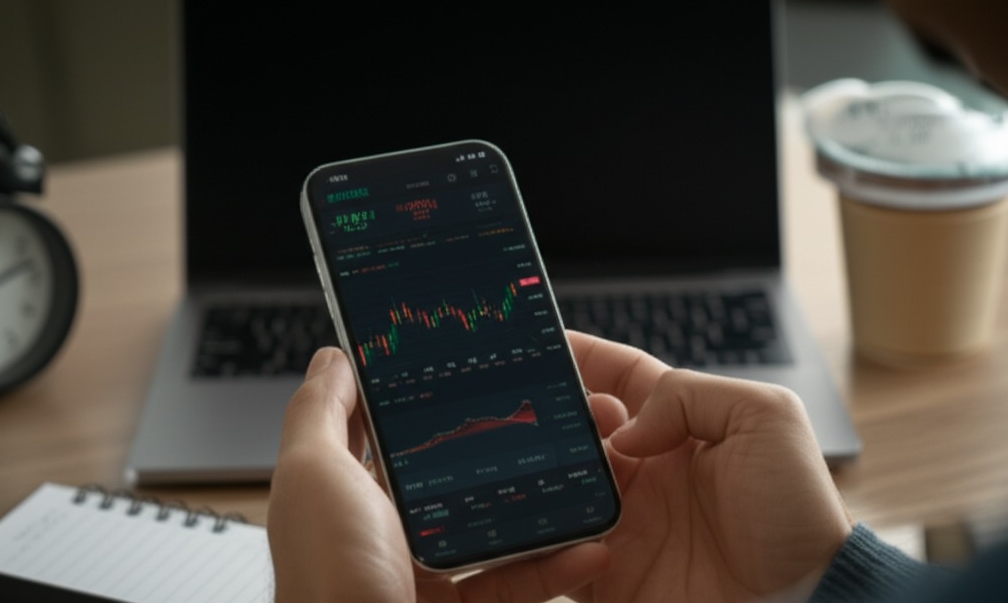
Mobile Trading App Essentials
Not all mobile trading apps are created equal. For part-time traders, a clean user interface, solid real-time data, and fast order execution are deal-breakers. Look for platforms that support portfolio management, customizable watchlists, and instant alerts.
"Mobile-first trading isn’t just convenient—it’s becoming essential," says David Keller, CMT. "Speed, stability, and usability win the game."
Pro tip: Check app reviews for reliability during peak market hours—because you don’t want your app freezing when your stock is pumping.
Short-Term Charting Tools Overview
TradingView – A top pick with sleek technical analysis tools, intuitive candlestick patterns, and robust indicator libraries like MACD and RSI.
Thinkorswim (TD Ameritrade) – Pro-level charting with multi-timeframe setups and support/resistance visuals.
TrendSpider – Ideal for automating trend lines, tracking moving averages, and smart backtesting.
If you’re squeezing trades into coffee breaks, prioritize tools that highlight price action clearly and offer saved templates for repeat setups.
Calendar Alerts and News Feeds
Traders with tight schedules can’t afford to miss a central bank announcement or earnings report. Plug into:
Economic calendars with real-time push notifications
News feeds filtered by asset class
Sentiment analysis on key geopolitical news
| Tool Name | Alert Type | Update Frequency |
|---|---|---|
| ForexFactory | Economic indicators | Every hour |
| Benzinga Pro | Breaking news | Real-time |
| Investing.com | Earnings calendar | Pre- and post-market |
Use volatility triggers to plan trade entries or avoid high-risk windows. Timing matters, especially when your screen time is limited.
How Do You Build a Part-Time Trading Routine
A solid trading routine keeps your strategy sharp, your mind clear, and your trades intentional—even when life’s pulling you in five different directions.
Morning Trading Routines That Work
A winning morning routine doesn’t start with a trade—it starts with preparation. Before the opening bell, part-time traders should:
Scan for gappers and news catalysts
Mark key support/resistance zones
Set risk parameters and stick to them
Combine your daily plan with market analysis and trade execution discipline for consistent performance. One habit, repeated daily, can outpace a complicated strategy.
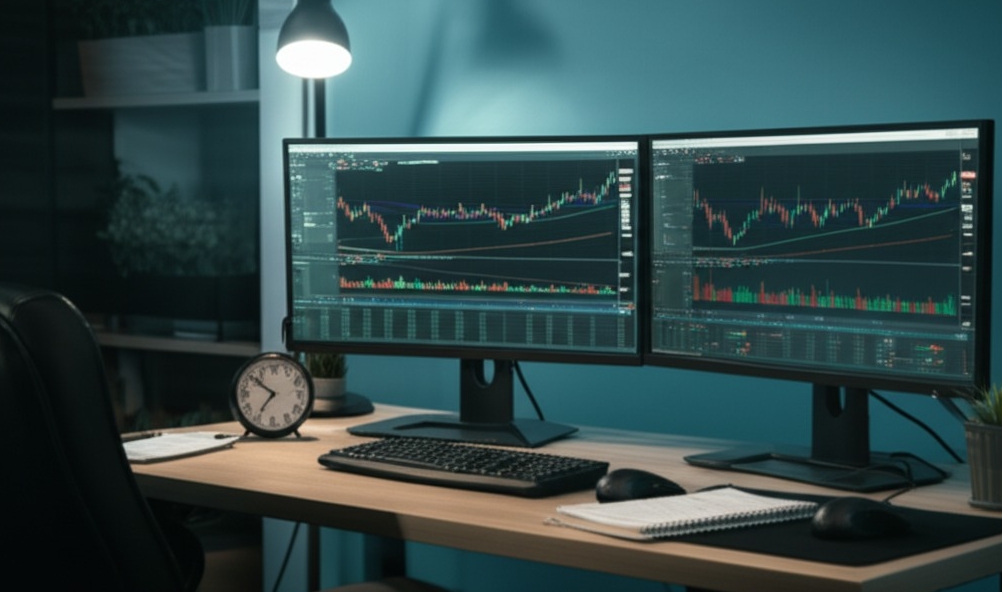
Night Owl Trading Setup
Trading after dark? Welcome to the night owl club. Between global markets and after-hours action, your trading environment matters more than you think.
Create a distraction-free zone (good lighting, dual screens if possible)
Set up alerts and use automated trading tools
Keep your focus tight—use timers to stay sharp
Sleep matters, too. Don’t sacrifice long-term mental clarity for one extra trade. Build a night trading setup that’s sustainable.
Using Templates for Daily Planning
Planning templates are a part-time trader’s secret weapon. With just a few clicks, you can line up your trading schedule like a boss:
| Template Type | Purpose | Time Saved (Est.) |
|---|---|---|
| Trade Checklist | Pre-market preparation | 10–15 mins |
| Risk Log | Tracking stop-loss setups | 5–10 mins |
| Daily Planner | Prioritize focus areas | 15+ mins |
Micro-Journaling Trades in Minutes
Not every trade needs a novel. Micro-journaling means recording just enough to learn and move forward.
What was the setup?
What was the outcome?
How did you feel about the trade?
Keeping this quick log lets you spot patterns and improve your trading psychology. As one trader put it, “My journal taught me more than YouTube ever did.”
Balancing Screen Time and Life
When you’re squeezing trades between meetings, it’s easy to go overboard. Use these strategies to stay human while staying profitable:
Schedule breaks (yes, actually)
Use screen time tracking apps
Replace doom-scrolling with walks or eye exercises
Mental health is part of your trading edge. No one crushes the markets on burnout.
Support and Resistance Setup
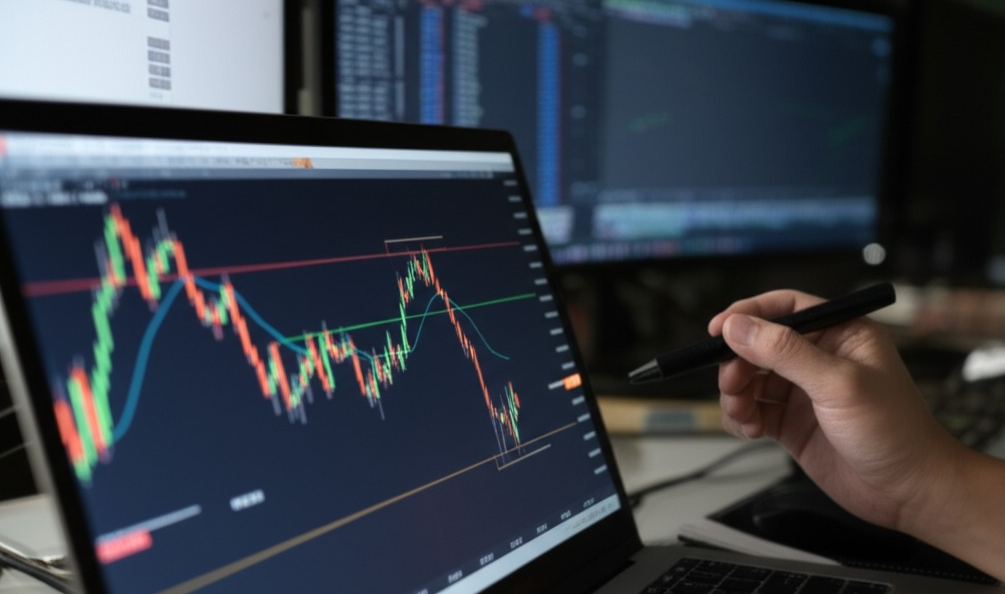
Get your price game tight—support and resistance are the road signs of the market. Here’s how to use them like a pro.
Identifying Key Daily Price Levels
Markets talk—you just have to listen to their highs, lows, and opens. Daily price levels give you the backbone of any serious trading setup.
Support and resistance zones often form around previous daily highs, lows, and closes.
Pivot points act like market magnets, especially in volatile sessions.
Mark levels on your chart and see how price respects or rejects them.
Pro tip: Pre-market gaps can reset your key levels—always recheck before market open.
Using S&R with Candlestick Patterns
Support and resistance are the stage, but candlestick patterns? They’re the actors. When they perform at the right spots, you get a front-row seat to market reversals.
Spot a clear resistance level—then wait for a bearish engulfing or evening star to confirm your short setup.
On support zones, look for hammer or morning star patterns to flag a potential bounce.
Bullish continuation? Match rising candles with pullbacks that bounce cleanly off support.
Use these combos to tighten your entry points and ditch random guessing.
“Charts don't lie, but they do whisper. S&R tells you where to listen.” — Linda Raschke, trader and author
What Are the Risks for Part-Time Traders
Risk doesn’t take breaks—even if you do. Part-time traders face unique threats most full-timers can dodge. Let’s break down what can wreck your trades fast.
Risk of Holding Overnight Positions
Overnight risk creeps in when markets close and your position’s exposed. Price gaps between market close and open can wreck an otherwise solid trade.
Gap risk is highest during earnings seasons, news releases, and geopolitical uncertainty.
Use stop-loss orders and reduce overnight exposure on volatile assets like small-cap stocks or crypto.
Consider extended hours trading only with high-liquidity securities.
Missing Exit Signals While at Work
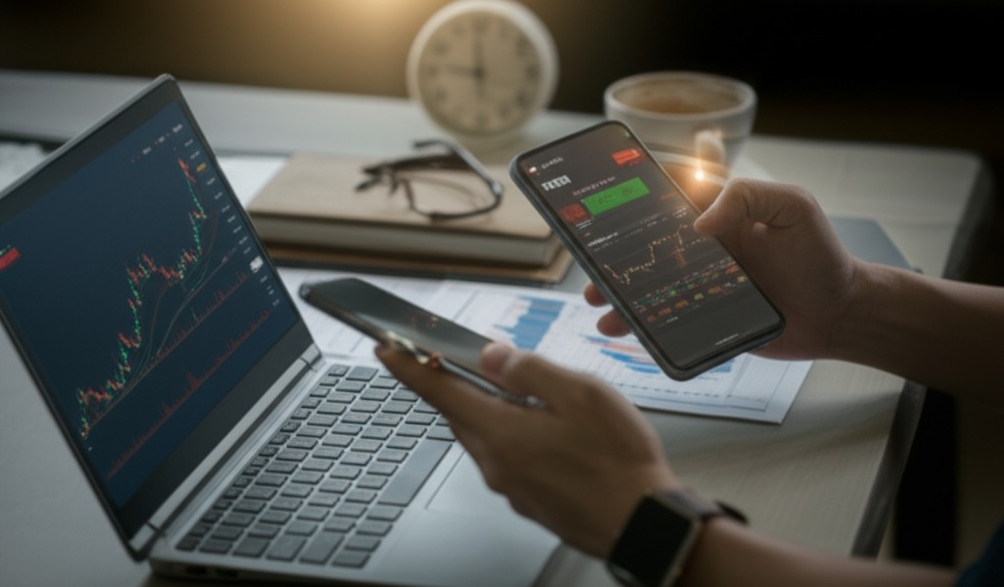
When your 2 p.m. meeting drags on, your stop-loss won’t wait. Exit strategy gets shaky when work distraction overrides trade management.
Set automated trading alerts via your mobile trading app.
Place smart take-profit and stop-loss orders in advance.
Use conditional orders to lock exits, even if your phone’s off.
Missed signals = missed money. And no, your boss won’t refund your loss.
Emotional Trading from FOMO
FOMO makes smart traders do dumb things. One tweet from a billionaire, and boom—you’re in a trade you never planned.
Watch out for emotional bias and impulsive trading.
Stick to your trading psychology checklist, especially during market hype.
“Discipline in trading is like brakes in a car—it lets you go faster without crashing,” says Brett Steenbarger, performance coach.
Don't let cognitive bias turn your account into confetti.
Overleveraging in Small Accounts
Using big leverage on small capital is like racing a Ferrari with no brakes—it’s thrilling… until it’s totaled.
Keep position sizing realistic to avoid margin calls.
Avoid excessive leverage—even if your broker offers 50:1.
Know your risk of ruin formula (below) before cranking up the leverage:
| Account Size | Leverage Used | Risk of Ruin (%) |
|---|---|---|
| $1,000 | 10:1 | 32% |
| $2,000 | 20:1 | 47% |
| $5,000 | 50:1 | 69% |
Stick to capital management over hype.
Platform Outages During Key Hours
Market’s spiking… and your screen freezes. Welcome to platform downtime, a trader’s worst nightmare.
Have an emergency backup plan (e.g., broker’s phone line).
Avoid low-tier platforms prone to technical issues.
Schedule trades outside high-risk connectivity problems times (like open bell).
Even pros hedge tech—so should you.
Trading With Incomplete Information
Trading blind is like betting on a race you didn’t watch. Without solid data, your market analysis falls apart.
Don’t rely solely on headlines—dig into fundamental analysis and technical analysis.
Build habits for informed trading, not speculative trading.
Use tools to filter news impact by asset class.
Incomplete data = complete disaster. Build your edge with better data sources.
Top Mistakes to Avoid in Limited-Time Trading
Even with solid setups, part-time traders can fall into traps that sabotage their results. Here's what to watch out for before it costs you.

Overtrading Small Time Windows
Trying to scalp your way to glory in 20-minute windows? That’s a fast track to burnout. Overtrading in short bursts often means getting caught in market noise and paying way too much in transaction costs. Day trading and high-frequency styles need laser focus, not lunch break guessing games.
Short-term trading ≠ better trading.
Small profits can be erased by spread and slippage.
Risk management flies out the window when rapid execution becomes the goal.
Pro tip: Fewer quality trades beat excessive trades every time.
Chasing News Without a Plan
Jumping in on every flashy headline without a strategy? That’s just speculation dressed as trading. News events like earnings reports or economic data can spark big market reactions, but they also cause emotional trading and whiplash moves.
Always wait for confirmation after news drops.
Have a trading plan grounded in fundamental analysis.
Know your risk before hitting “buy” on an impulse.
As Warren Buffett says, “The stock market is a device for transferring money from the impatient to the patient.”
Ignoring Risk Just to Catch Moves
You spot a juicy breakout forming, your FOMO kicks in, and suddenly you're all-in… with no stop-loss. That's a no-go. Even one bad trade with no guardrails can crush your account. Prioritize capital preservation over flashy wins.
Use proper position sizing every single time.
Set stop-loss orders before dreaming about profits.
Know your risk tolerance—greed and volatility are a deadly mix.
| Metric | Ideal Range | Danger Zone |
|---|---|---|
| Max Drawdown | < 15% | > 25% |
| Leverage Ratio | 1x – 3x | 5x or higher |
| Portfolio Exposure | < 50% capital | > 75% capital |
Don’t let the thrill of the move blind you to the danger behind it.

Can Part-Time Trading Become Full-Time Income
"Most people do not start trading to stay part-time forever," said veteran trader and educator Charles Moon in a 2023 interview with Benzinga Pro Live. "They start small, build capital, and scale only when their system proves sustainable." This chapter explores how that transition plays out in real life.
Part-time trading offers flexibility, but reaching full-time income requires more than occasional wins. Traders aiming for a career shift must develop systems that generate scalable profits, not just side cash.
From community feedback on trading forums like r/Forex and Trade2Win, those who transitioned successfully report hitting these checkpoints:
Consistent monthly profitability for at least 12–18 months
Solid capital growth with controlled drawdowns
A trading routine that does not rely on lucky setups or alerts
Financial goals aligned with realistic income potential
Experts like Steve Burns of NewTraderU stress the importance of sustainability. "If your strategy only works during high volatility or when you have hours to watch charts, it will not carry you into full-time."
Before going full-time, traders often test their system in live conditions with increased size—treating it like a business. They also build a cushion of 6–12 months of living expenses, just in case performance dips.
The transition is possible. It is happening. But only for those who treat part-time trading as a serious path, not a side hustle gamble.
Conclusion
Trading part-time can feel like juggling a full plate while trying to sneak in a bite. But with the right routine, a solid game plan, and the right tools, it’s totally doable. It’s about working smarter, not harder.
Sure, there are risks—missed opportunities, emotional slip-ups—but sticking to a strategy makes those bumps manageable.
So, are you in? Build your rhythm, stay consistent, and let trading become a part of your life, not a stressor. The market’s there. Take your shot!
If you're in the U.S., the first hour after market open (9:30–10:30 AM EST) is usually the most active—and arguably the best window for part-time traders. It’s fast-moving, with enough volume to catch clean setups before work calls start piling up.
Nope, but you do need one that’s fast, mobile-friendly, and reliable. Look for platforms that support:
Real-time charting with alerts
Mobile execution with minimal lag
Built-in watchlists and pre-market scanning
Access to news and earnings calendars
Absolutely. Swing trading is one of the best fits for part-timers since you don’t have to watch the screen all day. Trades typically last 2–5 days, giving you time to analyze setups after hours and manage them on your schedule.
Here’s where things can get tricky—limited time means you might:
Miss entry or exit signals during work hours
Overreact to late news or market spikes
Hold risky overnight positions without stops
Skip journaling or review due to time pressure
That depends on your lifestyle and sleep schedule. Forex is open 24 hours, which is great if you want to trade late or early. But it's also more volatile and leverage-heavy. Stocks offer structure and are more beginner-friendly—but only during market hours.
You don’t need a Bloomberg terminal, just a few basics:
Clean charting platform (like TradingView)
Pre-set price alerts
Access to daily support/resistance levels
A solid understanding of candlestick signals
Start small—enough that a loss won’t keep you up at night. Some platforms let you begin with as little as $100, but realistically, you’ll want:
Most importantly, don’t trade what you can’t afford to lose.
Around $500–$1,000 for paper trading & learning
$2,000–$5,000 for U.S. swing trades
$25,000+ if you plan to day trade U.S. stocks regularly (PDT rule)