


Table of contents
Part 1 - Forex Trading Basics Explained
Part 2 - How Do You Calculate Profits and Losses in Currency Trades?
Part 3 - Forex Trading Costs That Cut Into Profits
Part 4 - What Affects Your Currency Trade Results the Most?
Part 5 - Profit and Loss Tracking Tools for Forex Trading
Part 6 - Can Leverage Increase Both Profits and Losses in Forex?
Diving into Forex can feel like riding a rollercoaster blindfolded—exciting, fast, and a little scary. “Calculating Profits and Losses of Your Currency Trades” isn’t just a fancy skill; it’s the seatbelt that keeps you safe. If you don’t know exactly how your money moves, you’re not trading—you’re guessing.
Think of each trade like flipping a coin, except the house takes a cut every time. Hidden fees, wild price swings, and leverage can all flip your profit into a loss in seconds. “Most traders lose money not because they’re wrong—but because they miscalculate risk,” says Kathy Lien, a veteran in the forex game.
This guide breaks it all down without the fluff—how to spot costs, track your gains, and avoid rookie traps. You’ll walk away knowing what’s eating your profits—and how to stop the bleed.
1.Forex Trading Basics Explained
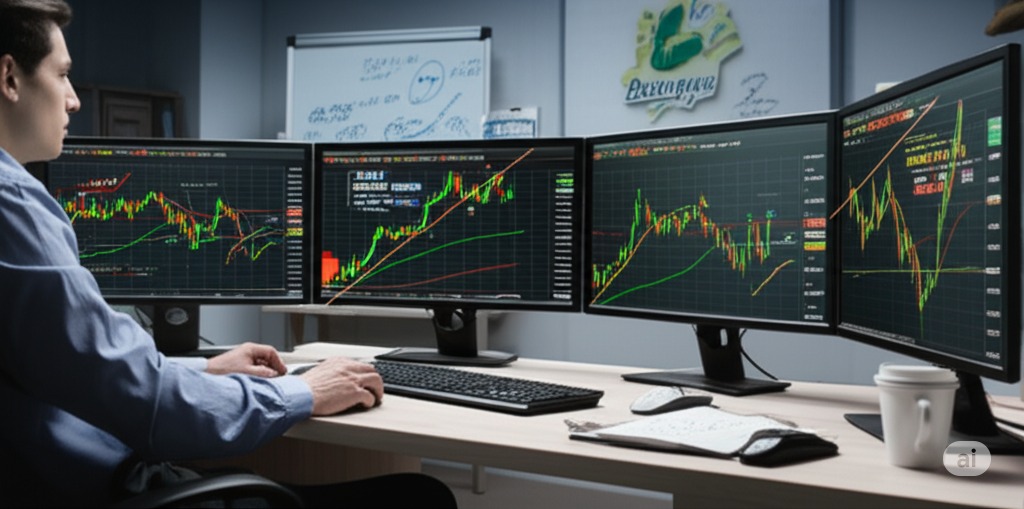
Forex trading, often referred to as foreign exchange or FX trading, is the process of exchanging one currency for another with the aim of making a profit. The market operates 24 hours a day across major financial centers worldwide, making it dynamic and highly liquid.
During a recent roundtable hosted by Global FX Insights, veteran trader Louis McGregor shared, “The heart of forex lies in understanding how currency pairs move. Most newcomers skip over basics like the bid and ask price or spread, and then wonder why trades go sideways.”
Key terms every trader must know:
Currency Pairs: Always traded in pairs such as EUR/USD, reflecting the value of one currency against another.
Bid and Ask Price: The bid is what buyers are willing to pay. The ask is what sellers expect.
Spread: The difference between the bid and ask price. That tiny gap? It is where brokers profit.
Pips: Smallest unit of price movement. A single pip can make or break short-term profits.
Leverage: Amplifies potential gains—and losses. In some jurisdictions, leverage can reach up to 500:1.
Margin: The collateral needed to open a trade, acting like a security deposit.
Lots: Standardized trade sizes. One standard lot equals 100,000 units of currency.
Trading Sessions: Tokyo, London, New York—each with its own rhythm and volatility.
Order Types: Market orders, stop orders, limit orders—each used for different strategies.
Professional traders and educators from Babypips.com, a globally recognized forex education hub, often stress mastering these core terms before attempting live trading. Awards from Investopedia and recommendations by TradingView communities reinforce its credibility.
A student trader from Chicago once remarked in a forum, “I blew half my demo account before even realizing how margin and pip value worked. Understanding these terms is not optional—it is essential.”
Get the basics right. That is how professionals survive, and amateurs transform.
2.How Do You Calculate Profits and Losses in Currency Trades?
Pip value in trade results
The pip is the smallest price point a currency pair can move. In most pairs, it's the fourth decimal. Pip value tells you how much money a pip movement equals in your account, depending on your lot size and the currency pair you're trading.
| Currency Pair | Pip Value (Standard Lot) | Pip Value (Mini Lot) |
|---|---|---|
| EUR/USD | $10 | $1 |
| GBP/JPY | ¥1000 | ¥100 |
| USD/CHF | $10.25 | $1.025 |
A proper pip value calculation ensures accurate profit and loss tracking on each trade.
Using lot size in calculations
Lot size defines the trade volume. It's like ordering coffee: small, medium, large — or in Forex terms: micro, mini, and standard lots.
If you trade a standard lot (100,000 units), each pip movement can equal $10 in a typical pair like EUR/USD.
Bigger lot = bigger exposure = bigger potential profit or loss.
Be cautious — pairing a big lot size with high leverage can wipe out your margin fast.
Currency pair movements and profits
Every currency pair behaves differently, especially during high volatility. A 50-pip movement in GBP/USD isn't the same as 50 pips in USD/JPY — not in risk or reward.
Identify the trend direction on the chart.
Measure recent price movements to estimate expected gain/loss.
Analyze the pair’s market behavior (volatility, spikes).
"Understanding price action in relation to your position size is the difference between calculated trading and gambling," says Anton V., FX Strategist at BlueSignal Markets.
Example breakdown of a trade
Let’s break down a sample trade on EUR/USD:
Entry: 1.1000
Exit: 1.1050
Pip Difference: 50 pips
Lot Size: Standard (100,000 units)
Pip Value: $10
Profit = 50 pips × $10 = $500
Now, imagine you had no stop loss. If the market dropped 50 pips instead, you'd be down $500. That’s why strategy matters.
3.Forex Trading Costs That Cut Into Profits
Spreads and broker commissions
Every time you click "buy" or "sell" in forex, you're paying a fee—whether you notice it or not. The most common cost? The spread—the difference between the bid price (what buyers are willing to pay) and the ask price (what sellers want). That gap is your first hurdle to profitability.
Then there are broker commissions, which vary based on account type. Some brokers offer zero commission but inflate spreads (called a markup), while others give tighter spreads but charge a fixed fee per lot. Depending on your broker's model—ECN, STP, or market maker—your total trading cost can swing quite a bit.
Here’s a simplified breakdown:
| Broker Type | Spread (EUR/USD) | Commission (Per Lot) | Total Cost (Est.) |
|---|---|---|---|
| Market Maker | 1.5 pips | $0 | ~$15 |
| ECN | 0.2 pips | $6 | ~$8 |
| STP | 1.0 pips | $0–$3 | ~$10–$13 |
Pro tip: Some brokers offer rebates or discounts based on your trading volume. More trades = lower average cost per trade. Watch for hidden markups in execution too.
Swap and overnight holding fees
Here’s the thing: if you’re holding forex positions overnight, your broker might charge a swap fee—basically an interest rate adjustment depending on the currencies involved. This rollover can be either a cost or a small gain, depending on whether you're long or short, and which direction the interest rate differential is leaning.
If you're trading with leverage, these small charges can pile up fast. Most brokers apply swap rates at 5:00 p.m. EST, and they even charge triple swaps on Wednesdays to account for the weekend.
Imagine this: You're holding a USD/JPY long position with 50:1 leverage. The pair has a -0.75 swap rate. Leave that open for two weeks, and your small gain could disappear under financing costs before you can say "margin call."
Swap fees apply not just in Forex, but also in CFDs and futures trading, depending on the instrument.
"Swap fees can be the slow poison in a trader’s P&L—ignored too long, they become deadly."
— Karen Miles, Senior Analyst at FX Insight Weekly
So if you’re a swing trader or position holder, keep a close eye on swap rates—and check if your broker offers a swap-free account. It could save your strategy.
4.What Affects Your Currency Trade Results the Most?
Economic news and volatility
Economic news is like caffeine for the forex market—jolting, intense, and occasionally unpredictable. Reports like GDP, inflation rates, central bank decisions, or unemployment claims can shake up markets in seconds. Even a whisper about interest rate changes can cause currencies to spike or crash.
News doesn’t just inform—it moves the market. Smart traders track economic calendars religiously. Why? Because when the Federal Reserve or European Central Bank makes a move, the whole world listens, and forex prices often swing dramatically.
“It’s not just the news—it’s the surprise. The market reacts most when the actual numbers deviate from expectations.” — Rachel Kent, Senior Market Analyst, ForexScope
Here's how different news types tend to affect market volatility:
| Economic Event | Likely Market Reaction | Avg. VIX Movement |
|---|---|---|
| Central Bank Meetings | Strong | +3.1 |
| Nonfarm Payrolls (NFP) | Very Strong | +3.5 |
| Inflation Reports | Moderate | +2.4 |
| Earnings Reports | Low–Moderate | +1.8 |
Pro Tip: Use tools like the VIX index to gauge overall market sentiment before high-impact announcements.
Timing and market session impact
Not all trading hours are created equal. Forex operates 24/5, but the market behaves very differently depending on which session you’re trading in.
The London session is known for high volume and major currency pair moves. When New York overlaps London, it’s the most volatile and liquid window of the day—perfect for scalping or breakout strategies. On the flip side, the Tokyo session is slower, often moving in tight ranges.
Think of it like this:
London open = Big swings and tight spreads
New York close = Reduced volume, wider spreads
After-hours = Risky price gaps and unpredictable slippage
Also, keep time zones in mind—trading from the U.S. during the Asian session? Be ready for slower action and limited setups.
Technical patterns and price trends
Here’s where the charts come alive. Forex traders often rely on technical analysis to identify patterns that hint at what prices might do next. Whether it’s spotting support and resistance levels, using moving averages, or recognizing candlestick patterns, this stuff matters.
Let’s break down a basic setup:
Price touches a long-term support line
A bullish engulfing candlestick appears
A breakout above resistance confirms the uptrend
Suddenly, you've got a high-probability trade.
Popular tools include:
Moving averages (MA50, MA200) for trend direction
Trend lines to catch channels or wedges
RSI and MACD for momentum confirmation
Price action to refine entry and exits
Knowing how to read patterns isn’t just helpful—it’s a survival skill. As the pros say: “Trade the trend, but respect the reversal.”
5.Profit and Loss Tracking Tools for Forex Trading
MT4/MT5 reporting functions
MT4 and MT5, developed by MetaTrader, are powerhouse platforms for currency trading, and their built-in reporting tools are invaluable. Traders can pull up detailed records of every closed trade, deposit, withdrawal, and even see running performance stats directly from the terminal.
You can create custom time range reports, compare strategies, and export files for deep analysis.
Here’s how most traders use it:
Open the “Account History” tab in your MT4 or MT5 terminal.
Right-click inside the window and choose “Save as Detailed Report.”
Reports show trade entries, exits, pip gains, swap fees, and overall balance.
Analyze win/loss ratios, average profit per trade, and total drawdowns.
Everyday tip: If you ever thought “Dang, where did all my cash go?”, just pull up your latest report. It’ll spill all the tea.
Online profit calculators
Online profit calculators are perfect for traders who don’t want to crunch numbers manually. These tools help you figure out if a trade is worth it—before you place it.
They work by calculating your potential profit, loss, required margin, and more using inputs like lot size, currency pair, entry/exit price, and leverage. Whether you're planning a EUR/USD trade or testing different scenarios, these calculators give you a fast, clear view of what to expect.
| Calculator Type | Required Inputs | Gives You |
|---|---|---|
| Profit Calculator | Entry price, exit price, trade size | Total profit or loss |
| Margin Calculator | Lot size, leverage, currency pair | Required margin to open trade |
| Pip Value Calculator | Pair, lot size, account currency | Value of one pip in account terms |
Quote from FX analyst Dana Reynolds:
“Profit calculators don’t just save time — they save accounts. Use them before every trade, not after you’re already sweating it.”
6.Can Leverage Increase Both Profits and Losses in Forex?
Understanding leverage ratios
Leverage allows traders to control large positions with relatively small capital, but it also increases exposure to both potential gains and risks. To manage that, traders must understand key financial leverage metrics. These include the Debt-to-Equity ratio, Equity Multiplier, and Asset Leverage, all of which measure how much borrowed capital is used relative to equity.
Financial ratios help assess solvency and profitability on your balance sheet and income statement. They are critical in risk assessment and determining the sustainability of your capital structure.
Here’s a useful comparison:
| Leverage Metric | What It Measures | Why It Matters in Forex |
|---|---|---|
| Debt-to-Equity Ratio | Debt used vs. equity | High ratio means higher risk |
| Equity Multiplier | Assets per unit of equity | Gauges financial leverage |
| Asset Turnover | Efficiency in using assets | Less about leverage, more about productivity |
Understanding these metrics arms you with the knowledge to make smarter, more calculated trades.
Risk of margin calls
A margin call is every trader’s worst nightmare. It happens when the account equity dips below the maintenance margin required by your brokerage. Suddenly, you're forced to add more funds—or lose your position.
Let’s put it plainly:
Your margin account is like borrowing chips at a casino. You can play big, but if your bets go south, you’ll get a tap on the shoulder asking you to settle up.
Here’s how margin calls typically unfold:
You enter a trade with high leverage.
Market volatility kicks in, causing a sharp price drop.
Your trading risk isn’t well managed.
Your brokerage issues a forced liquidation or a warning.
“The market doesn’t care about your feelings,” says veteran trader Josh Bennett, “If you’re over-leveraged, even a 1% swing can kill your account.”
Use risk management tools, set stop losses, and respect your margin boundaries—because the market won’t.
Safe leverage levels for beginners
For beginner traders, choosing the right leverage level is crucial. Jumping into 50:1 or 100:1 leverage may seem exciting, but it's often a fast track to blowing up your account.
Here’s a conservative, beginner-friendly approach:
Start small: 2:1 or 5:1 is ideal for learning.
Tie leverage to capital size: Don’t use high leverage unless you have a buffer.
Focus on education and strategy, not just quick gains.
Use tight position sizing to keep losses manageable.
Think of risk control as a survival tool. A trader with low leverage and a solid trading strategy can grow slowly but steadily.
Real talk: There’s no shame in being cautious. The smartest traders in the room are often the ones who stay in the game longest—not the ones with the flashiest profits.
7.Strategies to Improve Your Currency Trade Profits
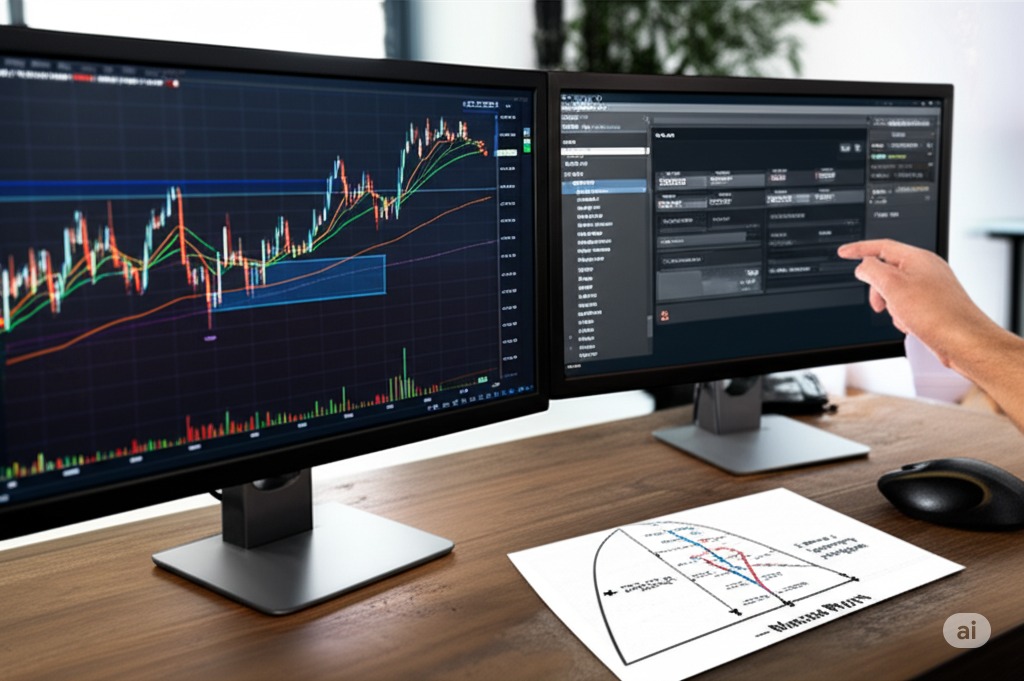
Stop loss and take profit rules
Effective stop loss and take profit rules can mean the difference between surviving a losing streak and blowing your account. A solid exit strategy isn't just a safety net—it's the backbone of risk management.
Use limit orders and trailing stops to lock in gains without constant monitoring.
Define profit targets based on real price levels, not hope.
Always measure trades using a consistent risk-reward ratio.
Integrate stop loss settings into your overall trading plan, not as an afterthought.
"Without a disciplined exit, a good entry is just a guess." — Marcus Ryan, Forex Coach, FXEdge Institute
Position sizing and capital control
Here’s the deal—if you're risking 20% of your account per trade, you’re not trading; you’re gambling. Smart capital allocation and position sizing keep you in the game long-term.
Calculate risk per trade using a percentage of your account balance (usually 1–2%).
Factor in leverage and margin so you're not overexposed.
Match trade size to volatility—bigger swings mean smaller positions.
Use diversification and portfolio management to avoid heavy drawdowns.
| Metric | Recommended Value | Notes |
|---|---|---|
| Risk per trade (%) | 1%–2% | Based on total account balance |
| Max drawdown limit | 10%–15% | Signals time to reassess strategy |
| Trade size factor | Varies | Adjusted by volatility & leverage |
Pro tip: Stay cool. Control your cash, or the market will do it for you.
Conclusion
You’ve just walked through the real guts of Forex trading—what makes you money, what drains it, and how to keep the odds in your favor. It's like driving a fast car; the thrill’s in the control, not the speed. Knowing your profits and losses isn’t just smart—it’s survival.
As Warren Buffett once said, “Risk comes from not knowing what you're doing.” Now, you do. Keep your eyes on the numbers, not the noise.
The most common reason is poor risk management. Many traders enter currency trades without stop-loss orders or over-leverage their positions, leading to rapid losses when the market turns against them.
Forex trading platforms like MetaTrader with built-in P&L tracking
Online profit calculators tailored to currency pairs and lot sizes
Manual logging in spreadsheets with entry/exit points
Realized profits are gains you've locked in by closing a trade.
Unrealized profits are gains that exist only on open trades and can still change depending on market movement.
Yes, in most countries, profits from forex trading are considered taxable income. The tax treatment may vary depending on whether you're classified as an individual investor or a business entity. Always consult with a tax advisor familiar with forex regulations in your region.
Yes, you can estimate potential losses using live price feeds and trading calculators. Most platforms display floating (unrealized) P&L in real time so you can decide whether to hold or exit a position early.
These pairs tend to move more, offering greater profit potential for experienced traders with solid strategies.
Major pairs like EUR/USD, GBP/USD, and USD/JPY
High-volatility pairs such as GBP/JPY
Exotic pairs (e.g. USD/ZAR) — higher potential but much riskier