


Table of contents
Forex is like a magnet these days — every second person dreams of making fast money sitting at home. But hold your horses! "Punishment for Forex Trading in India" is no joke. If you jump into trading through illegal apps or brokers, you could end up with heavy fines or even jail time.
As RBI clearly states, "Only authorized dealers and platforms are permitted for Forex transactions in India." Trading without knowing the rules is like walking blindfolded on a busy highway — sooner or later, a crash is bound to happen.
This article will quickly break down the rules, explain the punishments you can face, and show you how to stay on the right side of the law. Better to be safe than sorry, right?

Is Forex Trading Legal in India?
Current Legal Status of Forex Trading
Forex trading’s legality in India is all about sticking to the regulations laid down by the government. While financial markets thrive globally on currency exchange and international trade, Indian laws draw a pretty thick line around what’s allowed.
In India, government oversight is strong, and licensing is mandatory. Only forex transactions involving Indian Rupees (INR) paired with major currencies (like USD, EUR, GBP, JPY) through authorized dealers are considered legal. The legal framework also varies slightly across different jurisdictions, so being aware of compliance requirements is a must.
Forex Trading Bans and Exceptions
Bans: Trading with international forex brokers not registered in India is strictly forbidden.
Restrictions: Leveraged forex trading through electronic platforms without RBI approval is illegal.
Exceptions: Trading in currency derivatives on SEBI-authorized exchanges like NSE or BSE is allowed.
Seriously, if you’re dreaming of hitting it big in forex, better not dodge these financial regulators or try to sneak around through legal loopholes. The Indian government doesn't mess around when it comes to sanctions and embargoes!
Impact of FEMA on Forex Traders
| Regulation Area | Key Provision | Penalty for Violation |
|---|---|---|
| Overseas transactions | Only through authorized dealers | Heavy fines, legal action |
| Capital controls | Limit on remittances | Freezing of accounts |
| Reporting requirements | Mandatory transaction disclosure | Criminal prosecution |
Foreign Exchange Management Act (FEMA) has completely changed the game for forex traders in India.
This law doesn't just whisper rules; it shouts them. FEMA enforces capital controls, tightens currency exchange monitoring, and demands strict compliance with reporting requirements.
Miss a step, and you’re not just slapped with a fine—you could be dragged through a proper impact assessment that results in serious penalties.
Forex Trading India Regulations Overview

RBI Guidelines for Forex Trading
The Reserve Bank of India (RBI) regulates forex trading mainly under the Foreign Exchange Management Act (FEMA). Trading is allowed only through Authorized Dealer Category II banks and approved forex trading platforms.
You can only trade specified currency pairs (INR pairs), and the margin requirements are tightly controlled. Reporting obligations like compliance with Anti-Money Laundering (AML) and Know Your Customer (KYC) guidelines are a must.
Foreign exchange reserves and exchange rate fluctuations are carefully managed to prevent instability. As RBI famously put it, "Forex risk management starts with strict domestic controls."
SEBI Role in Forex Supervision
Securities and Exchange Board of India (SEBI) oversees forex derivatives trading.
SEBI supervises platforms offering currency futures and currency options.
They monitor the Over-the-Counter (OTC) market for risk management and investor protection.
Market surveillance, enforcement actions, and regulatory frameworks are their main tools to ensure no funny business.
FEMA Rules for Currency Trading
Foreign Exchange Management Act (FEMA), 1999, sets the boundaries for currency trading in India.
Here's the deal:
Authorized dealers can handle eligible transactions only.
Current account transactions are generally allowed; capital account transactions are heavily restricted.
Prohibited transactions can invite strict penalties for violations.
Cross-border transactions must respect currency convertibility and reporting requirements under FEMA.
Legal Forex Brokers Registration Rules
Forex brokers operating in India must be registered with the Securities and Exchange Board of India (SEBI).
They need to meet:
Capital adequacy and net worth requirements
Anti-Money Laundering (AML) compliance and Know Your Customer (KYC) norms
Proper client onboarding procedures and clear risk disclosure requirements
Failing compliance can trigger disciplinary actions or even get brokers banned outright. Stick with those who tick every regulatory box!
Punishment for Illegal Forex Trading India

Types of Penalties for Violations
Forex trading violations in India are no joke. Here’s what you might face if you’re caught:
Fines: Regulatory bodies like the RBI or SEBI can slap hefty financial penalties, often running into lakhs of rupees.
Imprisonment: Serious violations like fraud or money laundering linked to forex trading can lead to imprisonment for up to 5 years.
Community Service: Minor violations sometimes get community service orders under specific consumer protection laws or environmental regulations.
Legal Action: Civil suits, asset seizures, and blacklisting under labor laws or intellectual property rights violations are possible.
| Penalty Type | Maximum Fine (INR) | Possible Jail Time (Years) |
|---|---|---|
| Minor Violation | 1,00,000 | None |
| Major Fraud Case | 5,00,000+ | Up to 5 |
| Money Laundering | 10,00,000+ | 3-7 |
Mess around with illegal forex trades, and you’re not just risking money — you're risking your freedom too.
Real Case Examples in India
Consumer Disputes and Forex Scams
Several court rulings in India have penalized fake forex platforms under consumer protection laws. Names like "ForexKing" and "GlobalFX" popped up in major consumer disputes in 2022.Environmental Violations and Forex Shell Companies
In some wild cases, forex shell companies were linked to environmental violations — laundering illegal profits through fake green initiatives!Labor Exploitation Through Forex Call Centers
One legal case exposed a racket where labor laws were violated to run scam forex call centers targeting global consumers.
It’s crazy how tangled these cases get — from fake product names to massive regulatory actions. Better safe than sorry, right?
Approved Forex Platforms in India
When stepping into the world of forex trading in India, trust begins with recognition. As Mr. Anil Mehra, a veteran financial advisor with two decades of hands-on trading experience, once said, "Trading without regulatory backing is like sailing without a compass."
- Reserve Bank of India (RBI) and Securities and Exchange Board of India (SEBI) set the gold standard. Only forex trading through Authorized Dealers (ADs), mainly recognized banks and NBFCs, ensures legal protection under the Foreign Exchange Management Act, 1999 (FEMA).
- Forex brokers regulated by SEBI and stock exchanges recognized by SEBI such as NSE and BSE offer legitimate currency derivatives. Platforms like Zerodha, Upstox, and ICICI Direct allow trading on INR pairs transparently.
- Some international exchanges with Indian counterparts, such as SGX, have official collaborations. Always confirm if the broker offers RBI-compliant services.
- For Non-Resident Indians (NRIs), specialized forex trading platforms for NRIs are available through licensed banks only.
Mr. Mehra emphasized, "Retail forex trading outside official channels risks heavy penalties. Play smart, stay official."
- Smart traders always cross-verify the broker’s SEBI license and FEMA adherence before clicking "open trade." Your financial freedom deserves no shortcuts.
Legal Ways to Trade Forex in India
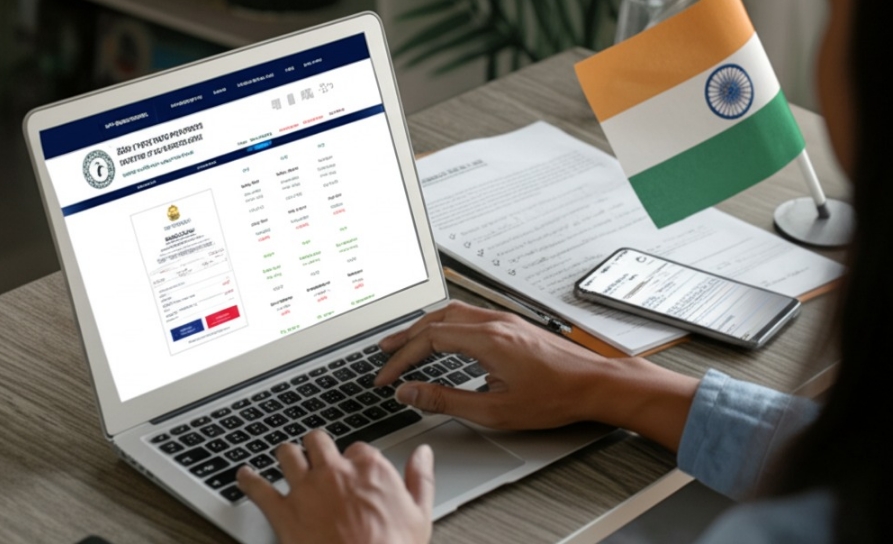
Trading Through Authorized Dealers Only
Trading with authorized dealers is the only legit route for forex fans in India. These dealers are vetted and licensed by RBI to handle foreign exchange distribution, retail, and even sales.
What are Authorized Dealers?
Think of them like the official "middlemen" between you and the forex market. They guarantee product authenticity, offer consumer protection, and maintain proper warranty and after-sales services.Why Not the Gray Market?
Using shady brokers might seem cheaper or faster, but you lose all manufacturer backing and risk getting zero legal help if things go wrong.
Authorized Dealers vs. Unauthorized Brokers
| Feature | Authorized Dealer | Unauthorized Broker |
|---|---|---|
| Licensing | RBI Certified | No Certification |
| Consumer Protection | Full | None |
| After-Sales Service | Available | Not Available |
Using INR-Paired Currency Options
When it comes to playing it safe, INR-paired currency options are your best buddy! These options involve trading currencies like USD/INR, EUR/INR, GBP/INR, and JPY/INR, making sure the Indian Rupee (INR) stays in the spotlight.
What Are INR-Paired Options?
They're a type of forex derivatives that allow you to hedge currency risks without breaching any laws. You’re betting on the exchange rate movements — but all legally under Indian rules!How Do They Work?
These options let you tackle volatility with structured pricing models. You can adopt safer trading strategies like buying call/put options to protect against wild forex swings.
Real Talk:
Most seasoned traders use INR pairs to dodge compliance headaches while still making clean profits. It’s simple, it’s slick, and most importantly, it's legal!
Conclusion
Forex trading in India isn’t a game of chance — it’s more like walking a tightrope without a safety net. Step off the legal path, and you could be looking at heavy fines or even jail time. As RBI clearly states, “Only authorized dealers and licensed brokers can facilitate forex trading legally.”
Play it smart. Stick with RBI-approved platforms, double-check your broker's credentials, and trade with your head, not just your heart. It's better to be safe today than sorry tomorrow.
Forex Trading, or foreign exchange trading, involves buying and selling currencies to make a profit. Traders speculate on currency movements, trying to buy low and sell high, or vice versa.
It is one of the most liquid markets in the world, operating 24/5 globally.
Forex Trading is highly restricted for Indian residents. You can only trade currency pairs approved by the Reserve Bank of India (RBI), such as INR/USD, INR/EUR, INR/GBP, and INR/JPY.
Trading with international brokers offering unapproved pairs is considered illegal.
A fine of up to ₹10,000 per transaction.
Further penalties of ₹2,000 for each day of continued violation.
Possible criminal proceedings for serious offenses.
Freezing of bank accounts under FEMA (Foreign Exchange Management Act).
No, most international apps like Binance, OctaFX, and similar platforms are not authorized for Forex Trading India.
Using them could expose you to financial penalties or legal action.
Using SEBI-regulated brokers.
Trading only approved currency pairs.
Avoiding offshore brokers that are not authorized by Indian authorities.
Prevent money laundering.
Control capital flight.
Maintain economic stability by limiting foreign exchange risk exposure.
Always verify their licenses before opening an account.
Zerodha
ICICI Direct
HDFC Securities
Kotak Securities
While technically possible, it is illegal under FEMA regulations to open a Forex account with a foreign broker without RBI approval.
Doing so can lead to severe penalties.