


Table of contents
Risk Management Techniques for Trading might sound like a bunch of jargon, but here’s the truth: it’s the secret sauce to making sure your hard-earned cash doesn’t vanish into thin air. Think of it like insurance for your trades—it doesn’t stop you from taking risks, but it helps you protect your money when things don’t go as planned.
Without a solid risk management strategy, even the best traders can find themselves in the red. A well-executed plan keeps emotions in check, guides your decisions, and helps you dodge the big losses that can wipe out your gains. "Good traders manage risk, bad ones ignore it," says market expert Peter Brandt.
By the end of this article, you'll have the tools you need to approach trading with confidence, from setting up stop-losses to making smarter choices with your capital. Let’s dive in and make sure your risk is working for you, not against you.
What is Risk Management?
Risk management is the backbone of successful trading.
The Basics of Risk Management
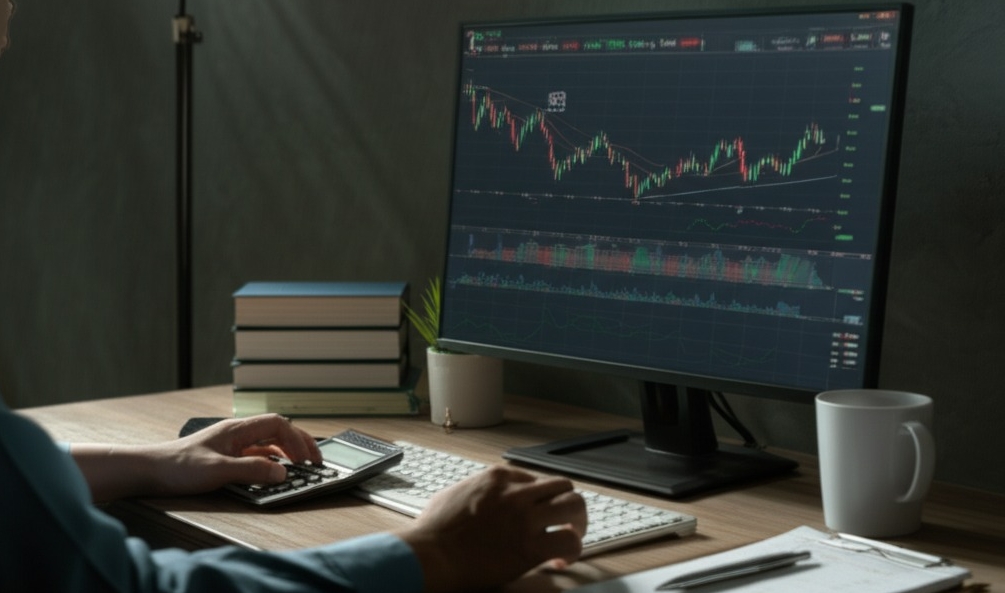
Risk management is all about identifying, assessing, and controlling potential risks. It's like having a safety net for your trades. When you trade, you're always exposed to various risks, and without a plan, those risks can wipe out your capital. A solid risk management framework involves assessing these risks upfront and developing a strategy to minimize losses. Think of it as a process where you plan for the worst while hoping for the best.
Why Risk Management Matters in Trading
Risk management is key to long-term profitability in trading. It helps preserve your capital, limit losses, and reduce the impact of market volatility. Without it, a single wrong move could end your trading career. In volatile markets, having a risk management strategy makes all the difference in decision-making and consistency. The goal is to protect your investments while still capitalizing on opportunities.
Types of Risk in Trading
Trading isn’t without its risks—understanding them is crucial to managing them effectively. Here are a few key types of risk you’ll encounter:
Market Risk: The chance that market conditions or fluctuations in asset prices will impact your trades.
Credit Risk: The possibility that a counterparty may not fulfill its obligations.
Liquidity Risk: When you can't buy or sell an asset fast enough without affecting the price.
Operational Risk: Risks from internal issues like system failures or human error.
By recognizing these risks, you can better plan your strategy to minimize their impact.
Risk-Reward Ratio Explained
The risk-reward ratio is key in trading—it helps you assess if a trade is worth the potential risk. Let’s break it down and show how to make it work for you.
Understanding the Risk-Reward Calculation
The risk-reward ratio tells you how much you stand to gain compared to how much you’re risking. To calculate it, divide your potential gain by your potential loss. For example, if you're risking $50 to potentially gain $150, your ratio is 3:1. This helps you evaluate whether the trade is worth the risk based on the expected outcome. It's a crucial tool for ensuring you're not overexposing yourself on high-risk trades.
| Potential Loss | Potential Gain | Risk-Reward Ratio |
|---|---|---|
| $50 | $150 | 3:1 |
| $100 | $300 | 3:1 |
| $200 | $400 | 2:1 |
How to Find the Right Ratio
Finding the right risk-reward ratio comes down to balance. While some traders prefer a conservative ratio, others might go for a more aggressive approach. A typical target range lies between 2:1 and 3:1. However, the right ratio for you depends on your risk tolerance and trading strategy. If you’re aiming for consistent gains, a 2:1 ratio could be ideal. But if you're comfortable with taking more risk for higher rewards, a 3:1 ratio might work better for your trades.

Risk-Reward Ratio in Different Markets
The risk-reward ratio can vary greatly between different markets. For example, markets like Forex or Crypto, where prices can move rapidly and unpredictably, typically demand a more conservative ratio like 1:1 or 2:1. On the other hand, markets like real estate or bonds, which are generally more stable, can allow for a higher risk-reward ratio, such as 3:1. When you're analyzing a trade, always consider the market's volatility and adjust your expectations accordingly.
Adjusting the Ratio Based on Market Conditions
The beauty of the risk-reward ratio is its adaptability. If the market is particularly volatile (due to major news or economic shifts), it might make sense to use a more conservative ratio to protect your capital. During calmer, more predictable periods, you could adjust to a more aggressive ratio for better returns. Keeping an eye on market sentiment, key indicators, and news events will guide you in adjusting your risk-reward strategy to suit the conditions.
Stop-Loss & Take-Profit Strategies

Stop-loss and take-profit orders are your best friends in the market. They help manage risk and lock in profits automatically, ensuring your trades stay on track.
Setting Effective Stop-Loss Orders
A stop-loss order is a risk management tool that automatically exits a trade when a specific price is hit. Setting an effective stop-loss means identifying the right price point to limit your losses, balancing between protecting your capital and allowing enough room for price fluctuations. It’s a way to take the emotion out of trading—set it, forget it, and focus on your strategy.
| Stop-Loss Type | Description | Best Use Case |
|---|---|---|
| Fixed Stop-Loss | Set at a specific price level and does not change. | Ideal for traders who want a clear exit strategy. |
| Trailing Stop-Loss | Moves with the price to lock in profits as the market moves. | Perfect for catching profits in a trending market. |
| Percentage-Based | Based on a percentage of your entry price. | Helps manage risk by limiting losses as a fixed percentage. |
| Volatility Stop-Loss | Adjusts according to market volatility. | Useful in fast-moving or unpredictable markets. |
| Time-Based Stop-Loss | Closes the position after a predetermined time. | Great for scalpers and short-term traders. |
How Take-Profit Orders Maximize Gains
Take-profit orders automatically close a trade once your target price is hit, locking in profits without needing to constantly monitor the market. They work like a safety net for your profits, allowing you to exit a trade at the right moment before the market reverses. Setting a realistic target price can help you maximize gains while still managing risk.
Types of Stop-Loss Strategies
Trailing Stop-Loss: Moves with the price to lock in profits as the market moves in your favor.
Fixed Stop-Loss: Set at a specific price level and does not change.
Percentage-Based Stop-Loss: Based on a percentage of your entry price.
Volatility Stop-Loss: Adjusts based on market volatility.
Time-Based Stop-Loss: Closes the position after a certain time frame.
Each type serves different market conditions and risk tolerances, so choose the one that fits your strategy best.
Balancing Stop-Loss and Take-Profit
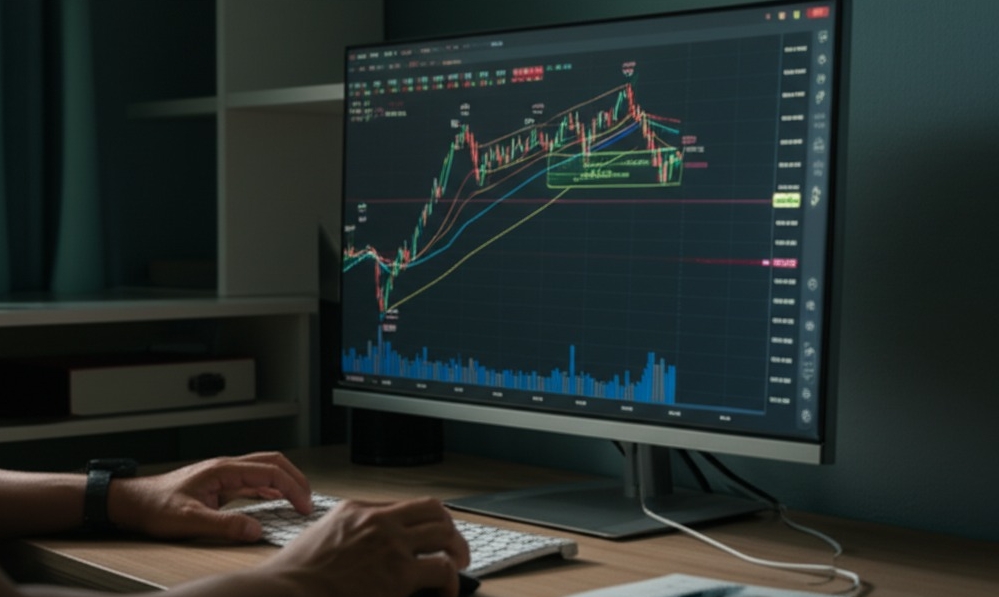
The key to optimizing your trades lies in balancing stop-loss and take-profit orders. A good rule of thumb is to set your stop-loss at a point where the market has room to move without risking too much. Similarly, your take-profit should be set at a price where the reward justifies the risk. A balanced ratio ensures that your potential rewards outweigh the potential losses, improving your overall trade management.
When to Adjust Your Stop-Loss or Take-Profit
Sometimes, the market throws unexpected twists. Adjusting your stop-loss or take-profit orders may be necessary when market conditions change. For example, if volatility increases, you may need to widen your stop-loss to avoid being prematurely stopped out. Similarly, if the price moves in your favor, consider tightening your stop-loss or adjusting your take-profit to lock in more gains.
Position Sizing Techniques
Position sizing is a critical part of risk management in trading. It helps you control how much of your capital is at risk per trade, ensuring you protect your portfolio while still aiming for profitable opportunities.
Determining Position Size Based on Risk
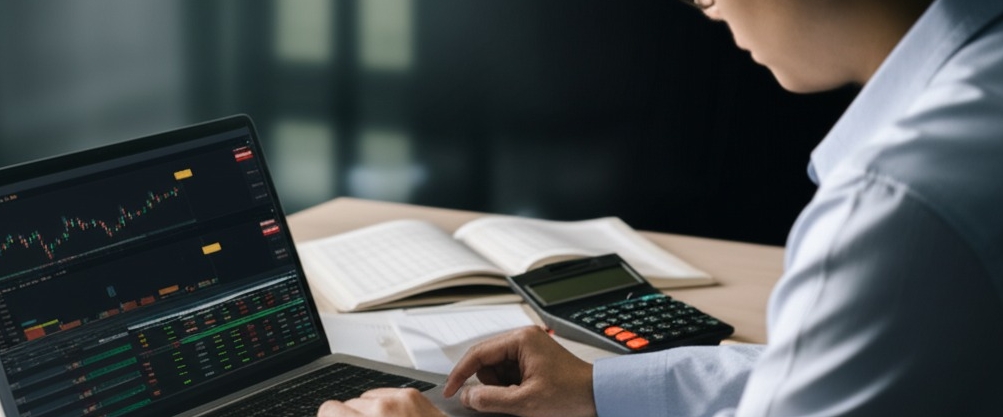
Position size is the amount of capital you allocate to a single trade, and it's vital for managing risk. The first step is to calculate your risk per trade, usually as a percentage of your total capital. For example, if your account balance is $10,000 and you’re willing to risk 2% of your capital on a single trade, you would risk $200. Then, determine your stop-loss level—say, 2% below the entry point. Finally, position size is calculated by dividing your risk amount by the stop-loss distance. This ensures that if the trade hits your stop-loss, you’ll only lose the intended amount.
The Role of Capital Allocation in Position Sizing
Capital allocation refers to how you distribute your capital among different trades, asset classes, or investments. Proper capital allocation can help prevent overexposure to one position, which can lead to big losses if that trade goes against you. For example, if you invest heavily in one stock and it crashes, you risk a significant portion of your portfolio. A diversified approach spreads risk across different assets or sectors. By ensuring that each trade only represents a small percentage of your total portfolio, you maintain flexibility and reduce the impact of any one loss. Position sizing should consider your entire portfolio’s capital to avoid putting too much weight on any single trade.

Using Risk Percent to Size Positions
A popular method for determining position size is using a fixed risk percentage of your account balance, often around 1-2%. To use this strategy, decide how much of your total capital you’re willing to risk on a single trade. For example, if you have an account balance of $5,000 and you are willing to risk 1%, that’s $50. Next, calculate your stop-loss level—if your entry price is $100 and your stop-loss is $95, the difference is $5 per share. To find your position size, divide your risk amount by the risk per share (i.e., $50 ÷ $5 = 10 shares). This strategy helps standardize your approach to risk management, ensuring you don’t exceed your risk tolerance while maintaining consistency across trades.
Managing Leverage Effectively
Leverage is like borrowing money to boost your trades. While it can magnify profits, it also ups the risk. Let’s dive into how to use it wisely and avoid costly mistakes.
What is Leverage and How it Works
Leverage allows traders to control a larger position with less capital by borrowing funds. Think of it like using a magnifying glass to make small moves feel bigger. In the world of trading, leverage amplifies both gains and losses, acting as a multiplier. The higher the leverage, the more exposure to market fluctuations, impacting assets, equity, and debt ratios.
Leverage’s Impact on Risk and Return
Leverage can be a double-edged sword. It can significantly amplify profits, but if things go south, losses are just as magnified. Higher leverage means greater exposure to volatility, and with that comes both higher risk and reward. For example, a 2:1 leverage doubles your potential profit or loss. The key is to balance the upside potential with the downside risk to avoid catastrophic losses.
| Leverage Ratio | Potential Profit | Potential Loss |
|---|---|---|
| 2:1 | $200 | $200 |
| 5:1 | $500 | $500 |
| 10:1 | $1000 | $1000 |
Choosing the Right Amount of Leverage
When choosing leverage, it’s vital to align it with your financial strategy and risk tolerance. A balanced debt-to-equity ratio helps keep things in check. Too much leverage and you might overexpose yourself; too little and you may not maximize returns. Always consider industry standards, your business goals, and your capital structure to find the right leverage that fits your needs without jeopardizing your financial health.
How to Avoid Overleveraging
Overleveraging is one of the quickest ways to find yourself in financial distress. Too much debt can lead to bankruptcy or default. To avoid overleveraging, monitor your debt burden carefully. Warning signs include rapidly increasing debt, difficulty making payments, and liquidity crises. Regular financial planning and risk management strategies, such as stress testing your balance sheet, can help keep overleveraging in check and maintain solvency.
This cluster covers how leverage works in trading, its impact on risk and return, how to choose the right amount of leverage, and how to avoid the dangerous trap of overleveraging. By understanding these concepts, traders can use leverage effectively without falling into the common pitfalls.

Avoiding Emotional Trading
Emotions can make or break a trade. In this cluster, we’ll explore how trading psychology affects decision-making and provide practical tips for keeping your emotions in check.
Understanding the Role of Emotions in Trading
Emotions like fear and greed can push traders into making irrational decisions. These feelings influence trading psychology, often leading to poor choices. Fear of loss can cause traders to exit too early, while greed can result in overleveraging or holding onto losing positions. Cognitive biases, like confirmation bias, also impact decision-making, making it crucial for traders to build emotional intelligence. Market behavior often sways traders' mindset, leading to impulsive actions—disrupting risk management strategies.
Techniques to Keep Emotions in Check
Develop a Trading Plan: Have a roadmap to stick to—don’t let emotions drive your trades.
Mindfulness Practices: Meditate or take a moment to breathe. This can reset your mindset during market fluctuations.
Journaling: Track trades to spot emotional patterns, improving self-awareness and discipline.
Set Limits: Predefined loss and profit limits help you stick to your plan, avoiding emotional decisions.
Common Risk Management Mistakes
In trading, common mistakes can cost you big. Let’s take a look at the top missteps traders make and how to avoid them.
Ignoring the Importance of Stop-Loss
Stop-loss orders are your safety net when the market goes south. Not using them is like jumping out of a plane without a parachute. Protect your capital, prevent emotional decisions, and have an exit strategy for when things turn against you.
Overtrading and Its Risks
Overtrading is a slippery slope, folks. Chasing every market move may feel like you're on a hot streak, but it’s costly. High trading frequency can lead to transaction costs, slippage, and burnout. Plus, the more you trade, the more emotional stress you face, leading to poor decisions and diminished profitability.
Failure to Adjust Position Size
Position size matters. Trading with too much size puts your account at risk, while trading too small limits your profits. Adjust your trade size based on market volatility, account balance, and your overall risk tolerance. Keep your risk exposure in check and protect your portfolio.
Chasing Losses: A Dangerous Habit
It’s easy to get sucked into "revenge trading" after a loss. But chasing losses leads to impulsive, emotional decisions, like overleveraging or taking excessive risks. This can quickly drain your capital. Stay disciplined, stick to your strategy, and don’t let a bad trade derail your plan.
Not Having a Risk Management Plan
Trading without a risk management plan is like driving without a seatbelt. Without clear rules for stop-losses, position sizing, and profit targets, you're leaving your capital at risk. Establish a risk management plan, set your goals, and make sure your trades align with your strategy.
Creating a Risk Management Plan

Creating a solid risk management plan is key to consistent success in trading. Let’s break down the essential components and how to customize the plan to match your style.
Key Components of a Risk Management Plan
To build a successful risk management plan, consider the following components:
Risk Identification: Recognize potential threats in the market.
Risk Assessment: Understand the likelihood and impact of each risk.
Mitigation Strategies: Develop methods to minimize losses.
Monitoring and Adjusting: Keep track of your plan’s effectiveness and adjust as needed.
Strategy and Framework: Create a clear, actionable framework based on your risk profile.
A solid risk management plan protects you from unexpected market swings while helping to lock in profits. You don’t want to be caught off guard—having a plan is the best defense.
How to Tailor a Risk Management Plan to Your Trading Style
Your trading style plays a huge role in how you structure your risk management plan. Here's how to tailor it:
Assess Your Risk Tolerance: Are you a conservative trader, or do you prefer higher-risk, higher-reward trades?
Position Sizing: Adjust the size of your trades based on your risk tolerance and portfolio size.
Stop-Loss and Diversification: Set stop-loss orders that align with your risk level, and diversify to reduce overall exposure.
Strategy Fit: Whether you’re day trading or swing trading, your strategy should reflect your personal risk management plan.
A personalized approach ensures your risk management plan works with your unique style, boosting your chances of success.
Conclusion
In trading, risk management is the difference between staying in the game and losing everything. You wouldn’t drive a car blindfolded, so why trade without a solid plan? The techniques we've covered today—like stop-losses, position sizing, and managing leverage—are your safety net when the market throws curveballs. Mastering these strategies gives you control over your trades and keeps emotions from making decisions for you. “Good traders know how to lose well,” says renowned trader Mark Douglas. Take a deep breath, implement these strategies, and start building your own risk management plan. You'll thank yourself when the going gets tough.
The risk-reward ratio is a simple but powerful tool traders use to measure the potential profit against the potential loss on a trade. It’s like a "cost-benefit analysis" for each decision.
Essentially, it helps traders assess whether a trade is worth taking, balancing risk with potential reward.
Risk is the amount you stand to lose on a trade.
Reward is the amount you expect to make.
A typical ratio might be 1:2, meaning you risk $1 to potentially make $2.
A stop-loss order is a tool that automatically closes a trade when the price reaches a certain level, helping to limit potential losses.
In volatile markets, setting a stop-loss is essential to protect against sharp, unexpected price swings.
Prevents large losses: If the market turns against you, the stop-loss helps limit damage.
Automatic execution: No need to monitor trades 24/7.
Peace of mind: Know your trade will be cut off if it hits a loss threshold.
A stop-loss order minimizes your loss when the market moves against you, while a take-profit order locks in profits when the market moves in your favor.
Both are tools to help automate your trades and manage risk without being glued to the screen.
Stop-Loss: Limits potential losses by exiting a trade at a pre-set loss level.
Take-Profit: Automatically takes you out of a profitable trade at a certain price, locking in gains.
Position sizing is crucial because it determines how much capital you risk on a single trade. Getting it wrong can lead to overexposure and huge losses.
The goal is to strike a balance between risk and reward while staying within your overall trading strategy.
Limits risk: Helps prevent one bad trade from wiping out your account.
Maximizes returns: Ensures you're using your capital efficiently across multiple trades.
Personalizes risk: Tailors the amount you risk to your risk tolerance.
Leverage allows you to control a larger position with a smaller amount of capital. It can amplify both your profits and your losses, so it must be used with caution.
Leverage can be a great tool, but if used recklessly, it can quickly lead to significant losses.
Amplifies profits: You can earn more with less capital.
Increases risk: Losses can exceed your initial investment if not used carefully.
Margin requirements: To use leverage, you must have sufficient margin in your trading account.
Emotions like fear and greed can often cloud judgment, leading to impulsive decisions. Avoiding emotional trading is all about staying disciplined.
By managing emotions, you can make more rational decisions and reduce the chance of making costly mistakes.
Stick to your plan: Follow your strategy regardless of market movements.
Take regular breaks: Prevents burnout and impulsive decisions.
Use automated tools: Stop-loss orders and take-profit levels can help take emotions out of the equation.
Here are a few mistakes that many traders make when managing risk:
Avoiding these mistakes will put you on the path to more controlled and thoughtful trading.
Ignoring stop-losses: Letting trades run without limits can lead to large, avoidable losses.
Overtrading: Taking too many trades, especially after a loss, can exhaust your capital.
Chasing losses: Trying to make up for losses by risking more money often leads to bigger mistakes.
Lack of a plan: Trading without a risk management strategy is like driving without a map.
Creating a personalized risk management plan is about knowing your limits and establishing a strategy that works for you.
A solid plan will help guide you through volatile markets and keep your emotions in check, ensuring you're trading with discipline.
Assess your risk tolerance: Understand how much risk you’re willing to take on each trade.
Set realistic goals: Define your profit goals and loss limits for each trade.
Evaluate your trades: Regularly assess your trading performance and adjust your plan as needed.