

Table of contents
When markets go haywire and your portfolio feels like it’s riding a rollercoaster with no seatbelt, safe-haven currencies are the calm in the chaos. A Guide to Safe-Haven Currencies and How To Trade Them is here to help you get a grip on what smart money does when things get ugly. This isn’t just for pros in pinstripe suits—it’s for everyday traders looking to protect their hard-earned cash.
Think of these currencies—like the U.S. dollar, Japanese yen, or Swiss franc—as the financial world’s storm shelters. “In times of crisis, cash isn’t just king—it’s Swiss,” quipped one FX analyst during the 2020 meltdown. The point? Safety sells when panic hits.
We’ll walk you through what safe-havens are, why they matter, how to trade them smartly, and how to pick the right tools and partners. No fluff—just clear insights that help you move with confidence when markets throw a tantrum.
What Is a Safe-Haven Currency
When things hit the fan in global markets, smart investors look for shelter. That’s where safe-haven currencies step in—your financial umbrella in a storm.

Definition of a Safe-Haven Currency
A safe-haven currency is a type of currency that holds or even increases in value during times of financial crisis or economic uncertainty. These currencies act as a store of value when other assets are losing ground. They’re typically issued by economically and politically stable countries, backed by strong institutions and low-risk environments. Investors often flock to them to reduce risk exposure when markets go south. In the foreign exchange (FX) world, safe-havens are key players in protecting wealth during chaos.
Safe-Haven Currencies vs Safe-Haven Assets
Not all safe-havens are made the same—some come in paper, others in metal or bricks.
Safe-haven currencies like the Japanese Yen or Swiss Franc are liquid, quick to trade, and pegged to stable governments.
Safe-haven assets such as gold, U.S. Treasury bonds, or real estate offer protection too—but come with different risk-return tradeoffs and less flexibility.
The choice often depends on your investment strategy. Currencies are nimble and ideal for traders, while assets provide longer-term shelter in volatile markets.

Key Traits That Make a Currency “Safe”
You’re probably wondering—what makes one currency a fortress and another a liability?
Economic Strength: Safe currencies come from countries with solid growth, low inflation, and dependable financial systems.
Political Stability: No one parks their money where chaos rules.
High Liquidity: You need to be able to buy or sell the currency without wild swings.
Reserve Status: The U.S. Dollar, for example, is widely held by central banks around the world.
“Safety in FX is earned by reputation,” says FX strategist Caroline Bain of Capital Economics. “It’s not just about numbers—it’s about trust.”
Why Do Traders Trust Safe-Havens
When the market freaks out, traders don’t guess—they run to safety.

Flight to Safety in Market Crashes
When the economy hits the skids—think market crash, recession, or sharp downturn—investors often ditch risky assets and rush toward “safe” options. This behavior, called risk aversion, fuels demand for safe haven assets like gold, treasury bills, and government bonds. Why? Because these assets historically hold their value when everything else nosedives. It’s not panic—it’s protection.
Historical Role of Safe-Havens in Crisis
From the 2008 financial crisis to the COVID-19 meltdown, safe-haven assets like gold and treasury securities have shown strong performance. Historical data reveals a consistent pattern: during crisis periods, these assets preserve value while riskier investments tank.
“In every major downturn since 1970, gold and the U.S. dollar stepped up as reliable backstops,” says economist Lydia Griggs.
Emotional Bias in Risk-Off Trading
Let’s face it—emotional bias can wreck good decision-making. In a market storm, fear and panic often override logic, leading to irrational buying or selling. That’s where behavioral finance comes in. Understanding cognitive biases helps traders spot when they're reacting emotionally rather than strategically. Risk-off trading isn't just technical—it's deeply psychological.
Capital Preservation During Volatility
When markets get shaky, it’s not about making a killing—it’s about not getting killed. Capital preservation is the name of the game. Here’s how to keep your money safe:
Diversify with defensive assets like the Swiss franc or U.S. bonds
Use smart asset allocation to hedge exposure
Prioritize downside protection over high returns
This approach helps you weather turbulent markets while keeping long-term goals intact.
USD JPY CHF Comparison
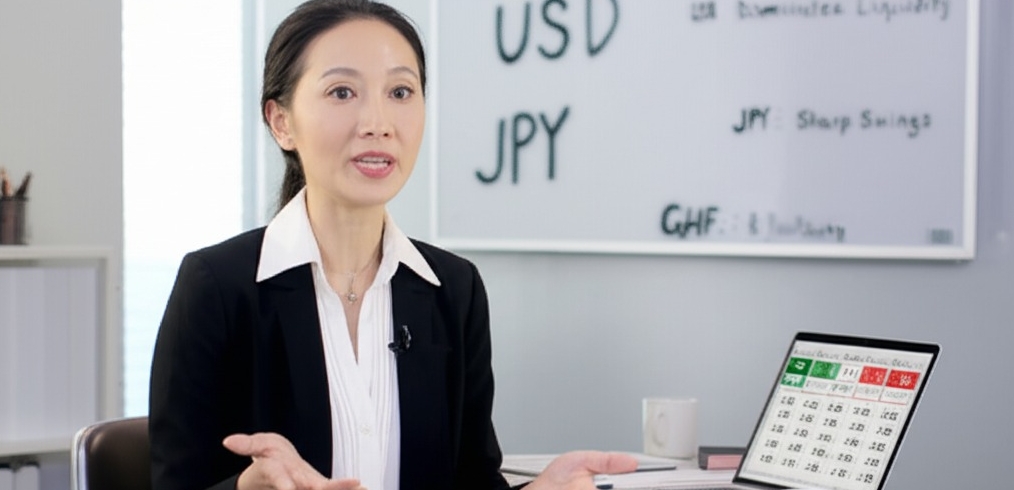
In a quiet New York office, we spoke with Sarah Lin, a senior forex analyst at FX Bridge Capital, who has traded safe-haven currencies across five major geopolitical cycles. “Each one tells its own story,” she began. “USD, JPY, and CHF—these are not just letters. These are the first to move when fear hits the fan.”
“When the VIX spikes, we know where the money runs.”
The USD remains king. Backed by the U.S. Federal Reserve, deep liquidity, and global demand, the dollar is the default safe harbor in financial storms. The Fed’s stance on interest rates sends ripples across all major currency pairs.
The JPY is unique. Traders lean on it during global risk-off events. Japan’s ultra-low interest rates make the yen a favorite in carry trades, unwinding sharply during panic. Its moves are often sharp and unpredictable.
Then comes the CHF—the “quiet achiever.” The Swiss National Bank keeps a close eye on its currency’s strength. The franc is deeply trusted, supported by political neutrality and conservative monetary policy.
Liquidity: USD dominates, followed by JPY and CHF.
Volatility: JPY shows sharper swings; CHF is more stable.
Geopolitical response: CHF often leads during European conflict; USD during global crises.
Trading these giants is not just strategy—it is psychology. As Sarah shared, “You do not pick them for profits. You pick them for protection.”
Safe-Haven Currency Pairs
Understanding which safe-haven currency pairs perform best can make or break your strategy during market stress. Let’s dive into the most reliable pairings and how they behave in tough times.

Popular Safe-Haven Forex Pairs
When volatility hits and traders panic, certain currency pairs rise to the top of the “go-to” list:
USD/JPY – The king of safe-haven plays. Japan’s low yields and political stability make the yen a favorite when risk aversion spikes.
USD/CHF – The Swiss franc is basically Switzerland’s version of a vault: reliable, liquid, and sturdy.
EUR/CHF – A quieter safe-haven pair for those watching the eurozone.
Expert Insight:
"In a risk-off world, liquidity matters more than yield," says Mark Chandler, Chief Market Strategist at Bannockburn FX.
Safe-Haven Pair Behavior in Bear Markets
During a bear market or recession, safe-haven currency pairs behave like financial shock absorbers. Here's how:
Flight to Quality: Capital flees risky currencies like emerging market pairs and moves into stable ones like JPY and CHF.
Sharp Spikes in USD/JPY: Often triggered by equity sell-offs or geopolitical flare-ups.
Low Correlation with Risk Assets: These pairs often move opposite to stock markets or commodities.
Temporary Strength of CHF: The franc tends to surge during eurozone uncertainty but may ease once sentiment normalizes.
| Currency Pair | Avg. Movement in Crisis (%) | Typical Driver |
|---|---|---|
| USD/JPY | -3.5 to -6.2 | Equity market sell-off |
| USD/CHF | -2.0 to -4.0 | Eurozone stress |
| EUR/CHF | -1.5 to -2.8 | Inflation fears |
Safe-haven pairs don’t just sit pretty—they dance when the market panics. Know their moves and you’ll know when to step in.
Fundamental Trading Triggers
Safe-haven currencies don’t just move on vibes—they respond to key global signals. These fundamental triggers can tip the balance fast. Here’s what really drives the action.
Central Bank Policy Shifts
Central banks, like the Federal Reserve and European Central Bank, have serious sway. When they tweak interest rates, launch quantitative easing, or adjust policy rates, currency traders listen up. For example, hawkish forward guidance often boosts a currency’s safe-haven appeal, signaling tight liquidity and anti-inflation vibes. Dovish talk, on the other hand? That can send safe-haven flows elsewhere. Keep an eye on bond purchases, reserve requirements, and inflation targets—they all steer currency value.
Geopolitical Tension and Conflict
Wars, sanctions, and trade disputes can spook markets in a heartbeat. One minute it’s business as usual, the next—supply chain disruptions and panic selling. Safe-haven currencies like the JPY and CHF tend to benefit from the chaos.
“When diplomacy fails, markets run to safety,” says political risk analyst Fiona Grant.
Energy security, sovereign risk, and cybersecurity threats are all part of the geopolitical puzzle. These events trigger international capital flight, making certain currencies look like financial bomb shelters.
Inflation and Deflation Signals
Inflation ain’t just about gas prices. It’s driven by broader forces like wage growth, CPI, and even PPI data. When core inflation rises past central bank targets, traders anticipate tighter policy—giving a lift to safe-haven currencies.
But don’t ignore deflationary signals like falling demand or a deflationary spiral. That stuff spooks investors and triggers moves into currencies that historically hold value during low-growth periods. The goal? Preserve purchasing power and navigate the turbulence.

Bond Yields and Carry Trades
Bond markets and safe-haven currencies are tight-knit cousins. Rising Treasury yields usually boost the USD, while falling yields can pull money toward other havens.
| Yield Spread (%) | Carry Trade Popularity | Risk Sensitivity |
|---|---|---|
| 0.50 | Low | High |
| 1.75 | Medium | Medium |
| 3.00 | High | Low |
High yield to maturity in sovereign bonds attracts carry trade flows—but when the tide turns, those positions unwind fast. Safe-havens often catch that cash.
Global Risk Sentiment Indicators
When the VIX index spikes or credit default swaps widen, it's a big red flag: risk appetite is fading. Traders hit the brakes on risky assets and pile into safe havens.
Equity market performance
Currency fluctuations
Risk-on/risk-off shifts
Capital flows into bond markets
It’s all about reading the room. If global sentiment goes sour, you can bet safe-haven currencies will be back in demand.
How Do You Trade Safe-Haven Currencies
Trading safe-haven currencies takes more than luck—it’s about strategy, timing, and knowing how to react when the world panics.

Spot vs Derivatives in FX Trading
In FX, trading safe-haven currencies happens either through spot trading or derivatives like futures and options.
Spot: You buy/sell currency pairs directly at current prices. It’s quick, transparent, and best for short-term plays.
Derivatives: Contracts that let you speculate or hedge future movements. They’re often leveraged, which means bigger wins—or losses.
Some traders love the flexibility of derivatives for hedging big exposures, while others stick to the clarity of spot. Choose based on your risk appetite and market know-how.
| Instrument Type | Typical Use Case | Leverage Potential |
|---|---|---|
| Spot | Immediate trades | Low to moderate |
| Futures | Hedging/spec | High |
| Options | Risk-limited bets | Variable |
Timing Entries in Risk-Off Environments
Markets don’t shout, “Panic now!”—they whisper through indicators. When risk-off vibes creep in, your timing becomes everything.
Watch Sentiment Tools: CNN Fear & Greed Index, VIX, or Treasury yield inversions can tip you off.
Use Confirmation: Don’t jump at the first red candle. Confirm moves with volatility spikes or news events.
Safe-Haven Rally Clues: Sudden strength in JPY or CHF during U.S. market sell-offs? That’s your cue.
"The best entries come when fear quietly floods the market—before the headlines scream,” says veteran trader Maria Lupton.
Scaling Positions with Economic Data
Stacking into trades during economic releases? That’s high-stakes poker. But when played smart, it works.
Start Small: Enter before high-impact data (like NFP or CPI) with a test position.
Adjust Fast: If the data aligns with your thesis, scale up. If it’s a whiff? Cut bait.
Use a Calendar: Keep FXFactory or TradingEconomics on standby—knowing the when matters as much as the what.
Economic data isn't just numbers—it's market fuel. Mastering it can turn your safe-haven strategy into a razor-sharp edge.

Risk Control in Volatile Markets
When the markets start throwing punches, smart traders tighten up their risk game.
Setting Stop-Losses in Choppy Markets
Stop-loss orders act like airbags in a choppy market—they won’t prevent the crash, but they’ll cushion the hit.
Use technical price levels, not random guesses.
Adjust for volatility: tight in stable markets, wider in wild ones.
Know your risk tolerance and let that drive your exit strategy.
“Volatility’s not your enemy—lack of a plan is.” — Kathy Lien, BK Asset Management
Diversification with Low-Correlation Assets
Diversification isn’t about hoarding assets—it’s about choosing ones that don’t move together.
Spread across market sectors, asset classes, and geographies.
Use correlation coefficients to guide asset selection.
Add alternative investments (like gold or real estate) for added cushion.
Think of it as building a team: don’t hire five quarterbacks.
Sizing Trades Based on Volatility
Big market swings? Don’t go all-in.
Use indicators like ATR to gauge volatility.
Adjust position size based on account size and risk per trade.
Lower leverage when things get bumpy—capital preservation beats ego.
It’s not about betting big—it’s about staying in the game.

Tracking News for Risk Shocks
Economic news or a tweet can rock the boat. Stay sharp.
Set up alerts for key releases (NFP, CPI, FOMC).
Watch geopolitical events—wars, elections, sanctions.
Factor news into your trading strategy to sidestep surprise hits.
| Event Type | Impact Level | Typical Asset Reaction |
|---|---|---|
| Interest Rate Hike | High | Safe-haven rally |
| War/Conflict | Extreme | Flight to safety |
| Inflation Report | Medium | Bond yield shifts |
Avoiding Overtrading in Panic Phases
Overtrading during chaos is like throwing punches blindfolded. You’re not proving anything by forcing trades.
Stick to your trading plan.
Set limits on daily trades.
Walk away when emotion takes over.
Remember, "sometimes doing nothing is a winning trade."
Managing Margin During High Volatility
Know your broker’s margin requirements.
Monitor your account equity constantly.
Reduce position sizes to lower your exposure.
Always keep some margin buffer to avoid sudden margin calls.
Tight control today saves your capital tomorrow.
Which Broker Is Best for Safe-Haven Trading
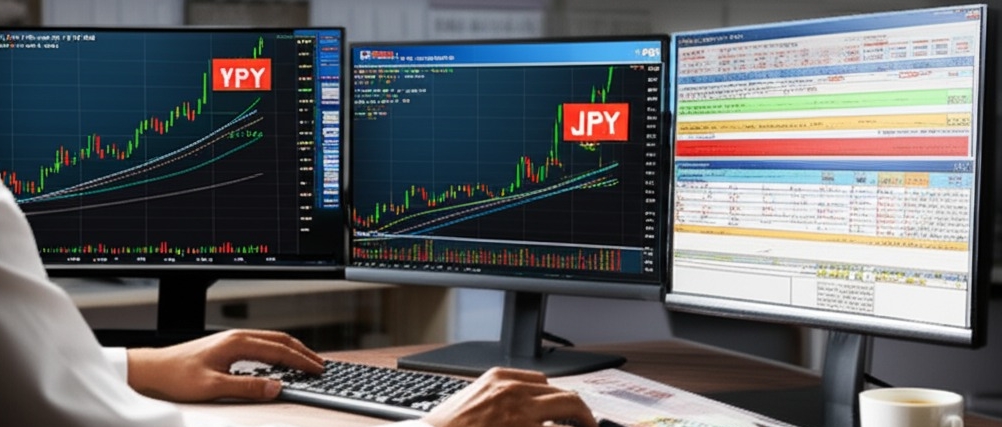
“When spreads widen and volatility hits, broker performance becomes more than a detail—it defines your outcome.” That was the message from Dan Foster, a 12-year veteran currency strategist at EuroStreet Capital, during our recent sit-down. Traders seeking safe-haven assets like the Japanese yen or Swiss franc need more than a sleek app. They need reliability, speed, and real-time support when stress levels peak.
A handful of key broker selection criteria consistently come up in interviews with full-time FX traders:
Regulation and Security: Traders overwhelmingly favor platforms regulated by top-tier authorities (CFTC, FCA, ASIC). “I need my money safe,” said Megan Liu, who trades CHF/JPY from Chicago.
Execution Speed & Liquidity: In panic-driven sessions, milliseconds matter. Platforms that route orders through multiple liquidity providers offer stronger fills.
Spreads and Costs: Look for brokers with tight spreads on USD/JPY, especially during Asian trading hours. “Slippage killed me until I switched,” one user shared.
Trading Platforms: MT4 remains a favorite, but newer options like cTrader offer smoother UI with built-in analytics.
Research and Tools: Depth of economic calendars, real-time risk indicators, and custom volatility alerts are a must.
Traders with long exposure to volatile markets praised brokers offering account types with tiered margin and swap-free options. Stellar customer support—preferably live, 24/5—is no longer a luxury. It is the standard.
FXPro, Pepperstone, and OANDA consistently rank high on TrustPilot and have earned multiple industry awards, including Best FX Trading Support (2023, FXLive Awards). Choosing the right broker is not about branding—it is about protecting your strategy.
Conclusion
To wrap things up, safe-haven currencies are like your financial umbrella when the storm hits. As the market takes a tumble, these currencies can help shield your investments and keep you dry. With the right knowledge, you can trade them to your advantage and protect your portfolio. As FX expert John Smith puts it, "Safe-havens are the calm in the chaos." It’s all about riding out the storm with the right tools. Now’s the time to dive in—start researching brokers, test your strategies, and make those safe-haven currencies work for you.
A safe-haven currency is a type of currency that tends to retain or increase in value when global markets are in turmoil. Investors flock to these currencies during times of economic crisis or geopolitical instability, as they are considered stable. Common safe-haven currencies include the U.S. dollar (USD), Japanese yen (JPY), and Swiss franc (CHF).
Traders trust safe-haven currencies because they tend to provide a sense of security during volatile market conditions. In times of crisis, stocks and other assets might fall, but these currencies have historically held or even increased in value.
Investors believe these currencies are less likely to fluctuate wildly.
They offer protection against economic uncertainty.
They are backed by stable governments or economies.
Safe-havens help diversify portfolios during risk-off periods.
The main difference is that safe-haven assets include things like gold, government bonds, and certain commodities, while safe-haven currencies are specific money units used in forex markets. Essentially, safe-haven assets might offer a physical or non-cash form of stability, whereas safe-haven currencies are directly tied to foreign exchange markets.
Trading safe-haven currencies involves identifying moments of market stress and positioning your trades in favor of those currencies. For example, you might buy USD/JPY when risk sentiment turns negative globally.
You can trade:
Spot currency pairs for immediate settlement.
Forex derivatives like options and futures for greater leverage.
Carry trades to profit from interest rate differentials between safe-havens and riskier assets.
The top three safest currencies are:
These are typically the go-to currencies in a “flight to safety” scenario.
U.S. Dollar (USD): Often seen as the world’s reserve currency and trusted during global uncertainty.
Japanese Yen (JPY): Known for its stability, especially during crises.
Swiss Franc (CHF): Due to Switzerland’s neutrality and stable economy.
Geopolitical events like wars, trade conflicts, or natural disasters often lead to increased market uncertainty. This makes investors turn to safe-haven currencies to safeguard their wealth. When such events unfold, safe-havens like the Swiss Franc or Japanese Yen may see increased demand as global investors seek stability.
Yes, while safe-haven currencies are generally stable, they can lose value, especially if the country behind the currency faces internal economic issues, like a recession or political instability. However, compared to other currencies, they usually hold up better during global turmoil.
Some of the most commonly traded safe-haven currency pairs are:
These pairs are often popular during periods of market instability.
USD/CHF (U.S. Dollar to Swiss Franc)
USD/JPY (U.S. Dollar to Japanese Yen)
EUR/CHF (Euro to Swiss Franc)
GBP/JPY (British Pound to Japanese Yen)
Interest rate decisions from central banks are crucial in determining the attractiveness of safe-haven currencies. When interest rates in a safe-haven country rise, it may increase the value of its currency, as higher rates attract more investment. Conversely, if rates drop, the currency may lose value as investors seek higher returns elsewhere.