


Table of contents
Part 1 - What Drives Currency Values: Trade vs Capital Flows?
Part 2 - Anatomy of the FX Market: Structure and Key Players
Part 3 - Capital Flows: The Short-Term Power Broker in FX
Part 4 - How Trade Balances Shape Long-Term Currency Trends
Part 5 - Central Bank Interventions: Do They Really Work?
Part 6 - Volatility and Liquidity: The Pulse of the Forex Market
Part 7 - Exchange Rates and Economic Strategy: Who Wins?
Part 8 - Forex in a Changing World: What’s Next for Trade and Capital Flows?
When we talk about "The Nucleus of the Forex Market: Trade and Capital Flows," we’re diving into the beating heart of the world’s largest financial market. The forex market is more than just trading currencies—it’s where global trade and investment collide, shaping economies in real-time. Think of it like a giant marketplace where goods, services, and money all exchange hands in an intricate dance.
At the core of this action are two main players: trade flows and capital flows. Trade flows are the goods and services that travel across borders, while capital flows represent money moving to where it's needed for investments. It's like the difference between buying a car from overseas and investing in a factory to make those cars locally. They affect each other more than you'd think, and together, they influence the value of currencies worldwide.
As economist Milton Friedman once said, “The market is the best instrument for providing what people want." The same can be said for forex. As we explore these forces, we’ll uncover how they impact everything from exchange rates to global financial stability.
What Drives Currency Values: Trade vs Capital Flows?
In the forex market, currency values are driven by two main forces: trade flows and capital flows. These forces often work together, but their impact on exchange rates can differ depending on the time frame.
The Role of Trade in Currency Movements
Trade flows, consisting of exports and imports, directly affect a country's trade balance. A trade deficit (importing more than exporting) typically weakens a country's currency value over time, while a trade surplus strengthens it. When a country exports more than it imports, it demands its currency, driving up its value. This dynamic impacts the current account and plays a pivotal role in the balance of payments.
How Capital Flows Impact Exchange Rates
Capital flows, including foreign investment and portfolio investments, play a significant role in exchange rates. A surge in foreign direct investment (FDI) or speculative capital inflows can push a currency's value higher. On the flip side, capital outflows—driven by factors like interest rate changes or political instability—can lead to currency depreciation. Capital flows affect the capital account of a nation's balance of payments and can often outpace the influence of trade flows, especially in the short term.
Long-Term vs Short-Term Currency Value Drivers
Long-term drivers like trade balances, economic growth, and interest rates provide a stable foundation for currency values. However, in the short term, capital flows driven by speculation or changes in central bank policy can lead to more volatile shifts. Speculators responding to interest rate decisions or inflation expectations often cause sudden moves in currency value, whereas long-term fundamentals take years to play out. Balancing both types of drivers is essential for understanding currency movements over time.
Anatomy of the FX Market: Structure and Key Players
Understanding the forex market involves knowing how it’s structured and who the main players are. From central banks to retail traders, the market is a complex web of participants, each with their role in currency trading.
The Global FX Market: An Overview
The global FX market is the largest financial market in the world, with a daily trading volume of over $6 trillion. It’s open 24/7, offering high liquidity and often high volatility. In this market, currencies are bought and sold, with exchange rates constantly fluctuating based on economic and political factors. Participants, from banks to hedge funds, drive these fluctuations, impacting everything from stock prices to global trade.
Key Participants: Banks, Corporations, and Governments
In the FX market, the players range from large central banks to individual retail traders. Here’s a breakdown of the main participants:
| Participant Type | Role in the FX Market | Example |
|---|---|---|
| Central Banks | Set monetary policy, intervene to stabilize currencies, and manage foreign exchange reserves. | Federal Reserve, ECB |
| Banks & Financial Institutions | Provide liquidity, set exchange rates, and facilitate large transactions between institutional clients. | JPMorgan Chase, Goldman Sachs |
| Corporations | Use the FX market for trade and currency risk management, especially for international operations. | Apple, Coca-Cola |
| Hedge Funds | Engage in speculative trading, seeking to profit from currency price movements. | Bridgewater, Soros Fund |
| Retail Traders | Individual investors who participate in smaller trades, usually via online platforms or brokers. | Everyday investors |
Market Mechanisms: Spot vs Forward Trading
In spot trading, currencies are exchanged immediately at the spot rate. The deal is settled within two business days. On the other hand, forward trading involves contracts where currencies are exchanged at a set forward rate on a future date.
Spot market: Quick transactions, lower risk.
Forward market: Protects against future volatility through hedging.
The Role of Currency Pairs in FX Trading
In the FX market, currencies are always traded in pairs, where the base currency is compared against the quote currency. Here’s how the pairs break down:
Major pairs: The most traded pairs, typically involving the USD, like EUR/USD and GBP/USD.
Minor pairs: These involve smaller currencies, such as EUR/GBP.
Exotic pairs: One currency is from a major economy, the other from an emerging market, like USD/TRY (US Dollar/Turkish Lira).
The bid price is what buyers are willing to pay, while the ask price is what sellers want. The difference is known as the spread.
Capital Flows: The Short-Term Power Broker in FX
Capital flows play a huge role in currency movements, often dictating short-term shifts in the forex market.
What Defines Capital Flows in Forex
Capital flows refer to the movement of money into and out of a country for investment purposes. It includes foreign direct investment (FDI) and portfolio investments. These flows affect the balance of payments, which in turn influences exchange rates. In short, when money crosses borders—whether for business ventures or buying stocks—it impacts the Forex market by changing supply and demand for currencies.
Investor Behavior and Its Impact on FX Markets
Investor behavior drives capital flows in the forex market. Market sentiment and risk aversion often determine where capital is placed. When investors feel optimistic, they pour money into riskier assets, driving currency demand up. Conversely, when herd behavior takes over, currencies can swing wildly based on emotions. Speculative strategies lead to increased market volatility, influencing exchange rates as traders react quickly to shifts in sentiment.
"Investor psychology plays a massive role in short-term FX fluctuations." – Economist John Doe
Hot Money and Speculation in Currency Trading
Hot money is cash that moves quickly in and out of markets, often seeking the highest short-term return. In currency trading, it’s all about speculation—investors chasing carry trades or betting on emerging markets. This speculative activity adds fuel to market volatility. However, when speculative bubbles burst, it can lead to currency crises, especially in countries with weaker capital controls.
How Trade Balances Shape Long-Term Currency Trends
Trade balances are fundamental to understanding long-term currency trends. By exploring how trade deficits and global trade agreements influence exchange rates, we gain deeper insights into forex market dynamics.
Trade Deficits and Their Effect on Currency Values
A trade deficit occurs when a country imports more than it exports, leading to an imbalance in its balance of trade. Over time, this imbalance can weaken a country's currency. Why? Simply put, countries with larger trade deficits need foreign currency to pay for imports, increasing demand for other currencies and potentially lowering the value of their own.
Exports and Imports Impact: When a country runs a trade deficit, it increases the demand for foreign currency to pay for imports, affecting the exchange rate.
Capital Flows: Persistent trade deficits might prompt capital flows to balance the economy, sometimes further depreciating the currency.
National Debt: Countries with large trade deficits may rely on foreign borrowing, pushing up the national debt, which can negatively impact currency value.
In the long run, a trade deficit doesn’t just affect the current account but can also indicate future economic stress, as higher debt or dependency on foreign money might weaken investor confidence in the currency.
The Impact of Global Trade Agreements on Forex
Global trade agreements significantly shape currency values by altering trade patterns, tariffs, and quotas. These agreements can either stabilize or increase volatility in exchange rates, depending on their nature and scope. For instance, the North American Free Trade Agreement (NAFTA) boosted trade flows between the U.S., Canada, and Mexico, contributing to currency stability in the region.
Economic Integration: Agreements like the EU’s single market increase economic integration, which tends to reduce currency volatility due to more stable trade relations.
Trade Barriers and Tariffs: On the flip side, rising tariffs or trade barriers (e.g., during a trade war) can cause uncertainty, making exchange rates fluctuate wildly.
Free Trade Zones: When countries form free trade zones, like the ASEAN Free Trade Area, the reduction of trade barriers can lead to smoother currency movements, benefiting the forex market.
With more global agreements on the table, understanding their effects on currency volatility helps investors predict long-term market trends and navigate international trade more effectively.
Central Bank Interventions: Do They Really Work?
Central banks play a critical role in stabilizing economies, and sometimes they intervene in the forex market. But how effective is this intervention in managing exchange rates and overall market health?

Mechanisms of Central Bank Intervention
Central banks have a set of tools to influence currency values. Some key ones include:
Open market operations: Buying or selling government bonds to adjust liquidity.
Reserve requirements: Altering the amount of funds banks must hold, impacting lending and money supply.
Discount rate: Changing the rate at which banks borrow from the central bank to control inflation.
Quantitative easing: A form of monetary policy that increases the money supply by purchasing financial assets.
Forward guidance: Central banks signal future policy moves to influence market expectations.
Foreign exchange intervention: Buying or selling foreign currencies to stabilize the exchange rate.
Sterilization: Offsetting the effects of currency intervention to maintain domestic monetary conditions.
Liquidity provision: Injecting cash into markets to keep them running smoothly.
These mechanisms allow central banks to intervene in the market to either calm volatility or stimulate economic activity. However, their effectiveness depends largely on timing, global conditions, and how well the markets anticipate central bank actions.
| Tool | Purpose | Effect |
|---|---|---|
| Open Market Operations | Control the money supply by buying or selling bonds | Affects interest rates and liquidity |
| Reserve Requirements | Influence the amount of money banks can lend | Controls the credit supply |
| Discount Rate | Set the cost of borrowing for commercial banks | Directly affects bank lending and interest rates |
| Quantitative Easing | Increase money supply by buying financial assets | Stimulates economy by lowering long-term interest rates |
| Foreign Exchange Intervention | Stabilize the domestic currency by buying/selling foreign currencies | Manages exchange rate fluctuations |
These tools work together to help central banks influence the economy, but their success can vary depending on the scale and global market conditions.
When and Why Central Banks Intervene
Central banks intervene for a variety of reasons, often aiming to stabilize the economy. Here's why and when they might step in:
Economic stability: To prevent runaway inflation or sudden deflation.
Exchange rate stability: To protect the domestic currency from excessive volatility.
Recession: When the economy slows, central banks might act to spur growth.
Inflation control: Tightening or loosening policies to keep inflation in check.
Financial crisis: Interventions can calm the markets during times of panic, like the 2008 financial meltdown.
For example, during the 2008 financial crisis, central banks worldwide launched extensive quantitative easing and foreign exchange interventions to stabilize global markets. The timing of these interventions is critical—acting at the right moment can prevent economic collapse, but waiting too long or acting too soon may worsen the situation.
In conclusion, while central banks have powerful tools, their success in intervention depends on the broader market environment, the severity of the situation, and how markets perceive their actions.
Volatility and Liquidity: The Pulse of the Forex Market
Liquidity and volatility are the lifeblood of the forex market. Understanding how they interact is crucial for traders looking to make informed decisions in ever-changing market conditions.
Understanding Market Liquidity in Forex
Market liquidity in forex refers to how easily a currency pair can be bought or sold without affecting its price significantly. High liquidity is essential for quick, stable execution, and low slippage. It’s typically found in major currency pairs like EUR/USD, where there's high trading volume and tight bid-ask spreads. In contrast, pairs with low liquidity may see price swings and delayed order execution, making them riskier to trade.
| Liquidity Indicator | High Liquidity Example | Low Liquidity Example |
|---|---|---|
| Bid-Ask Spread | Tight spread (0.1-0.2 pips) | Wide spread (5-10 pips) |
| Market Depth | Deep order book | Shallow order book |
| Trading Volume | High volume (millions) | Low volume (thousands) |
Factors That Cause Forex Market Volatility
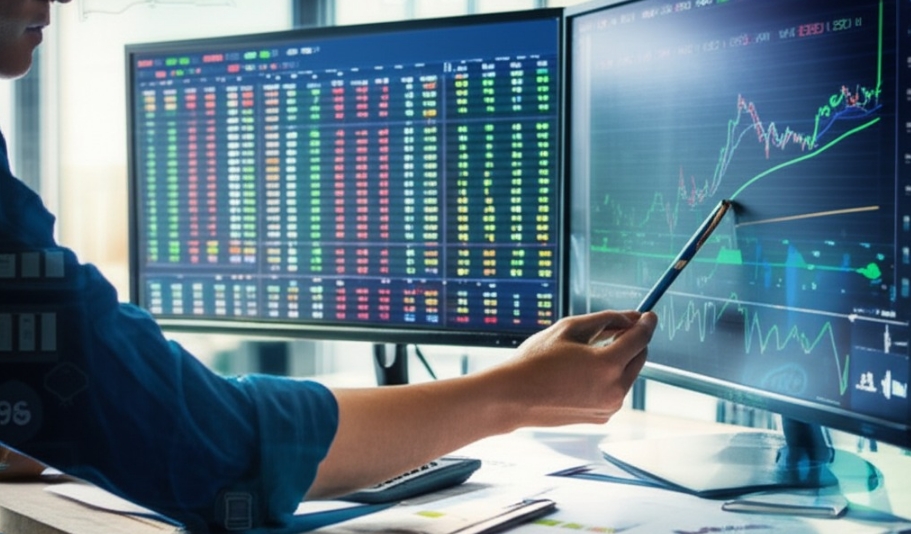
Forex volatility is often driven by economic data, political instability, and news events. Big central bank announcements, like interest rate hikes, or geopolitical events, like elections or trade wars, can send shockwaves through the market. Speculators also play a role, reacting to market sentiment and driving up price fluctuations. It's the unpredictability of these factors that makes forex markets both exciting and dangerous.
The Relationship Between Liquidity and Volatility
Liquidity and volatility often have an inverse relationship in forex. When liquidity is high, volatility tends to be low because prices move more steadily with a large number of buyers and sellers. On the other hand, low liquidity can lead to wild price swings due to fewer participants in the market. Traders must understand this dynamic to gauge potential risks and opportunities.
Risk Management in Volatile Forex Markets
In volatile markets, effective risk management is critical. Traders use tools like stop-loss orders to minimize potential losses when markets turn against them. Position sizing and diversification are also key strategies, helping traders manage exposure. By setting clear risk tolerance levels, you can prevent excessive drawdown and ensure you stay in the game when volatility strikes.
How Central Bank Policies Affect Liquidity
Central banks have a significant influence on market liquidity through monetary policy tools. For example, interest rate changes and quantitative easing programs increase the money supply, impacting liquidity levels. When central banks lower interest rates or buy securities through open market operations, they inject liquidity into the market, which can lead to more stable price movements. However, these interventions can also cause volatility if the market reacts unexpectedly.
Exchange Rates and Economic Strategy: Who Wins?
Exchange rates aren’t just about currency conversion—they’re powerful tools countries use to control their economies. Let’s explore how exchange rates play into national economic strategy.
Exchange Rate Mechanisms and Economic Strategy
The way a country manages its currency can have a huge impact on its economic goals. Exchange rate mechanisms are tools like a floating exchange rate or currency peg used to stabilize or steer the economy. A country might tie its currency to another (currency peg) to keep inflation in check or let it float based on market forces. Governments and central banks also step in with currency intervention to stabilize values and protect macroeconomic stability. This strategy works in tandem with monetary and fiscal policy to shape the economy.

How Countries Use FX for Competitive Advantage
Countries know that competitive advantage in global markets can often be linked to their foreign exchange policy. By manipulating currencies through devaluation or revaluation, governments can adjust export competitiveness. A weaker currency makes exports cheaper and more attractive globally, boosting trade. But this can lead to a currency war, where multiple nations devalue their currencies to gain market share. A careful balance of trade strategy and currency manipulation can ensure better market access and a favorable trade balance.
The Role of Exchange Rates in National Economic Growth
Exchange rates play a critical role in driving national economic growth. When the value of a country’s currency is strong, it can help attract foreign direct investment (FDI) and increase capital flows. This is essential for expanding GDP and creating jobs. On the other hand, a weak currency might push up inflation, making imports more expensive and hurting local purchasing power. In addition, the impact of interest rates and inflation on exchange rates can ripple through an economy, influencing long-term economic development.
Impact of Exchange Rates on Global Trade Competitiveness
When it comes to global trade, exchange rates directly influence a country’s ability to compete. A strong currency can make exports more expensive, while a weak currency often makes them cheaper, giving local businesses an edge in international markets. But it’s not all good news—currency fluctuations can introduce uncertainty into pricing, making it hard for businesses to plan. For countries looking to stay competitive, managing trade policy and maintaining balance in currency fluctuations are crucial for protecting their market share in global trade.
Forex in a Changing World: What’s Next for Trade and Capital Flows?
The forex market is always evolving, and there are several key trends emerging that will shape its future. Let’s dive into how the global landscape is changing and what it means for trade and capital flows.
The Impact of Emerging Markets on Global Forex
Emerging markets are increasingly influential in global forex. As developing economies grow, their currency exchanges and capital flows can create volatility or open up new opportunities. As these markets rise, they reshape global trade balances and drive demand for new investment.
Increased Foreign Exchange Participation: As emerging economies gain economic power, expect to see more currencies traded, influencing global exchange rates.
Investment Opportunities: With growing stability, these markets are becoming more attractive to investors, offering high returns in exchange for higher risk.
Trade Balance Shifts: Stronger emerging markets may shift global trade patterns, impacting forex rates and strategies for large-scale investments.

Technological Advancements in Forex Trading
Technology is changing the game in forex trading. From AI-powered algorithms to blockchain tech, the evolution of fintech is reshaping how trades are executed and analyzed.
AI & Machine Learning: These technologies are now used to predict market movements with unprecedented accuracy, helping traders make smarter decisions faster.
High-Frequency Trading: Algorithms allow for lightning-fast trades, capitalizing on tiny price movements in milliseconds.
Blockchain’s Role: Blockchain could bring greater transparency and reduce settlement times, lowering costs for international forex transactions.
The Future of Capital Flows in a Post-Pandemic World
Post-pandemic, the landscape for capital flows is shifting. With global economic recovery underway, the movement of investment and capital is likely to be more diverse, impacting forex markets in new ways.
Recovery-Driven Capital Flow: Expect an uptick in foreign direct investment (FDI) as economies bounce back from COVID-19 disruptions.
Shifts in Investment Trends: New patterns in portfolio investment and cross-border finance will create new forex opportunities.
Geopolitical Shifts: As countries adopt new fiscal policies, geopolitical tensions could influence capital flows and the stability of foreign exchange markets.
Conclusion
To wrap it up, trade and capital flows are the heartbeat of the forex market. One shapes long-term trends, while the other drives quick moves, creating a world where currencies are always in motion. As we’ve seen, these forces don’t work alone. They interact with central banks, market behavior, and liquidity to set the stage for exchange rates. Understanding this dance gives anyone a real edge. As markets evolve, staying on top of these shifts will keep you ahead of the game. It's a fast-paced world—keep your finger on the pulse!
Capital flows in forex refer to the movement of money for investments, such as stocks, bonds, or real estate, between countries. These flows can impact exchange rates, as large movements of capital often lead to changes in a country's currency value.
Capital flows are a major driver of short-term forex market movements and can be divided into:
- Foreign Direct Investment (FDI): Investments in business assets or operations in another country.
- Portfolio Investment: Investments in financial assets like stocks and bonds.
- Hot Money: Speculative investments that move quickly to take advantage of interest rate differentials or market conditions.
A trade balance reflects the difference between a country’s imports and exports. If a country consistently exports more than it imports, it creates demand for its currency, which can strengthen it. Conversely, a trade deficit can weaken a currency because more foreign currency is needed to pay for imports.
- Surplus (Exports > Imports): Strengthens currency
- Deficit (Imports > Exports): Weakens currency
- Long-Term Impact: A prolonged trade deficit often leads to a gradual depreciation of a country's currency.
Liquidity in the forex market refers to the ease with which currencies can be bought or sold without significantly impacting their price. A highly liquid market means there are plenty of buyers and sellers, and transactions happen quickly and at stable prices.
- High Liquidity: Leads to smaller spreads (the difference between buying and selling prices).
- Low Liquidity: Causes larger spreads and higher volatility.
Central banks intervene in the forex market to stabilize their national currency, prevent excessive volatility, and achieve specific economic objectives such as controlling inflation or boosting exports.
- Stabilize Currency: Prevents drastic fluctuations that could harm the economy.
- Achieve Policy Goals: Ensures the currency value aligns with economic targets (like inflation).
- Market Confidence: Sends a signal to global investors about the country's economic stability.
Interest rates are one of the most influential factors in currency valuation. Higher interest rates typically attract foreign capital, causing a currency to appreciate. Conversely, lower interest rates may lead to a depreciation of the currency as investors seek higher returns elsewhere.
- Higher Interest Rates: Attracts investment, strengthening the currency.
- Lower Interest Rates: May lead to capital outflows, weakening the currency.
‘Hot money’ refers to capital that moves quickly between countries or markets to take advantage of interest rate differentials, political events, or economic policies. This short-term speculative flow of funds can cause significant volatility in the forex market.
- Characteristics:
- Moves quickly in search of the highest return
- Often enters emerging markets with high growth potential
- Can destabilize economies if flows reverse suddenly
Volatility and liquidity are closely linked. In a volatile market, currency prices can fluctuate widely in a short period, increasing both risk and opportunity for traders. Liquidity helps smooth out those price movements, ensuring that trades can be made at fair prices.
- High Volatility: Increased potential for profit and loss.
- High Liquidity: Reduces the risk of large price gaps.
In forex trading, orders are instructions to buy or sell currencies under certain conditions. These include:
- Market Orders: Buy or sell immediately at the current market price.
- Limit Orders: Set a specific price to buy or sell at.
- Stop Orders: Trigger a trade when the price hits a certain level to limit losses or lock in profits.
Each type of order helps traders manage risk and execute their strategies effectively.
Leverage in forex trading refers to borrowing funds to increase the size of a trade. While leverage can amplify profits, it also increases the risk of significant losses.
- Higher Leverage: Potential for higher returns, but higher risk.
- Lower Leverage: More conservative trading with lower risk.