

Table of contents
Part 1 - Why No Plan Equals No Success
Part 2 - How to Control Risk and Protect Your Capital
Part 3 - What Happens When You Skip Market Research?
Part 4 - Can You Rely on Trading Software Alone?
Part 5 - How to Keep Emotions Out of Trading
Part 6 - Why High Leverage Can Be Dangerous
"10 Trading Mistakes to Avoid in Forex Trading" might sound like a simple list, but behind each of those mistakes lies the difference between a successful trade and a losing one. Imagine going into a big game without a game plan—chances are, you're not walking away with a win. The Forex market is fast, unpredictable, and can chew you up if you’re not careful.
We've all been there. You get caught up in the excitement, maybe push a little too hard, or let your emotions take over. Suddenly, that small mistake turns into a big loss. It’s not just about knowing the numbers—it’s about managing yourself, your strategy, and your risk.
As one trading expert puts it, “It’s not the market that’s your enemy, it’s your own mistakes.” In the following chapters, we’ll break down 10 critical trading mistakes and show you how to dodge them—so you can keep your head in the game and start seeing real results.
Why No Plan Equals No Success
No plan, no purpose. In Forex trading, going in blind without a strategy is a fast track to failure. A structured plan is your guide to navigating the unpredictable market waters.
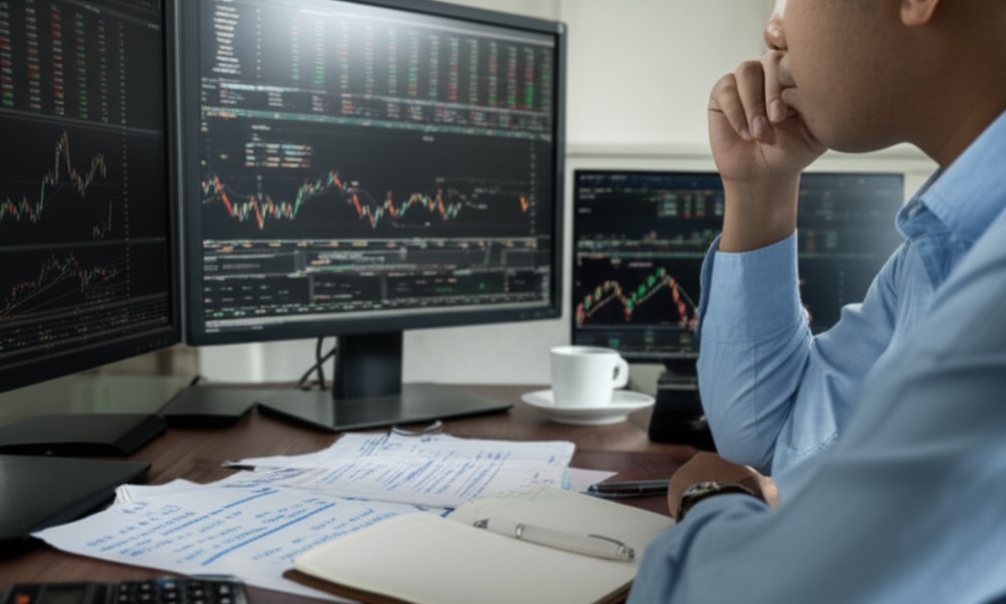
Creating a Winning Strategy
Developing a winning strategy means more than just picking a currency pair to trade. It’s about strategy development grounded in market analysis and backed by solid risk management. Think of it as a roadmap: without one, you're wandering aimlessly. A clear framework can set you on the path to performance optimization, helping you execute your trades effectively and stay ahead of the game.
How Planning Affects Trading Performance
A well-thought-out trading plan is like a blueprint for success. It’s not just about risk assessment, but also about measuring how well you execute under market volatility. A good plan means you’re not flying by the seat of your pants; you’re focused on performance metrics and loss mitigation, and you're less likely to panic. Traders who plan are the ones who keep their heads cool when things heat up.
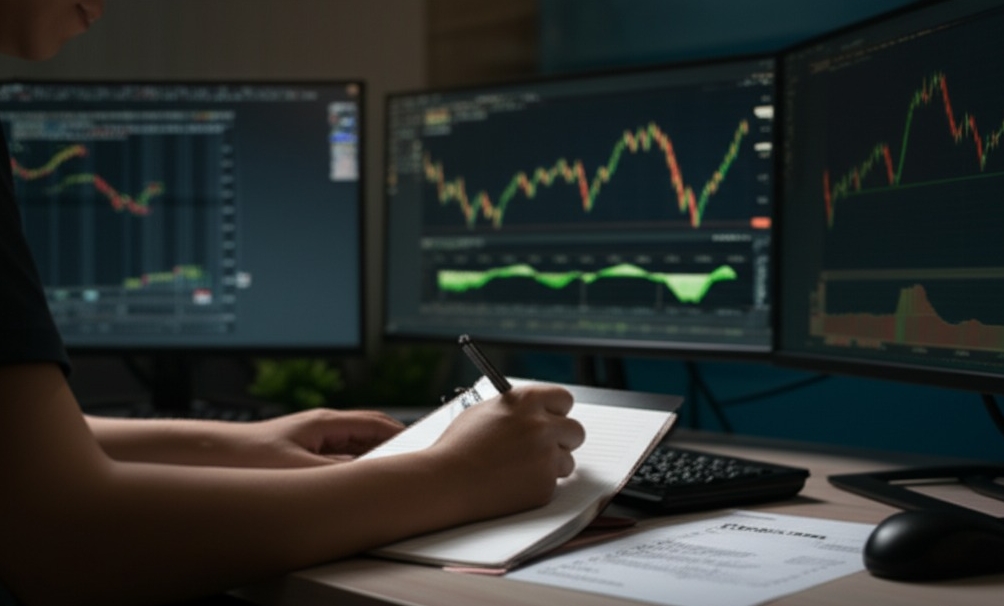
The Danger of Impulse Trades
Ever made a hasty trade just because the market "looked good"? Emotional trading can lead to hasty decisions and overtrading, exposing you to financial loss. When you don’t stick to a plan, discipline flies out the window, and you risk draining your account. Psychological factors like greed or fear can cloud judgment, and those consequences can be ugly. Don’t let emotions drive your trading decisions.
The Importance of Setting Clear Goals
Goal setting isn’t just for New Year’s resolutions—it’s critical in Forex. Setting measurable objectives gives you a clear direction and helps maintain focus. With performance targets, you know exactly what you’re aiming for. Goals keep you accountable, pushing you to stay on track, especially when times get tough. Without them, it’s easy to lose sight of your vision. Track your progress to make sure you’re always moving forward.
How to Control Risk and Protect Your Capital
Risk management is everything in Forex trading. You can have the best strategy, but if you don’t protect your capital, even the smartest moves can turn into major losses. Here’s how to keep your risks in check.
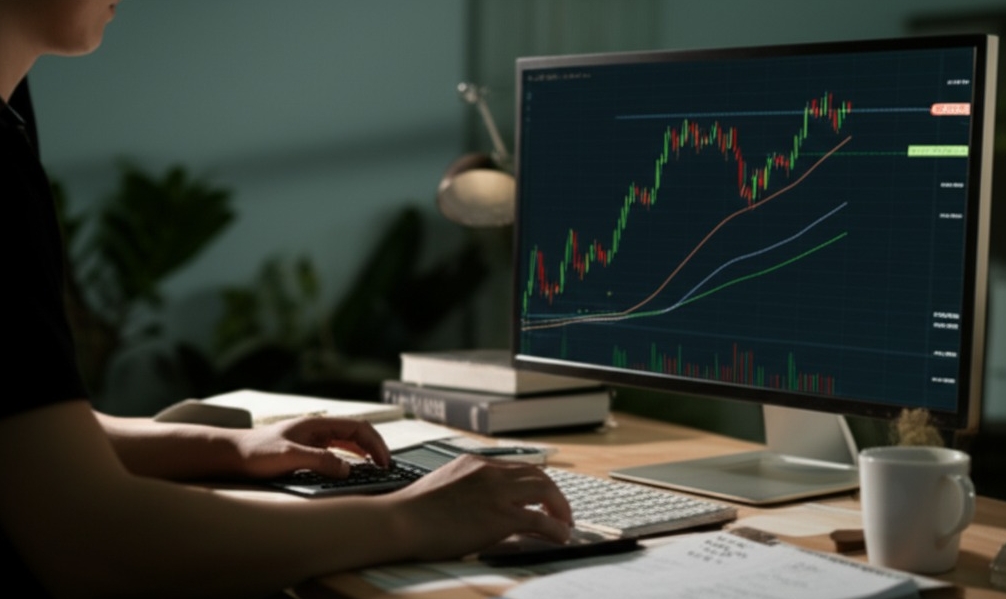
Understanding Risk-to-Reward Ratios
Risk-to-reward ratio helps you measure whether a trade is worth taking. It compares the potential gain to the loss you might experience.
A good ratio (e.g., 1:3) means the reward outweighs the risk, increasing your chances of profitability over time.
Always analyze your trades: don’t just chase big gains—make sure the reward justifies the risk you’re willing to take.
| Risk-to-Reward Ratio | Risk ($) | Reward ($) | Is it Worth? |
|---|---|---|---|
| 1:1 | 100 | 100 | Maybe |
| 1:2 | 100 | 200 | Yes |
| 1:3 | 100 | 300 | Definitely |
The Role of Stop-Loss Orders
A stop-loss order acts as your safety net. It automatically exits your trade once the price hits a certain level, limiting your losses.
It’s not just about protecting your wallet, it’s about sticking to your strategy and avoiding emotional decisions when the market gets shaky.
Using stop-losses effectively can prevent a small loss from turning into a disaster, saving you from major downswings.
Diversification as a Risk Mitigation Tool
Spreading your investments across different assets reduces the risk of large losses.
By diversifying, you’re not putting all your eggs in one basket, helping protect your portfolio from volatility in any one market.
This approach balances potential gains and minimizes exposure to any single risk factor, ensuring smoother trading over time.
These strategies together provide a solid foundation for reducing risk in Forex trading. Implementing these tools will keep you in the game longer, helping you manage your capital and minimize losses while working towards your trading goals.
What Happens When You Skip Market Research?
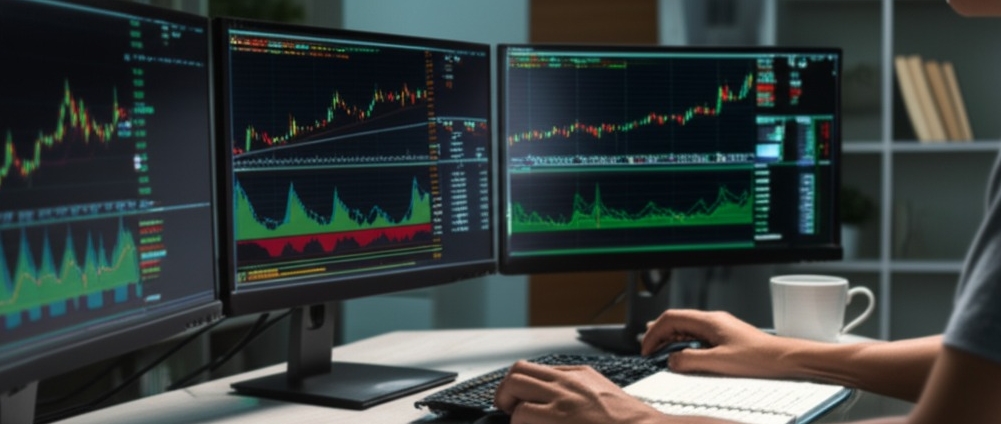
Skipping market research in Forex trading is like attempting to navigate a busy city without a map. You may think you know where you are going, but you are more likely to make uninformed decisions that lead to costly mistakes. Without proper research, traders increase their risk and set themselves up for poor trade execution, missed opportunities, and unpredictable market volatility.
When traders fail to research the market thoroughly, they lack a clear strategy. A lack of strategy can lead to emotional trading, where decisions are made based on gut feelings or temporary market movements instead of solid data. This often results in bad entry and exit points, making it harder to capitalize on profitable trends or avoid losing positions.
Experienced traders know that staying informed is crucial. According to financial expert John Doe, "Without the right research, your decisions are essentially guesses, and no one can win consistently by guessing." By taking the time to analyze trends, economic indicators, and market conditions, traders can better predict price movements and make decisions with confidence.
Skipping research means missing out on crucial data that could guide your trading choices. The risk of trend misinterpretation or executing a poorly timed trade can lead to financial losses that are hard to recover from. It is a vicious cycle: without preparation, you trade with a blindfold on, increasing your exposure to bad trades and wasted investments.
If you want to succeed in Forex trading, make market research your foundation. This approach will not only reduce risk but also allow you to make well-informed decisions, improving your chances of making profitable trades.
Can You Rely on Trading Software Alone?
In today's world, automated systems and algorithms seem like the way to go. But can you really rely on them completely? Let’s dive into when they fall short.
When Software Falls Short in Trading
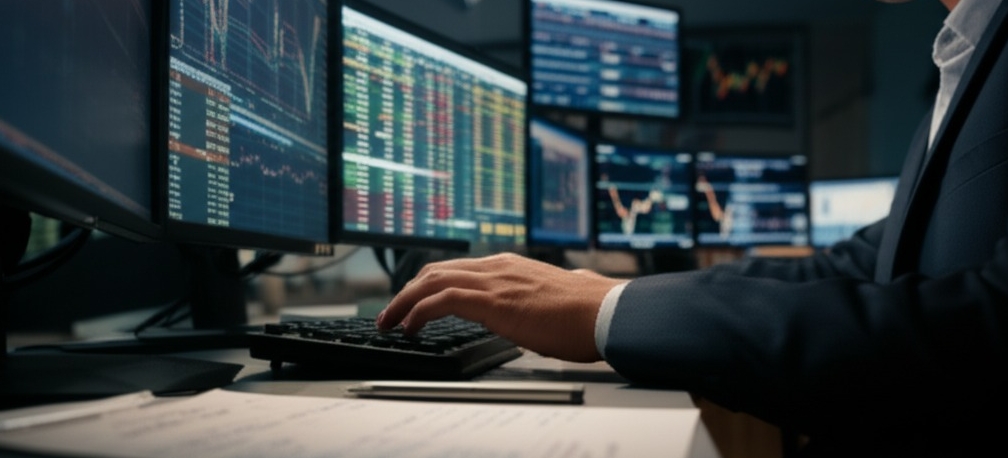
While algorithmic trading and automated systems can streamline trades, they aren’t foolproof. In the chaos of market volatility, like during flash crashes or unexpected events, even the most sophisticated systems can fail. Data anomalies, technical glitches, and over-optimization of models often lead to system errors that may cause huge losses. A reliance on these systems without proper risk management or human oversight increases the chances of trading disasters when a black swan event occurs.
The Importance of Human Judgment in Trades
Automated systems are great, but they lack emotional intelligence and market intuition—traits critical in discretionary trading. Humans excel in pattern recognition and crisis management, adjusting strategies based on unforeseen circumstances or market shifts. While software follows pre-programmed rules, human judgment allows for flexible, adaptive strategies in the face of ever-changing markets. You need experience-based insights to navigate complex situations, where technical systems might struggle to keep up. In short, don’t let a machine make all your decisions!
How to Keep Emotions Out of Trading
Trading is as much about controlling your emotions as it is about analyzing the market. Fear and greed can drive impulsive decisions, while stress and anxiety can cloud judgment. Managing emotions effectively can mean the difference between a successful trade and a costly mistake. Here’s how you can take control.
Understanding the Impact of Emotional Trading
Emotional trading is a killer in the Forex world. Fear of missing out can lead you to chase trades, while greed may cause you to hold onto a position for too long. Cognitive biases, like overconfidence, can trick you into ignoring risk management. These emotional responses often result in poor decision-making, leading to trading errors and poor performance. Stay alert to your mindset—trading psychology isn’t just about numbers; it's about your mental game.
Techniques for Managing Stress and Anxiety
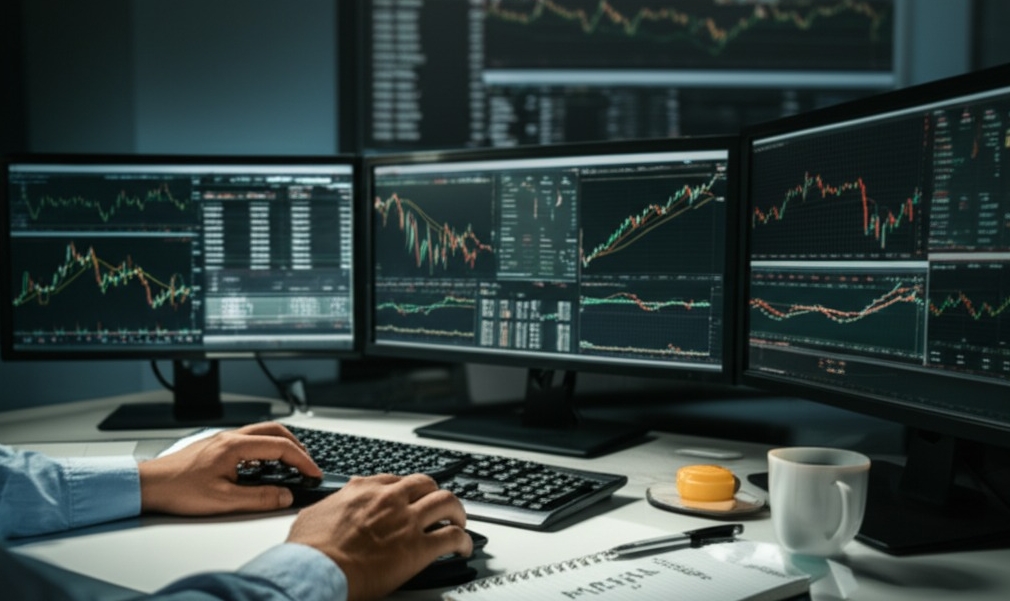
Stress management is key in maintaining emotional balance. When the market gets intense, it’s easy to feel overwhelmed. That’s why you need reliable coping mechanisms. Deep breathing exercises, mindfulness, and even a quick meditation session can help ease anxiety. Try taking a short break if the tension builds—sometimes stepping away for a minute gives you the clarity you need. Emotional regulation is crucial for staying grounded and making clear-headed decisions.
Developing Mental Discipline for Forex
Mental discipline is your best friend in Forex. A solid trading routine keeps you focused and patient, even when things aren’t going your way. Forex trading requires consistency and emotional control—resisting the urge to act impulsively is essential. With practice, you can develop a mindset where trading decisions are made with logic, not emotion. This discipline boosts your trading performance over time.
Why High Leverage Can Be Dangerous
High leverage can make or break a trade, but using too much can be a recipe for disaster. Here's why you need to be cautious.
How Leverage Amplifies Risk
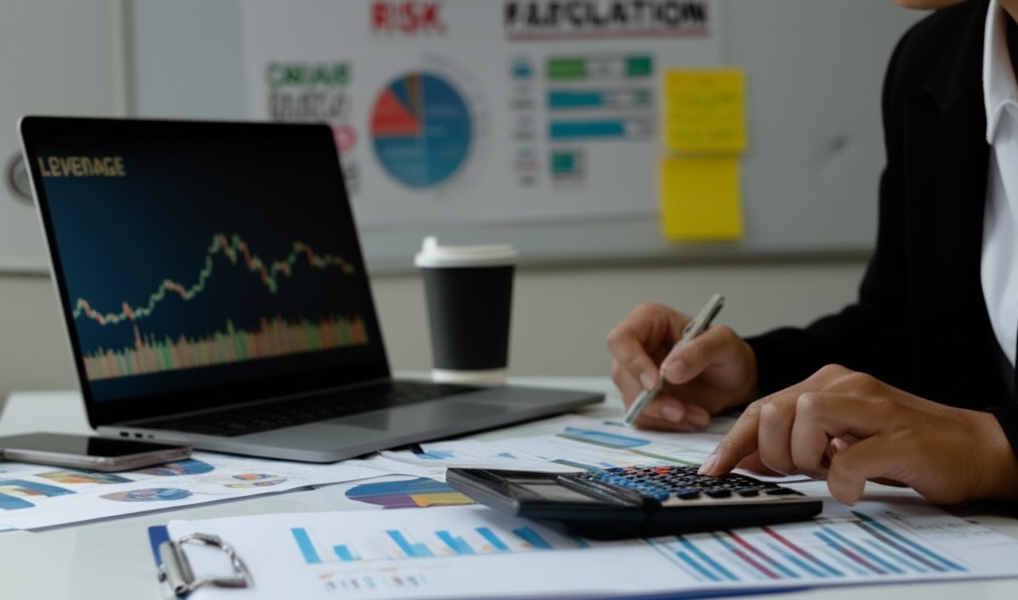
Financial leverage can amplify both gains and losses. When you trade with borrowed money, even a small market movement can have a huge impact on your portfolio. Leverage increases your exposure to market risk and volatility, which is why managing it properly is crucial. If things go south, amplified losses could easily wipe out your investment capital, making it essential to understand the balance between margin trading and prudent capital allocation.
The Hidden Dangers of High Leverage
Excessive leverage can lead to a downward spiral. Margin calls, forced liquidation, and even bankruptcy risks are all part of the danger zone when using high leverage. A market downturn can quickly become catastrophic, as leveraged positions can result in immediate debt and financial instability. Speculative trading using large amounts of borrowed capital can trigger erosion of your portfolio and lead to a chain reaction of economic downturns.
Managing Leverage for Safer Trading
To trade with leverage responsibly, you need to understand risk management. Set leverage limits, focus on position sizing, and use stop-loss orders to protect yourself. Diversification and prudent trading strategies can help mitigate the risks associated with margin requirements. Risk assessment is key, and every investor should focus on capital preservation and balancing their portfolio to avoid the consequences of a margin call.
Real-Life Examples of Leverage Disasters
Leverage disasters aren't just hypothetical; we've seen real-world failures. Take the collapse of Long-Term Capital Management in 1998, or Archegos Capital in 2021—both were driven by excessive leverage and speculative trading. These cases illustrate how leveraging too much can result in investor losses, market crashes, and even corporate bankruptcies. Learning from these financial crises can help you avoid similar pitfalls.
| Leverage Ratio | Risk Exposure (%) | Potential Losses (in %) | Recommended Capital Allocation |
|---|---|---|---|
| 1:10 | 10 | 10 | $1000 |
| 1:50 | 50 | 50 | $500 |
| 1:100 | 100 | 100 | $250 |
| 1:500 | 500 | 500 | $50 |
When to Cut Losses and Lock in Profits
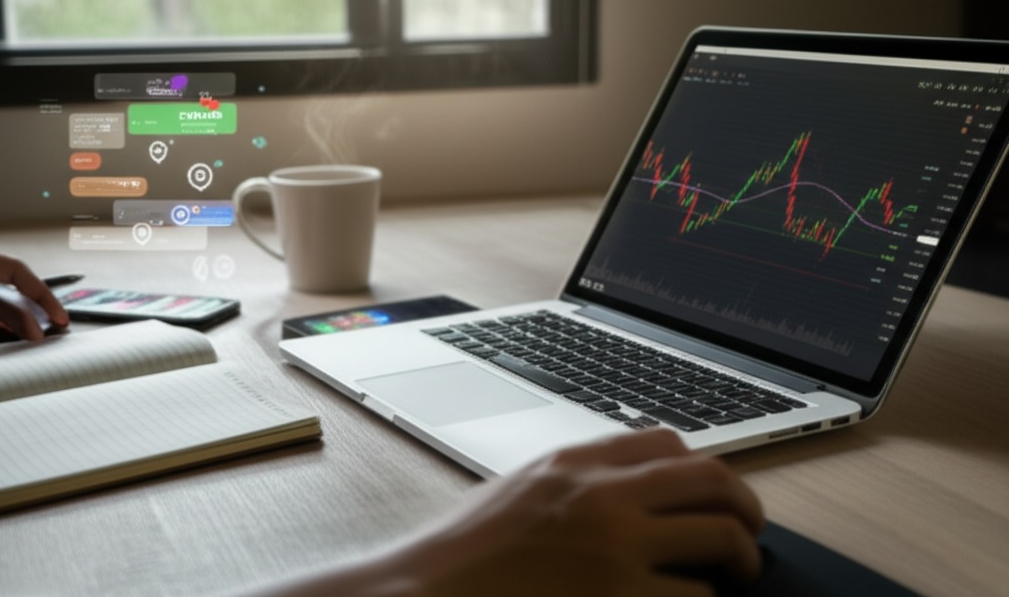
Knowing when to cut your losses and lock in profits is key to surviving the rollercoaster ride that is Forex trading. These decisions often make the difference between long-term success and financial setbacks.
Why Letting Losses Run Hurts Traders
Letting losses run is like digging yourself deeper into a hole. The longer you hold onto a losing position, the more your capital gets eaten away. Traders can find themselves emotionally invested in bad trades, which clouds judgment. It's a dangerous game of "maybe it’ll turn around" that usually leads to even bigger losses. In the end, these poor decisions drain your portfolio, sometimes to the point of financial ruin.
Setting Target Prices to Lock in Gains
Setting target prices is crucial for maximizing your gains. By identifying a price point at which you’re willing to take profits, you ensure you don’t let your success slip away. This exit strategy helps you stick to your trading plan, balancing risk with reward. Your target prices reflect your market analysis and investment goals, keeping you disciplined and focused on the big picture, not just short-term fluctuations.
The Power of a Stop-Loss Strategy
Stop-loss orders are like a safety net for your portfolio. They automatically exit a trade at a set price to prevent further losses. In a volatile market, this can be a lifesaver, protecting your capital from unexpected downturns. By having a stop-loss in place, you're practicing risk management—limiting potential losses without constantly monitoring the market. It’s a smart move for every trader serious about preserving capital.
Knowing When to Exit a Trade
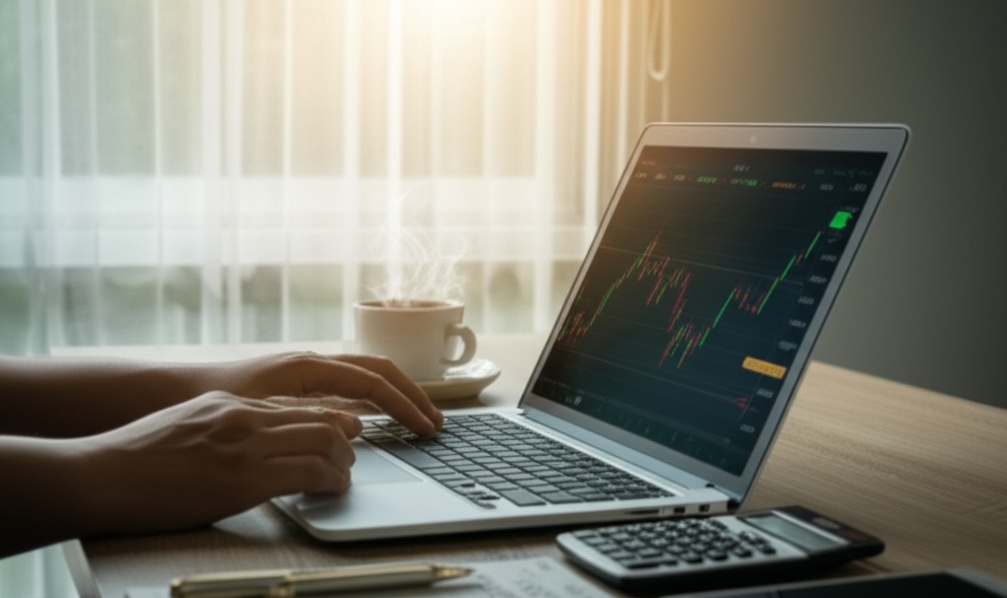
Exiting a trade isn’t just about hitting a price target. You need to be tuned into market signals and your own trading strategy. When technical analysis or shifting market conditions tell you it’s time to exit, do it without hesitation. Successful traders know when to cut their losses or lock in profits. Trusting your trading plan and assessing risk in real-time is essential for making those crucial exit decisions.
The Psychology of Cutting Losses Early
Emotion often drives trading decisions, but fear and greed can lead you astray. The psychology of cutting losses early is challenging for many traders. It requires discipline and mental fortitude to admit when a trade isn’t going your way. Cognitive biases, like loss aversion, make it tough to pull the plug on a losing trade, but early cuts prevent emotional trading. Mastering this aspect of trading means staying in control and sticking to your risk tolerance.
When to Cut Losses and Lock in Profits
| Strategy | Benefit | Risk of Avoiding |
|---|---|---|
| Cut Losses Early | Prevents further capital erosion. | Emotional decision-making can extend losses. |
| Set Target Prices to Lock in Gains | Helps you lock profits at desired levels. | Risk of missing out on more significant gains. |
| Use Stop-Loss Orders | Protects capital automatically. | Risk of exiting too early in volatile markets. |
| Exit Based on Market Signals | Increases trading discipline and decision-making. | Failure to exit could lead to larger losses. |
Does Education Make a Difference in Forex?
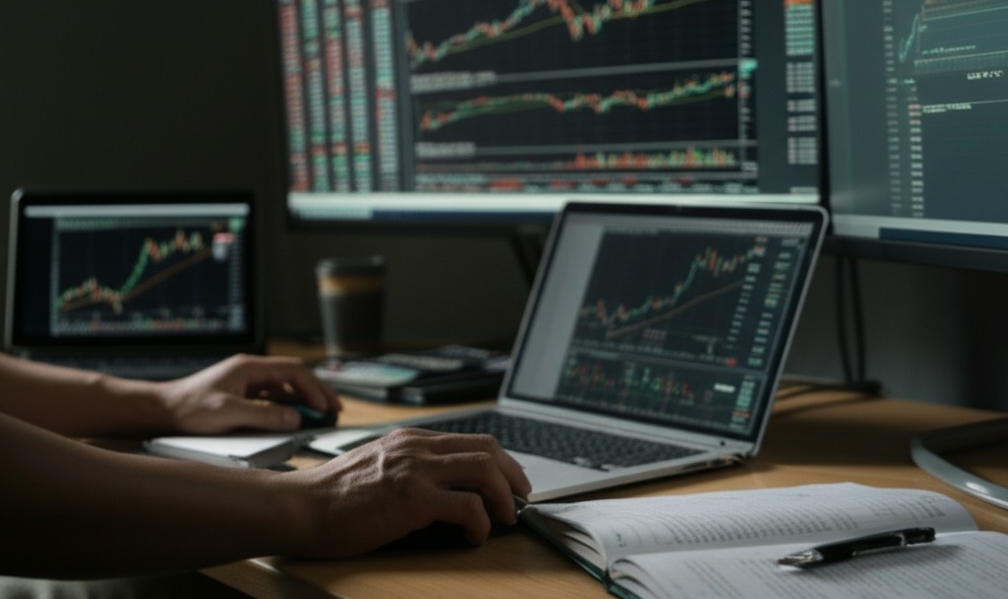
When it comes to Forex trading, knowledge is power. A solid education in Forex trading is not just an advantage, it is essential. Many beginners believe they can jump into trading and quickly start making profits, but the truth is, without trading knowledge and skill development, the chances of failure are high. Just like any other profession, the more you learn, the better your chances of succeeding.
Traders who invest in their education are more likely to make informed decisions. Forex education covers a variety of areas including market analysis, risk management, and trading strategies. Understanding these concepts not only helps traders navigate the market but also minimizes unnecessary losses and maximizes profitable trading opportunities. Without proper education, traders can fall victim to emotional trading, excessive risks, and even scams. By arming themselves with the right information, they build a solid foundation that supports long-term success.
Financial literacy and continuous learning are crucial for staying ahead in the constantly evolving Forex market. Industry experts, such as renowned trader and educator Kathy Lien, often stress the importance of ongoing education. She says, “Trading knowledge is one of the key factors that separates successful traders from those who fail. As the market shifts, so must your strategies and skills.” It is clear that without a commitment to learning, traders will struggle to keep up with changing trends and new tools that can improve their trading techniques.
Investing in education—whether through formal courses, online tutorials, or mentorship programs—equips traders with the skills needed to adapt to the market’s unpredictable nature. Forex trading is not just about having access to technology or software; it is about understanding the forces that drive market movements, implementing sound risk management strategies, and using knowledge to make the most informed, logical decisions.
A strong education in Forex trading leads to informed decision-making and long-term profitability. As one expert put it, “The best traders are those who never stop learning.”
Conclusion
In Forex trading, mistakes are part of the game, but the key is learning from them. The real winners are those who know how to avoid the big missteps. Stick to a solid plan, control your emotions, and manage risk—these are your best friends in the market.
Remember, "The market doesn’t forgive those who rush." With patience, discipline, and continuous learning, you’ll be able to turn mistakes into valuable lessons.
So, get out there, trade smarter, and make those winning moves. You’ve got this!
Forex trading is the buying and selling of currencies on the foreign exchange market. It’s a decentralized global market where currencies are traded against each other, with the goal of making a profit from fluctuations in exchange rates.
It’s like exchanging dollars for euros when you’re traveling, but on a much larger scale—and it happens 24/7. The goal is to predict which direction a currency pair will move and trade accordingly.
Leverage in Forex trading allows you to control a larger position with a smaller amount of capital. For example, a 10:1 leverage means you can trade $10,000 worth of currency with just $1,000 of your own capital.
While leverage can boost potential profits, it also increases the risk of losses. It’s like using a credit card to buy something; you’re borrowing to make a bigger purchase, but it could hurt if you don’t manage it properly.
Potential for significant losses
Increased risk of margin calls
Requires careful risk management
Higher potential returns
Ability to control larger positions
Increased flexibility in trade execution
Pros of Leverage:
Cons of Leverage:
Risk management is a cornerstone of successful Forex trading. It’s all about protecting your capital from large losses while still aiming for profitable trades. Without it, one bad trade could wipe out your entire account.
Setting stop-loss orders to limit losses
Using proper position sizing
Avoiding excessive leverage
Regularly reviewing your trading plan
Risk management strategies include:
By managing risk, you create a cushion to absorb losses and keep your trading career on track, no matter what the market throws at you.
A stop-loss order is an instruction you give to your broker to automatically close a trade once the price moves a certain amount against you. It's a way to prevent larger losses when the market moves in the opposite direction of your trade.
Stop-loss orders help you stick to your trading plan, especially when emotions could cause you to hold onto losing positions longer than you should. You decide the risk level and set it in advance to protect yourself.
In Forex trading, currencies are traded in pairs, meaning you’re always buying one currency and selling another. For example, in the EUR/USD pair, you are buying euros and selling US dollars.
The value of each pair fluctuates based on the economic conditions of the two currencies involved. If the EUR strengthens against the USD, the EUR/USD pair will go up, and you’ll make a profit if you bought the pair.
Yes, it is possible to make money in Forex trading, but it’s not a guarantee. Successful trading requires knowledge, skill, strategy, and a bit of luck. Many traders start out thinking they can make a quick buck, but it takes time to build up the expertise and consistency needed for long-term profits.
Educate yourself continually
Start with a demo account to practice
Stick to your trading plan
Manage risk carefully to protect your capital
Tips for success:
A pip is a small measure of price movement in Forex. It stands for 'percentage in point' and is usually the smallest price movement that a given exchange rate can make based on market convention. For most currency pairs, a pip is 0.0001.
Understanding pips is crucial because they represent the potential profit or loss per trade. It’s like measuring how much a stock price moves, but in Forex, it's how much the exchange rate shifts.
A margin call happens when the value of your trading account falls below the minimum required margin. This typically occurs when the market moves against your position, and your broker requires you to add more funds to maintain the trade.
It’s important to monitor your margin levels carefully. If you don’t add more money when a margin call happens, the broker may automatically close your position, which can result in significant losses.
To start trading Forex, you'll need to:
It’s a good idea to familiarize yourself with the platform, learn about the different types of orders, and test your strategies before diving in.
Open an account with a Forex broker.
Fund your account with the required minimum deposit.
Practice using a demo account before going live.
Start trading with a small position size to minimize risk.