

Table of contents
Ever felt like you were doing everything right in trading, yet your account kept bleeding? You're not alone—and that's exactly why we put together Top 10 Trading Myths: Guest Commentary. From the idea that great traders are born, not made, to the fantasy of quitting your job to trade full-time, myths like these trip up smart people every day. They sound legit, but cost you time, money, and confidence.
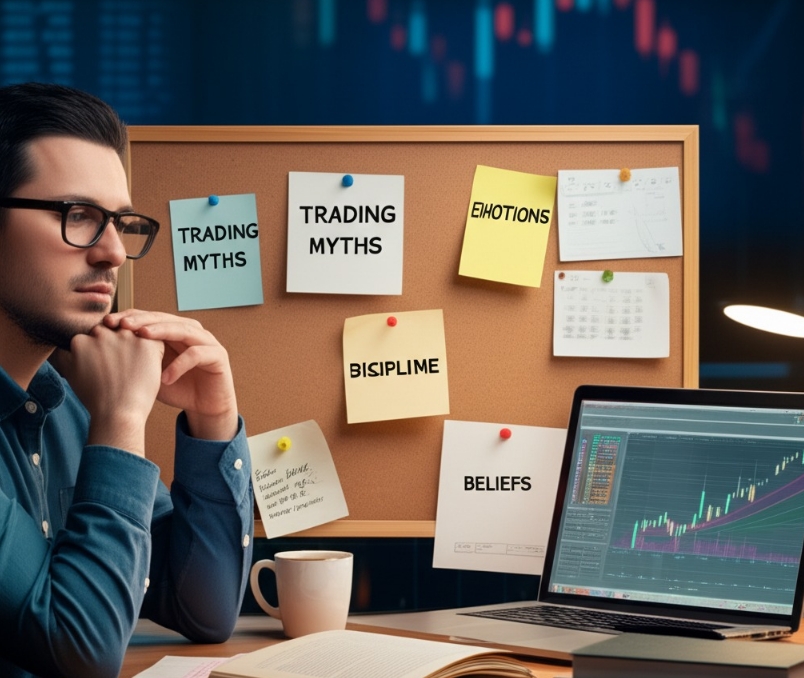
As Dr. Gary Dayton puts it, “Most trading problems are really belief problems in disguise.” In other words, bad info leads to bad habits—and the market doesn’t forgive either.
This guide unpacks the biggest trading lies still floating around and hands you a clear, BS-free lens. If you're tired of chasing ghosts and ready for grounded, honest insight, you're in the right place.
Are Great Traders Born or Made
Many think trading greatness is inherited—truth is, it's all about training smarter, not being born luckier.
Talent Doesn’t Equal Trading Skill
Let’s be real—no one’s born reading candlesticks or managing risk like a machine.
Mastery in trading comes from discipline, not genes.
Profitable traders rely on strategy development and repeated practice, not “talent.”
Skill is built through consistent feedback loops and smart adjustments.
Trading is like learning guitar: talent helps, but practice turns noise into music.
Confidence Builds from Data, Not DNA
If your confidence comes from “vibes,” the market’s about to humble you.
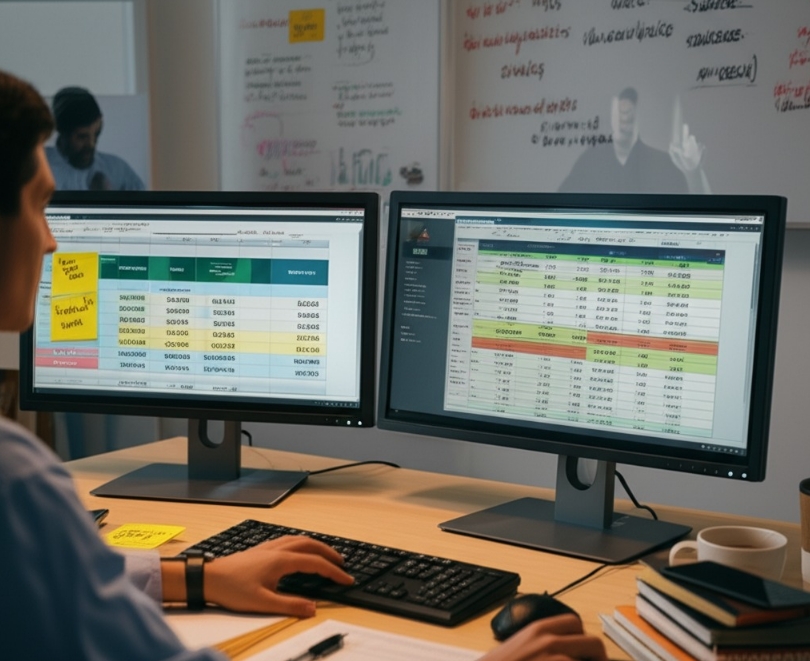
Collect your trading metrics weekly (win rate, risk-reward, drawdown).
Build belief by stacking data-driven results.
Focus on validation, not just gut calls.
“You gain confidence by surviving your system, not just liking it,” says Linda Raschke, pro trader and author.
| Metric Type | Description | Ideal Range |
|---|---|---|
| Win Rate (%) | % of trades closed in profit | 45% – 60% |
| Risk/Reward Ratio | Avg. reward per unit of risk | 1.5:1 or higher |
| Max Drawdown (%) | Largest equity drop | Under 20% preferred |
Mentorship Overcomes the Learning Curve
Mentors are like GPS for the market—you still drive, but you stop getting lost.
A good coach reveals the "why" behind setups.
Growth accelerates when you get feedback on your blind spots.
Plus, you absorb not just tactics, but mindset shifts.
Without guidance, many traders waste years looping through the same mistakes.
Mindset Training Outweighs Natural Instinct
Instinct might win one trade. Mindset wins the next 500.
Emotional discipline keeps you out of revenge trades.
Mental focus allows you to execute without hesitation.
Training your psychology lets you control behavior before it controls you.
Truth is, instincts react—trained mindset responds with clarity and control.
More Trades More Profit
More trades don’t mean more money—it usually means more mess. Let’s break down how overtrading kills results and why fewer, smarter moves win.

Overtrading Destroys Account Longevity
Overtrading grinds your account longevity into the dirt. You burn capital fast, ignore risk management, and sacrifice financial stability. What’s worse? It feels productive—like you’re “doing something.” In reality, you’re just bleeding your portfolio dry.
“Amateurs go wide, pros go deep.” — Mike Bellafiore, SMB Capital
| Metric | Healthy Trading | Overtrading Scenario |
|---|---|---|
| Average Trades/Week | 5–10 | 35–50 |
| Win Rate | 55–65% | 35–45% |
| Account Drawdown (Monthly) | <5% | >15% |
Takeaway: High trading frequency doesn’t mean high results—it means high exposure to market losses.
Quality Trades Beat Quantity Trades
Selective trading improves trading performance.
One high probability setup with strong market analysis often outperforms five rushed ones.
Focusing on trade quality increases efficiency and investment returns over time.
Forget “always be trading.” The real pros wait for setups that check all their boxes—tight risk, clean signals, and high upside. Less stress, more edge.
Market Noise Triggers False Confidence
You see patterns everywhere—false signals driven by market noise.
That builds artificial trading confidence.
Then comes a string of bad calls, shaking your trading psychology and skewing your risk perception.
Emotional trading feels right in the moment—but it’s a trap. Stay grounded. Stick to your plan. Don’t let market volatility whisper sweet lies into your strategy.
High Risk High Reward
Many traders think swinging for the fences leads to home runs. Truth is, going "all in" often ends in heartbreak. Here's what the numbers really say.
Big Bets Don’t Mean Big Wins
Throwing a huge chunk of capital into a single investment doesn’t make you bold—it makes you vulnerable. High stakes don’t always equal high return. The probability of a favorable market outcome drops sharply without proper strategy, diversification, and risk discipline. Speculation without protection usually backfires.
“It’s not about being right all the time. It’s about not losing big when you’re wrong.” – Paul Tudor Jones

Risk Management Is Profit Insurance
Think of risk management like wearing a seatbelt. You may not crash often, but when you do, it keeps you from flying through the windshield. Smart traders use stop-losses, capital allocation rules, and portfolio balancing to preserve financial security.
Capital protection is the core of long-term success.
Without risk limits, profit is pure luck.
Sustainable gains demand controlled downside exposure.
Volatility Is Not Opportunity
Just because the market’s jumping doesn’t mean you should. Volatility gets hyped like it’s a goldmine, but more often it’s just noise—loud and dangerous. Many traders confuse price fluctuation with profit potential, ignoring the uncertainty it represents.
| Asset Class | Avg. Daily Volatility (%) | Trade Failure Rate (%) |
|---|---|---|
| Crypto | 7.2 | 68 |
| Penny Stocks | 5.6 | 74 |
| Blue-Chip Stocks | 1.3 | 35 |
More motion ≠ more money.
Reward-to-Risk Ratio Matters Most
Good trades aren’t just about winning, they’re about winning more when you’re right than you lose when you’re wrong.
A 2:1 or 3:1 reward-to-risk ratio allows traders to stay profitable even with a 40–50% win rate.
This ratio gives every trade purpose—and a proper profitability assessment.
In short: if you’re risking $100, make sure you can make $200–$300. Anything less? Pass.
Emotional Trading Clouds Risk Clarity
Ever rage-bought a stock after missing an entry? Or dumped your position out of fear? That’s your emotions steering the ship—and they’re terrible drivers. Impulse and bias crush rational decision-making. When fear or greed hijack your trades, you lose sight of your risk threshold.
Emotions blur the math.
Discipline protects your bankroll.
Don’t trust your gut—train your mind.
Copy Trading Works for Everyone
Copy trading sounds easy, but it’s a shortcut with sharp edges. Let’s unpack why blindly following others can mess up your game.

Blind Following Breeds Dependency
Rote trading ain't real trading. When you just mimic someone else’s moves, you’re not learning—you’re becoming uncritical.
Traders often fall into rigid routines based on someone else's template.
Adherence to instruction without understanding leads to dependency, not development.
Limiting your decisions to someone else's formula blocks your growth.
"Copy trading creates a false sense of security. It’s habit without insight." – Elena Scott, FX Analyst
Context Beats Copy-Paste Strategies
There’s no one-size-fits-all in the markets. What works for one trader might flop for another.
Material conditions—like account size, risk tolerance, or even time zone—change everything.
Great traders tailor strategies to specific context, not a prebuilt template.
You need something customized to your type, not just something that looks good in a backtest.
| Trader Type | Strategy Used | Outcome (%) |
|---|---|---|
| Scalper | Copy Swing Trades | -12.7 |
| Swing Trader | Customized Plan | +8.9 |
| Day Trader | Rote Copy Trades | -6.5 |
Copying without nuance often leads to regret. Be adaptable—or be disappointed.
Perfect Strategy Myth

“I spent two years chasing the holy grail,” said Marcus L., a Chicago-based trader who now coaches retail investors. “Every system looked flawless on backtesting charts. Then reality hit. Markets moved. Systems broke.”
This mindset—searching for a perfect strategy—is what traps many new traders. The belief that a single, flawless system can beat dynamic markets every time leads to frustration, overconfidence, or worse, financial loss. Markets do not reward perfection. They reward adaptability.
Strategy perfection is an illusion; dynamic markets demand flexible systems.
Backtesting limits: Past performance never guarantees future returns, especially when volatility shifts.
Risk management over strategy design: A decent strategy with strong risk control outperforms a “perfect” one that ignores real-world conditions.
As forex educator Kathy Lien once said in a webinar, “Imperfect strategies with realistic expectations and continuous improvement outperform ‘perfect’ ones in the long run.”
Traders who stop obsessing over perfection and start refining imperfect strategies—while adjusting to real-time feedback—develop long-term consistency. That is where true expertise grows.
Complex Strategy Trap
In trading, complexity often feels smarter—but it can kill your edge.
More Indicators, More Confusion
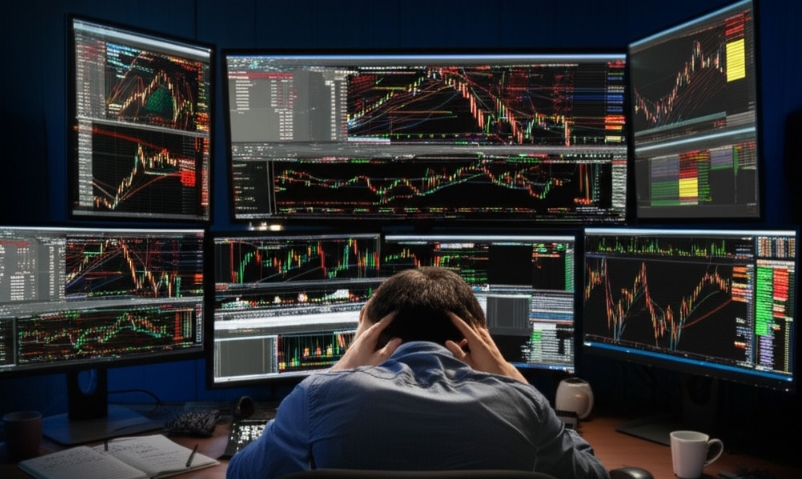
Layering tons of trading indicators on your charts might look impressive—but it’s usually just noise.
Too many signals = contradiction.
Contradiction = hesitation.
Hesitation = missed opportunities.
Why it matters: Traders often fall into “data overload,” confusing activity with analysis. Technical analysis is only as good as your ability to interpret it clearly. Stick with a few reliable market signals and ditch the rest. Think less clutter, more clarity.
Paralysis by Analysis is Real
You know that moment when you're staring at the screen, five tabs open, RSI blinking, trendlines drawn in ten directions—and still no trade? Yeah, that's analytical paralysis.
Your risk looks risky.
Your timing feels off.
You miss the trade—again.
Trading psychology and decision inertia are real roadblocks. You can’t win if you never pull the trigger. Develop a process that limits over-analysis and trusts your strategic planning. No second-guessing. Just clean execution.
Simple Systems Win Long-Term
Don’t let YouTube gurus fool you—simple trading strategies often outperform overly complex systems. Why?
Easy to follow
Less error-prone
Supports consistent gains
Easier to backtest and refine
Long-term profitability comes from discipline, not magic. A clean, rule-based strategy helps maintain focus, minimizes emotional swings, and supports sustainable profits. One trader said it best: “Complex systems impress traders; simple ones pay them.”
Clarity Improves Execution Speed
In high-volatility moments, hesitation costs money. A clear strategy boosts your execution speed by reducing decision time.
| Key Factor | Impact on Execution | Trading Benefit |
|---|---|---|
| Clear trade plan | Faster decision | Reduced slippage |
| Fewer indicators | Lower confusion | Increased confidence |
| Automated rules | Streamlined entries | Fewer missed trades |
Signal Overload Reduces Confidence
Getting five buy signals and three sell alerts in the same hour? Welcome to signal overload—a confidence killer.
Conflicting market analysis causes doubt
Doubt erodes trading confidence
Anxiety leads to inaction or revenge trades
You’re not “missing something”—you’re seeing too much. Clean your charts. Reduce input sources. Build trading psychology by regaining trust in your system.
Backtesting Doesn’t Predict Emotion
Backtesting gives you numbers. It does not prepare you for the psychological factors of live trading. When real money’s on the line:
Stress rises
Confidence dips
Discipline falters
What looked great in simulated trading might collapse under performance anxiety. As Jack Schwager once said, “The hard part isn’t developing a system; it’s sticking with it.” To succeed, balance trading emotions with cold, tested strategy.
Charts Over Everything
Charts are sexy, sure—but they’re not crystal balls.
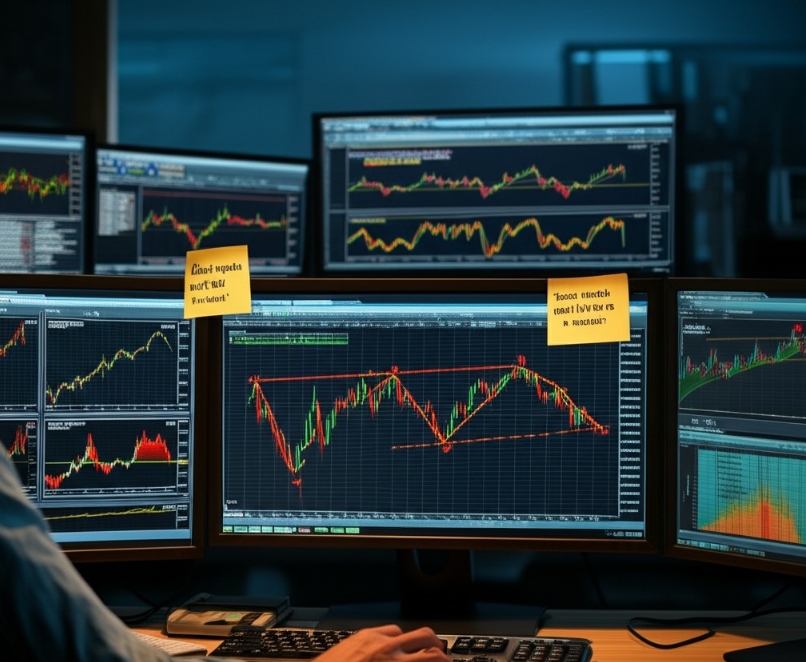
Technical Tools Miss Macro Trends
Technical analysis tools like RSI, MACD, and Bollinger Bands can tell you what has happened—but not what is coming. When macroeconomic trends shift—think rate hikes, inflation cycles, or global recessions—your pretty chart patterns might not see it coming.
Macro beats micro: big data analysis can uncover shifts long before a moving average crossover reacts.
Quant models often factor in systemic risk, which most chart-based systems ignore.
Long-term investing? You better know the economic cycle you’re trading into—not just the triangle forming on a 4-hour chart.
“Chart signals don’t fire in a vacuum. The world moves first—charts just respond.” — Linda Raschke, market veteran
Fundamentals Still Influence Price Action
Earnings miss? Boom—stock tanks.
Revenue up 30% year-over-year? Hello breakout.
Fundamental analysis is like reading the company's diary: it reveals its health, strength, and real value. Chart patterns alone can’t tell you if a stock’s price is justified or just hype.
Intrinsic value from valuation models often trumps speculative chart signals.
Industry analysis and financial statements shape market efficiency more than a “head and shoulders” ever will.
Even day traders watch earnings reports because fundamentals shake the ground charts stand on.
News Events Can Break Chart Patterns
Ever watched a perfect wedge formation get blown to bits by a Fed speech? That’s reality. News events don’t care about support levels.
| Event Type | Impact Range (avg %) | Time to Recovery |
|---|---|---|
| Fed Interest Decision | ±1.8% | 2–3 days |
| Corporate Earnings | ±5.2% | Varies |
| Geopolitical Crisis | ±3.7% | Weeks–Months |
Market shocks trigger breakouts against the expected trend.
Technical patterns collapse fast when investor sentiment pivots on surprise announcements.
Even the best trend lines can’t hold when geopolitical events hit the fan.
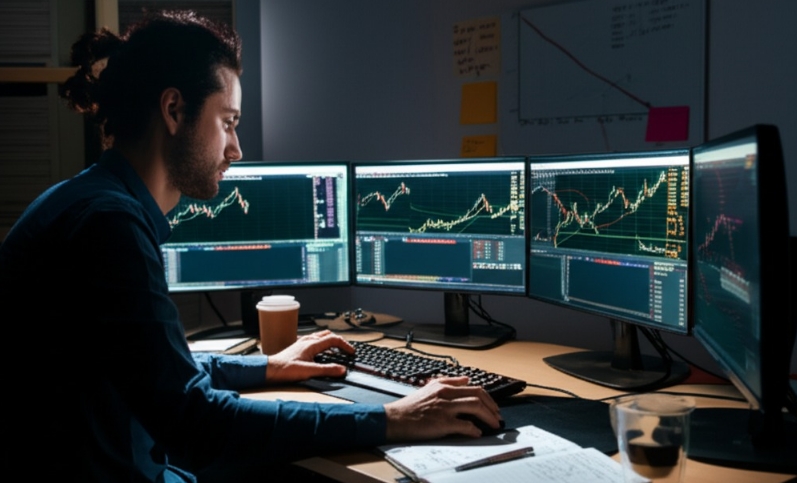
Full-Time Trading Dream
"I thought trading full-time meant freedom—until I saw what it really cost." That was Alex Grant, a former tech consultant turned day trader, speaking during a recent webcast hosted by TradeCrafters Academy. His story reflects a growing trend: professionals chasing financial independence through trading, only to meet a wall of psychological challenges and income instability.
What many do not realize is that full-time trading is not a shortcut to work-life balance. It is a career path that demands unwavering discipline, constant education and training, and full awareness of market volatility. It requires managing not just capital requirements but your mental resilience, daily.
Renowned strategist Linda Raschke once said, “Trading is the hardest way to make easy money.” Without solid risk management and proven trading strategies, dreams of steady profit collapse under pressure. Traders report stress from inconsistent income, long screen hours, and the pressure of making every trade count.
Before making the leap, ask:
Do you have 12–18 months of living expenses saved?
Are your strategies tested across different market conditions?
Can you handle long-term emotional exposure to uncertainty?
Trading full-time is not a fantasy. It is a full-on business.
Conclusion
If any of these myths hit close to home, don’t sweat it—every trader’s been there. We’ve all chased the dream setup, copied someone’s “sure-win” trade, or thought more risk meant more reward. The key is learning, not looping.
Like veteran trader Mark Douglas once said, “The consistency you seek is in your mind, not the markets.”
Strip out the noise. Keep it simple. And next time you’re about to follow a trading myth—pause, think, and trust the work, not the hype.
Overtrading happens when a trader makes excessive trades, often driven by FOMO (fear of missing out), boredom, or the illusion that more trades = more profit. It drains both your capital and your mental bandwidth. It's like trying to sprint through a marathon—you're bound to burn out fast.
It can—but it's not magic. Charts, indicators, and patterns help spot potential moves, but they don’t predict the future. Many traders make the mistake of treating technical analysis like a crystal ball. In truth, it’s just one tool in a bigger decision-making toolbox.
Matches your risk tolerance
Fits your time commitment
Has a clear edge you understand
Is consistent and testable over time
Think of it as your seatbelt. You won't need it every time, but when things go wrong, it’ll save you. Good risk management helps you stay in the game long enough to learn and grow, even if you hit a few losing streaks along the way.
Blindly copying traders without understanding the "why" behind their moves is like driving a car while only watching someone else’s GPS. You might end up in a totally different destination—or crash entirely. Context, timing, and risk profiles all matter.
Because you’re human. And markets have a way of exposing every emotional crack—fear, greed, hesitation, revenge. Your mindset controls how well you stick to your system, handle losses, and avoid the urge to go off-script when things get wild.
Inconsistent income
Emotional pressure and isolation
No safety net or paid time off
A steep learning curve that takes years to master