


Table of contents
Most folks think once Friday’s bell rings, trading goes dark ‘til Monday. But that’s not the full picture. In “Trading Opportunities when Markets are Closed over Weekends,” we’re peeling back the curtain on what really goes down after hours. Crypto doesn’t sleep. Forex winds down, but never fully shuts off. And with 24-hour platforms like Robinhood stepping up, weekends are no longer off-limits—they’re just underused.
“I trade weekends like most people binge Netflix,” one seasoned trader told CNBC. Truth is, news doesn’t stop breaking, and markets don’t stop reacting—they just shift to different lanes. Knowing how to move in those quieter lanes could be your edge.
If you’ve ever felt stuck waiting for Monday, this guide is for you. We’ll show you what you can trade, where to do it, how much it might cost, and how to dodge the risks that sneak in when things seem calm.

What can you trade on weekends
Weekends don’t have to mean silence on your trading screen. Here’s what’s still fair game when traditional markets take a breather.
Crypto market runs 24/7
The crypto market is the MVP of weekend trading. It never closes—24/7, rain or shine. You can buy, sell, scalp, or stake your favorite cryptocurrencies on major exchanges like Binance, Coinbase, and Kraken.
High liquidity means smoother execution, even at odd hours.
Volatility spikes around big blockchain updates or surprise news—perfect for traders who live for the action.
As one crypto trader put it, “Saturday’s my Friday—more action, less noise.”
Forex trading after New York close
Once the New York session ends Friday, the forex market slows dramatically—but it’s not totally asleep.
Brokers in the Middle East and Asia often allow weekend access to currency pairs.
Exotic pairs may still be quoted, but with thin liquidity and wild volatility.
Smart traders avoid heavy positions, instead using the time for chart prep and pending orders.
It's kind of like shopping late at night—fewer crowds, but fewer deals too.

Index CFDs from global brokers
Index CFDs let you speculate on major indices like the S&P 500, DAX, or FTSE—without needing the full stock market open.
Global brokers like IG and Pepperstone often offer weekend trading windows.
You’ll get access to derivative pricing, with spreads a bit wider due to limited market depth.
Expect higher margin requirements and leverage caps.
| Index | Typical Hours (UTC) | Weekend Availability |
|---|---|---|
| S&P 500 CFD | Mon–Fri 13:30–20:00 | Sat–Sun via IG (partial) |
| FTSE 100 CFD | Mon–Fri 08:00–16:30 | Sat via Pepperstone |
| DAX 40 CFD | Mon–Fri 09:00–17:30 | Sunday sessions (limited) |
Pro Tip: Weekends are perfect for testing small trades without weekday pressure.
Weekend trading platforms
Weekend traders need flexible platforms. Some brokers are stepping up with near-24/7 access, while others lag behind. Let’s break down who’s really got your back on weekends.
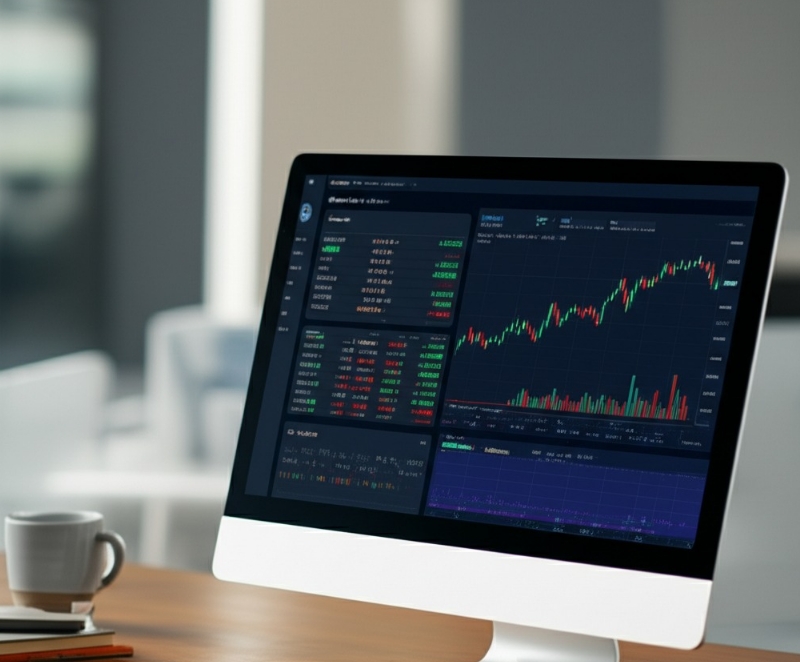
Robinhood’s 24-Hour Market explained
Robinhood's 24-Hour Market gives users the chance to trade stocks and ETFs from 8 PM ET Sunday to 8 PM ET Friday, no breaks. It’s designed for retail investors who want flexibility beyond standard hours.
Extended hours for trading U.S. stocks and ETFs
Access to increased liquidity during global events
Volatility remains higher during key earnings or macro news
Note: Options and crypto follow their own schedules—crypto is truly 24/7.
"We created the 24-Hour Market to democratize trading further," says Robinhood co-founder Baiju Bhatt.
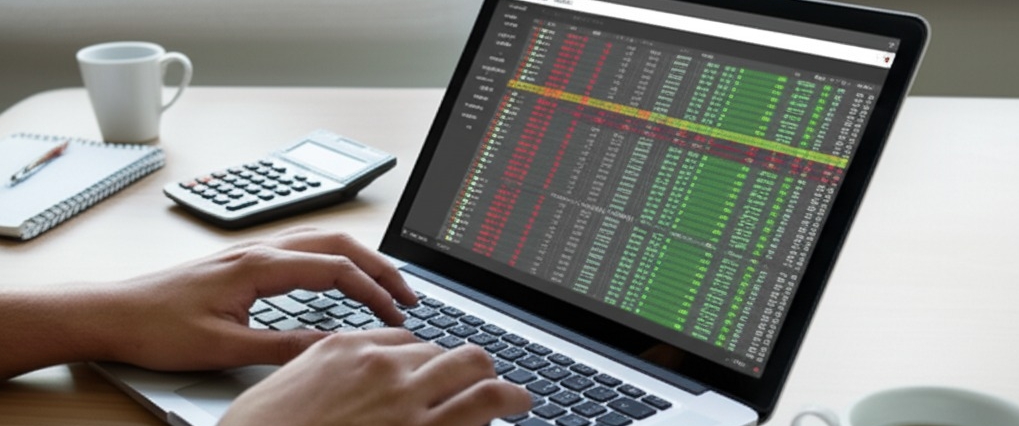
Dukascopy weekend structure overview
If you’re into Forex or CFDs, Dukascopy offers one of the few legit weekend trading environments via its JForex platform. It's more structured than most:
Weekend hours: Begins after Friday close, ends before Sunday global reopen
Tradable assets: Forex pairs, select cryptocurrencies, and synthetic indexes
Wider spreads: Less liquidity, so costs can be higher—trade smart
Testbed use: Many traders use weekends for strategy testing in live conditions
Great for experienced traders who understand off-hours risks and market conditions.
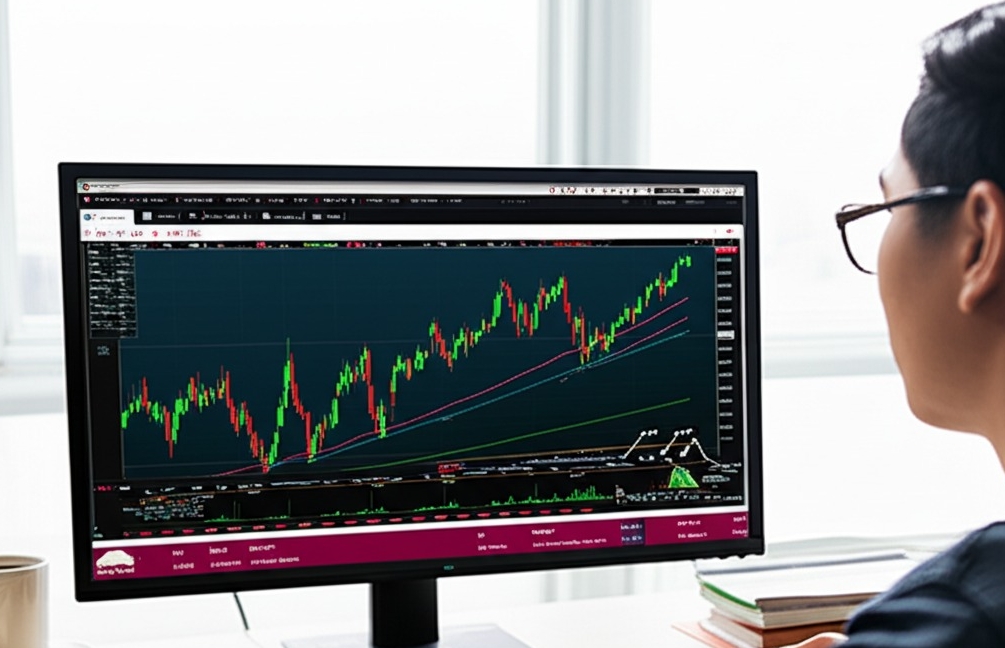
IG Markets’ out-of-hours access
IG Markets lets users trade outside regular hours on a wide range of indices, Forex pairs, and stocks. Its extended hours structure includes:
Pre-market and post-market trading on U.S. shares
Weekend indices like the FTSE 100 and Wall Street 30
CFDs and spot FX with variable spreads during low-volume windows
This setup helps traders catch macro news reactions before Monday’s open. Liquidity can vary, so position sizing matters.
Limitations of traditional brokers
Not all platforms are built for the weekend grind. Traditional brokers often fall short because:
Most shut down completely by Friday’s market close
Their platforms lack real-time liquidity management tools
Customer support often unavailable during weekends
They miss out on crypto or global CFD markets
In short: They’re built for the 9-to-5 investor, not the weekend warrior.
| Broker Type | Weekend Access | Instruments Offered |
|---|---|---|
| Robinhood | Full | Stocks, Crypto |
| Dukascopy | Partial | Forex, CFDs |
| Traditional Brokers | None | Limited or None |
If you want to trade on the weekend, look beyond the usual suspects. Robinhood and Dukascopy offer real access, IG gives you flexibility, and old-school brokers? Not so much.
Do weekend trades cost more
Weekend trading can look cheap at a glance—but dig a little, and you’ll see costs quietly stacking up. Here's where your money might be leaking.
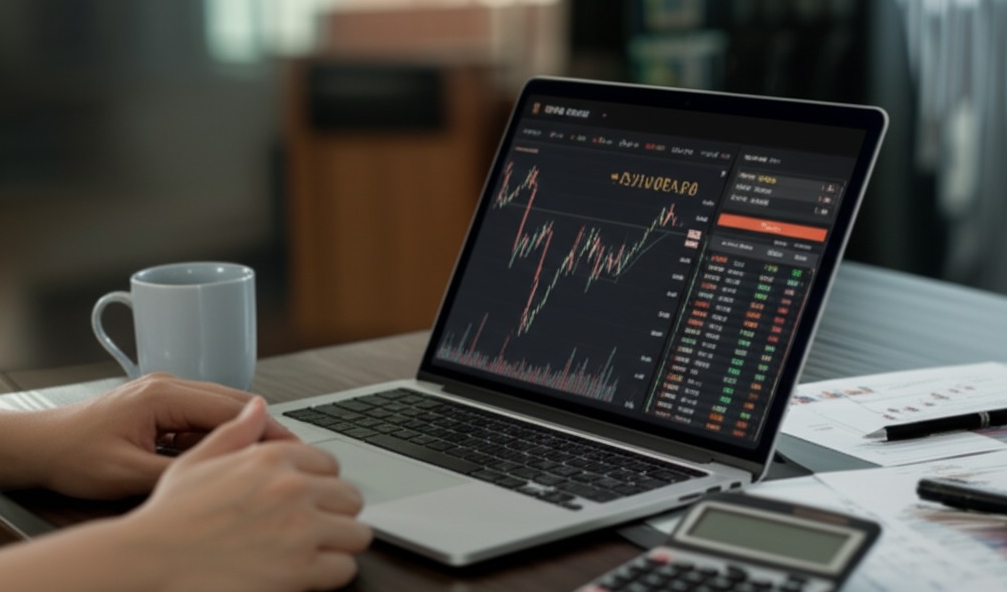
Weekend spreads and hidden charges
Trading over the weekend? The spreads often widen like a pothole after a storm. Liquidity dries up, and that gives brokers the green light to crank up costs.
Spreads in out-of-hours trading are often 2–3x higher than weekday sessions.
Hidden fees like inactivity charges or vague "market gap insurance" can slip in unnoticed.
Slippage risk grows when you're trading during low-volume hours, especially on market opens.
Platform fees may apply to weekend sessions, particularly with contract-based brokers or exotic assets.
"Weekend liquidity is thin. You're not paying a commission—you're paying with your price execution," says Marcus Hill, former FX desk manager at TradeSmart.
Holding fees vs. rollover interest
Sometimes, just holding a trade overnight can hit your wallet harder than you’d think.
Holding costs kick in once you roll positions into the next day—especially on margin.
Rollover interest, or swap rates, varies by broker and depends on the currency pair or asset.
Financing costs pile up faster for leveraged trades, especially on short positions with daily funding.
For high-leverage setups, that quiet Saturday-Sunday hold can bite into your expected gains.
| Trade Type | Avg. Rollover Rate | Leverage Impact |
|---|---|---|
| Forex Long (USD/JPY) | -0.75% | High |
| Crypto CFD Short | -1.2% | Moderate |
| Equity Index CFD | -0.5% | Low |
Tip: Always check the “swap rate” section before placing your order—it’s often buried in the fine print.
Weekend trading strategies
Trading doesn't stop for the weekend—it just shifts gears. These strategies help you make smart moves when volume dips and headlines drive momentum.

Trading the weekend news gap
Markets love surprises, especially over the weekend. Price gaps between Friday’s close and Monday’s open can be golden—but risky. This strategy involves analyzing late-week headlines and forecasting how they’ll affect Monday’s open price. Focus on events with macroeconomic impact or company-specific news.
Tip: Use historical gap data to measure volatility and set stop-loss levels accordingly.
Using technicals with low volume
Low volume doesn’t mean no action—it just requires sharper eyes. Use technical analysis tools like RSI, Bollinger Bands, and candlestick patterns on quiet charts.
Watch for false breakouts in low liquidity environments
Short-term patterns like triangles and flags work best
Use multiple timeframes to confirm entries
| Indicator | Recommended Timeframe | Signal Strength (1–5) |
|---|---|---|
| RSI | 1H–4H | 4 |
| Bollinger Bands | 1D | 3 |
| MACD | 30M–1H | 2 |
Hedging during closed stock sessions
When the stock market’s off, risk is still on. You can’t sell shares during weekend closings—but you can hedge.
Buy protective options on Friday afternoon
Use correlated futures (like S&P e-minis) to simulate exposure
Diversify into non-correlated assets like crypto or commodities
This strategy helps you sleep easier when your portfolio’s exposed to unpredictable weekend catalysts. As risk manager T. Jacobs says: "If you can’t trade, at least protect."
Crypto momentum on quiet weekends
Crypto is that one party that never ends. When the stock world takes a breather, Bitcoin and altcoins often gain momentum. “Weekends in crypto are wild,” said trader @NinaBlocks. “It’s like the adults left the room.”
Saturday morning breakouts fueled by Twitter news
Altcoin pumps triggered by influencer mentions
Volatility spikes from low liquidity and bot trading
Use tight stop losses and set alerts—things move fast, especially in sleepy markets.
Swing trading with Monday open in mind
Swing traders love the weekend—not for trading, but for prepping. You’re playing the anticipation game.
Analyze Friday’s close price and chart pattern
Identify potential weekend news catalysts
Predict Monday’s open with gap pattern analysis
Set alerts and prepare limit orders ahead of time
Remember: Swing trading with weekend context means focusing on position setups, not impulse trades.
Risk of holding positions overnight
Weekend trades can turn risky real quick.
Gap risk from weekend events
Gap risk is the silent assassin of weekend trading. While the market’s closed, the world keeps spinning—political bombshells, earnings leaks, natural disasters. When the market reopens, it often jumps (or dives), skipping your planned stop-loss and landing far from where you left it. That’s the trading gap—and it hurts.
Pro tip: Use economic calendars to flag event risk before you hold positions through a weekend. It’s better to be flat than caught off guard Monday at market open.
How to manage position size
Smart risk management starts with knowing how much to bet. Here's a fast breakdown:
Risk per trade: Keep it under 2% of your account size
Position size = (Account Equity × Risk %) ÷ (Entry Price - Stop Loss)
Leverage: Use less on weekends; volatility can wipe out gains fast
Diversification: Avoid overloading one trading strategy
| Account Size ($) | Risk % | Max Loss ($) |
|---|---|---|
| 5,000 | 2% | 100 |
| 10,000 | 1.5% | 150 |
| 20,000 | 1% | 200 |
The myth of weekend market safety
“Markets are quiet on weekends, so what could go wrong?” Plenty. That perception of market safety is a myth wrapped in hope. Liquidity thins out. Volatility doesn’t check out just because it’s Sunday.
“Weekend trading can lull you into a false sense of control,”
warns veteran trader Mark Peterson.
The lack of trading hours doesn’t mean a lack of price movement—it just means you can’t do anything about it until the bell rings. Always expect the unexpected with weekend trading.
Forex during off-hours

“Liquidity during weekend forex trading feels like walking into a mall just before closing. You will find a few people, a few open stores, but it is nothing like midday traffic,” said veteran forex trader Melissa Grant, who has spent over 12 years navigating currency pairs outside the 9-to-5 rhythm.
Off-hours trading in the forex market typically refers to late Friday through Sunday night, when major global trading desks are inactive. During these windows, liquidity drops sharply, spreads widen dramatically, and price execution becomes unpredictable. Platforms like MetaTrader 4, OANDA, and Dukascopy offer limited weekend functionality, often geared toward automated trading or pending order setups.
“Traders need to be extra cautious,” warns FX strategist Ken Ichimura, a frequent Bloomberg guest and head of risk at FXJ Global. “Slippage and volatility during thin market hours are the perfect storm for losses if orders are not managed properly.”
Major currency pairs may seem active, but thin order books mean wild price moves.
Gap trading becomes common—prices may open on Sunday night significantly away from Friday’s close.
Automated bots may react to weekend headlines, creating fake momentum or false breakouts.
Platforms that offer off-hours access often show a disclaimer on spread risk. Several brokers, including IG and Forex.com, publish weekend margin guidelines and educational articles to prepare clients for this. Always check platform alerts, weekend calendars, and potential geopolitical risk events before holding positions open.
Is weekend trading profitable
Weekend trading sounds tempting—but is it actually worth your time? This cluster dives into the profits, pitfalls, and real-world data behind weekend gains (or losses).
Realistic return expectations
Don’t expect to get rich overnight. Weekend profits can happen, but they vary wildly based on investment goals, risk tolerance, and time horizon. Unlike traditional markets, weekend trading often lacks clear signals, so you’ll need to rely on historical data, track your portfolio performance, and adjust for inflation. Compare your return with a benchmark index to stay grounded. Remember: compounding interest works better over time than on weekend gambles.
When to walk away from weekend trades
Look, sometimes the best trade is no trade at all. If market hours are thin, liquidity risk high, and volatility’s acting up after big news events, it’s okay to sit on the sidelines. Smart traders know how to use stop-loss orders, adjust position sizing, and lean on a tested exit strategy. If your gut’s screaming “this feels forced,” it probably is. That’s your risk management talking—listen to it.
Case study: crypto vs. stock returns
A quick side-by-side look at weekend performance in two major asset classes—cryptocurrency and stocks:
| Asset Type | Avg Weekend Return (%) | Volatility Index |
|---|---|---|
| Bitcoin (BTC) | 1.8 | High |
| S&P 500 (CFDs) | 0.4 | Low-Medium |
| Ethereum (ETH) | 2.1 | High |
Takeaways? Crypto brings more action but also more risk-adjusted return uncertainty. Use correlation analysis and focus on diversification before placing your weekend bets.
Does volatility equal opportunity?
“Volatility’s just another word for potential,” says Jake Benson, founder of a retail trading firm. But potential for what? Gains? Sure. Swing trading and day trading thrive in chaos—but so does poor judgment. High market volatility can mean more trading opportunities, but it also widens your risk exposure. If you’re diving in, have a grip on option strategies, price fluctuations, and strict risk management. This game rewards control, not just guts.
Best Tools for Weekend Prep
“You cannot walk into the weekend blind,” said Michael R., a portfolio strategist with 15 years of equity market experience. “You prep with the same precision as a surgeon—tools laid out, every move calculated.” And he is not wrong. Weekend trading may look calm on the outside, yet under the surface, every data point, alert, and scan matters.
Charting software like TradingView or MetaTrader, known for real-time plotting, custom technical indicators, and backtesting modules.
Economic calendars from sites like Forex Factory or Investing.com—vital for tracking Sunday night gaps.
Stock screeners and market scanners like Finviz or Benzinga Pro that highlight momentum, gappers, and volume spikes across global assets.
Financial news sites such as Bloomberg or MarketWatch keep a steady pulse on macro shifts.
Trading journals—Edgewonk or even a solid Excel sheet—help document setups, outcomes, and psychology over time.
Backtesting software is key. According to Dr. Linda Raschke, a market technician, “If you cannot prove it with data, you probably should not trade it.”
Platforms like Thinkorswim, NinjaTrader, and even Interactive Brokers have won awards for research and execution. Each provides institutional-level data feeds and mobile alerts, making them essentials for traders who prepare while others relax.
These tools are not just gear—they are a mindset. They keep you sharp, structured, and responsive to price, even when the world clocks out.
Conclusion
Trading on the weekends used to feel like showing up to a party after everyone went home. Not anymore. With crypto buzzing 24/7 and platforms stretching their hours, the doors never really close—you just need to know which ones to knock on.
“Weekend trades aren’t for the faint-hearted,” says a veteran forex trader. “But they’re where the gaps—and the gold—can be.”
Start small. Watch the flow. Try one strategy when the world’s quiet. Sometimes, the best moves happen when no one’s watching.
Technically, no — traditional stock exchanges like NYSE and NASDAQ are closed on weekends. But some platforms offer extended-hours or 24-hour markets (like Robinhood’s), letting you place trades tied to certain ETFs or derivatives even outside of the standard schedule.
Forex typically closes on Friday at 5 PM EST and reopens Sunday at 5 PM EST. However, a few brokers like Dukascopy allow speculative weekend trading in limited currency pairs. Liquidity is thin, spreads are wider, and most of the action is based on positioning for Monday’s open.
Yes — and often significantly. Market makers factor in:
If you’re trading weekends, expect a wider bid-ask spread than during regular hours.
Lower liquidity and less competition
Potential price gaps from weekend news
Their own increased risk exposure
You won’t have access to everything, but there’s still a decent menu:
Cryptocurrencies (Bitcoin, Ethereum, Solana, etc.)
Index CFDs tied to US, UK, or Asia indices
Forex pairs (on limited platforms like IG, Dukascopy)
Synthetic instruments via 24/7 brokers
Absolutely. Crypto traders call it the “weekend whip.” With fewer institutional players and lower volume, price swings can be sharp and sudden. Some traders love it. Others sit it out.
Gap risk is when a price opens at a different level than it closed — often caused by news or events while markets are shut. For example, if a company’s CEO resigns on Saturday, you won’t see that reflected in the stock price until Monday... which could open way lower than Friday’s close. That’s a weekend gap.
Yes, and using them wisely is half the game:
Economic calendars that run through Sunday
Crypto screener tools like CoinMarketCap or TradingView
Broker platforms with weekend market data
Sentiment trackers like Coinglass or ForexFactory
It depends on your goals. If you’re still learning risk management, weekends might feel like walking a tightrope with no net. But if you start small, focus on liquid assets like crypto, and use stop losses wisely — it can be a great way to learn in less noisy conditions.