

Table of contents
Part 1 - What Is Trading Psychology and Why Is It Crucial?
Part 2 - Emotional Traps in Trading
Part 3 - How Do Emotions Affect Your Trade Decisions?
Part 4 - Discipline vs. Impulse – Which Drives Your Trades?
Part 5 - Trader Mindset Training
Part 6 - Tools to Track Trader Psychology
Ever nailed a perfect setup, only to bail too early—or worse, double down on a bad trade out of frustration? You’re not alone. A Guide to Trading Psychology dives into the messy, overlooked side of trading: your mind. Because let’s face it—your biggest gains (or losses) don’t come from indicators… they come from how you handle pressure.
Legendary trader Mark Douglas once said, “The market doesn’t generate happy or painful information—it’s your mindset that does.” That quote hits hard because it’s true. Mastering trading isn’t just about charts—it’s about mastering yourself.
This guide breaks down the real emotional traps, shows how to build mental discipline, and gives you tools to stop self-sabotaging your trades. If you’ve ever walked away from your screen thinking, “What was I thinking?”—this one’s for you.
What Is Trading Psychology and Why Is It Crucial
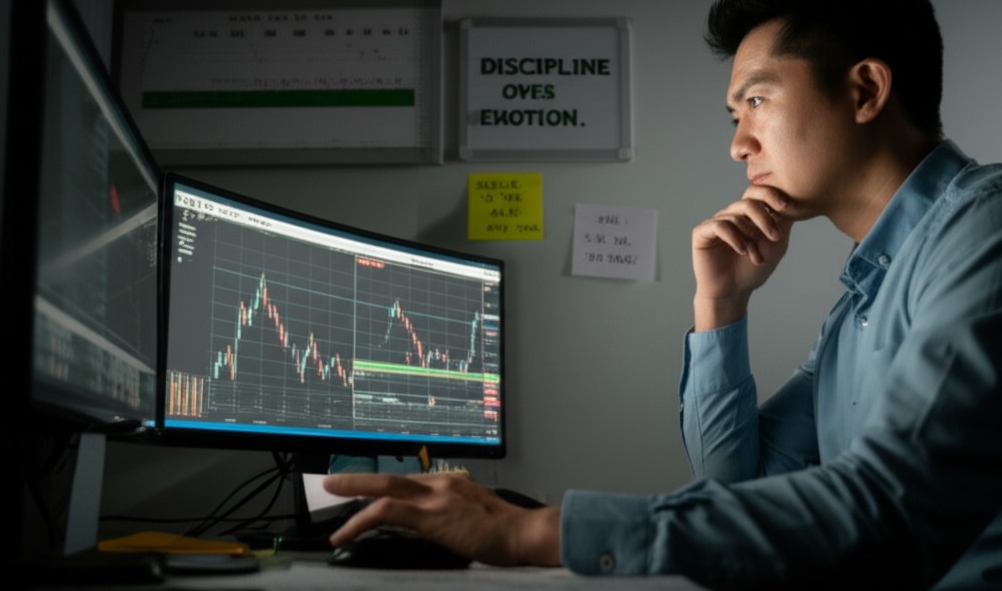
"Trading psychology is not a side topic. It is the topic,” said Dr. Brett Steenbarger, a renowned trading performance coach and author in behavioral finance. In his work with hedge funds, he has seen skilled traders lose everything due to poor emotional control. His perspective is echoed by many: trading success is less about strategy and more about mindset.
From firsthand experience, traders often admit that emotional decisions wreck more accounts than market conditions ever could. It starts small—hesitating to cut a loss, chasing a breakout too late, or letting fear freeze your hand when profits are within reach. This is where trading psychology steps in, guiding the trader mindset with mental toughness, discipline, and emotional balance.
Discipline – sticking to risk management rules even when nerves say “double up”
Emotional control – avoiding FOMO and revenge trades during volatile market shifts
Decision making – staying logical when price action creates confusion
Behavioral insight – recognizing patterns driven by market psychology, not just charts
Top firms like SMB Capital have implemented psychological training programs alongside technical development, proving how crucial mindset is to trading performance. A strong trader does not just study the market—they study themselves.
Emotional Traps in Trading
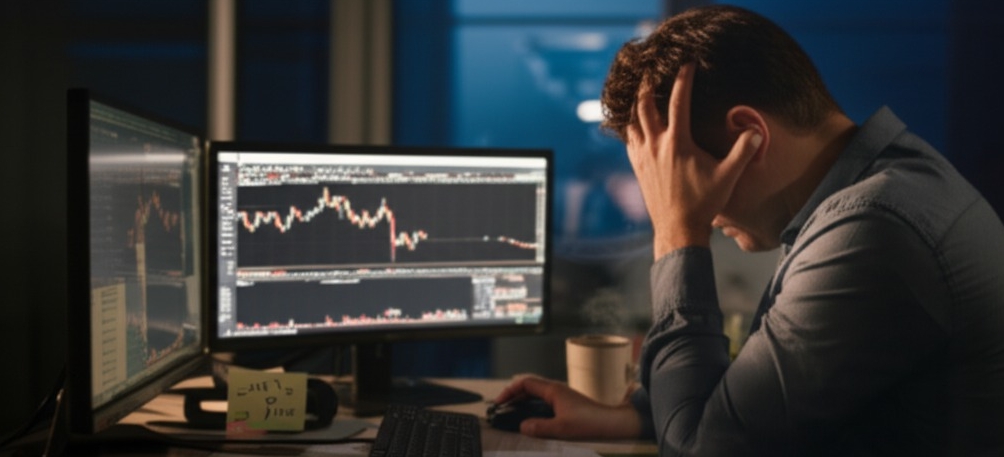
Emotions run wild in trading. These psychological traps sneak into your decisions, drain your capital, and mess with your mind more than any chart ever could.
Fear of Missing Out in Markets
FOMO hits hard. It whispers, “Everyone else is in—why aren't you?” Emotional trading triggered by market psychology, herd mentality, and missed opportunities causes traders to chase market trends and make impulsive decisions. You jump in late, regret it immediately, and promise you’ll never do it again… until the next shiny breakout.
“The market is a mirror. If you fear missing out, it shows in your trades.” – Brett Steenbarger
Greed-Driven Trading and Overleveraging
Greed is that little devil on your shoulder saying, "Just one more trade." Overleveraging might feel like a shortcut to high returns, but it often leads to margin calls, debt, and even financial collapse. This isn't just bad math—it's irrational decision-making fueled by market euphoria.
| Risk Factor | Common Outcome | Severity (1–5) |
|---|---|---|
| Excessive leverage | Margin call | 4 |
| Ignoring stop-loss | Financial bubble | 5 |
| No exit strategy | Bankruptcy risk | 5 |
Revenge Trading After a Loss
You take a hit, get mad, and double down. That’s revenge trading—the toxic blend of pride, ego, and denial. One loss turns into five, all from trying to recoup losses emotionally, not strategically.
You ignore your risk management plan.
You jump back in with overconfidence.
You dig the hole deeper.
Discipline dies here, fast.
Paralysis During Market Volatility
Sometimes, it’s not impulsive action that hurts—it’s inaction. During market downturns or fast swings, traders freeze. They overanalyze, fear pulling the trigger, and watch good setups slip away. This analysis paralysis kills opportunity.
Indecision = missed entries
Hesitation = late exits
Freeze = regret
The real enemy? Not volatility. It’s your emotional freeze under pressure.
How Do Emotions Affect Your Trade Decisions
Emotions don’t just color your trades—they often hijack them.
Impulsive Entries on Market Hype
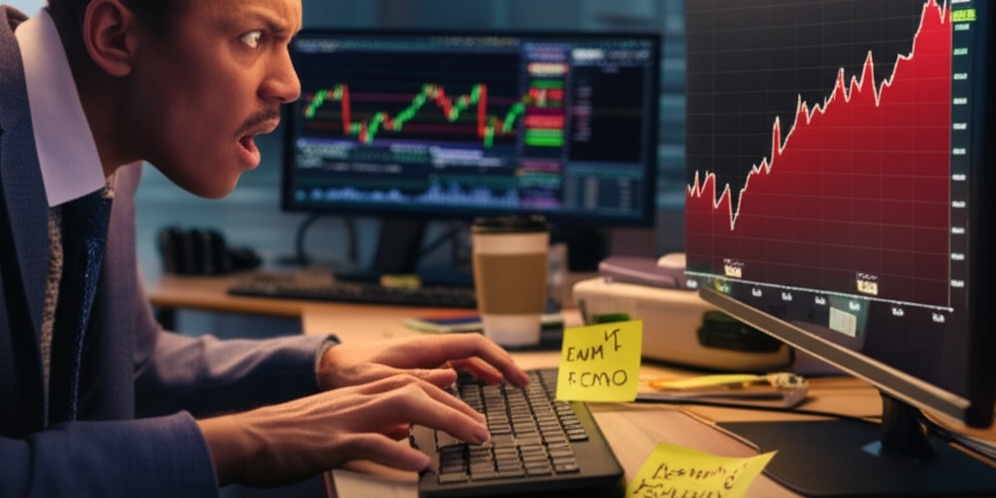
Jumping into a trade because everyone else is? Yeah, that’s emotional FOMO at work. This behavior mirrors consumer impulse buying, like grabbing viral cleaning hacks off TikTok that haven’t been tested—flashy, fast, and often regrettable. Traders often enter positions based on market-driven lamp shade choices—a.k.a. what’s trending, not what’s solid.
These trades often lack proper research, much like unresearched cleaning techniques.
They’re driven by short-term hype, not long-term thinking.
Quick-fix entries feel productive, but usually lead to regret.
Lesson: Slow down. If a trade feels too good too fast, it probably is.
Exiting Trades Too Early From Doubt
You entered the trade. The setup looked good. But then doubt creeps in. Suddenly, every tick against you feels like doom, so you bail. This is classic maintenance hesitation—much like tossing out a lamp shade too early, thinking the cleaning method won’t work.
Cleaning skepticism = not trusting your analysis.
Material damage fears = fearing loss before it's even real.
Giving up on stains = quitting before results can show.
“Confidence in trading comes from consistency, not being right every time.” — Brett Steenbarger
These exits often do more harm than holding and trusting the process. Let the plan breathe.
Discipline vs. Impulse – Which Drives Your Trades
Discipline makes you consistent. Impulse costs you cash.
How Trading Plans Reinforce Discipline
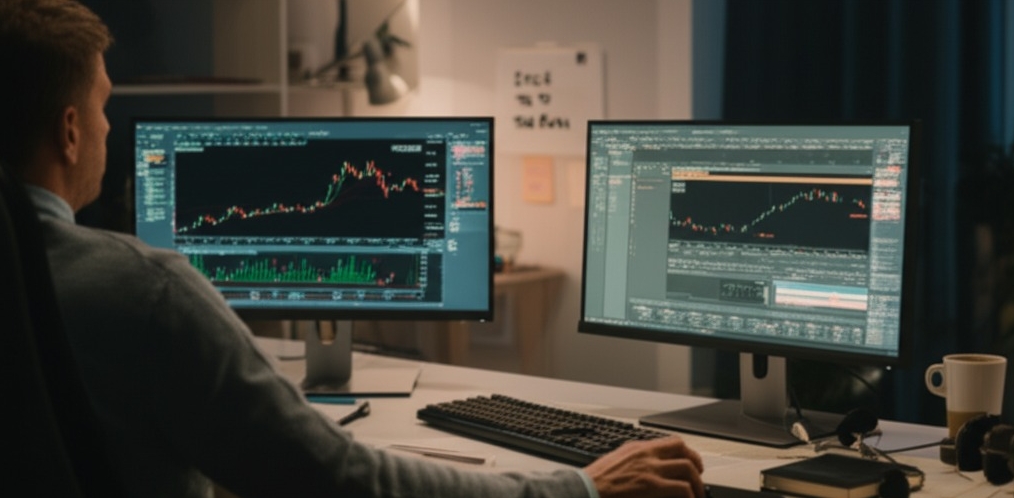
A solid trading plan isn’t just a fancy spreadsheet—it’s your playbook for consistency. Sticking to pre-defined rules keeps emotions out of trade execution and limits risky bets. Traders with a structured approach build self-control and avoid winging it in volatile markets. Plans also improve risk management, ensuring every trade fits within your strategy. Want more confidence in your trades? Write a plan, then actually follow it.
The Cost of Acting on Impulse
Acting on a “gut feeling” might feel thrilling, but impulsive trading often leads to financial loss. Emotional decisions and unplanned actions skip logic, leading to overtrading or bad entries. One moment of irrational behavior can undo days of good setups. Avoid it by taking a breath, re-checking your charts, and asking: “Is this part of my plan?”
The Role of Patience in Entry Timing
Analyze the Market: Don’t jump in—look for trend confirmation.
Wait for Optimal Entry: Great trades don’t chase price.
Avoid FOMO: Let setups come to you.
Be Strategic: The best traders strike when conditions match their edge.
Having patience in entry timing can be the difference between profit and regret.
Micro-Routines That Anchor Focus
Ever notice how elite traders treat their pre-market routine like a ritual? That’s no accident. Micro-routines like scanning setups, journaling, or a 2-minute meditation before opening the platform help anchor focus. It's not about being robotic—it's about creating habit loops that strengthen mental preparation and reduce chaos. Even a consistent post-market review trains your brain for better performance.
Discipline as a Learnable Trading Skill
“Discipline isn’t something you’re born with—it’s something you train.”
— Dr. Brett Steenbarger, trading psychologist
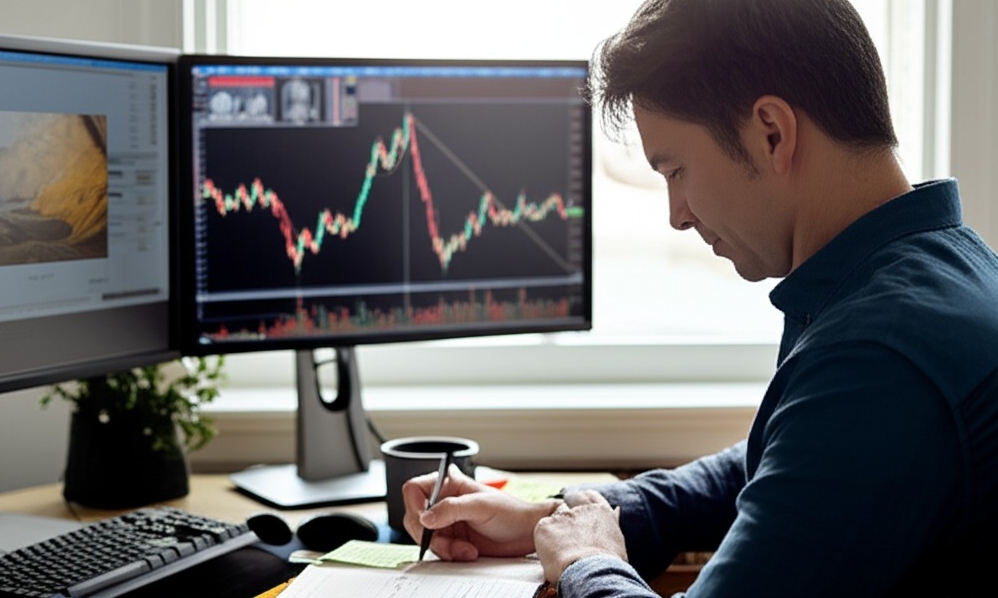
Like lifting weights, discipline takes reps. The more you show up, review, and stay consistent, the stronger your emotional control becomes. Over time, traders sharpen their psychological edge, making disciplined decisions part of their skill development—not just wishful thinking.
Trader Mindset Training
You can have the best strategy in the world, but without the right mindset, you’re basically trading blind.
Building Confidence Through Repetition
Confidence doesn’t show up overnight—it’s built through practice and consistency. Every trade, win or lose, is a rep. Think of it like learning guitar: you strum awkwardly at first, but muscle memory kicks in over time. The same goes for trading. When you repeat quality processes, you form habits, reinforce competence, and boost self-efficacy.
Routine breeds mastery
Small wins = big belief boosters
Track your incremental progress weekly to watch growth in real time
Visualization Techniques Used by Pros
Top traders don’t just prepare technically—they mentally rehearse success too. Guided visualization and future pacing help align your emotions with desired outcomes.
Picture your ideal trade execution before market open
Script a scenario for both success and loss—see how you stay composed
Rehearse the “feel” of following your plan, not chasing action
“Mental imagery is your mind’s warm-up. It builds emotional readiness before a single dollar is risked.” — Dr. Brett Steenbarger, Trading Psychologist
Handling Losses Without Self-Blame
Losses suck—but turning on yourself makes it worse. Learning to process setbacks without spiraling is key to long-term survival.
Reflect with non-judgmental analysis: What went wrong mechanically?
Use self-compassion, not shame, to guide your review
Recognize every loss as feedback, not failure
Letting go doesn’t mean ignoring mistakes—it means growing from them without crushing your confidence. That’s psychological well-being in action.
Tools to Track Trader Psychology
Mastering your mindset starts with tracking it. These tools help traders understand their emotional patterns and sharpen their discipline.
Using a Trading Journal Effectively
A trading journal isn’t just for noting profits and losses—it’s your personal roadmap to smarter decisions. It should include entry/exit points, strategy reasoning, risk levels, and most importantly, emotional notes.
Track wins and losses, but dig deeper: Why did you enter that trade? How did you feel exiting it?
Use post-trade reviews to spot patterns in performance tracking.
Logging emotions strengthens emotional discipline and supports better risk management.
“A good trade log is like a mirror—it reflects your real edge.” — Brett Steenbarger
Apps That Monitor Trading Behavior
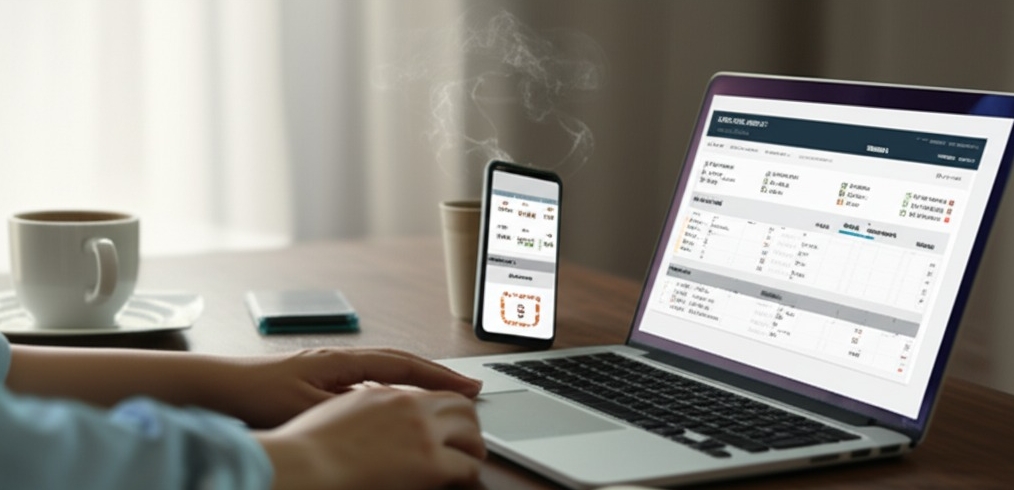
Forget pen and paper—today’s trading apps offer built-in behavioral analytics that help you see beyond the numbers. Many offer brokerage integration, automatic trade imports, and psychology tools.
Feature-rich apps like TraderSync or Edgewonk offer habit tracking tied to performance.
Trading insights dashboards visualize how your mood, time of day, or market type affects decisions.
AI-driven feedback nudges you when your behavior starts drifting from your strategy.
| App Name | Key Feature | Brokerage Integration |
|---|---|---|
| TraderSync | Emotion tagging | Yes |
| Edgewonk | Strategy breakdowns | No |
| Tradervue | Performance monitoring | Yes |
These tools act like a trading coach in your pocket—minus the yelling.
Best Trading Psychology Books to Buy
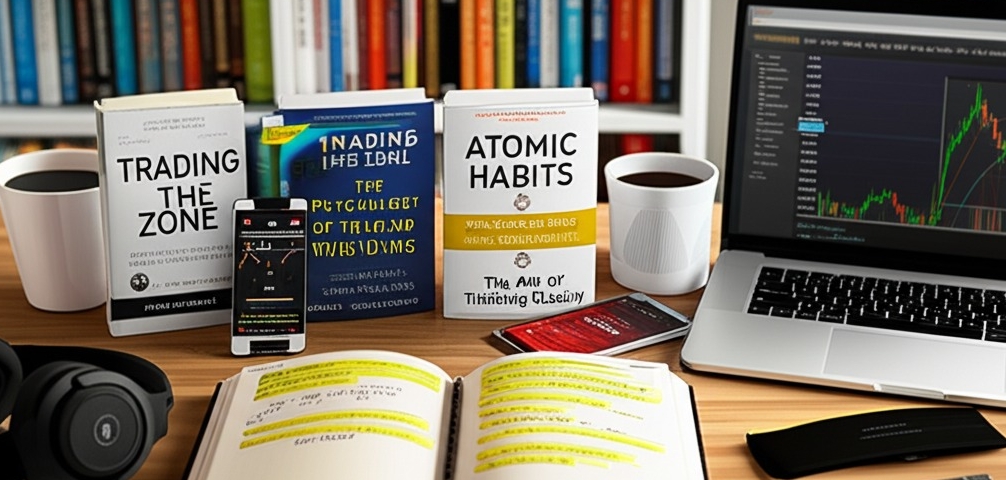
There’s no shortage of trading books, but only a handful truly rewire your mindset. These picks sharpen your mental edge—on the screen and in your head.
“Trading in the Zone” by Mark Douglas
Mark Douglas delivers a mindset masterclass with this must-read. He breaks down probabilistic thinking, emotional control, and the psychology behind “zone trading”—a mental state where discipline meets instinct. Perfect for those stuck chasing losses or doubting every entry. His work redefines how you approach risk and strategy.
“The Psychology of Trading” by Brett Steenbarger
Brett Steenbarger blends behavioral finance with real trading experience. He leans into self-coaching methods, showing traders how to reflect, adjust, and perform better. His insights on emotional intelligence and cognitive triggers are gold for anyone battling hesitation or overconfidence in fast markets.
Books on Cognitive Bias in Markets
Understand investor psychology and decision-making errors
Topics include anchoring bias, confirmation bias, and overconfidence
Essential for traders aiming to sidestep common mental traps in volatile financial markets
Best Reads for Beginner Mindset Training
“The Daily Trading Coach” – Simple mental hacks for newbies
“Enhancing Trader Performance” – Build early discipline and resilience
“Atomic Habits” – Though not trading-specific, it’s a mindset game-changer
Underrated Titles for Emotional Discipline
Some books fly under the radar but punch way above their weight.
“Emotional mastery beats technical mastery in high-stakes trades,” says trader coach Denise Shull.
Books like “The Art of Thinking Clearly” and “The Hour Between Dog and Wolf” dig into emotional regulation, mental stamina, and controlling risk impulses with grit—not guesswork.
Audiobooks for Trading Psychology on the Go
| Title | Narrator | Duration (hrs) |
|---|---|---|
| The Mental Game of Trading | Jared Tendler | 9.3 |
| Thinking in Bets | Annie Duke | 7.6 |
| Mindset | Carol Dweck | 10.1 |
These audiobooks help traders sharpen focus and stay mentally conditioned—during commutes, workouts, or downtime. On-the-go learning builds the repetition needed for true mindset change.
Does Mastering Psychology Boost Profits
“I have seen traders with perfect setups lose money,” said Michael Carter, a 15-year veteran in futures and forex. “It is not the chart. It is their mindset.” His words resonate across every trading floor, forum, and back-office desk. Emotional control, discipline, and consistency remain the real drivers of long-term trading performance—not just technical analysis or fancy tools.
According to research published by the Journal of Behavioral Finance, traders who actively manage cognitive biases, such as confirmation bias and loss aversion, show higher levels of profitability and risk-adjusted returns. Carter added, “I mentor people every week. Those who journal emotions and follow strict risk management rules outperform the ones who chase signals.”
Top prop firms now assess psychological edge as a hiring metric. FTMO and Topstep, two award-winning trading platforms, both emphasize emotional discipline and mental resilience in trader evaluations. This emphasis is no coincidence:
Traders with strong discipline stick to stop-loss levels.
Those who build emotional control avoid revenge trades.
A consistent mindset leads to stable equity curves.
Behavioral finance confirms what experience teaches: psychology is not optional—it is a profit engine.
Conclusion
Let’s be real—trading isn’t just numbers and candles. It’s late-night doubt, that adrenaline rush before a breakout, and the pit in your stomach after a loss. This guide gave you the mental playbook to stop trading on tilt and start thinking like a pro.
The biggest edge in the market isn’t your strategy—it’s your state of mind.
“Amateurs focus on rewards. Pros focus on risk.” — Brett Steenbarger
So next time your hands hover over that sell button, pause. Check your chart—but check yourself, too.
It’s the mental side of trading—your emotions, thoughts, habits, and behavior. Basically, it’s how your brain handles risk, loss, and pressure. You might have the perfect strategy, but if your mindset’s off, your results will be too.
Short answer? Fear. Long answer? Our brains are wired to avoid loss more than to chase gain. When the market turns slightly, many traders imagine the worst and jump ship—even when their plan says stay put. Learning to manage this knee-jerk fear is a game-changer.
Revenge trading kicks in when a trader takes a loss personally. Instead of walking away or sticking to their plan, they immediately jump into another trade to "get even."
It’s driven by:Ego and the need to be right
Emotional discomfort from taking a hit
Lack of a clear stop/recovery strategy
Impulsive need to prove something to the market
Discipline isn’t magic—it’s built. Pros train like athletes, mentally and emotionally. They have routines and they follow them like clockwork, even when it’s boring or tough.
Absolutely. Keeping a journal helps you:
Spot emotional patterns (like panic selling)
Track wins and losses with context
Stay accountable to your trading plan
Reflect on what’s working—and what’s not
Yes, and they’re more helpful than you'd think. Some track your emotional state, others help log your trades with notes on mood or confidence. A few even give behavioral analytics, like how often you ignore your stop-loss.
Trading in the Zone by Mark Douglas. It’s clear, practical, and honestly—it changes how you see the game. If you’re new and overwhelmed by emotions while trading, start there.
It varies. For some, it clicks after a few months of journaling and testing. For others, it’s a slow grind over years. The key is consistency—not perfection.
Yes, massively. Mindset doesn't replace strategy, but it determines how well you execute. A solid system means nothing if you panic, overtrade, or second-guess it every time. Your brain is either your biggest asset—or your biggest threat.